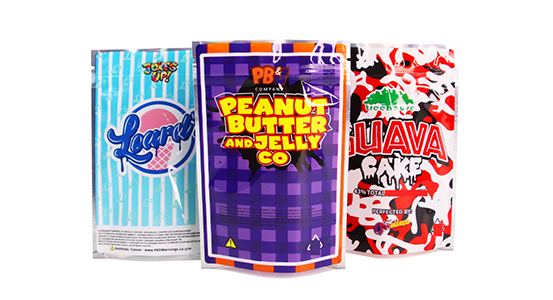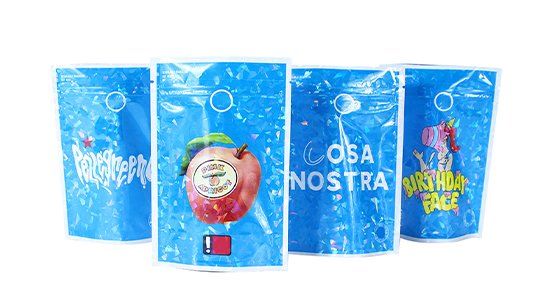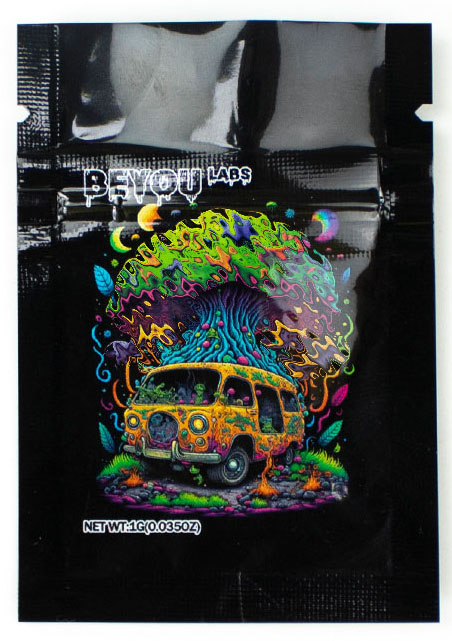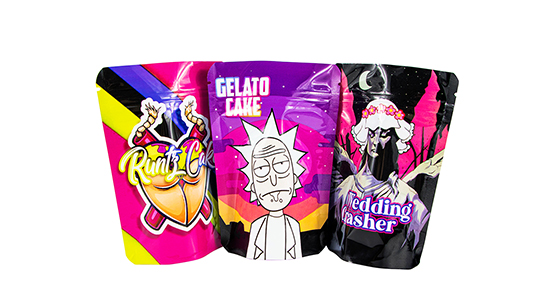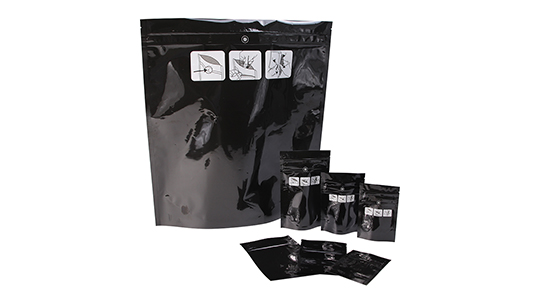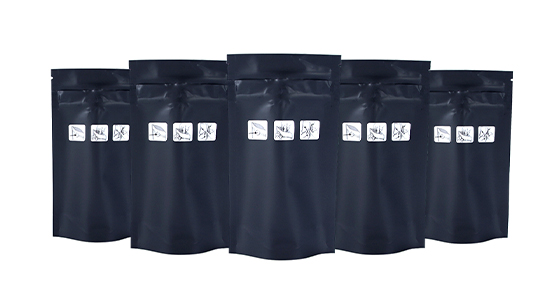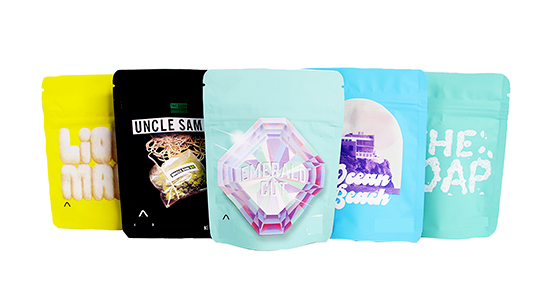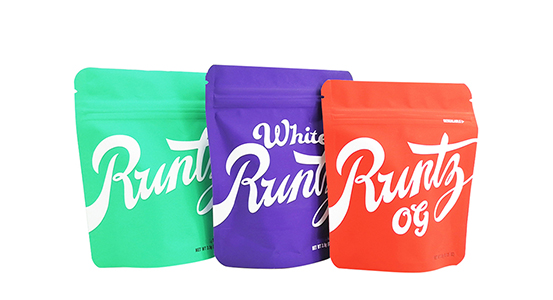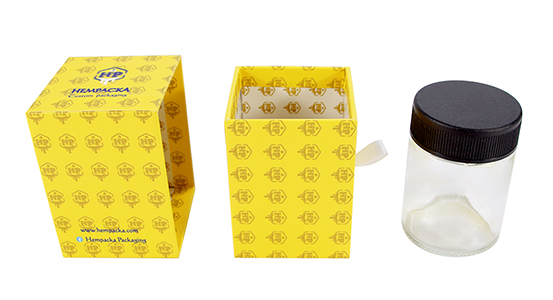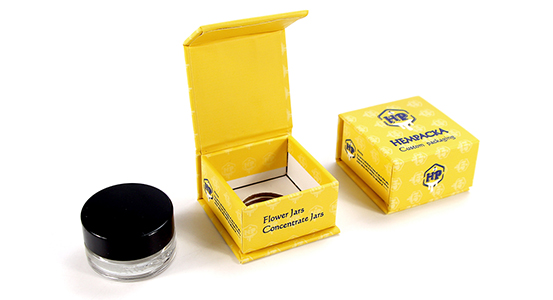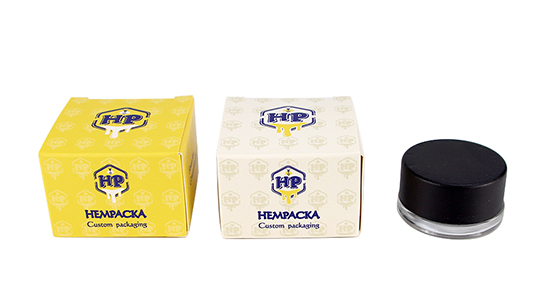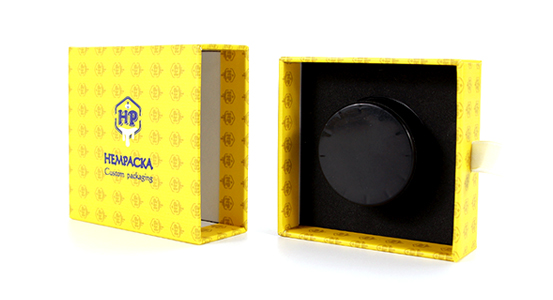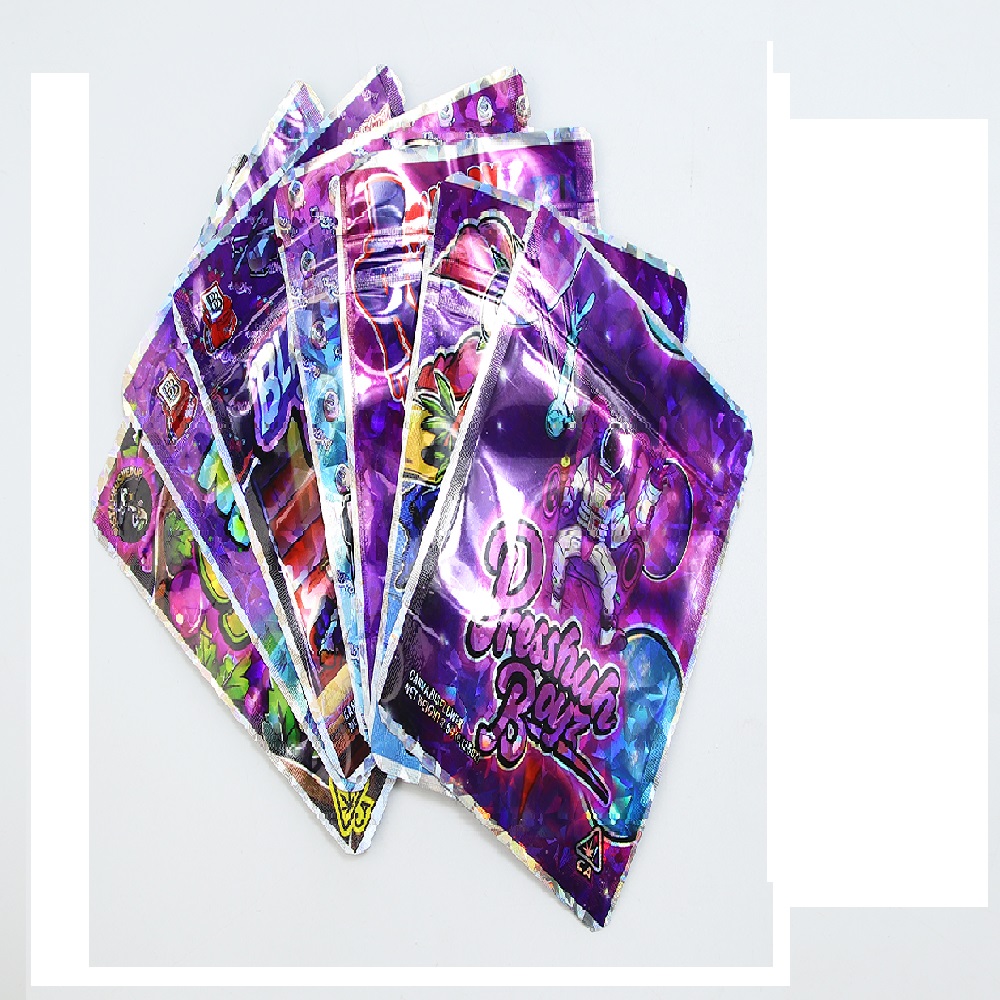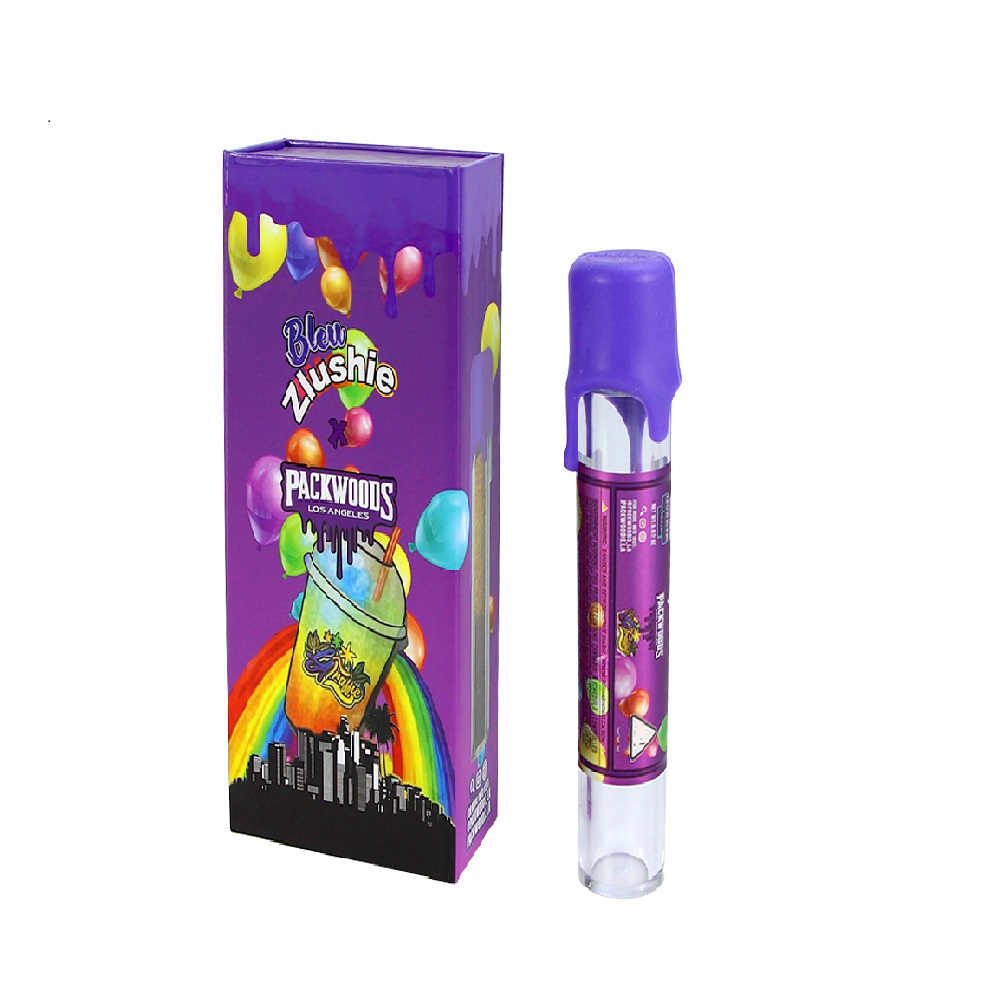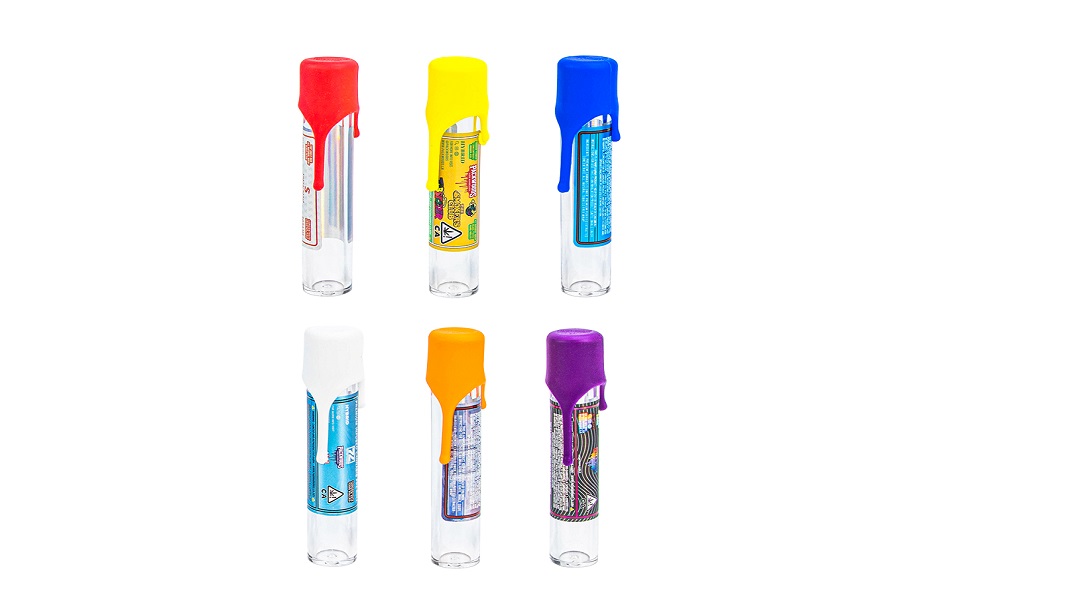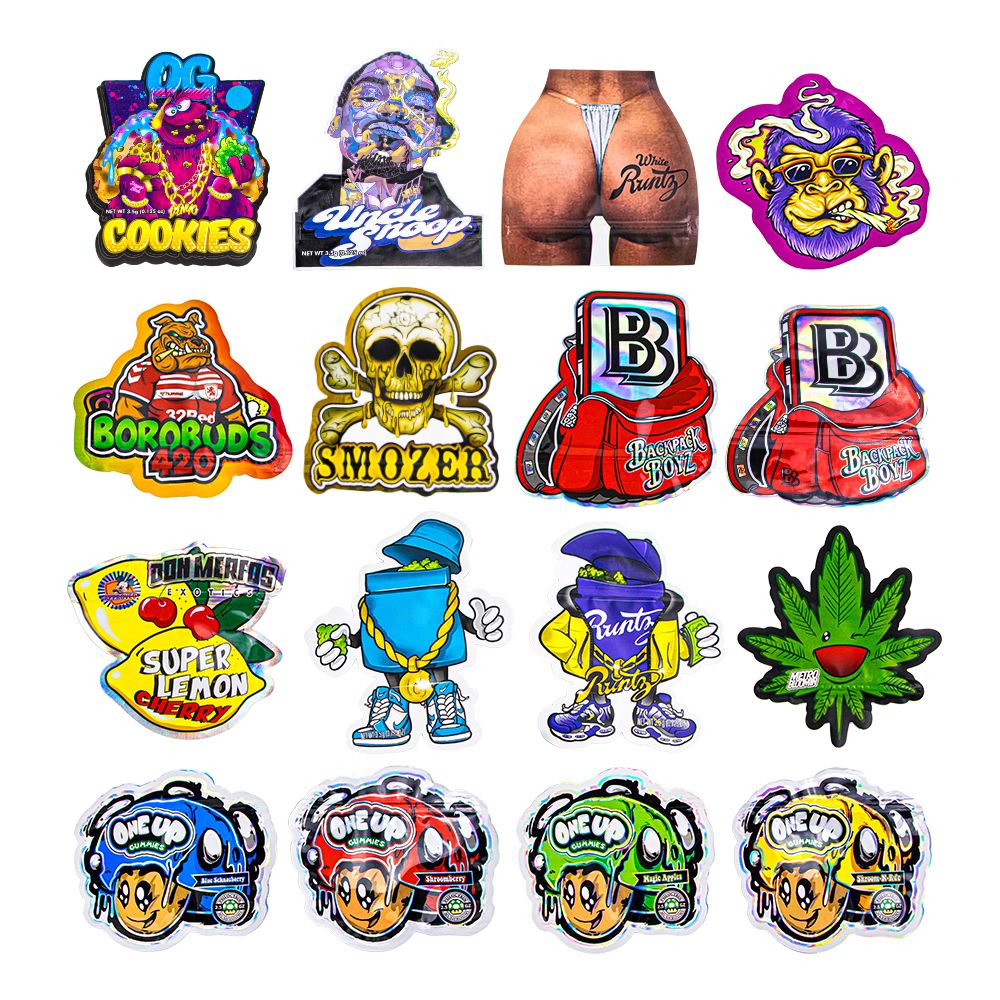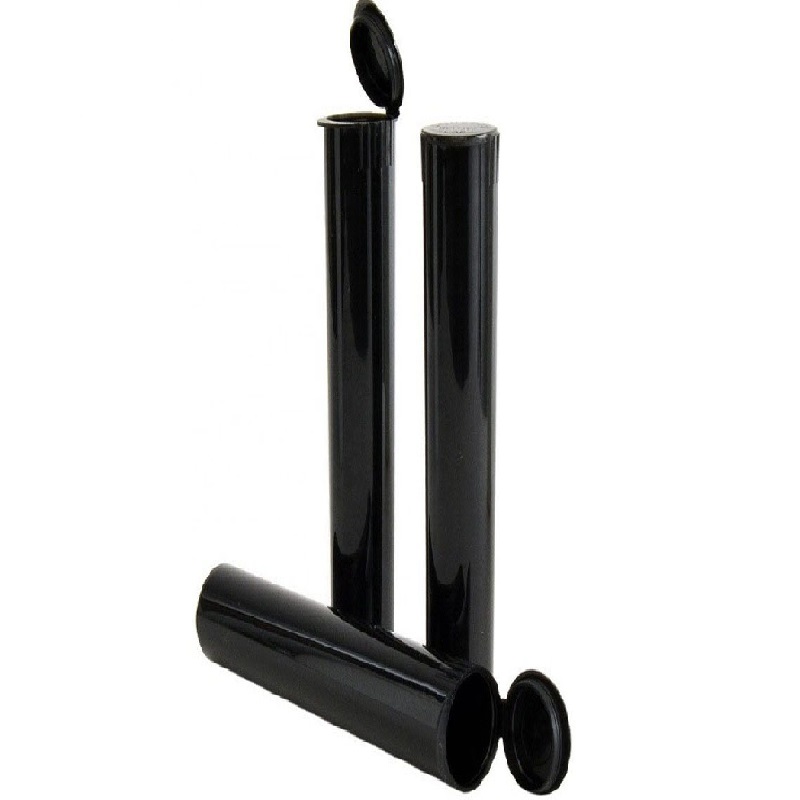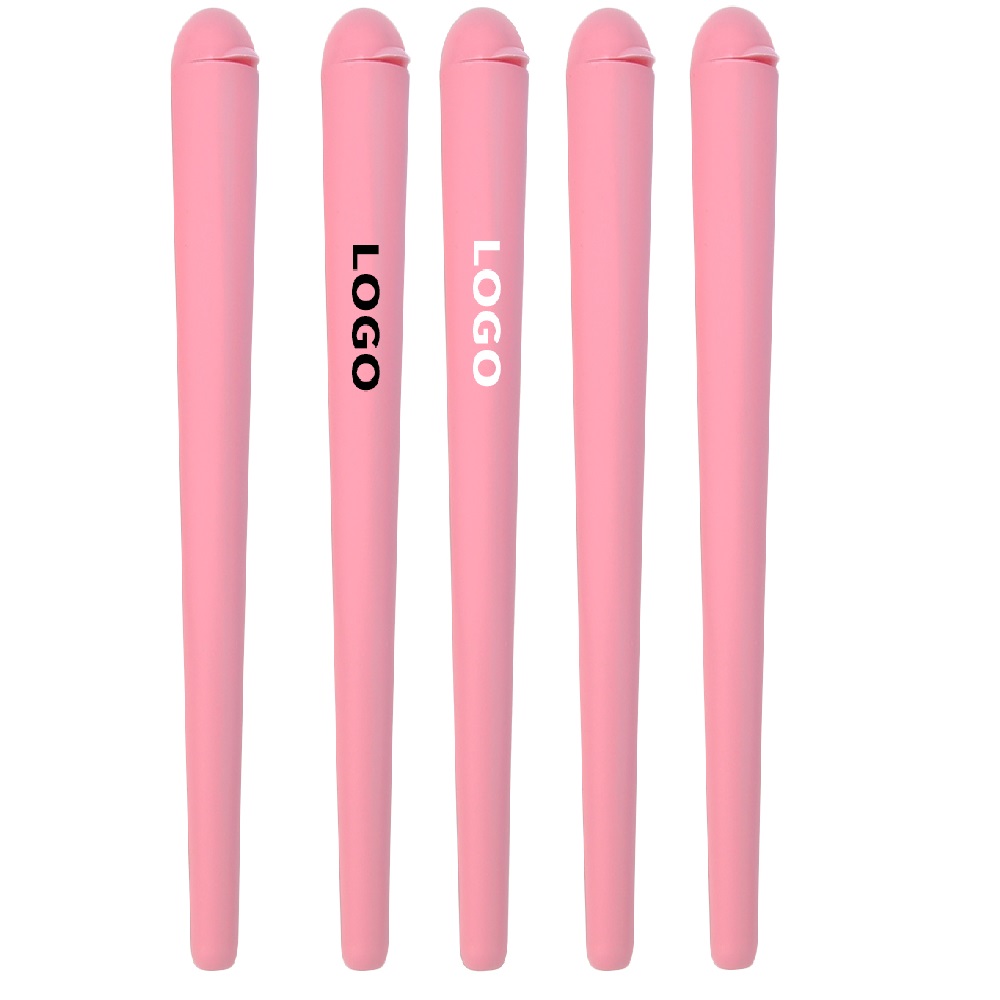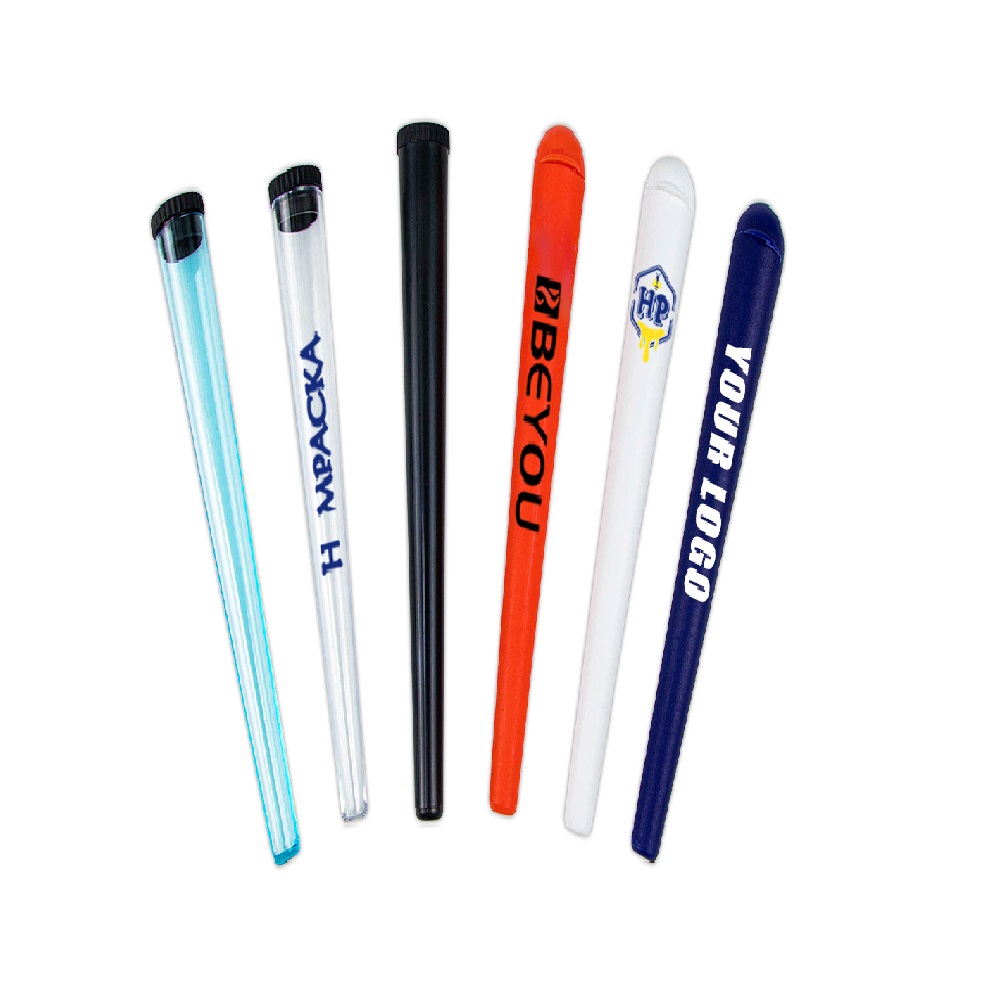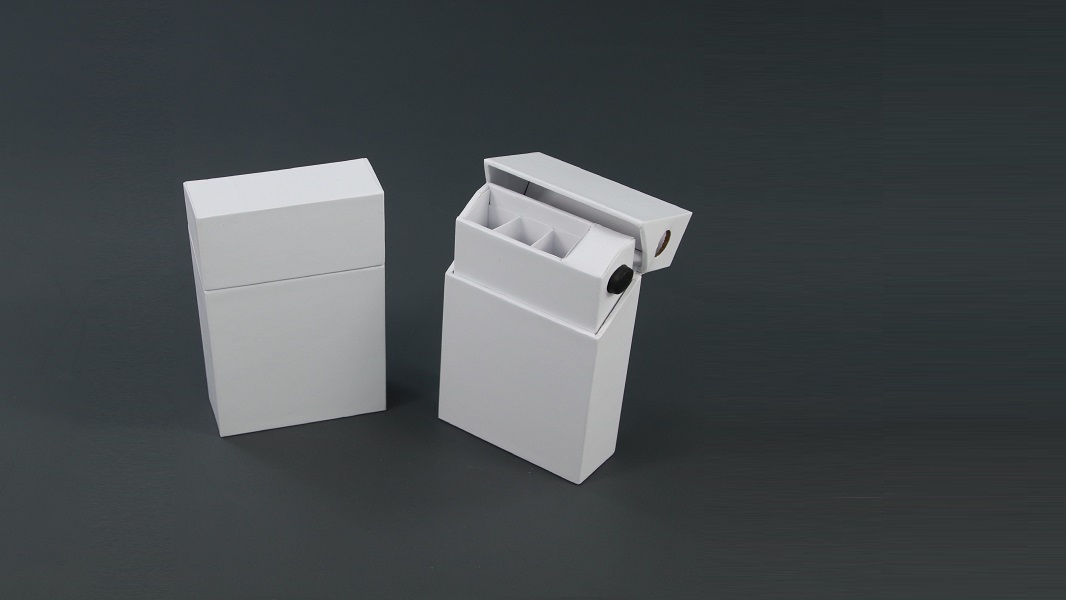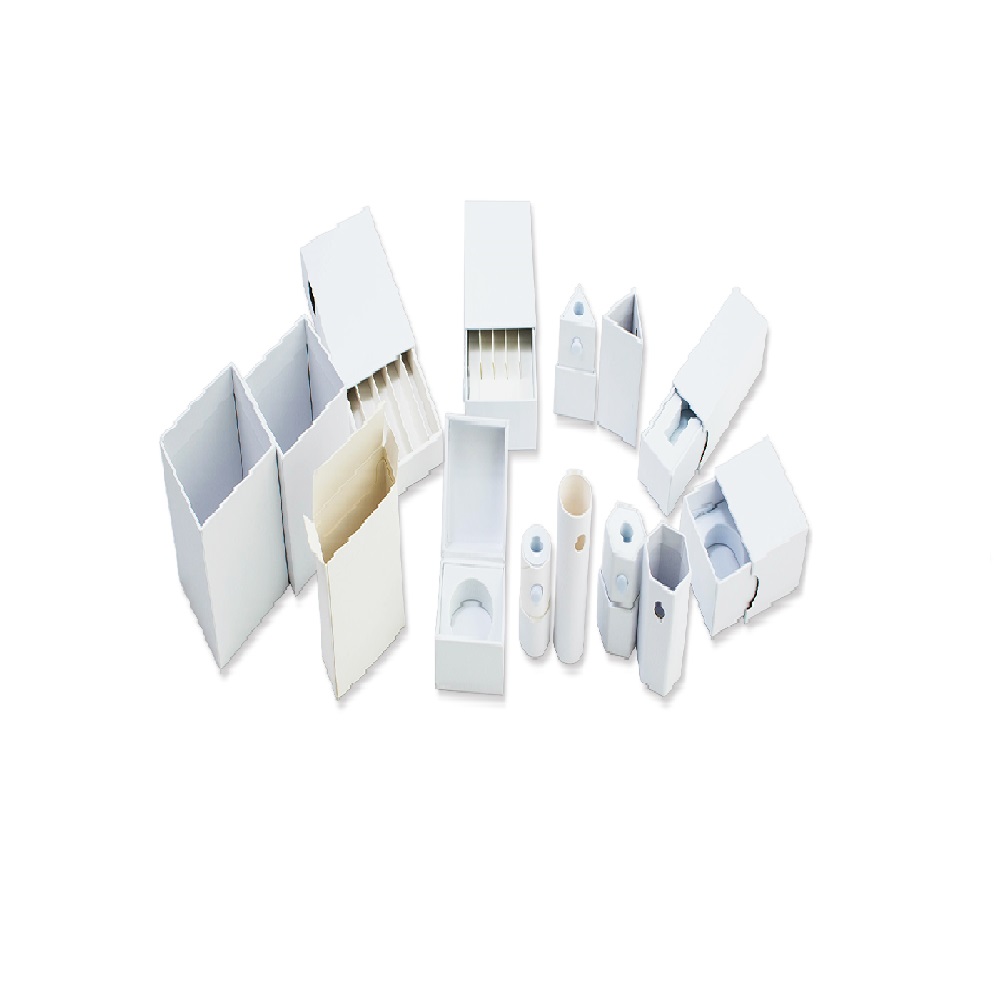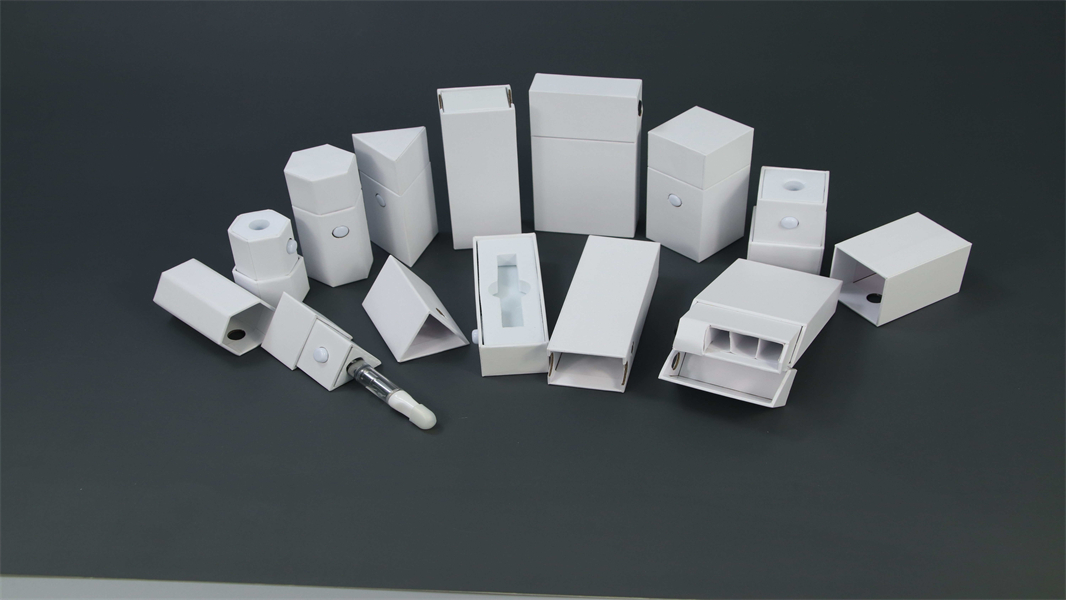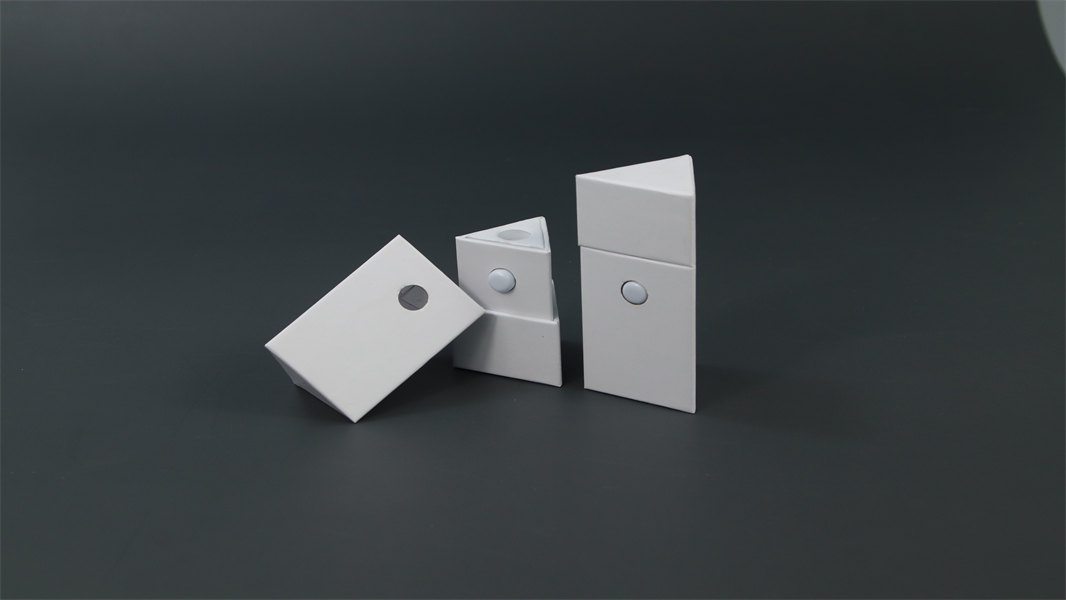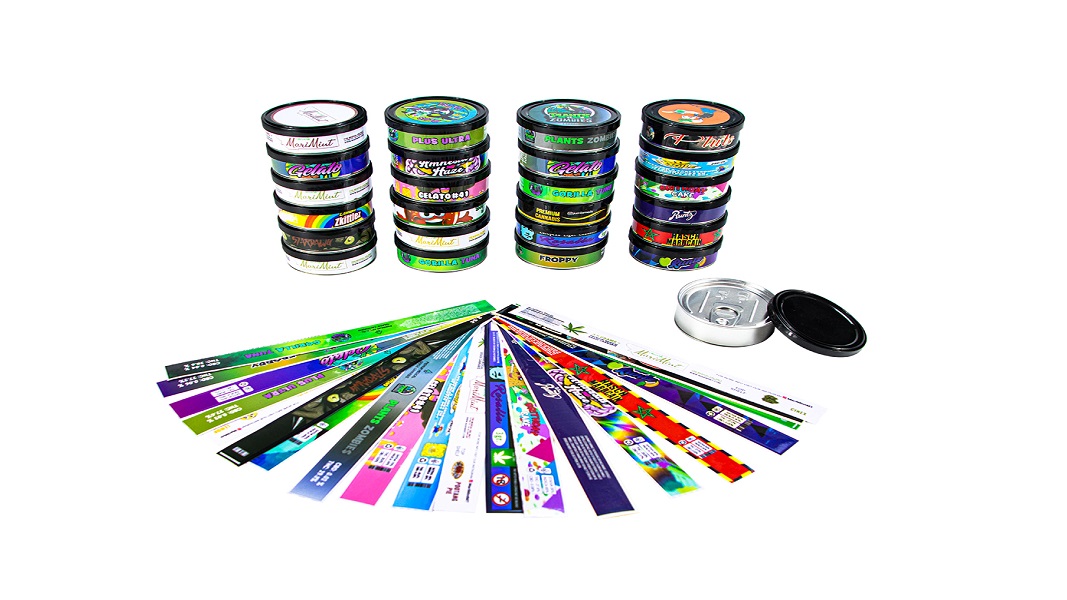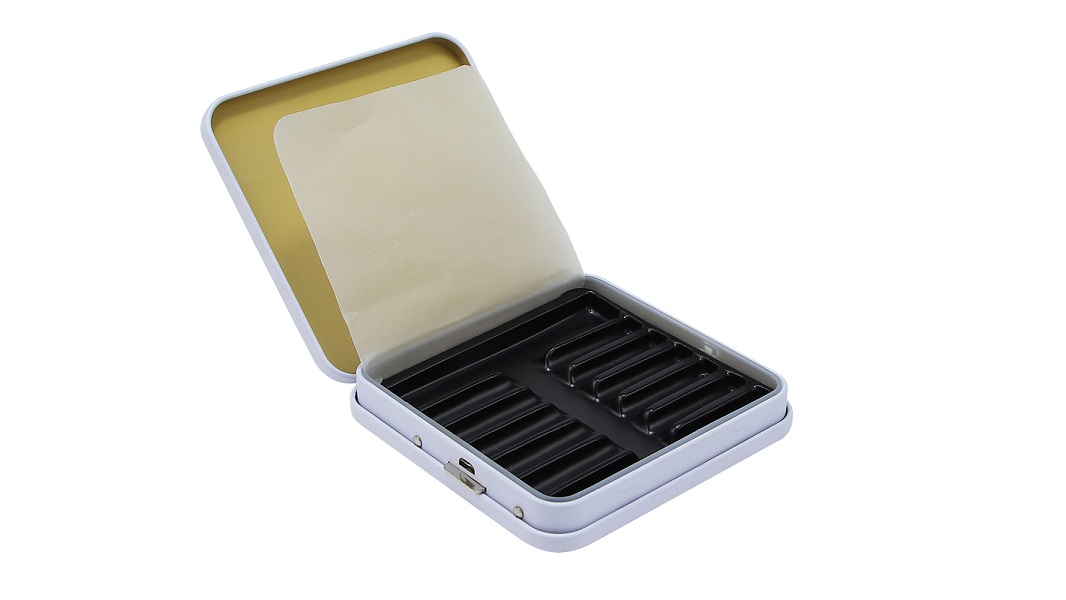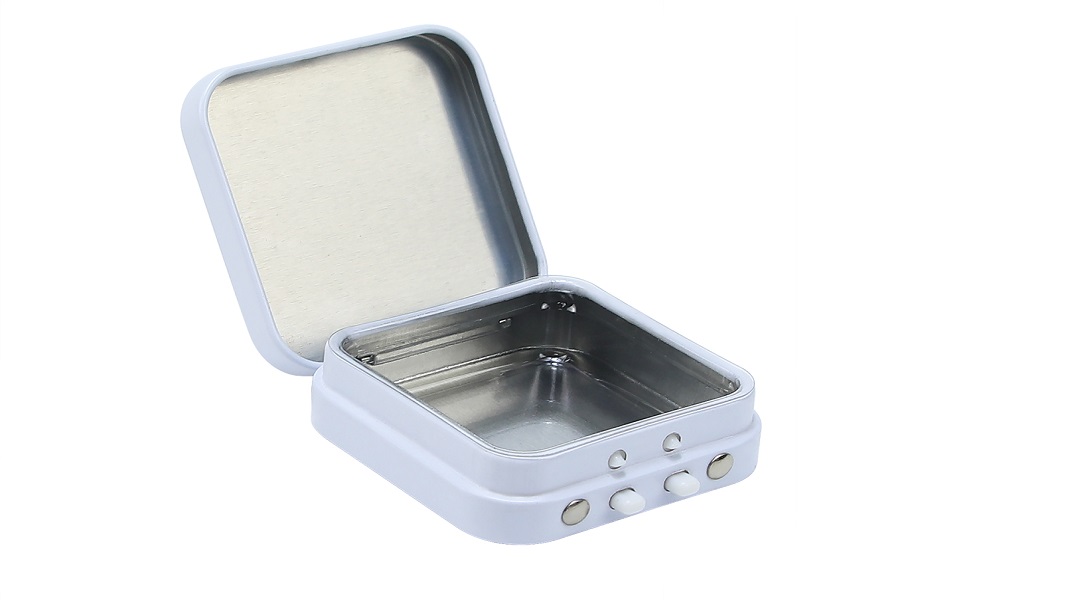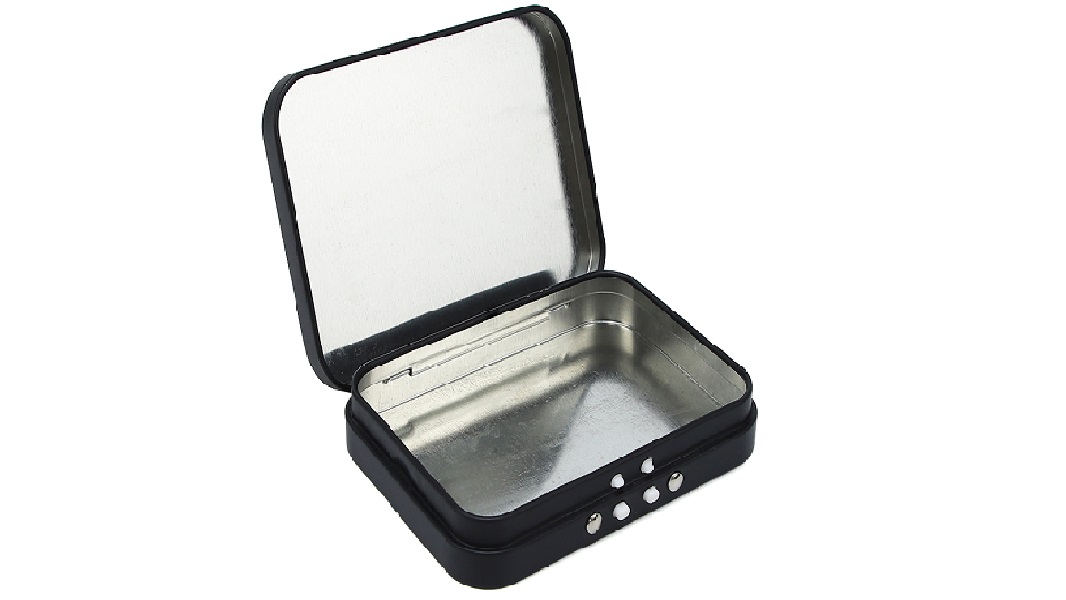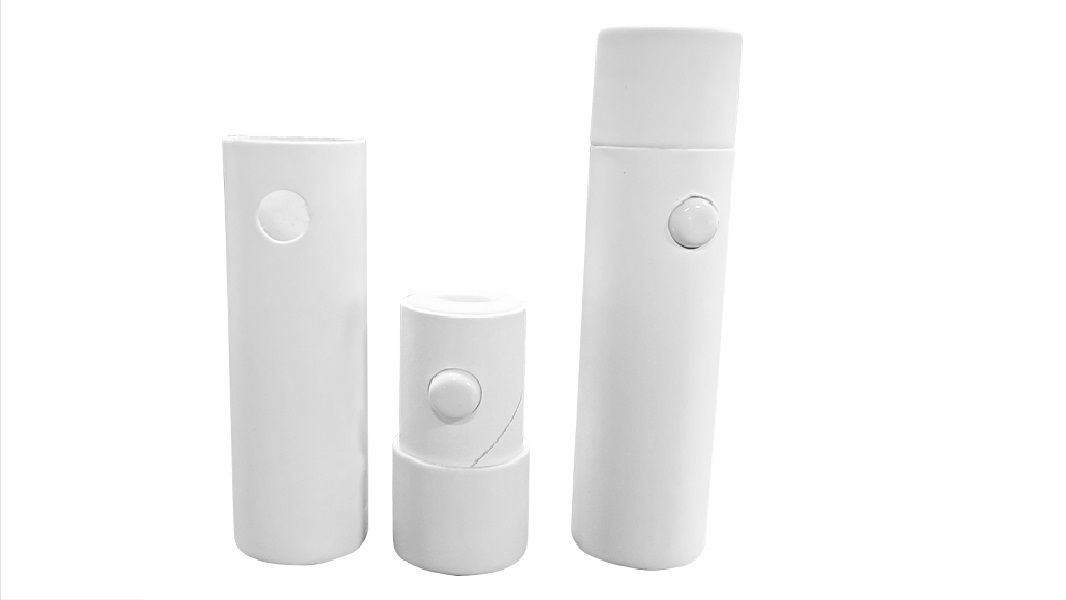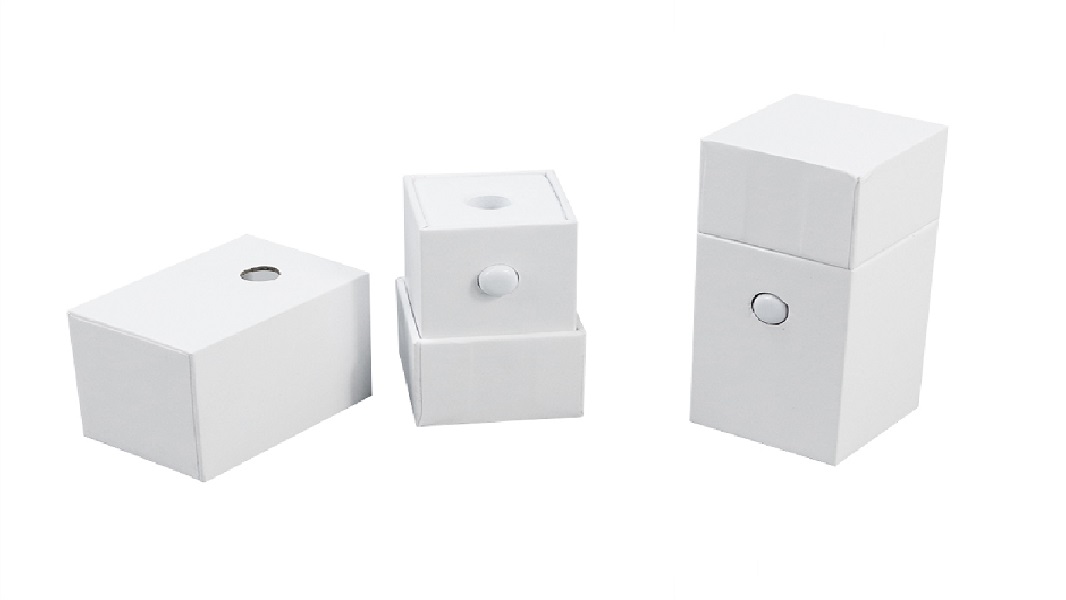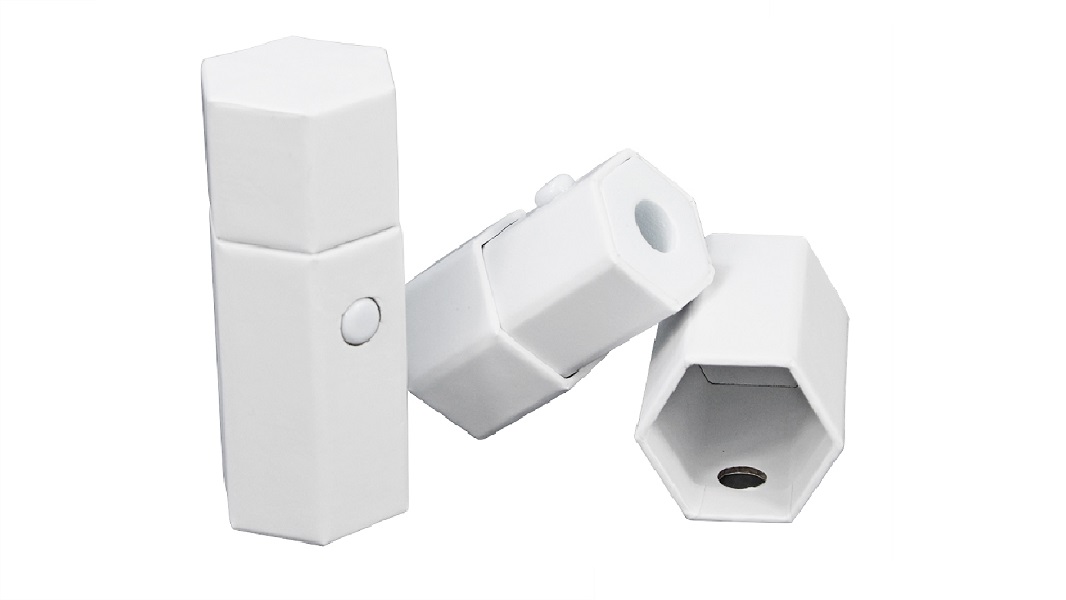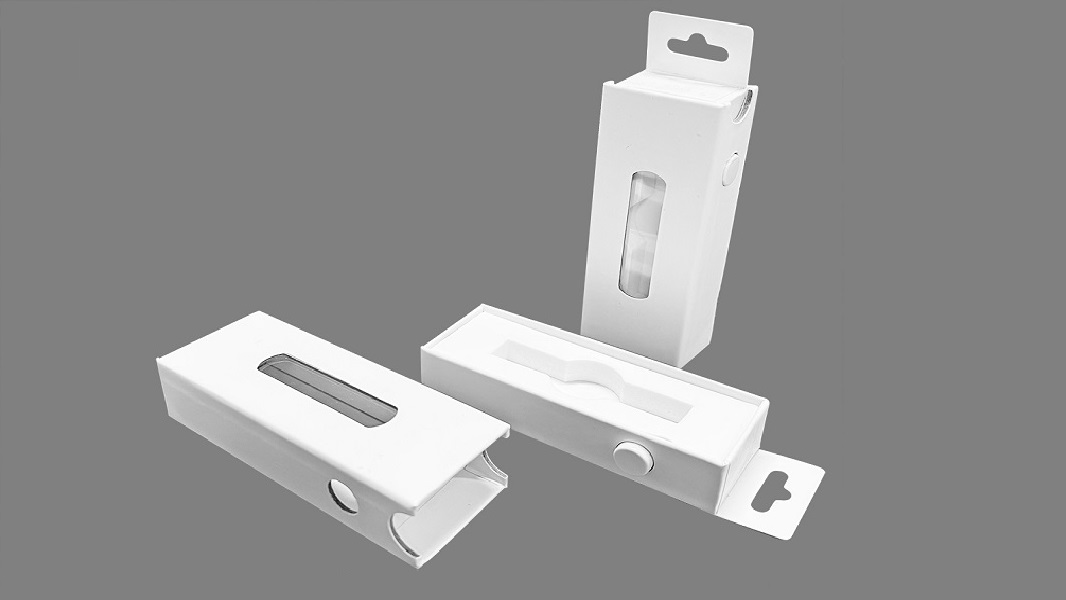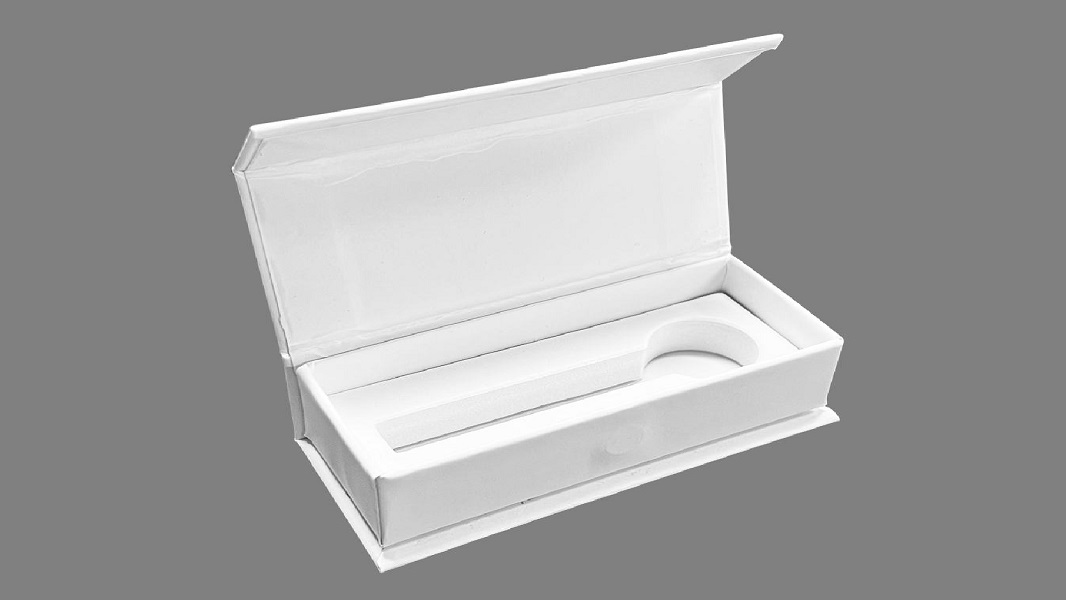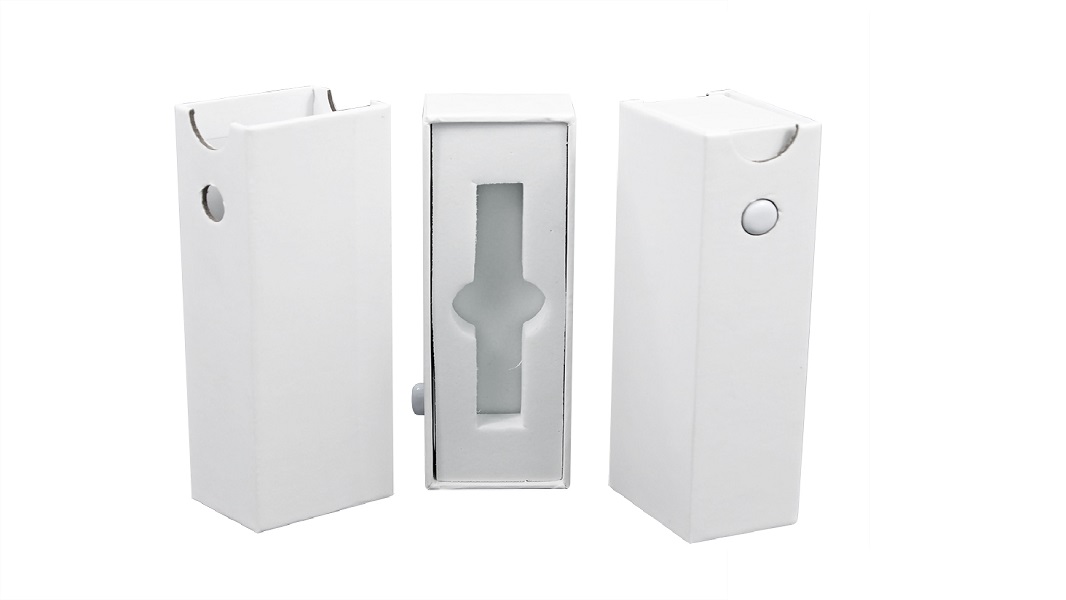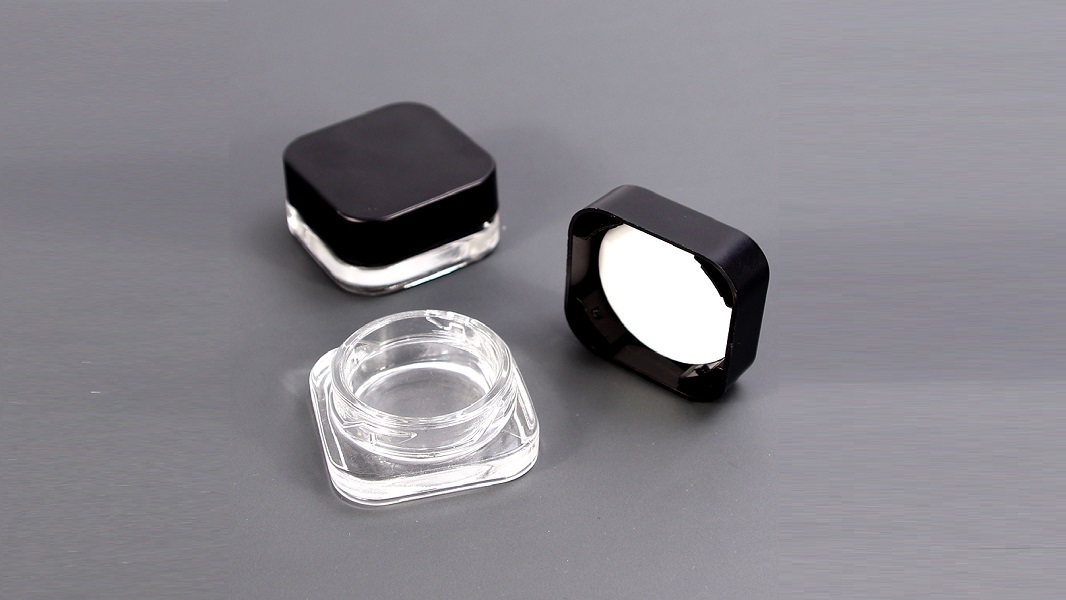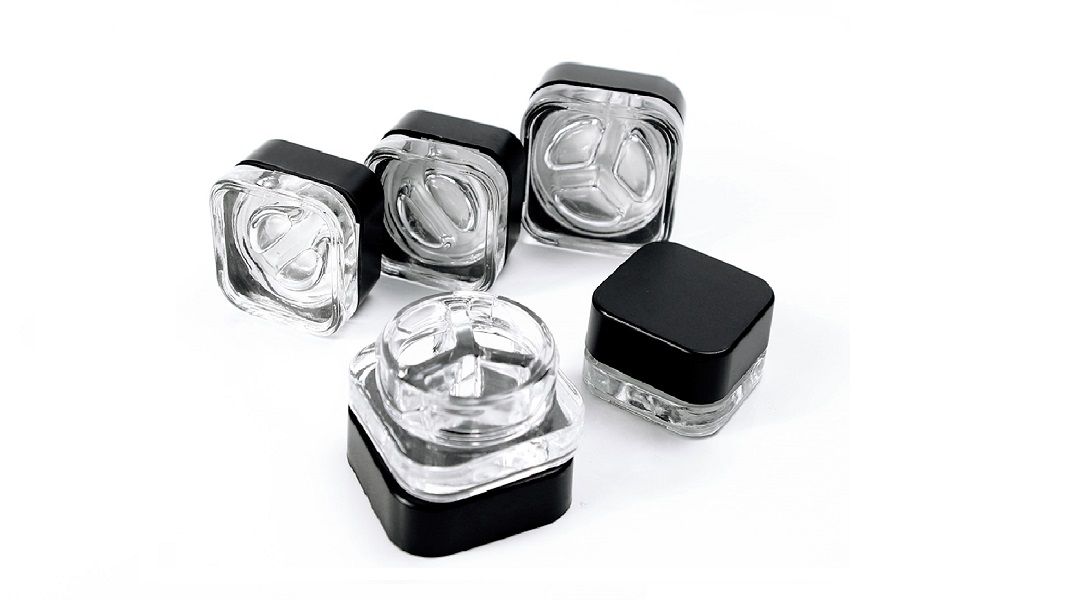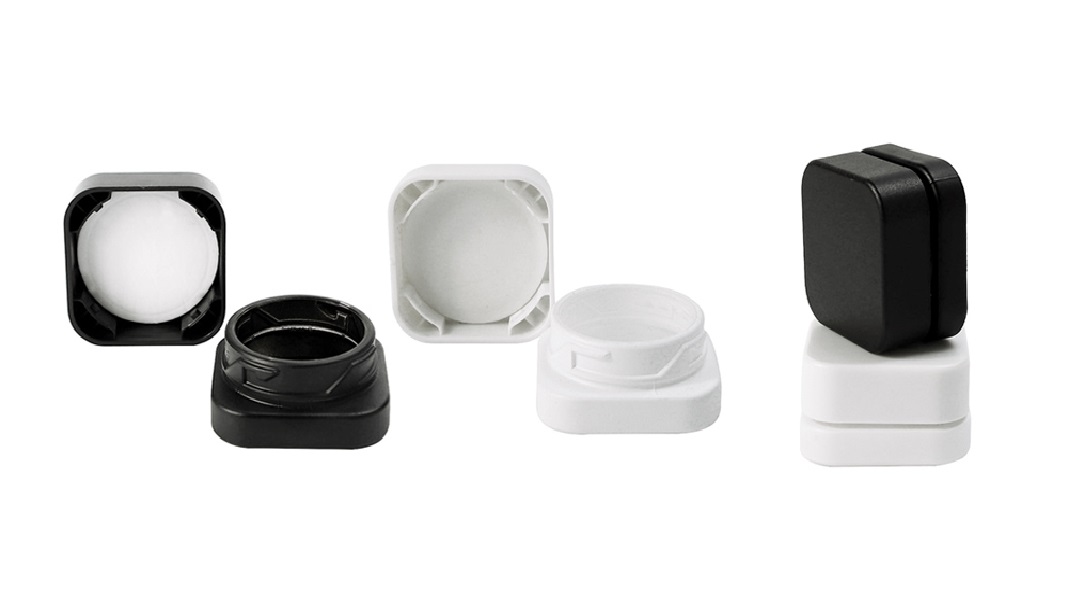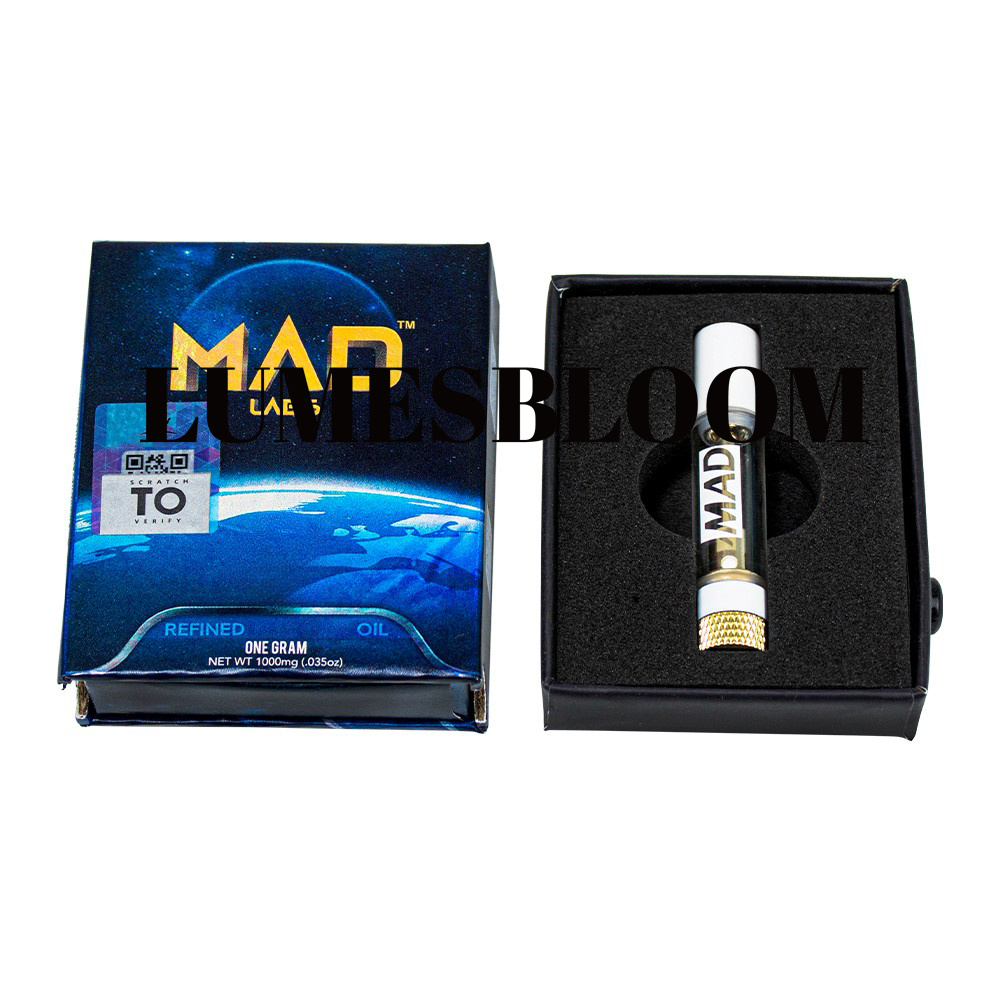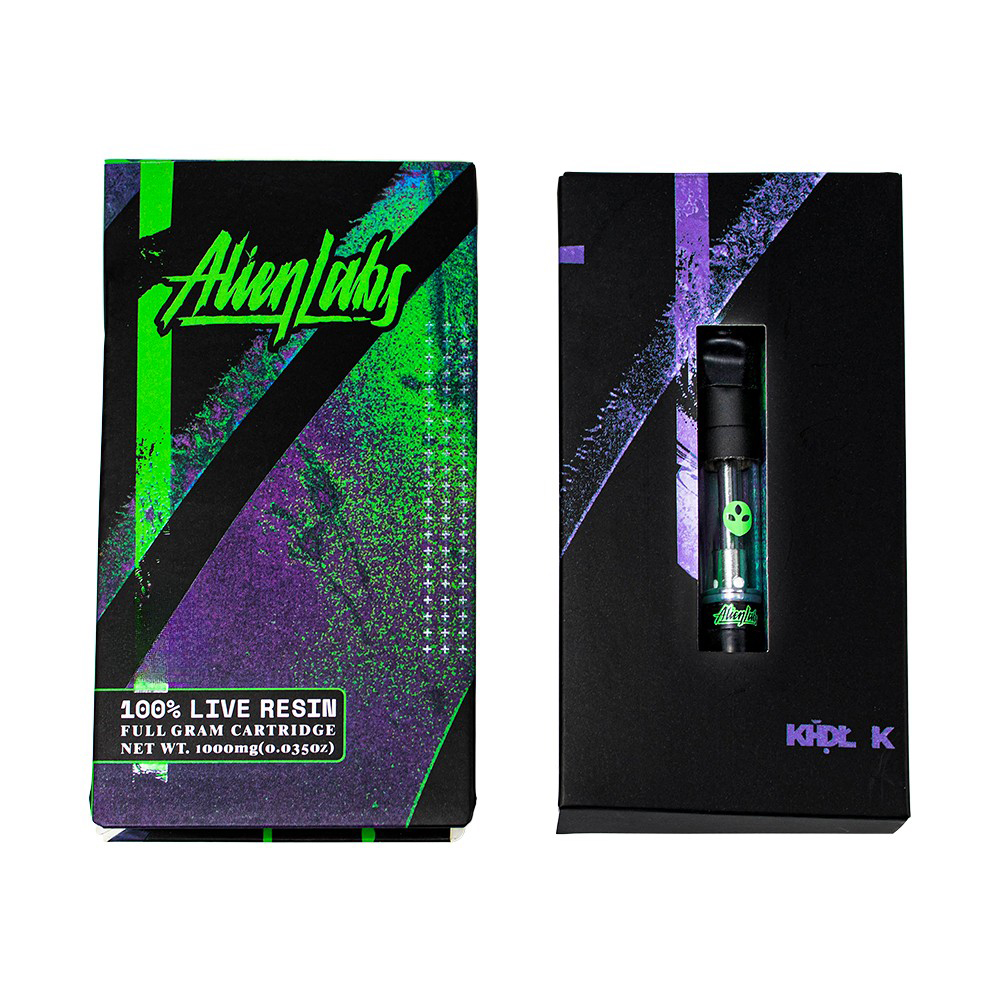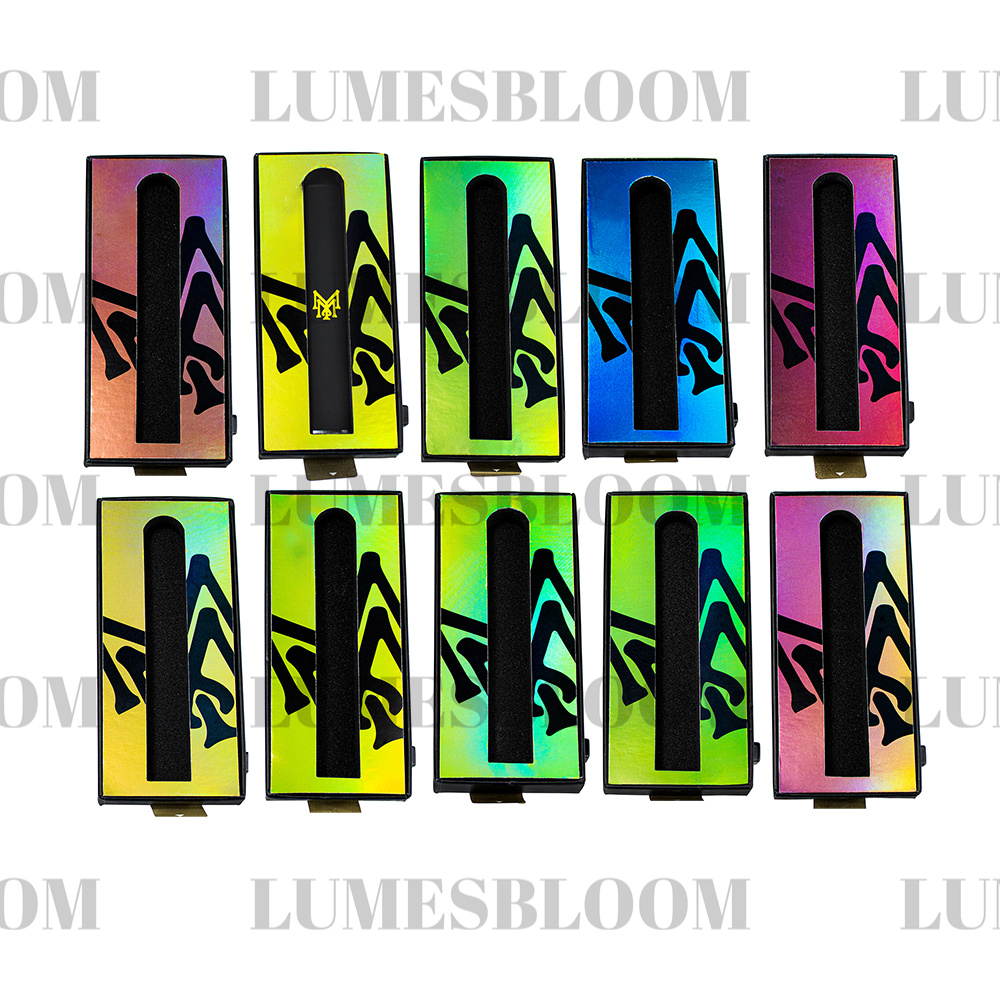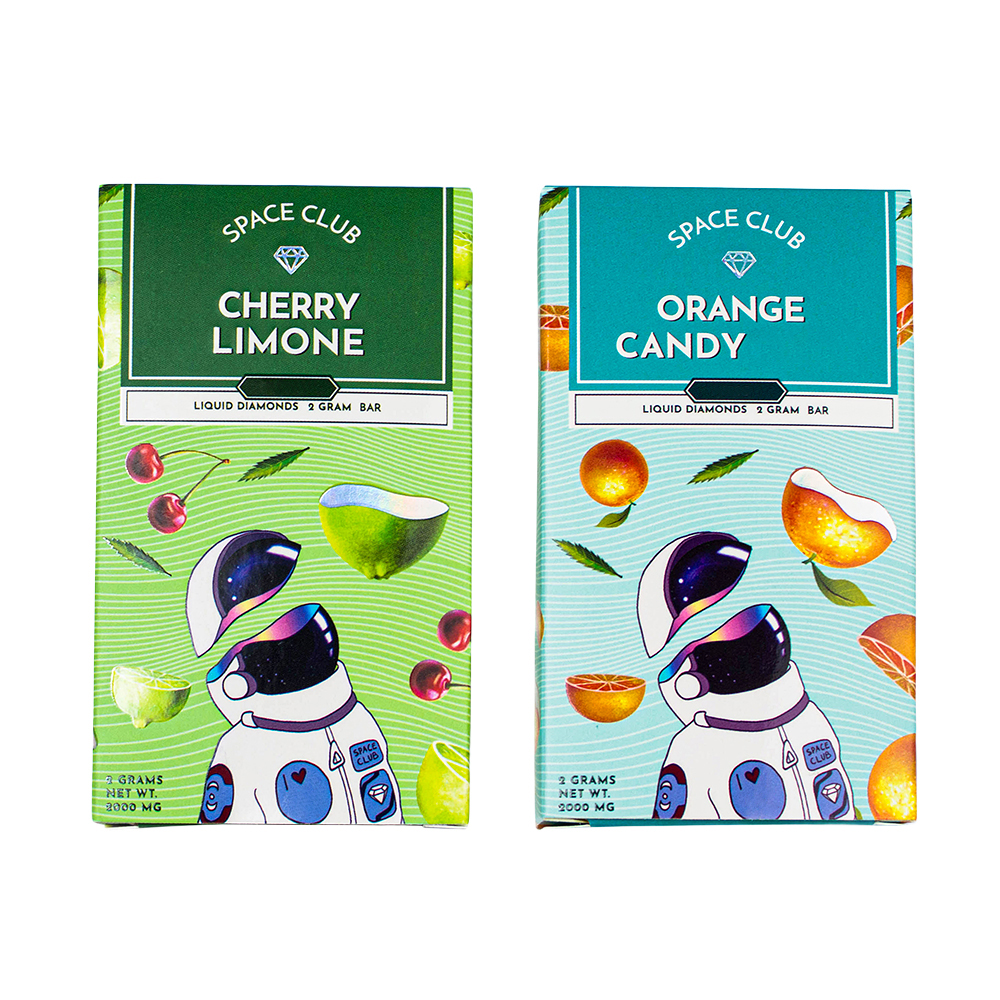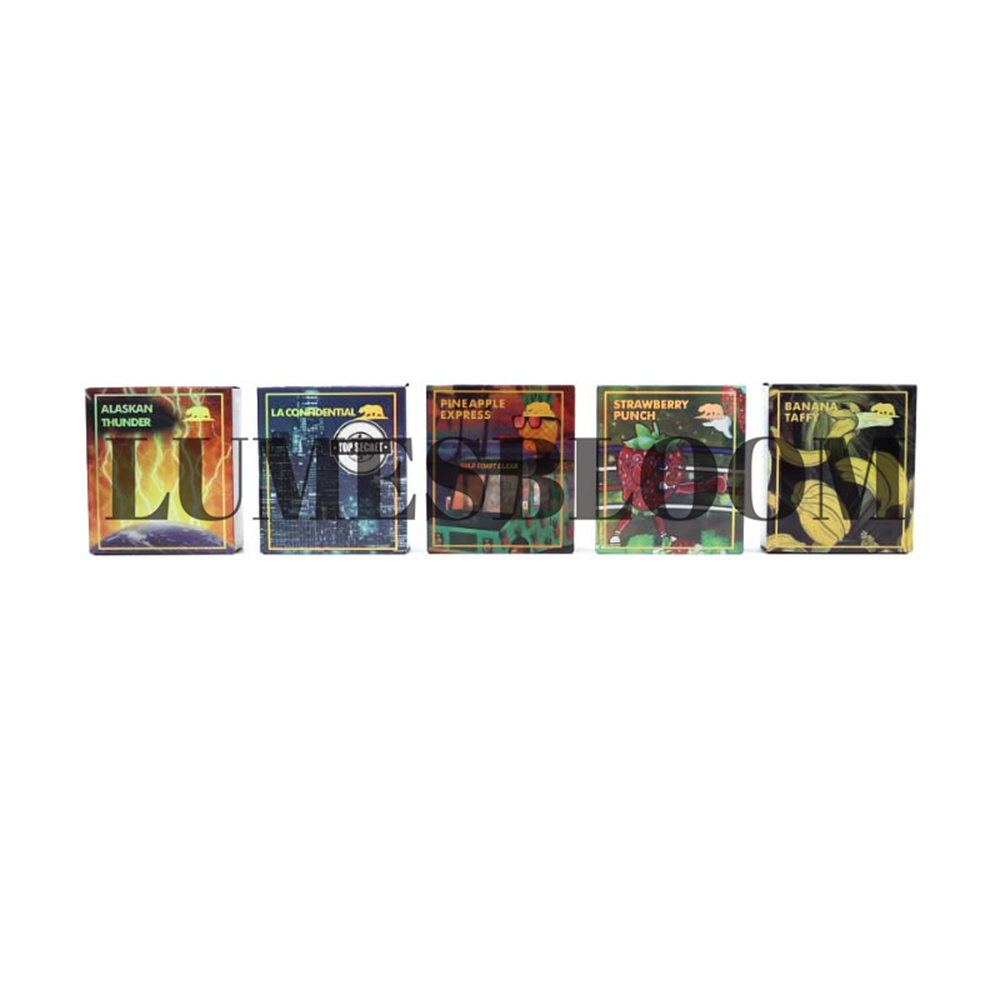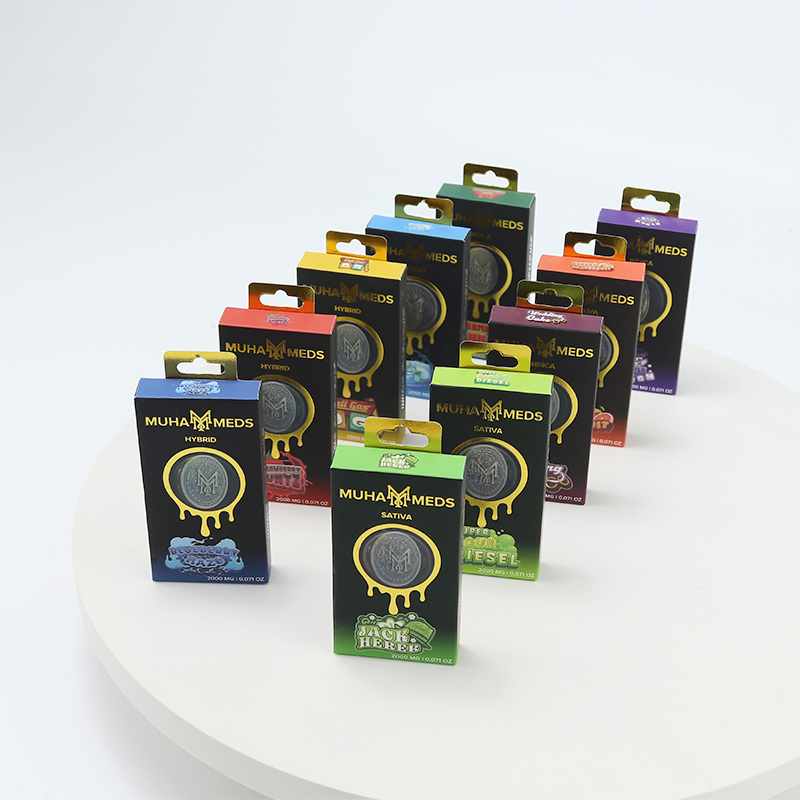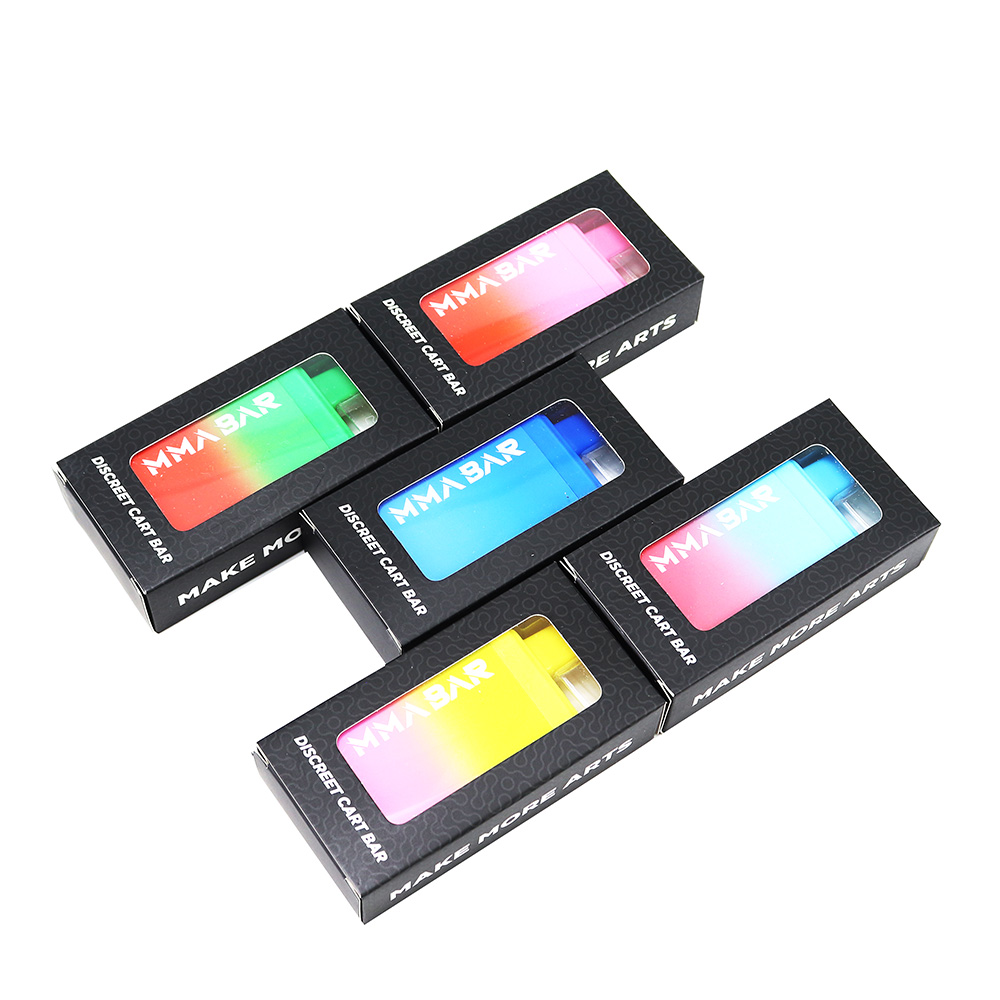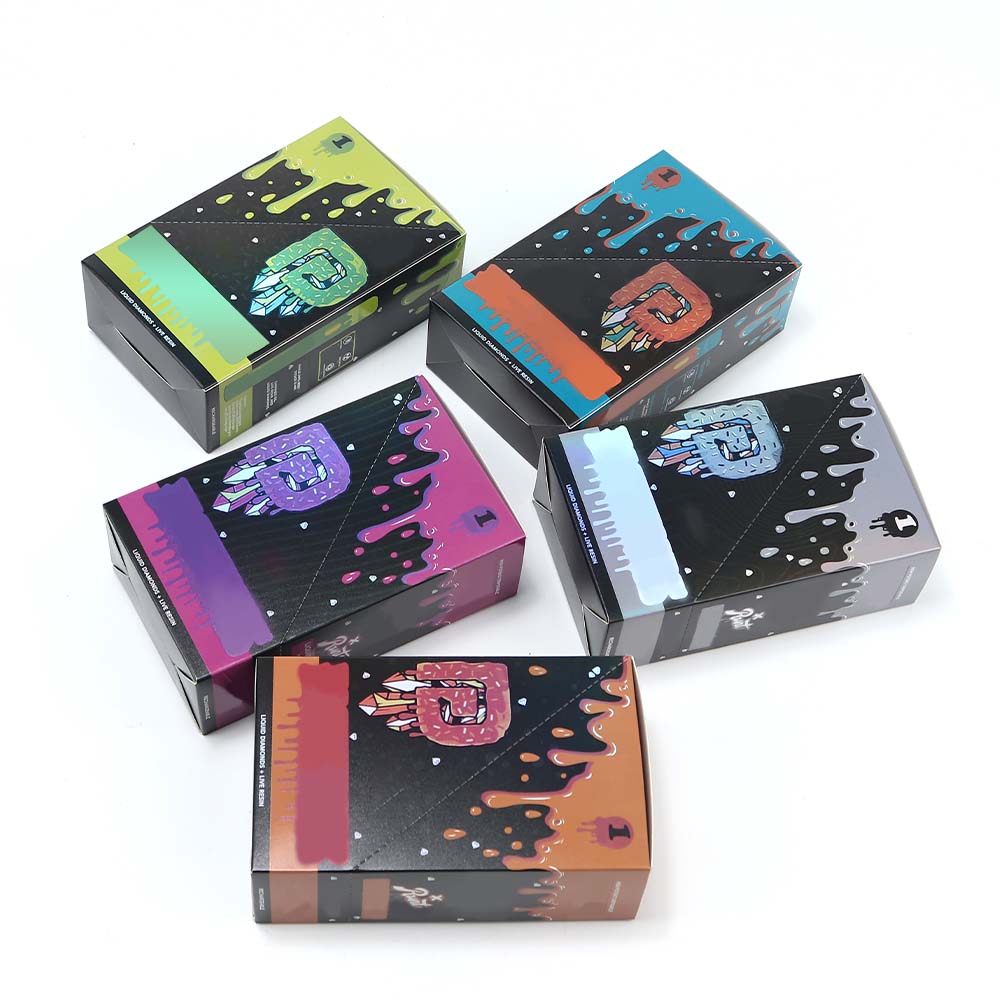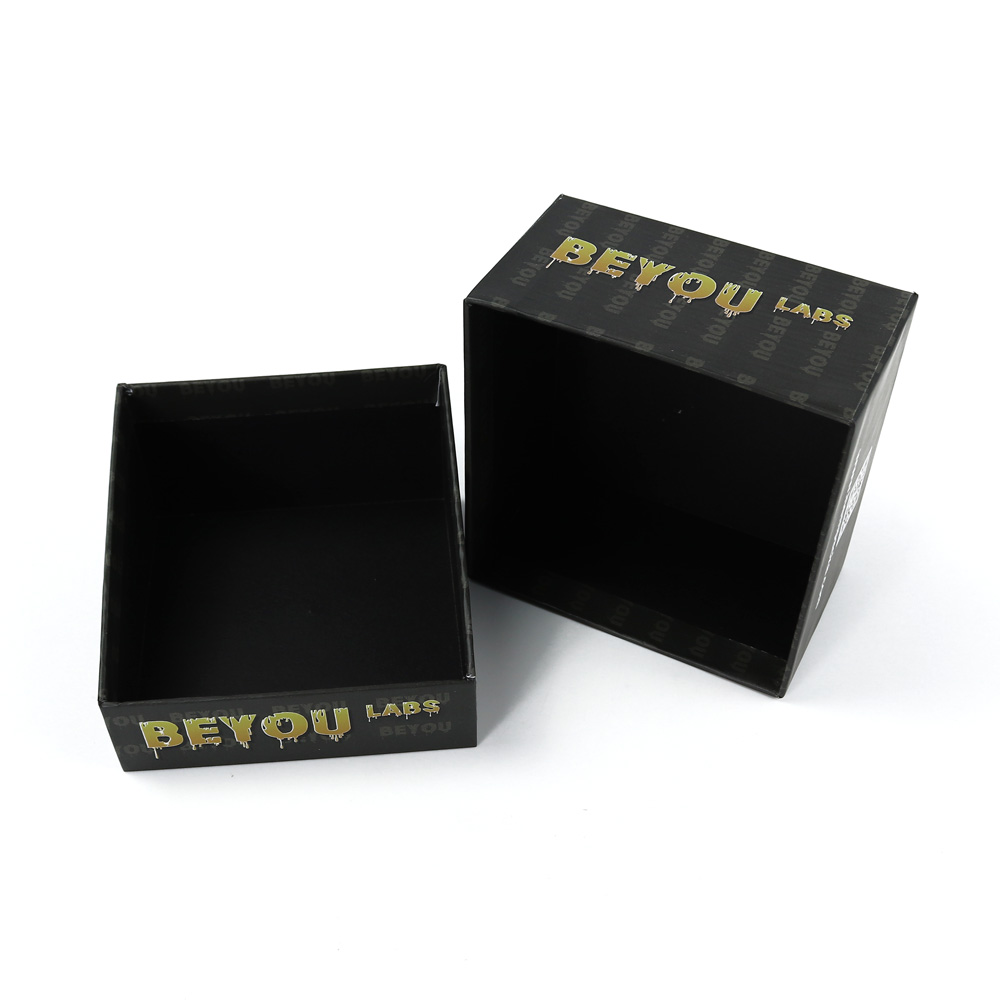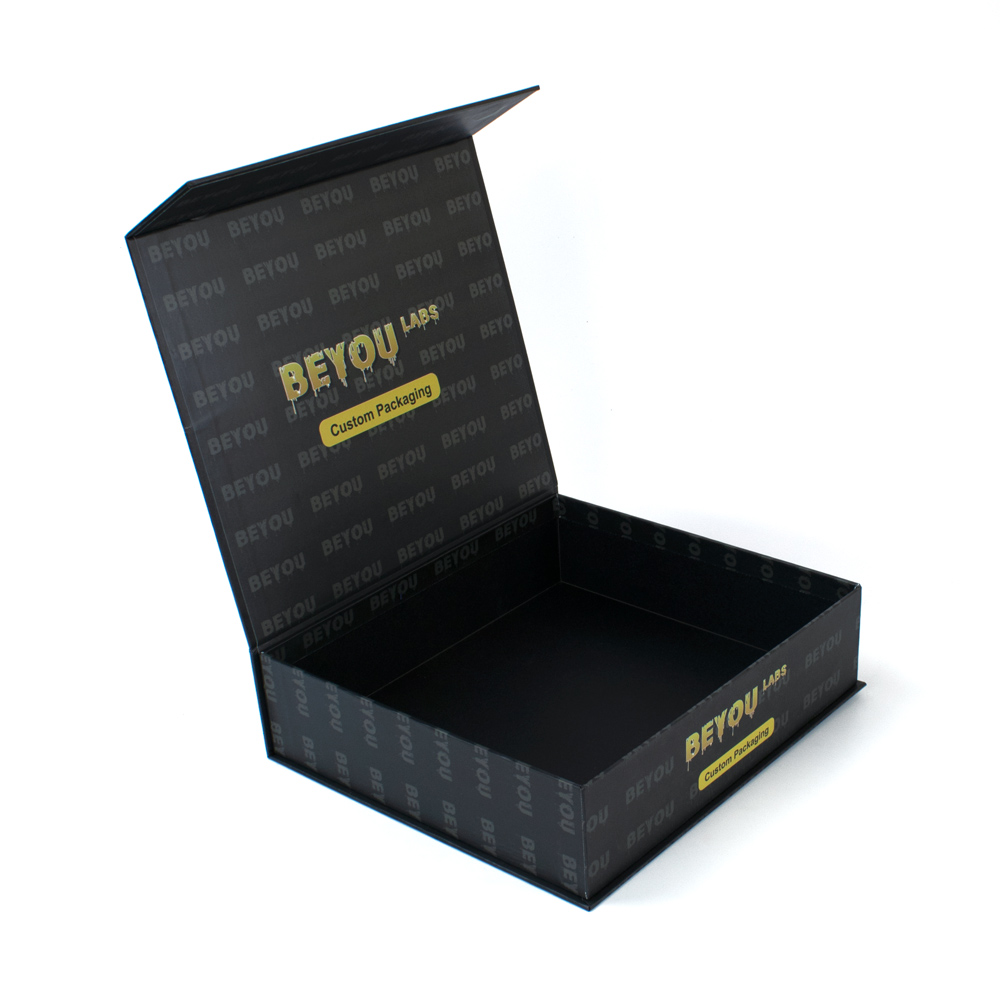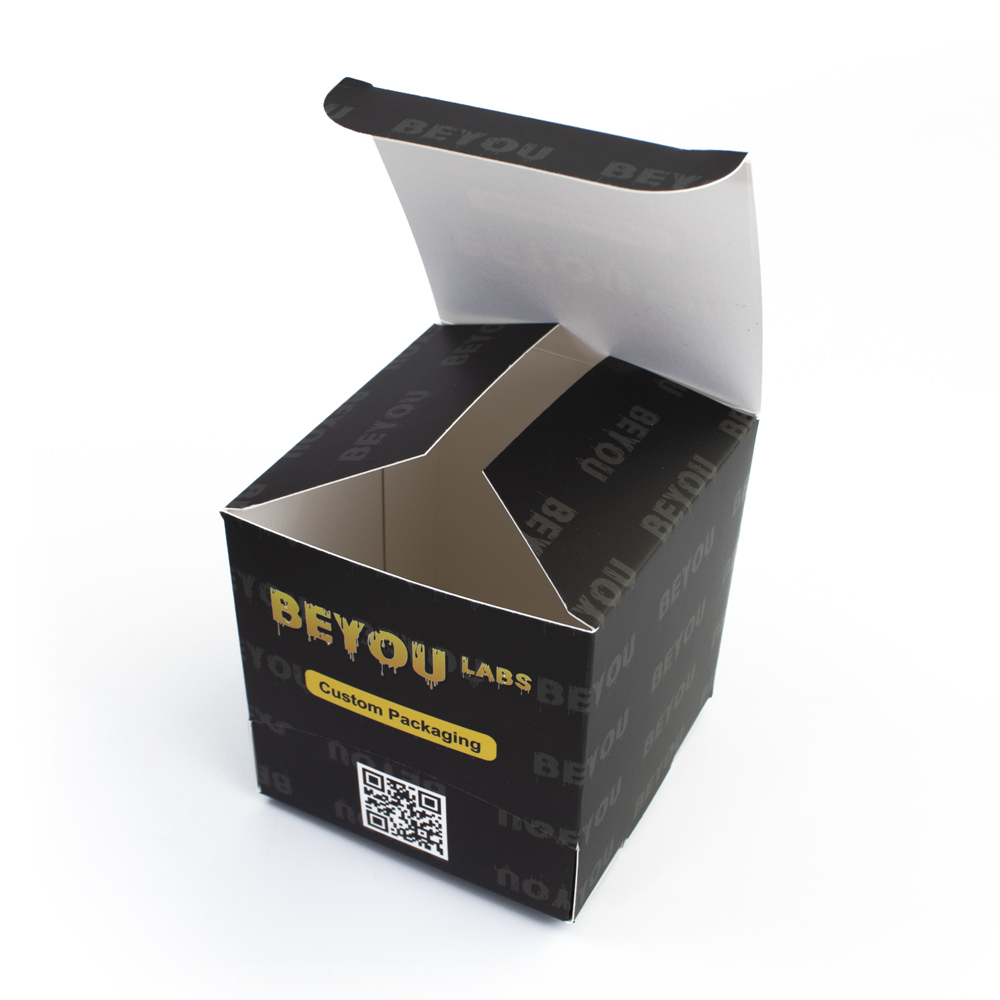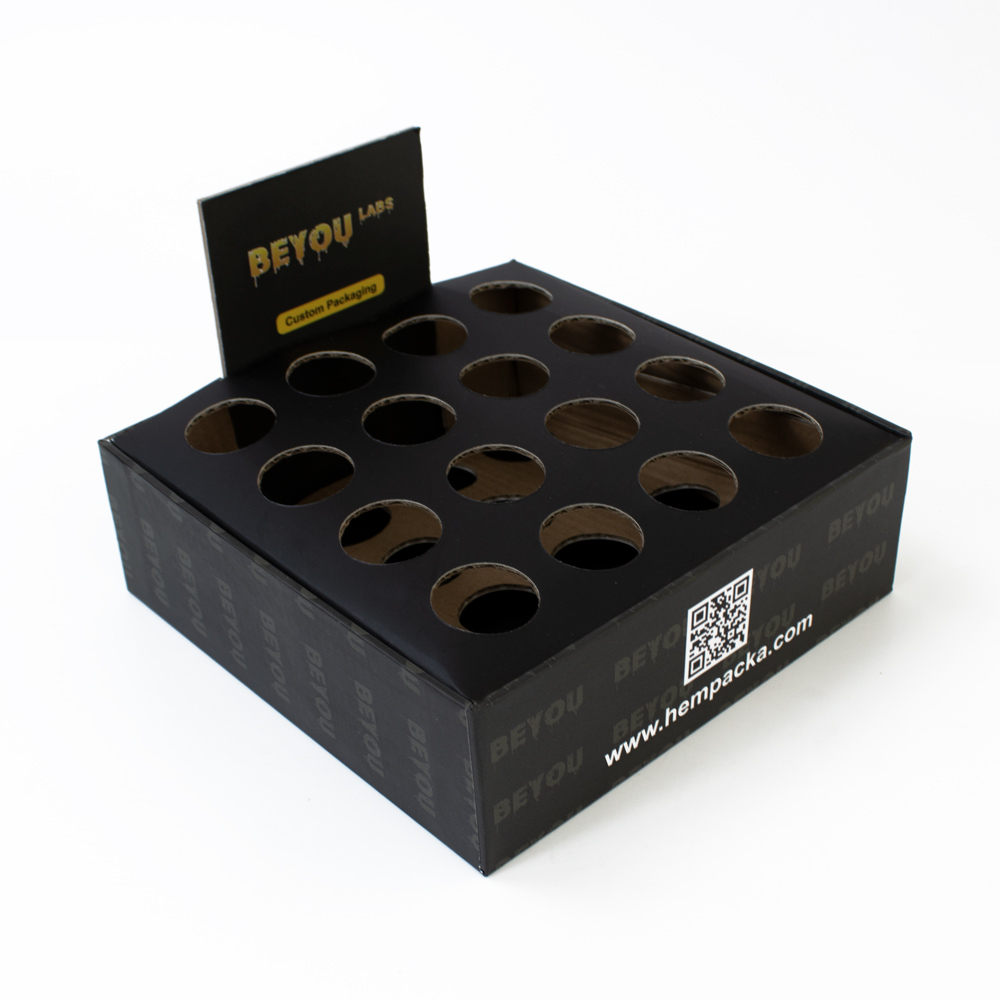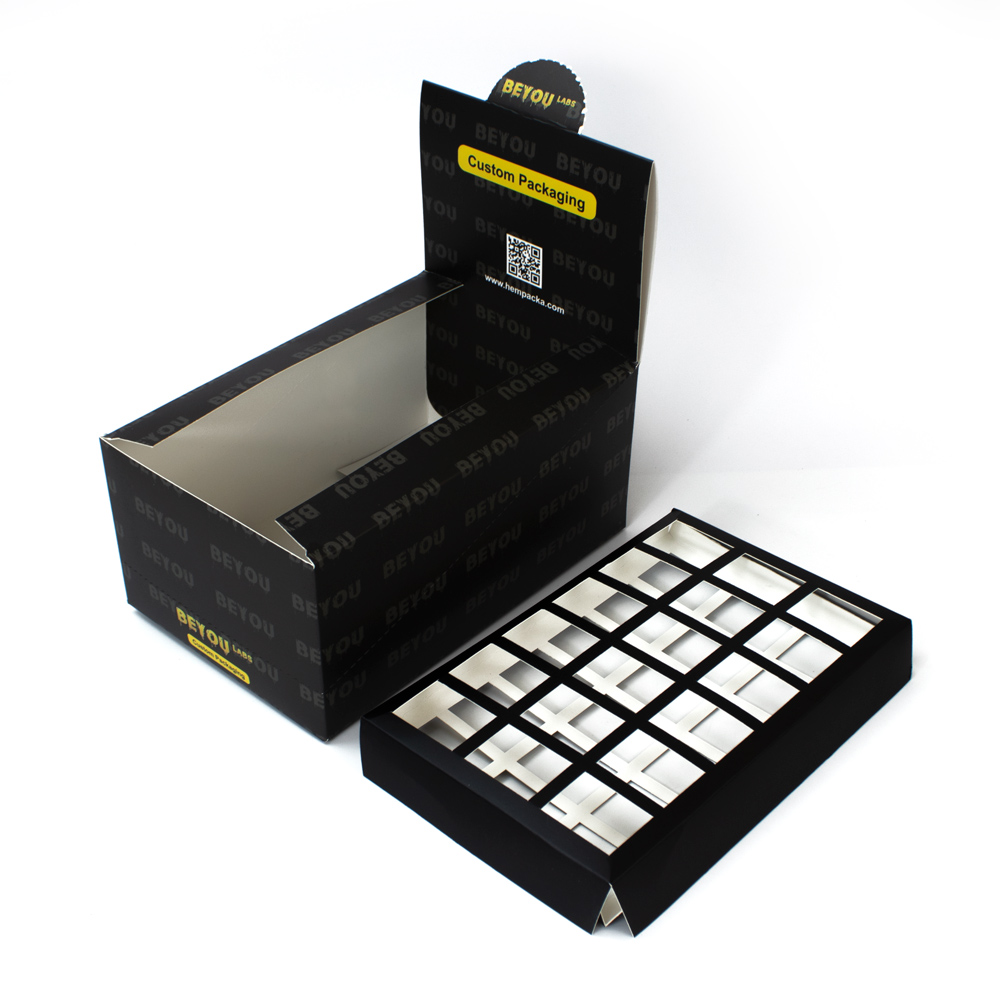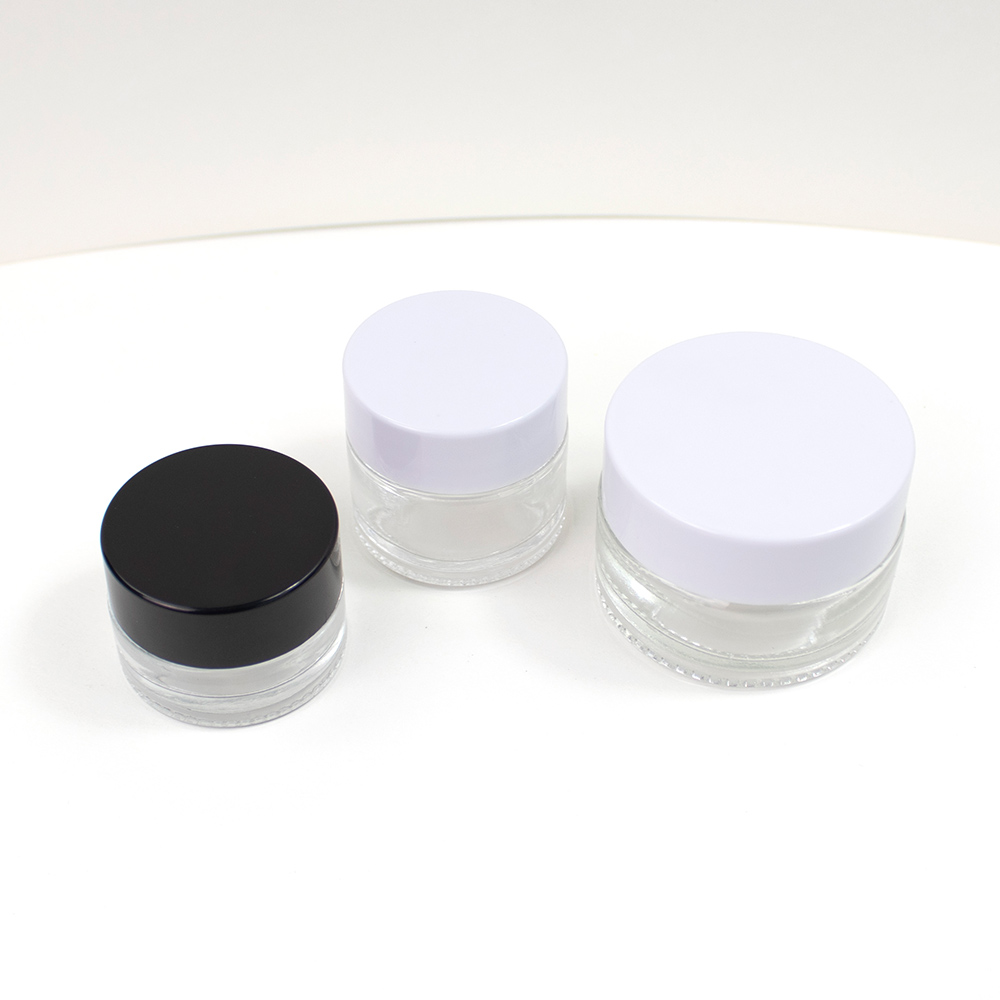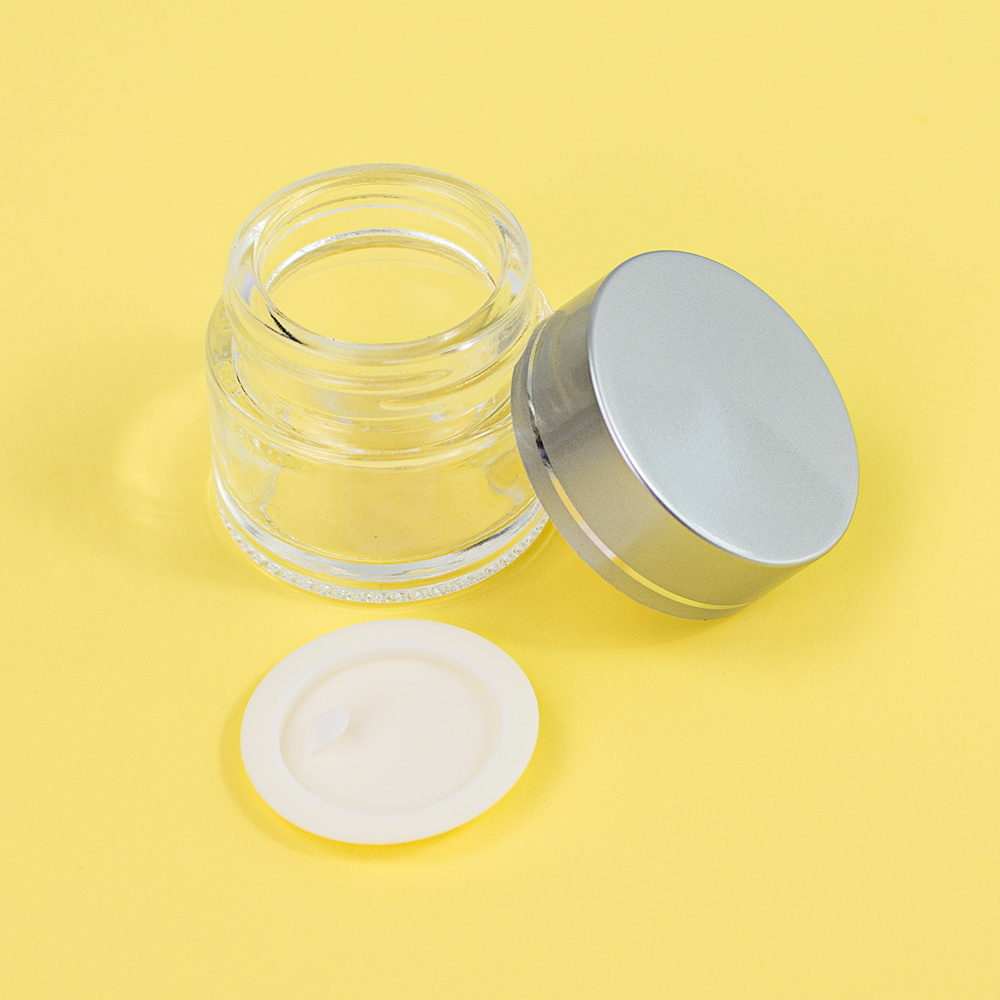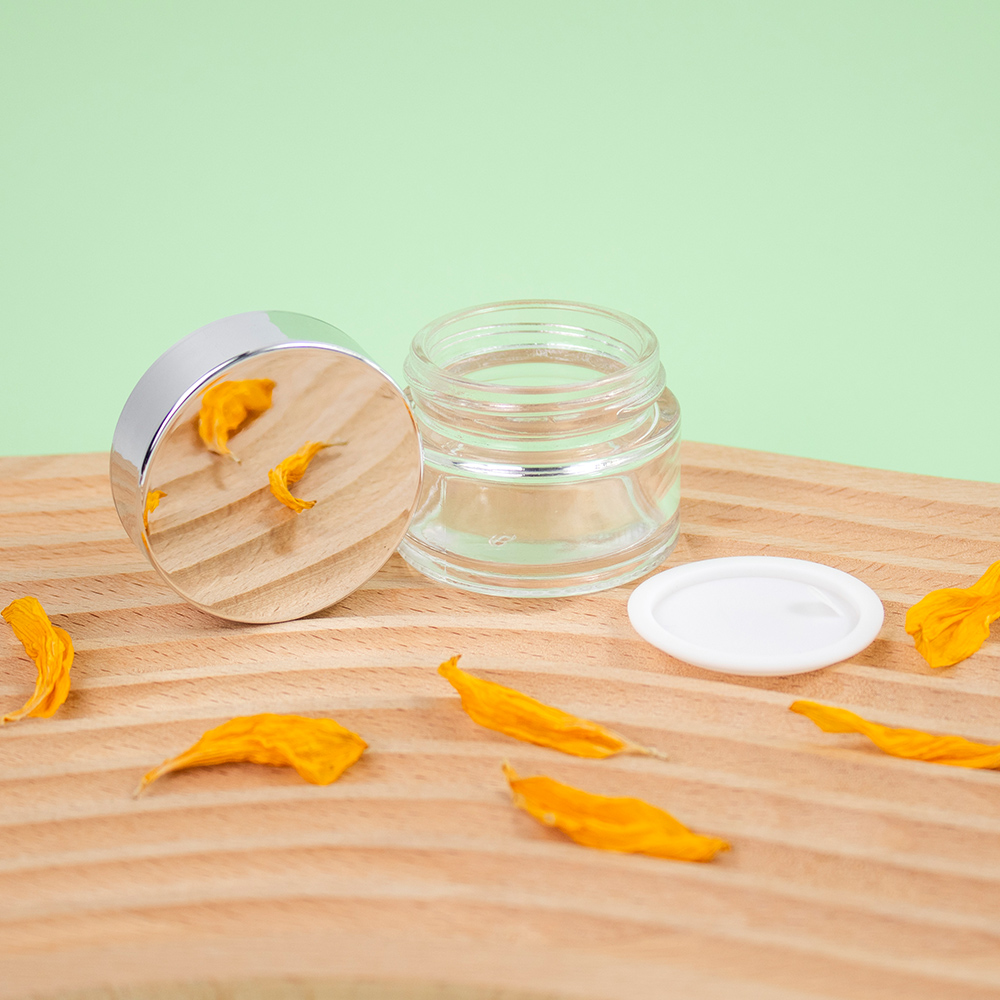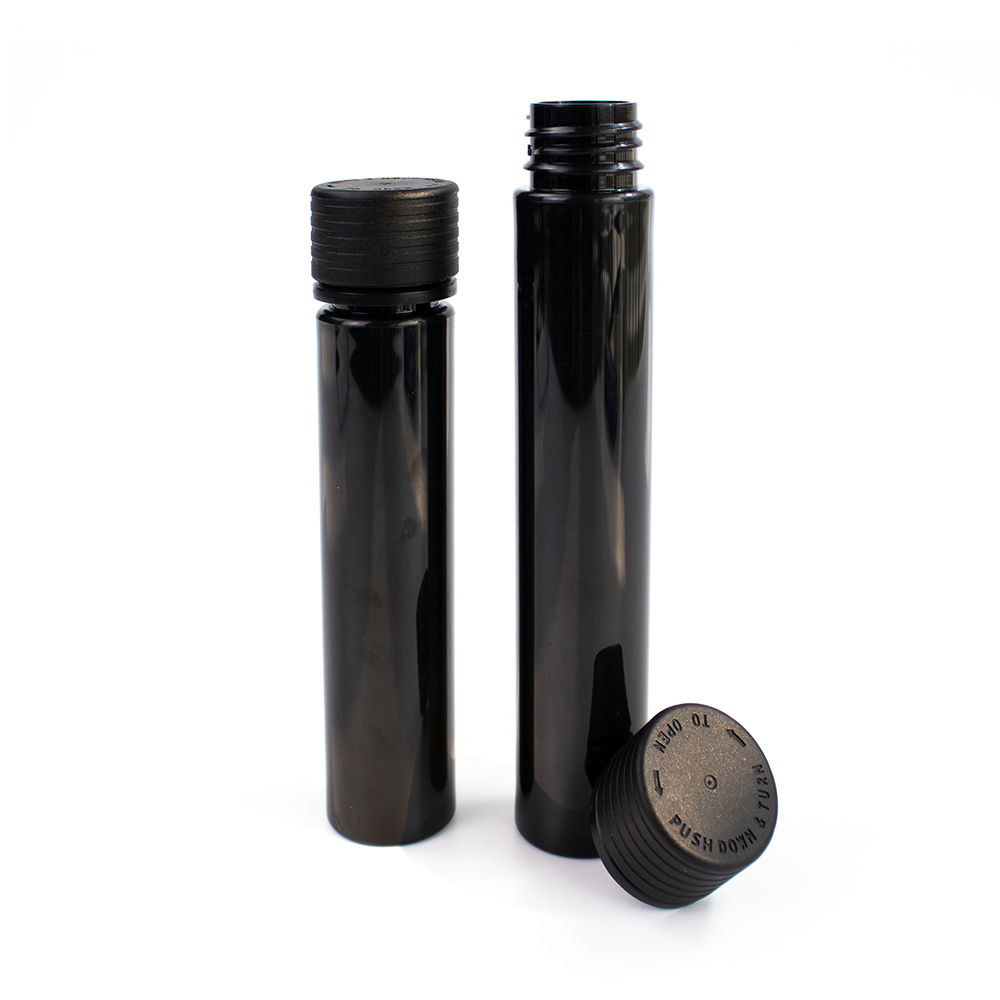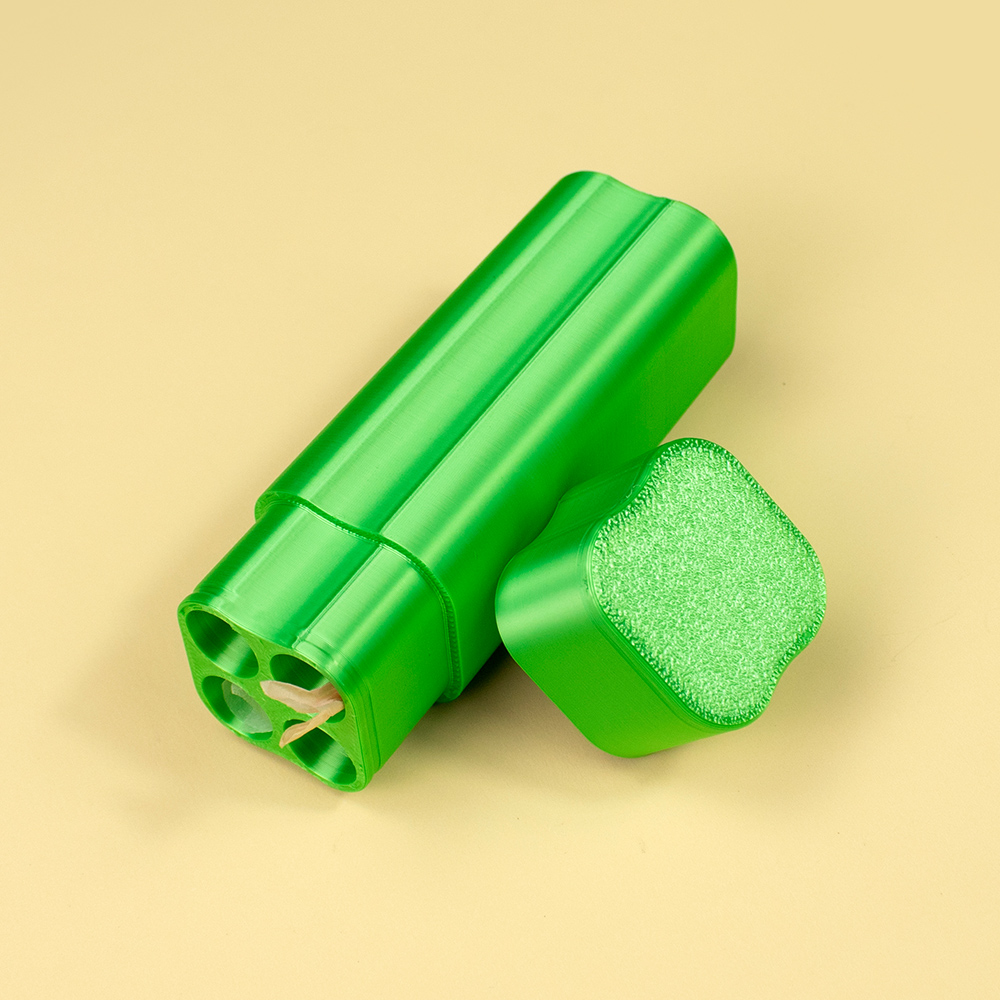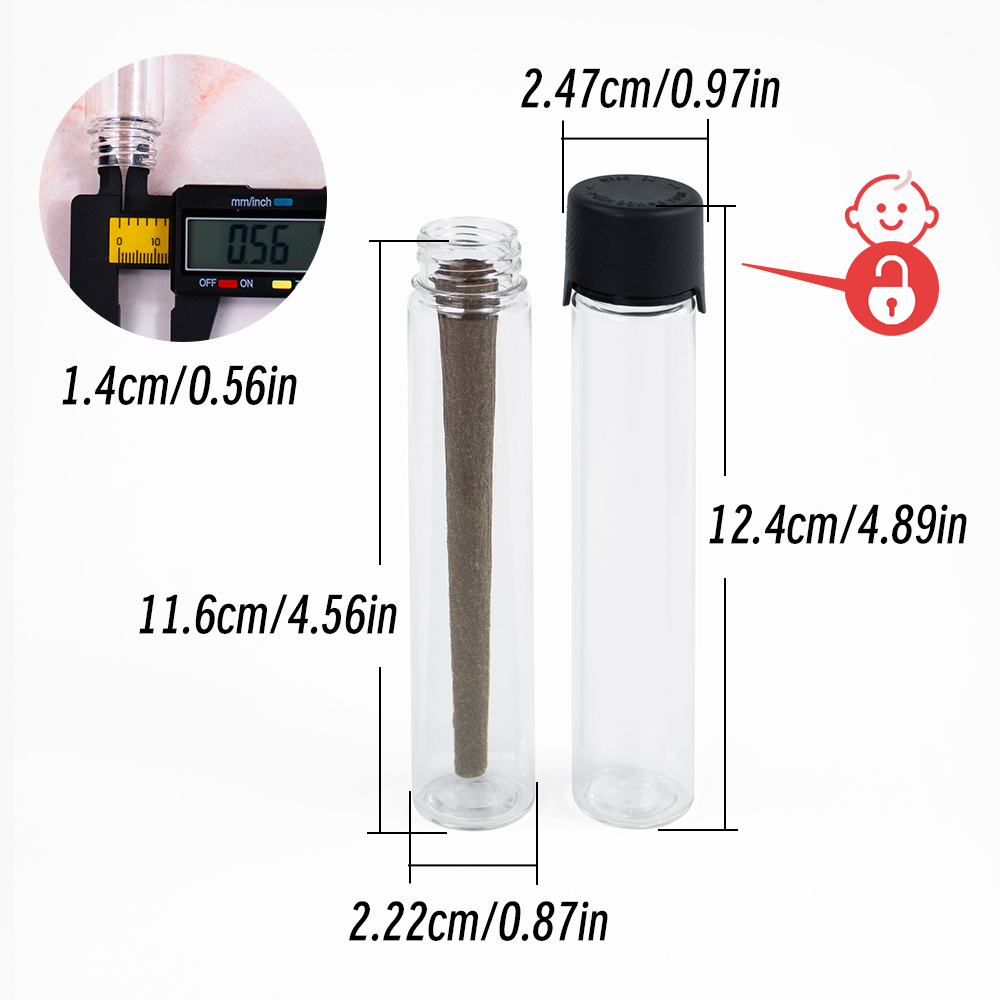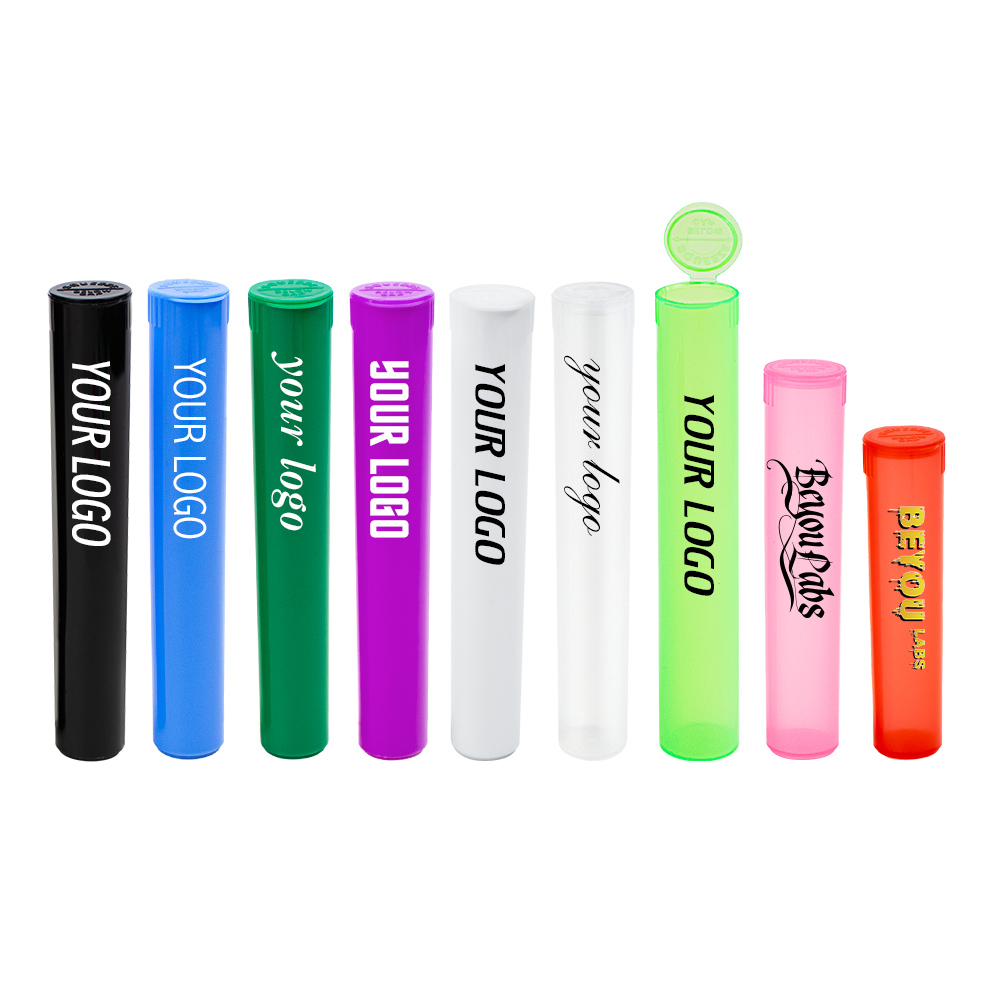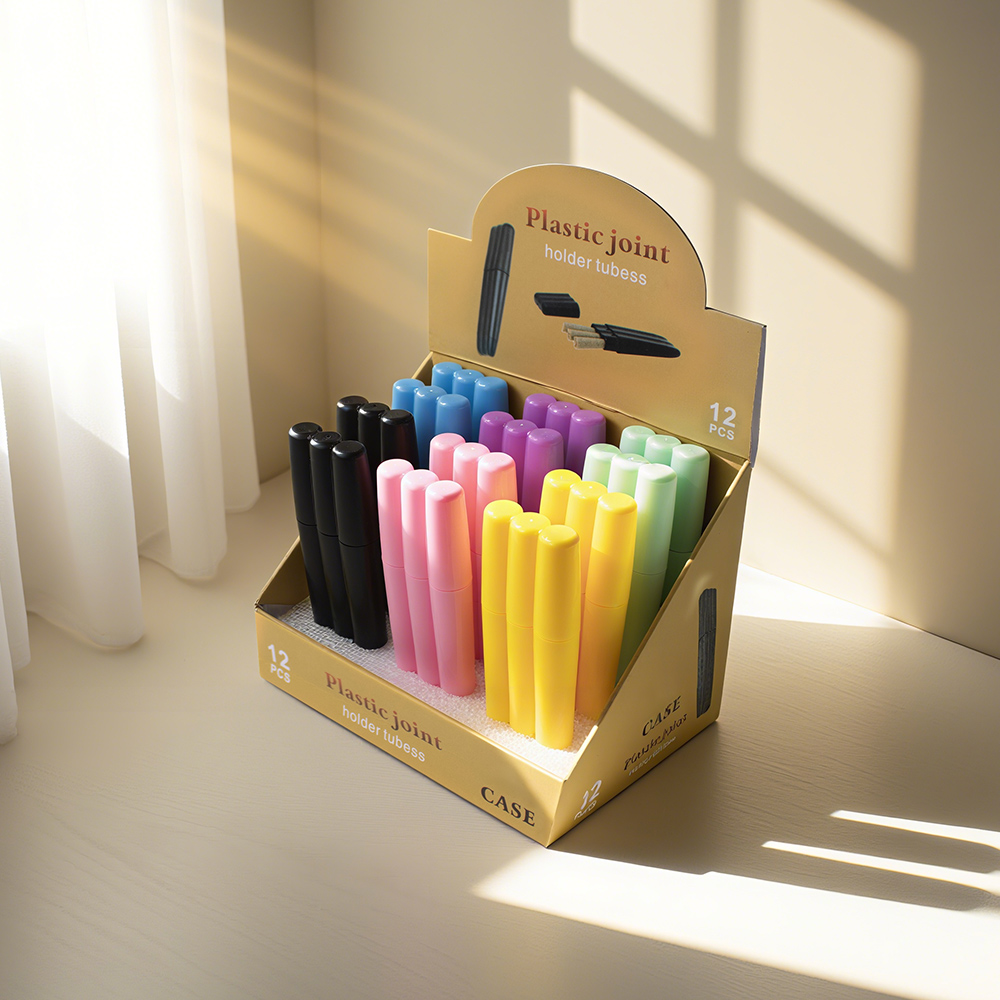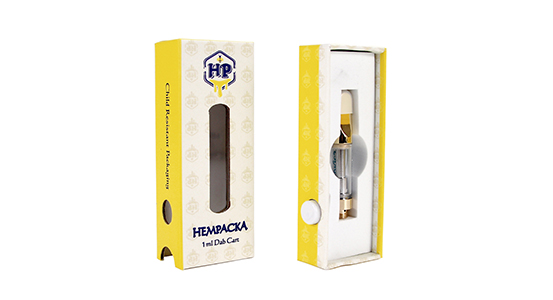
HEMPACKA Custom Logo Child Resistant Vape Cart Packaging Box
CALL : +86 18665993463 | PRICE BEAT GUARANTEE

Sourcing packaging from China can cut your unit costs dramatically — but only if you know how the game is played. Cannabis brands that fail at sourcing usually don't fail on price. They fail because they didn't understand MOQs, skipped the sample stage, or trusted a verbal lead time instead of a written one.
This guide walks through the full sourcing process — compliance basics, choosing a format, MOQs, sampling, production lead times, shipping, and the red flags that separate reliable manufacturers from brokers and middlemen.
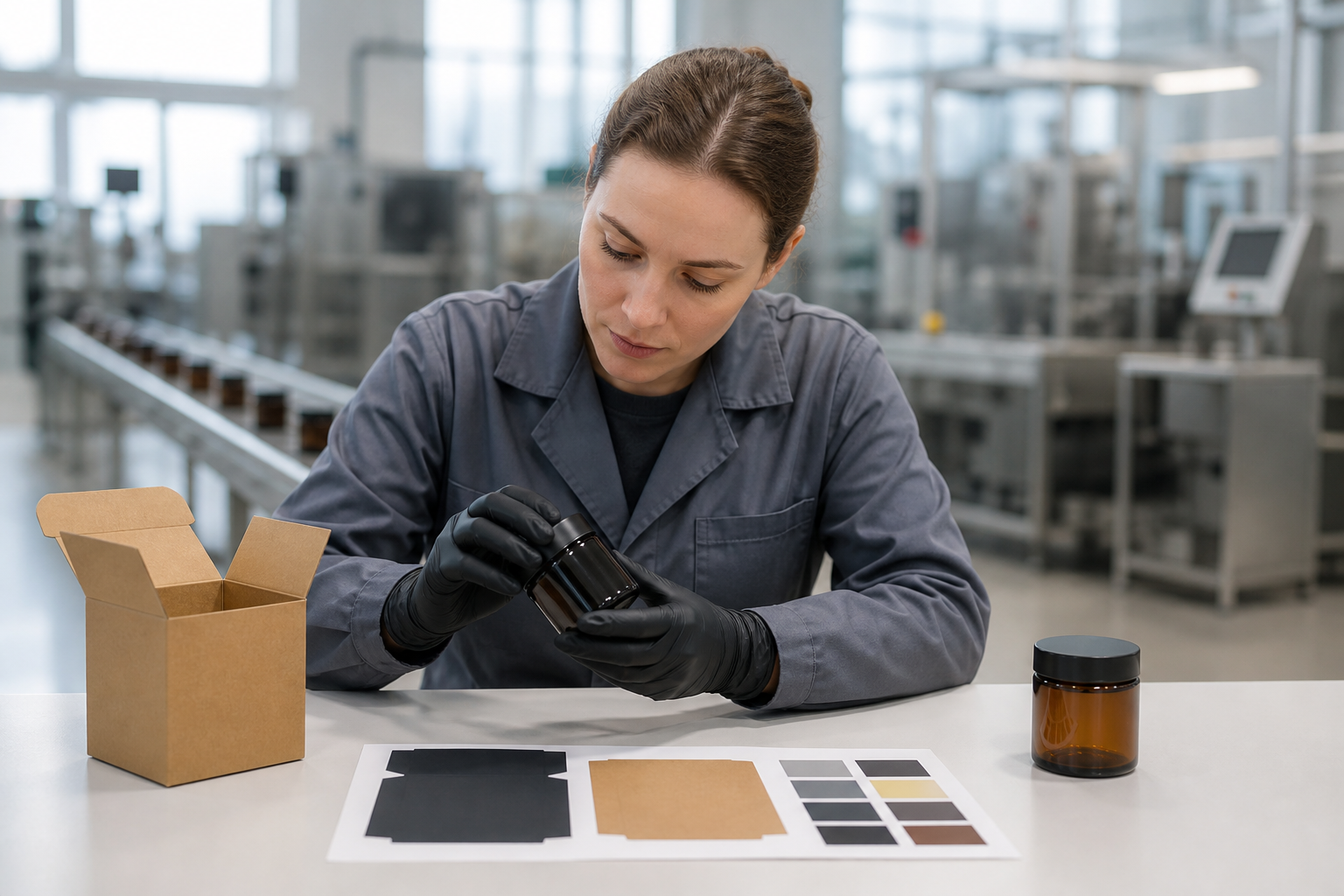
Before you contact a single supplier, know what your target market requires. In the United States, most regulated cannabis markets require child-resistant (CR) packaging, and Canada's regulations under Health Canada impose similar expectations.
Common compliance questions to answer before sourcing:
· Does my product need child-resistant packaging?(Most flower, pre-roll, edible, and concentrate products do.)
· What labeling information must appear on the package?(State-specific warning labels, cannabinoid content, etc.)
· Is my packaging expected to be opaque or resealable?
· Do I need a CR test report from the manufacturer?(Serious suppliers will provide one — commonly referenced standard: US 16 CFR 1700.20.)
Get these answers in writing from your state or provincial regulator, then bring them to the supplier conversation. A good manufacturer will ask you about compliance before quoting.
Your product dictates your packaging. Don't let a supplier push you into whatever they manufacture — match the format to your product first:
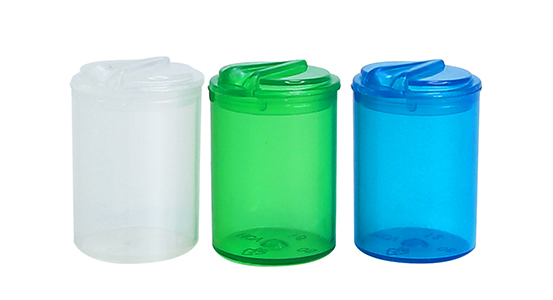
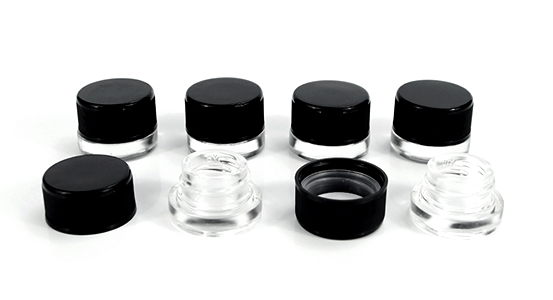
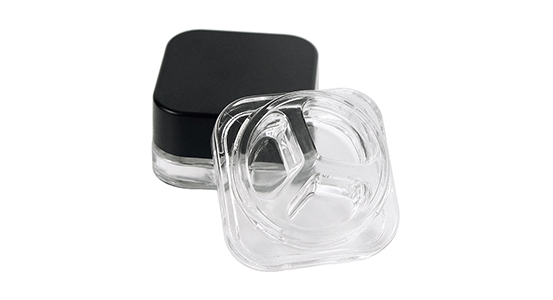
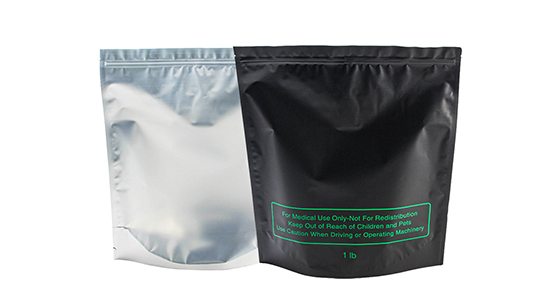
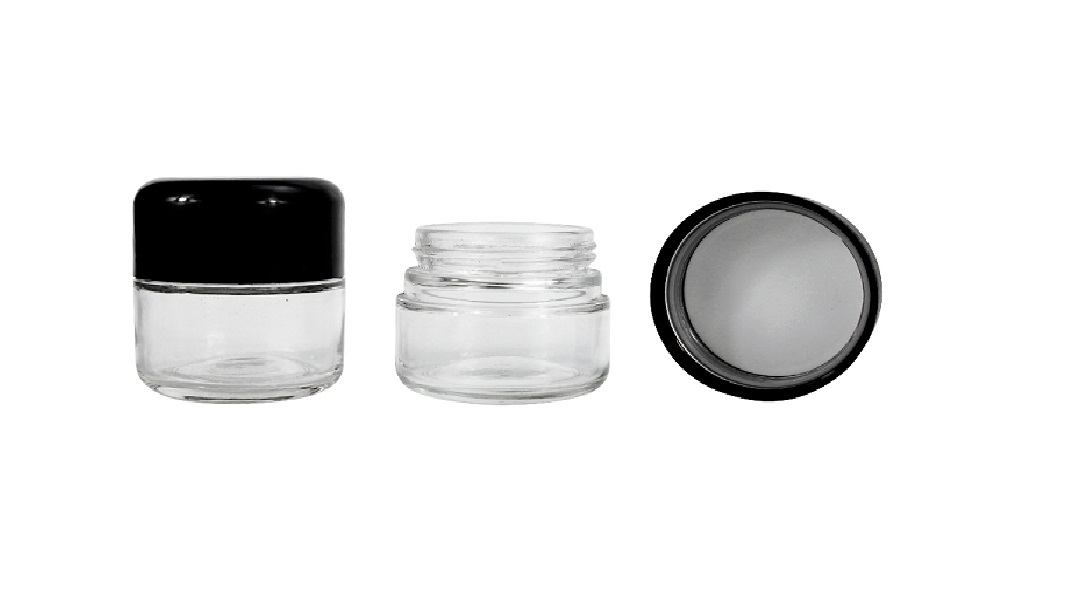
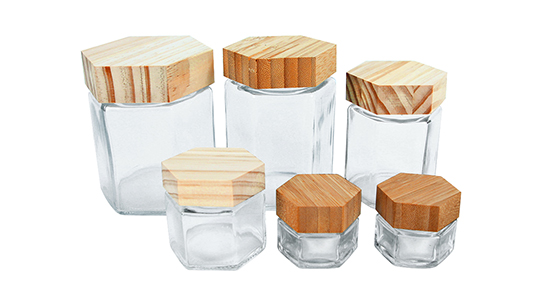
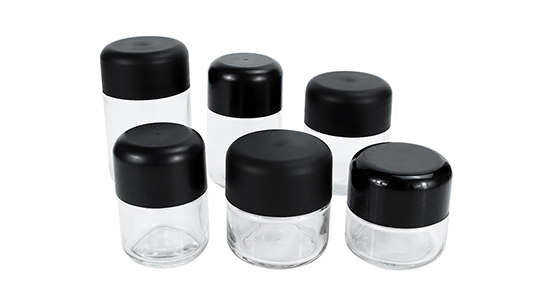
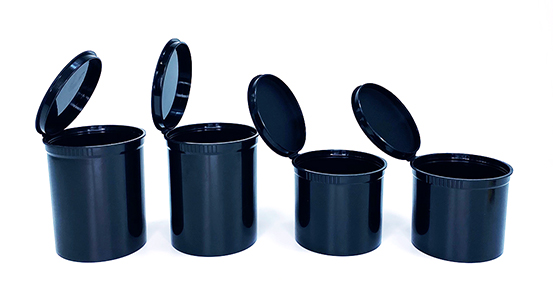
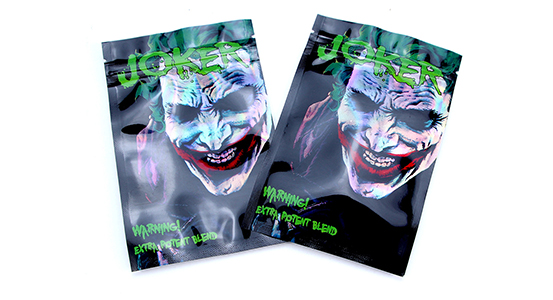
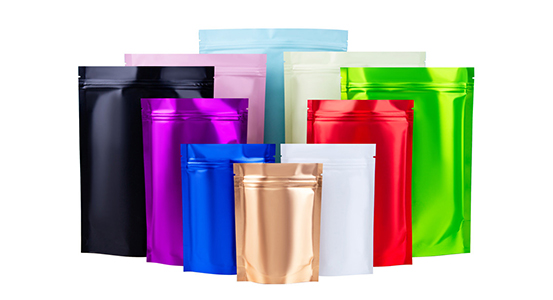
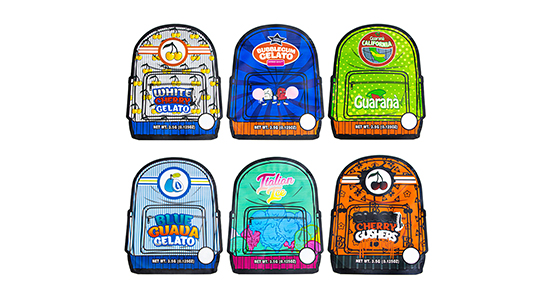
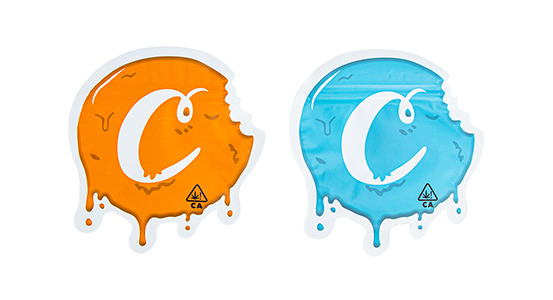
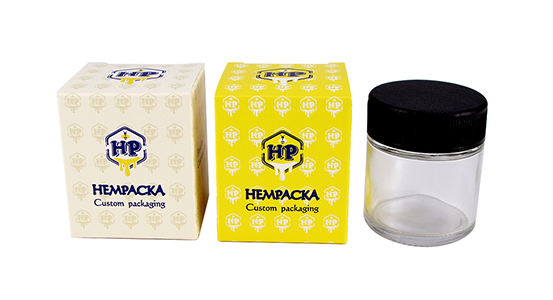
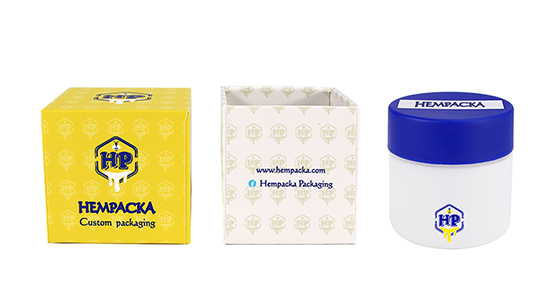
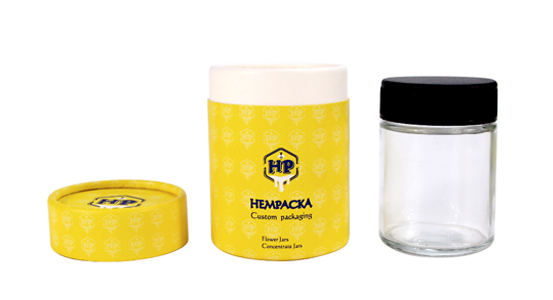
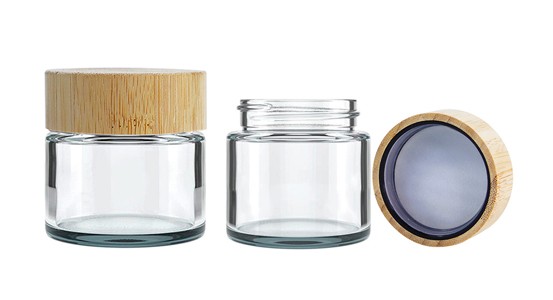
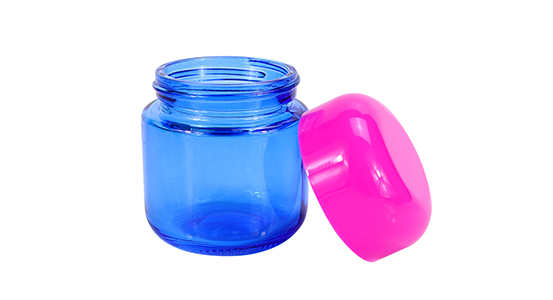
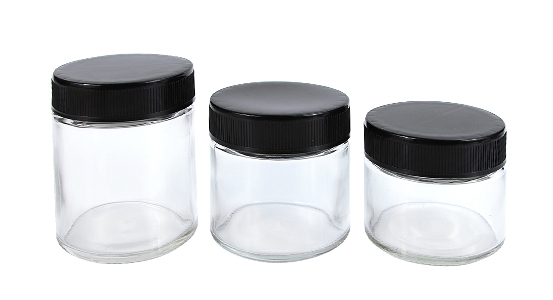
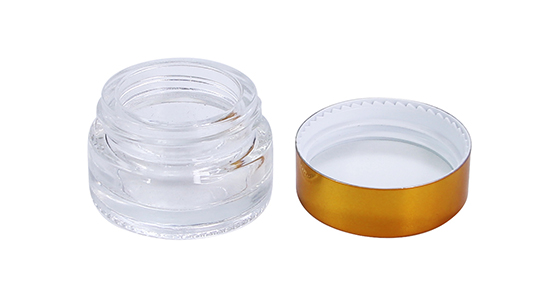
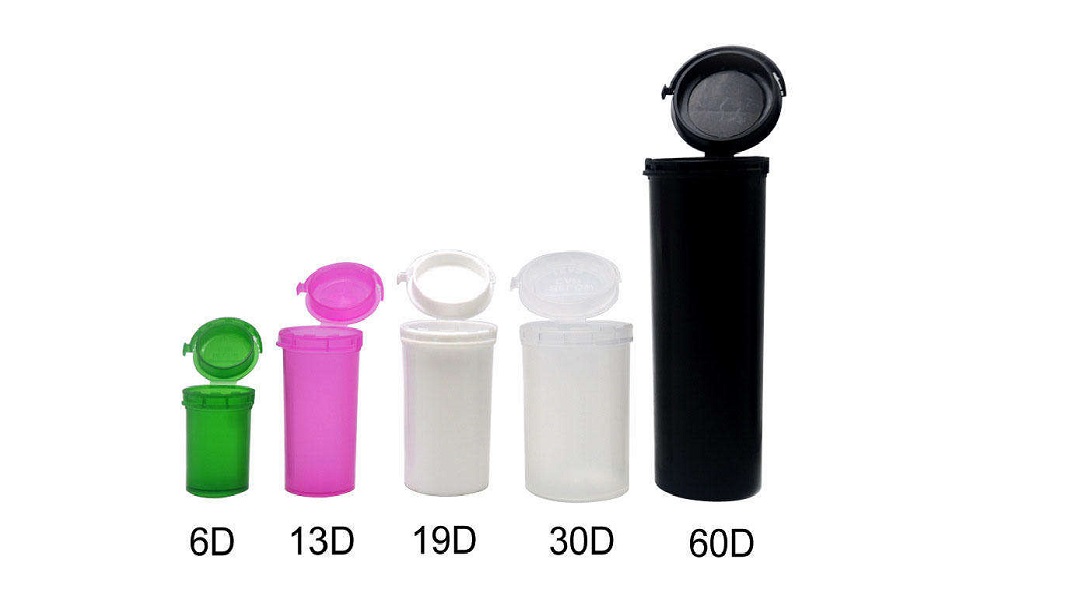
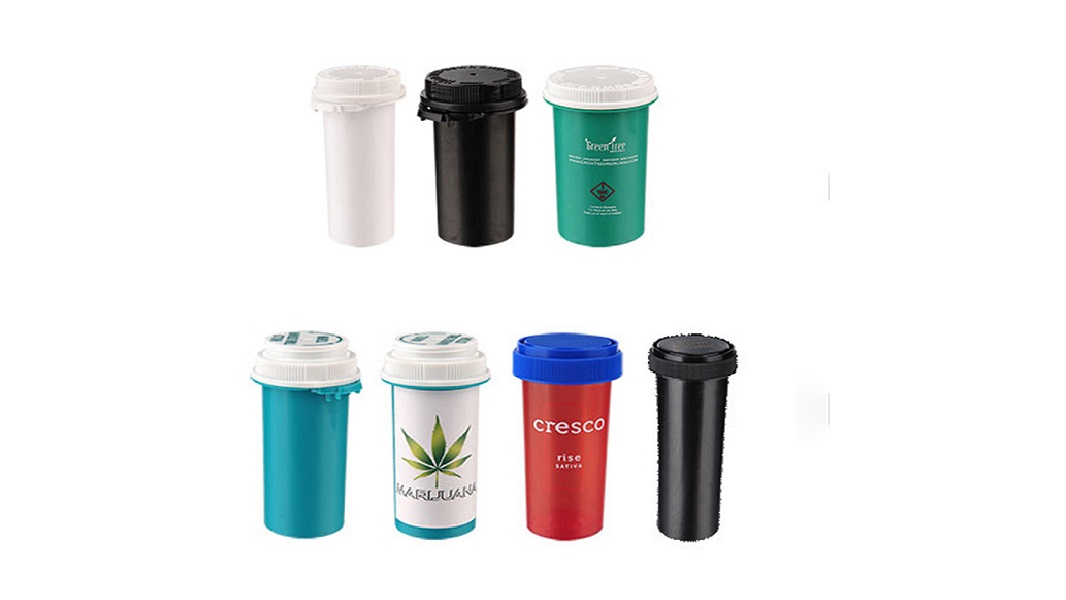
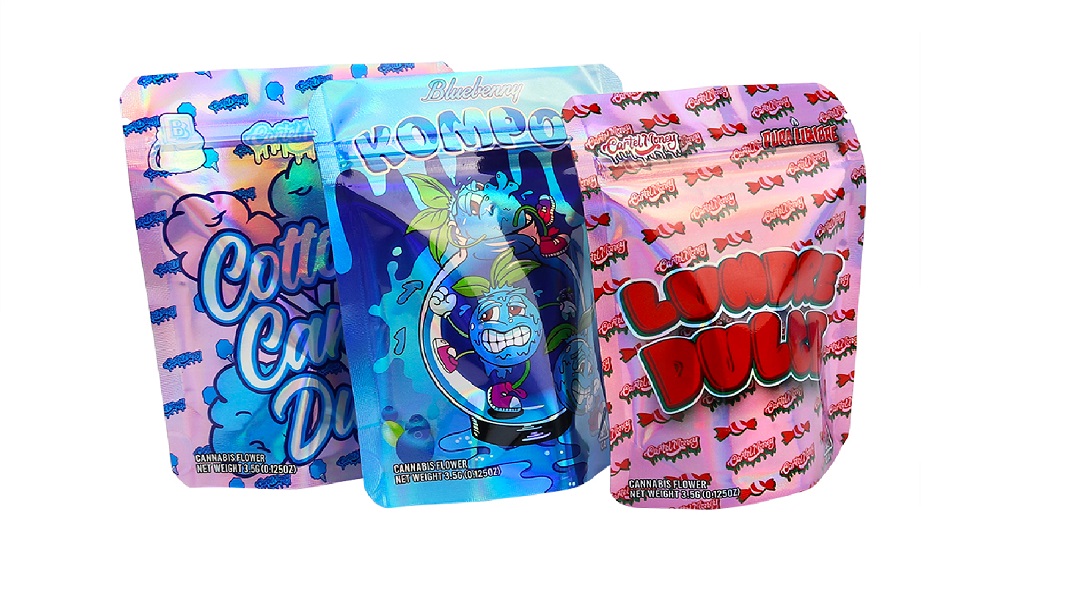
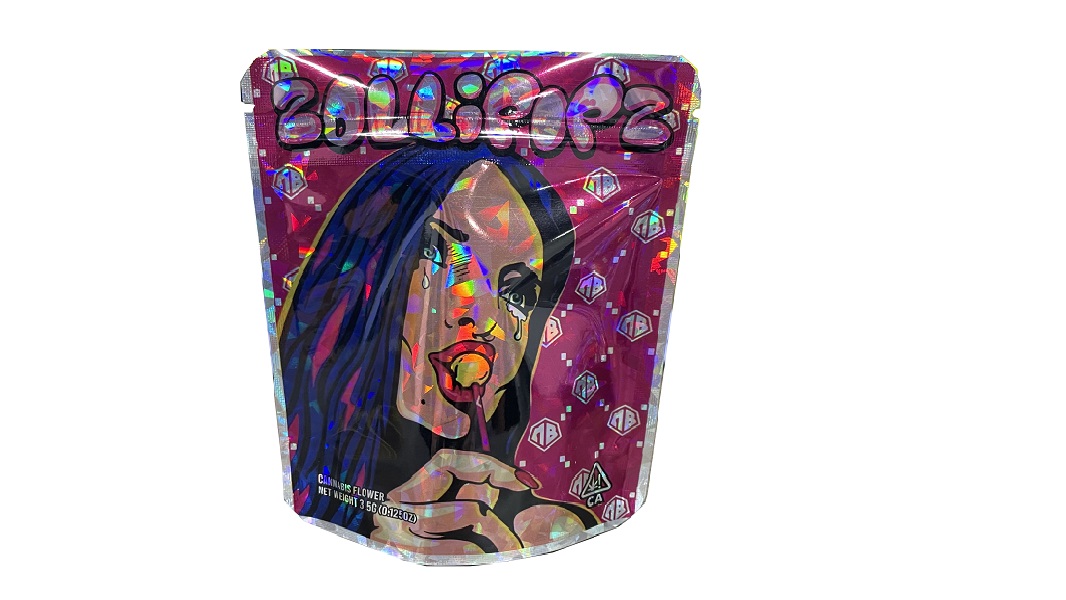
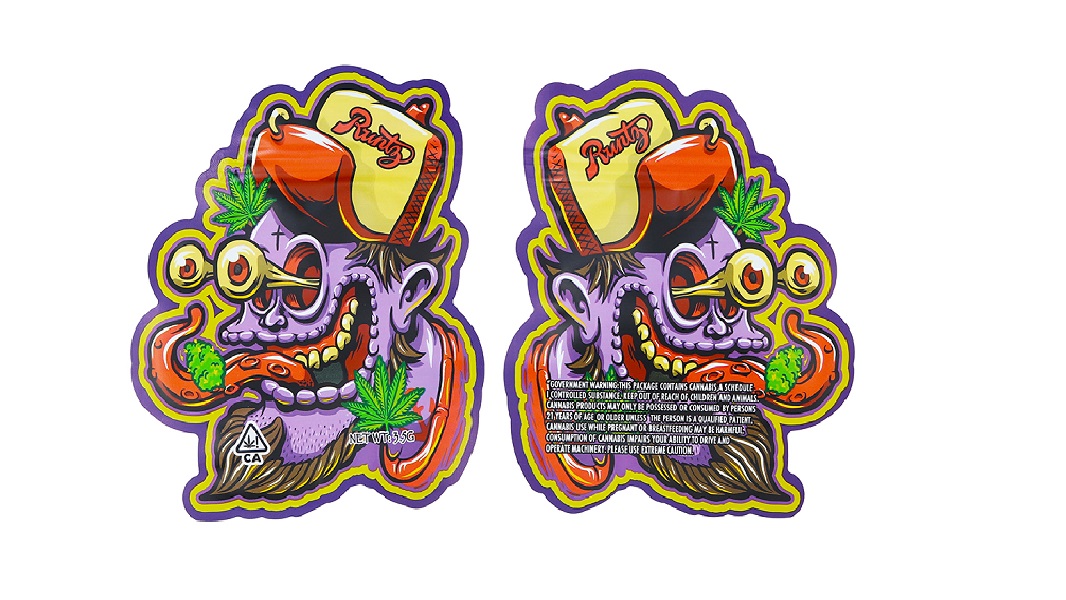
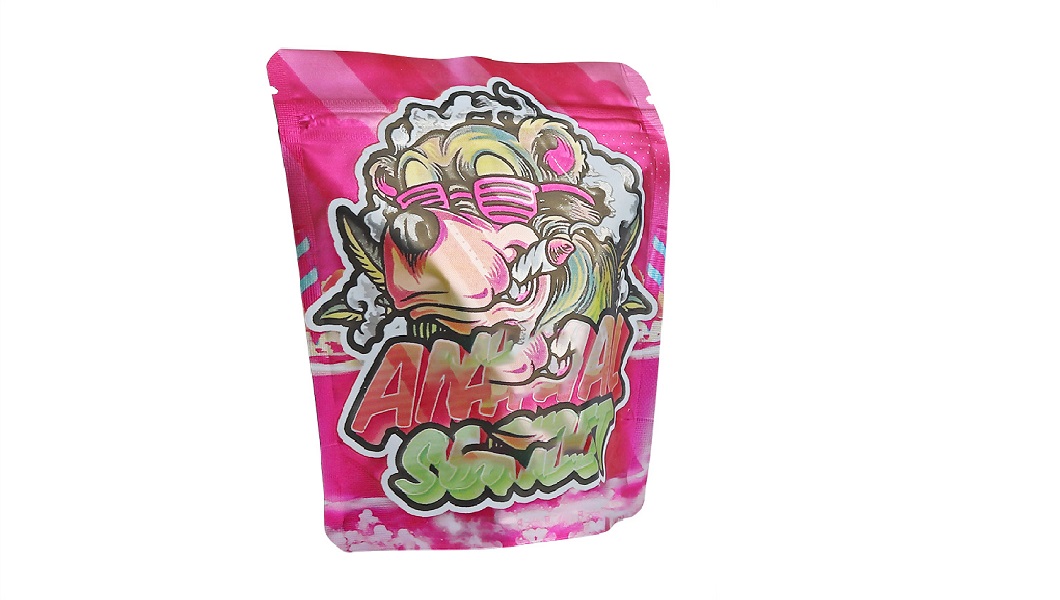
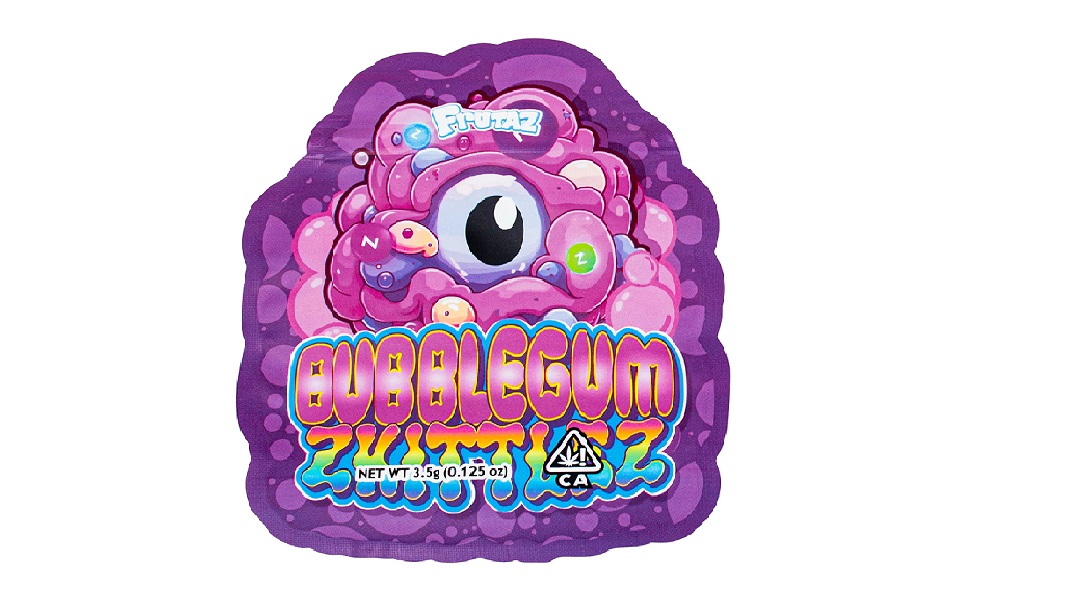
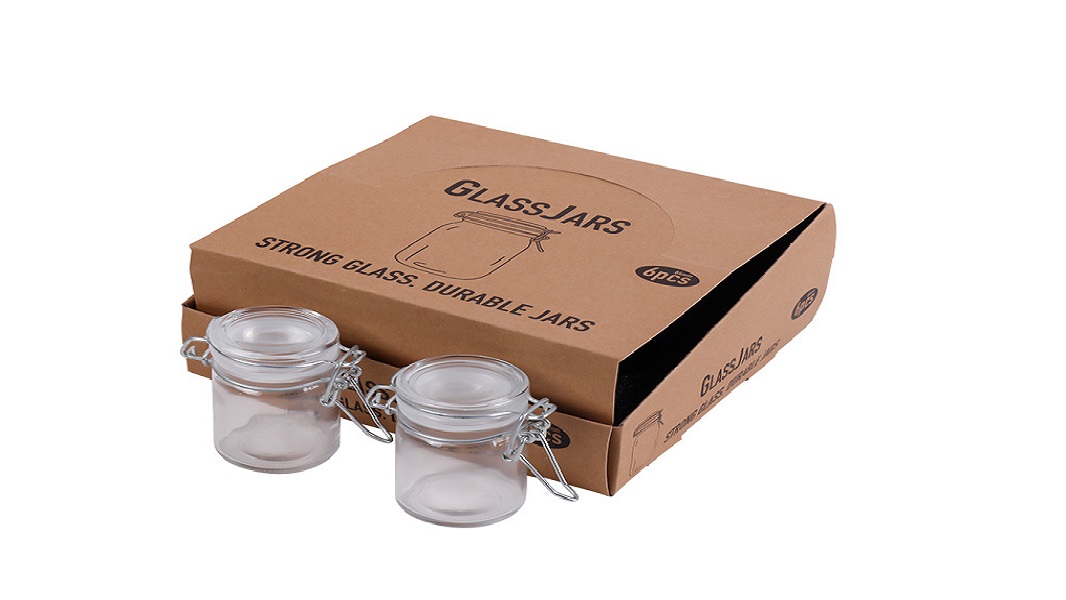
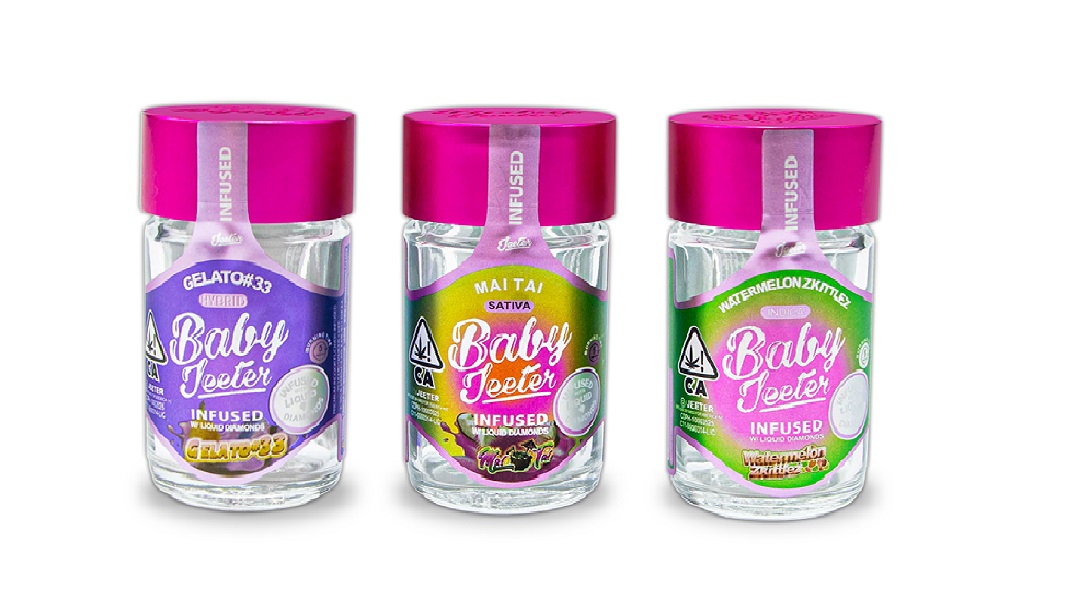
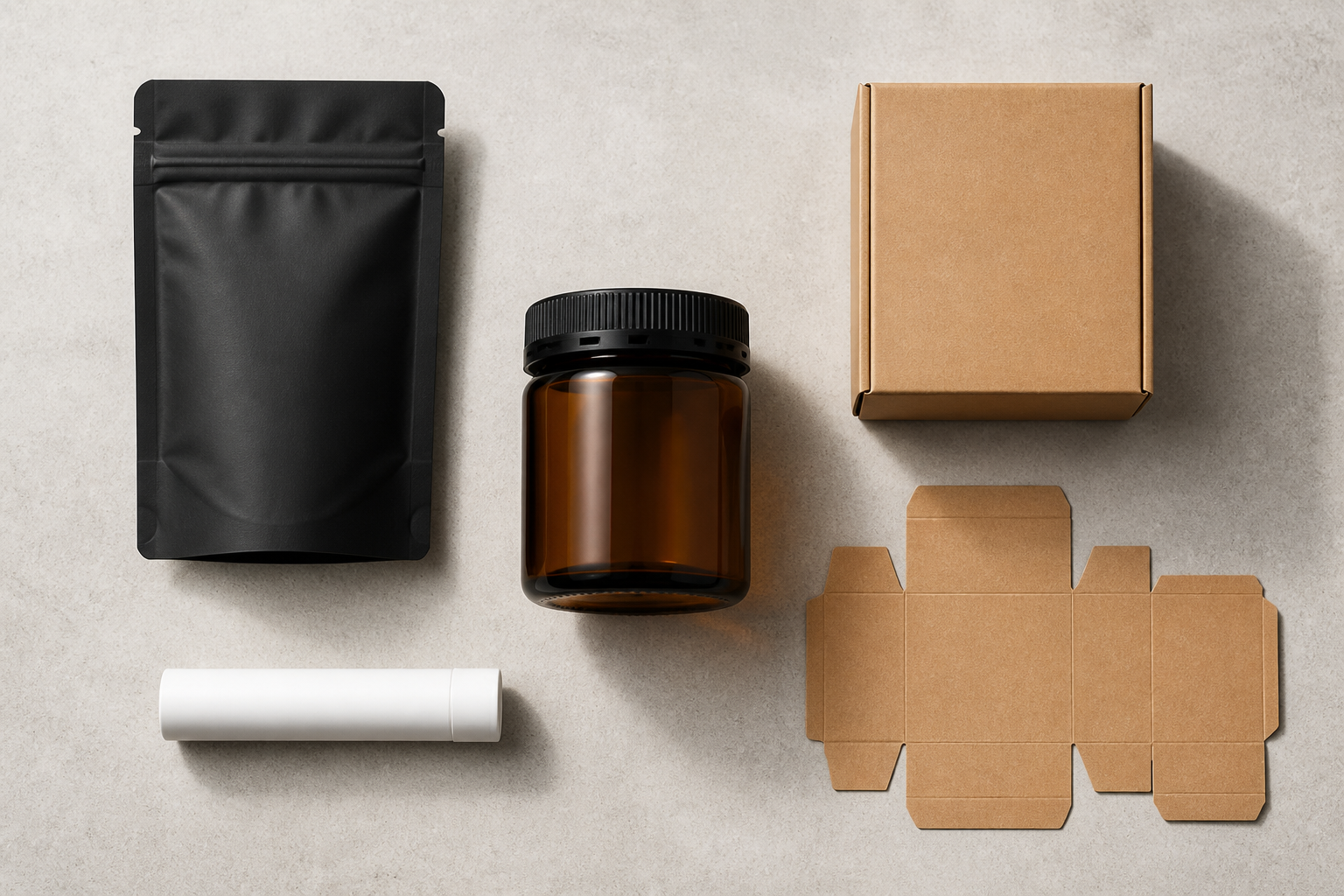
· Flower → glass jars, mylar bags, or pop-top bottles (opaque, smell-proof options win)
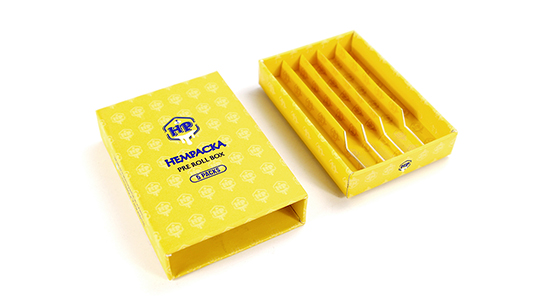
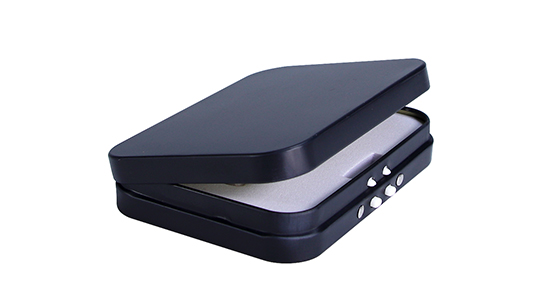
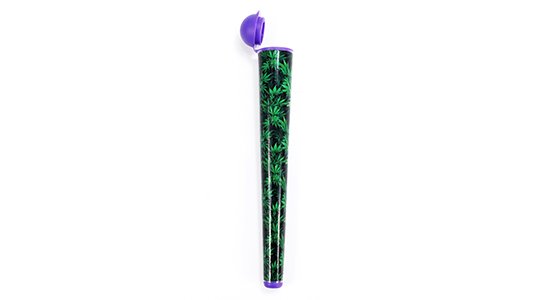
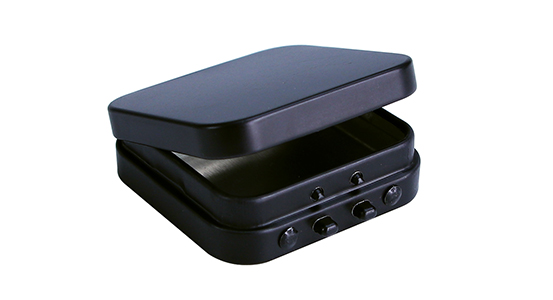
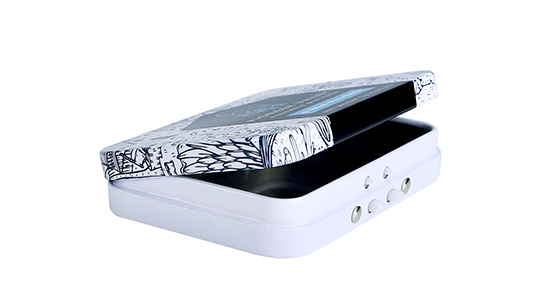
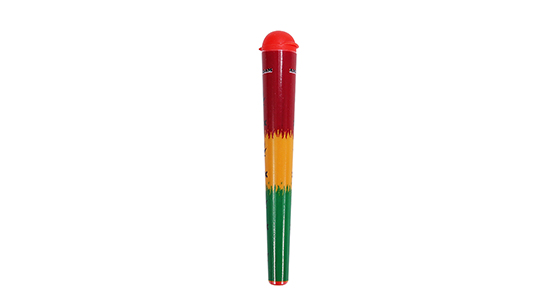
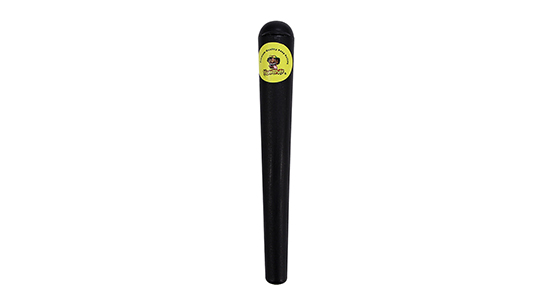
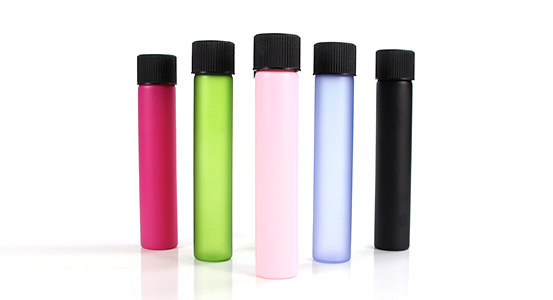
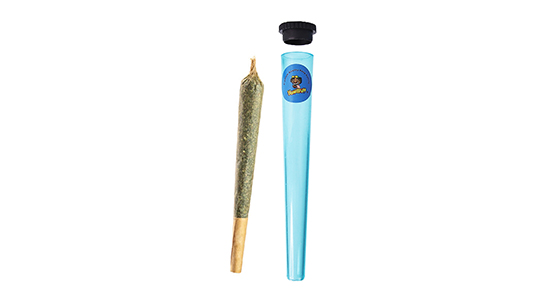
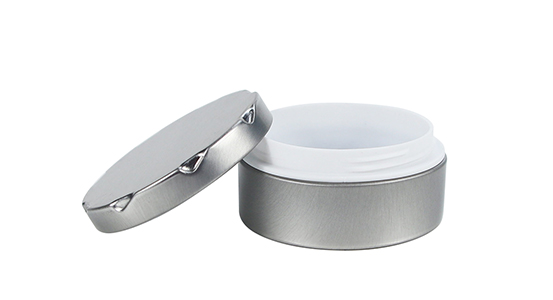
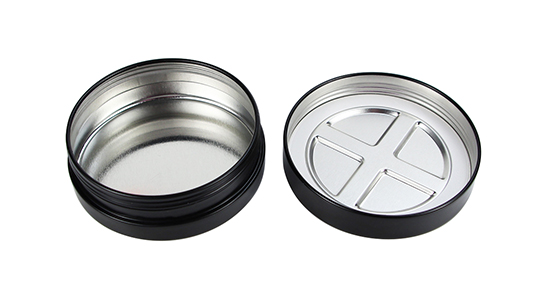
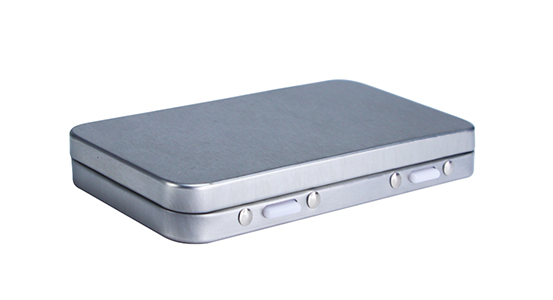
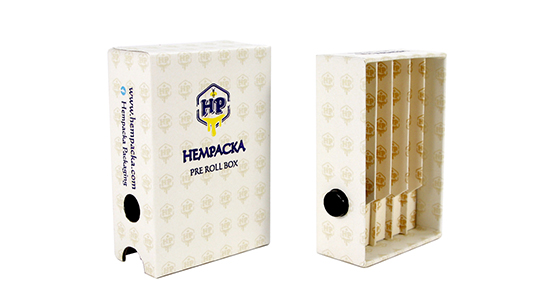
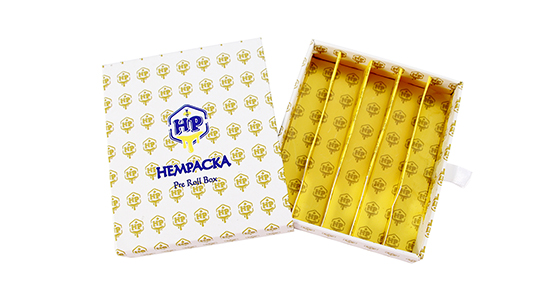
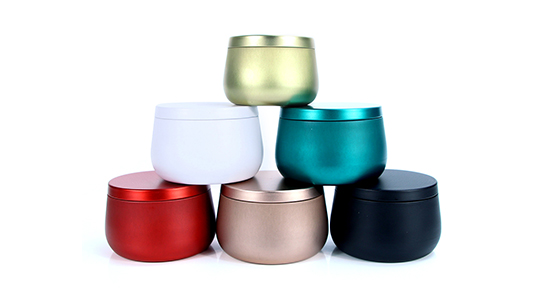
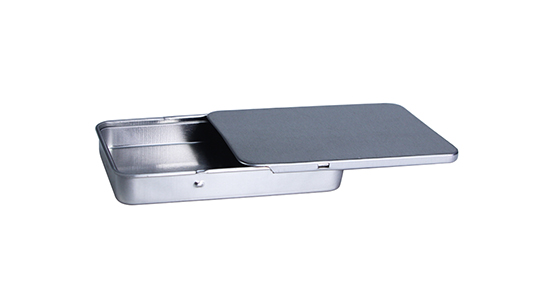
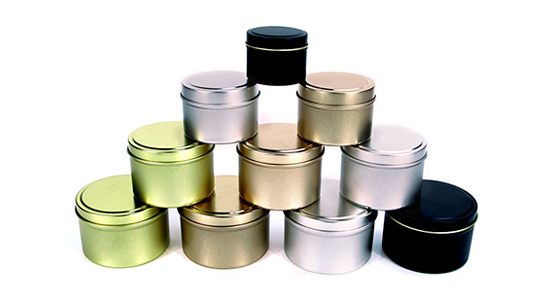
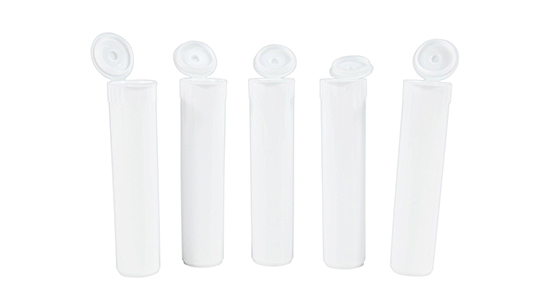
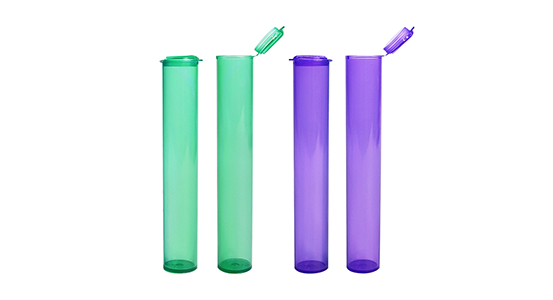
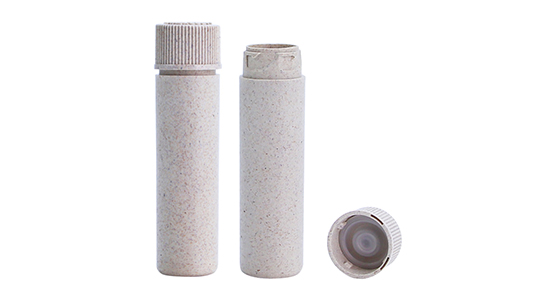
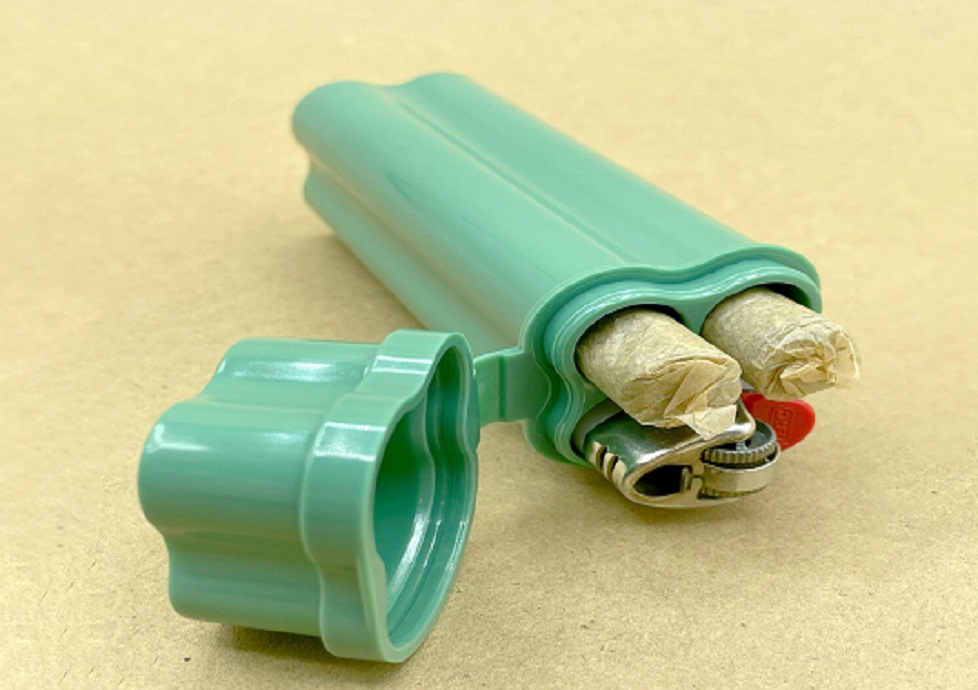
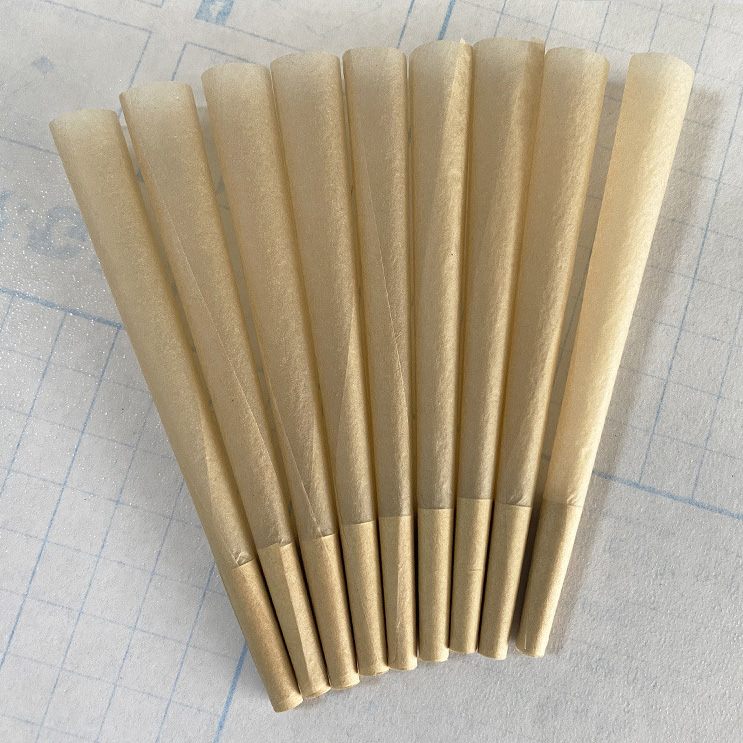
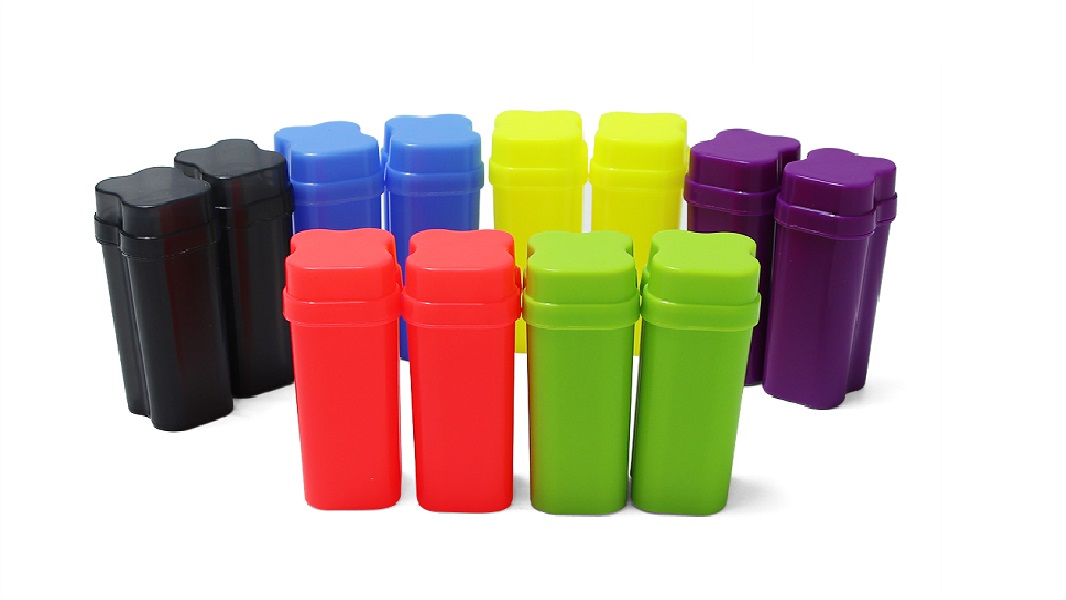
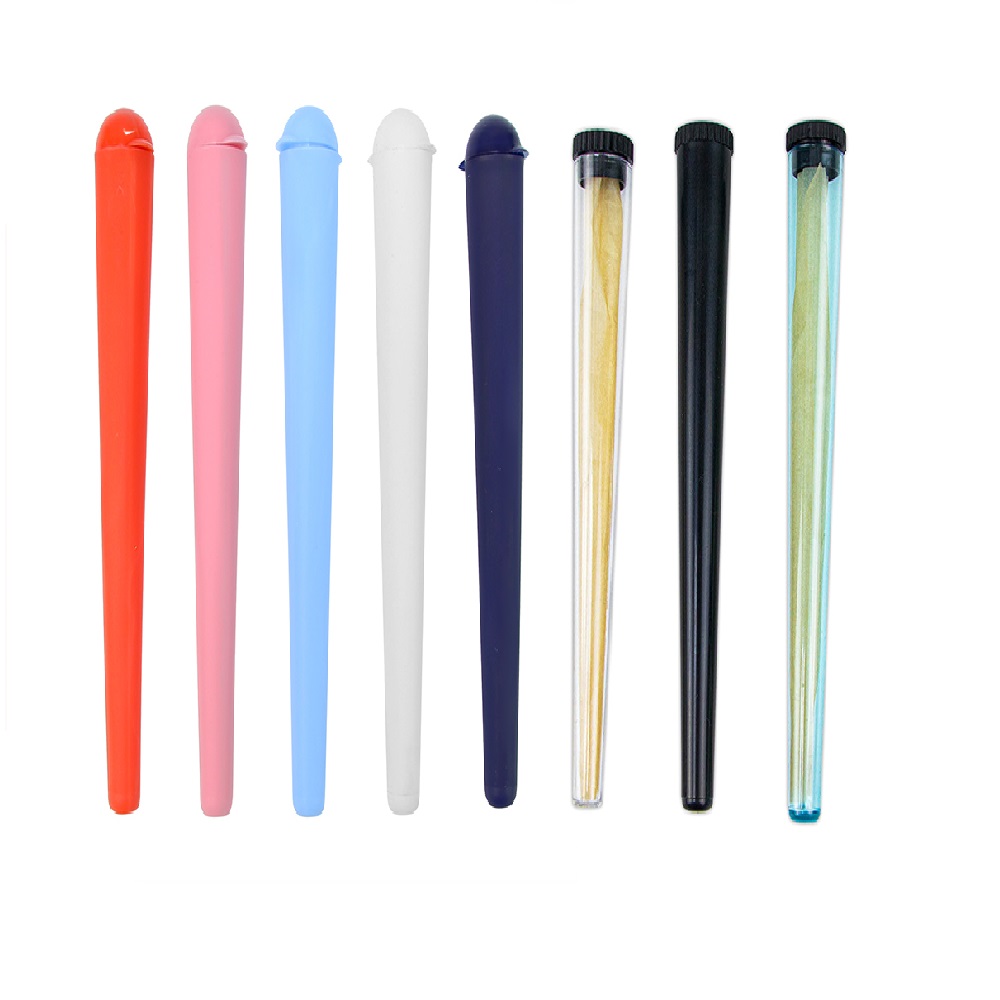
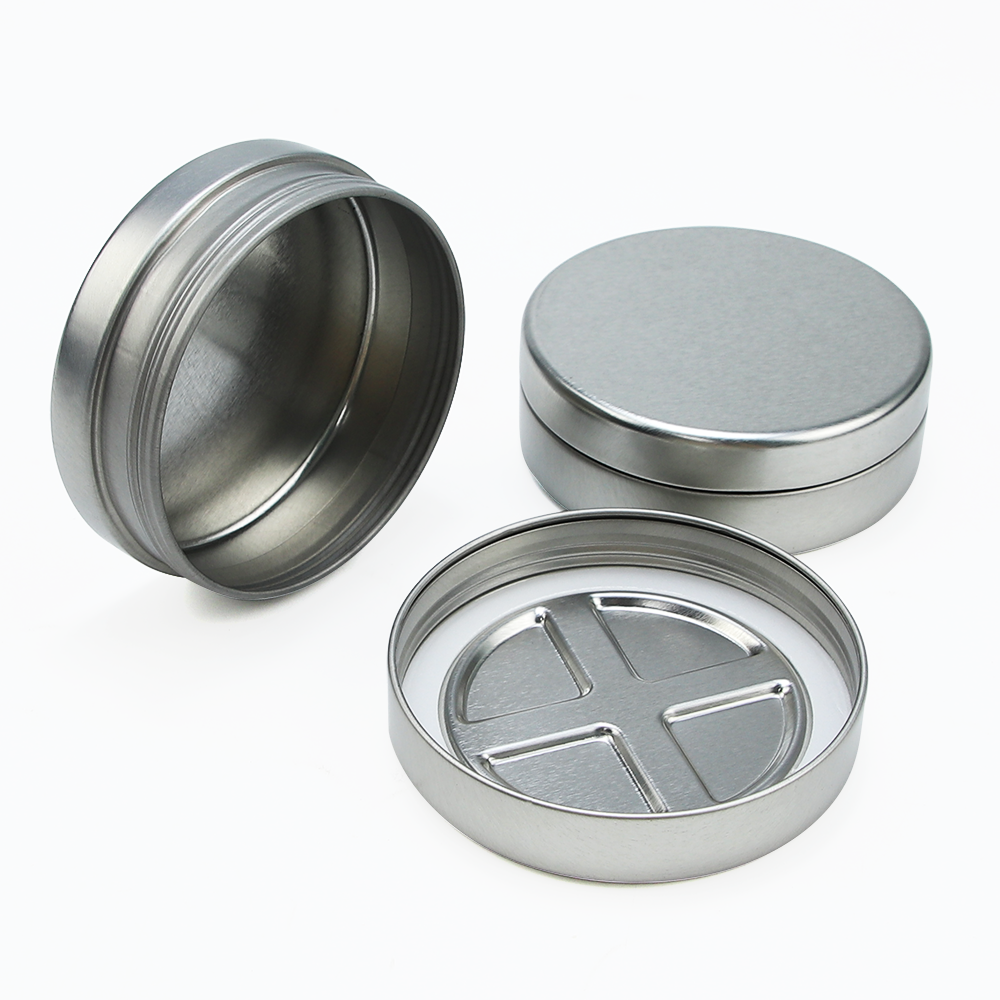
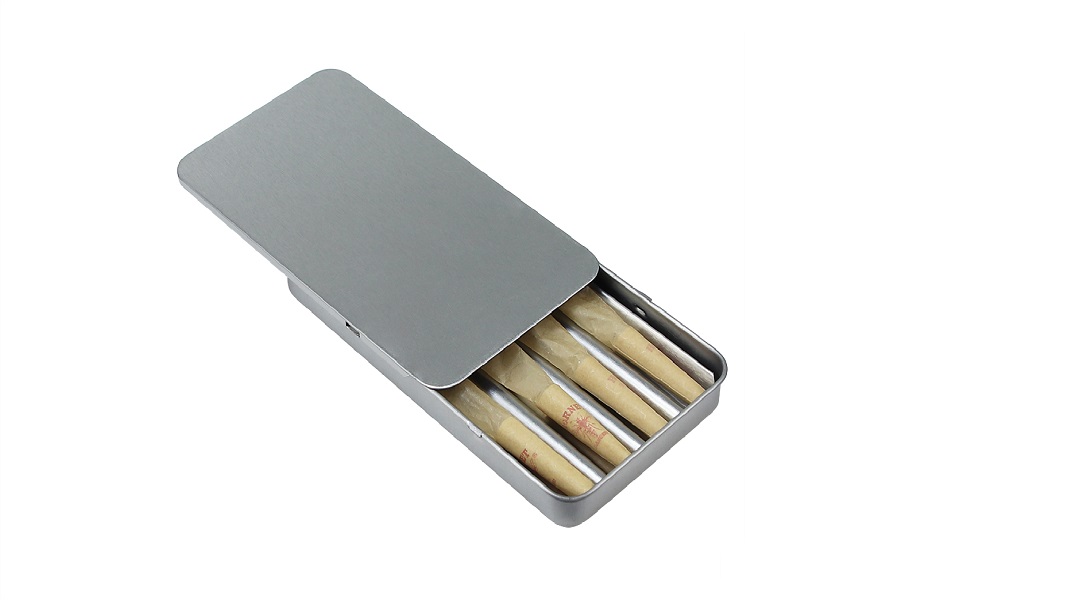
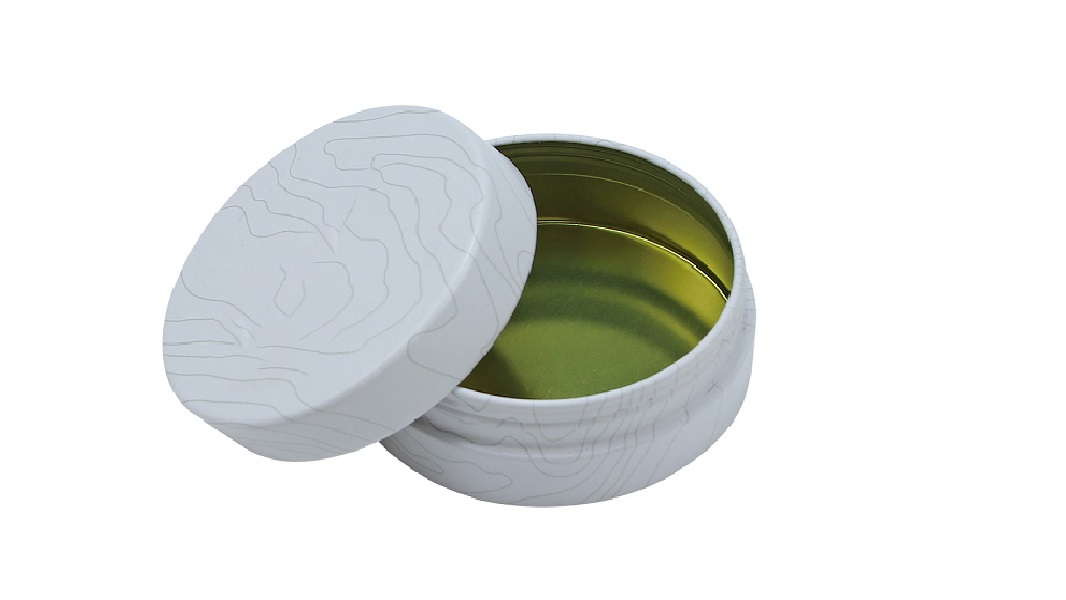
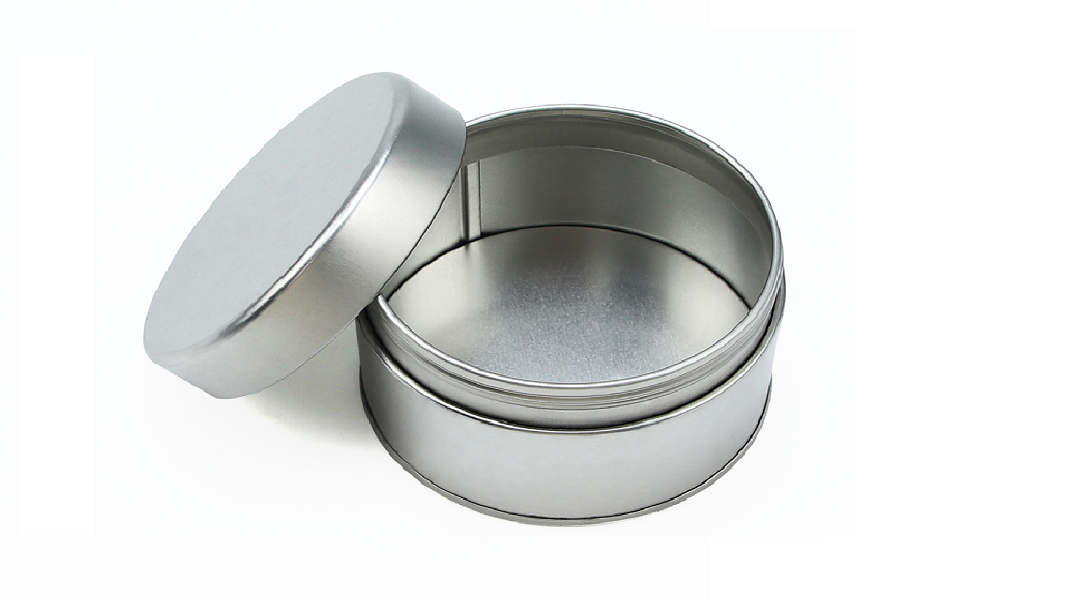
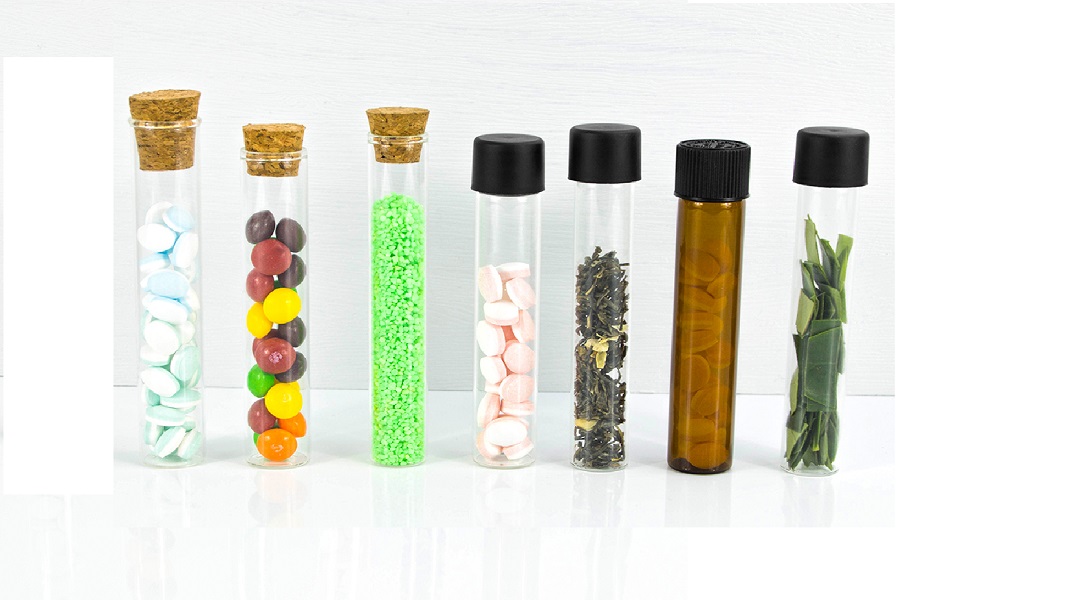
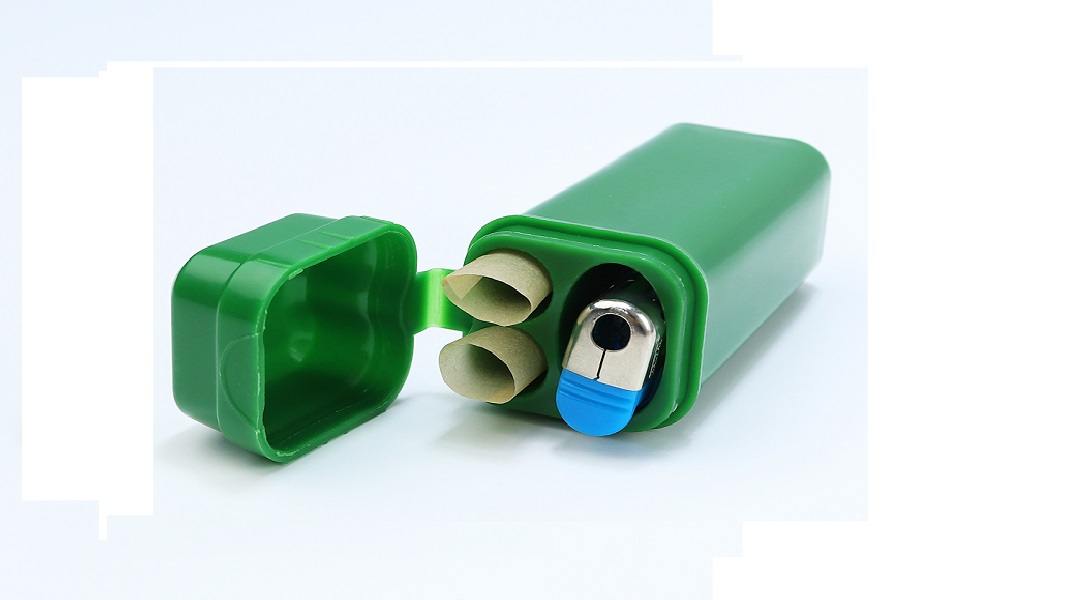
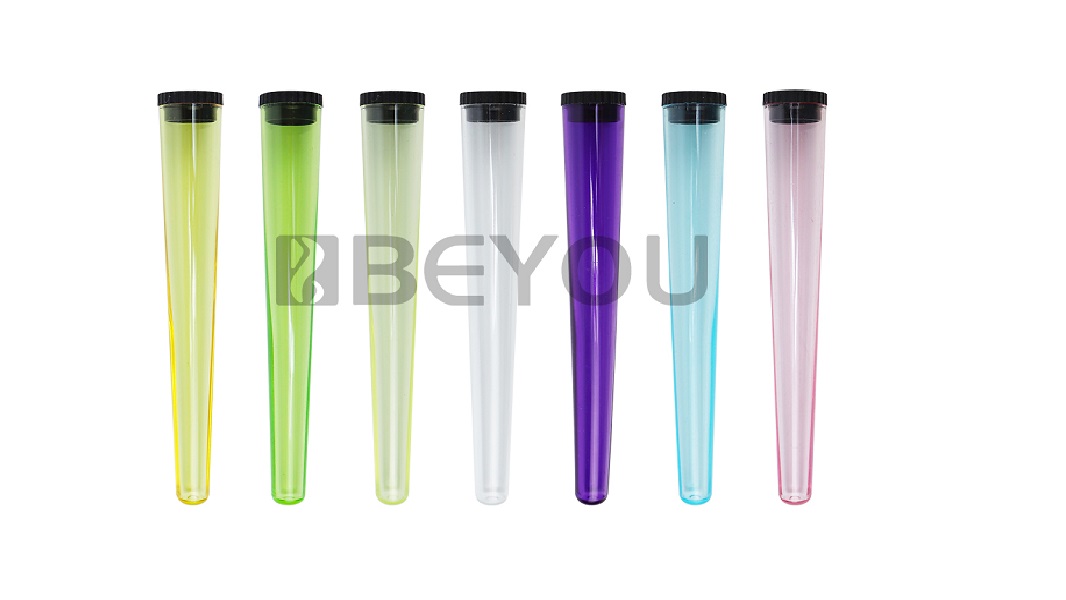
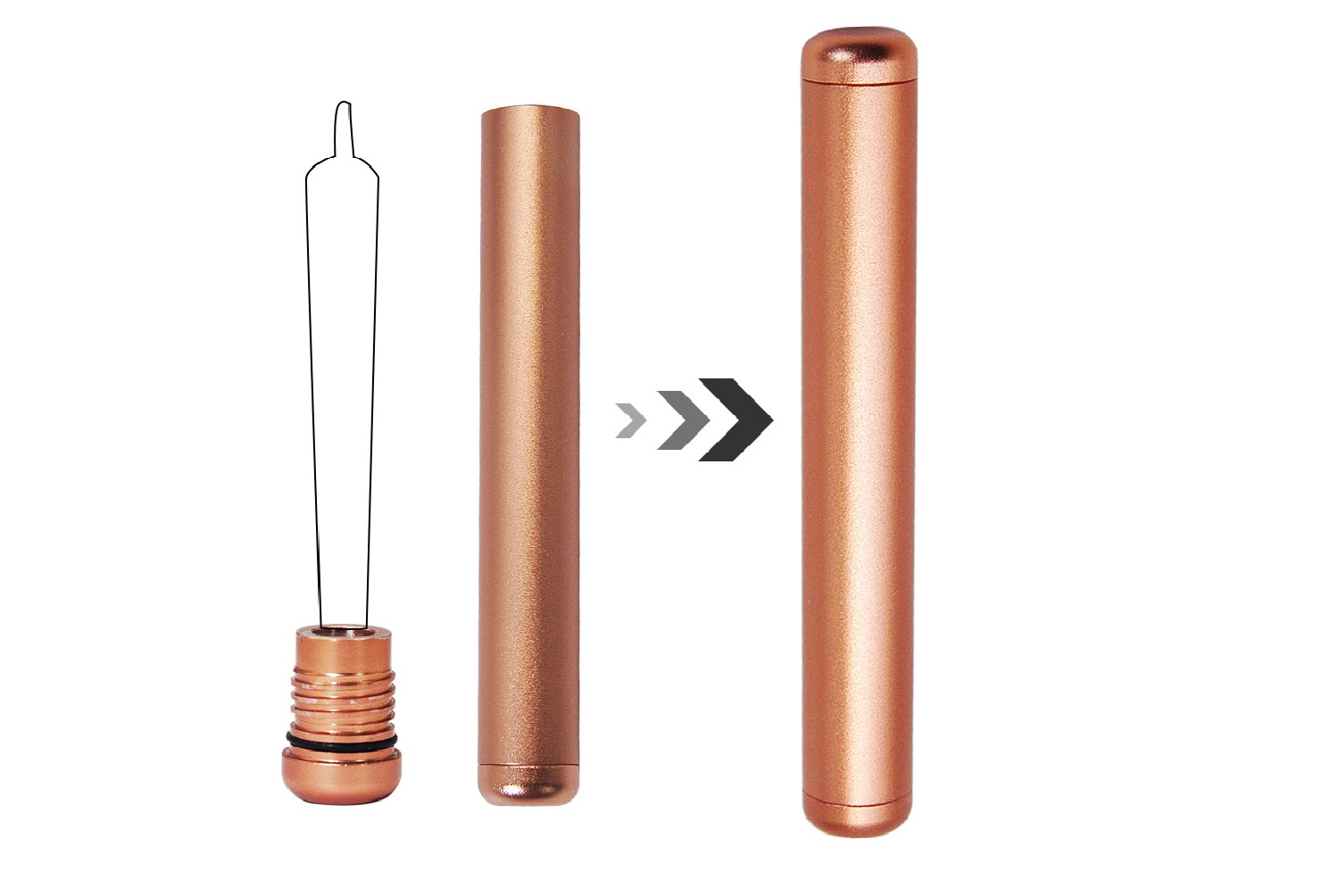
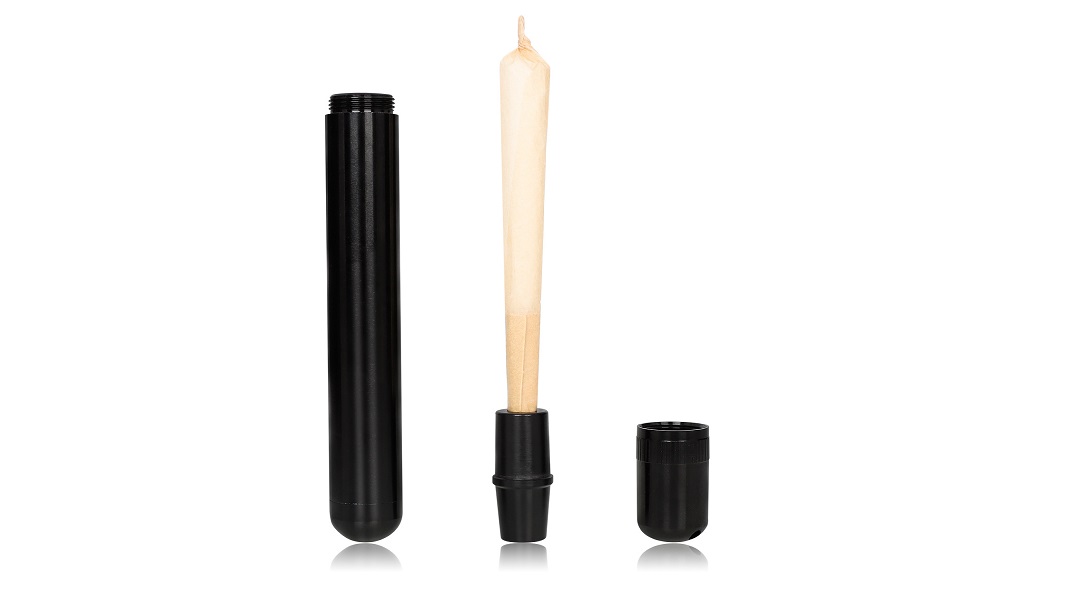
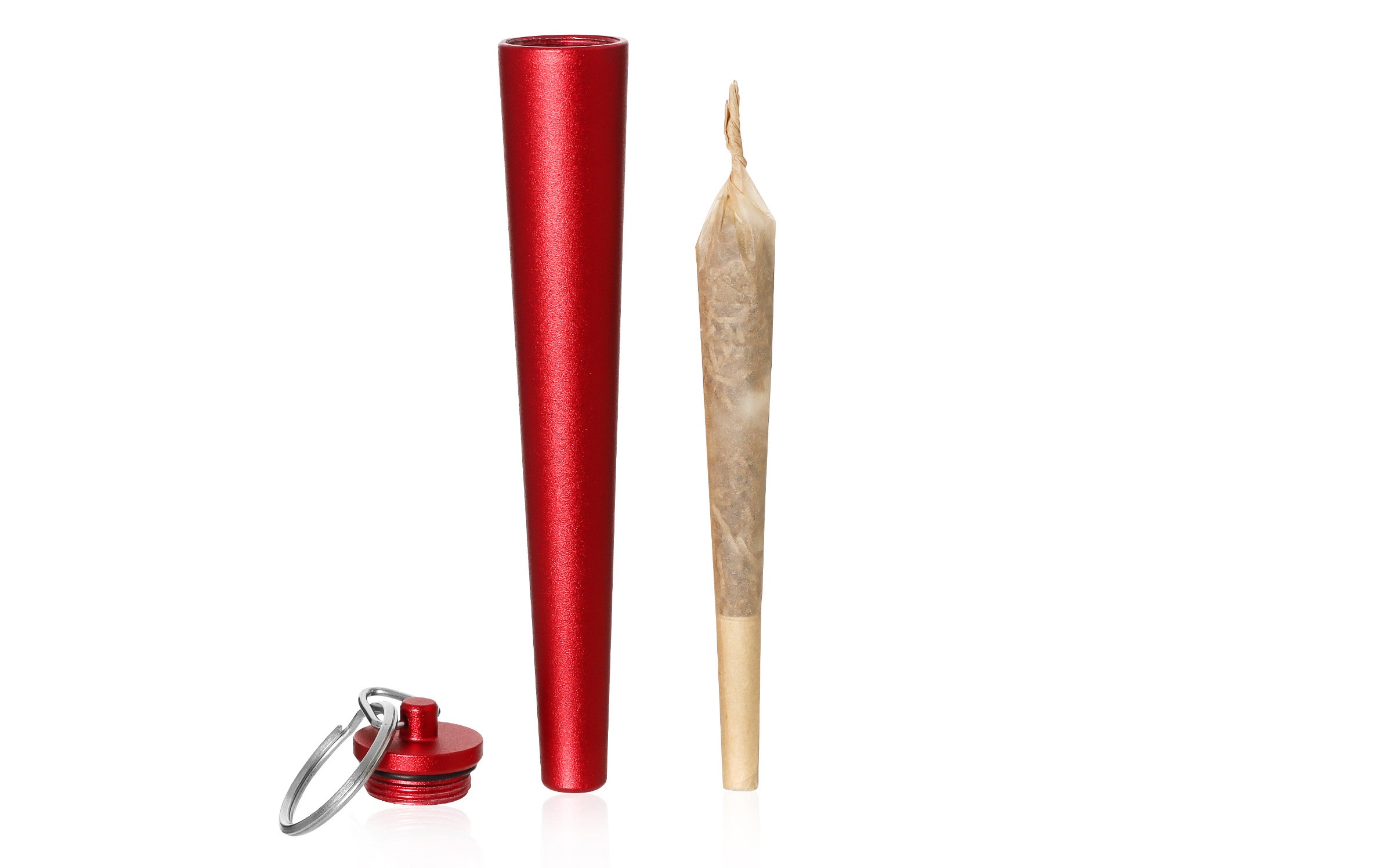
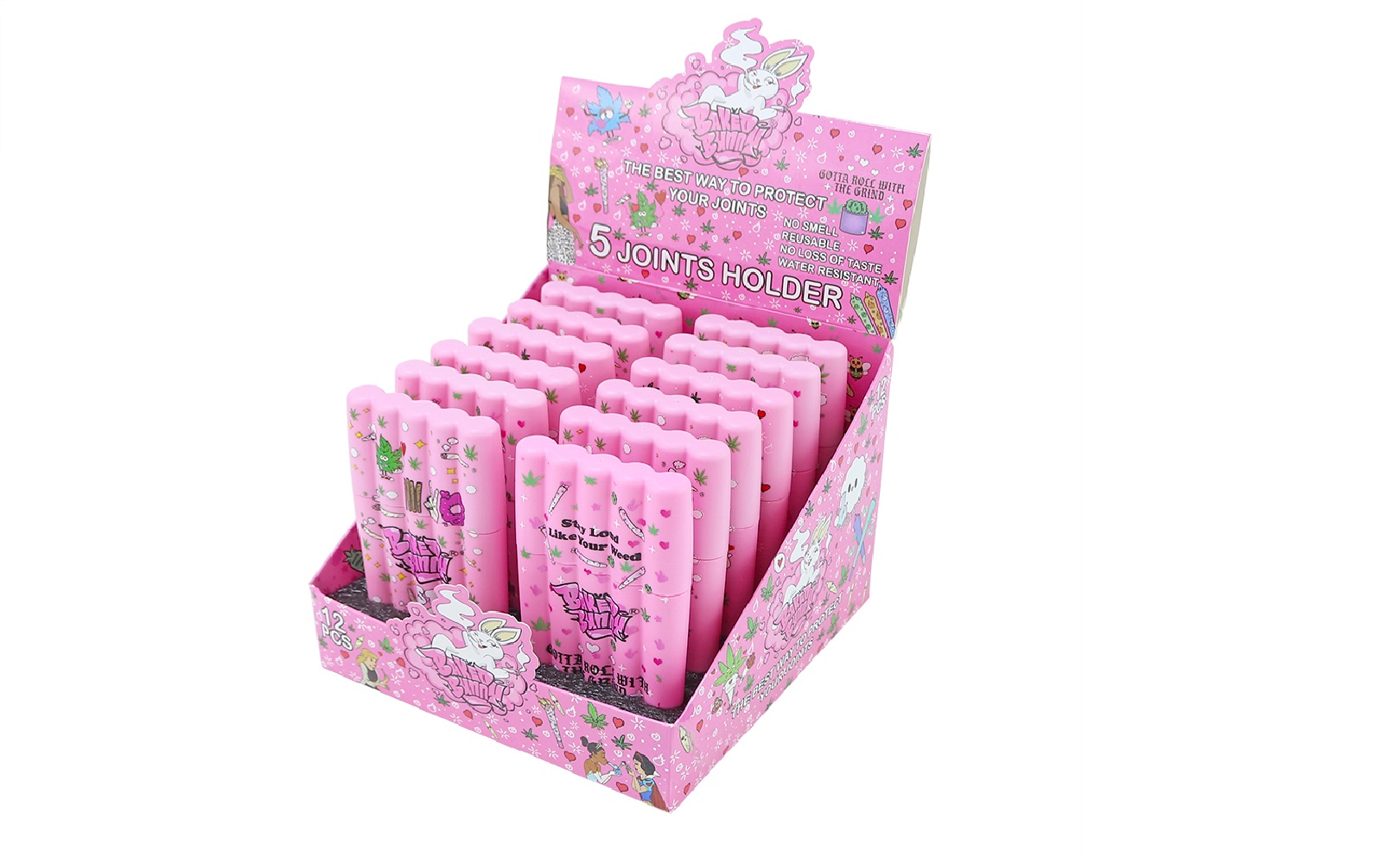
· Pre-rolls → pre-roll tubes, hinged-lid tins, or rigid boxes with foam inserts
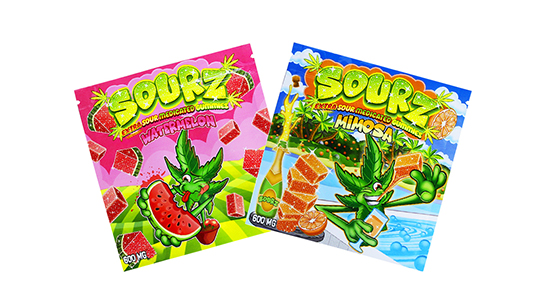
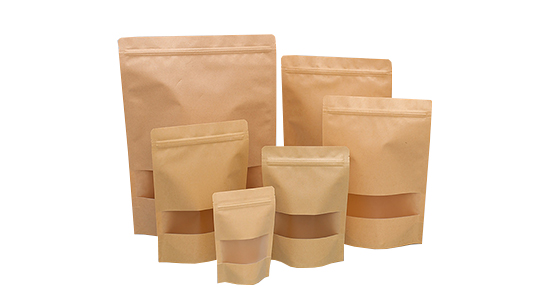
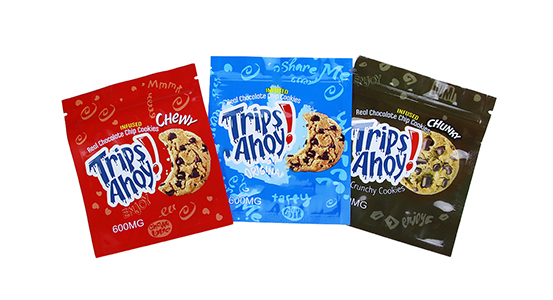
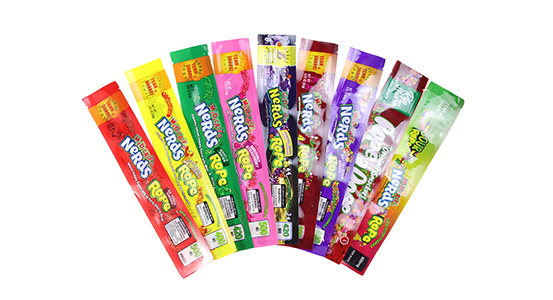
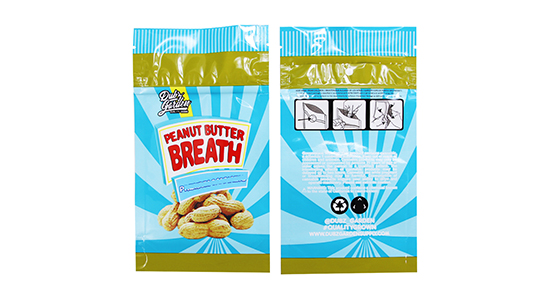
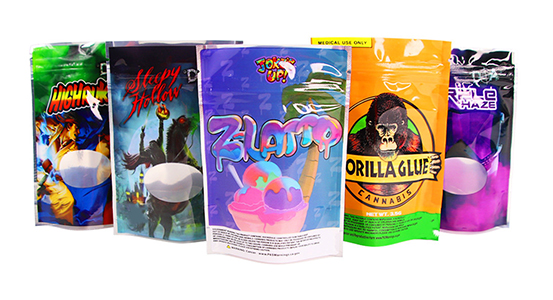
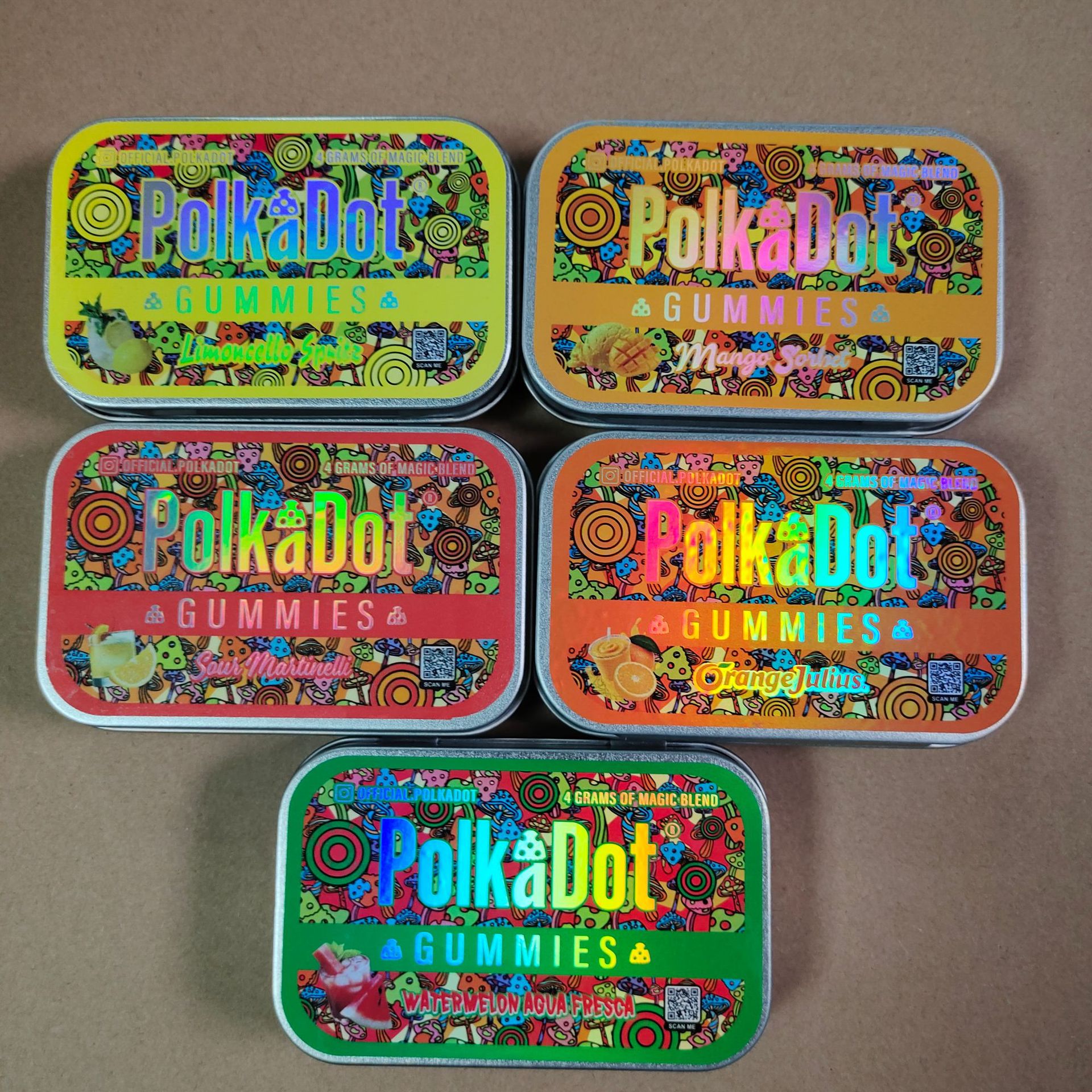
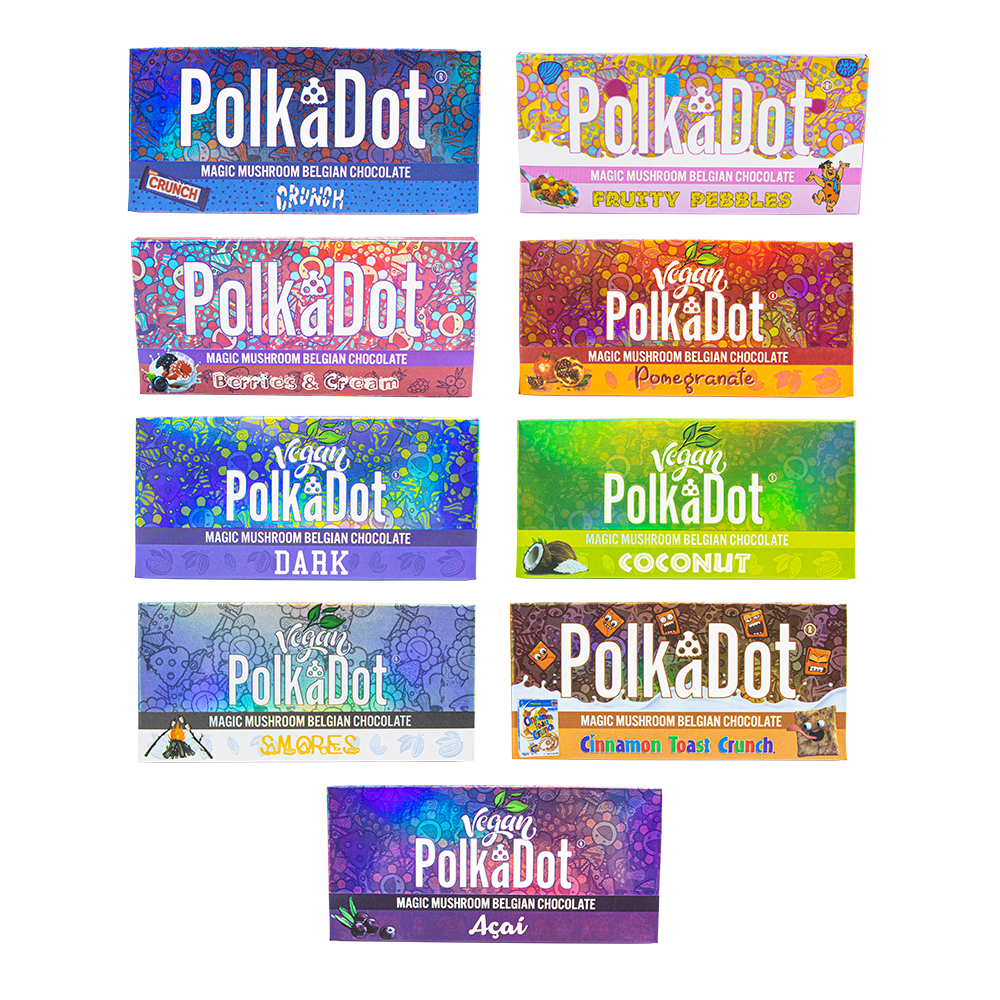
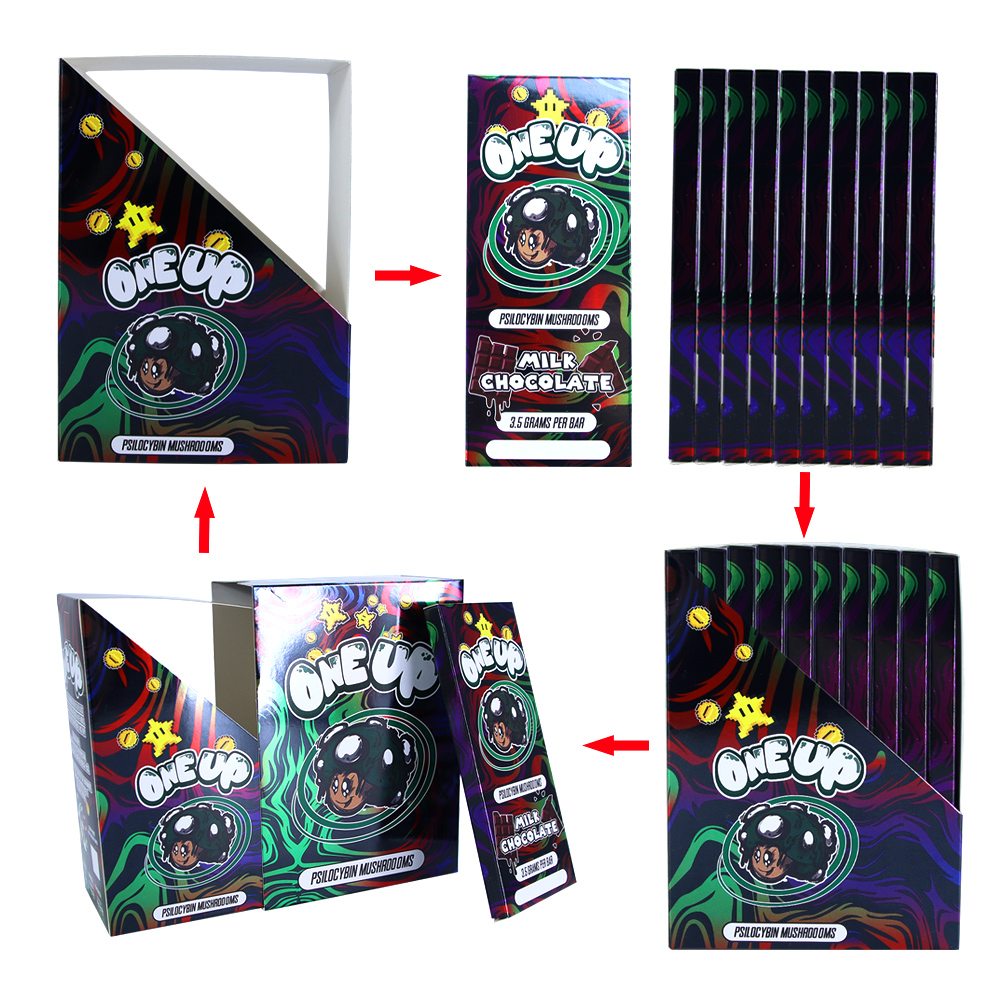
· Edibles → child-resistant bags or boxes with food-safe materials
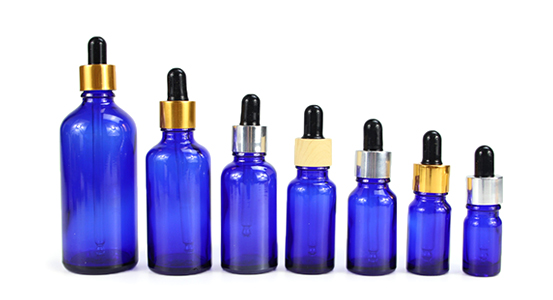
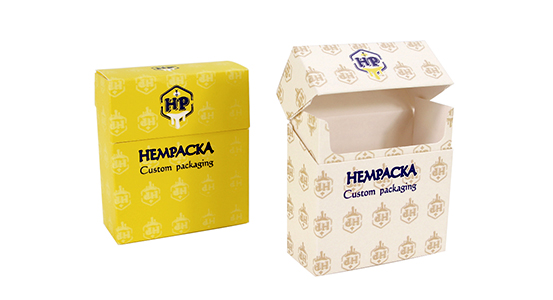
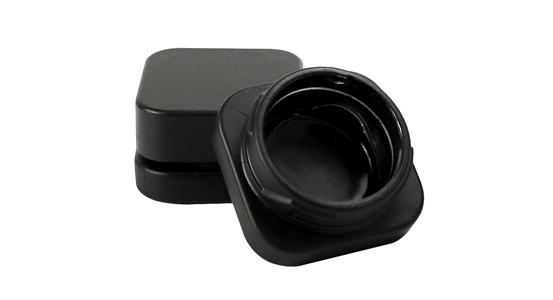
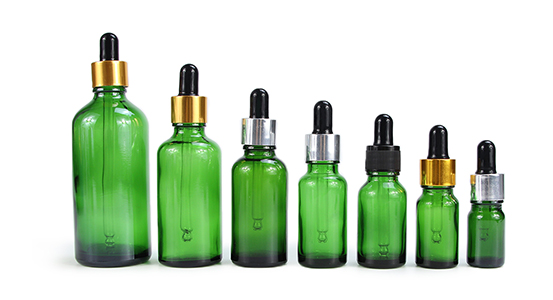
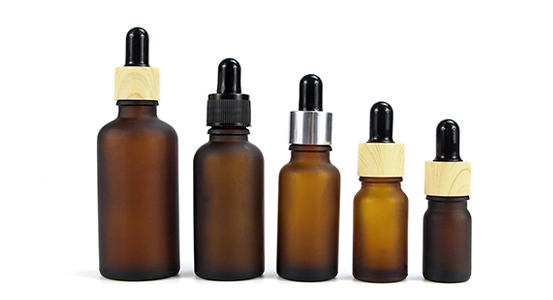
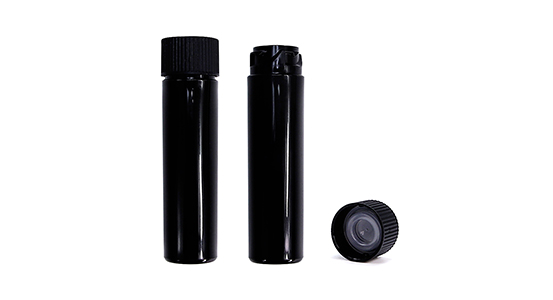
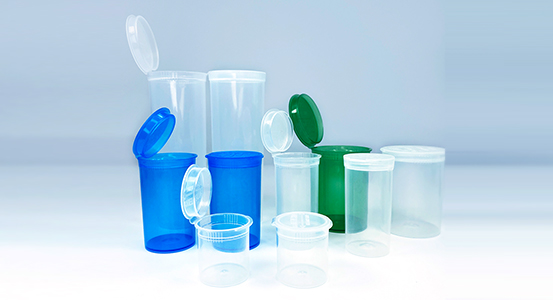
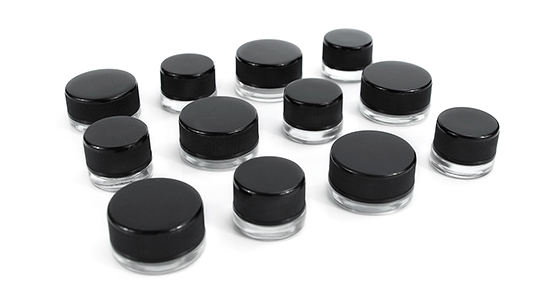
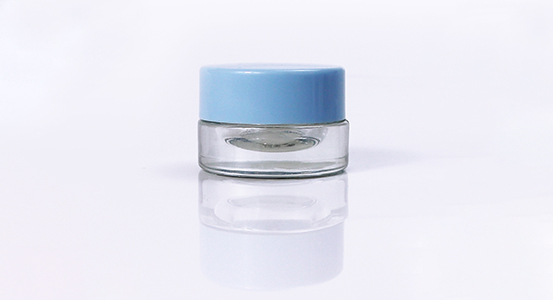
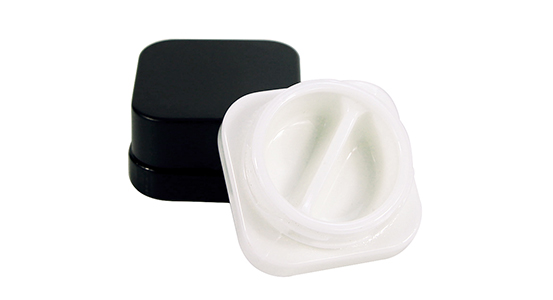
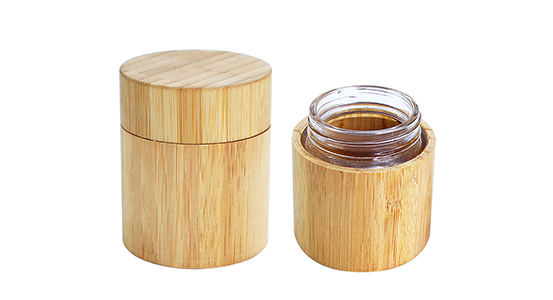
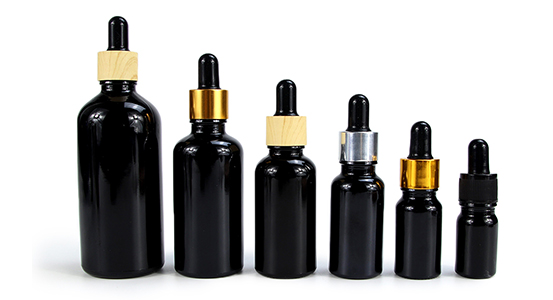
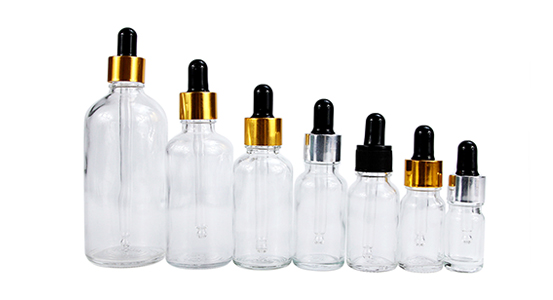
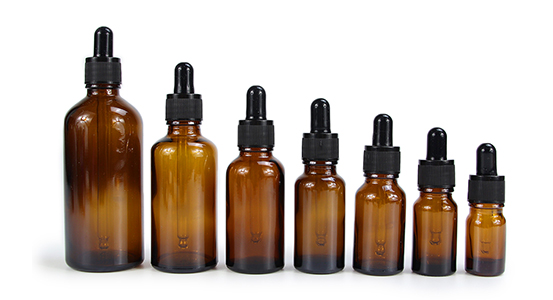
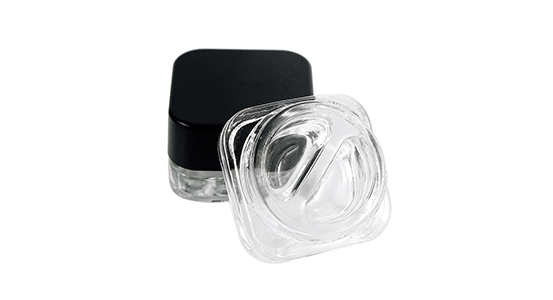
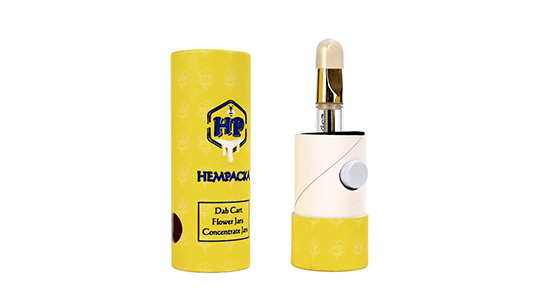
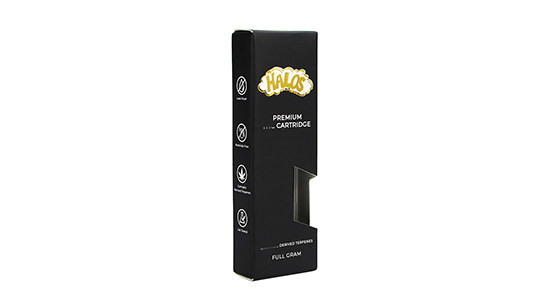
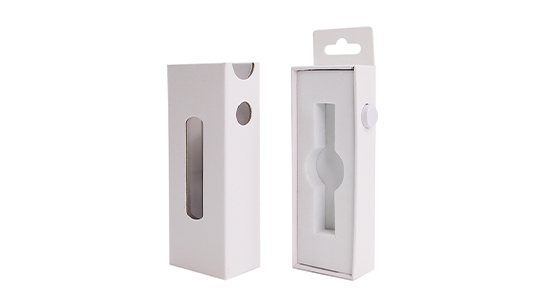
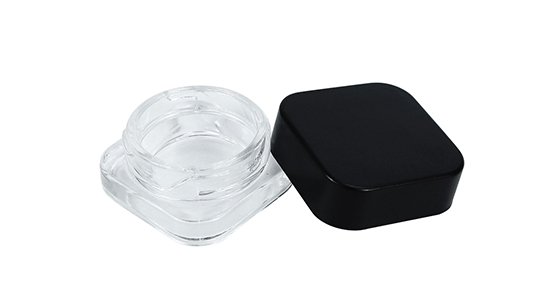
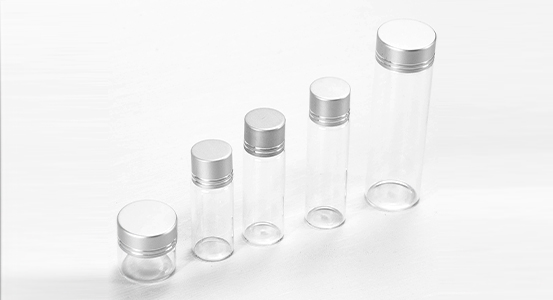
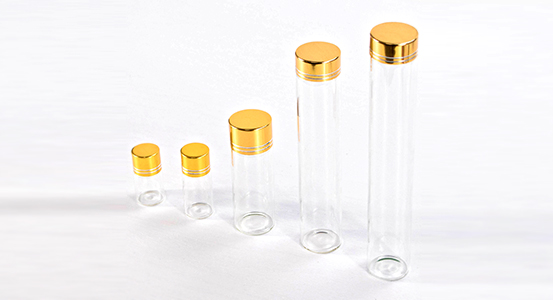
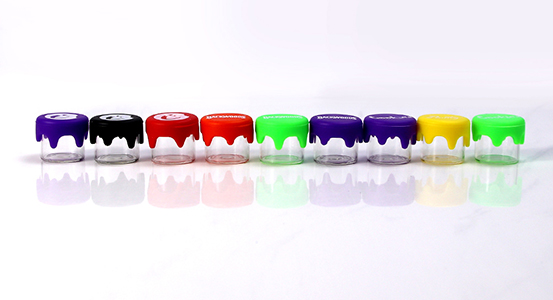
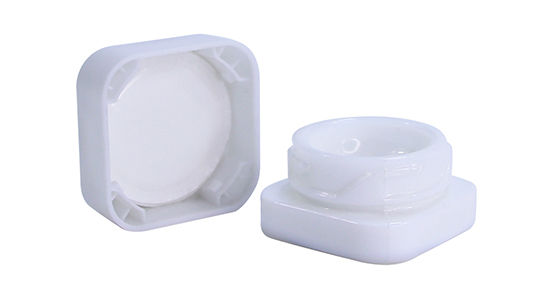
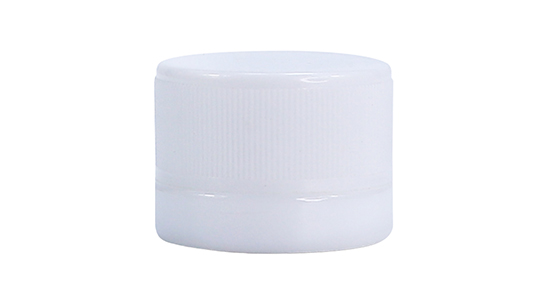
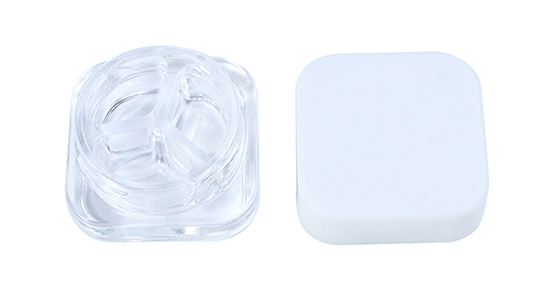
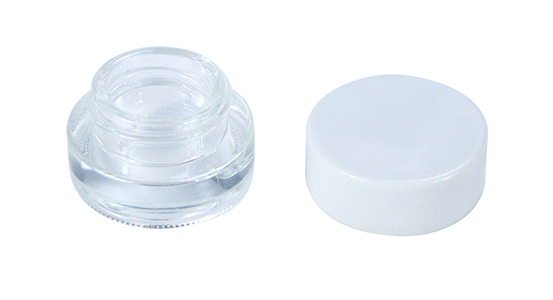
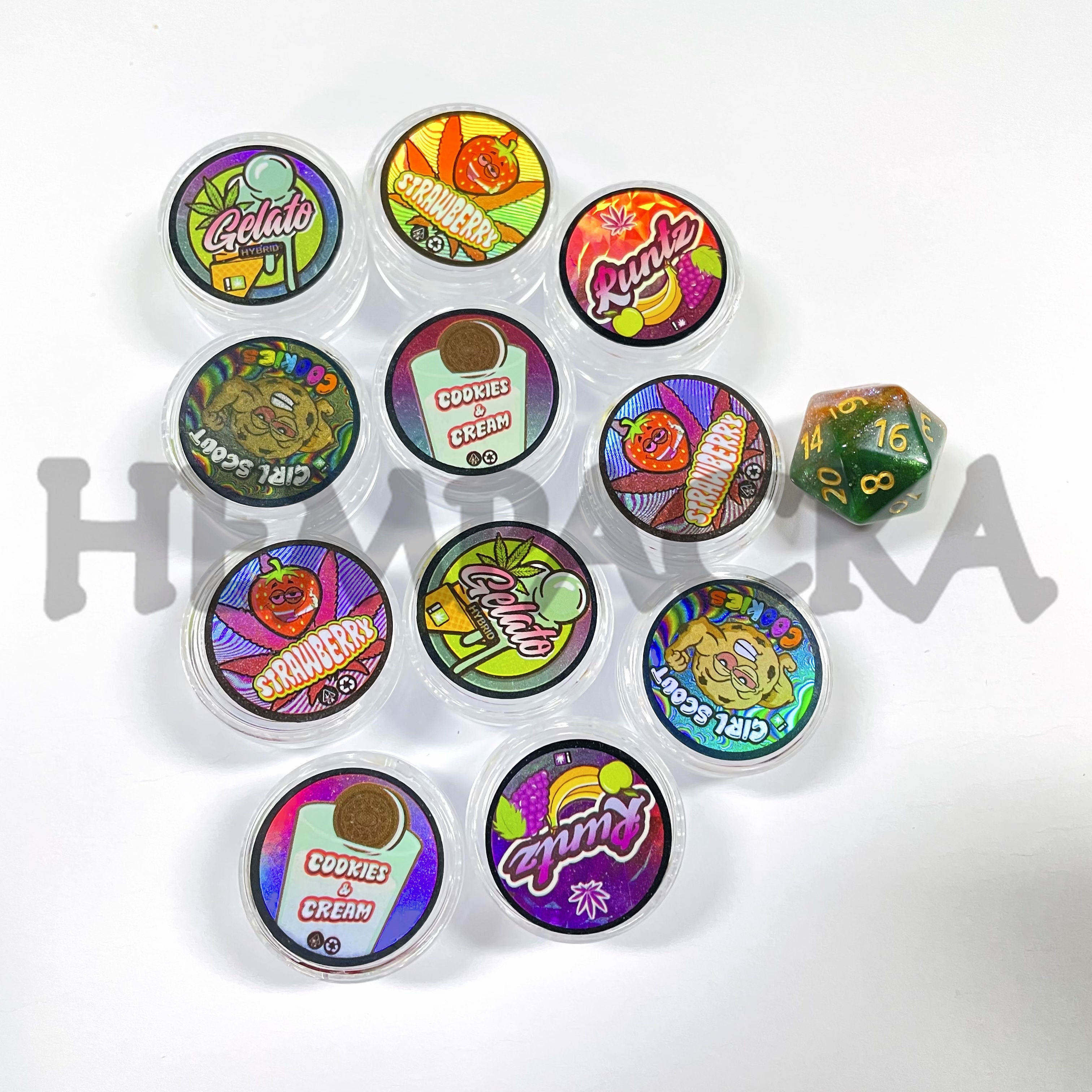
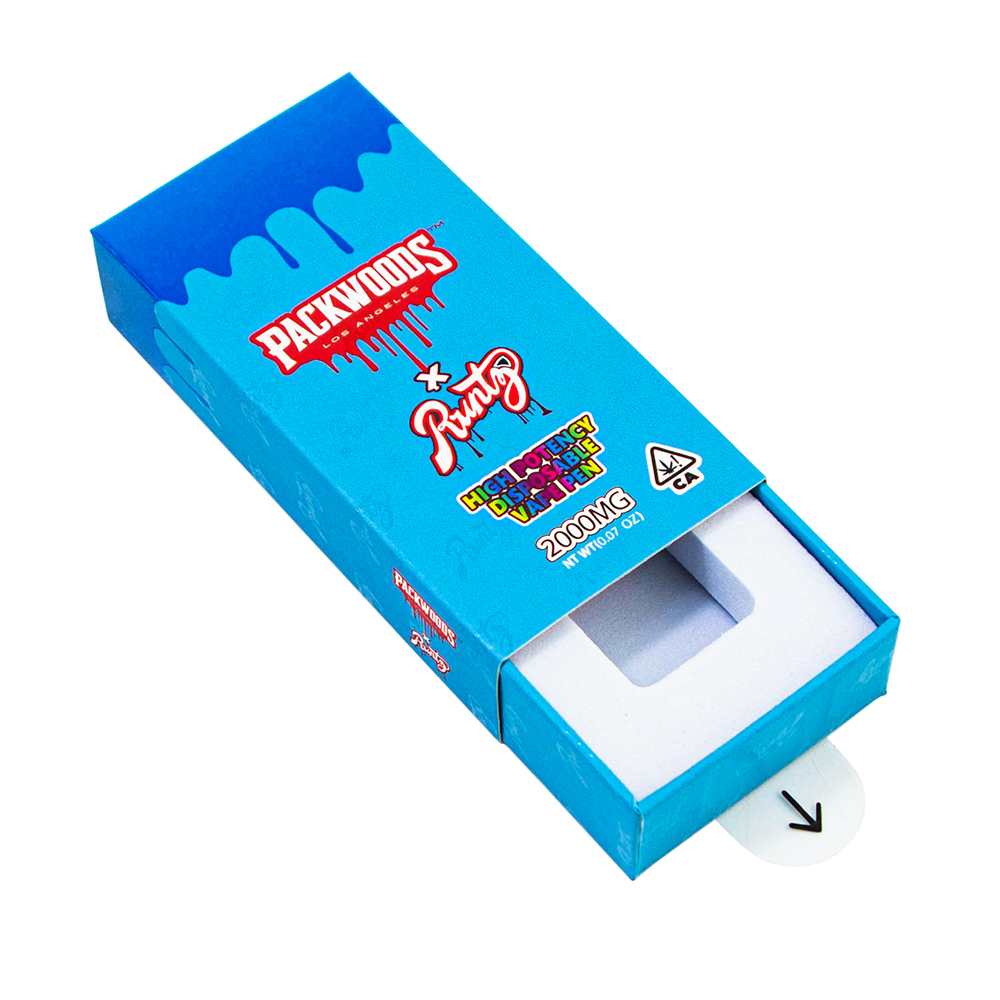
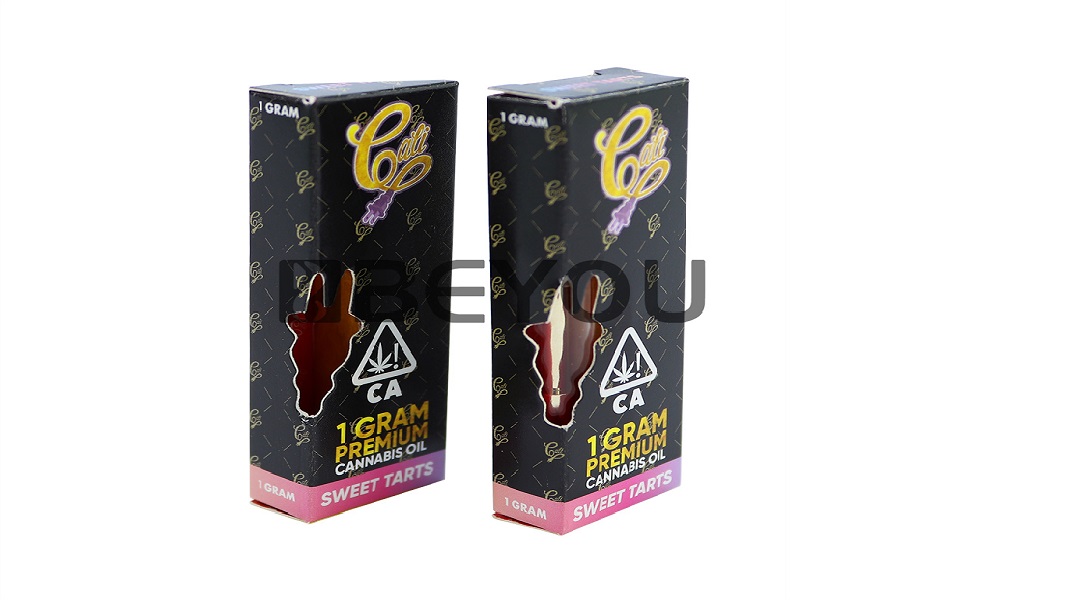
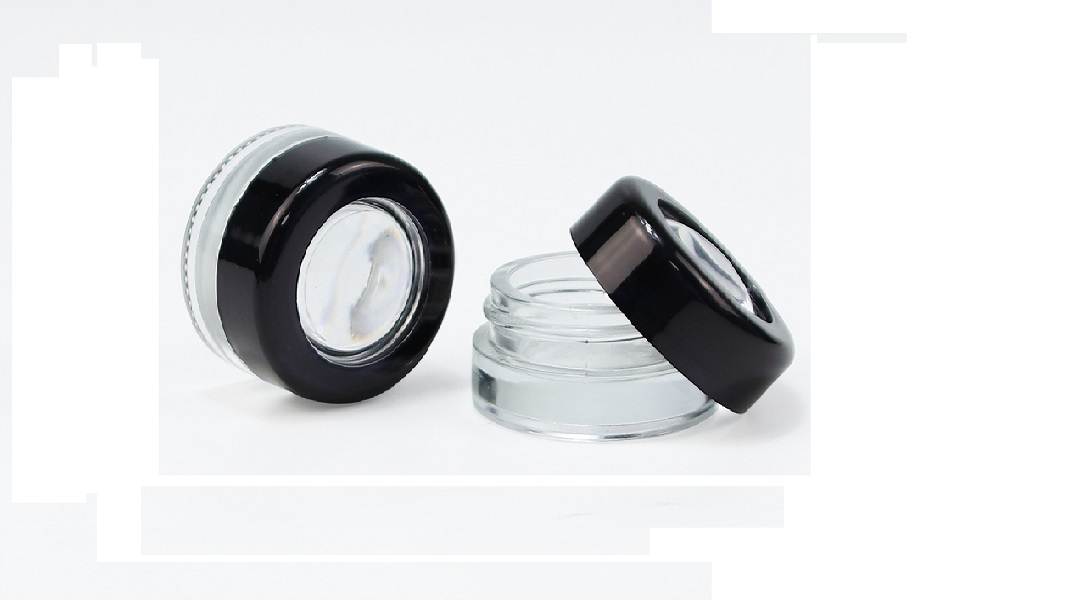
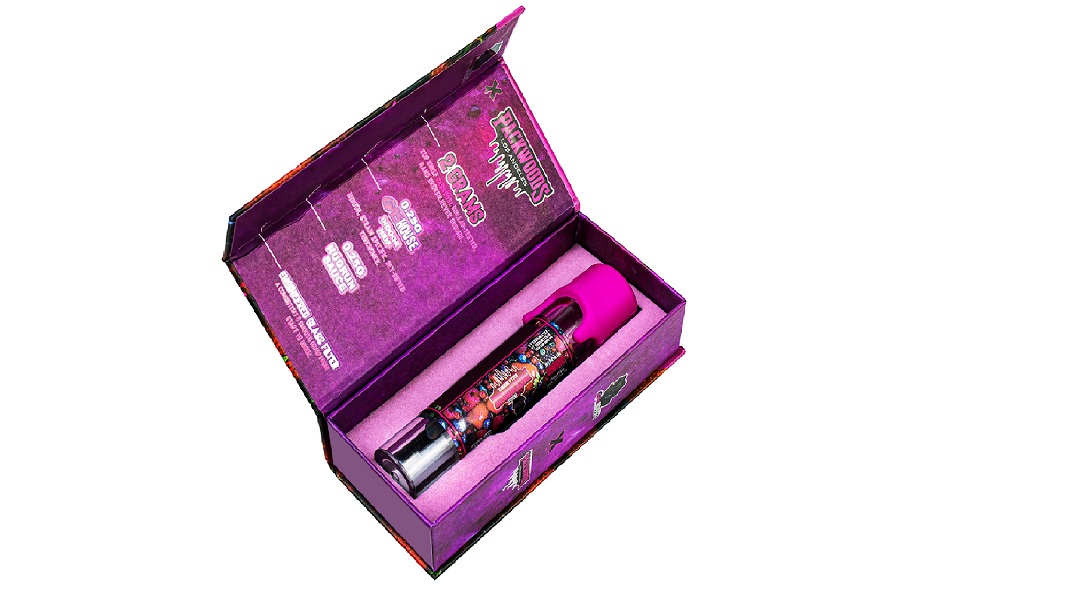
· Concentrates / vape carts → small glass or plastic CR containers, cartridge boxes
If you're unsure which format fits your product and budget, ask suppliers for comparison advice on materials — a factory that makes multiple formats can give you an honest answer.
MOQ is the biggest culture shock for first-time importers. Industry norms for custom-printed packaging typically range from about 1,000 to 10,000 units per design, depending on format and printing method.
What many brands don't realize:
· Digital printing allows lower MOQs than offset printing — useful when you're testing a new market.
· MOQ is usually per design/SKU, not per order — combining designs doesn't always help.
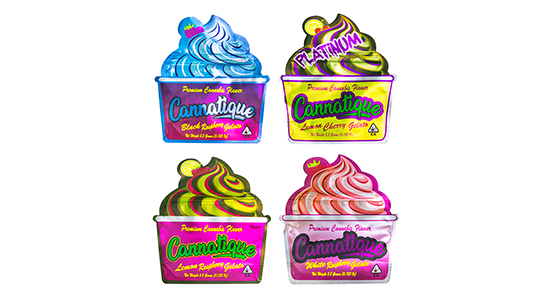
· If 10,000 is too many, ask about stock (non-custom) packaging with custom labels — a common low-MOQ bridge strategy.
· Beware of suppliers advertising "no MOQ": it usually means higher per-unit pricing or hidden setup fees hiding somewhere else.
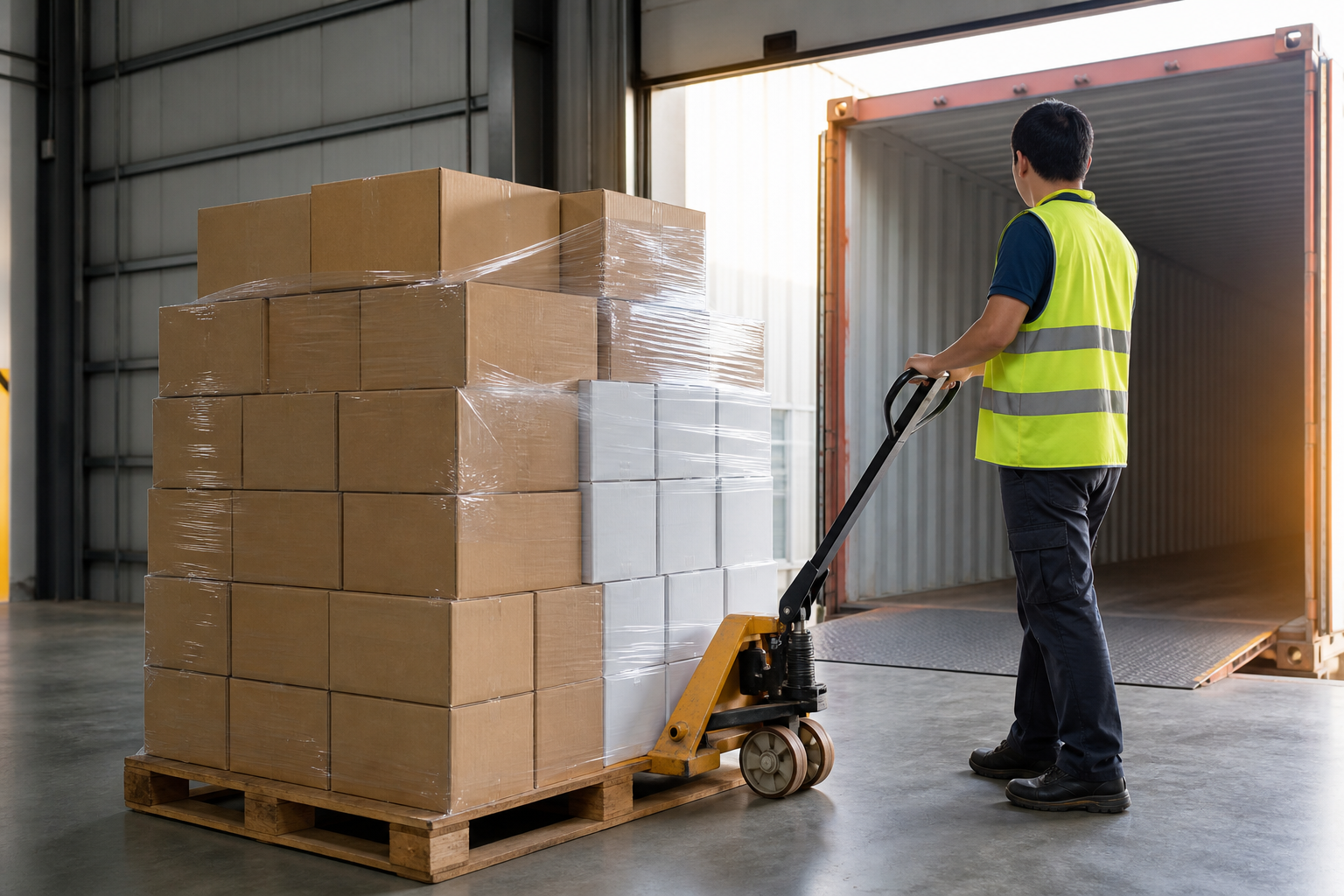
Never skip samples, no matter how good the photos look. Sampling is cheap insurance against a costly mistake.
· Standard/stock samples are often free or charged at actual shipping cost (commonly around $30–40 by air from China).
· Custom samples with your print and specifications usually carry a fee — industry range is roughly 30–30–100+ depending on complexity — and reputable factories credit that fee back once you place a production order.
· When you order a custom sample, request the CR test report for child-resistant items at the same time. A factory that can't produce one should be a red flag.
What to check when the sample arrives: print color vs. your proof, material feel and thickness, closure mechanism, and whether the size genuinely fits your product (send your actual product or exact dimensions!).
Step 5: Lead Times — Get Everything in Writing
A realistic timeline from a China-based packaging manufacturer looks roughly like this:
Stage | Typical range |
Artwork/dieline confirmation | 1–3 days |
Custom sample production | 5–10 days |
Sample shipping (air) | 3–7 days |
Mass production | 10–20 days |
Sea freight to US/Canada | 20–40 days |
Air freight to US/Canada | 5–10 days |
The most common sourcing failure we see: brands count production time but forget shipping and customs, then miss a launch deadline. Work backward from your go-live date and add buffer for Chinese holidays (Chinese New Year in Jan/Feb is the big one — factories slow down for 2–4 weeks).
Price per unit matters, but consistency matters more. Before greenlighting mass production:
1. Ask which CR testing standard applies and request the report (e.g., 16 CFR 1700.20).
2. Confirm material specs in writing: thickness, food-grade status (for edibles), smell-proof/barrier properties where needed.
3. Agree on quality inspection: will the factory send pre-shipment photos/videos? Is third-party inspection (e.g., SGS-style) available?
4. Get the payment terms and production schedule in the same document as the price.
· Broker vs. manufacturer confusion. Some "suppliers" are trading companies reselling other factories' goods. Ask directly: Are you the factory? Can we video-call your production line?
· Sample ≠ mass production. A beautiful hand-made sample doesn't guarantee a consistent 10,000-unit run. Ask how the factory guarantees consistency across batches.
· Vague freight quotes. "Cheap shipping" that arrives in 60 days may cost you your launch. Get the incoterm and transit time in writing.
· Compliance shortcuts. A supplier who says "CR? No problem, we'll add a child-resistant zipper" without a test report is guessing. Verification beats promises.
· Only comparing price. The cheapest quote usually buys you the most follow-up emails. Compare sample quality, communication speed, and willingness to document specs.
·  Product type + target market compliance requirements confirmed (in writing)
· Packaging format matched to product (with supplier's material advice, if needed)
· MOQ understood — per design, with digital/offset and stock+label options explored
· Samples ordered (standard + custom if possible), CR report requested
· Lead time table confirmed in writing, worked backward from launch date
· Holiday/Chinese New Year buffers added
· Payment terms, inspection process, and shipping incoterm documented
· At least 2–3 suppliers compared on sample quality, not just price
Hempacka is a cannabis packaging manufacturer in Foshan, China, with 10+ years in the industry, in-house design support, and a one-stop process: design → material selection → quotation → sampling → mass production → door-to-door shipping.
Tell us what you're packing and your target quantity — we'll reply with format recommendations and a quote.
[Get a Quote](mailto:[CONFIRM:contact@hempacka.com]) · [Free Design Consultation]([CONFIRM: https://hempacka.com/contact.html])