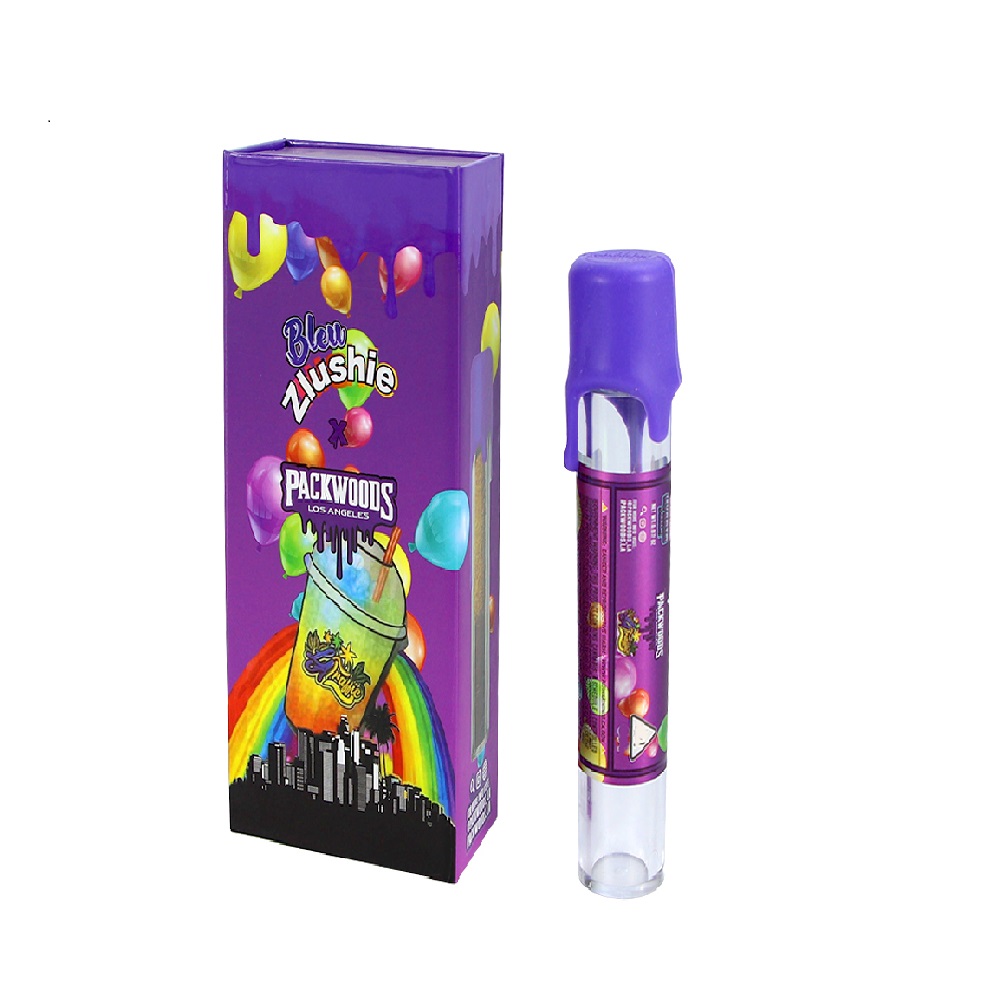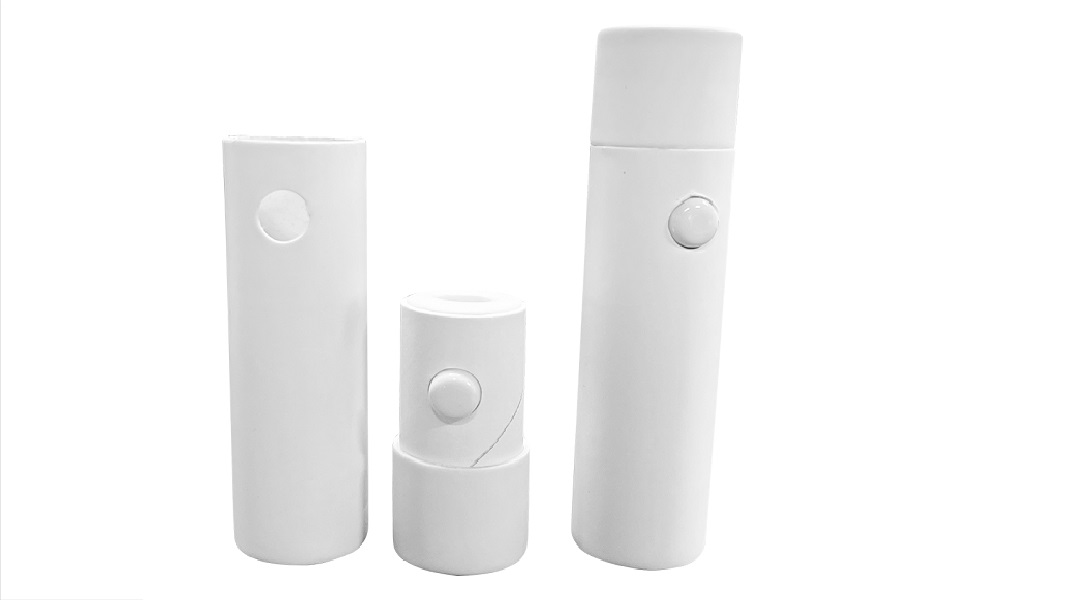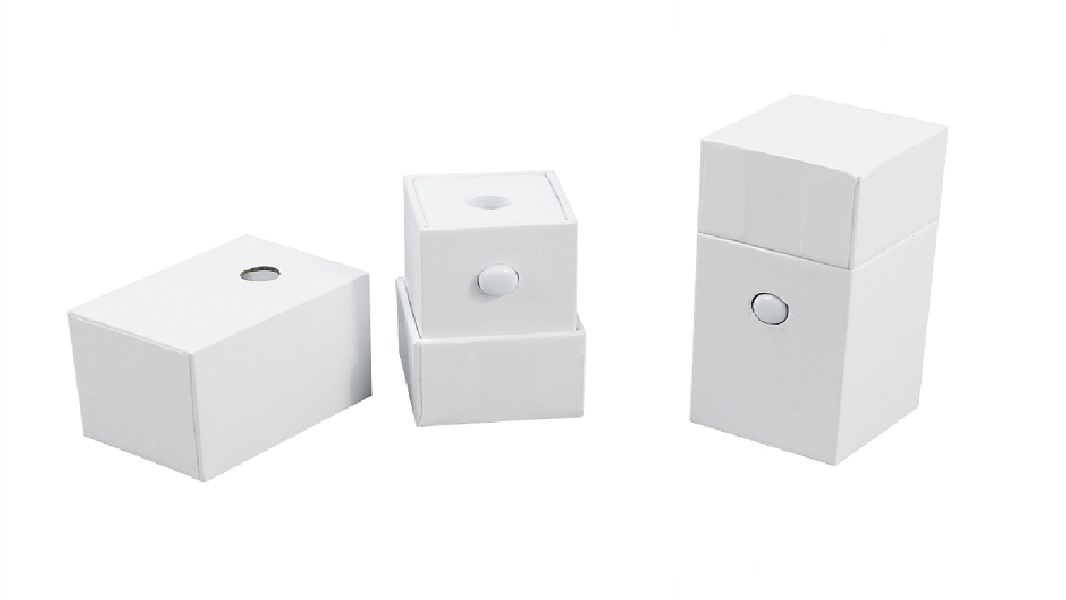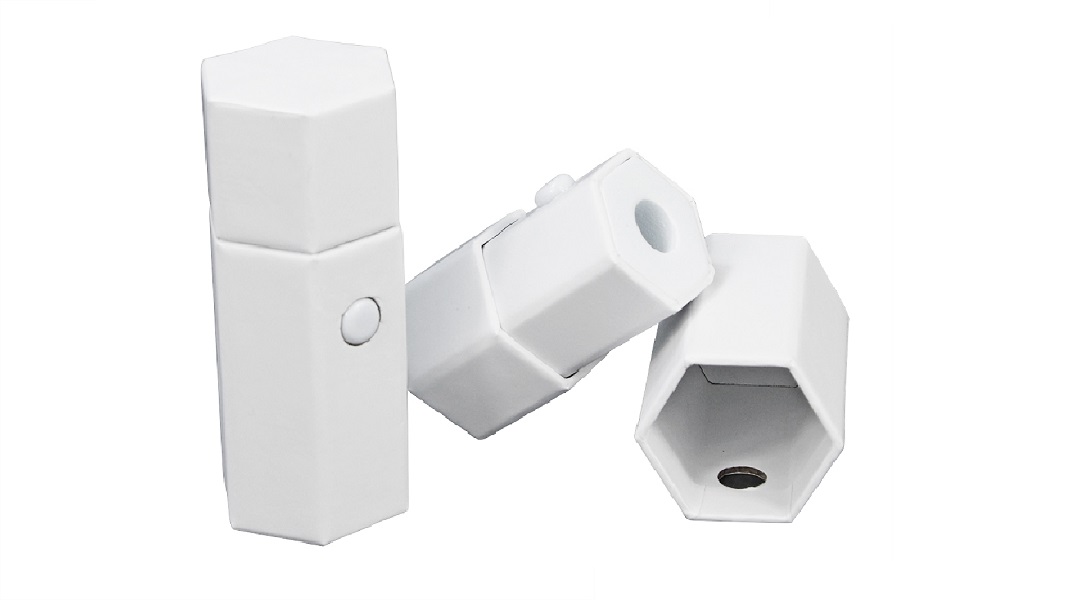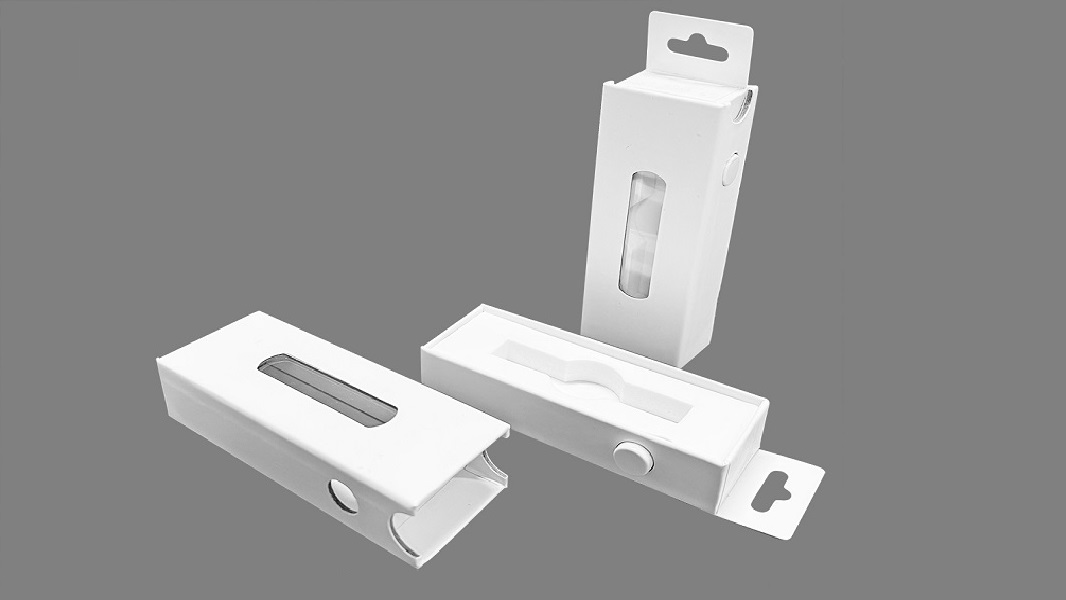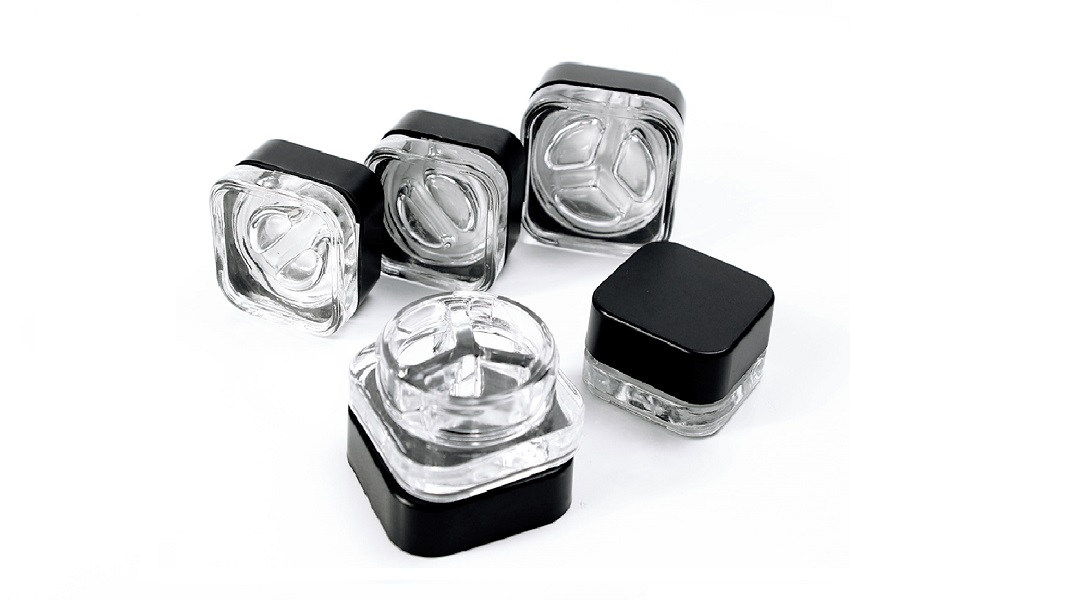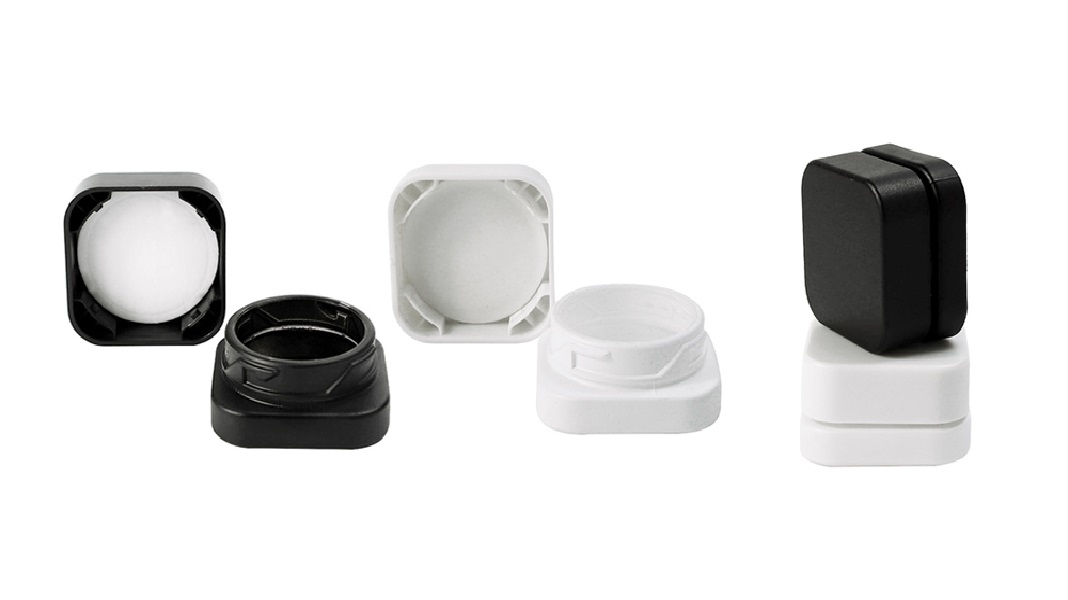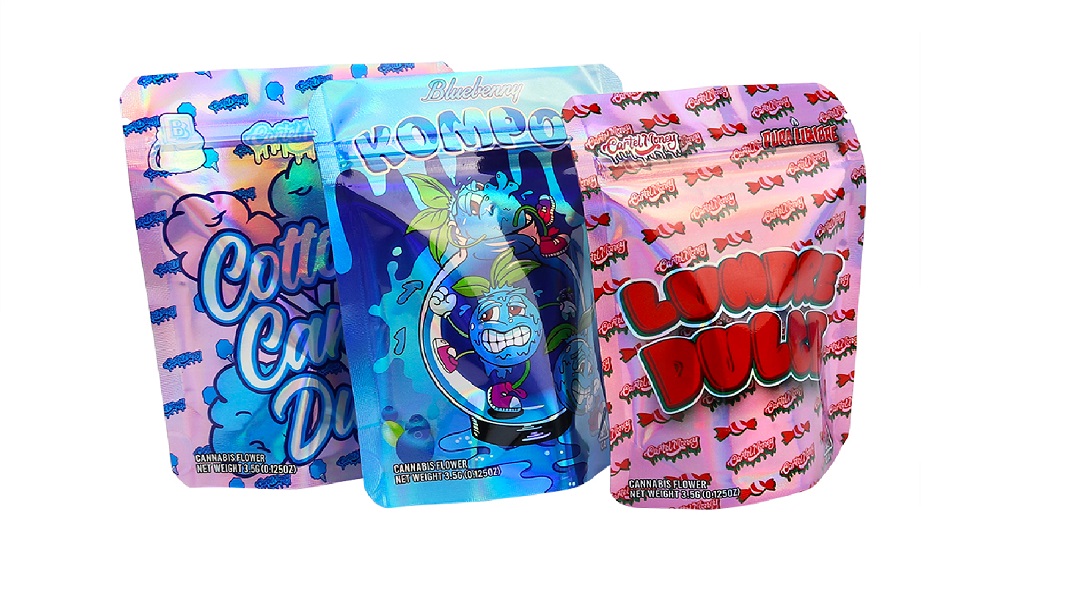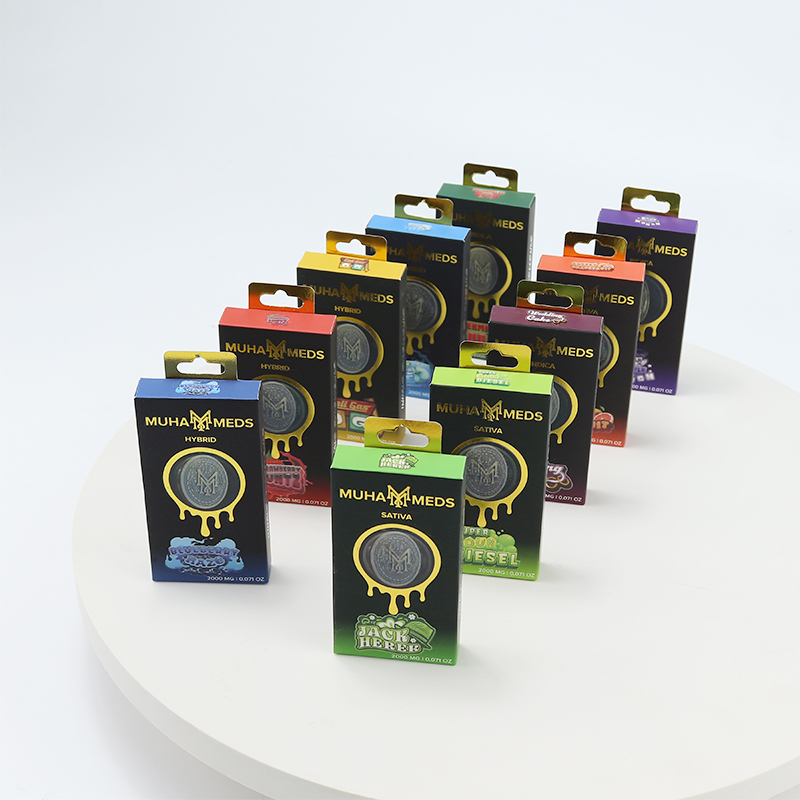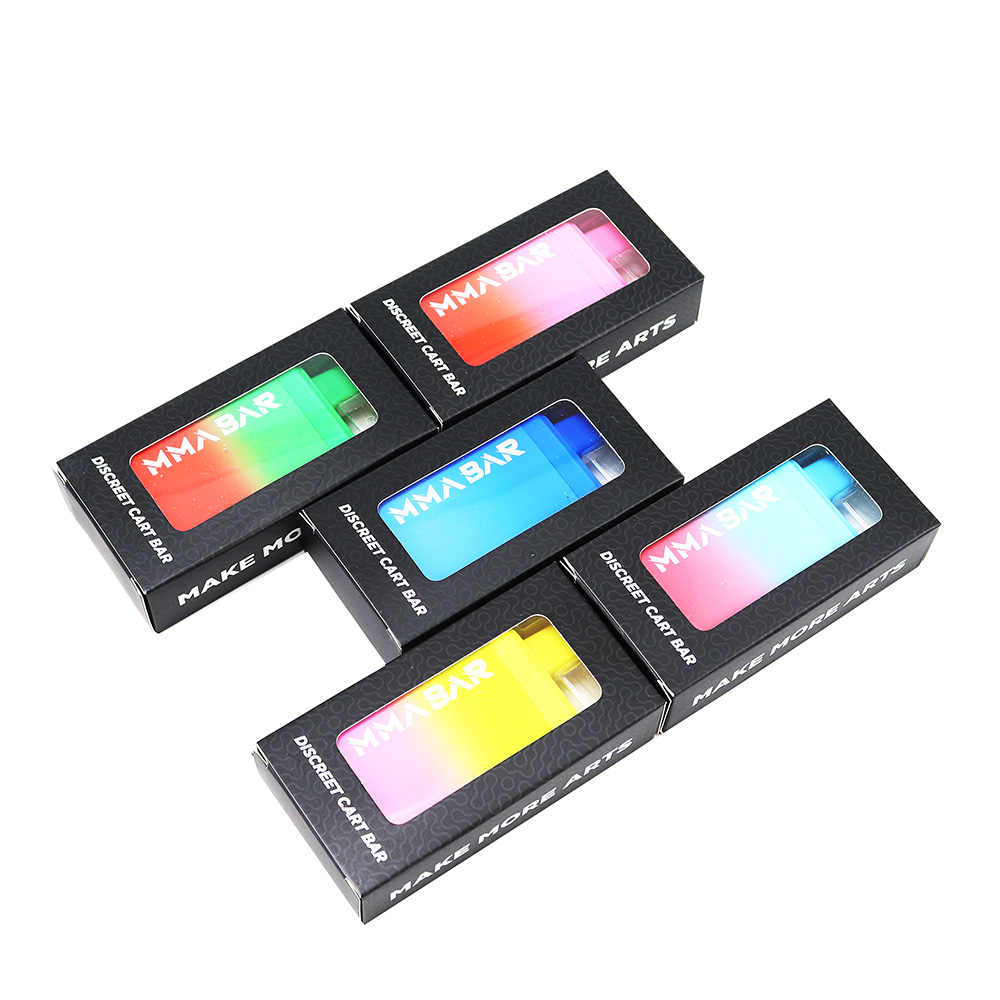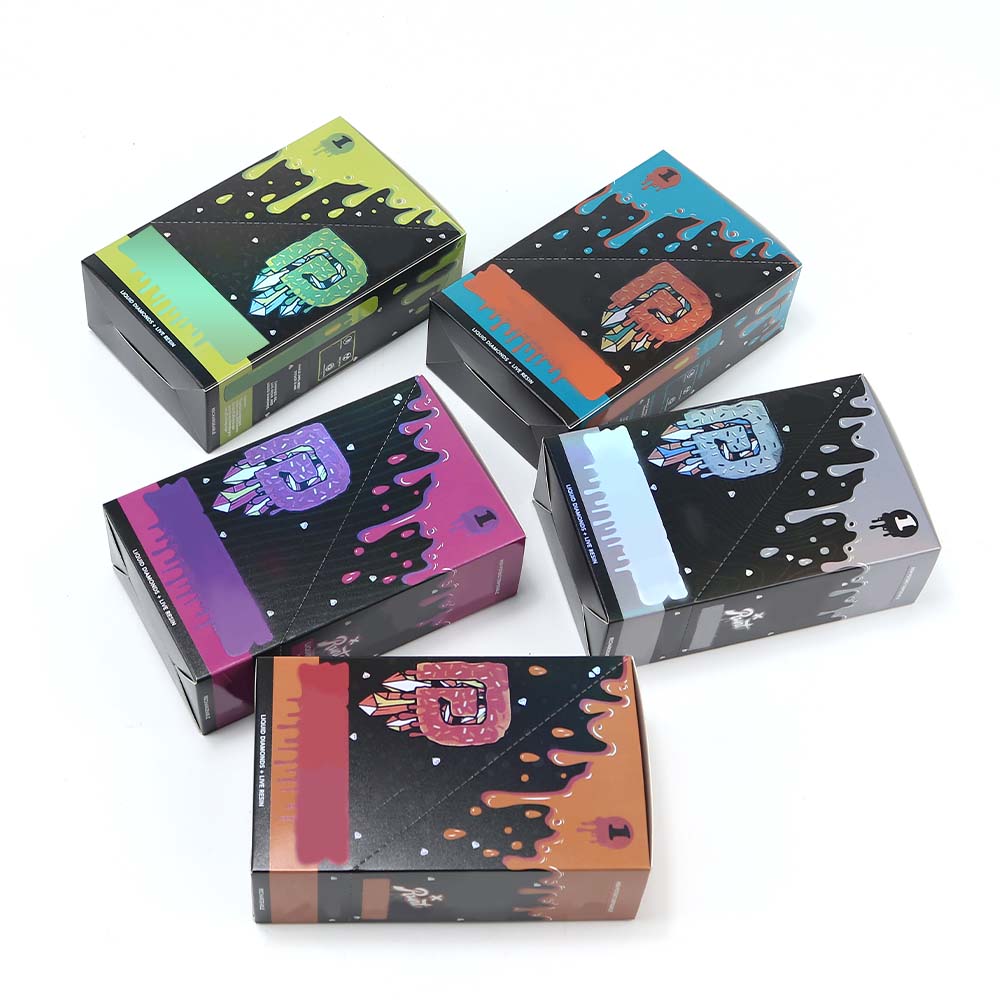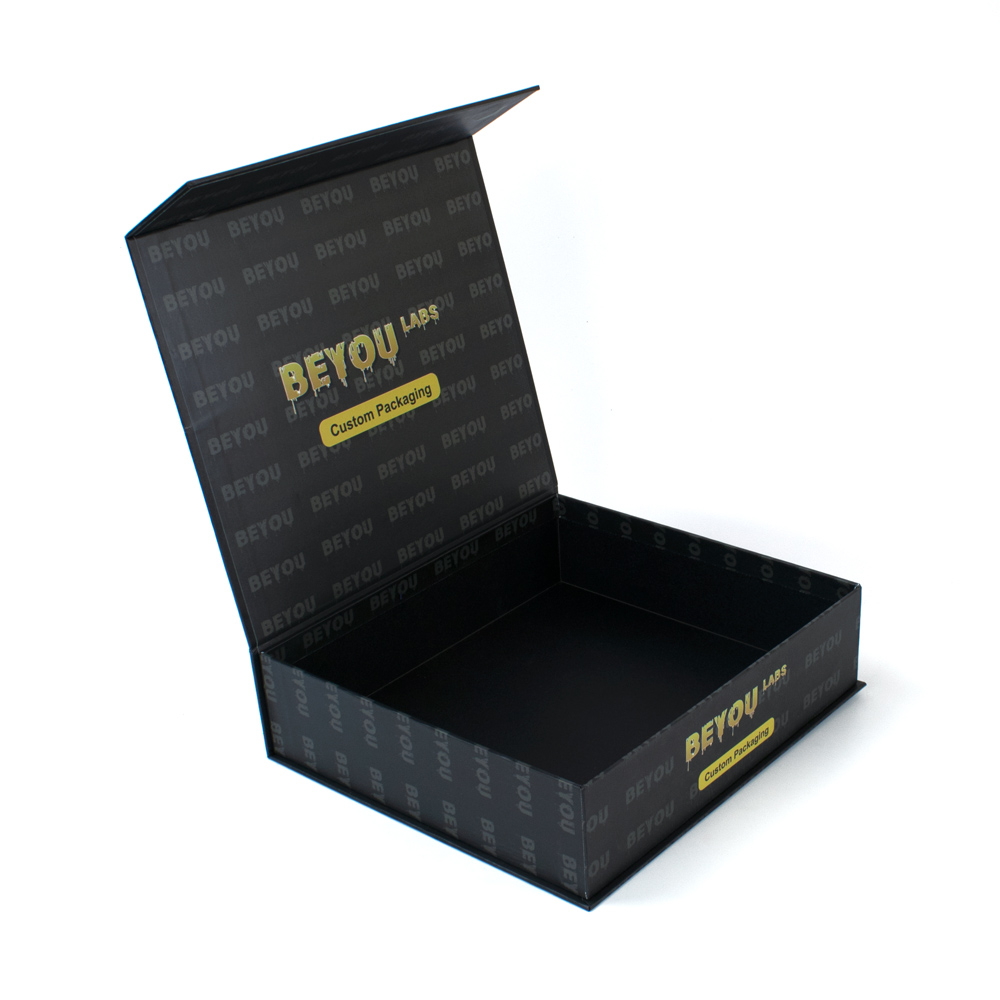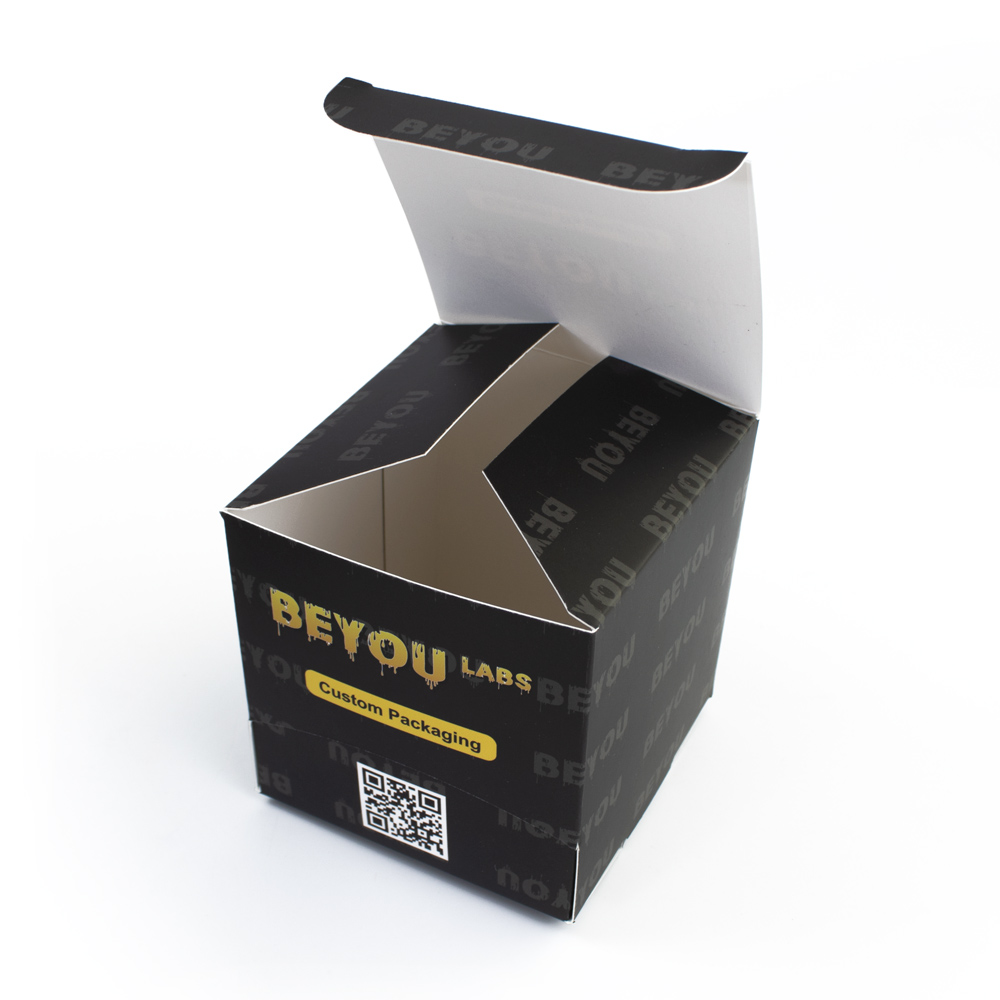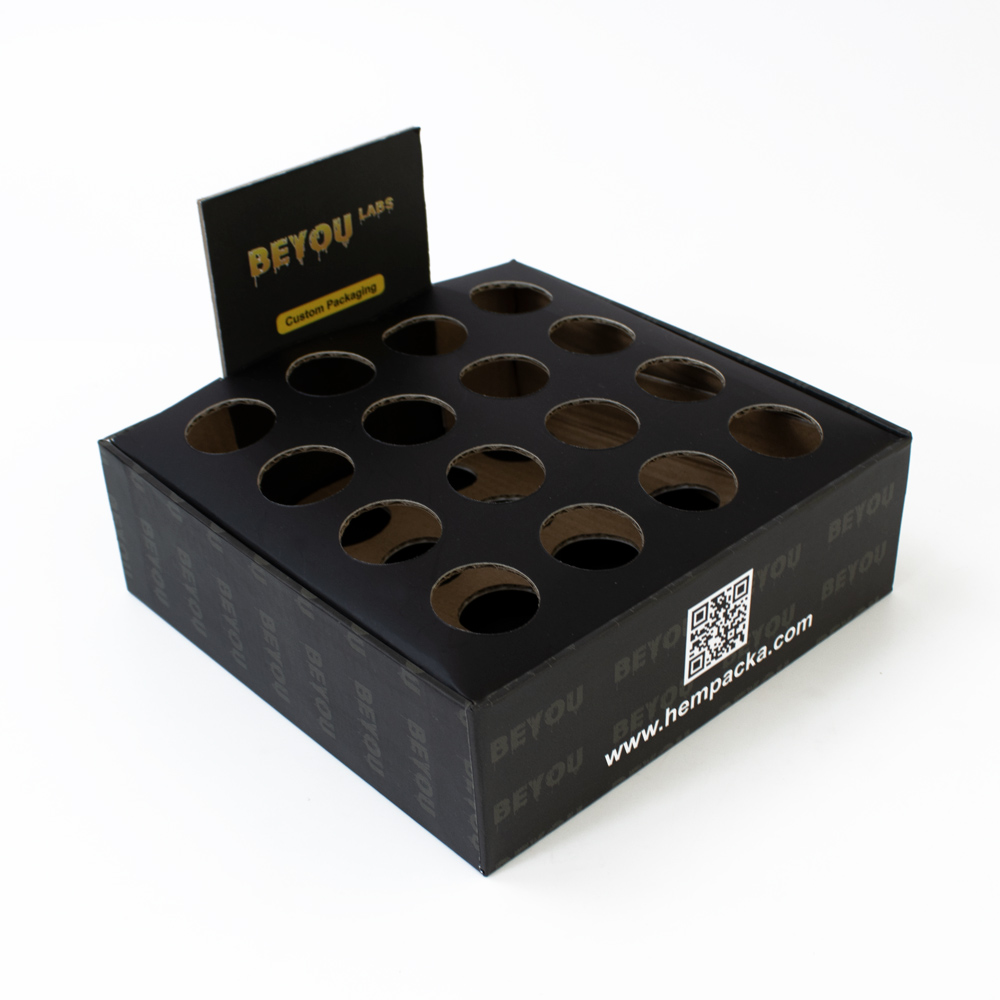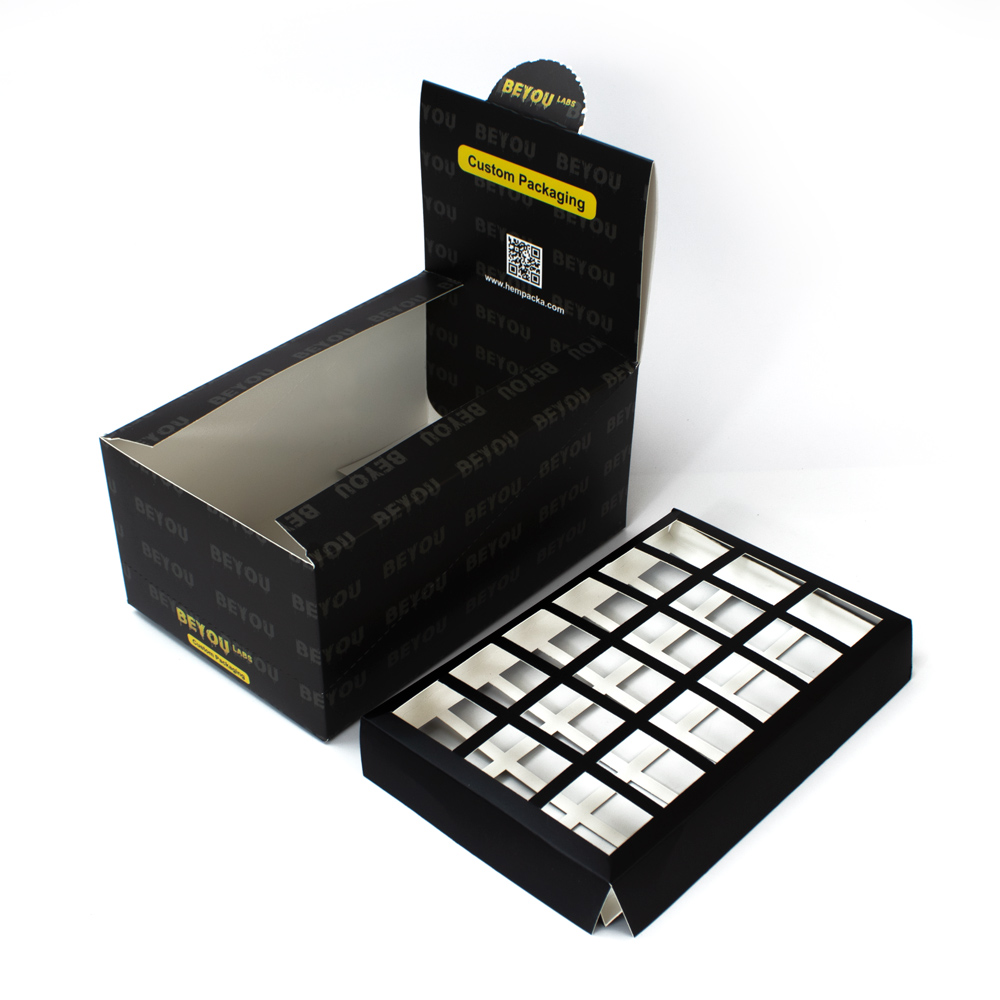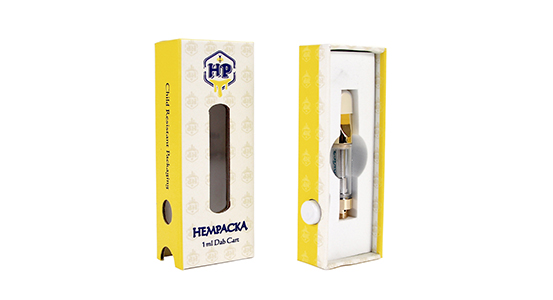
HEMPACKA Custom Logo Child Resistant Vape Cart Packaging Box
CALL : +86 18665993463 | PRICE BEAT GUARANTEE

Pre-rolls are one of the fastest-moving categories in cannabis retail — and one of the hardest to package well. A pre-roll has to stay intact, stay fresh, stay compliant, and still look good enough to justify a premium price on a crowded shelf.
For buyers sourcing wholesale, the decisions come down to four things: format, size, material, and child-resistance. Get those right and everything else — branding, cost, lead time — follows.
This guide walks through each decision with the specifications buyers actually need.
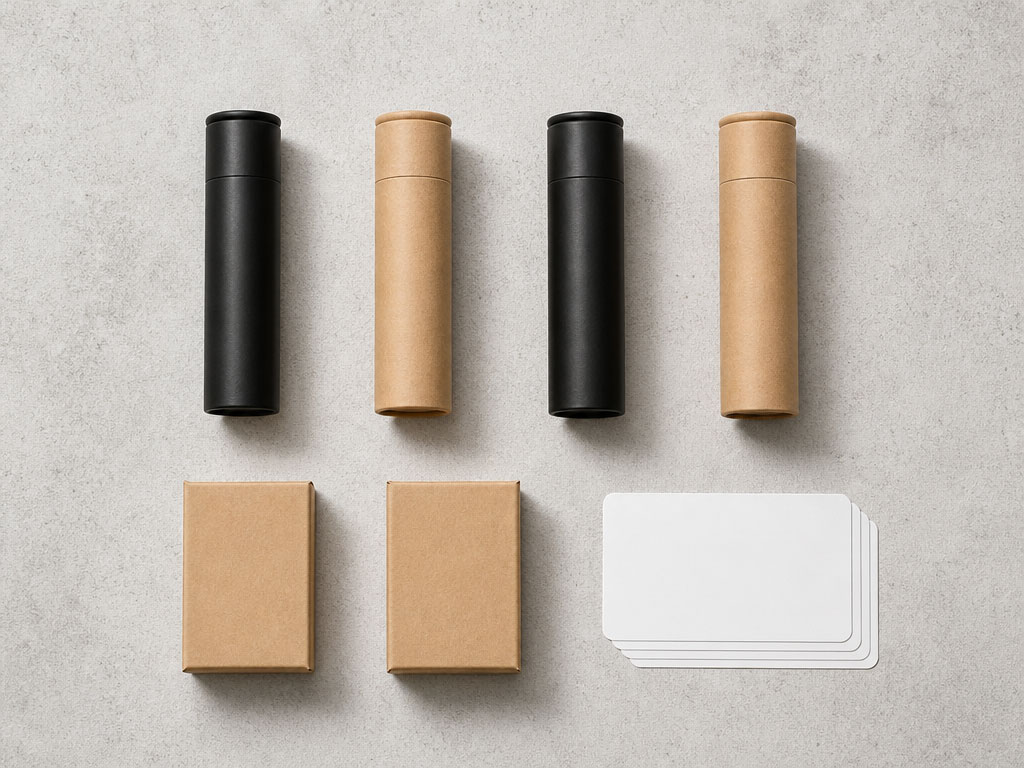
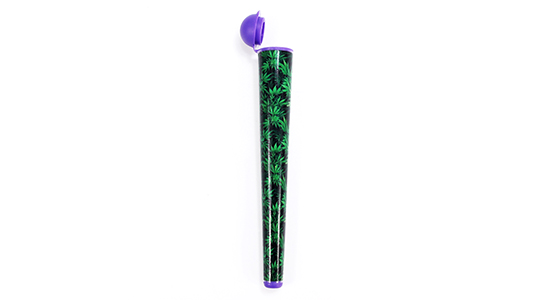
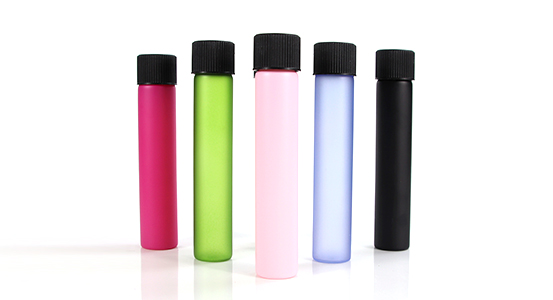
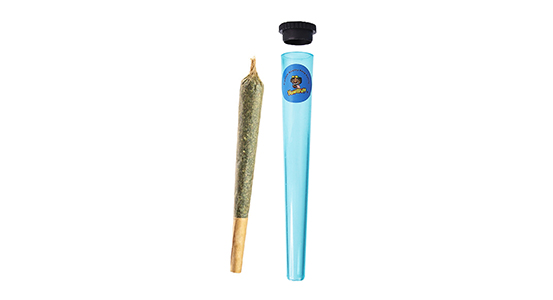
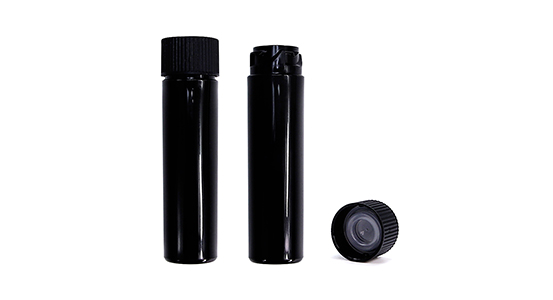
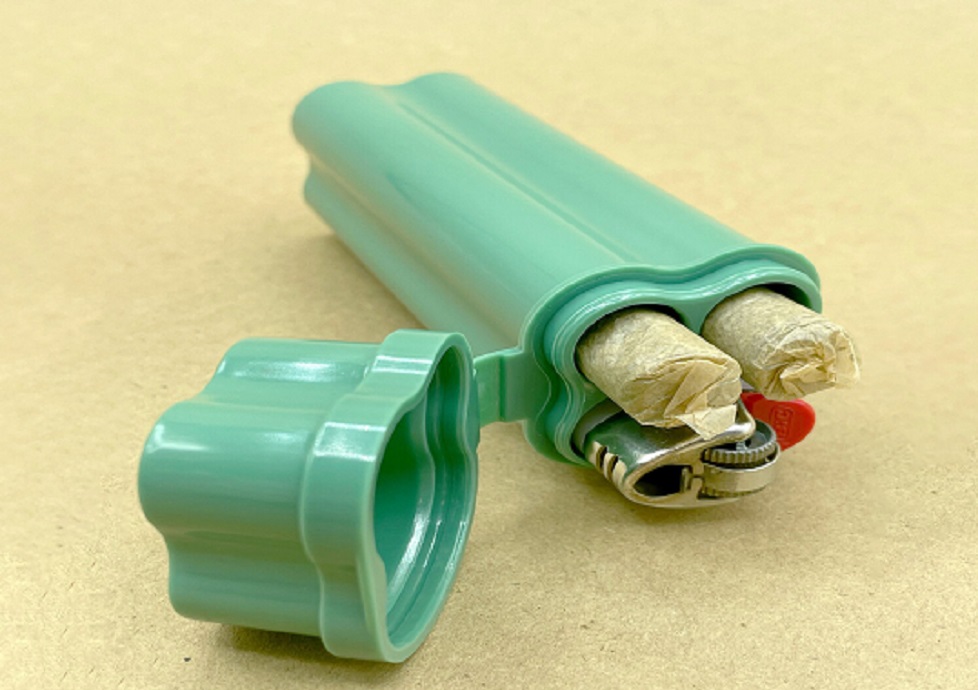
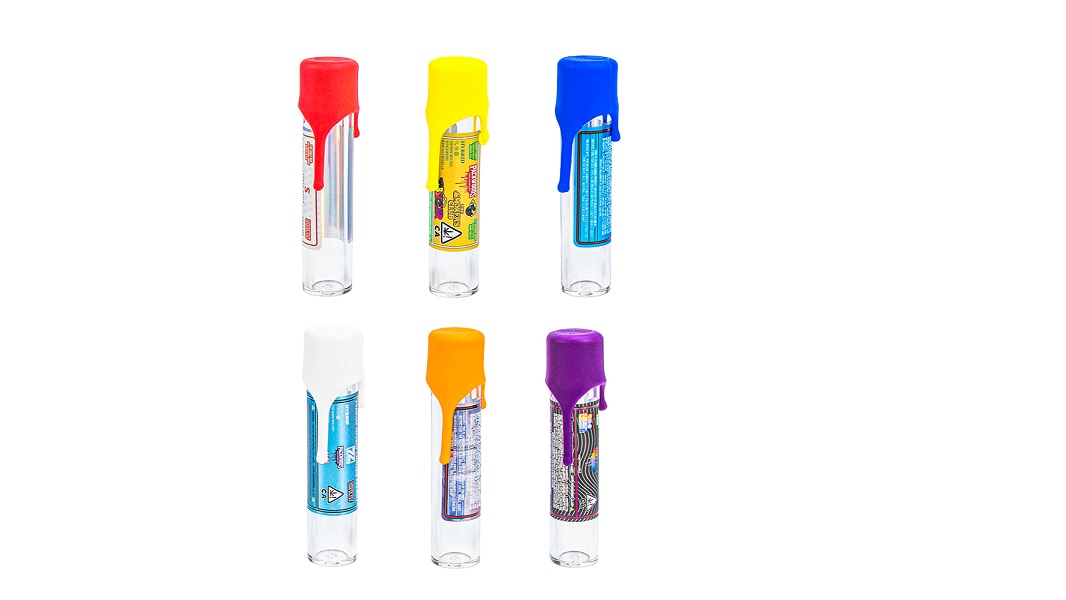
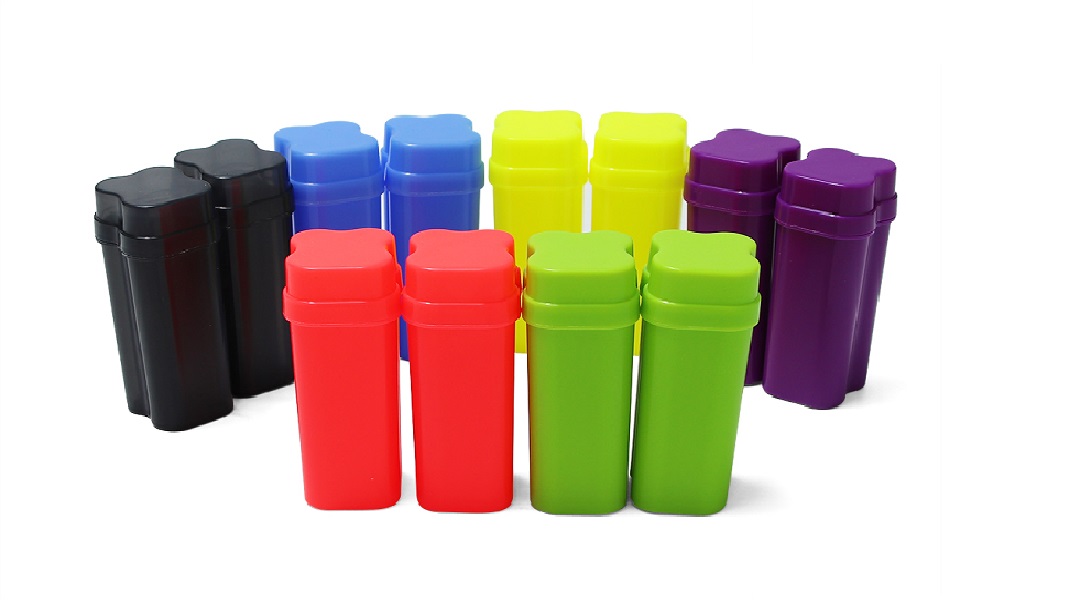
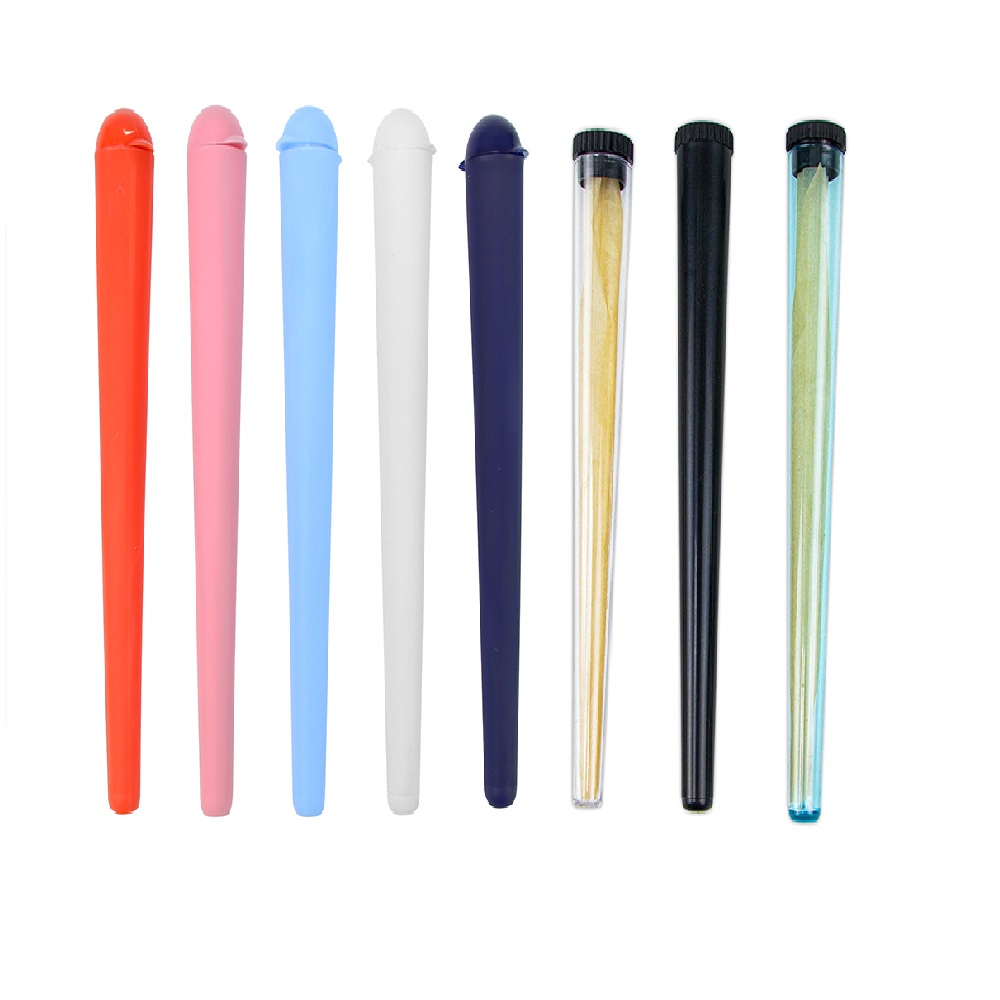
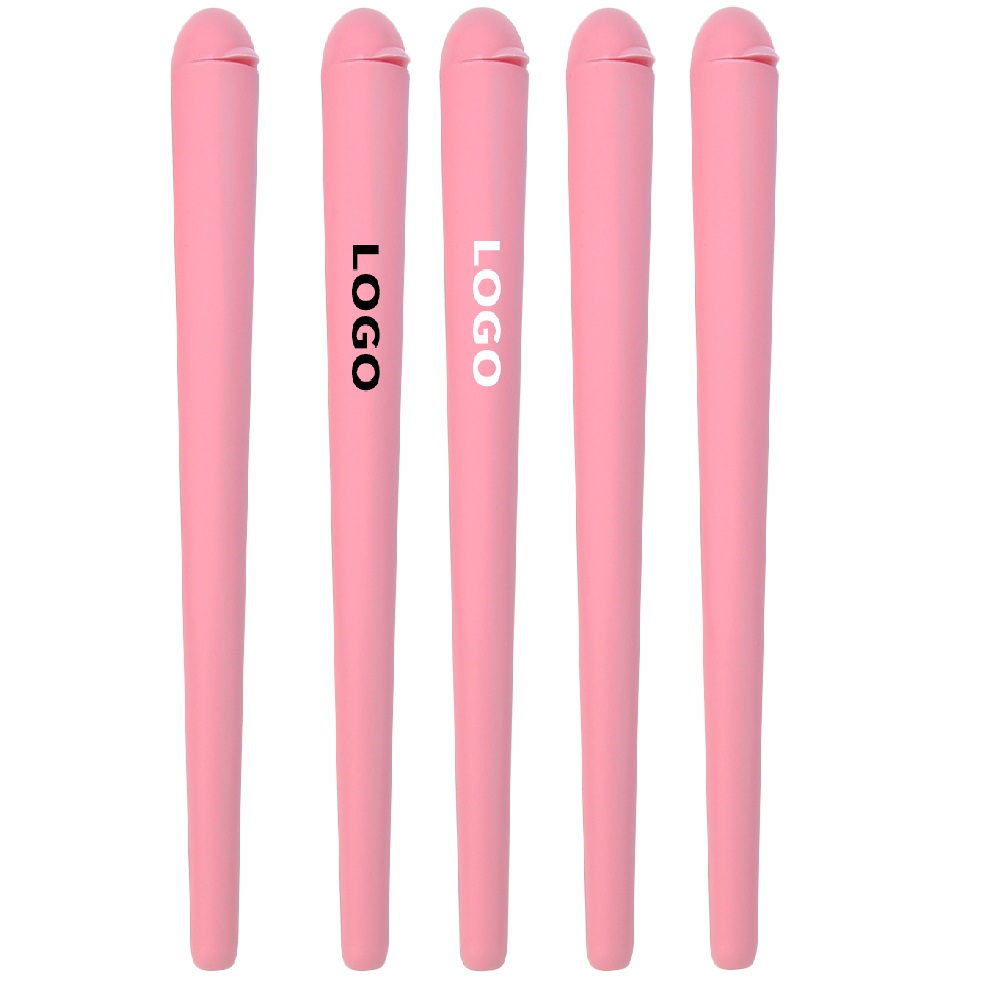
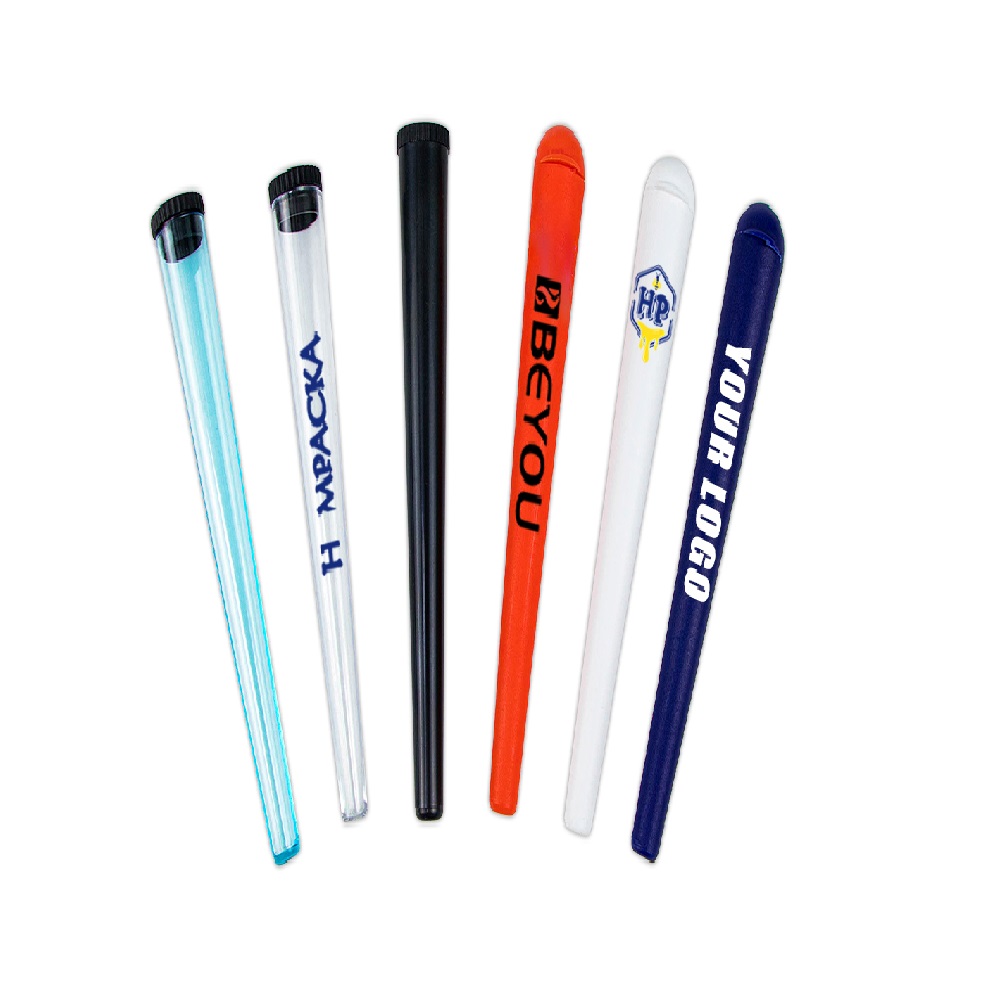
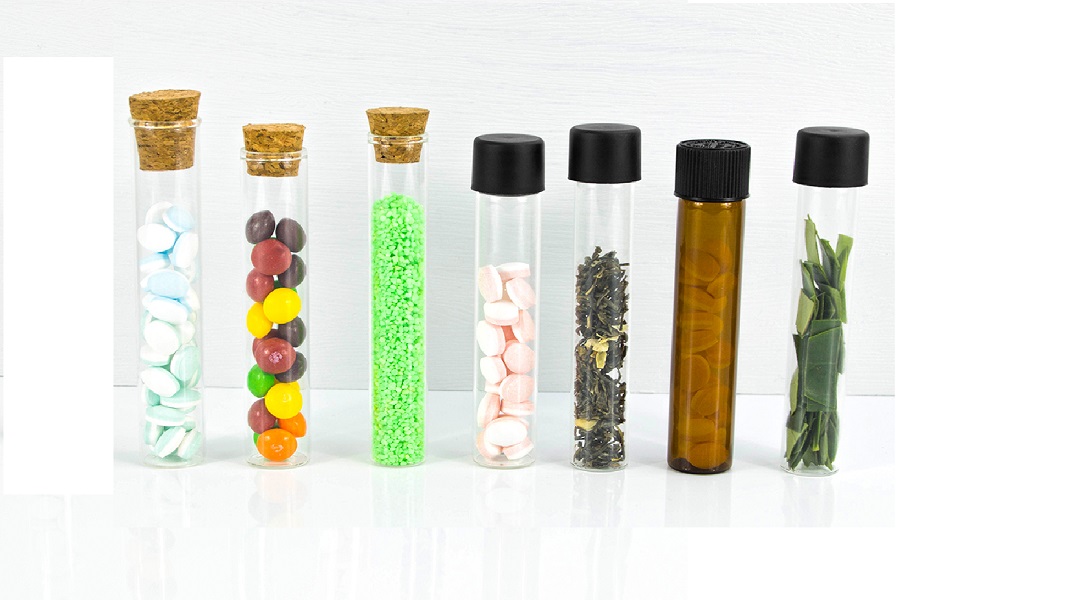
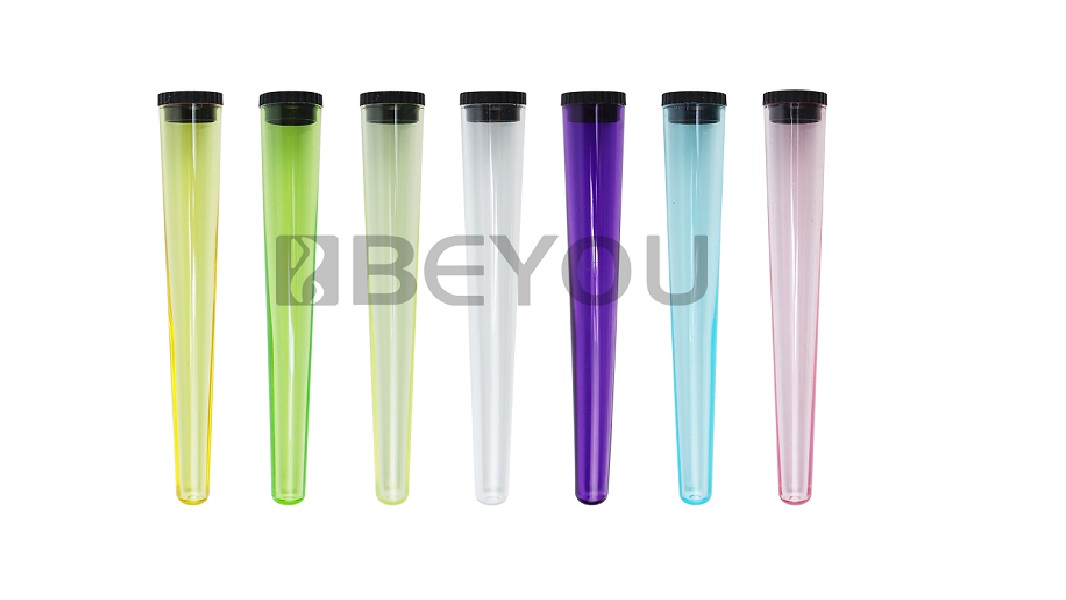
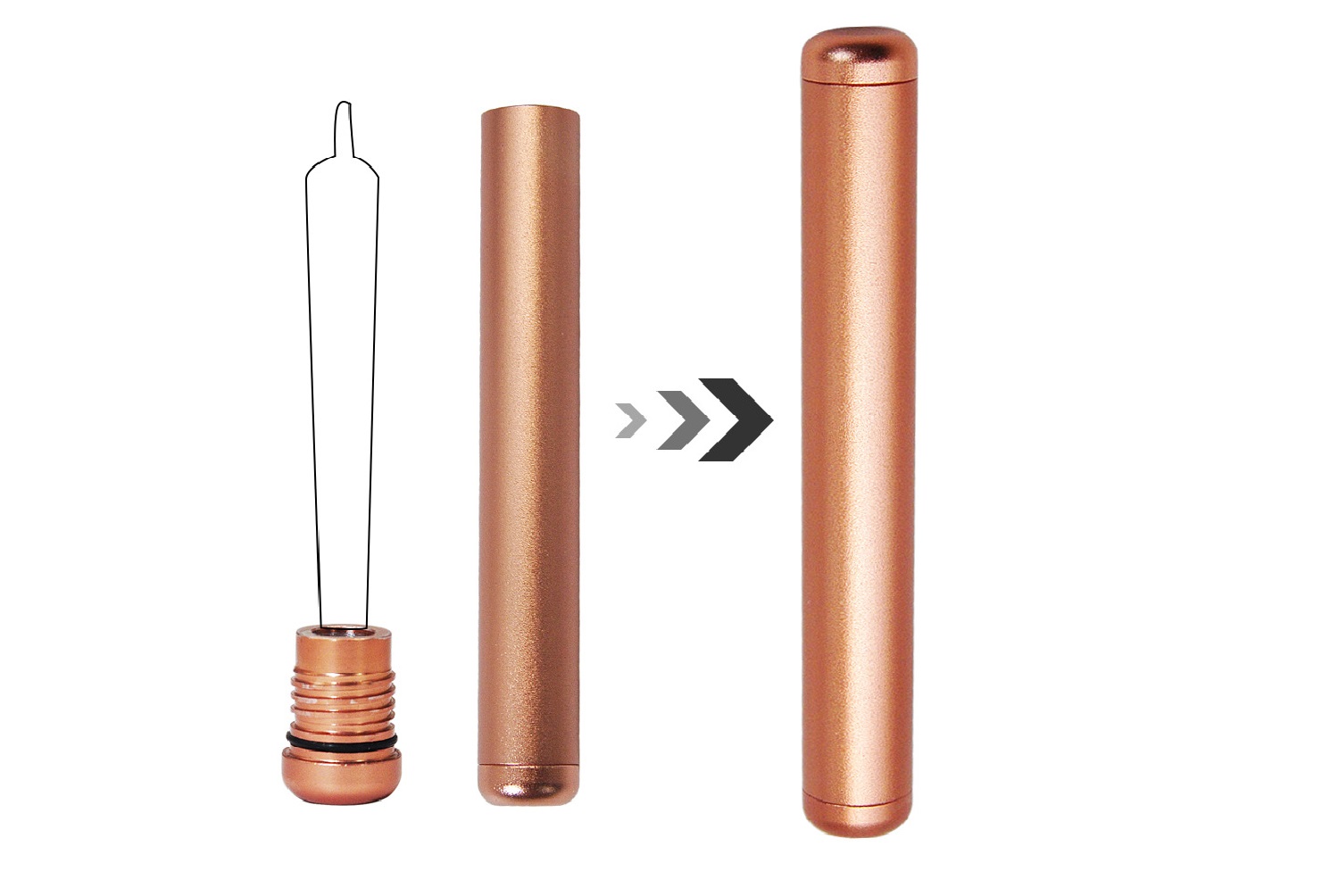
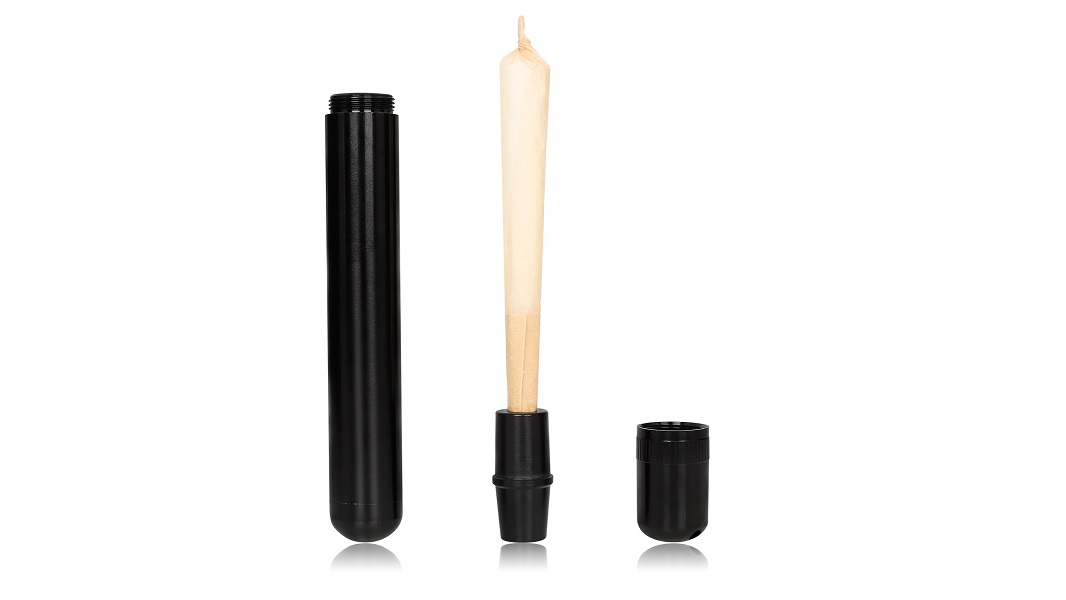
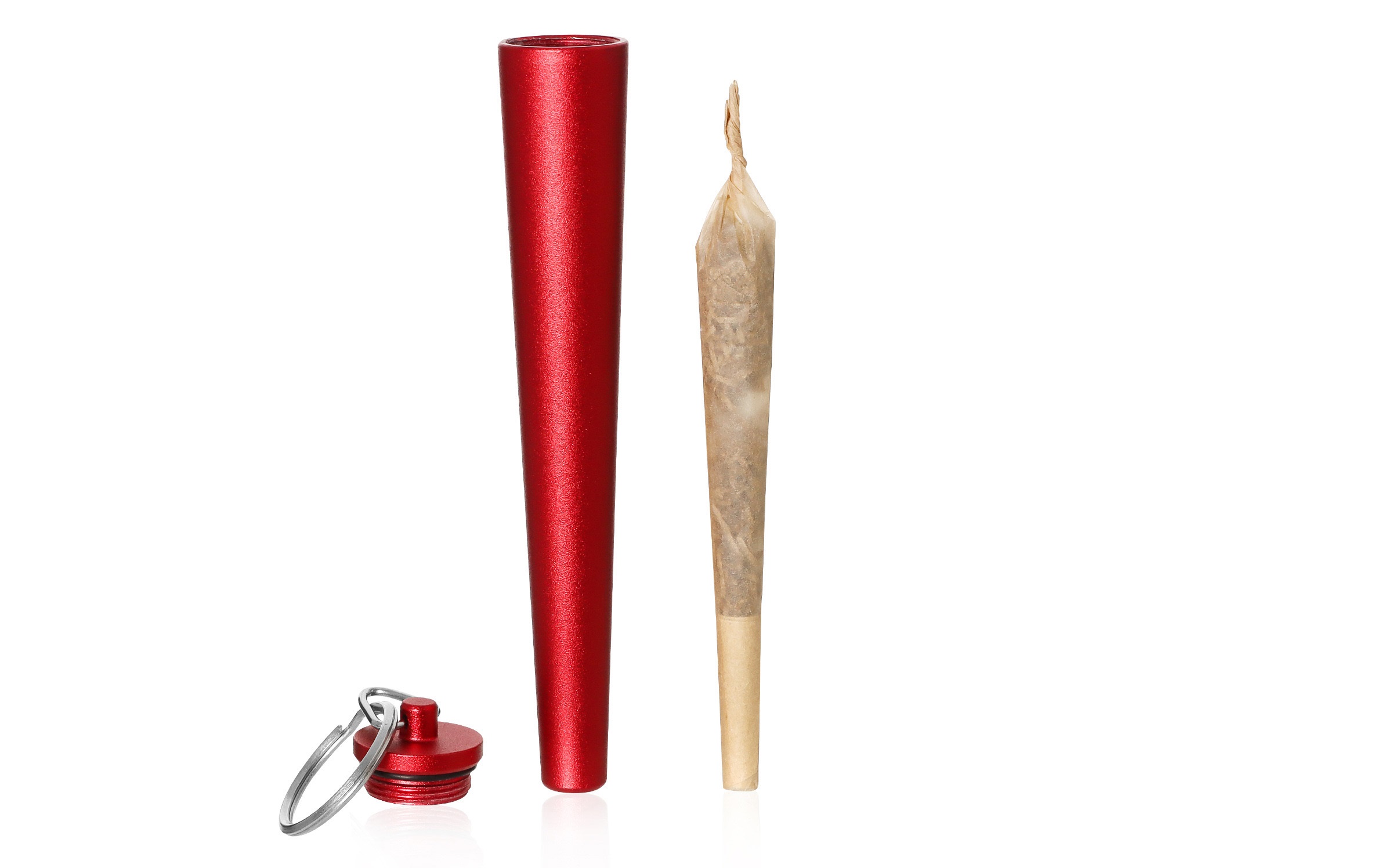
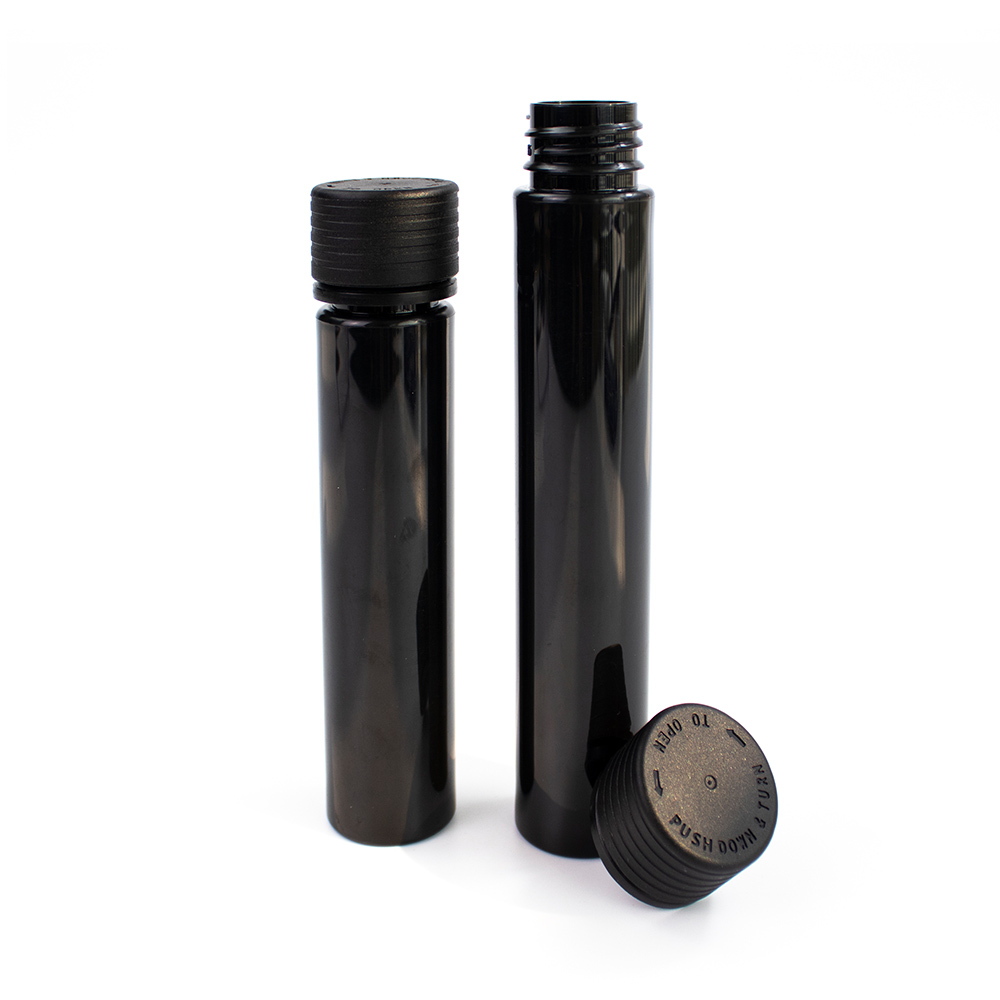
The workhorse of the category. A single tube protects one pre-roll from crushing, moisture, and odor while giving you a cylindrical surface for labeling.
Common variants:
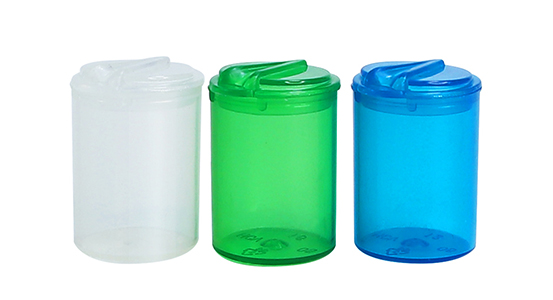
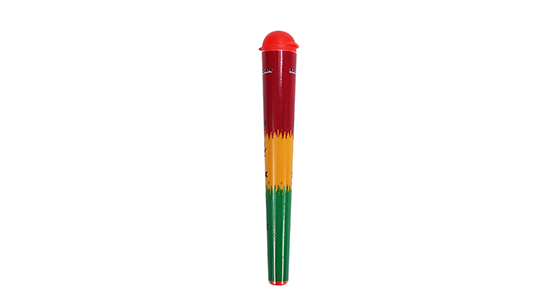
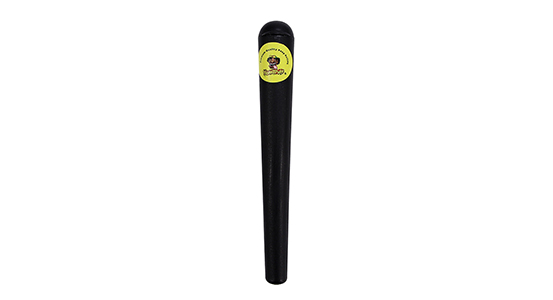
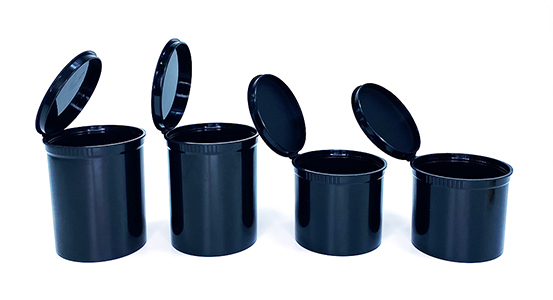
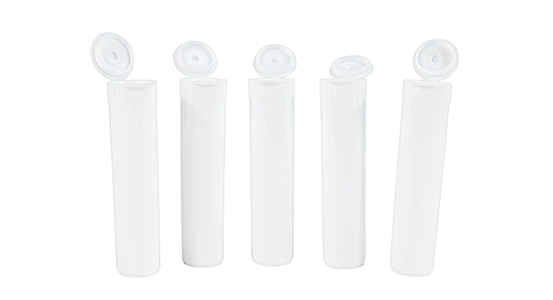
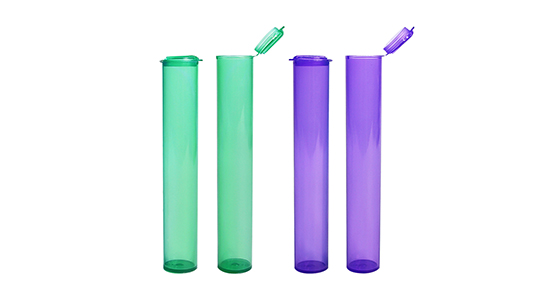
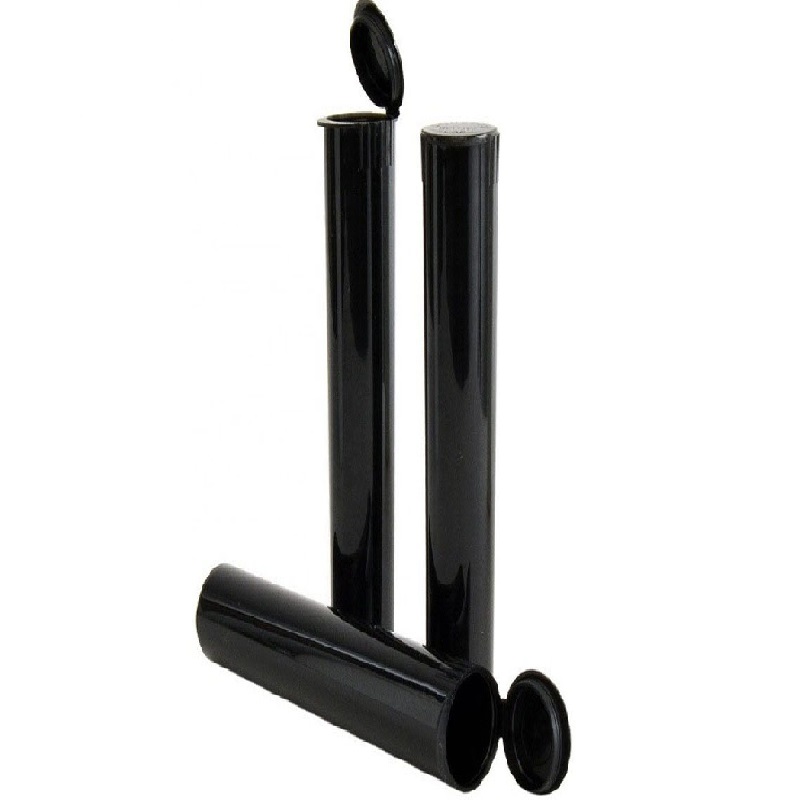
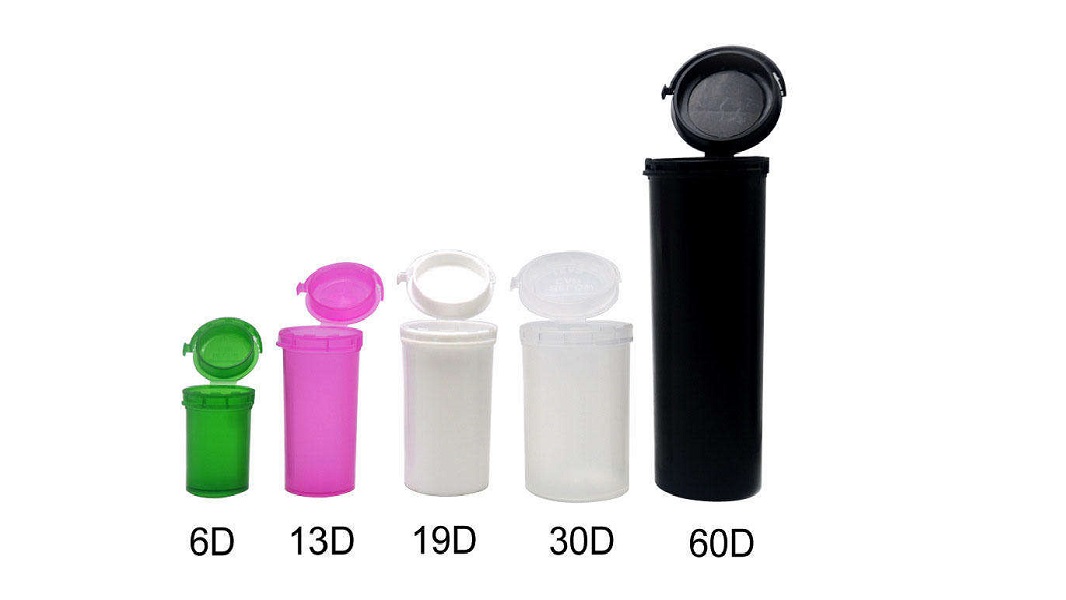
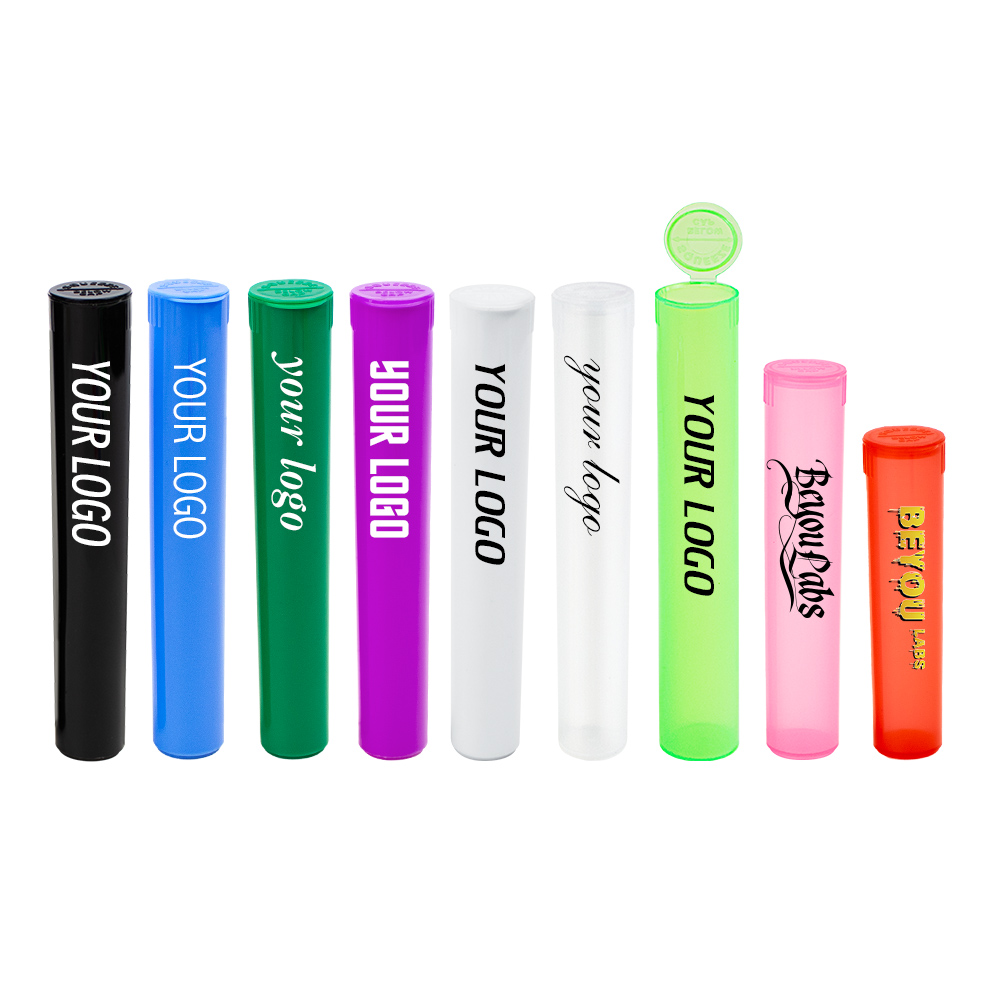
Squeeze pop-top tubes — the classic "doob tube"; squeeze the sides and the lid pops open.
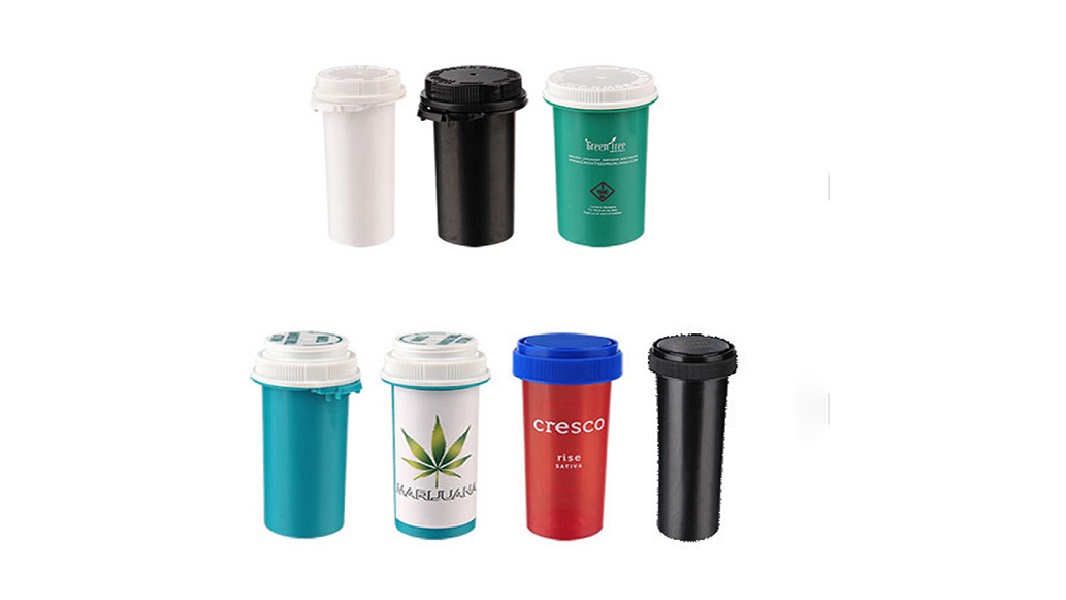
Child-resistant (CR) tubes — push-down-and-turn or squeeze-and-lift mechanisms that meet regulatory requirements in most legal markets.
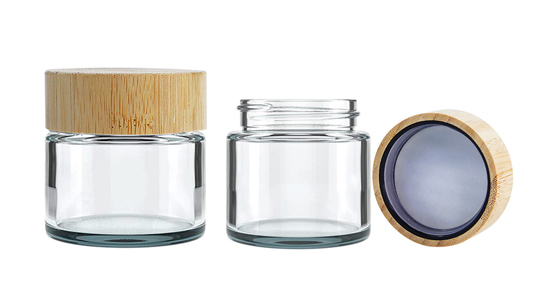
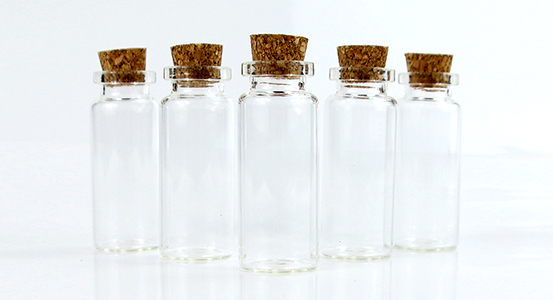
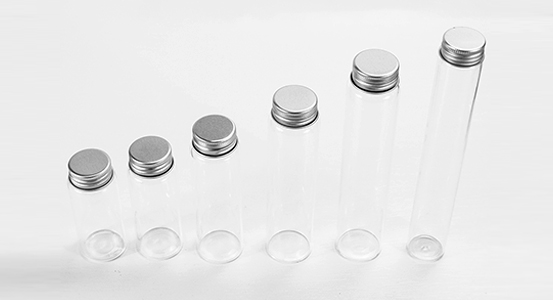
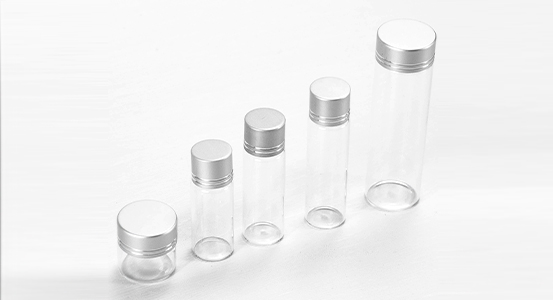
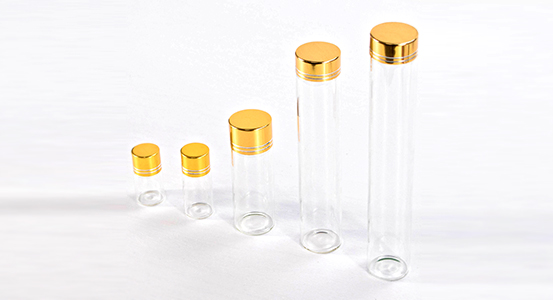
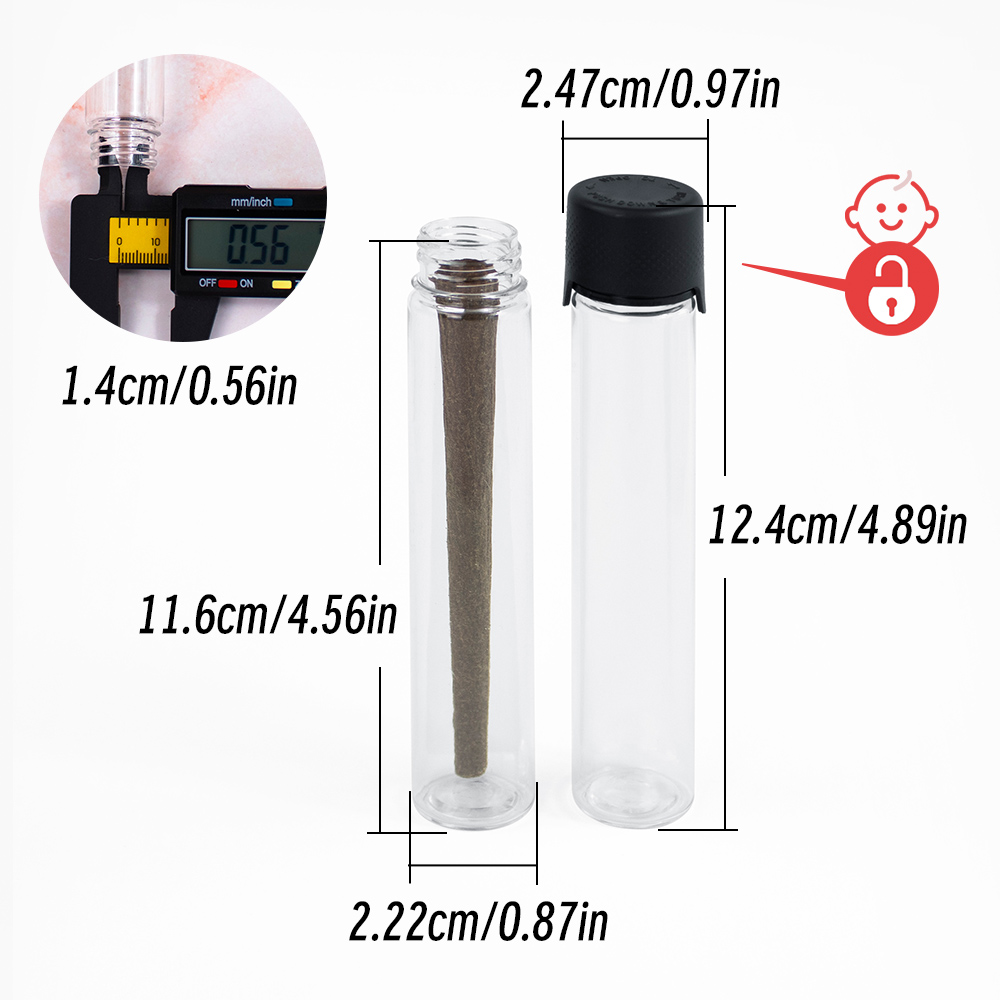
Glass tubes — premium feel, inert, heavier, and more expensive to ship.
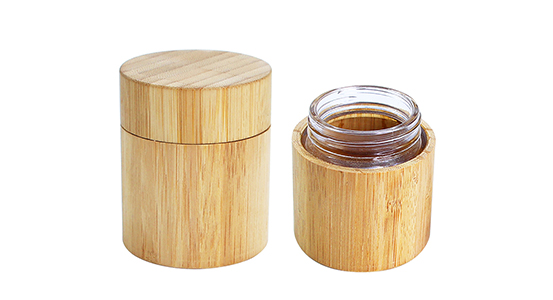
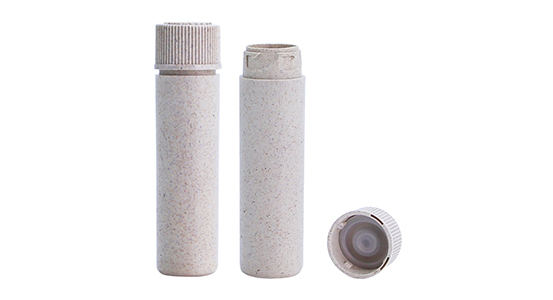
Paper and hemp tubes — plastic-free positioning; require a barrier liner or coating to manage moisture.
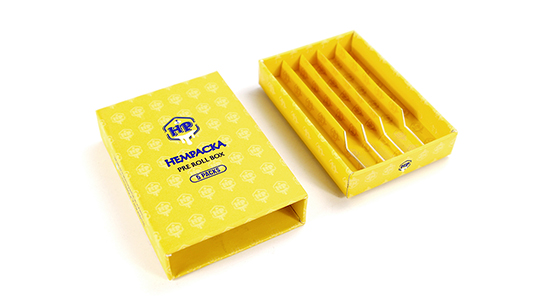
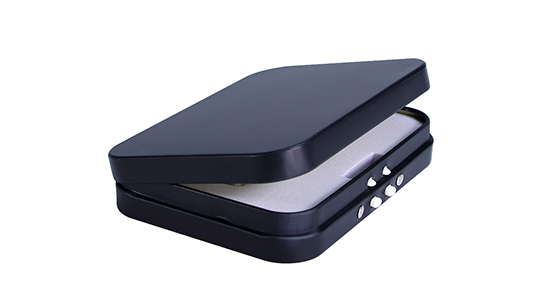
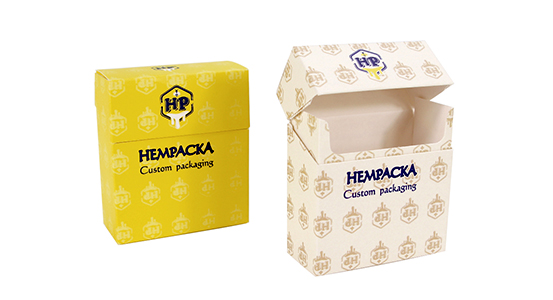
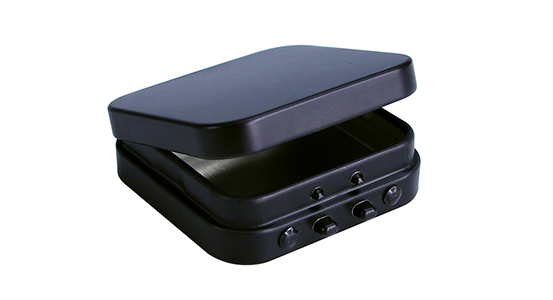
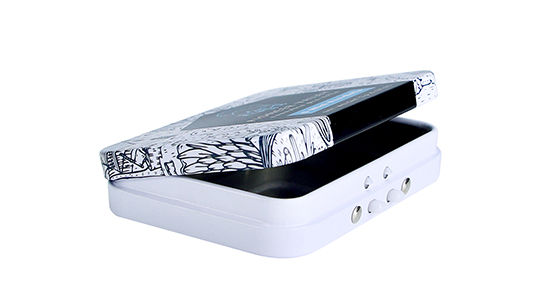
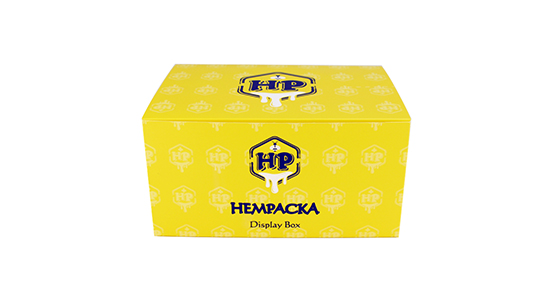
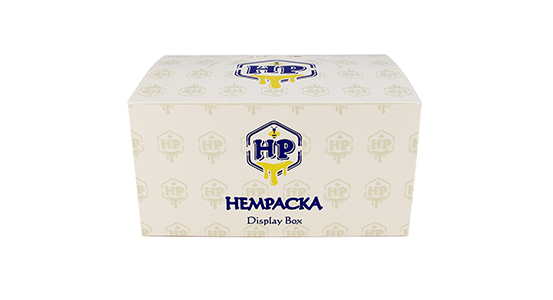
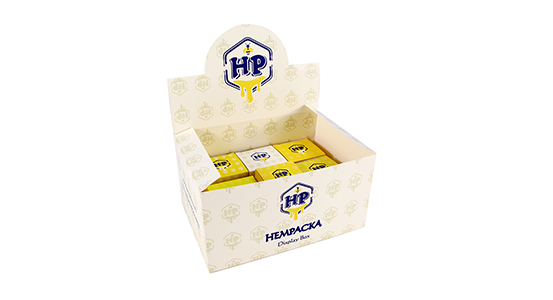
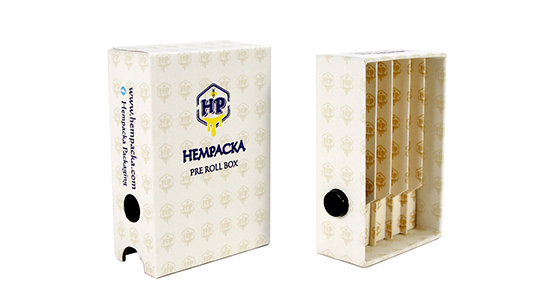
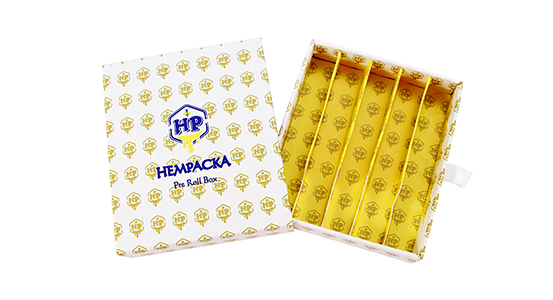
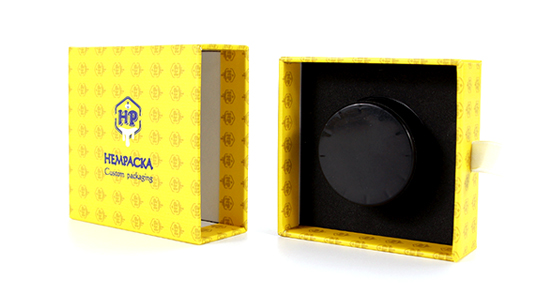
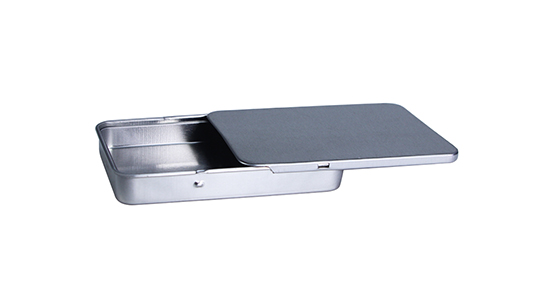
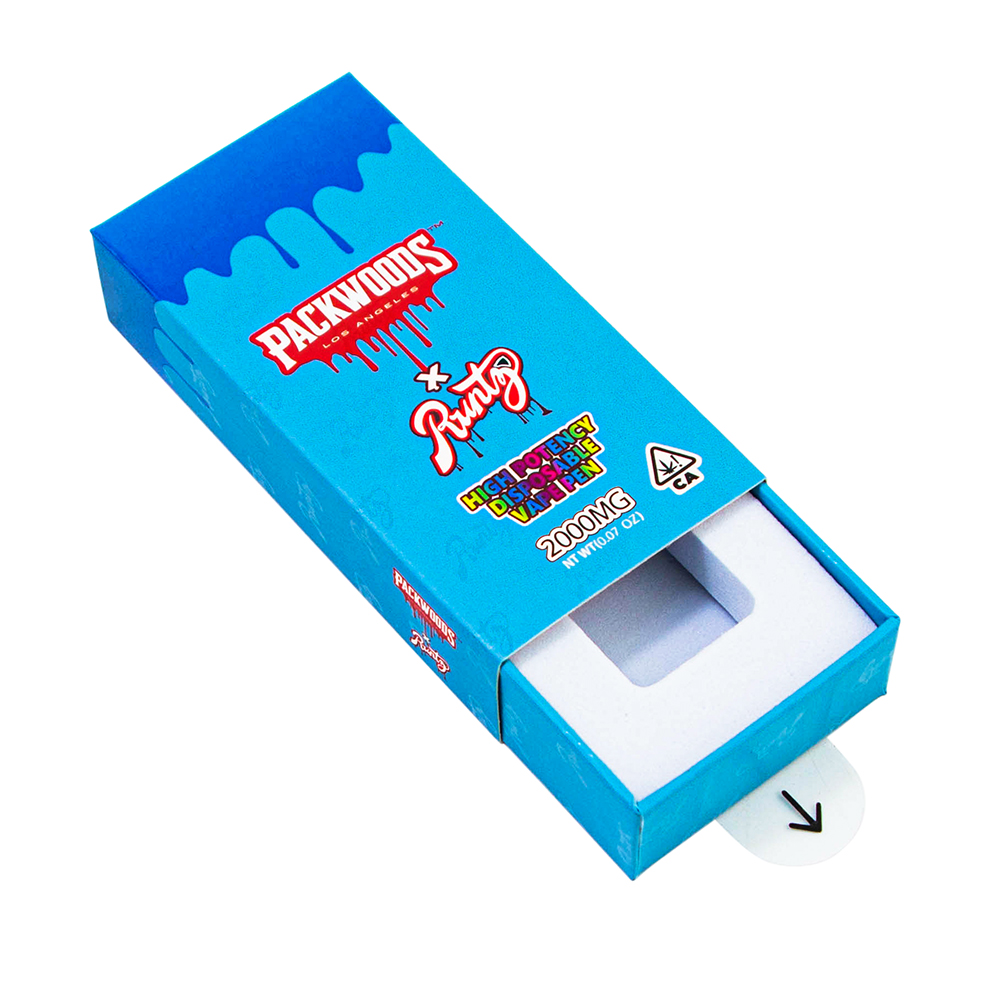
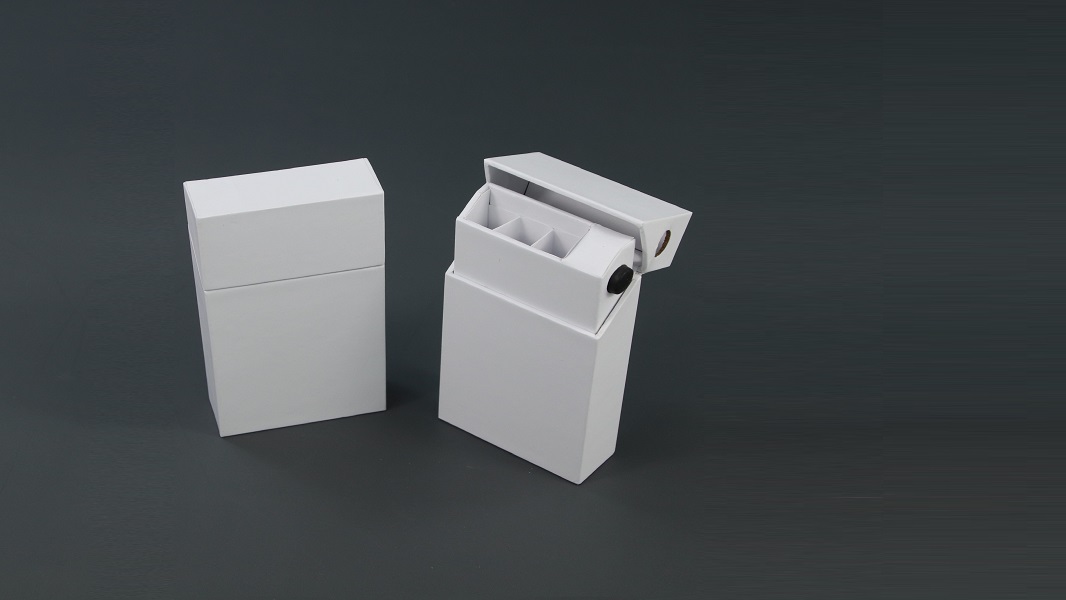
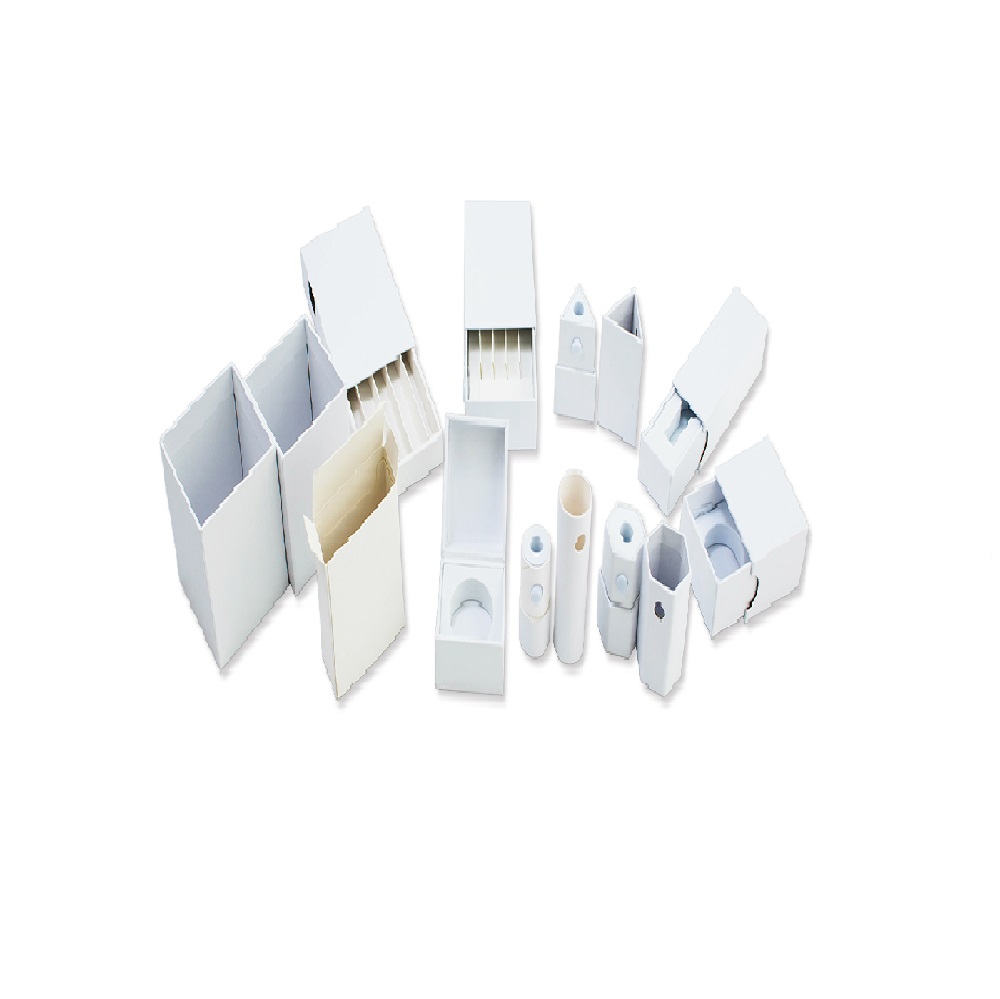
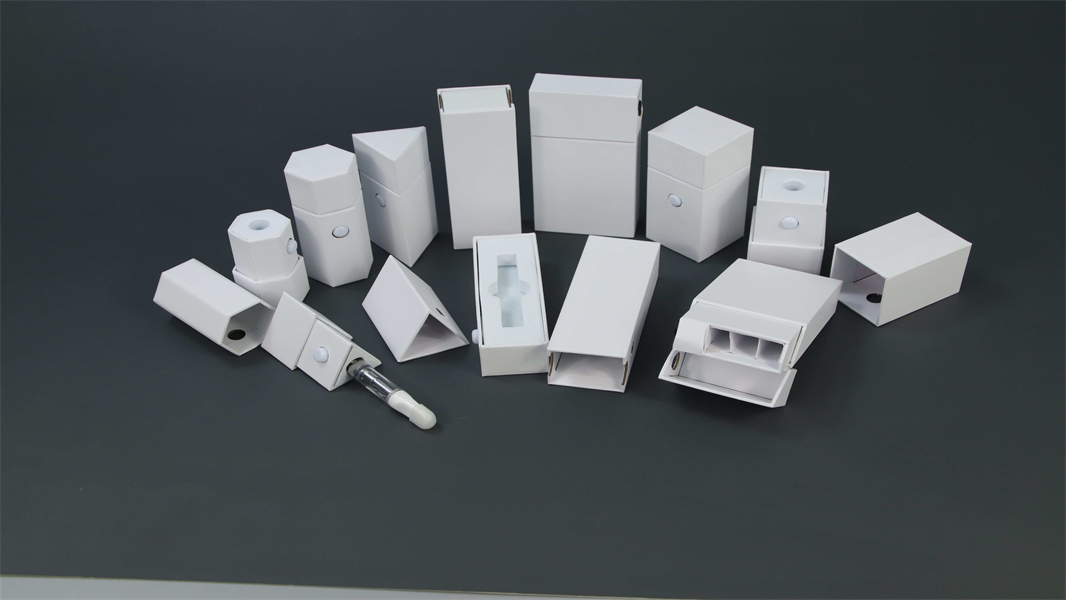
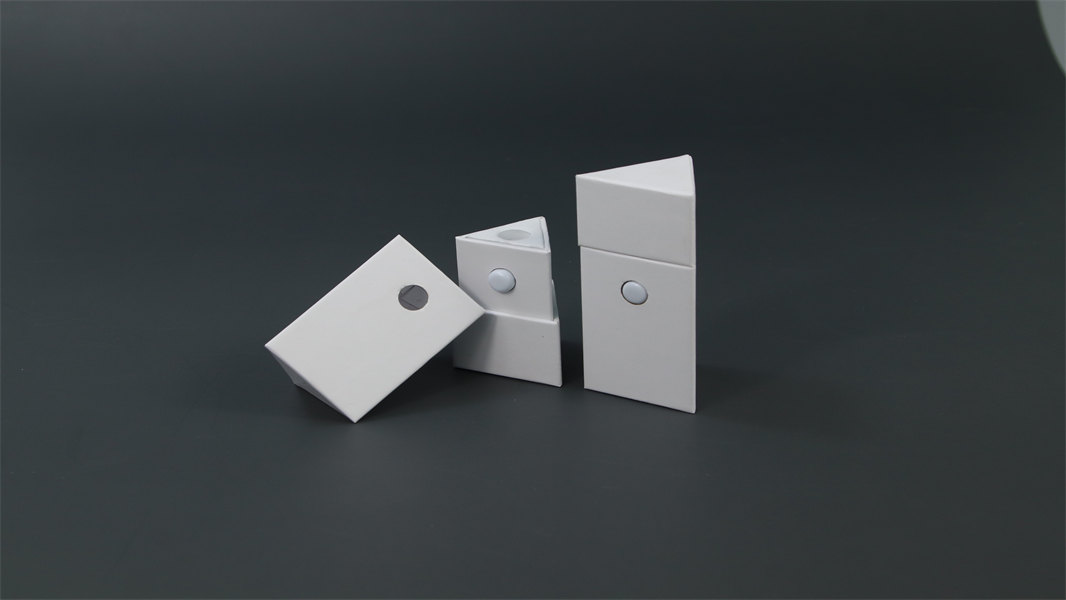
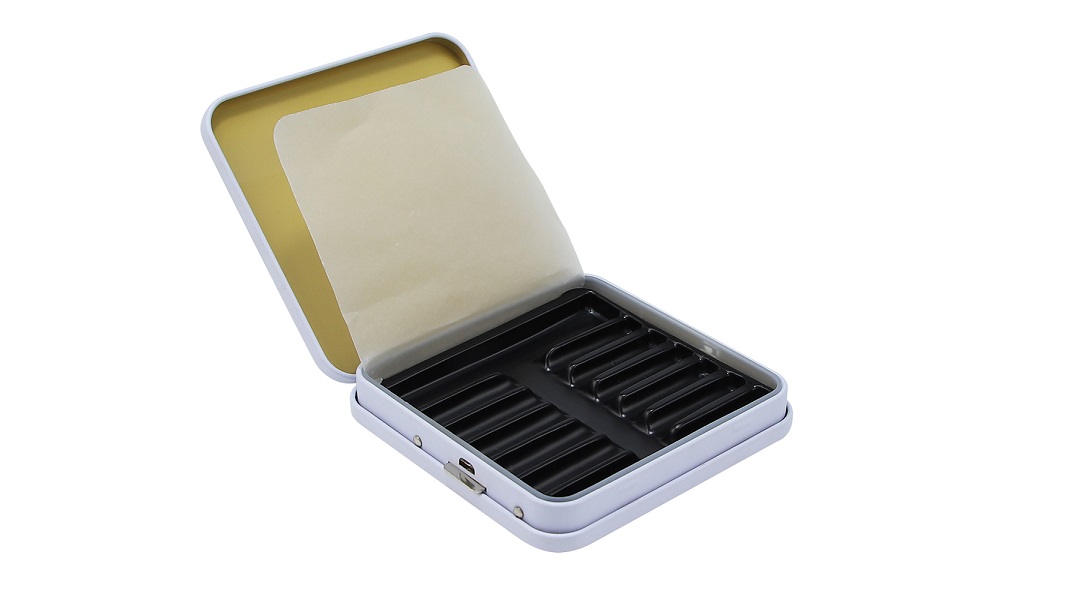
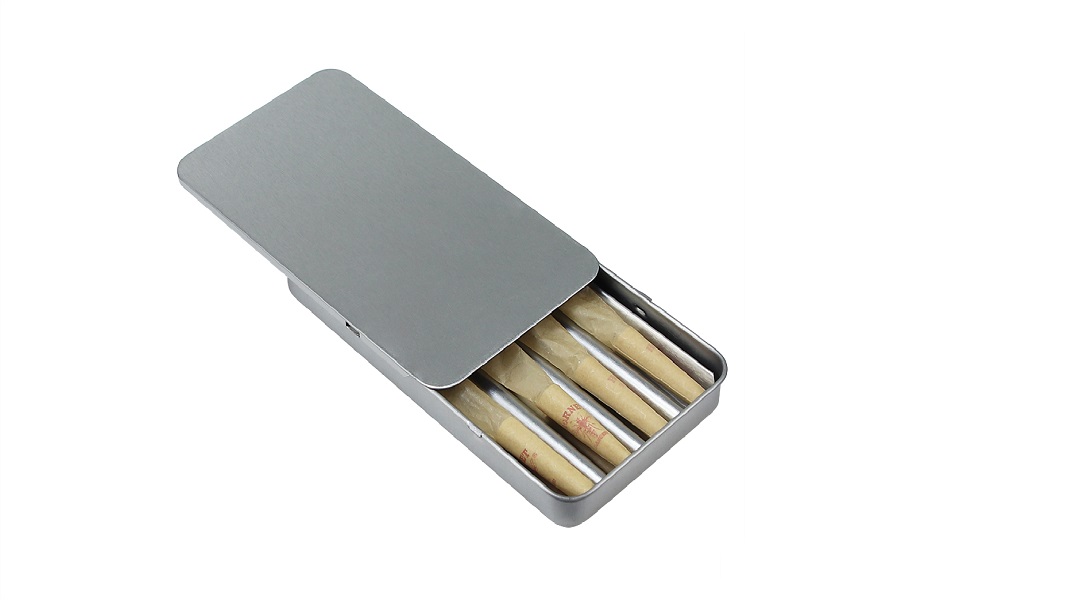
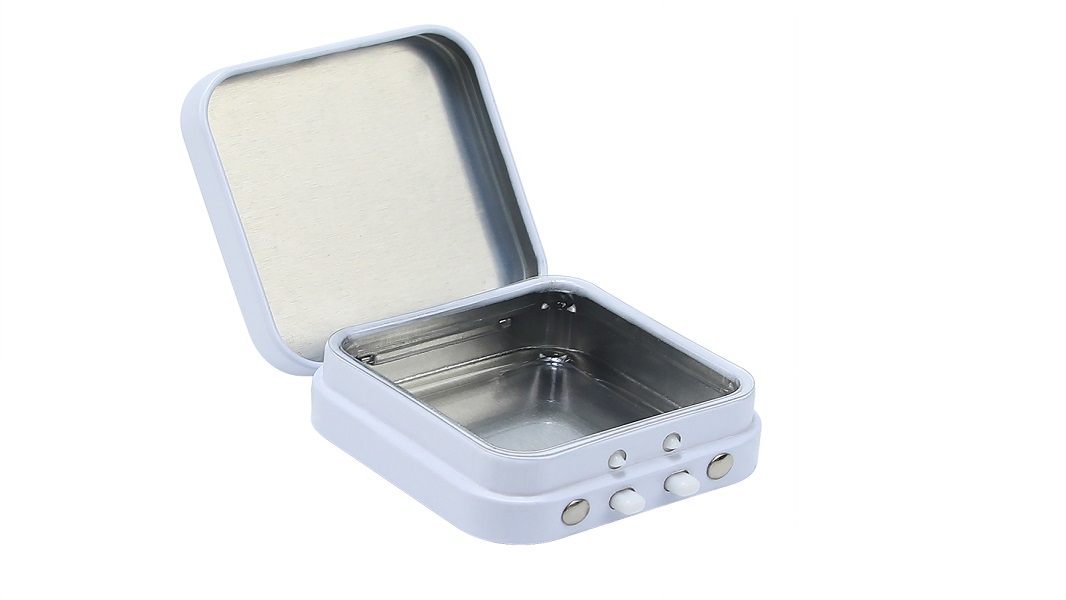
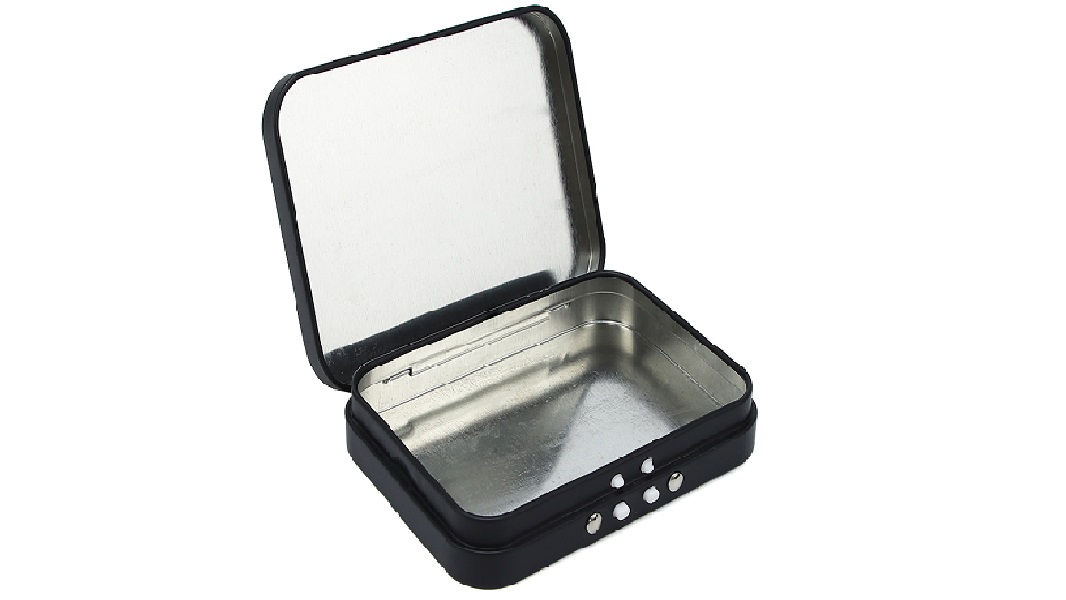
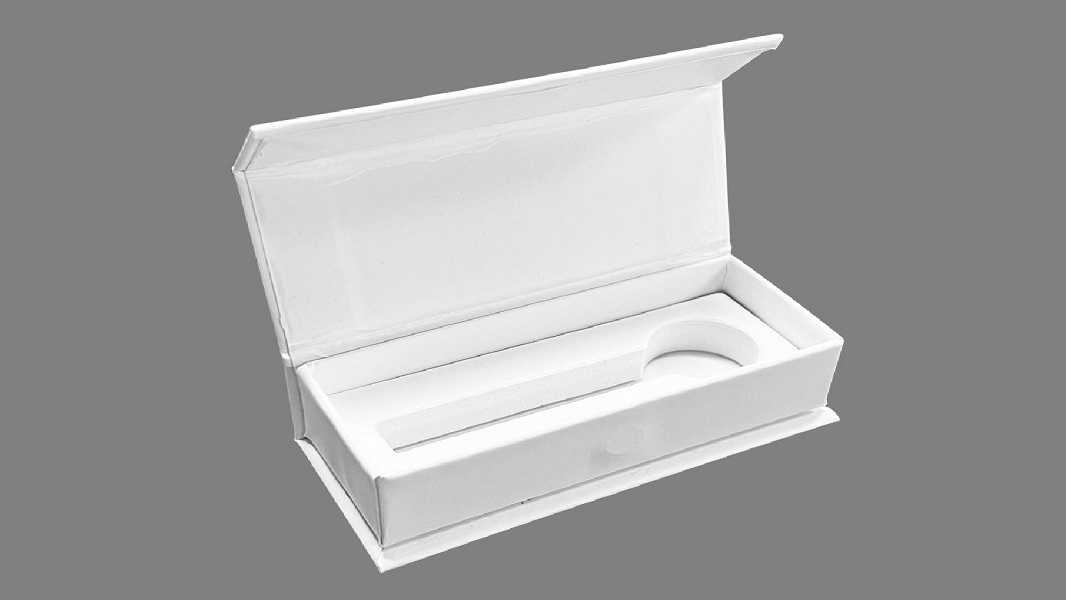
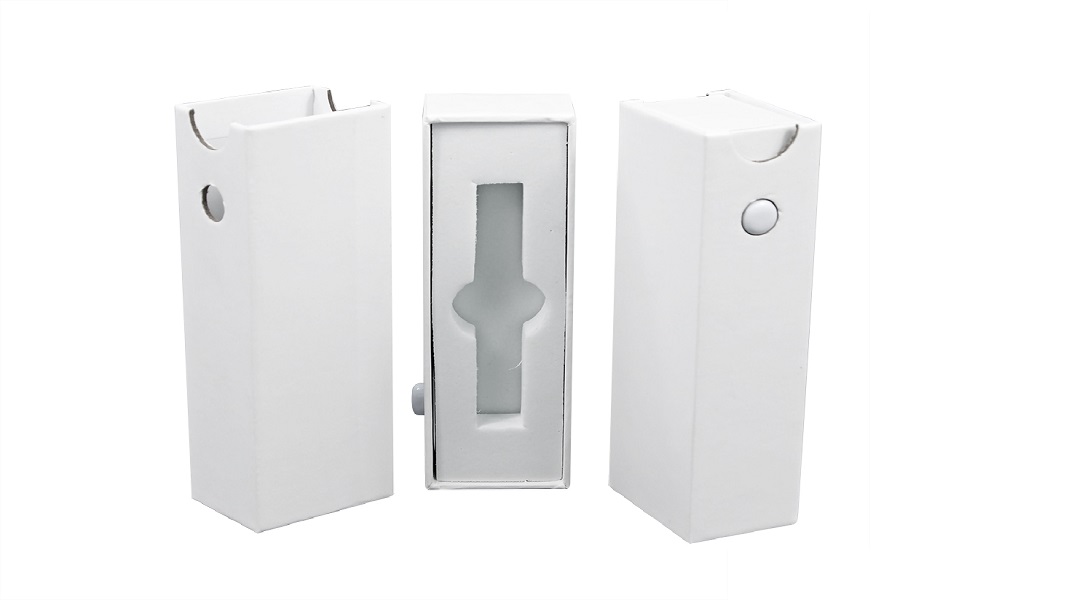
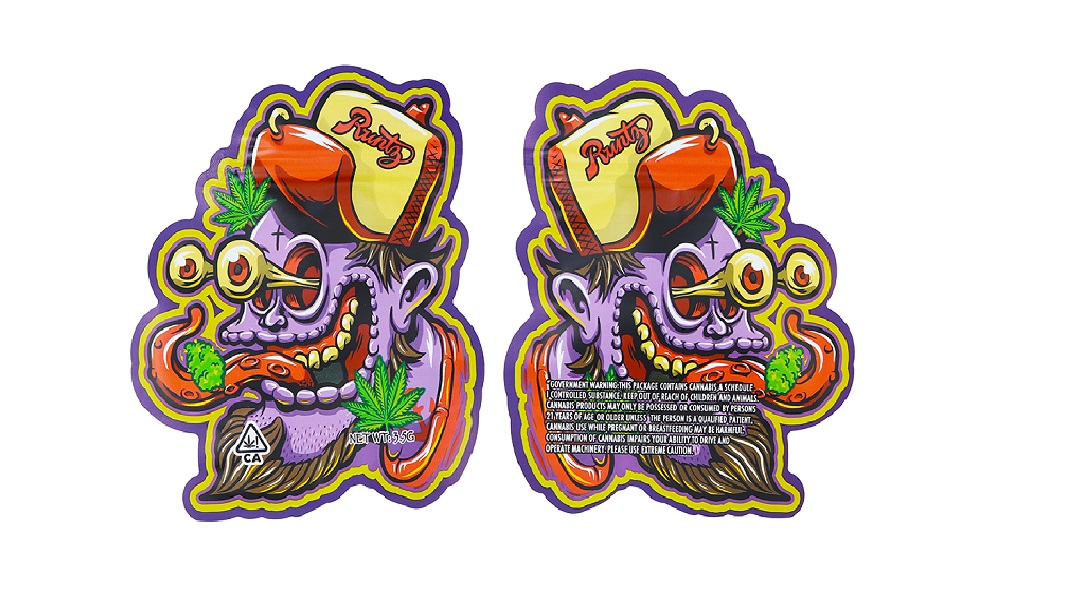
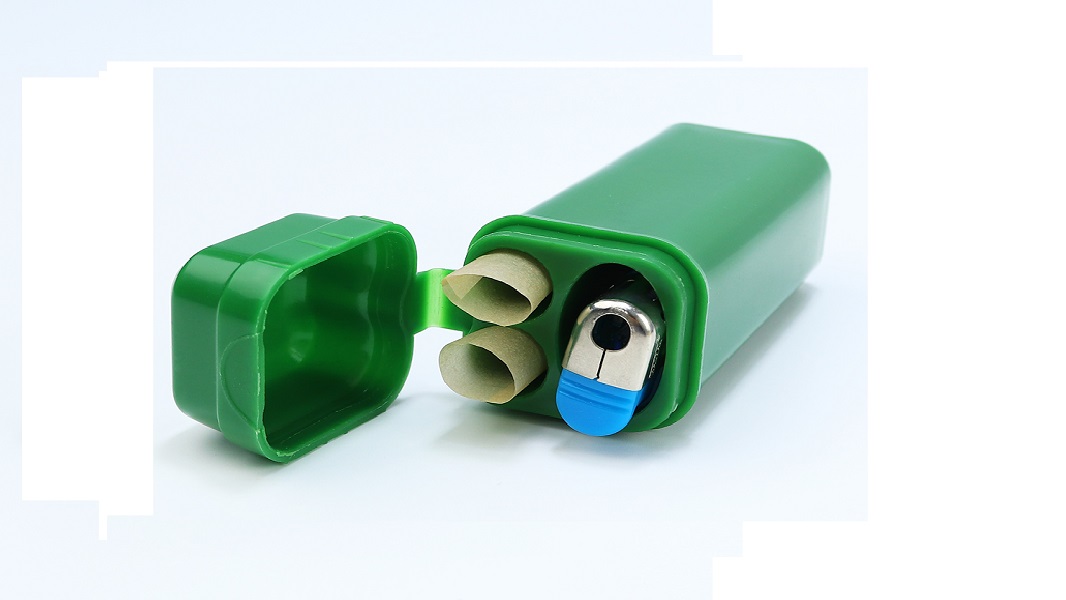
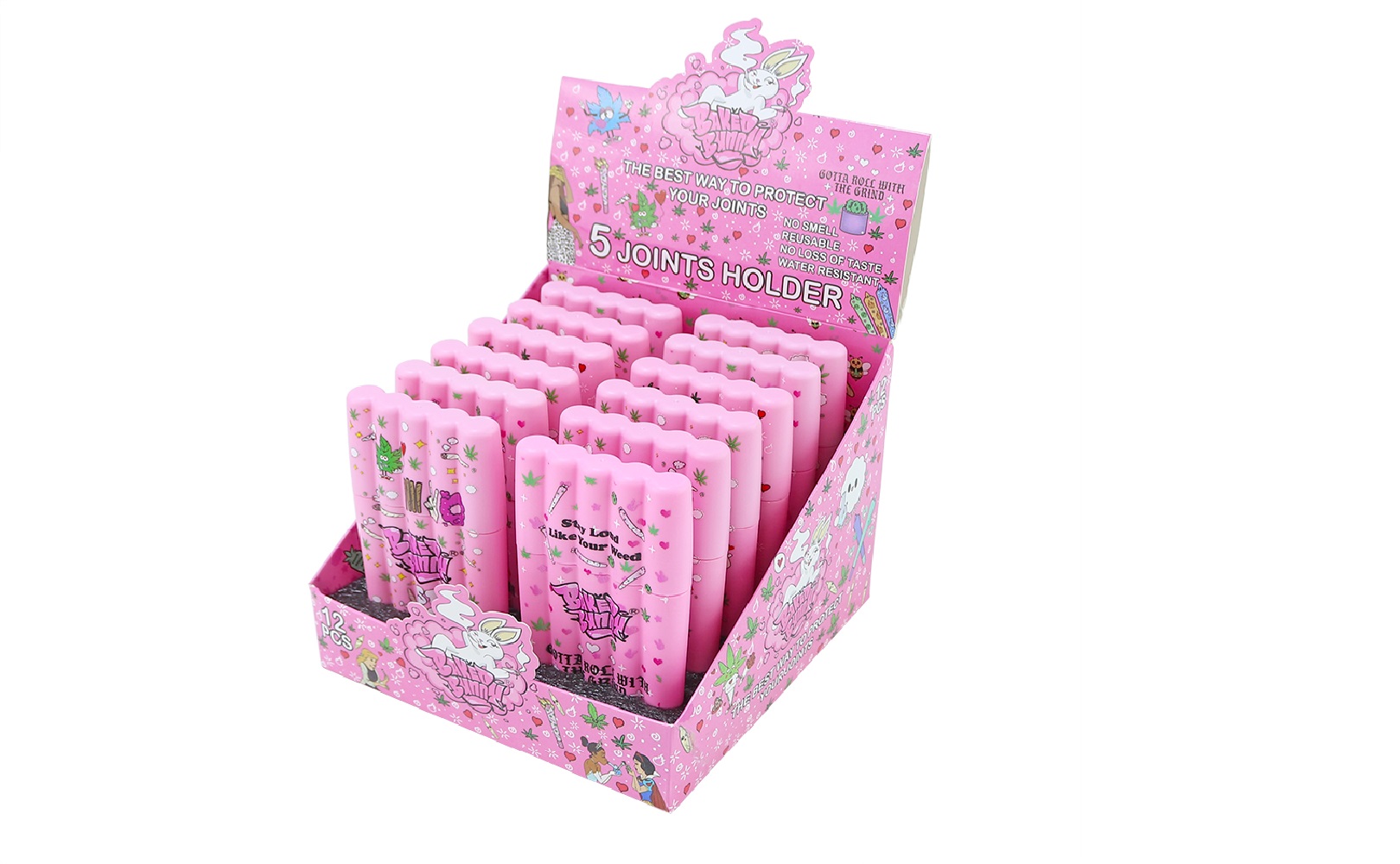
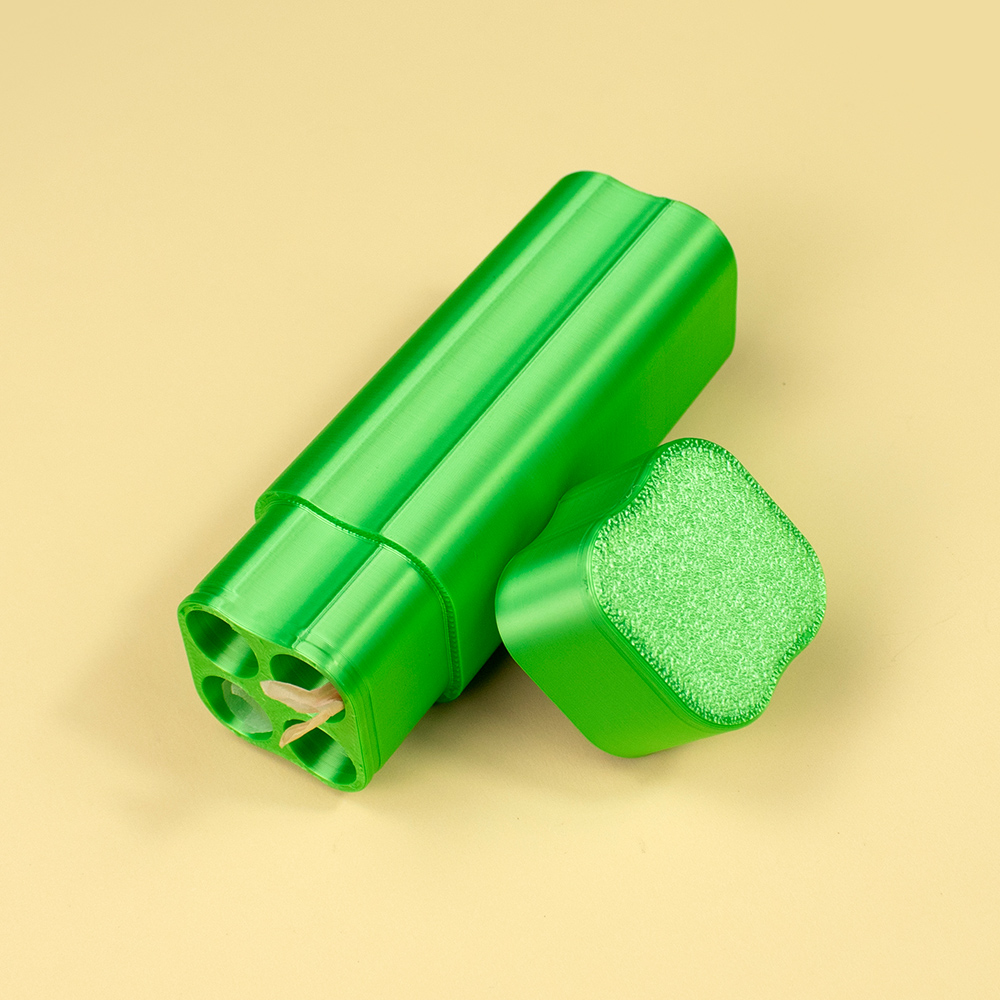
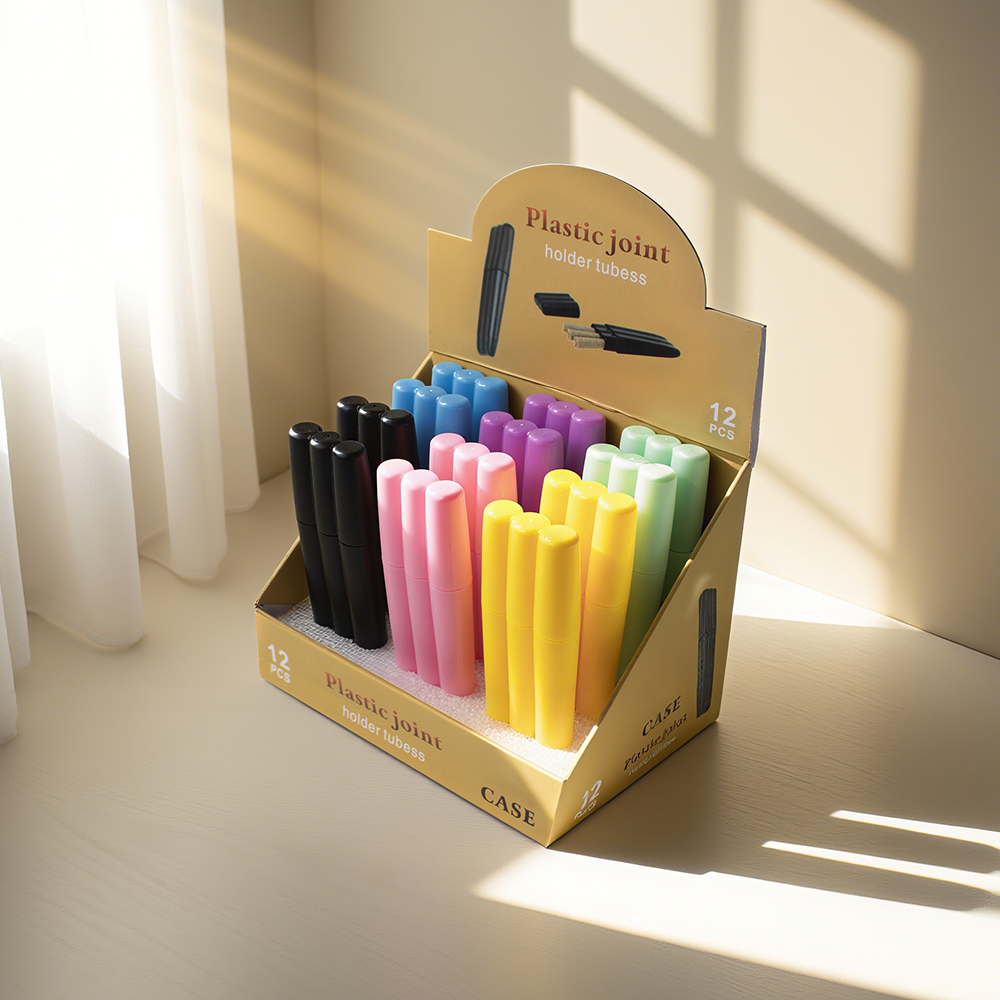
Sold as 2-packs, 3-packs, 5-packs, and larger. Boxes carry more branding area than tubes and can be engineered as the child-resistant closure itself — a slide box, push-pack, or peel-back design — rather than relying on the tube inside.
Multi-packs increasingly double as compliant exit packaging — tamper-evident, opaque, and resealable — which reduces the packaging a retailer needs at the counter.
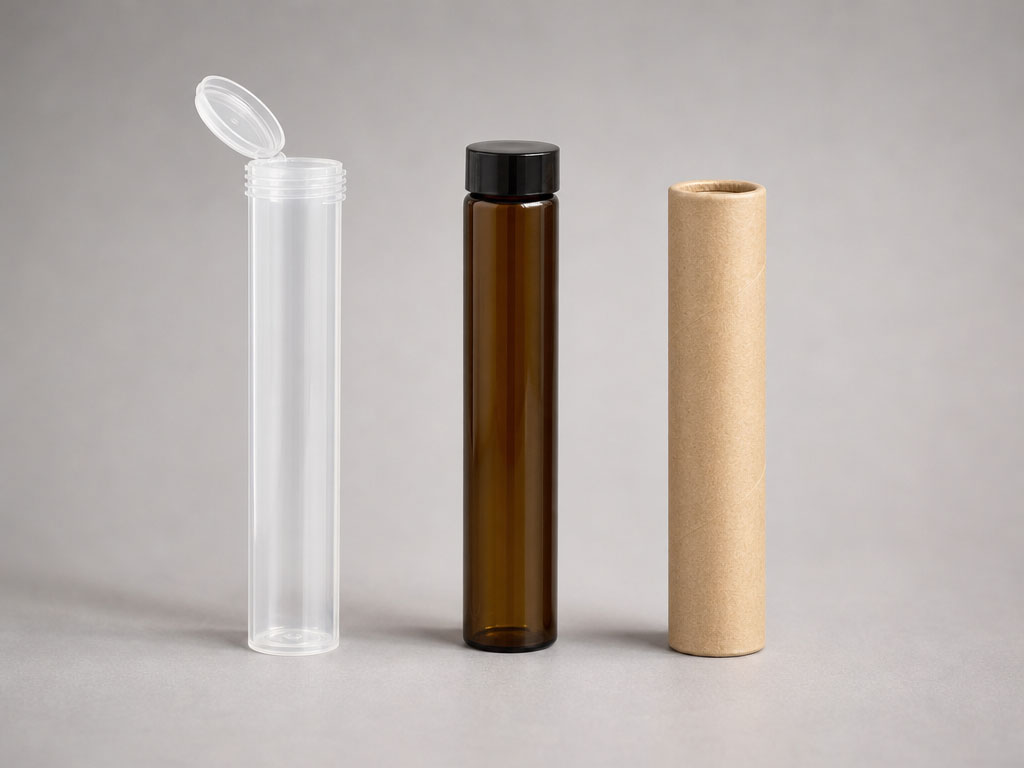
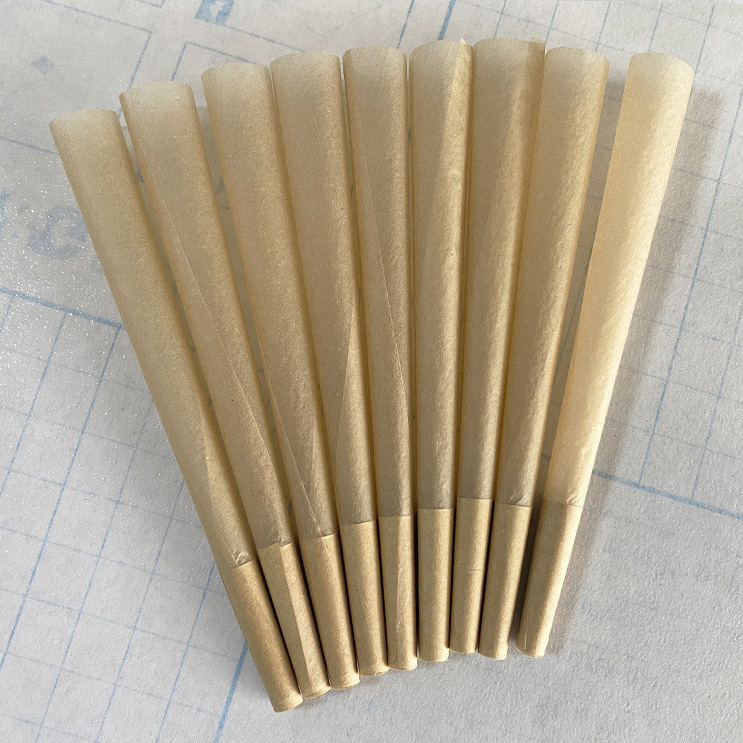
Pre-roll packaging is specified by millimetre length, and the size you need is determined by your cone length plus a small clearance.
Two practical notes for buyers:
Always leave clearance. A tube that exactly matches the cone length crushes the tip during insertion. Most suppliers recommend a few millimetres of headroom.
Match tube to cone, not to weight. Two 1 g pre-rolls from different cone suppliers can differ in length. Specify the cone you use, not just the fill weight.
The trade-off is consistent: glass sells the premium experience, plastic wins on landed cost, and paper wins on brand story — but only if you solve the moisture problem.
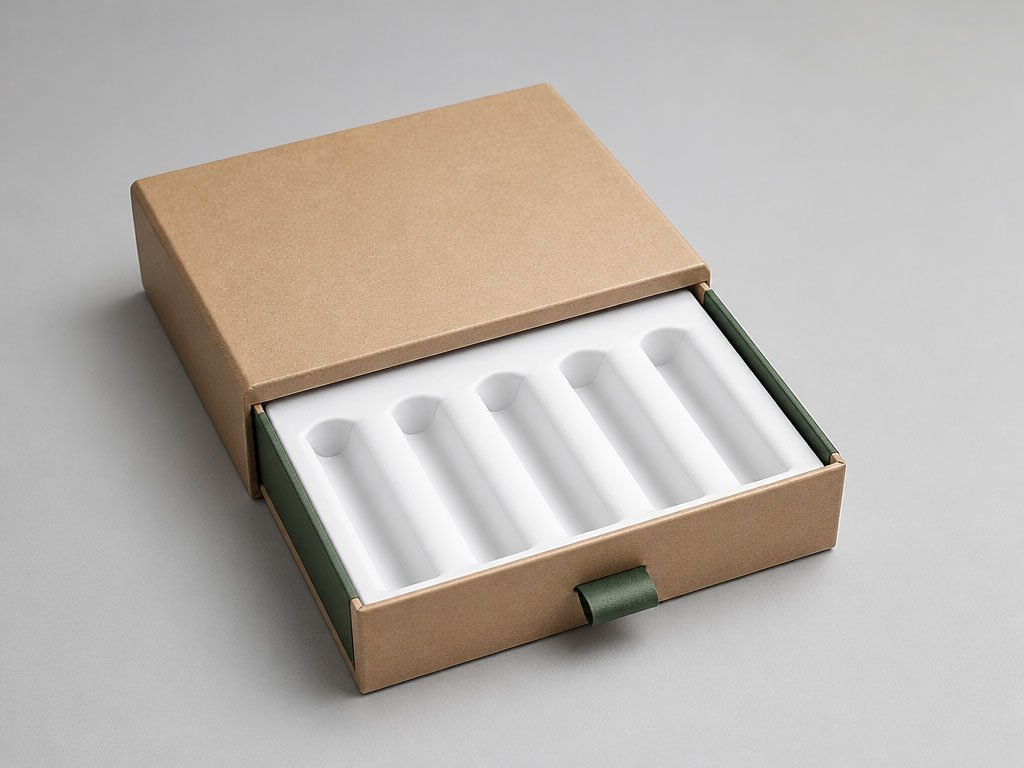
Most US states and Canada require child-resistant packaging for cannabis products, and pre-rolls are no exception. You have three routes:
1. CR tube. The tube itself passes the child-resistance test. Simplest to qualify, least packaging, lowest unit cost. Best for singles.
2. CR box. The multipack box carries the certified closure — a slide box, push-pack, or press-and-slide design. Best when the box is the product's main branding surface.
3. CR secondary packaging. Standard tubes inside a certified outer package. Common for multi-packs where the tube is the unit of sale.
Whatever route you choose, two rules apply:
Certify the finished package. Child-resistance is tested on the complete assembly — container, closure, and materials together. Changing the closure or the material can invalidate a certification.
Ask for the test report. The standard referenced is typically 16 CFR 1700.20 or ASTM D3475. A supplier who cannot produce documentation is transferring their compliance risk to you.
Pre-roll packaging is often the smallest surface a brand owns — which makes every element count:
Custom tube color and finish (opaque, translucent, matte, metallic)
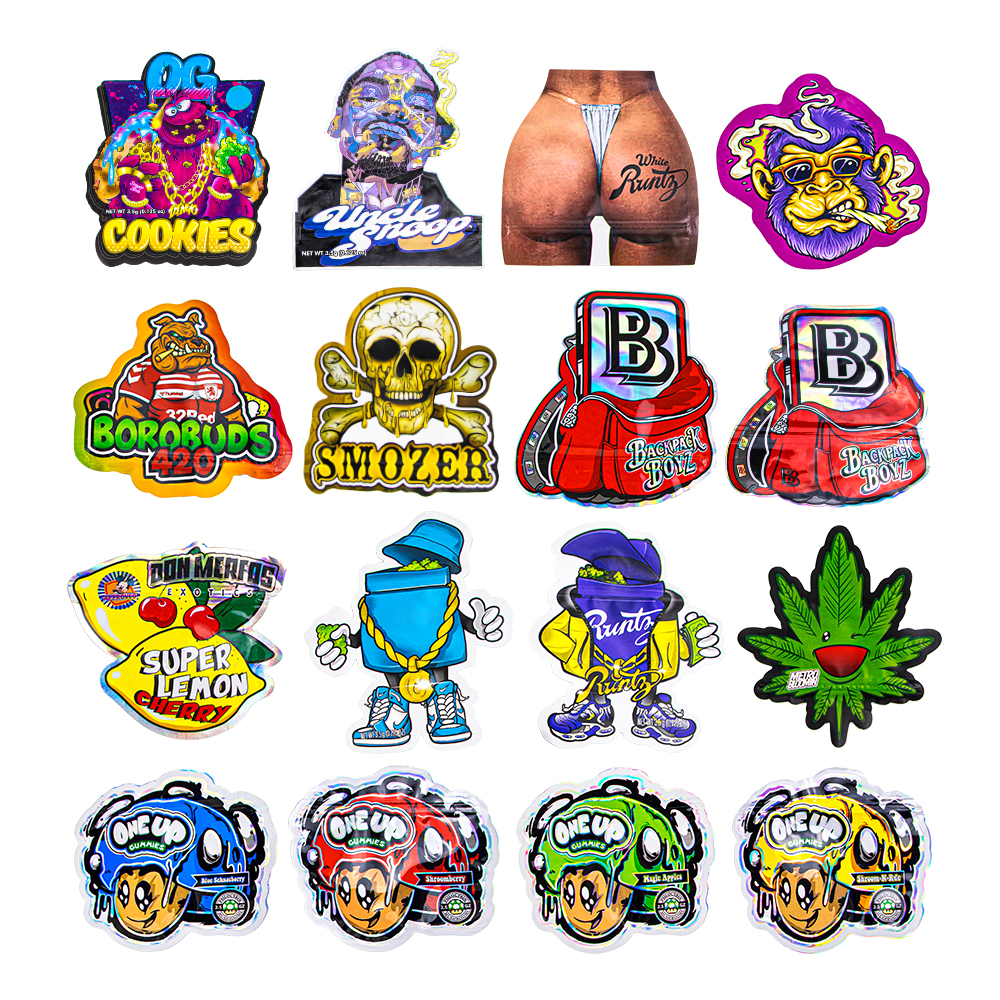
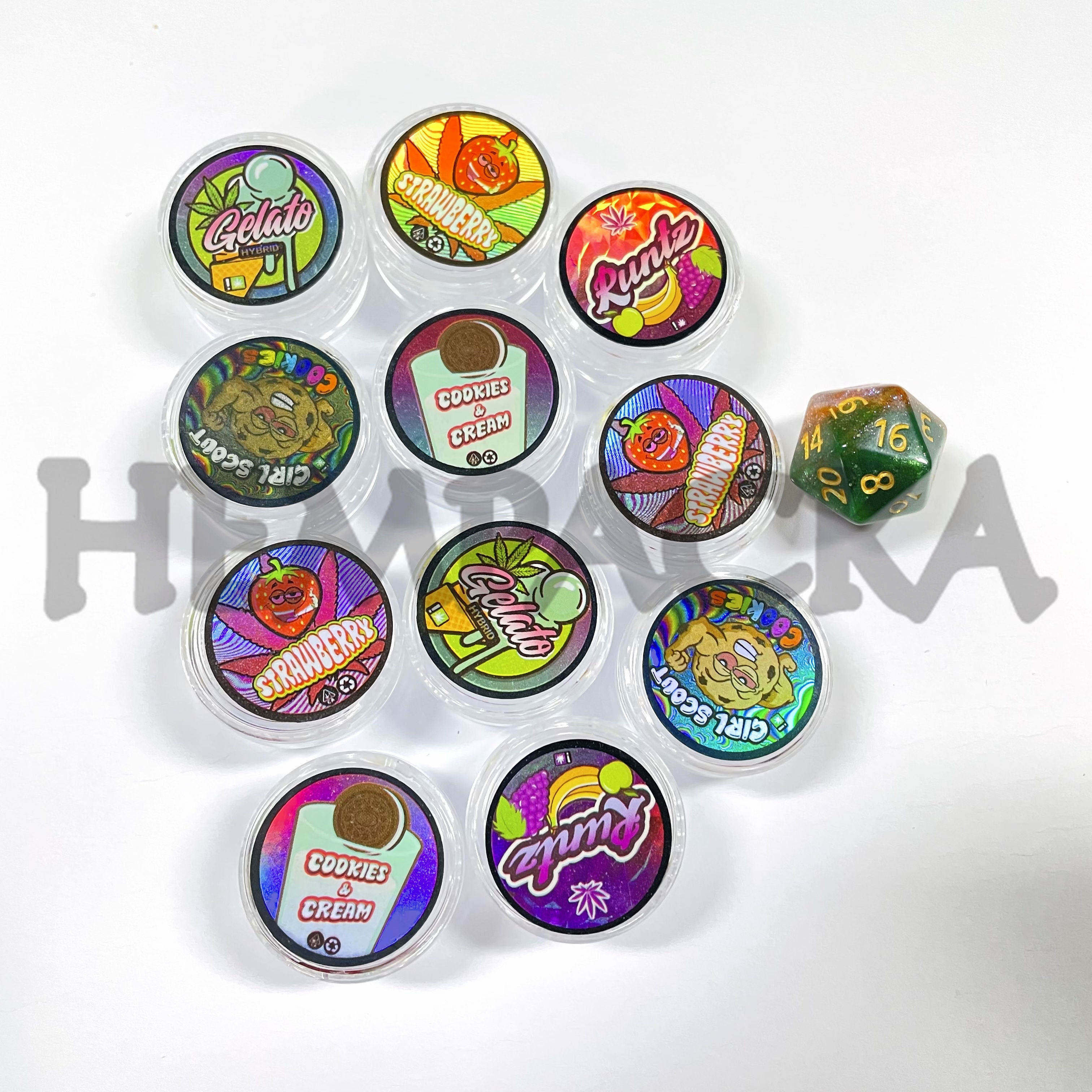
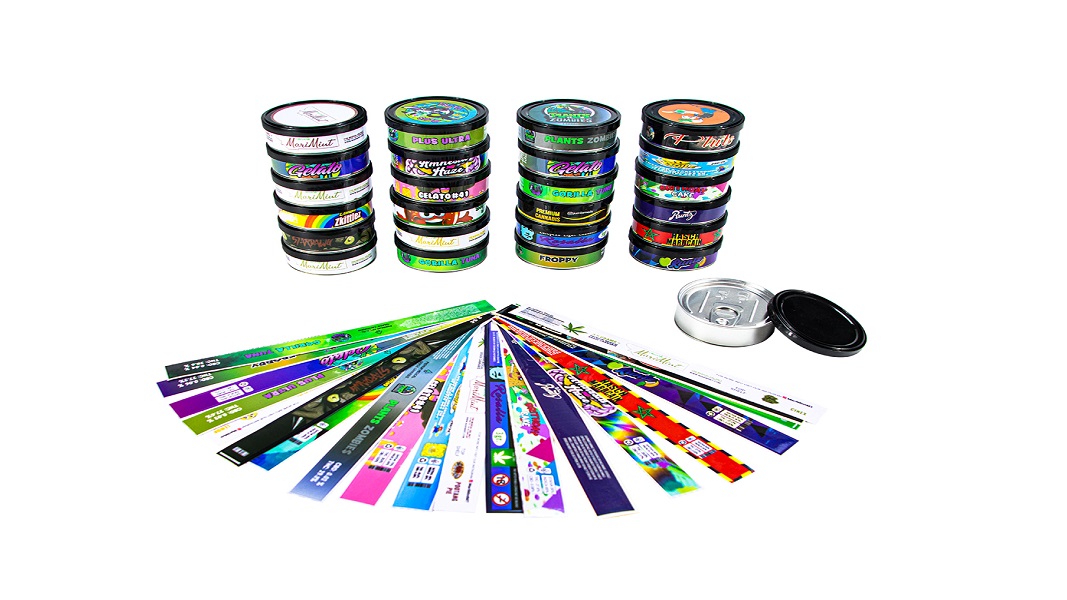
Direct printing or pressure-sensitive labels
Custom box structures with insert trays to hold tubes in place
Tamper-evident seals for retail compliance
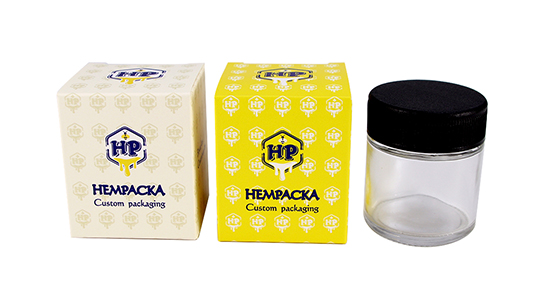
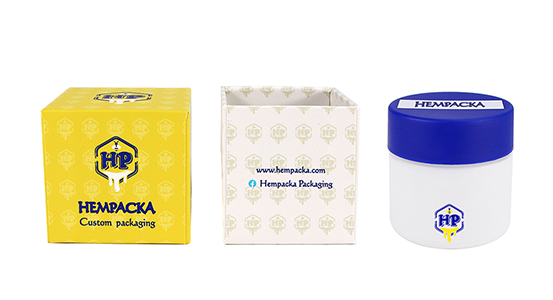
Matched multi-pack sets — box, tube, and label designed as one system
For B2B buyers, the practical question is decoration method: digital printing supports low volumes and fast turnaround, while custom tooling lowers unit cost at high volumes. Match the method to your quantity, not to a preference.
Unit economics in pre-roll packaging are driven by four variables: material, decoration method, order quantity, and whether the format is stock or custom-tooled.
For 2026 market context:
Stock plastic pre-roll tubes commonly trade in the $0.28–$0.47 per piece range at low volumes, with meaningful breaks at scale.
Custom child-resistant pre-roll boxes have been quoted from roughly $0.44 per unit on bulk orders.
These figures are market references, not quotes — your price depends on specification and volume.
MOQ logic to keep in mind:
Stock formats usually start far lower than custom-printed runs.
Digital printing typically unlocks lower minimums than custom-printed tooling.
Ordering tubes and boxes together from one supplier usually reduces freight and avoids dimensional mismatches.
Before you place an order, confirm:
Cone length and diameter measured on your actual production product
Tube length with clearance specified (not guessed)
Child-resistance route decided: CR tube, CR box, or CR secondary packaging
Test report or compliance documentation for the finished package
Decoration method matched to your volume (digital vs. tooled)
Odor and moisture barrier appropriate to your shelf life
Tamper-evident requirement confirmed for your market
Unit cost calculated aslanded cost— including freight and duties
What size tube fits a 1 g pre-roll? Most 1 g king-size cones fit a 109 mm tube. Standard 1¼" cones usually fit a 98 mm tube. Always measure your cone and leave a few millimetres of clearance.
Are pre-roll tubes child-resistant? Only the ones designed and certified as such. Standard pop-top tubes are not automatically child-resistant — look for an explicit CR design and test documentation.
Is glass or plastic better for pre-rolls? Glass offers premium feel and inert protection at higher freight cost. Plastic offers comparable barrier performance at a lower landed cost. Choose based on your price positioning, not preference.
Can I print my logo directly on the tube? Yes, subject to minimum order quantities that depend on the printing method. At low volumes, custom labels are usually the more economical route.
What is the minimum order for custom pre-roll packaging? It varies by format and decoration method. Stock formats start lower; custom-printed or tooled packaging requires more. [CONFIRM: Hempacka 预卷产品 MOQ]
The right pre-roll package protects the product, clears compliance in your market, and gives your brand a surface worth looking at. That combination is a specification decision — size, material, closure, and decoration — made before the first unit is produced.
If you want help translating your cone specs into a packaging specification, send us your measurements. We will come back with format options, a compliance route, and a landed-cost quote.
Market pricing references reflect publicly listed 2026 supplier pricing for stock tubes and custom CR boxes; they are indicative only. Child-resistance requirements vary by jurisdiction — confirm the applicable standard with your compliance advisor. This article is editorial content, not legal advice.