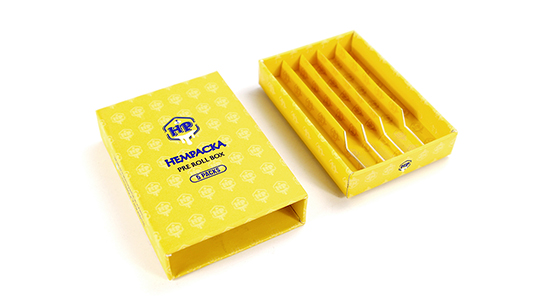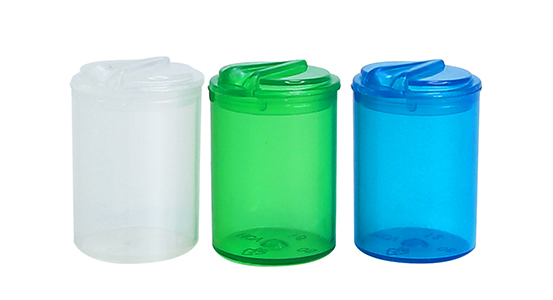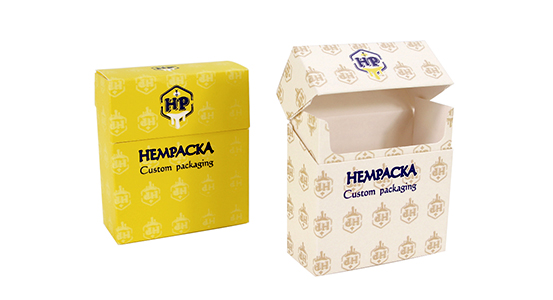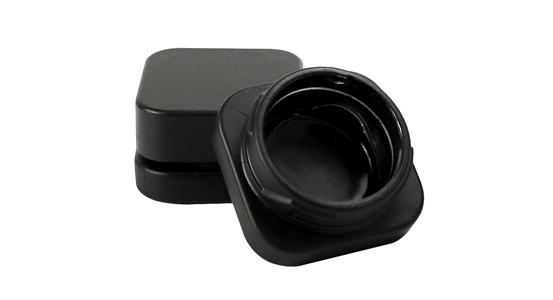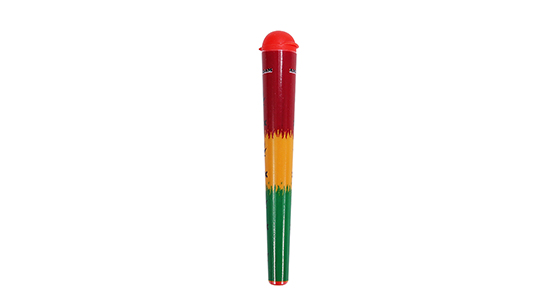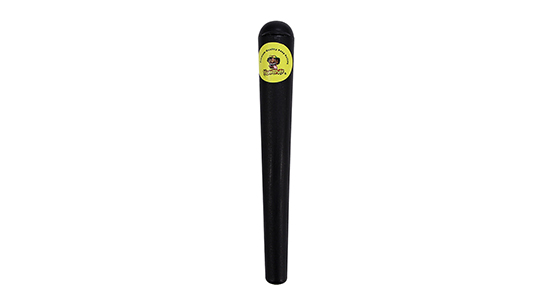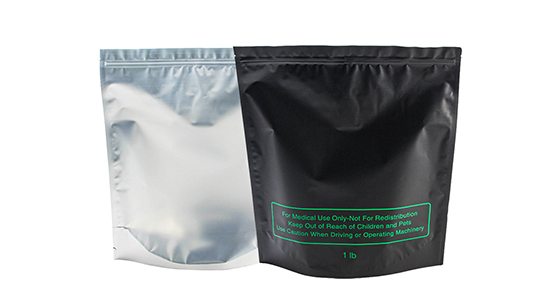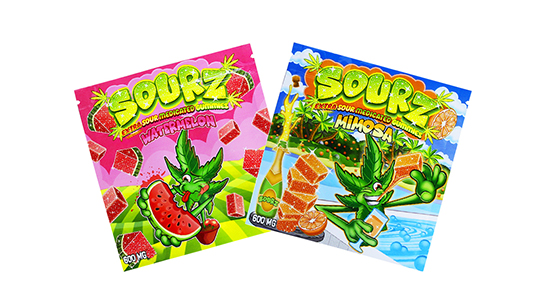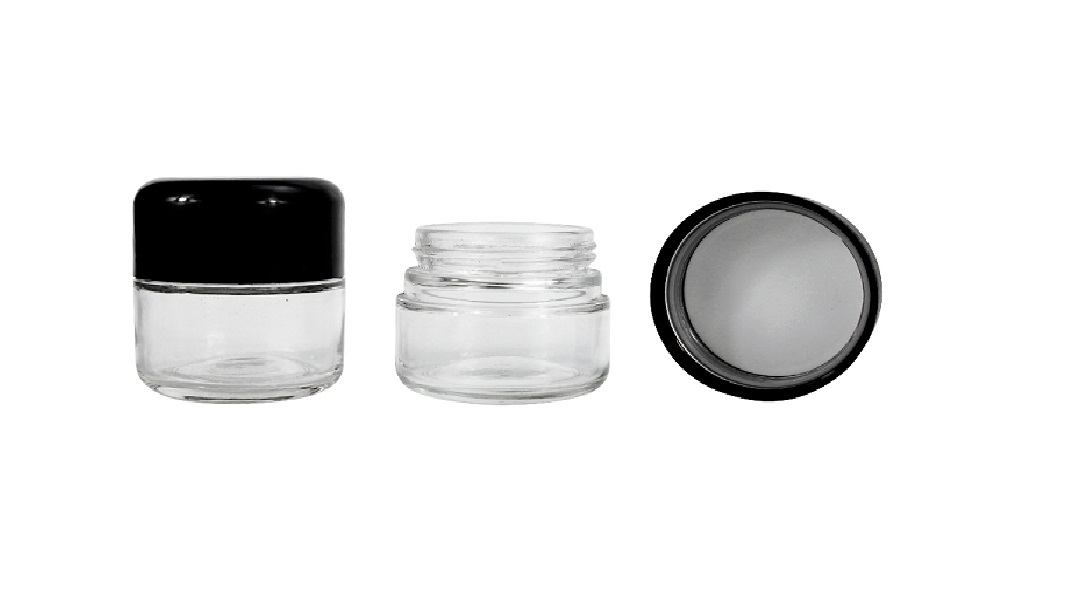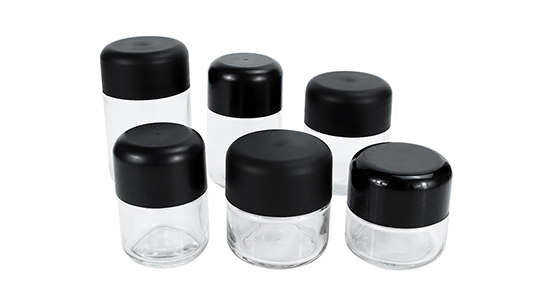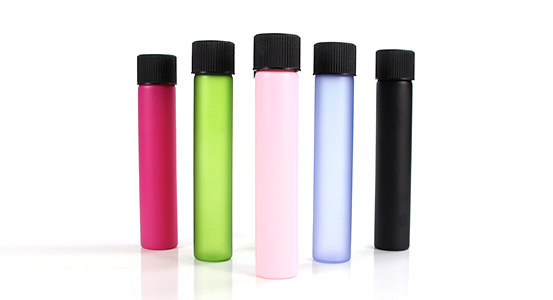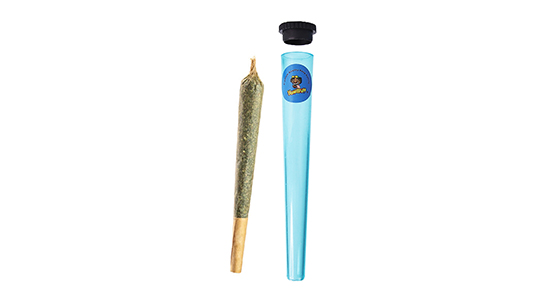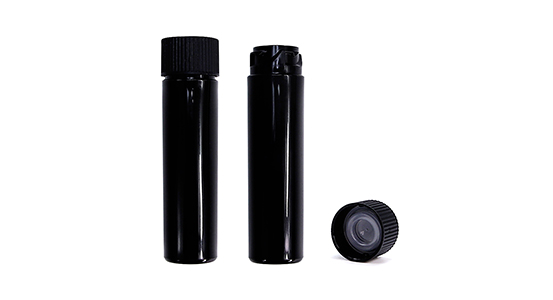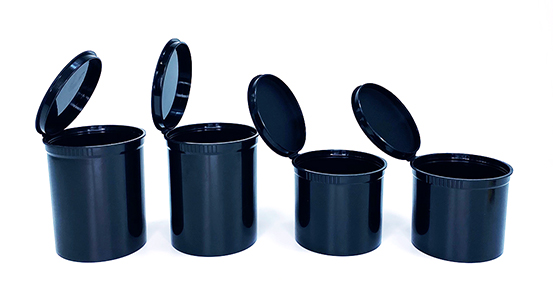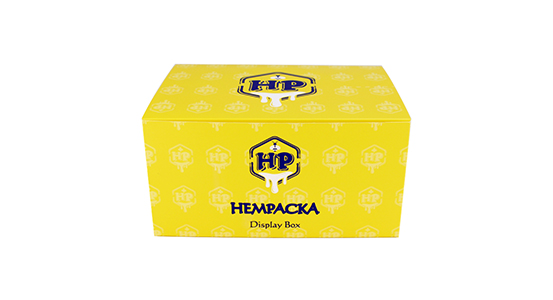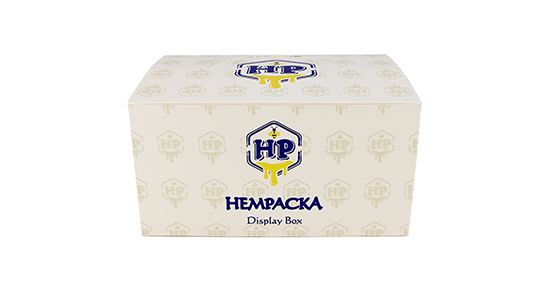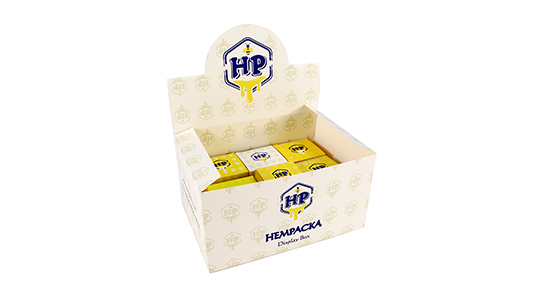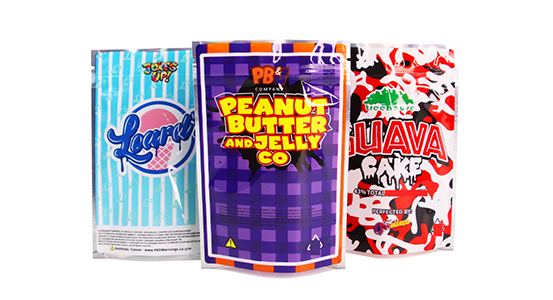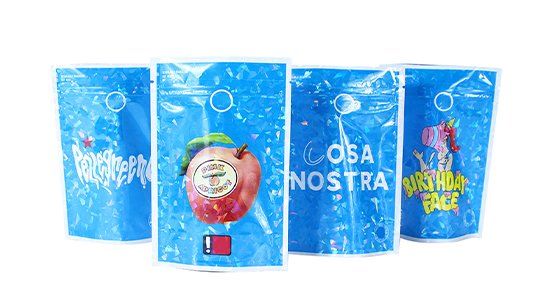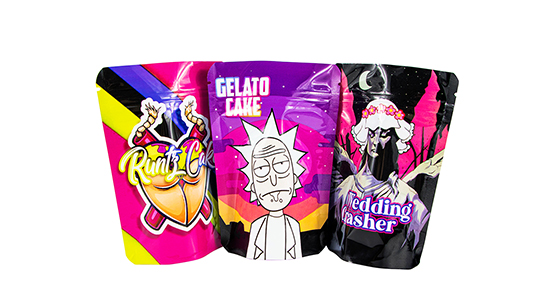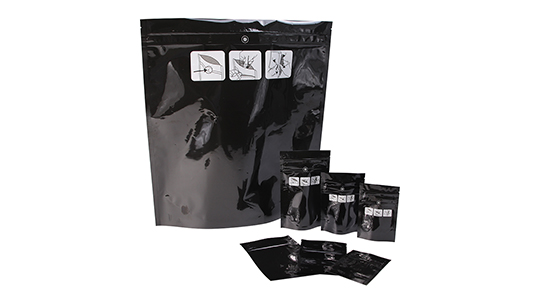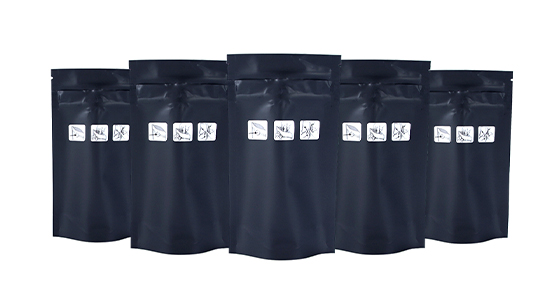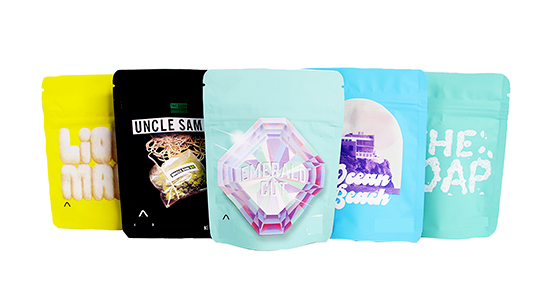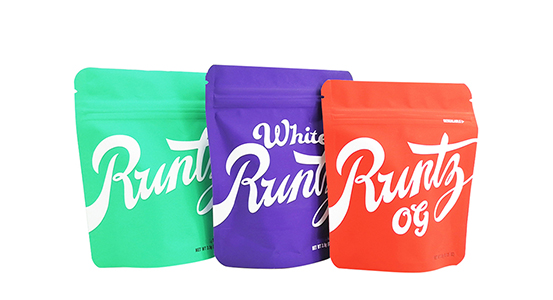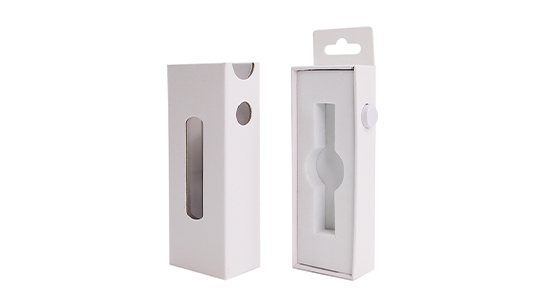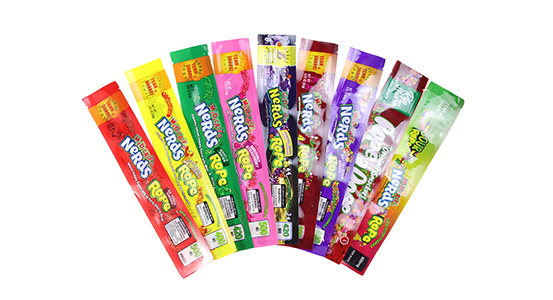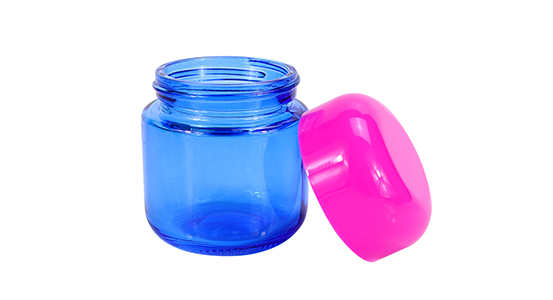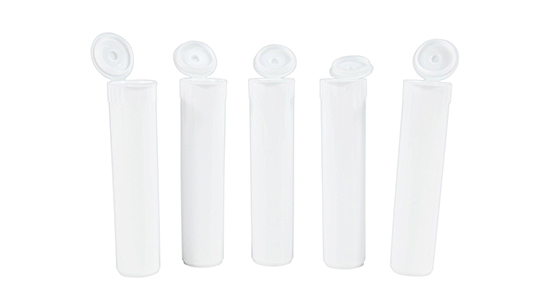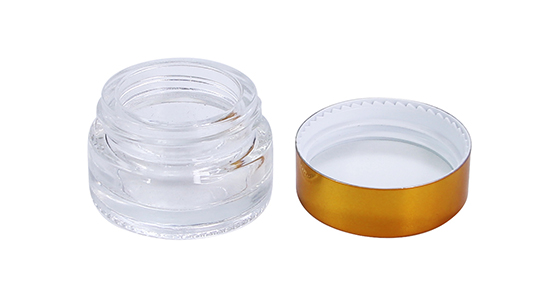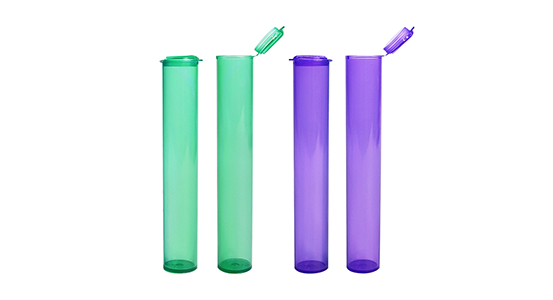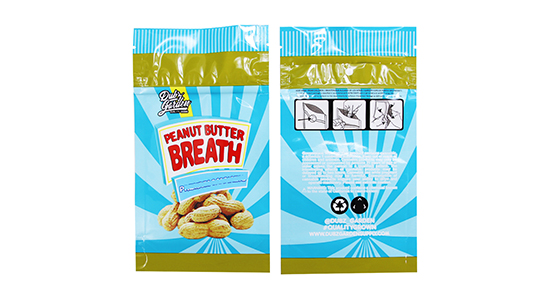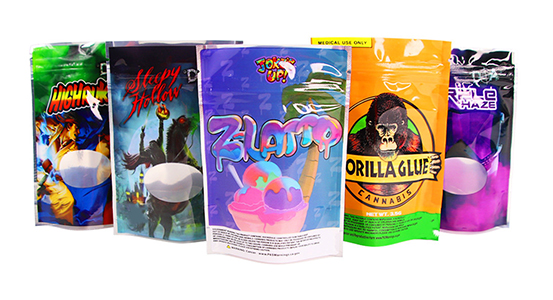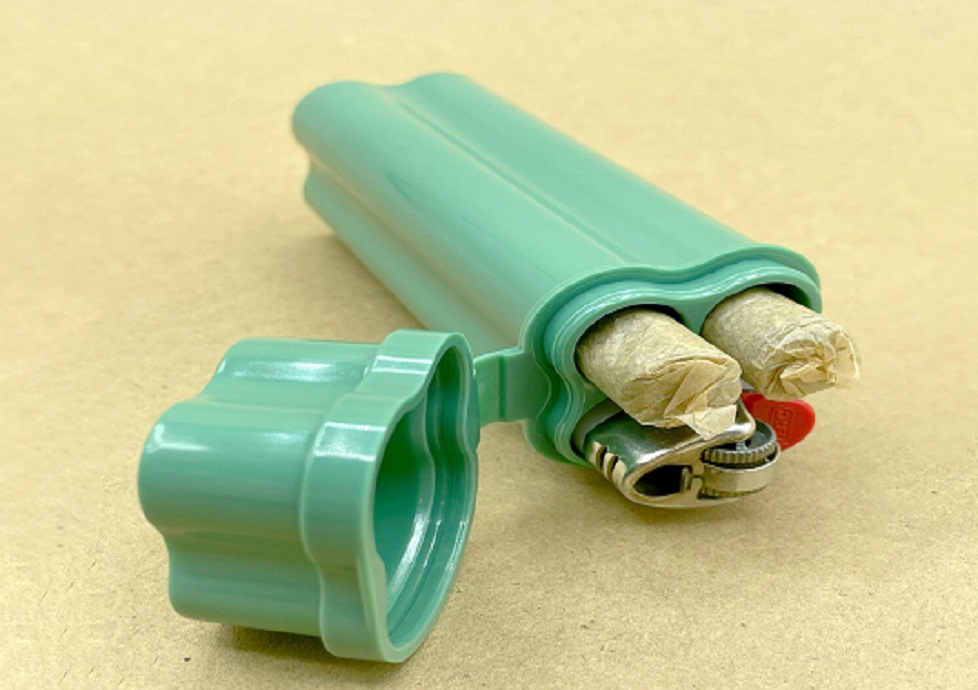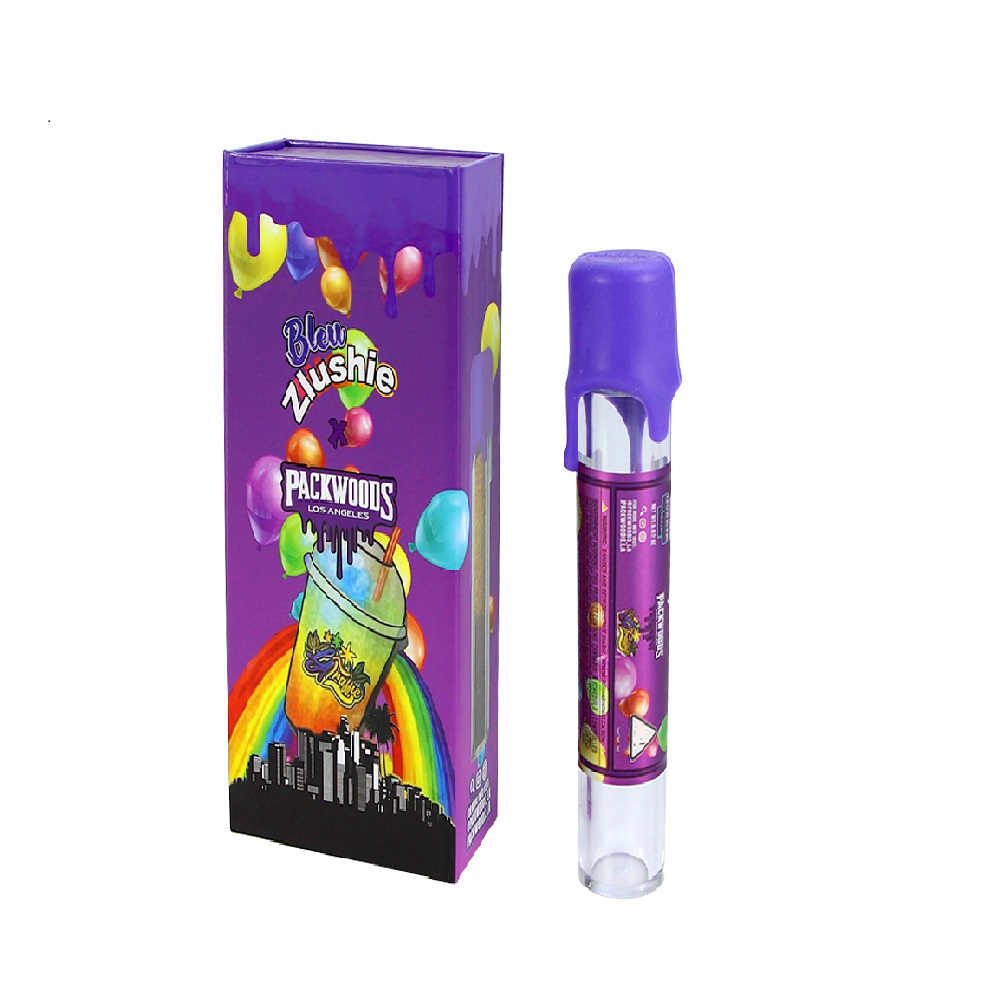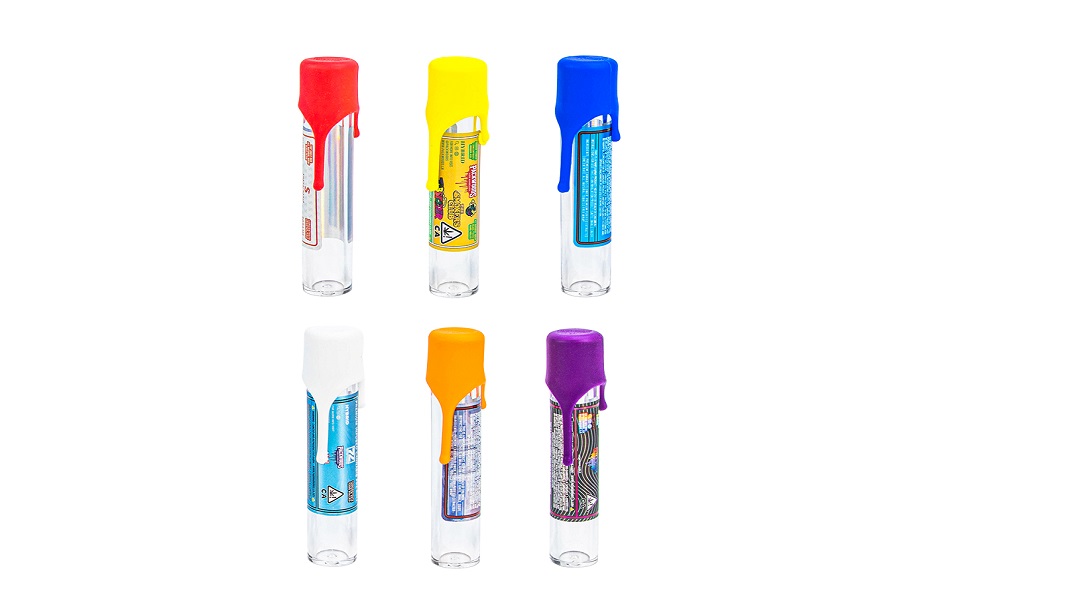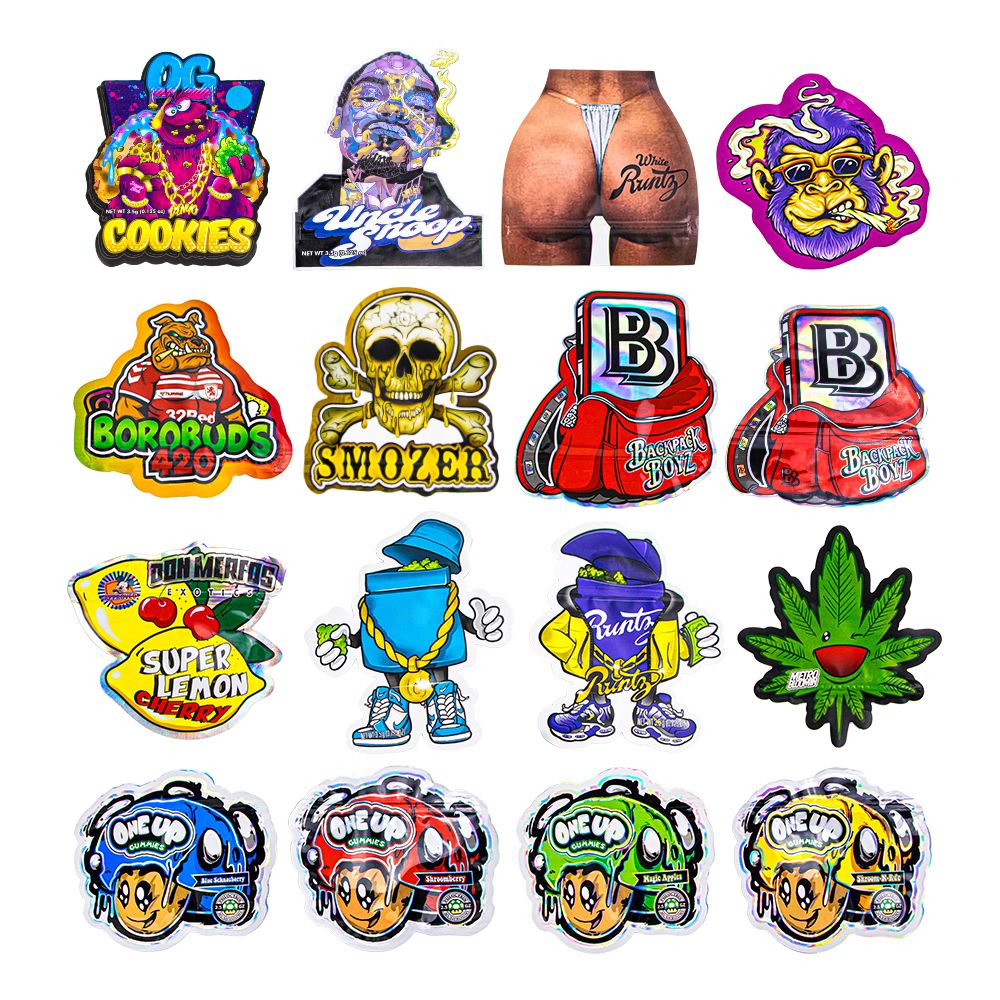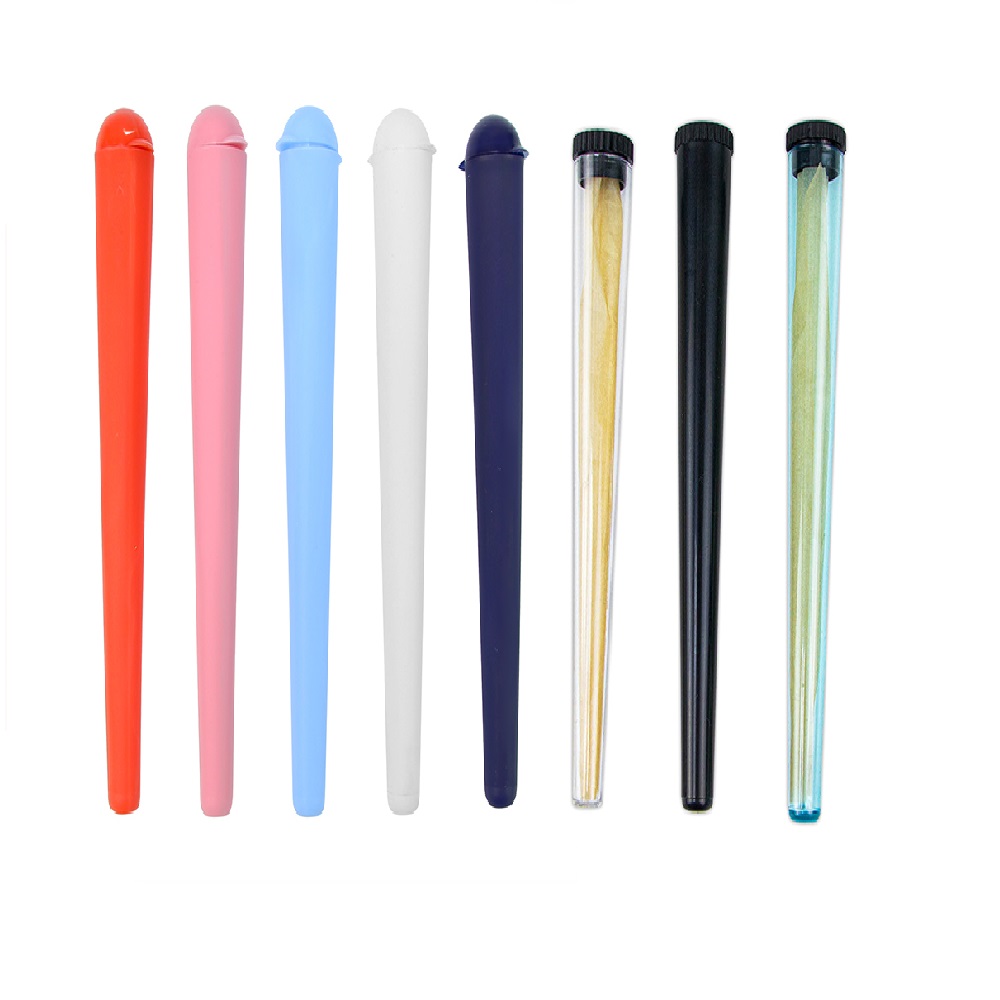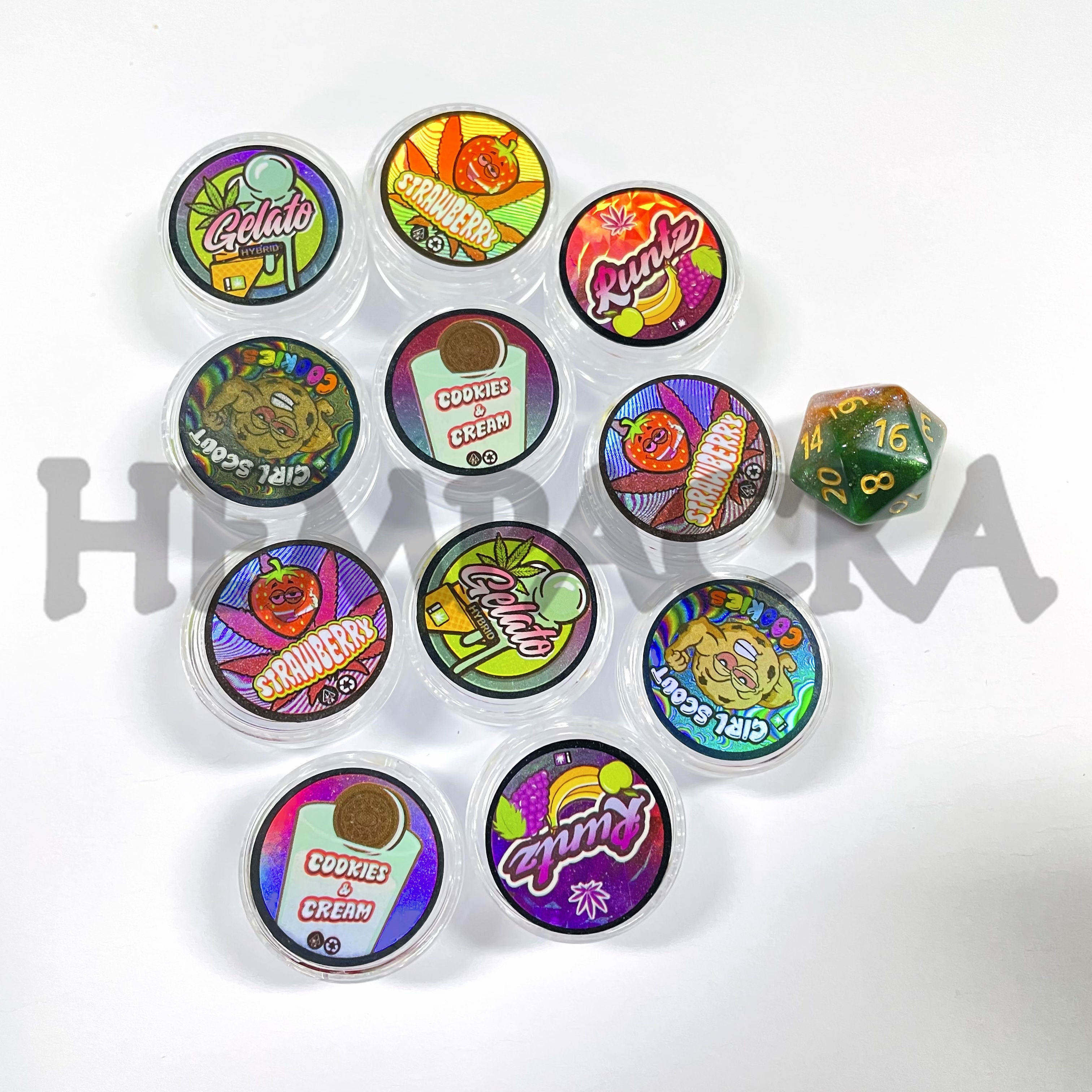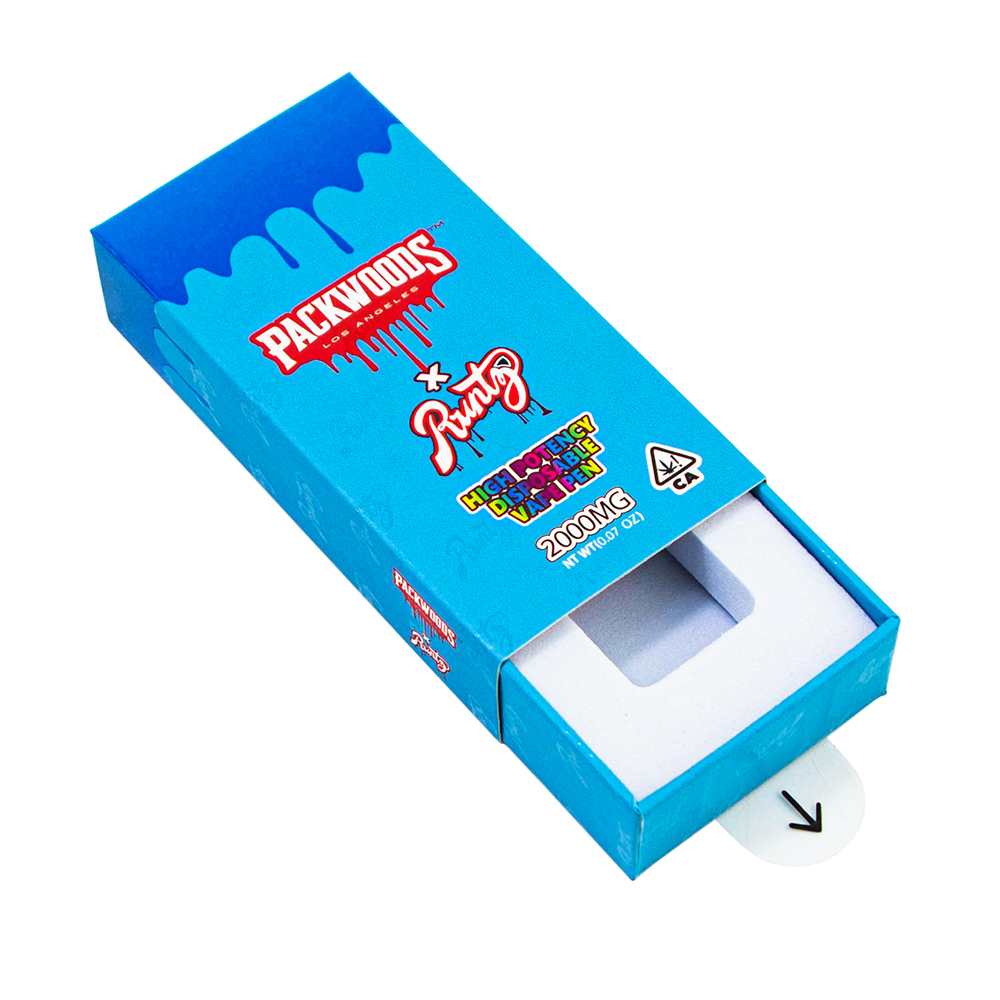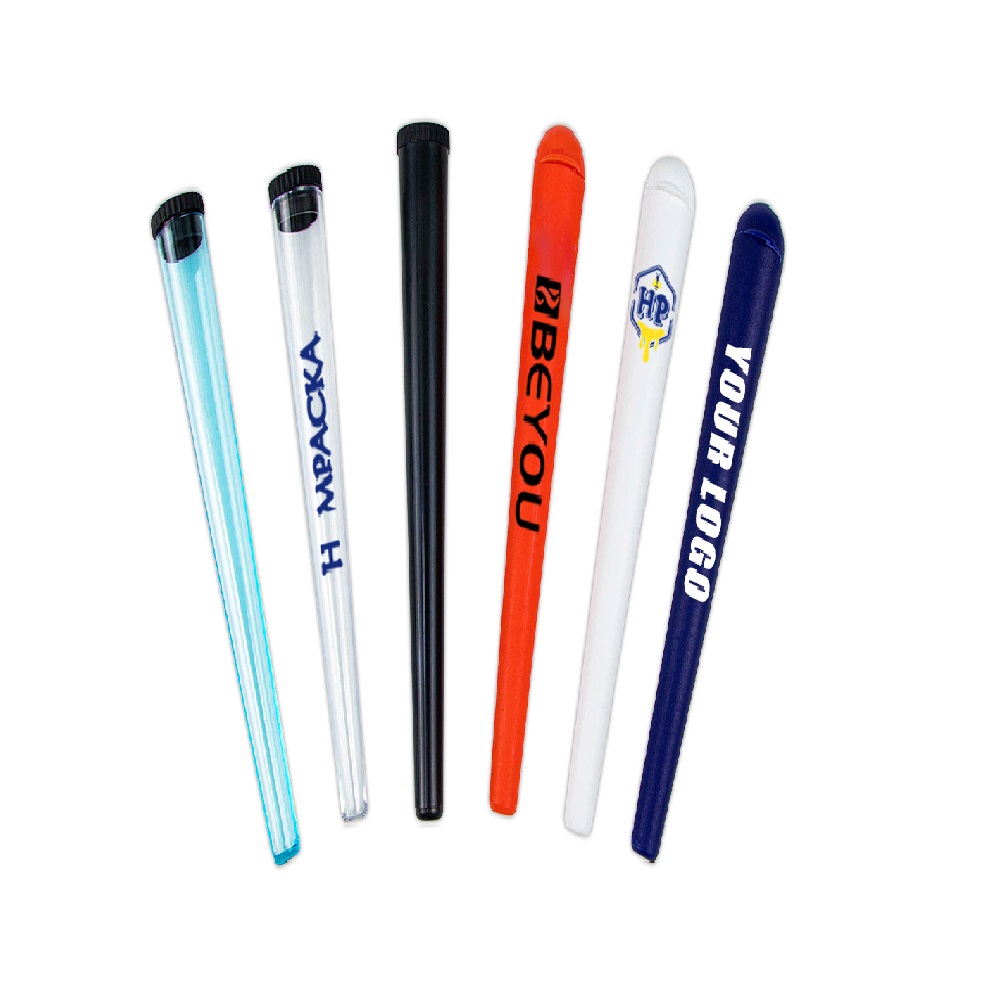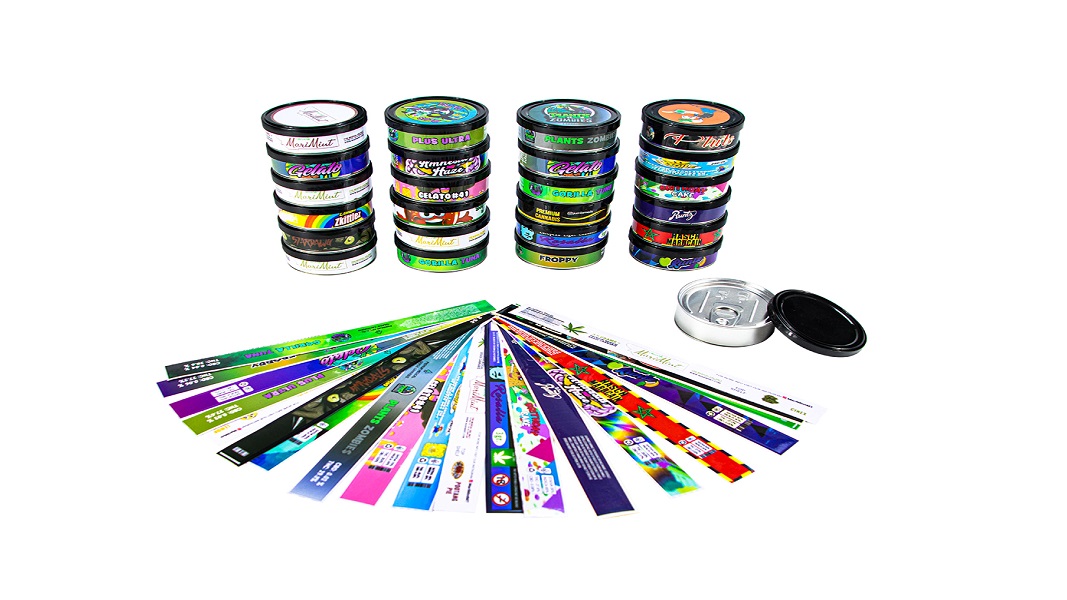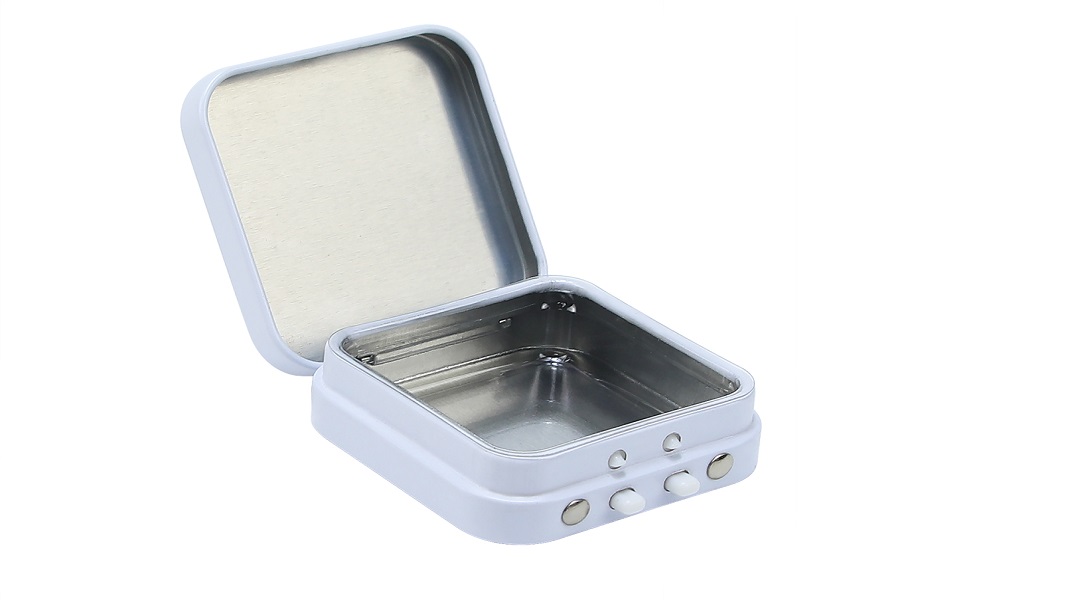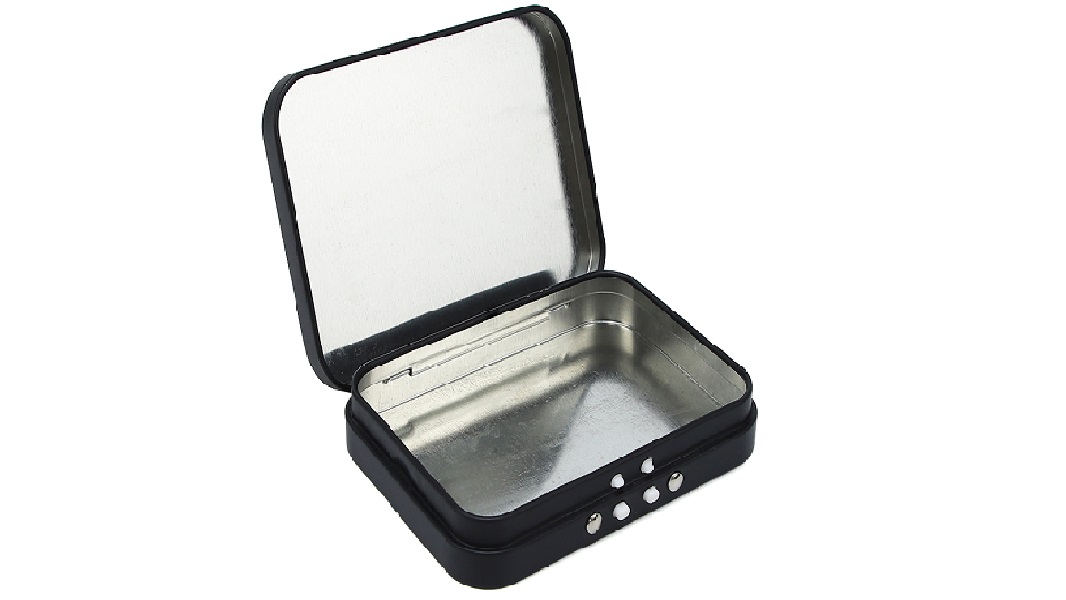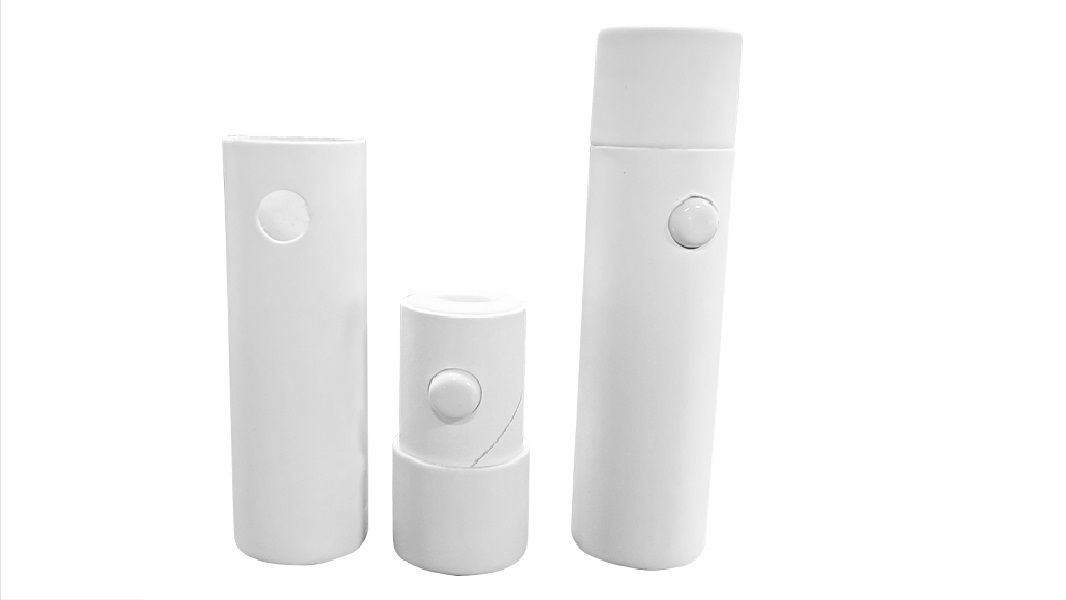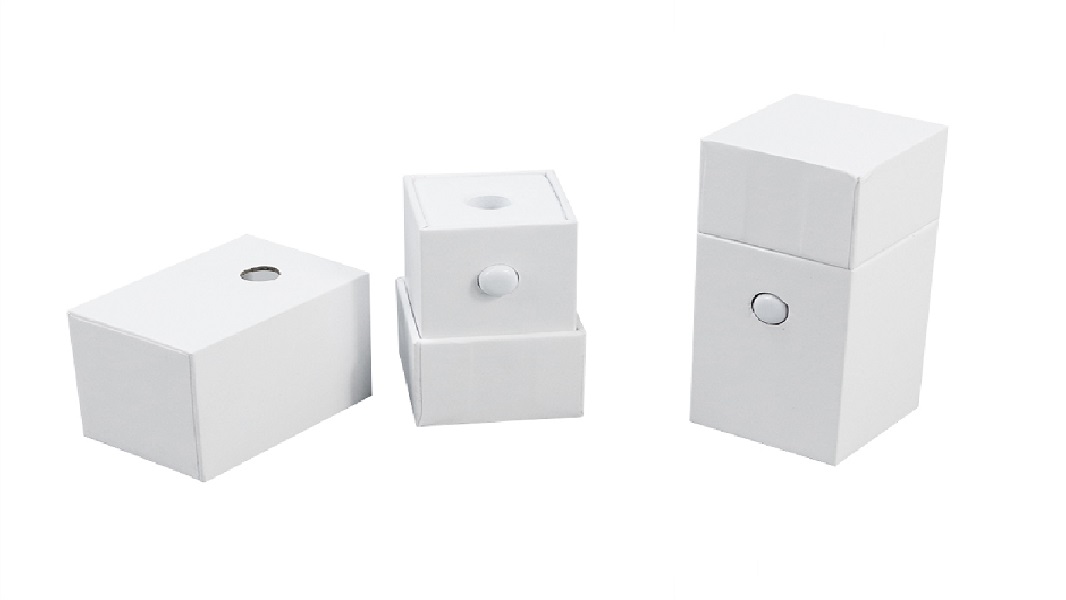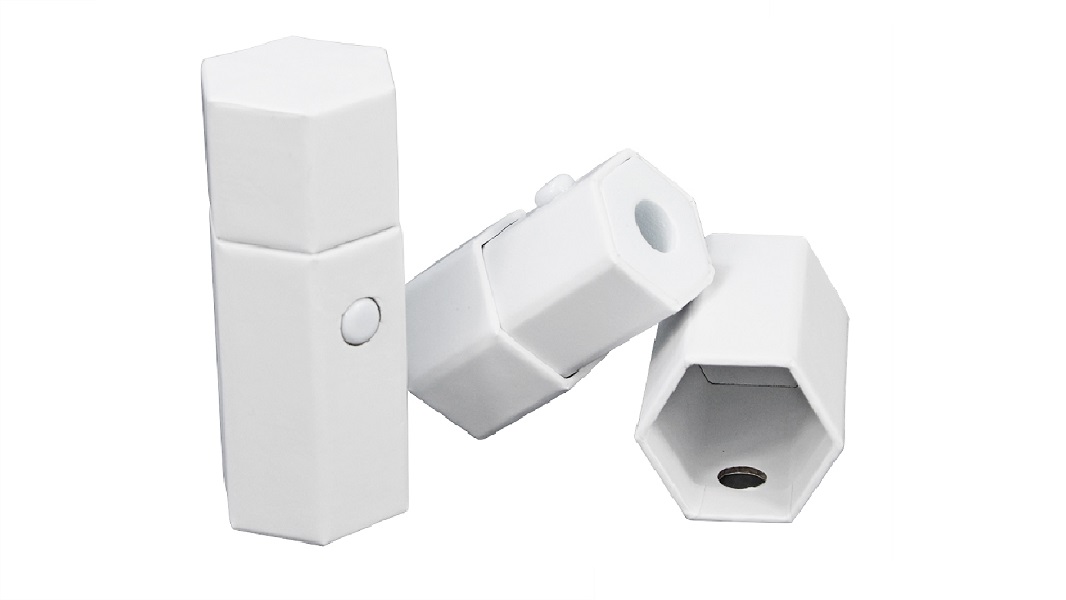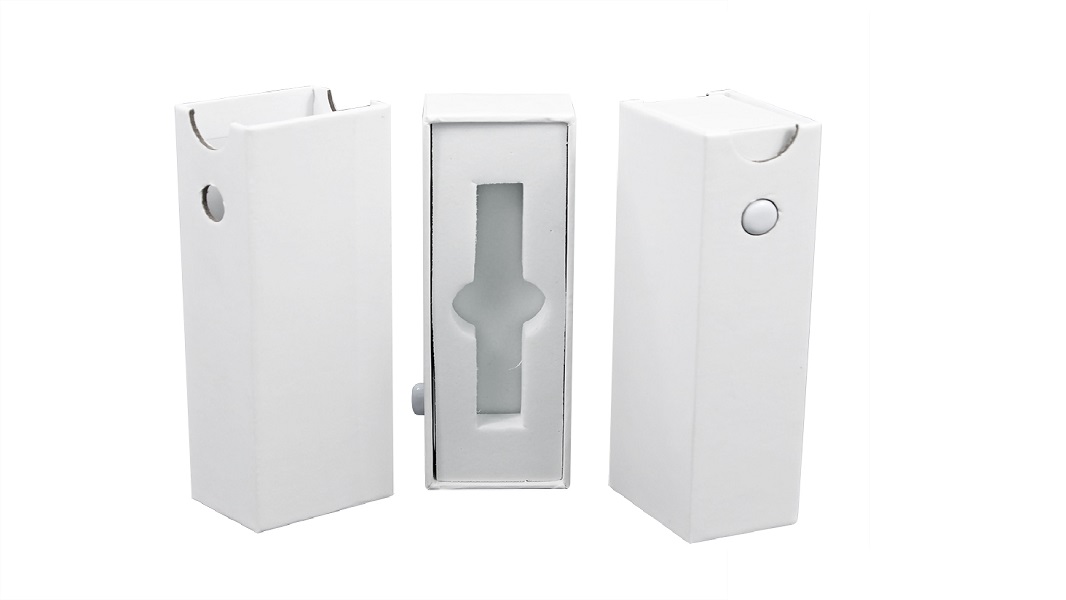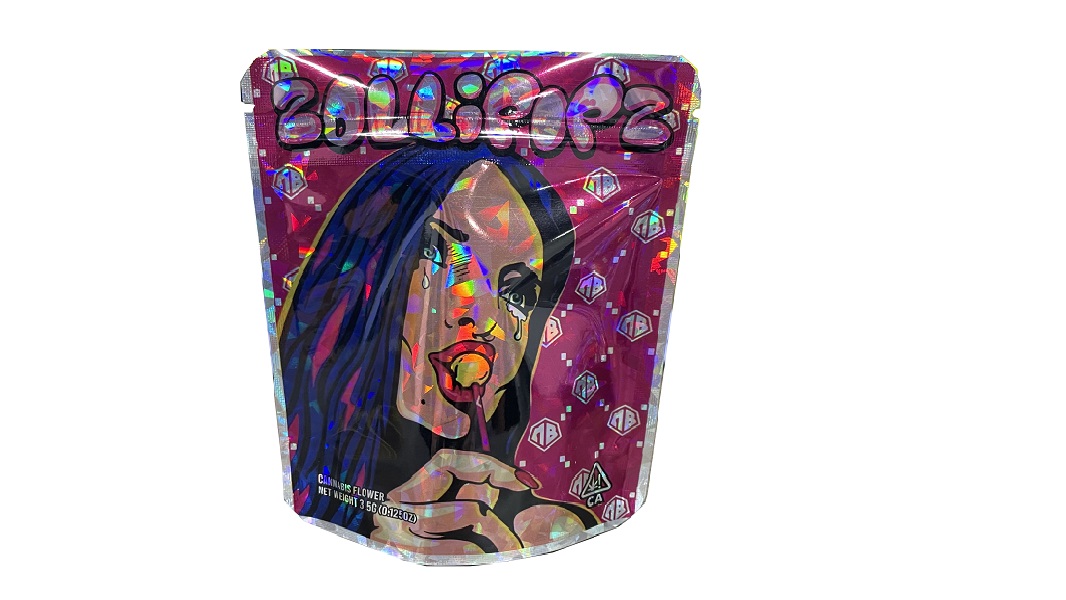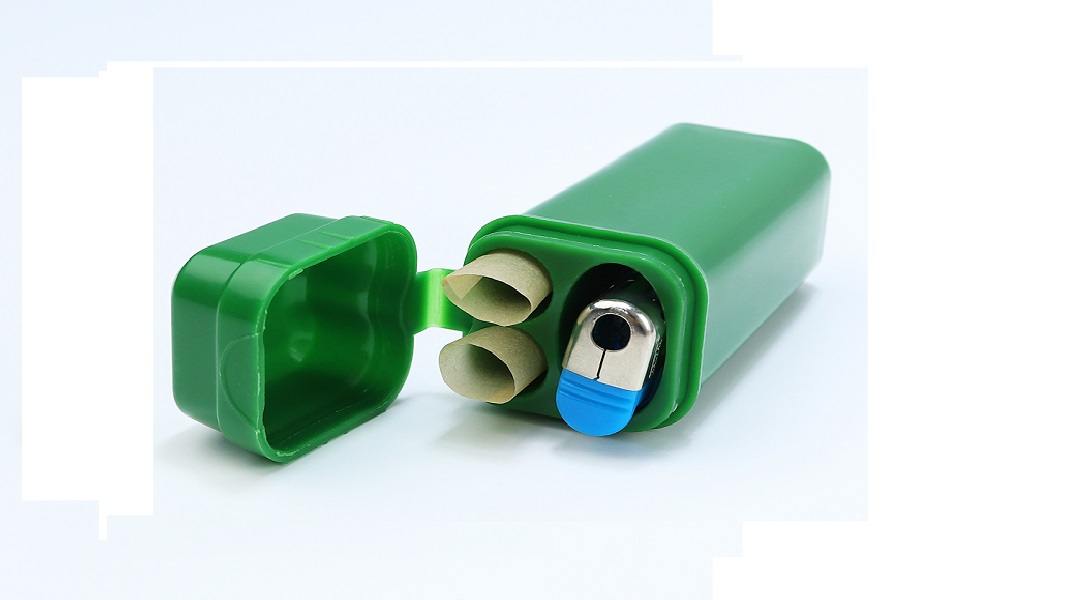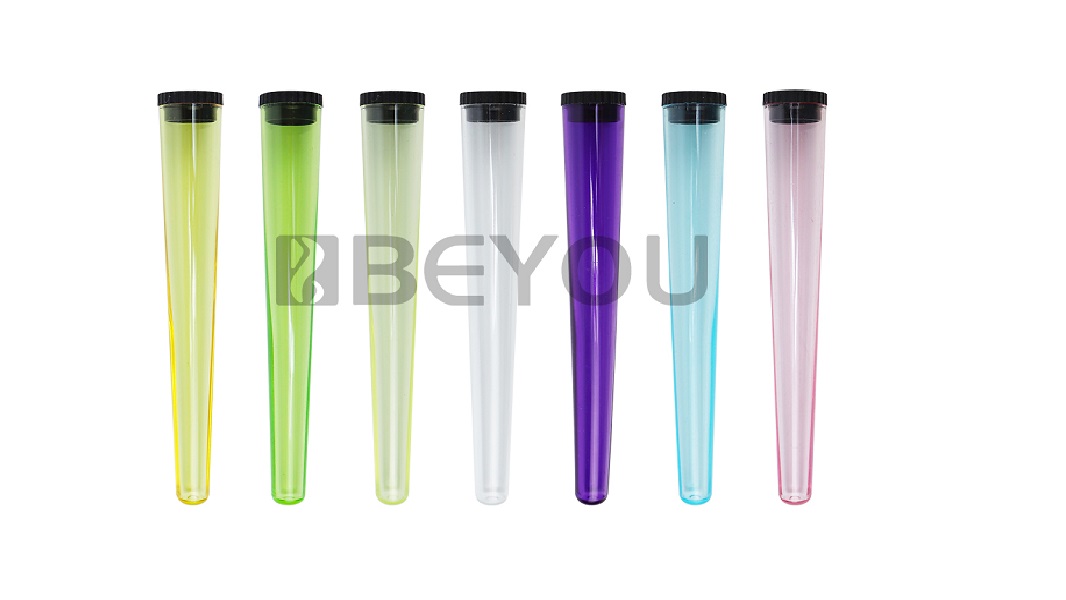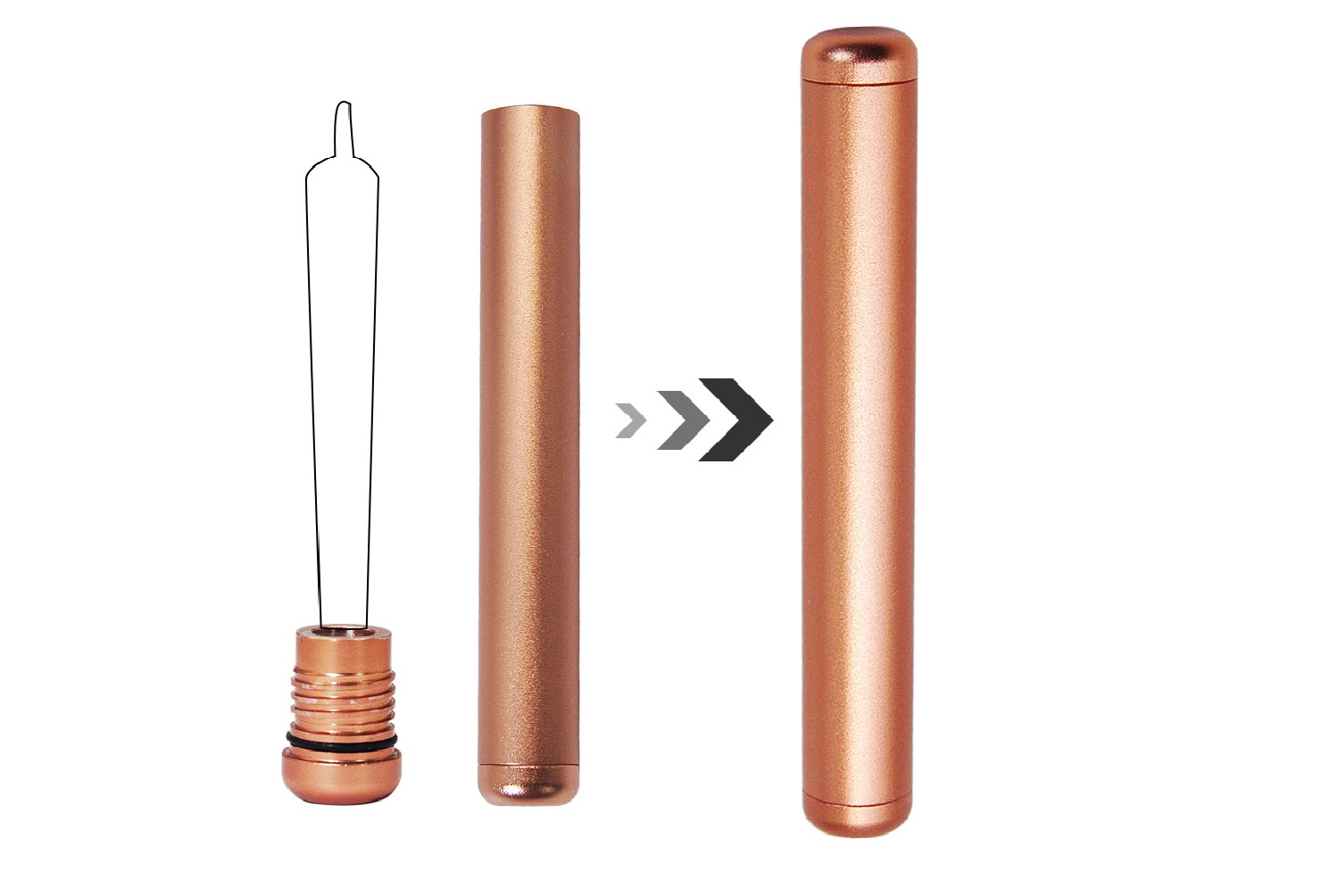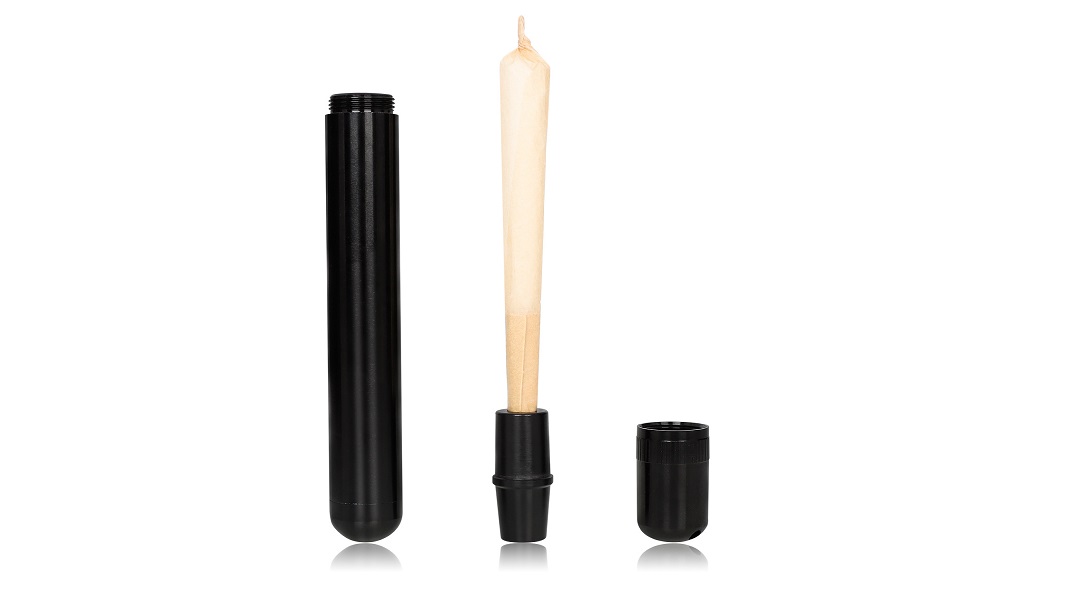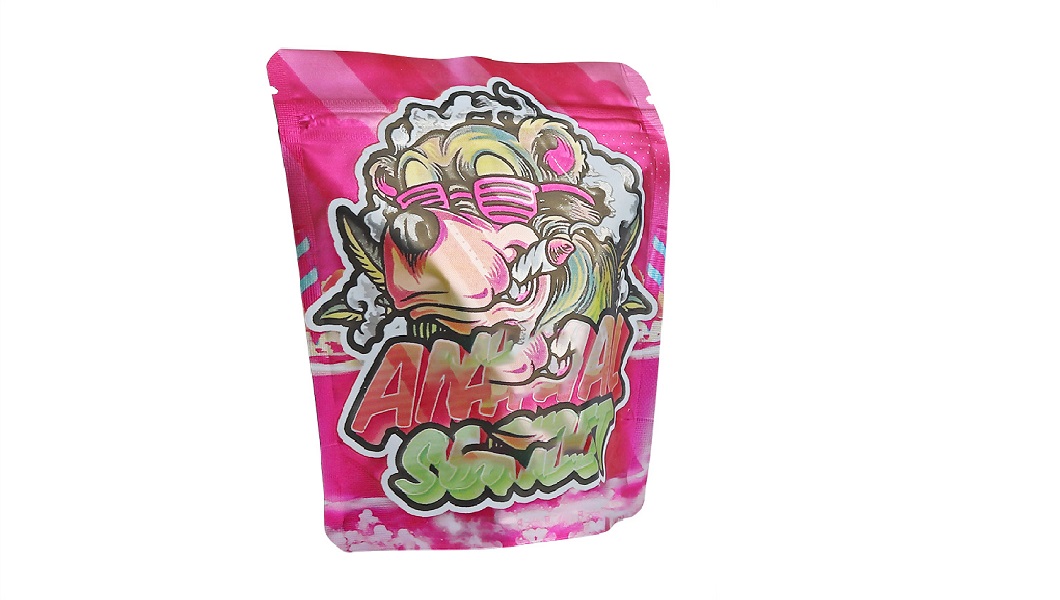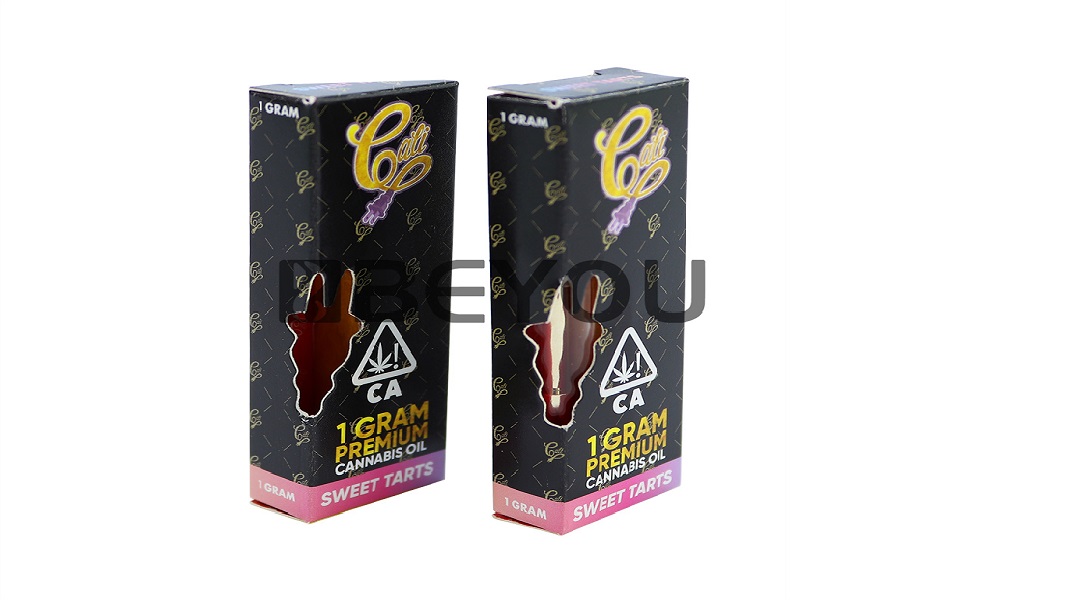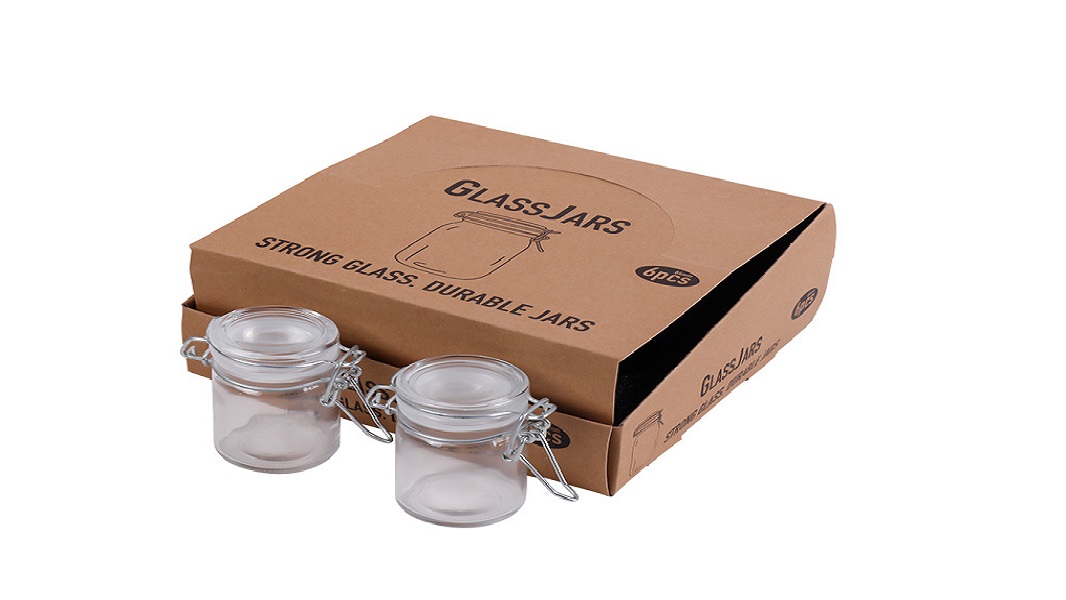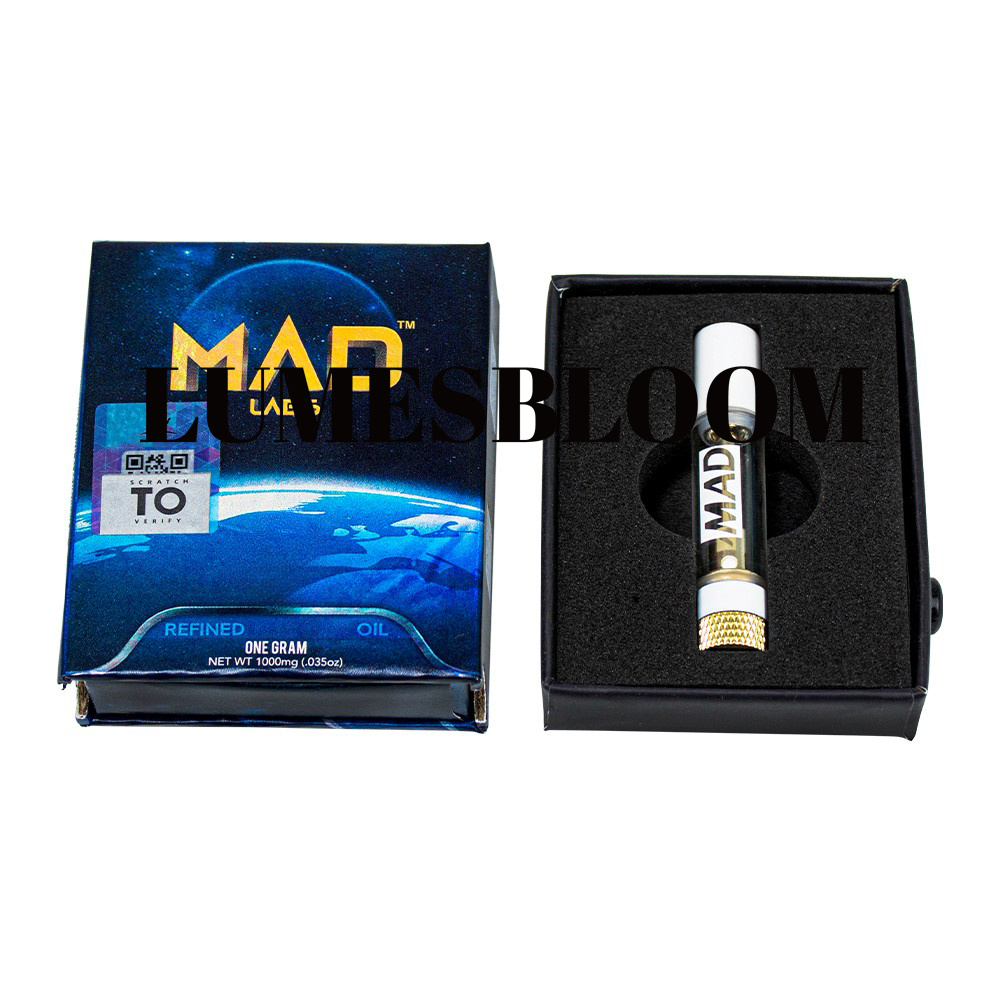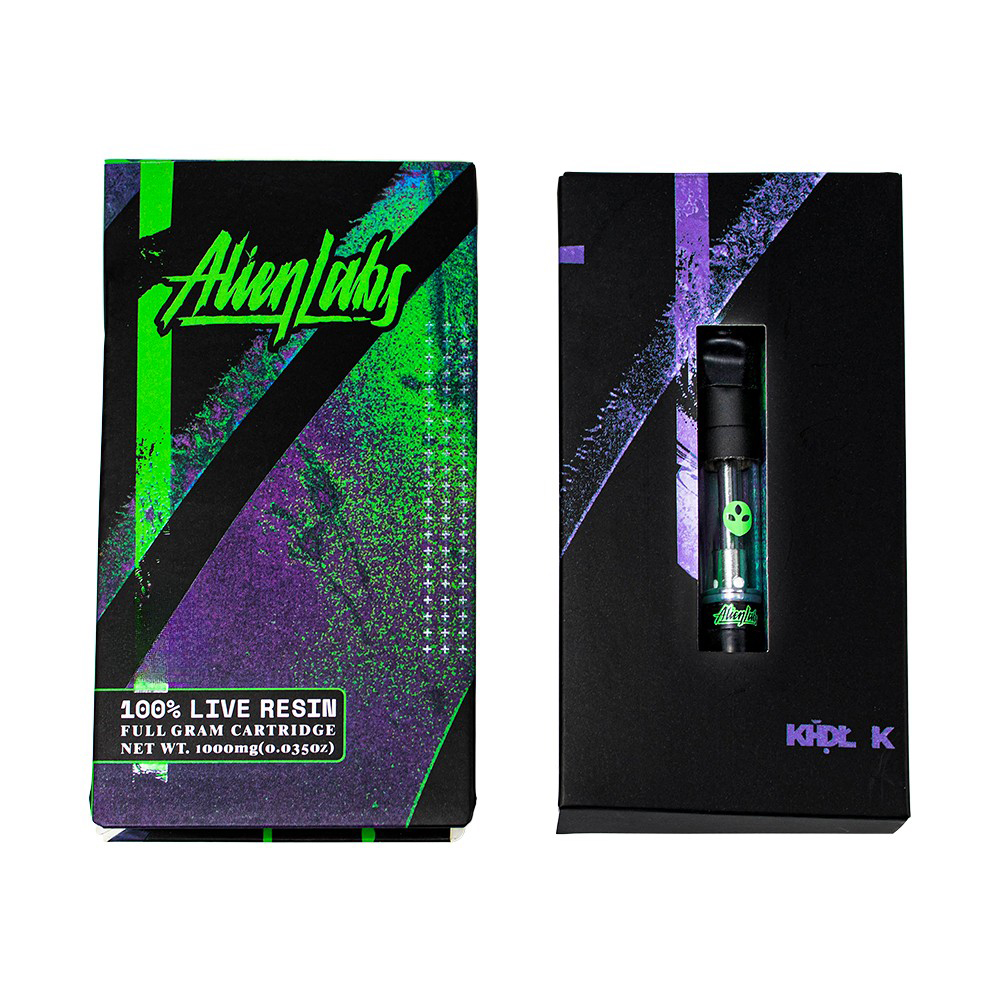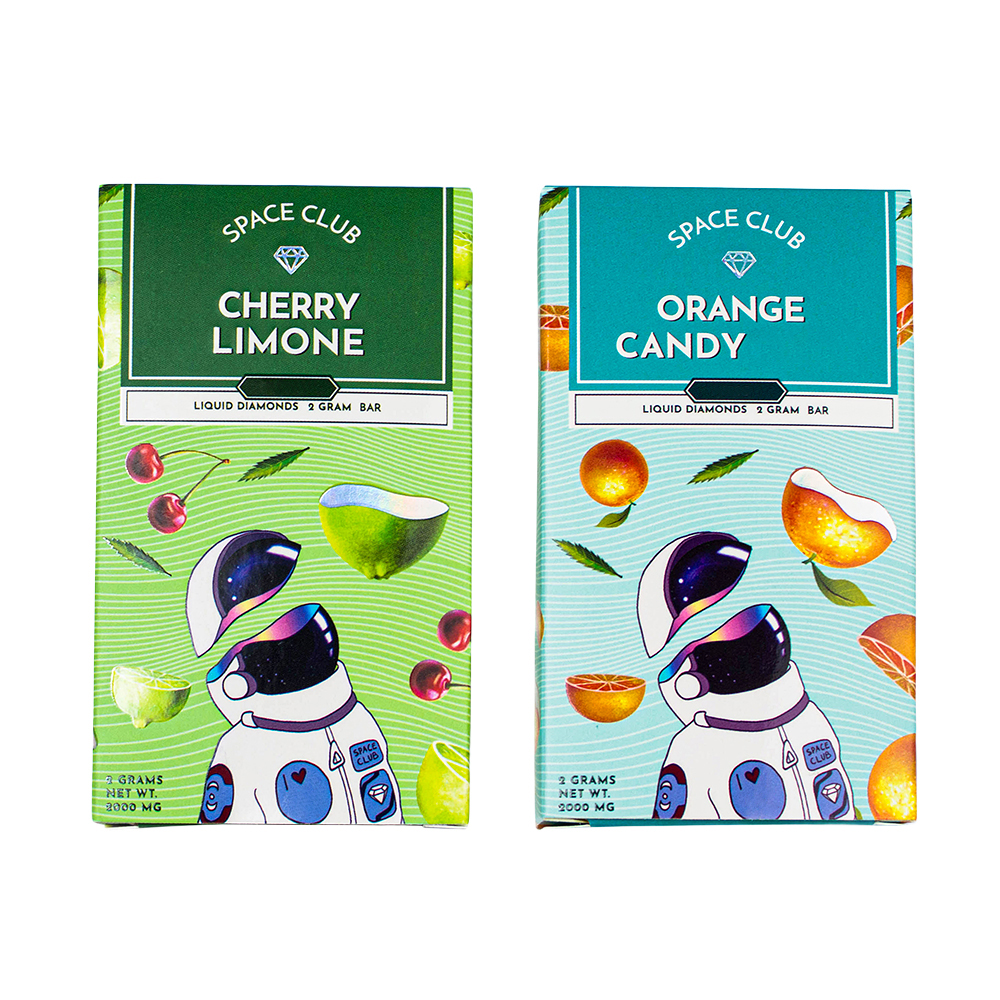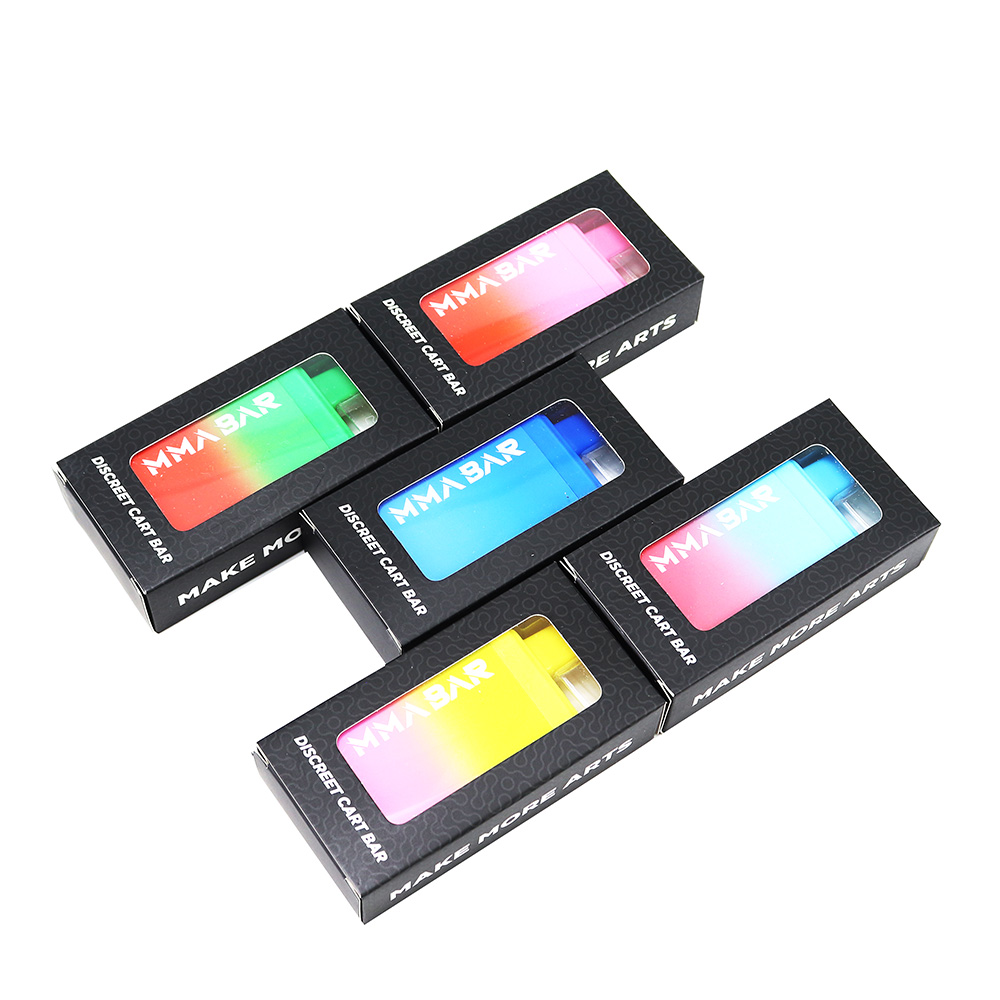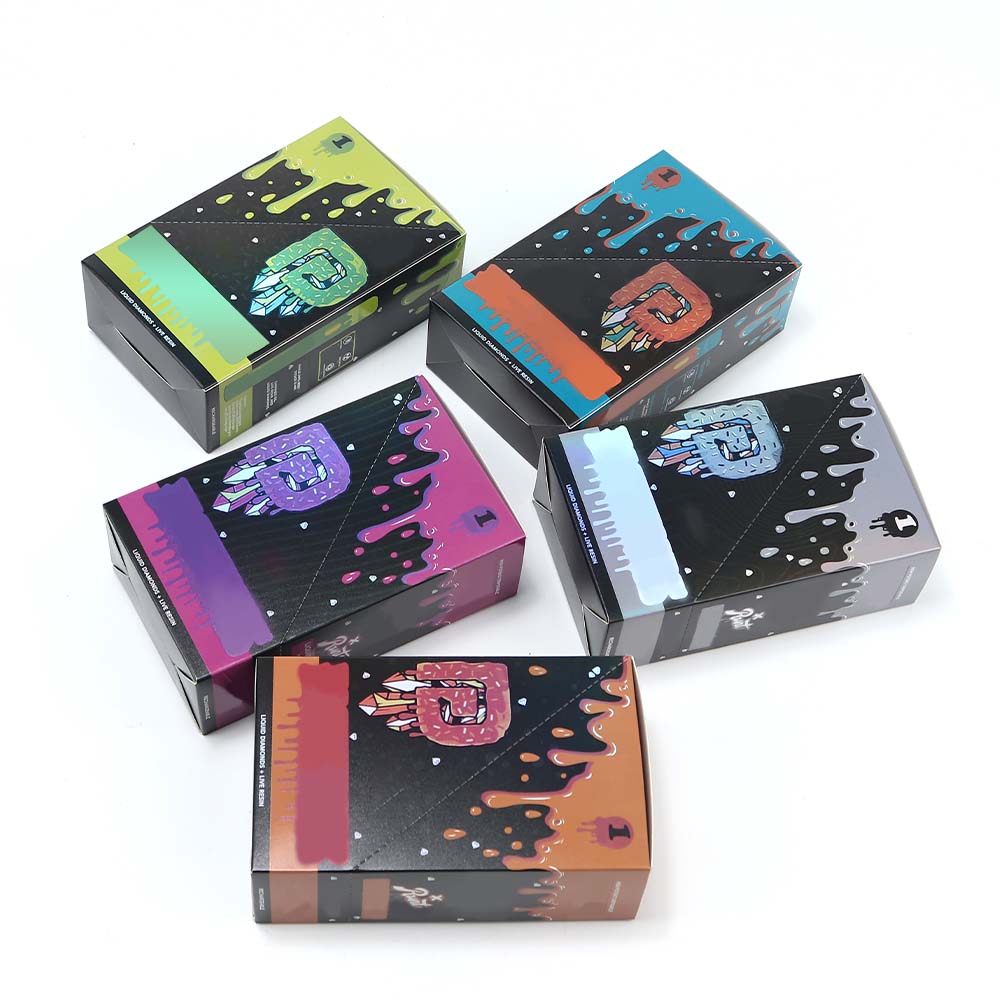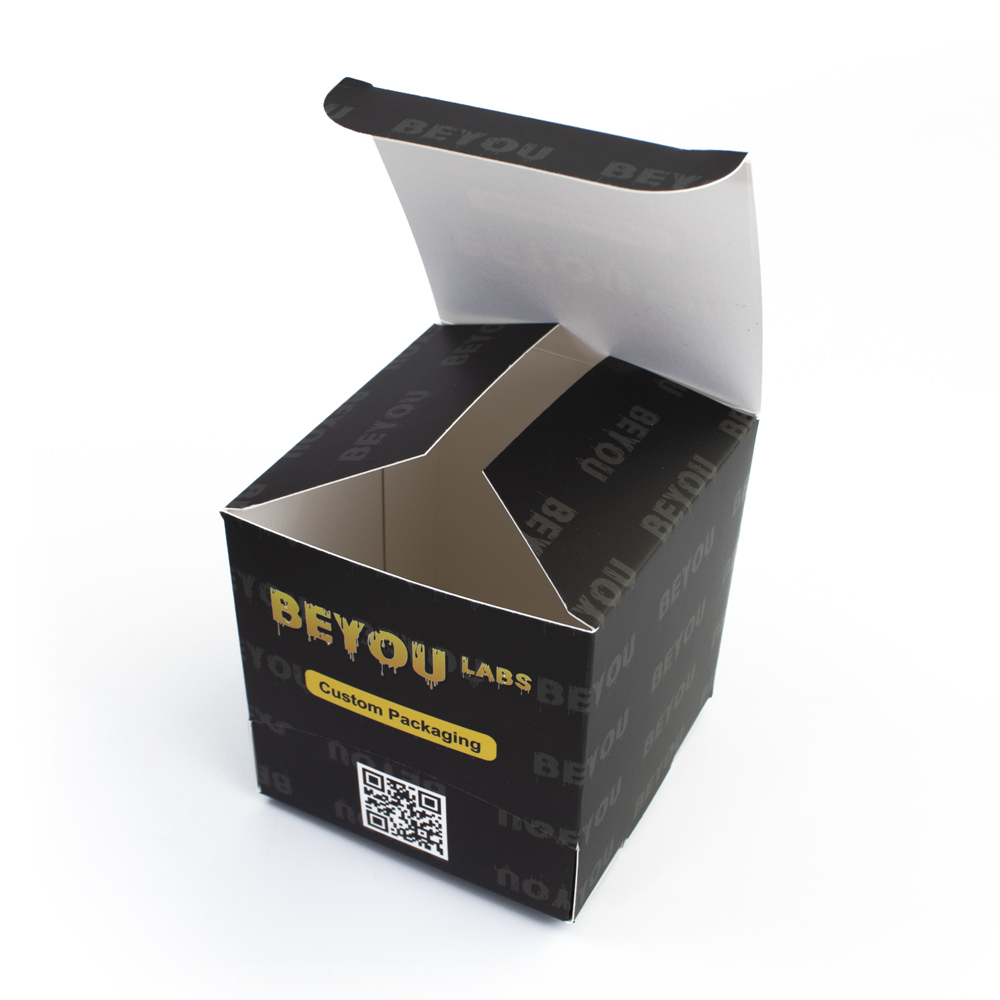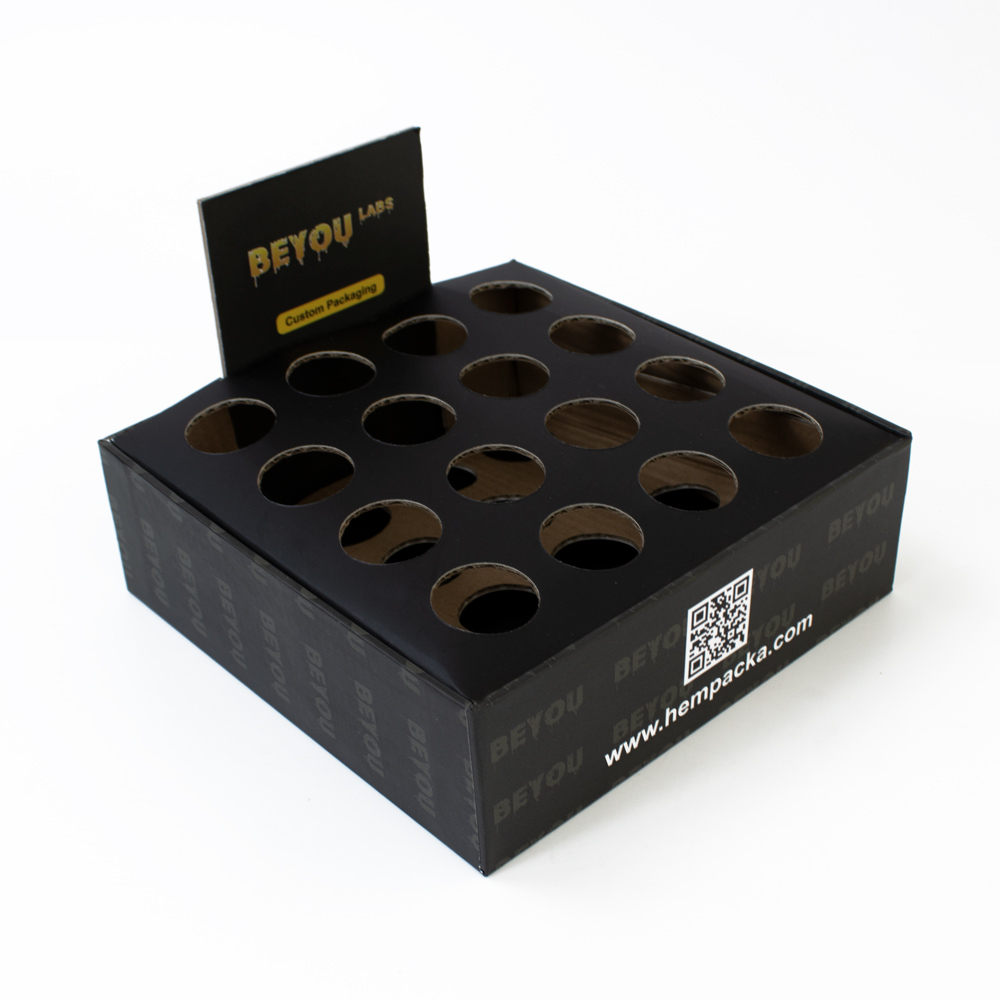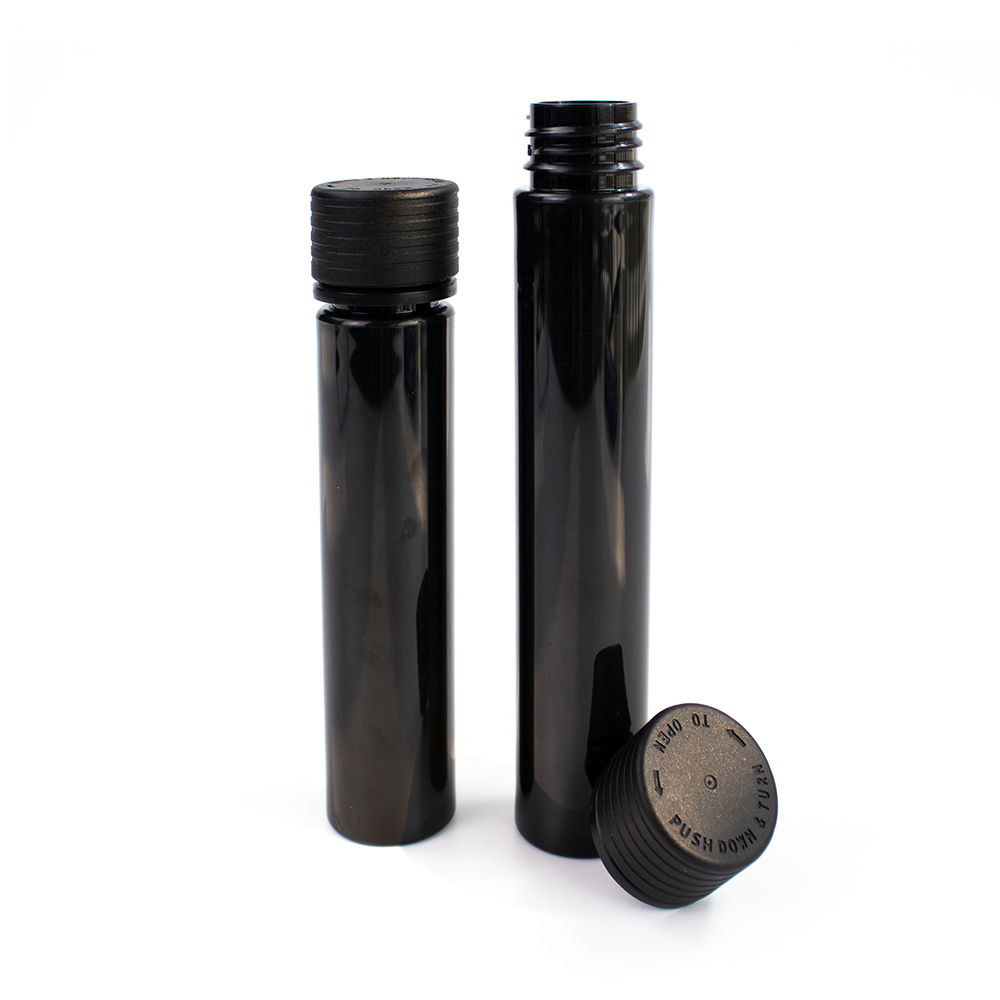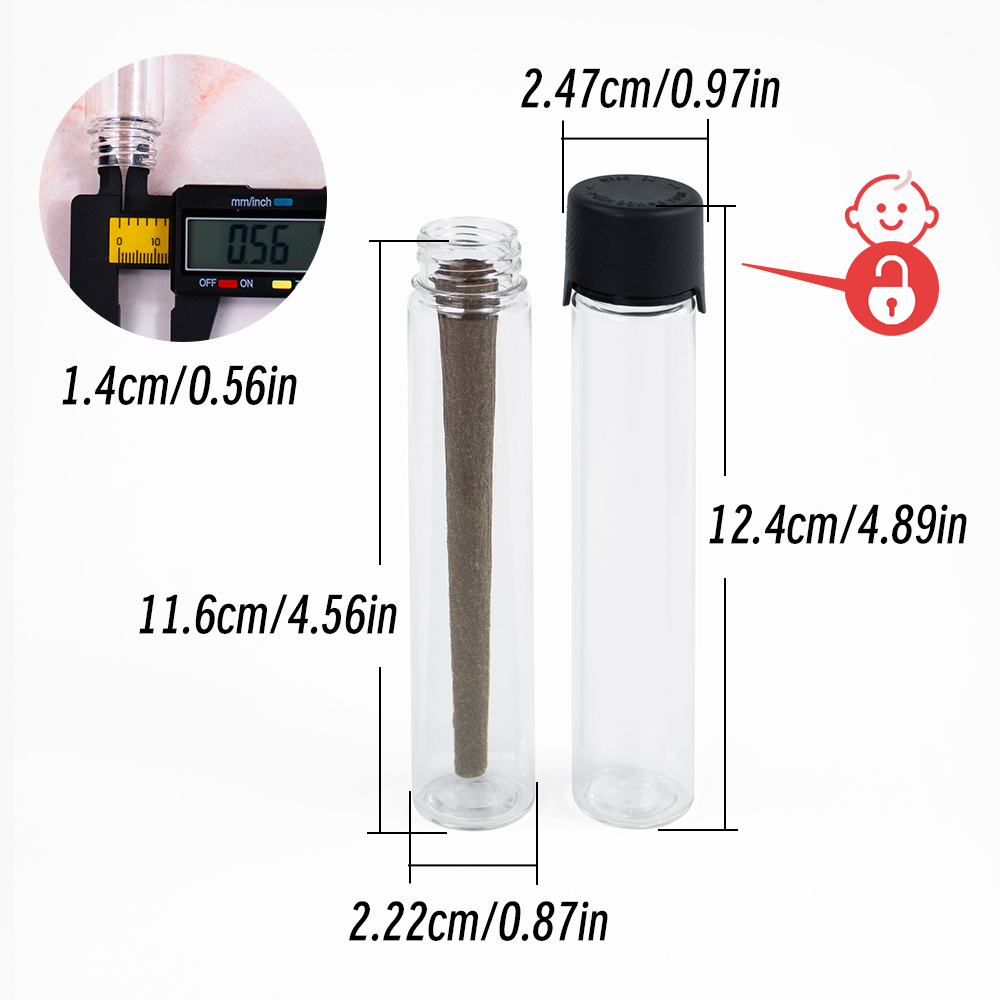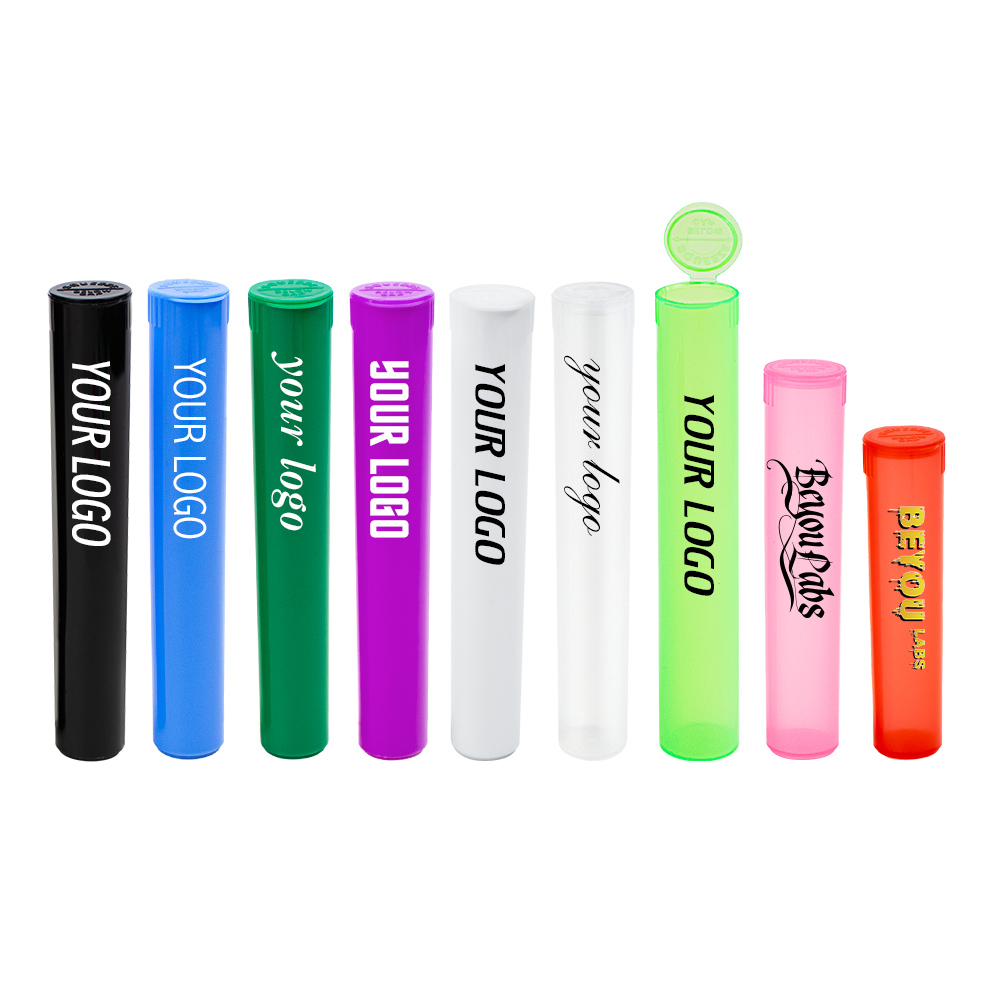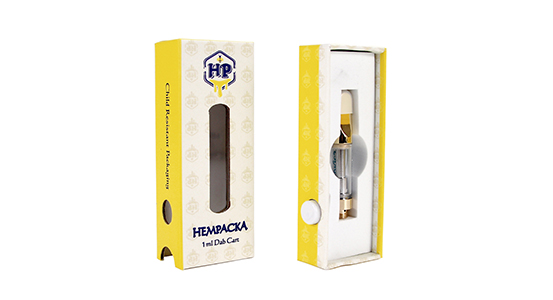
HEMPACKA Custom Logo Child Resistant Vape Cart Packaging Box
CALL : +86 18665993463 | PRICE BEAT GUARANTEE

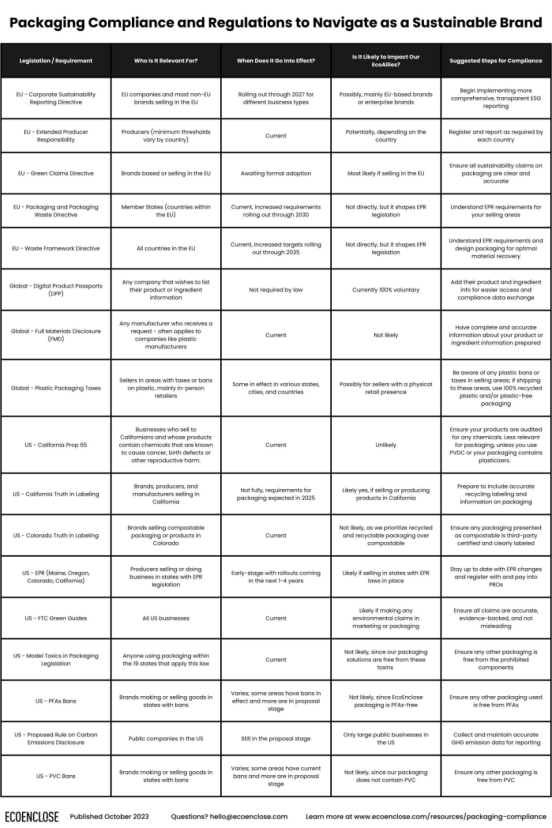
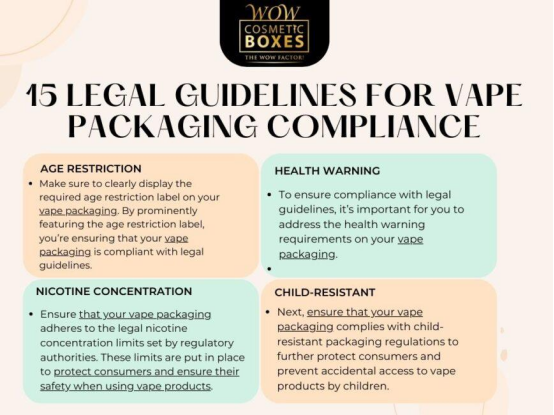
As smoking accessory products continue expanding globally,packaging compliance has become one of the most important factors for entering the US and European markets.
Modern regulations focus on:
✔consumer safety
✔environmental protection
✔child-resistant functionality
✔accurate labeling
✔material toxicity control
Non-compliant packaging can lead to:
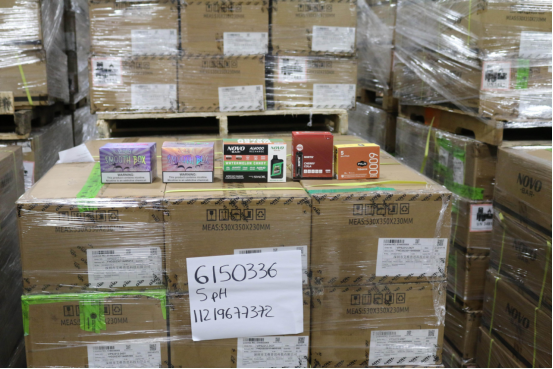
customs rejection
retail bans
legal penalties
product recalls
brand reputation damage
For manufacturers and exporters,understanding international packaging regulations is now essential for long-term growth.
Western countries increasingly regulate smoking accessory packaging in areas such as:
sustainable material usage
chemical migration safety
child protection
warning label visibility
recycling requirements
traceability systems
Governments are also tightening rules around:
plastics usage
heavy metals
misleading product claims
youth-oriented graphics
As a result,compliant packaging today must balance:
safety+legality+sustainability+branding
Most Western retailers require packaging to meet:
barcode placement standards
stackability requirements
shipping durability tests
display consistency
Common packaging structure requirements include:
✔crush resistance
✔sealed closures
✔tamper evidence
✔stable base dimensions
Child-resistant packaging is increasingly important in:
United States
Canada
European Union
Requirements often include:
push-and-turn caps
resealable locking systems
certified opening resistance tests
Child safety standards are especially strict for products containing oils,cartridges,or chemical-related accessories.

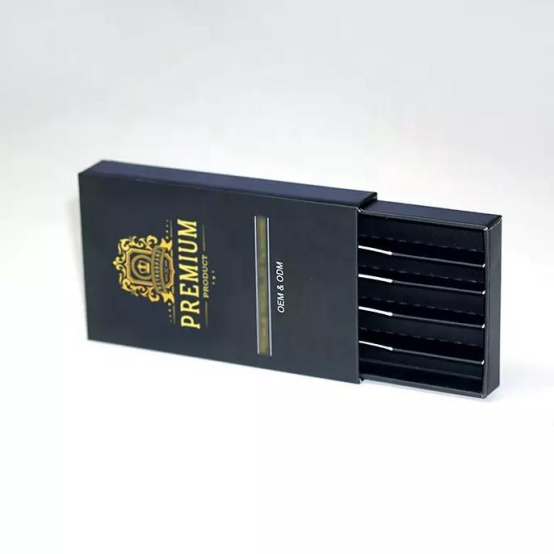
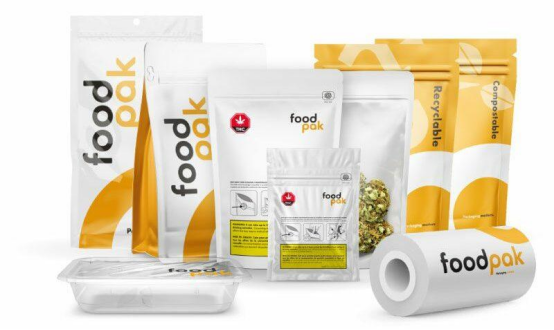
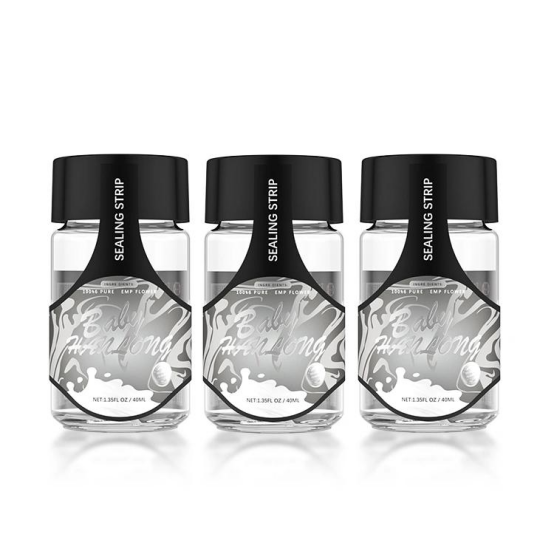
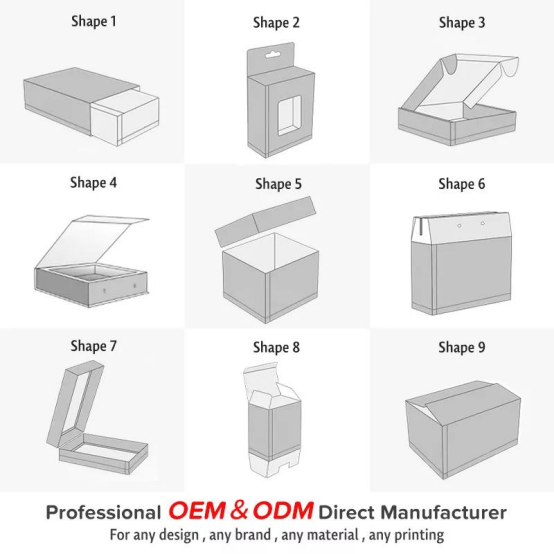
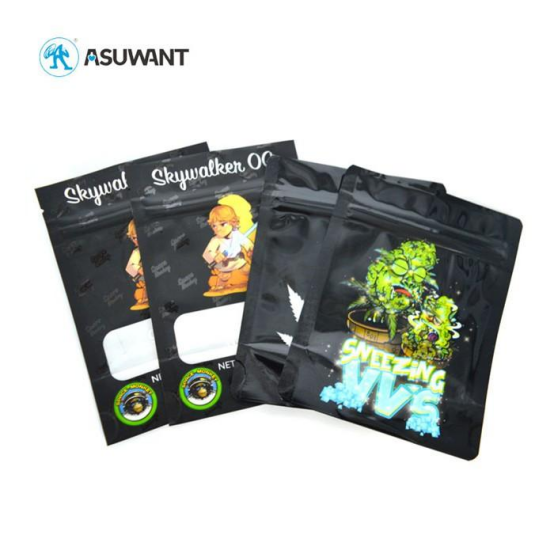

Packaging materials must avoid harmful substances such as:
BPA
lead
cadmium
phthalates
toxic printing solvents
Common approved materials include:
✔food-grade PET
✔PP plastic
✔borosilicate glass
✔FSC-certified paperboard
Many smoking accessories require packaging compatible with:
oils
concentrates
heat-sensitive products
aroma-sensitive materials
This means packaging must pass:
migration testing
odor neutrality testing
leak resistance testing
EU regulations are particularly strict regarding:
ink composition
plastic additives
heavy metal contamination
California Proposition 65 also requires warnings if certain chemicals are present.

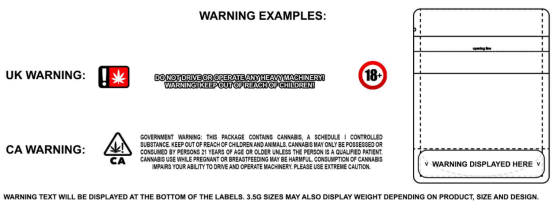
Most markets require packaging labels to include:
manufacturer information
material composition
country of origin
batch or lot number
recycling symbols
Required warning labels vary by region but may include:
choking hazard warnings
age restriction notices
chemical exposure statements
usage instructions
Font size and visibility standards are often regulated.
Retailers increasingly require:
✔GS1-compliant barcodes
✔QR traceability systems
✔SKU consistency
✔anti-counterfeit tracking
Traceability improves supply chain transparency and recall management.
Compliance Area | European Union | United States |
Material Restrictions | Very strict on chemicals | Moderate–strict |
BPA Restrictions | Widely restricted | State-dependent |
Child-Resistant Packaging | Increasingly required | Strongly enforced |
Sustainability Rules | Aggressive recycling targets | Varies by state |
Warning Labeling | Standardized in many regions | State-specific variations |
Traceability Systems | Expanding rapidly | Retailer-driven |
Packaging Waste Regulation | Highly regulated | Moderate |
Country | Key Packaging Focus |
USA | Child safety+warning labels |
UK | Sustainability+recycling |
Germany | Material compliance+waste reduction |
France | Eco-design+labeling clarity |
Netherlands | Sustainable packaging innovation |
The most common export problems include:
❌missing warning labels
❌non-certified materials
❌incorrect recycling symbols
❌oversized packaging dimensions
❌poor child-resistant performance
❌non-compliant inks or adhesives
Even small compliance failures can delay customs clearance.
Manufacturers targeting Western markets should:
✔use certified food-grade materials
✔conduct migration testing
✔standardize label formatting
✔verify barcode compliance
✔partner with compliance laboratories
✔monitor regional regulation updates
Packaging compliance should be integrated during product development—not after production.
It reduces accidental access and is legally required in many Western markets.
Food-grade PET,PP plastic,borosilicate glass,and FSC-certified paper.
Yes,especially in the US and Europe.
Keeping up with constantly changing regulations across countries.
Absolutely—especially in Europe.
Yes.Customs authorities can reject or recall products.
As the smoking accessories industry becomes increasingly globalized,compliant packaging is no longer optional—it is a fundamental requirement for entering and scaling within the US and European markets��
Successful packaging today must combine:
legal compliance
material safety
sustainability
traceability
consumer-friendly labeling
Brands that proactively invest in compliant packaging systems gain stronger retailer trust,smoother exports,and long-term competitive advantages in the international market.