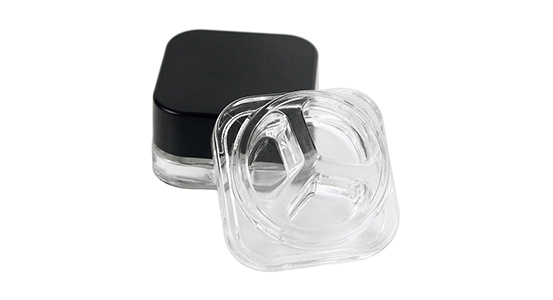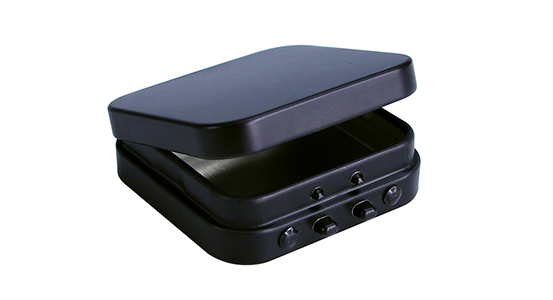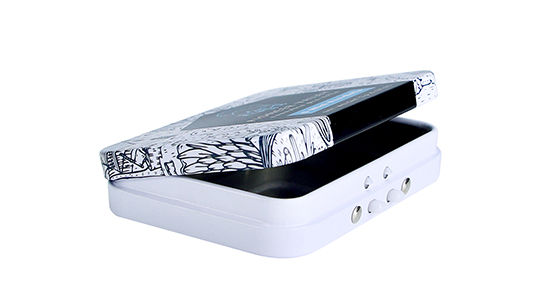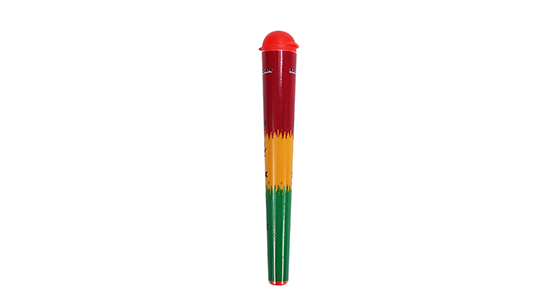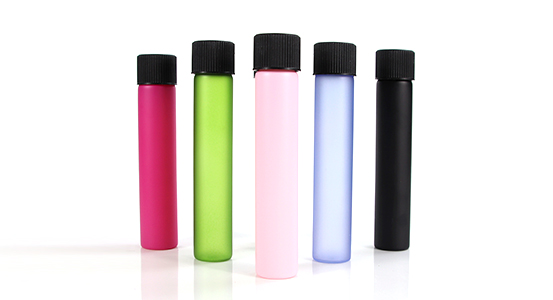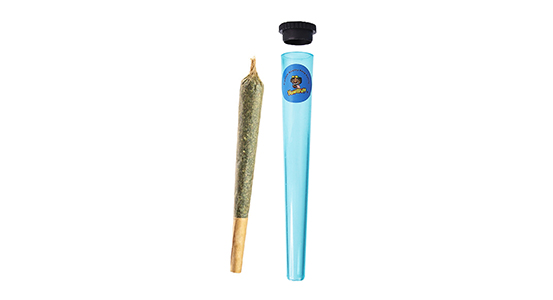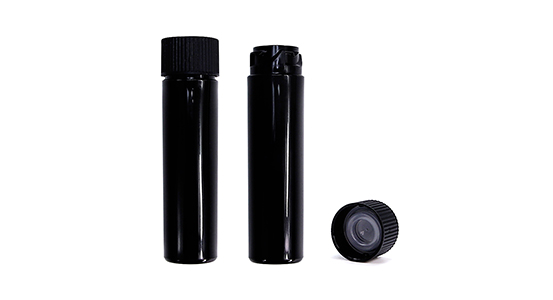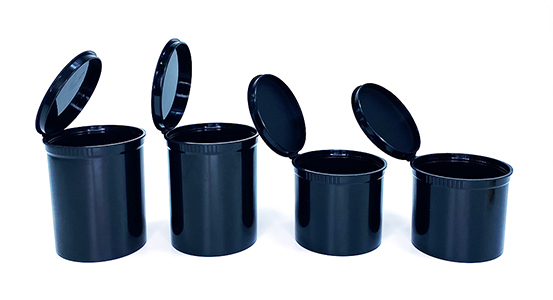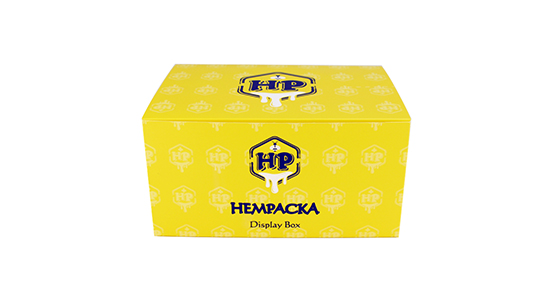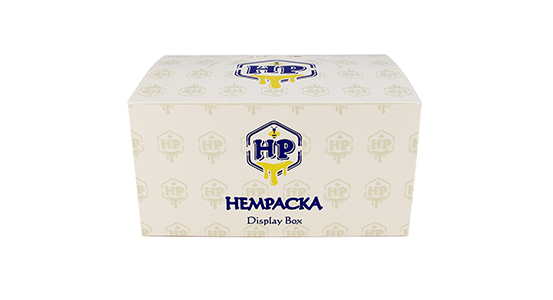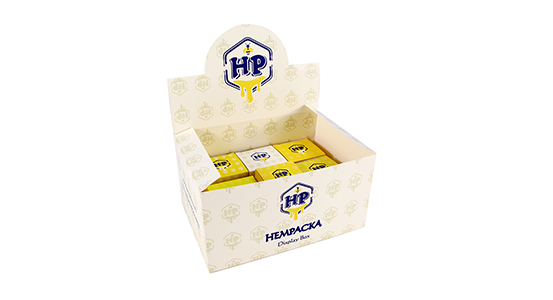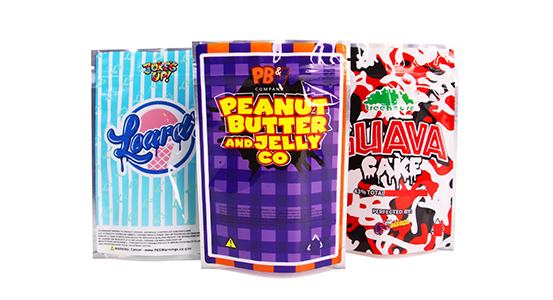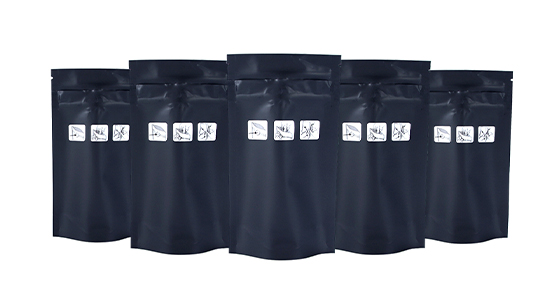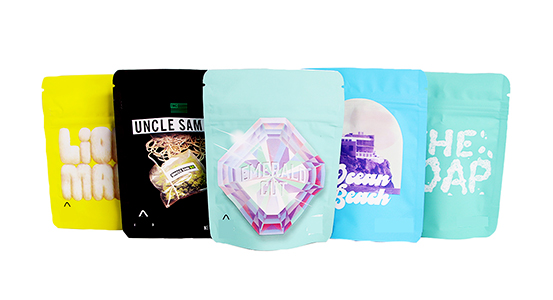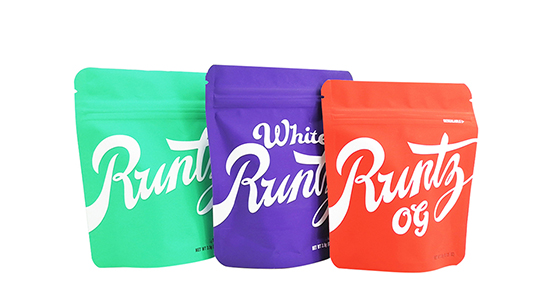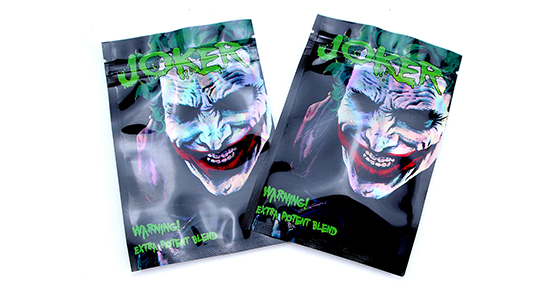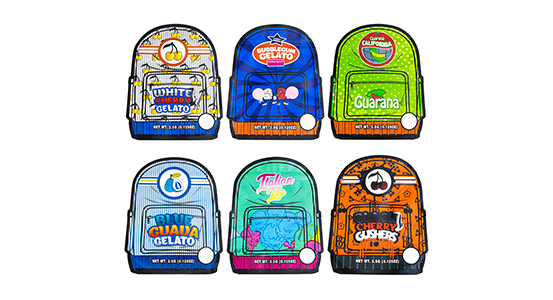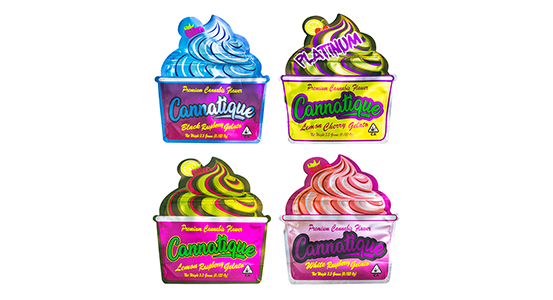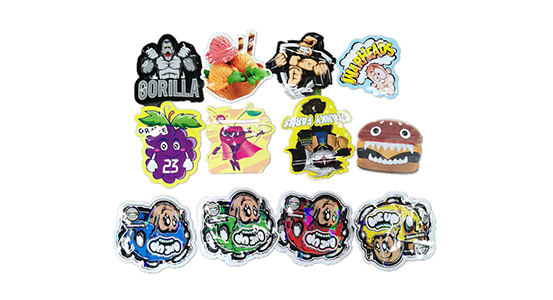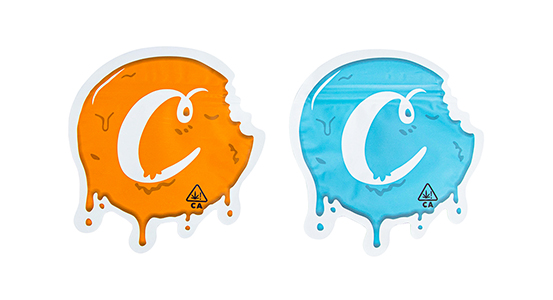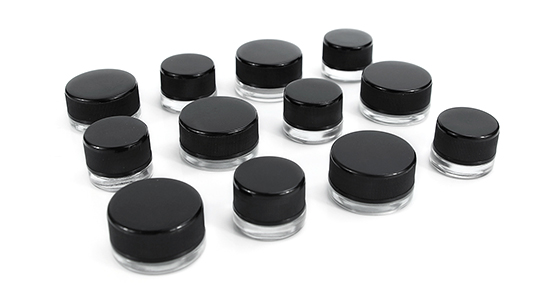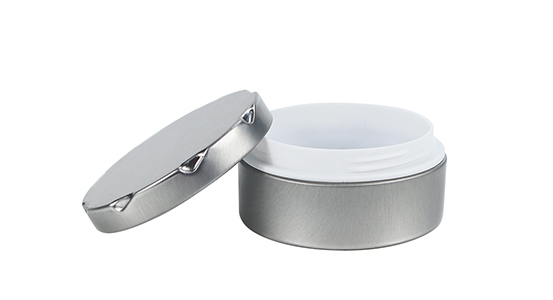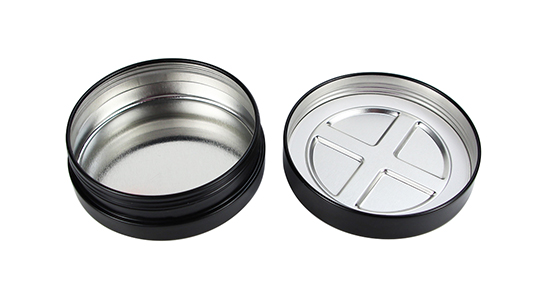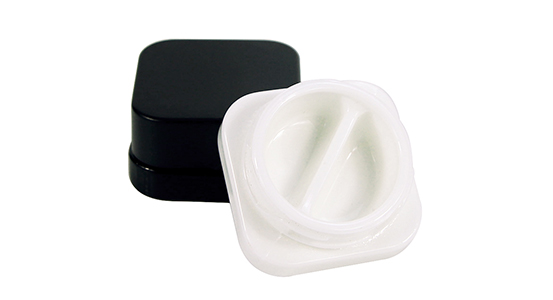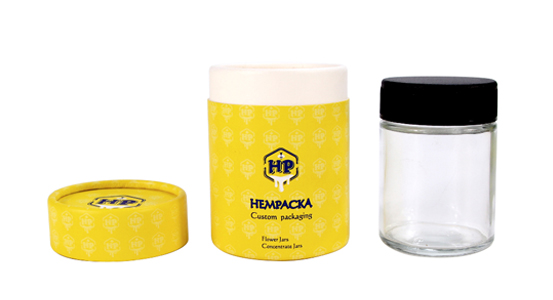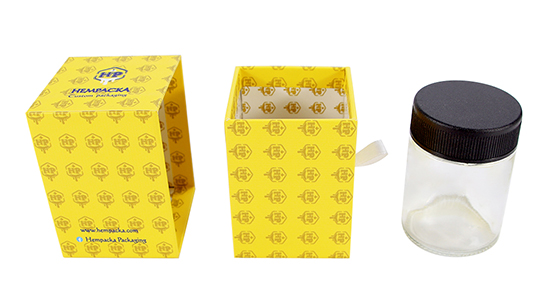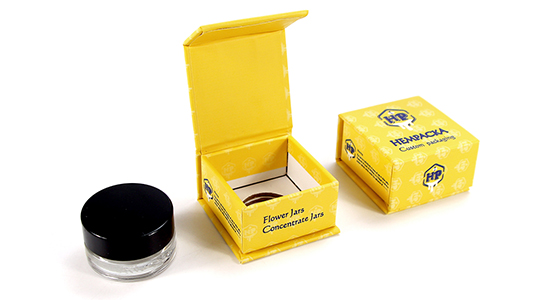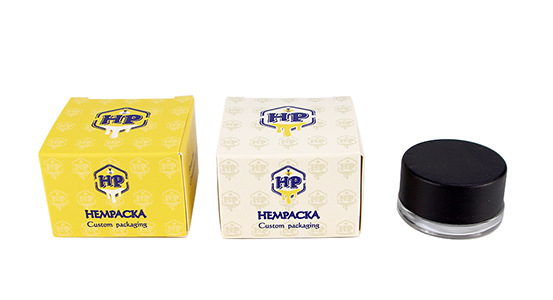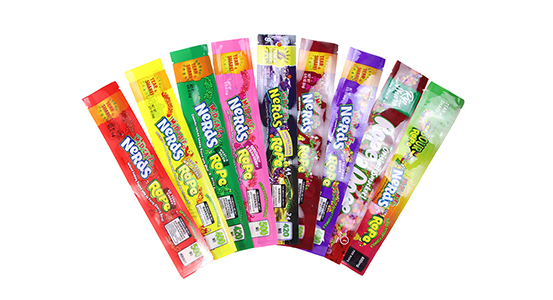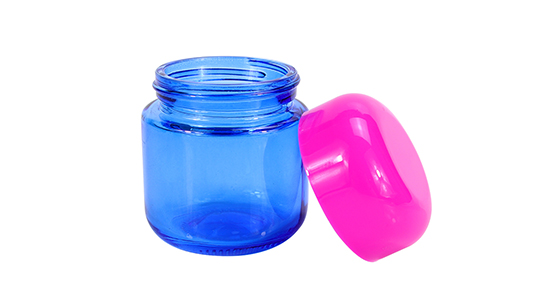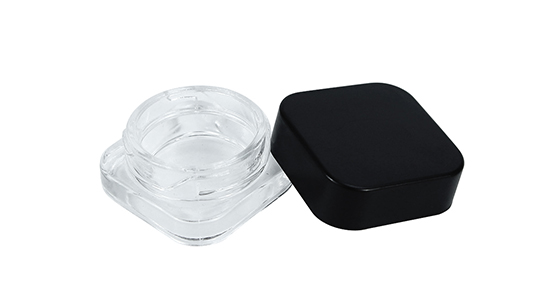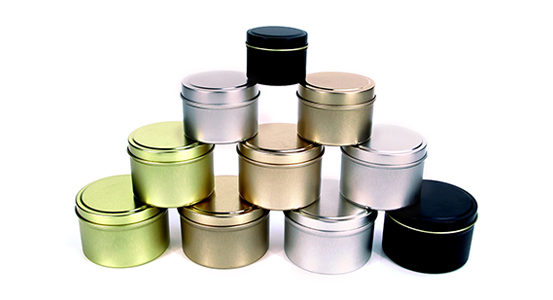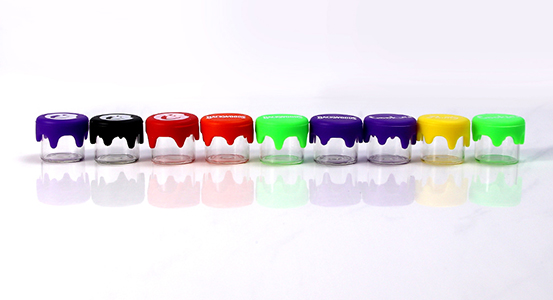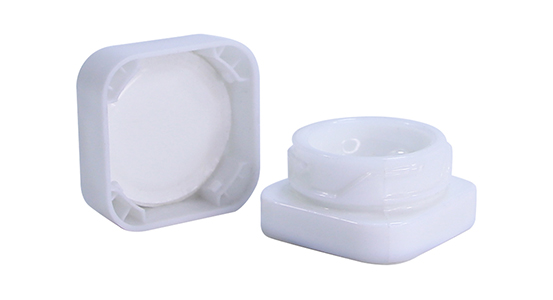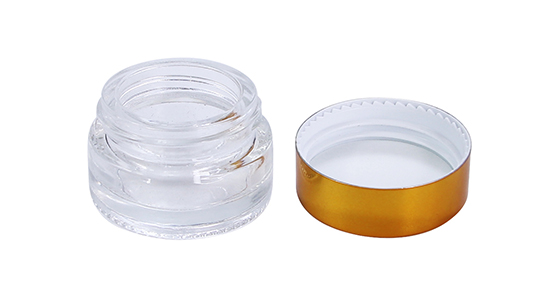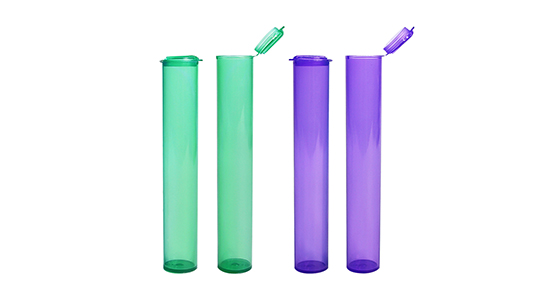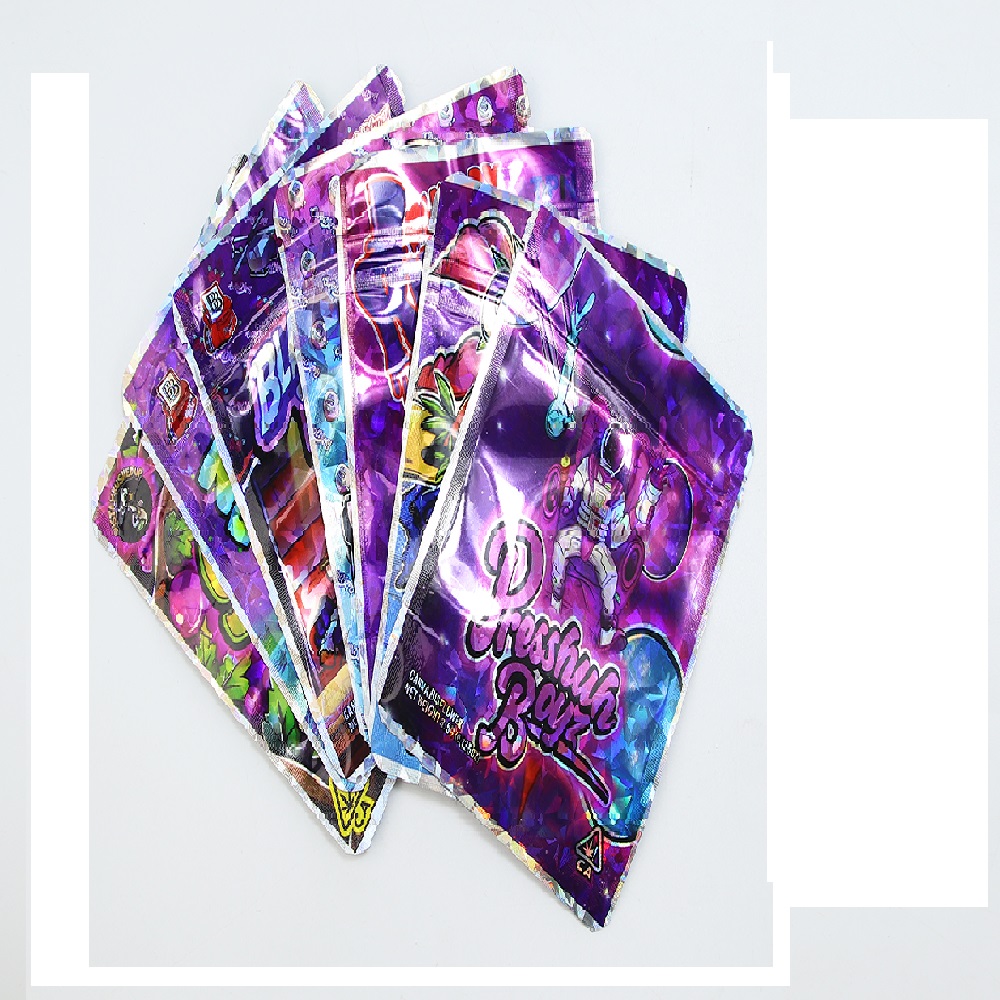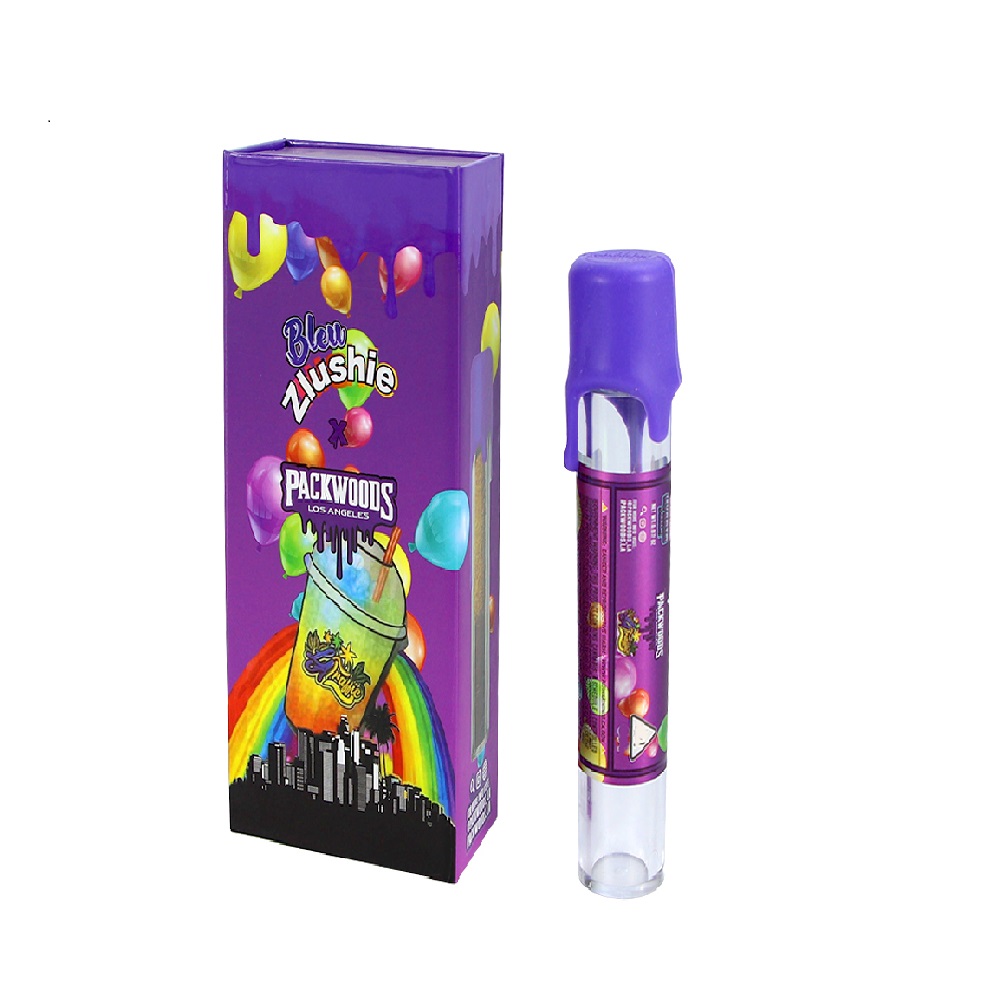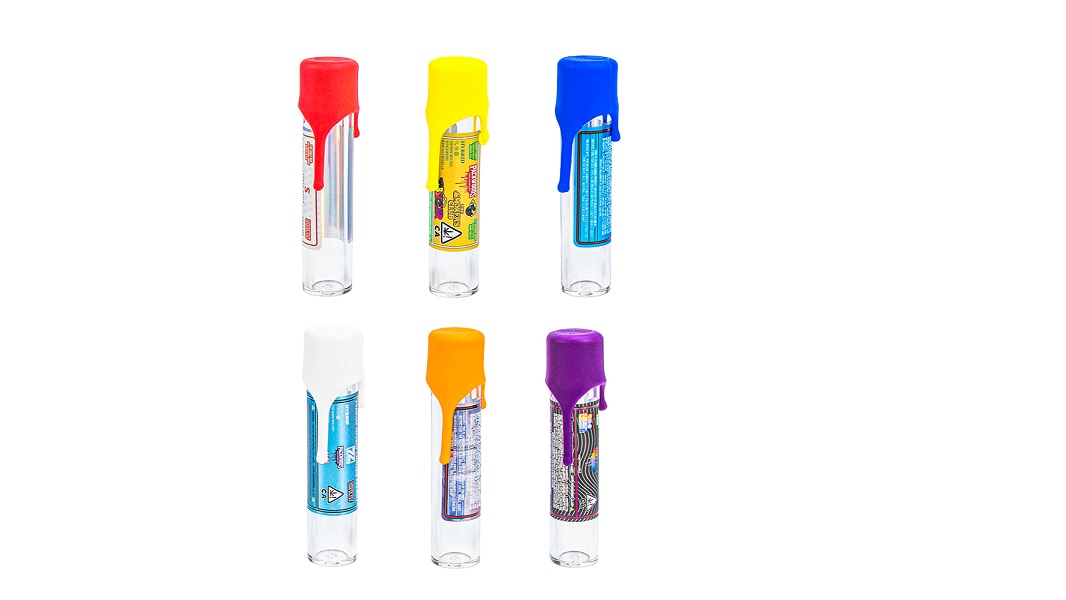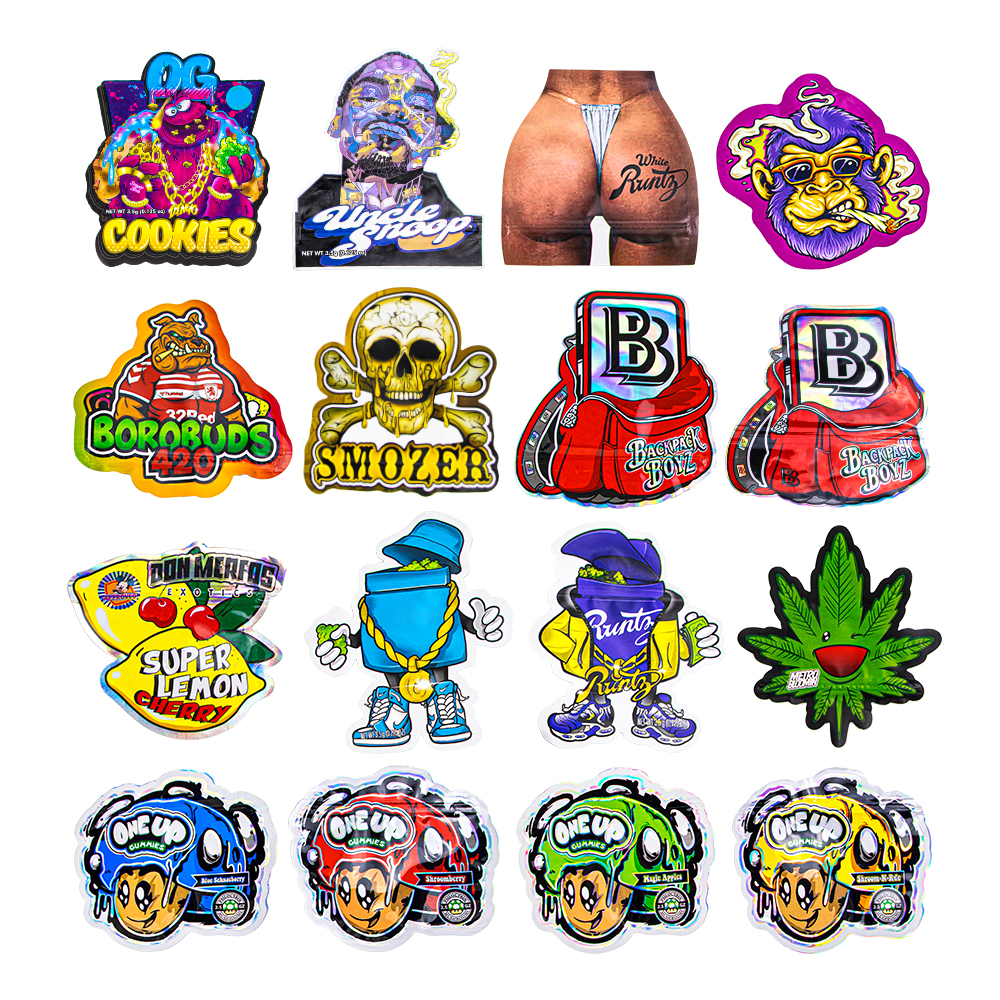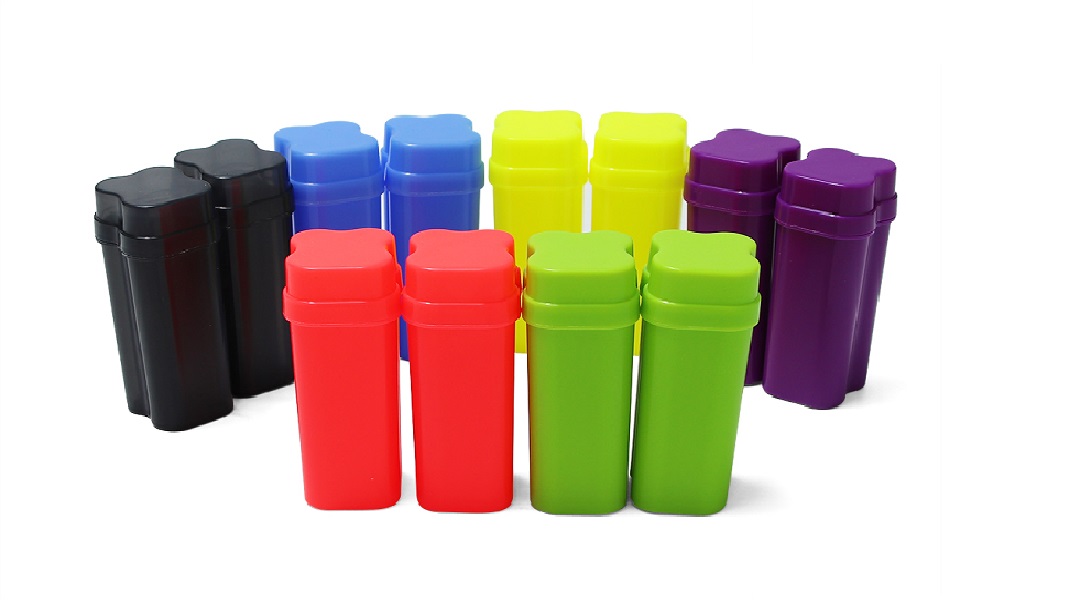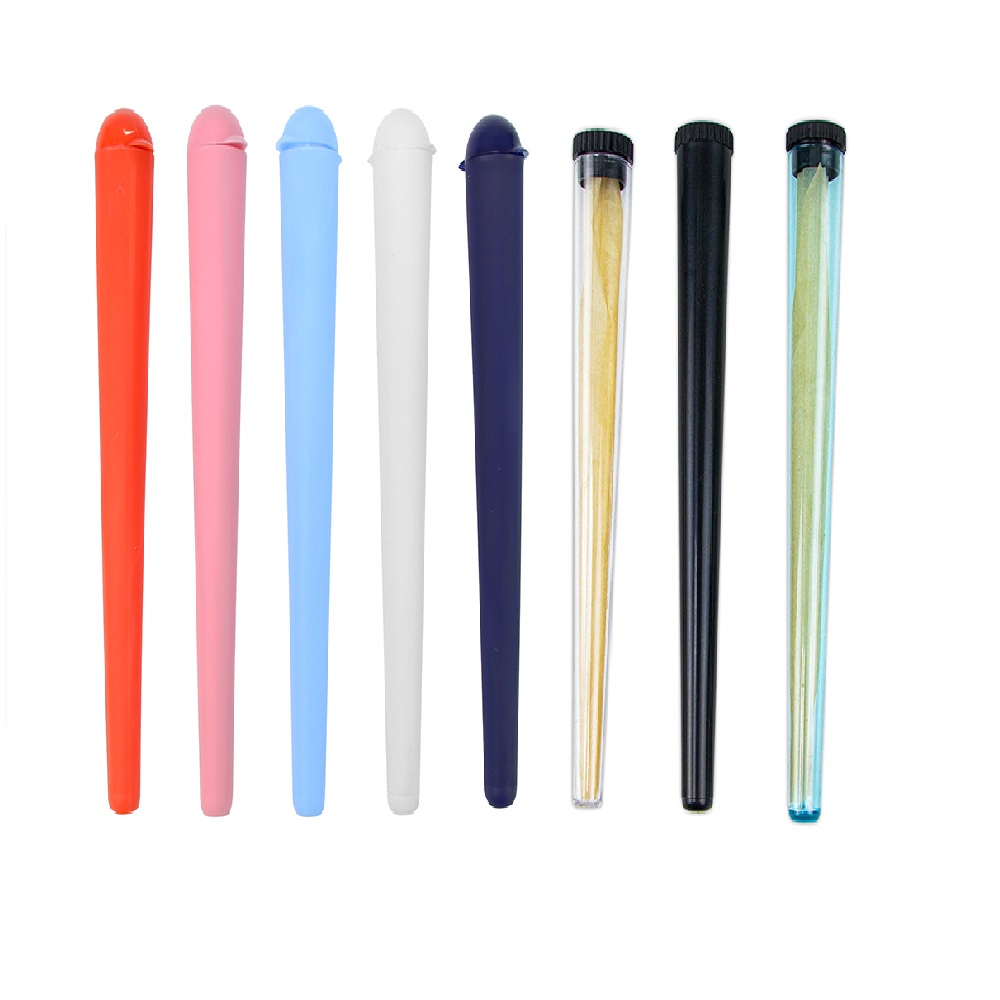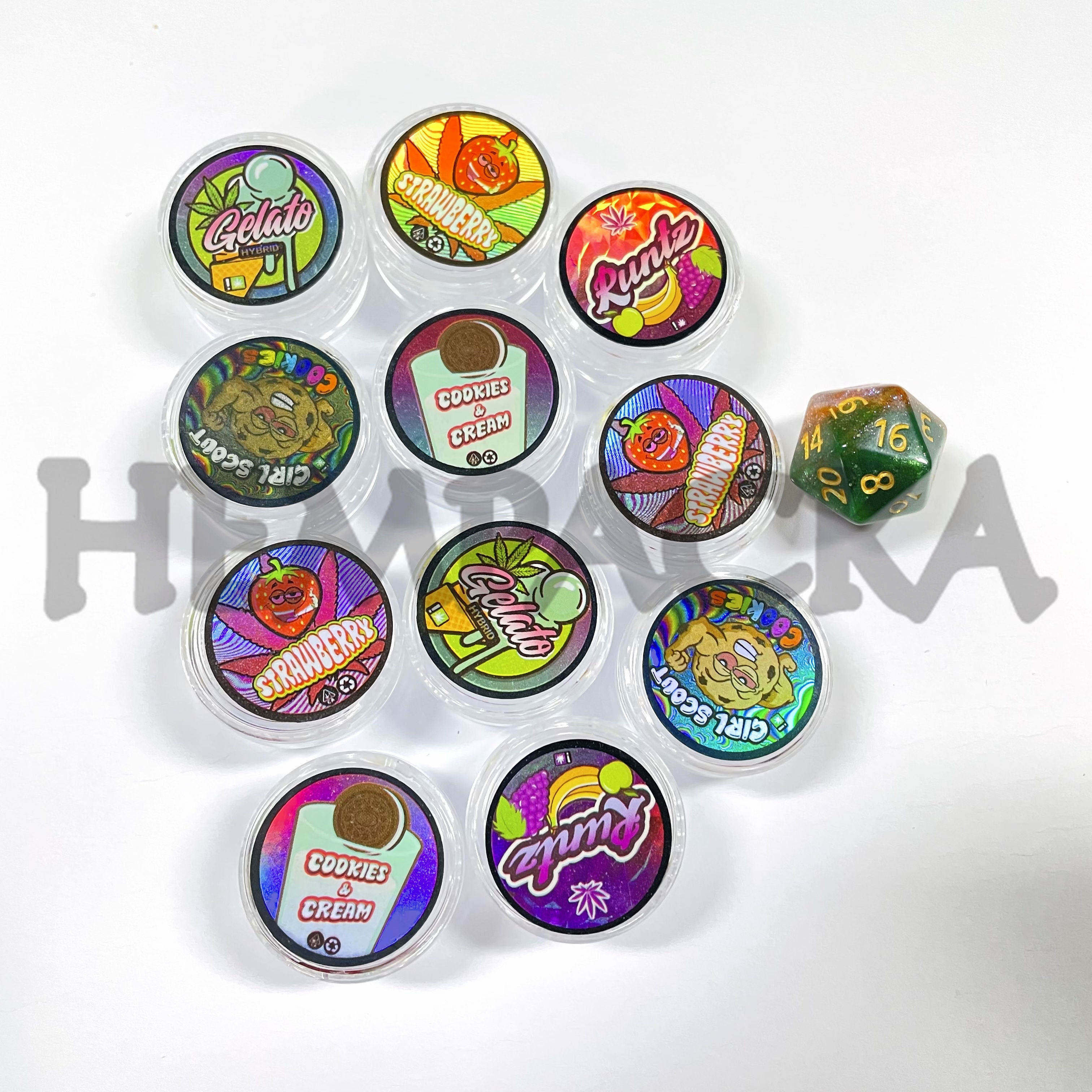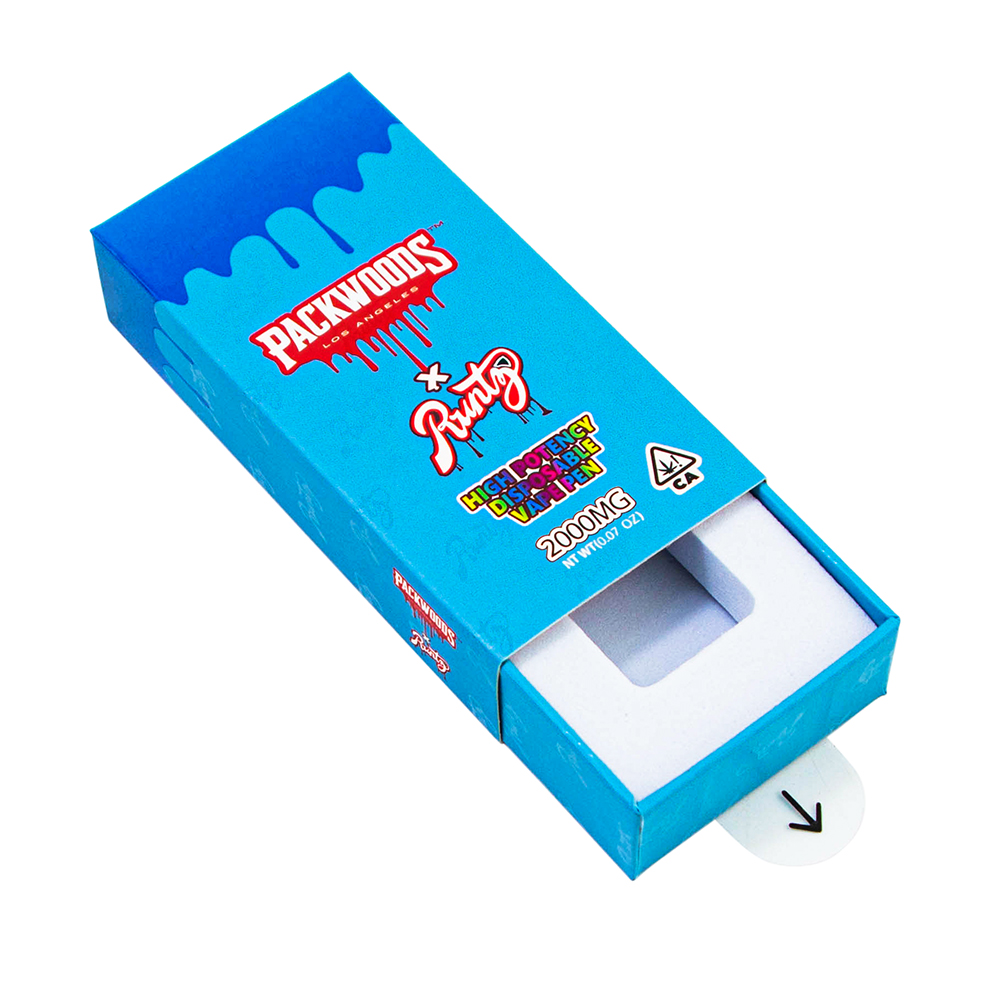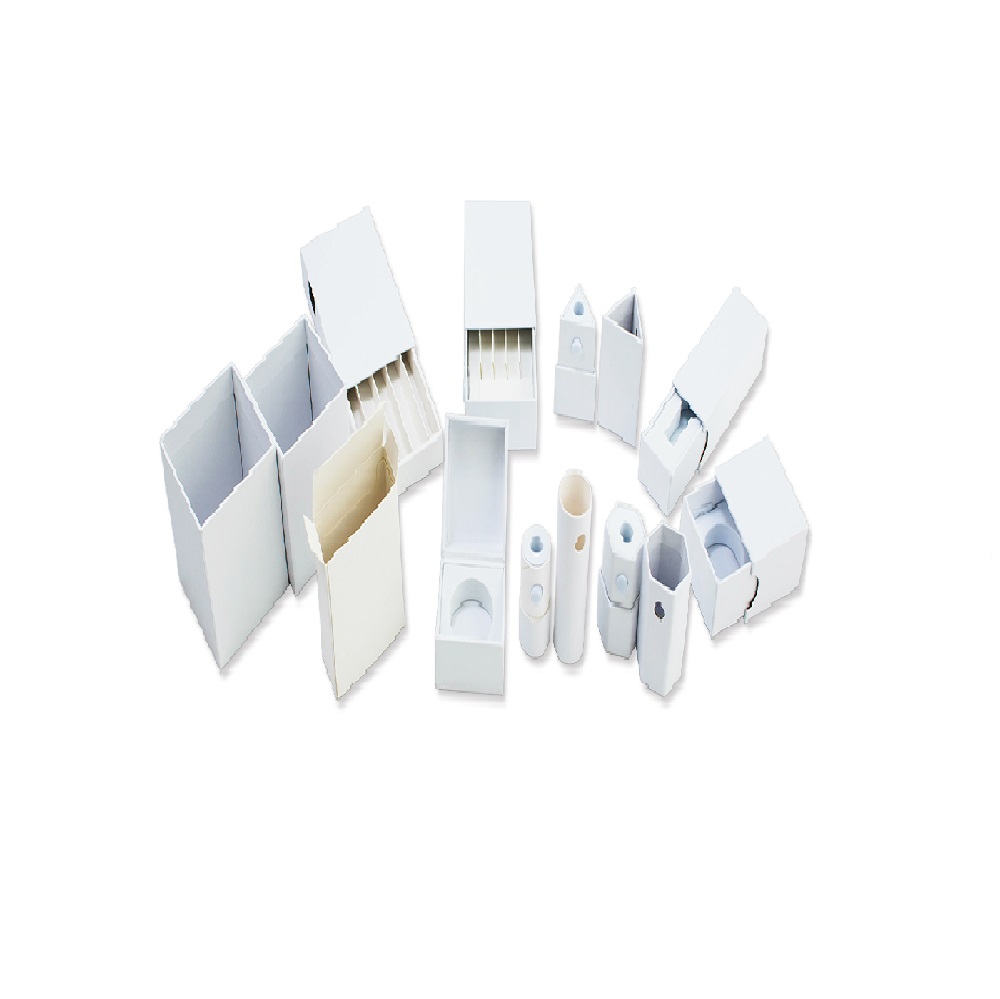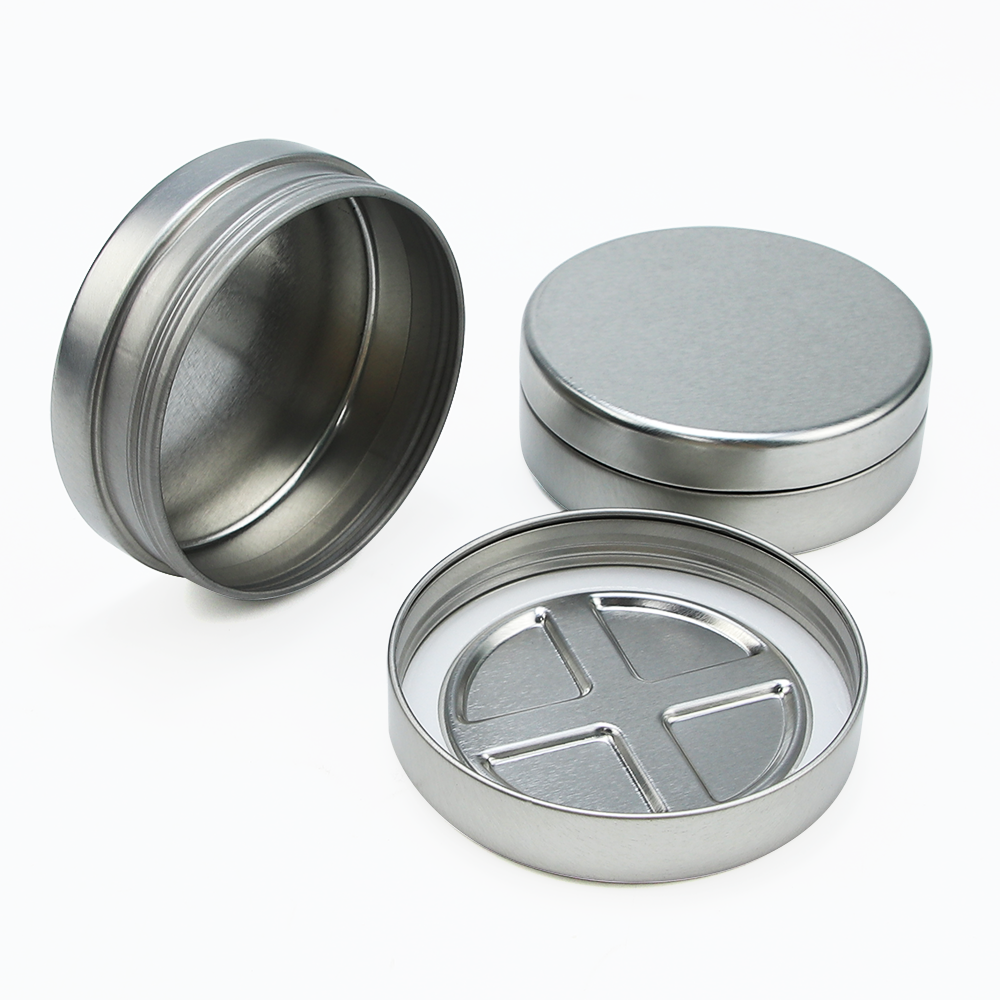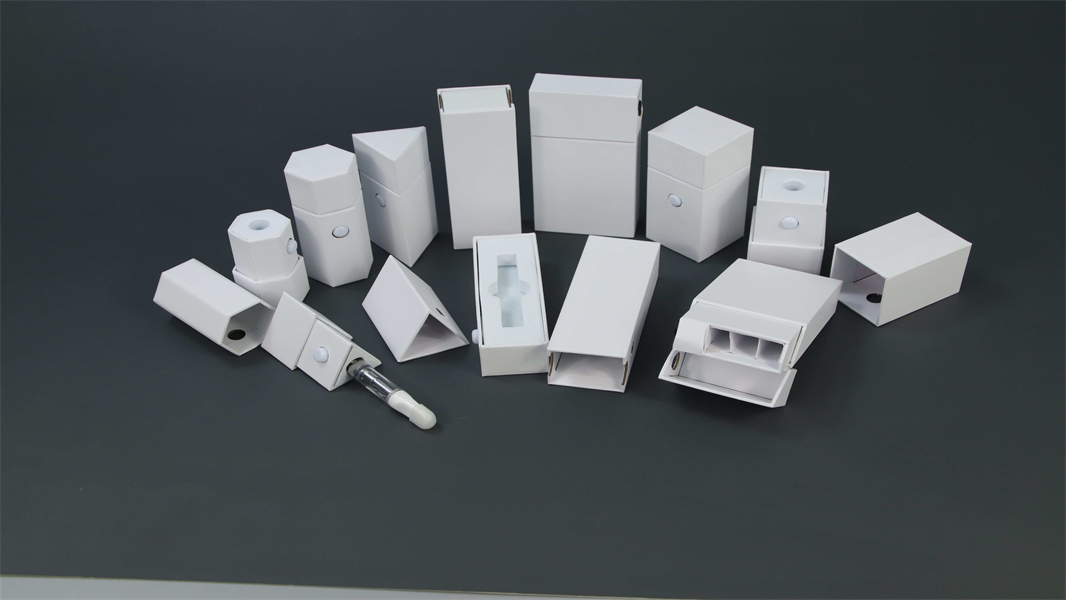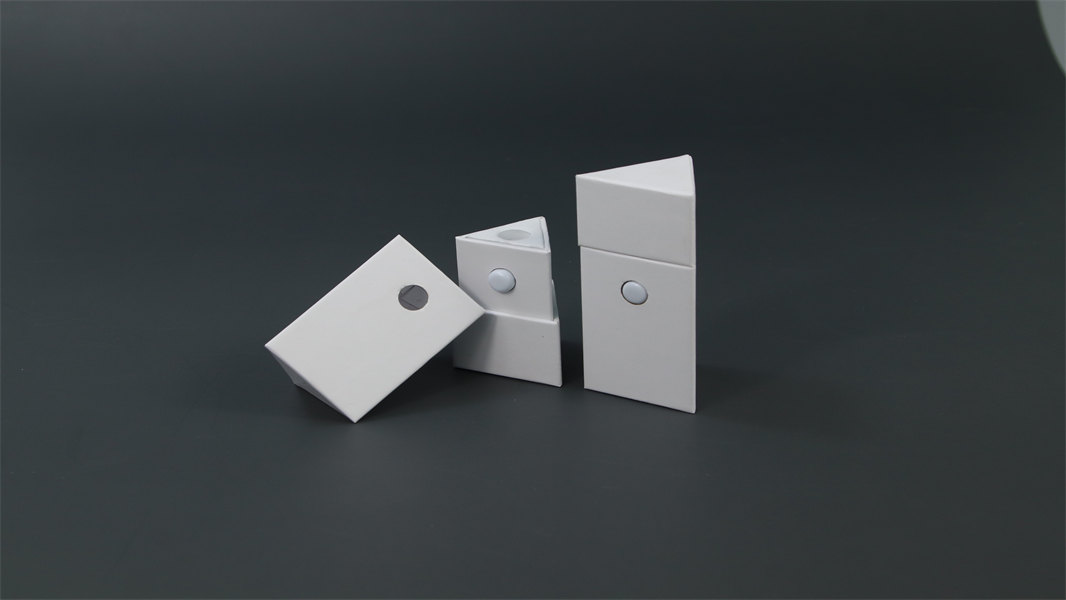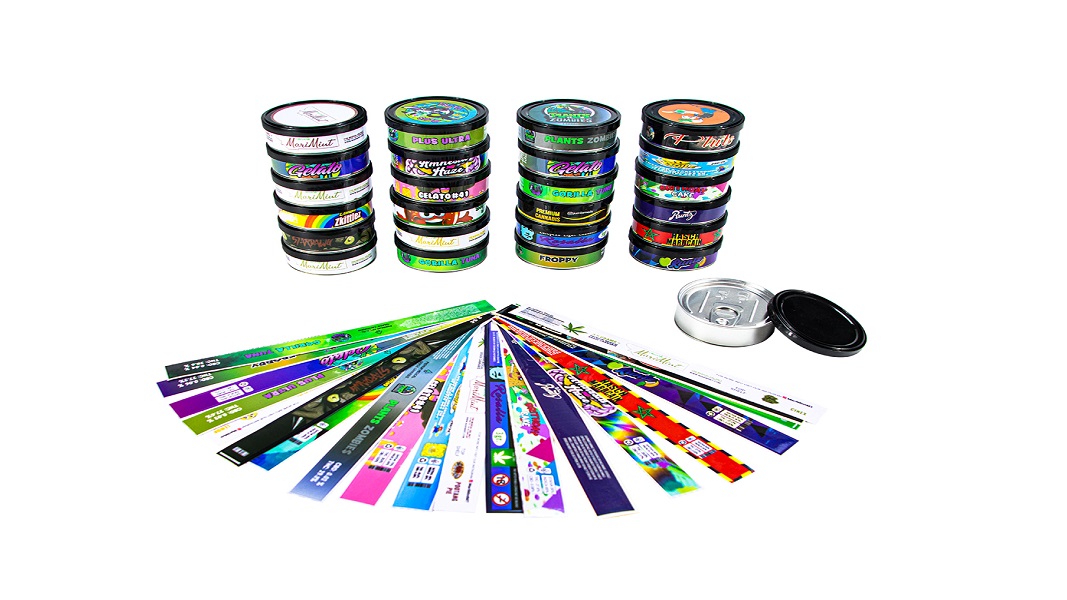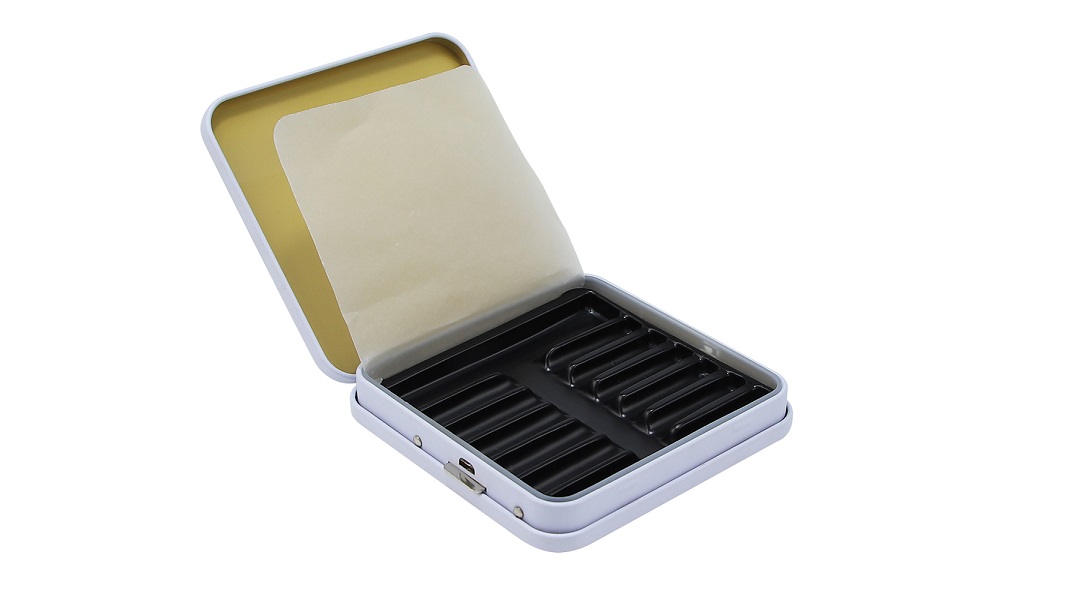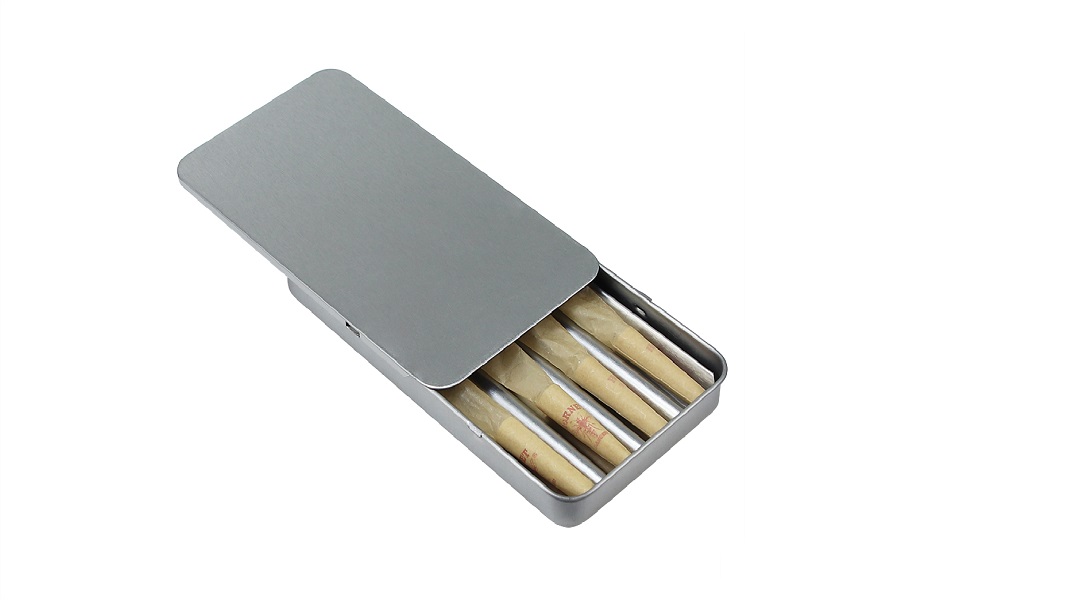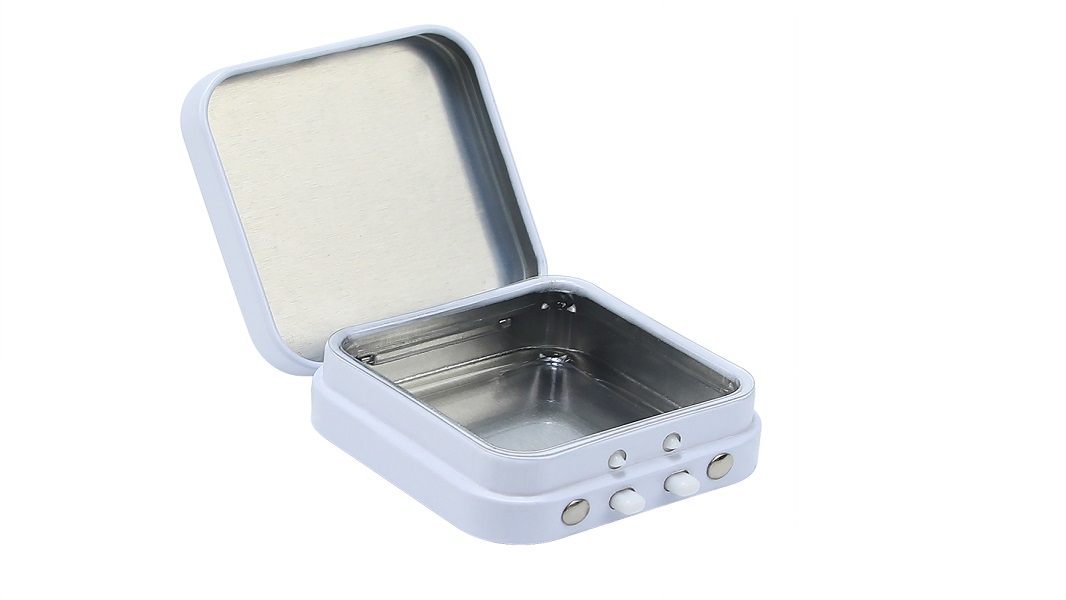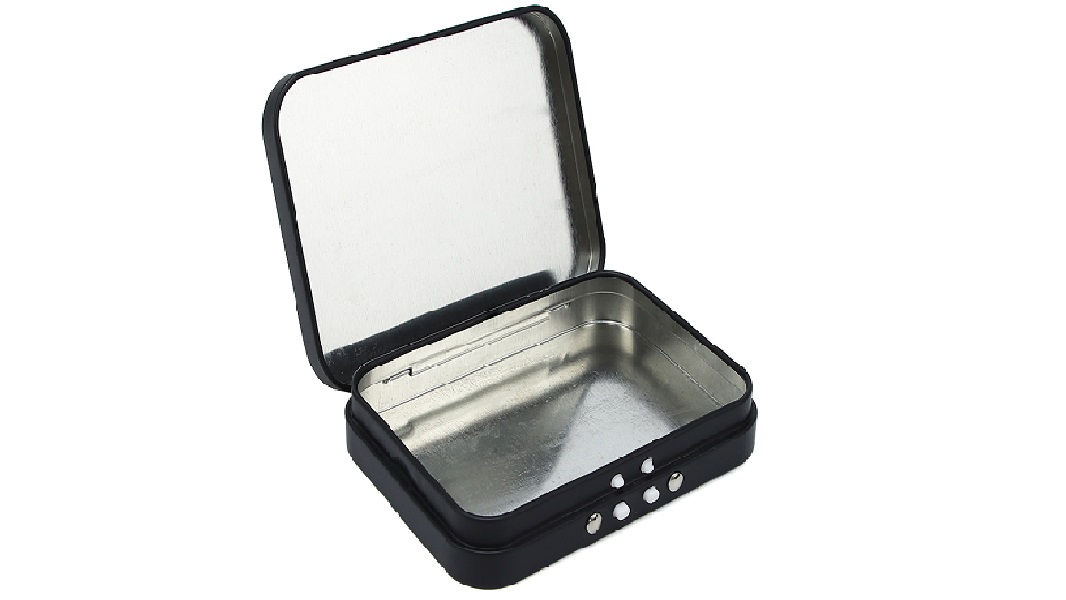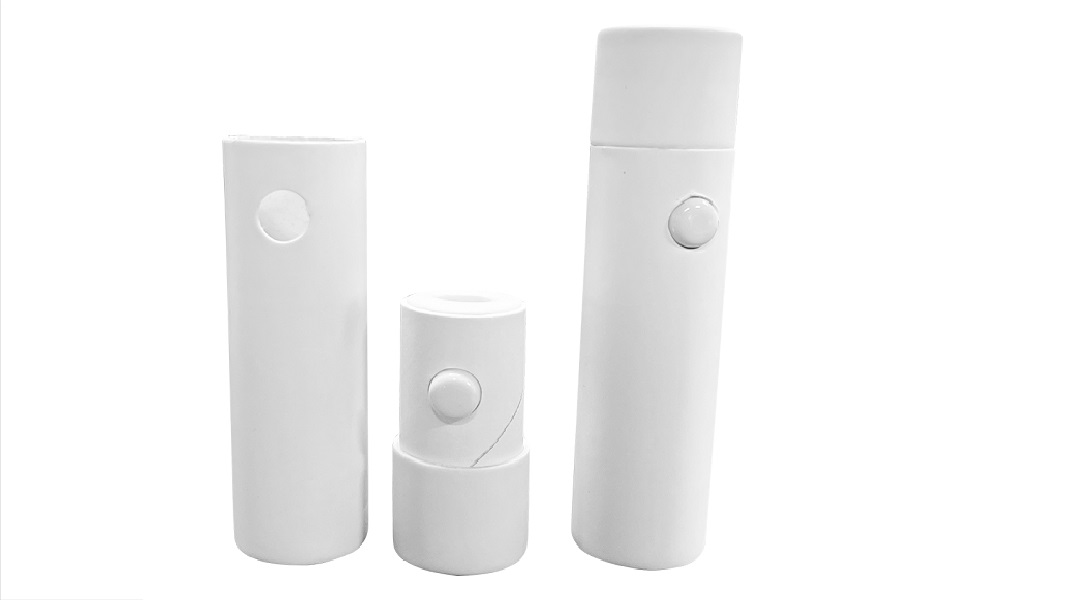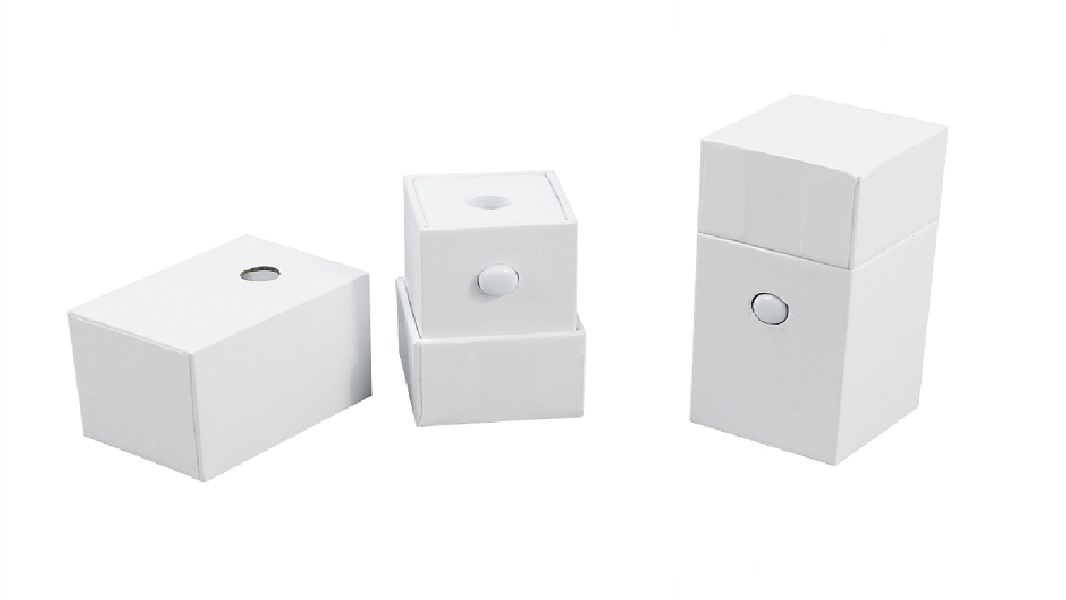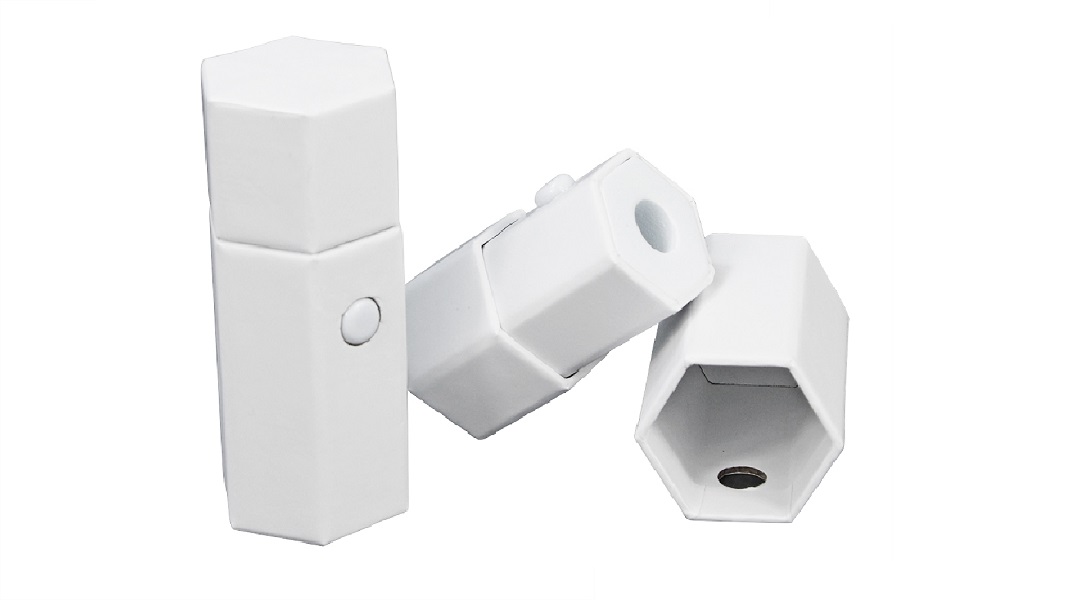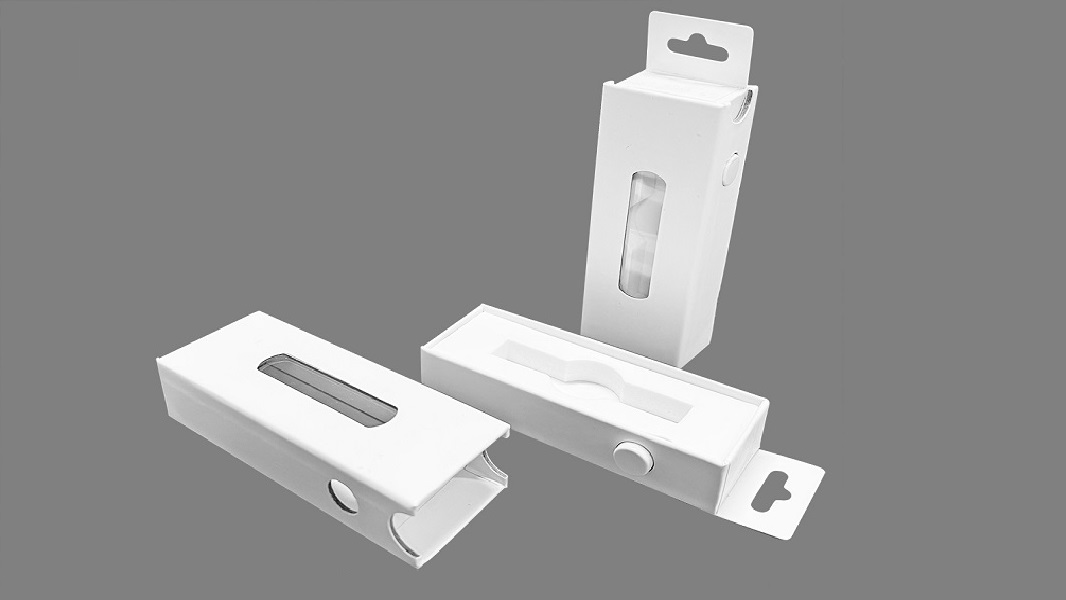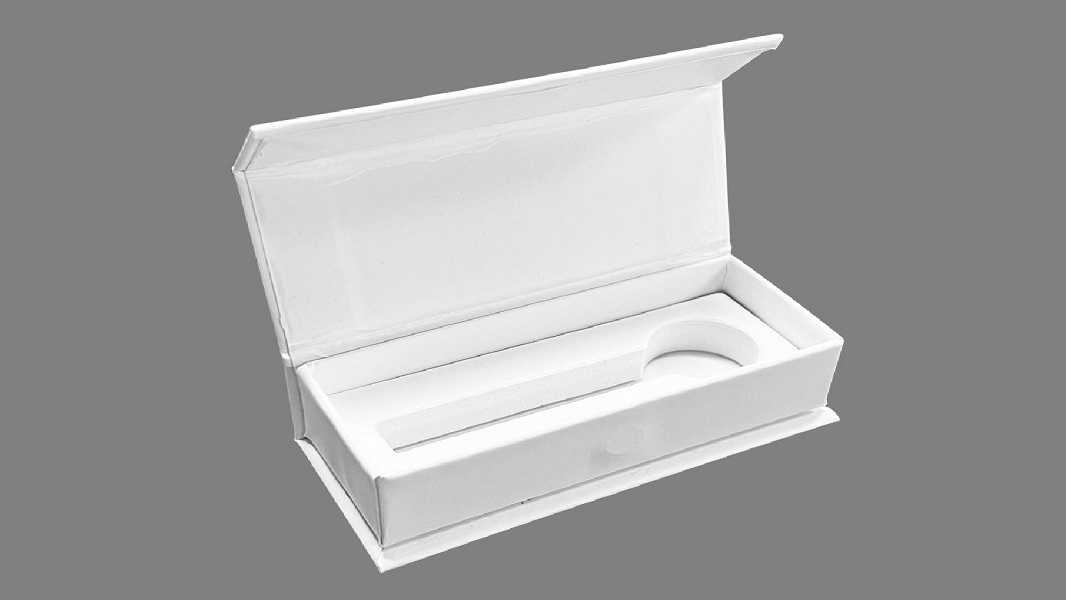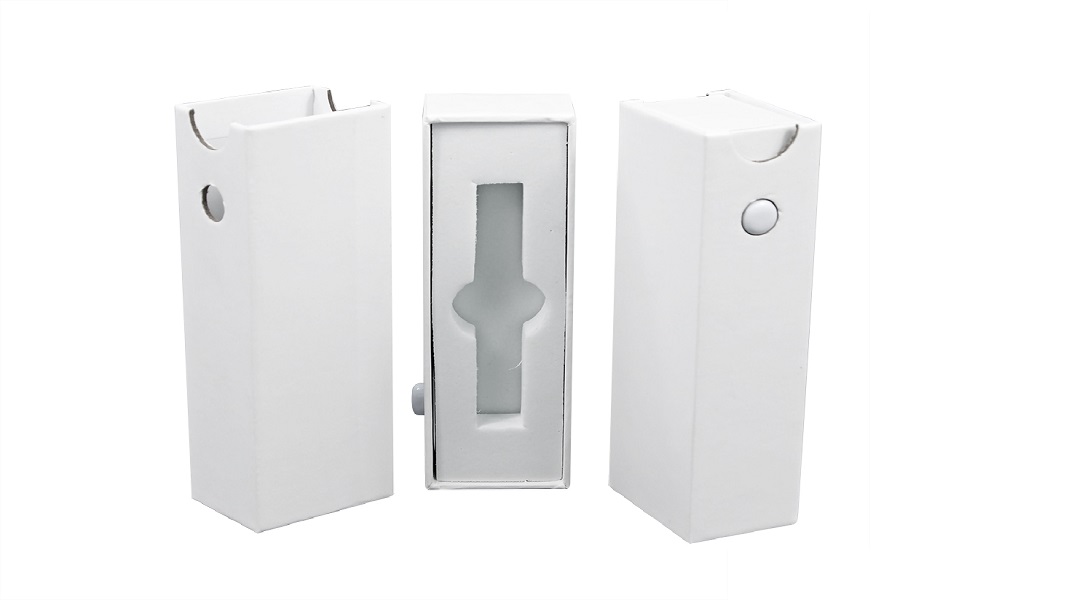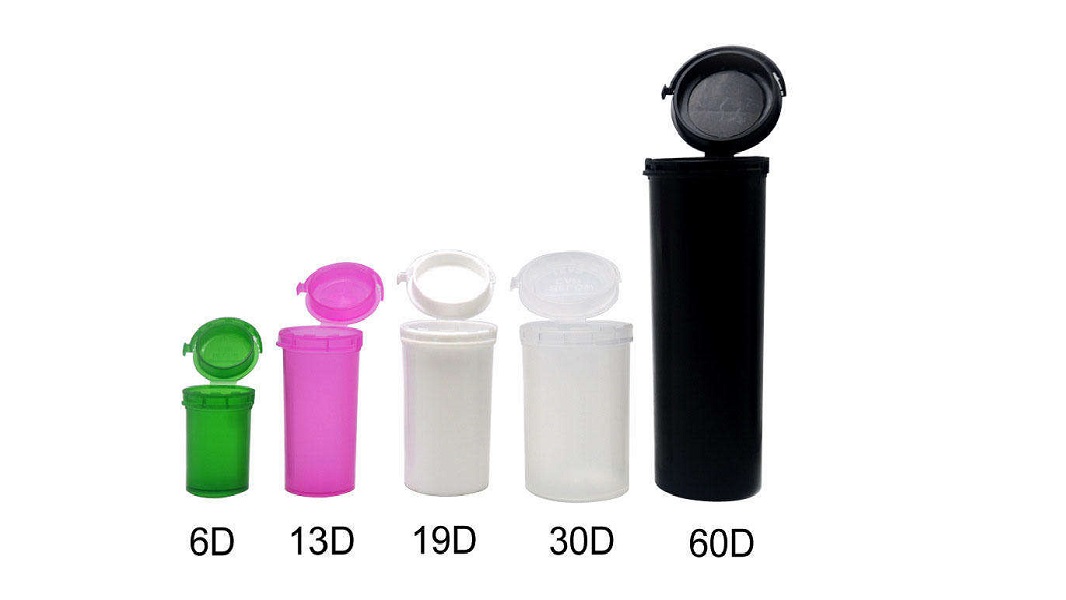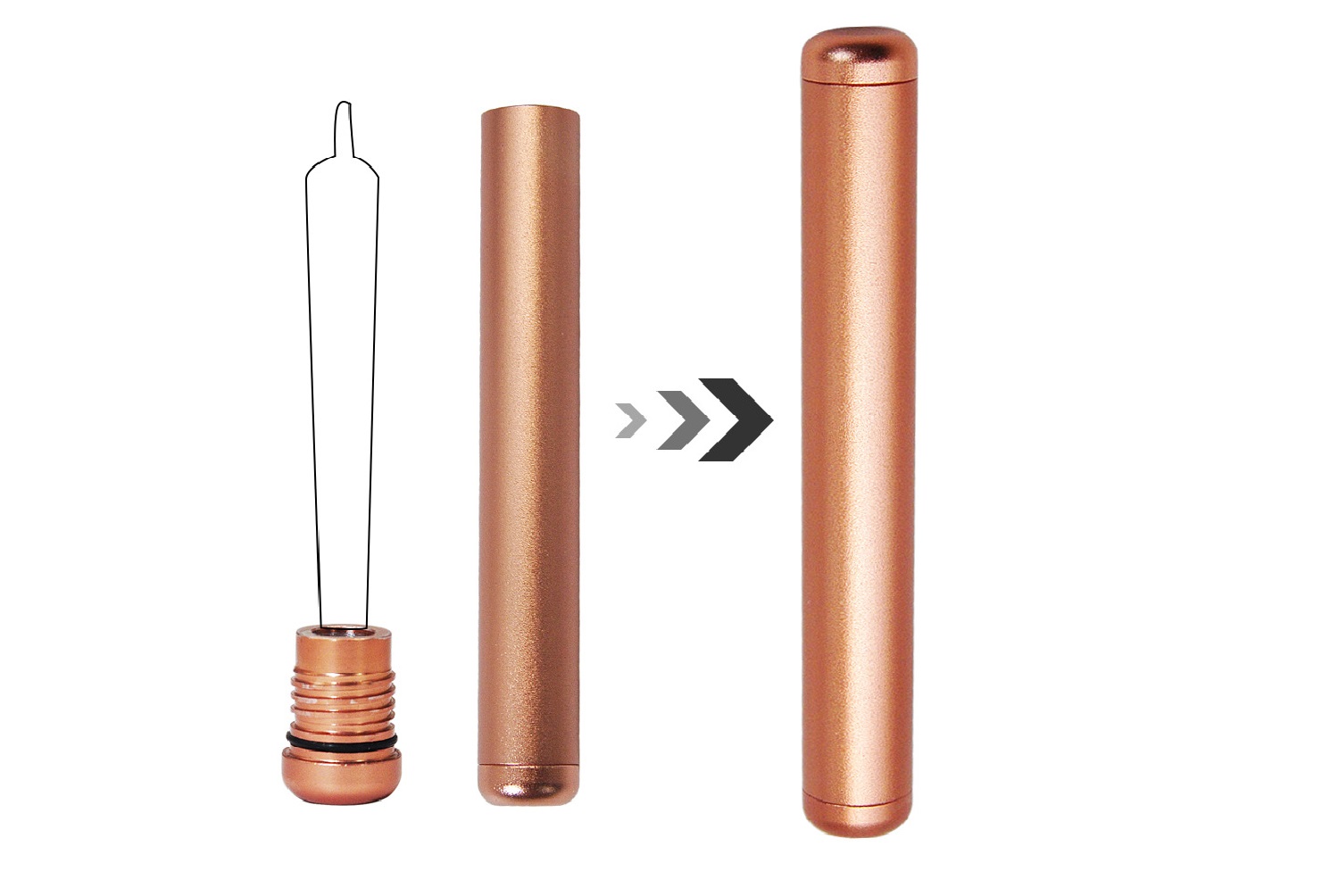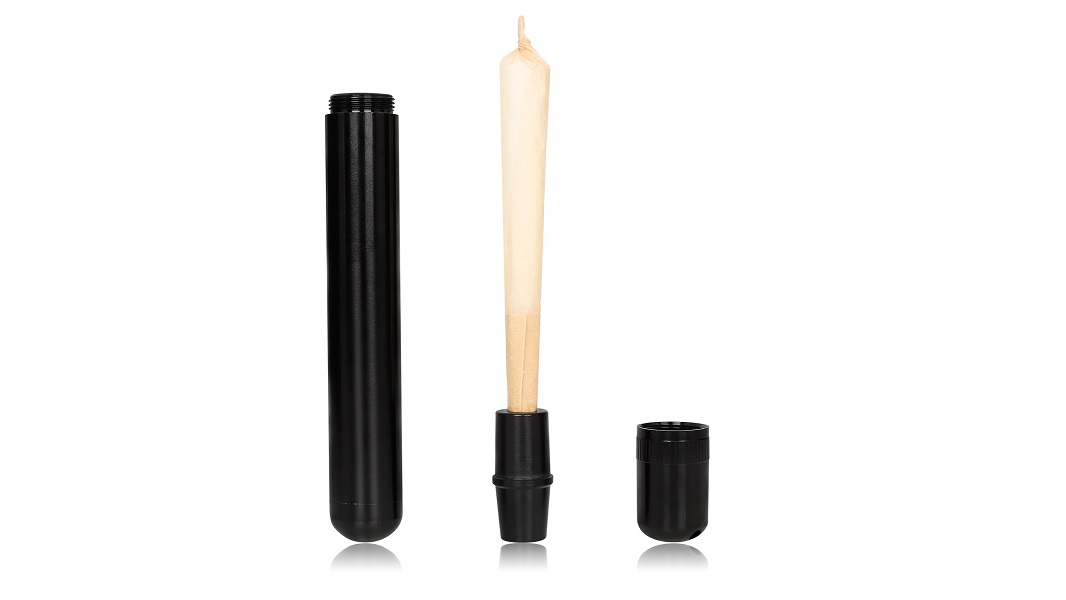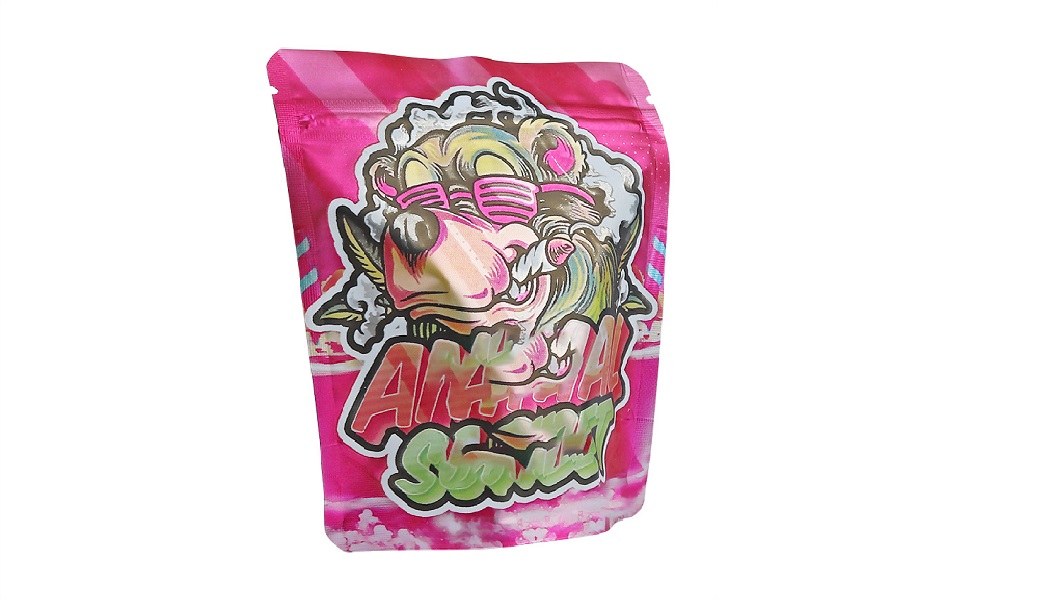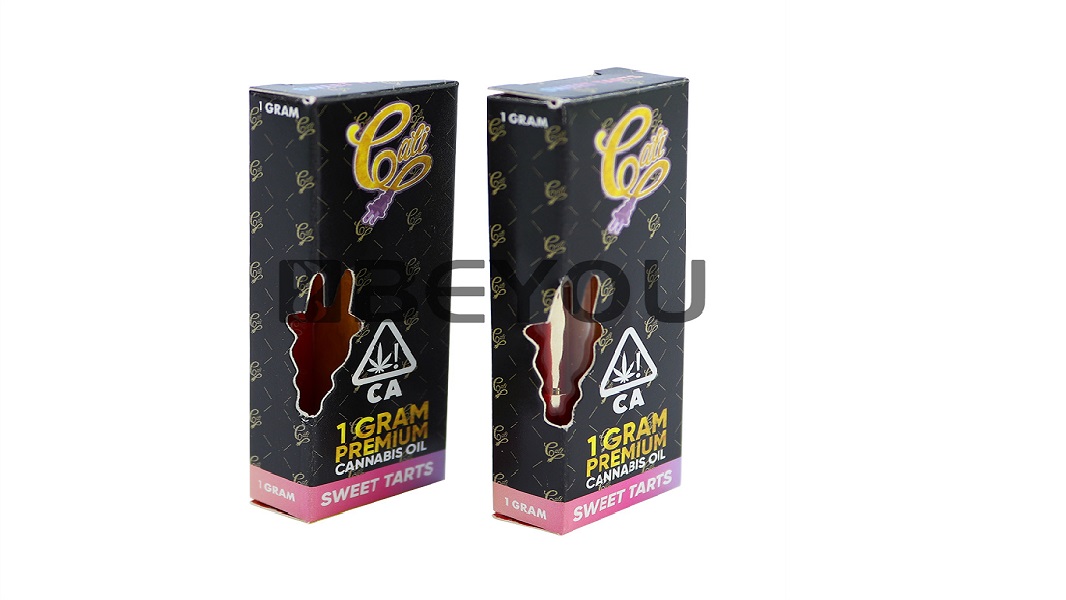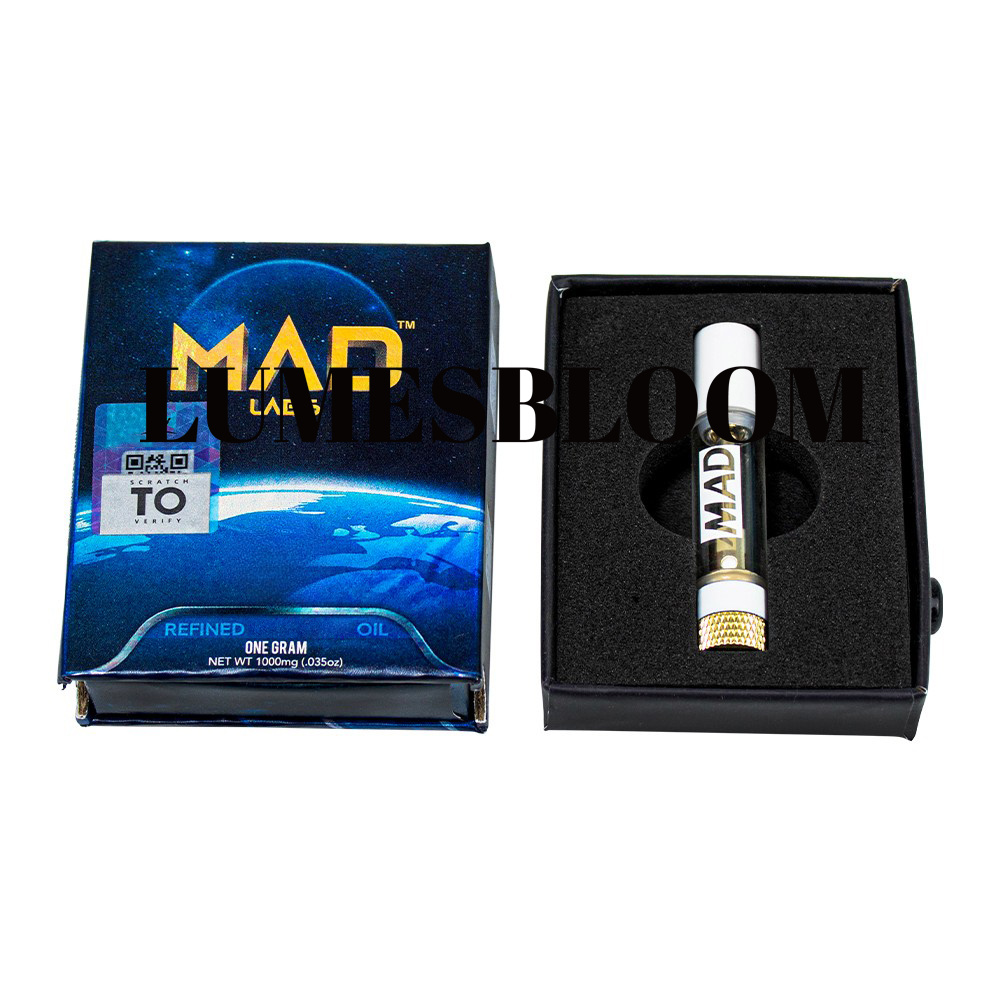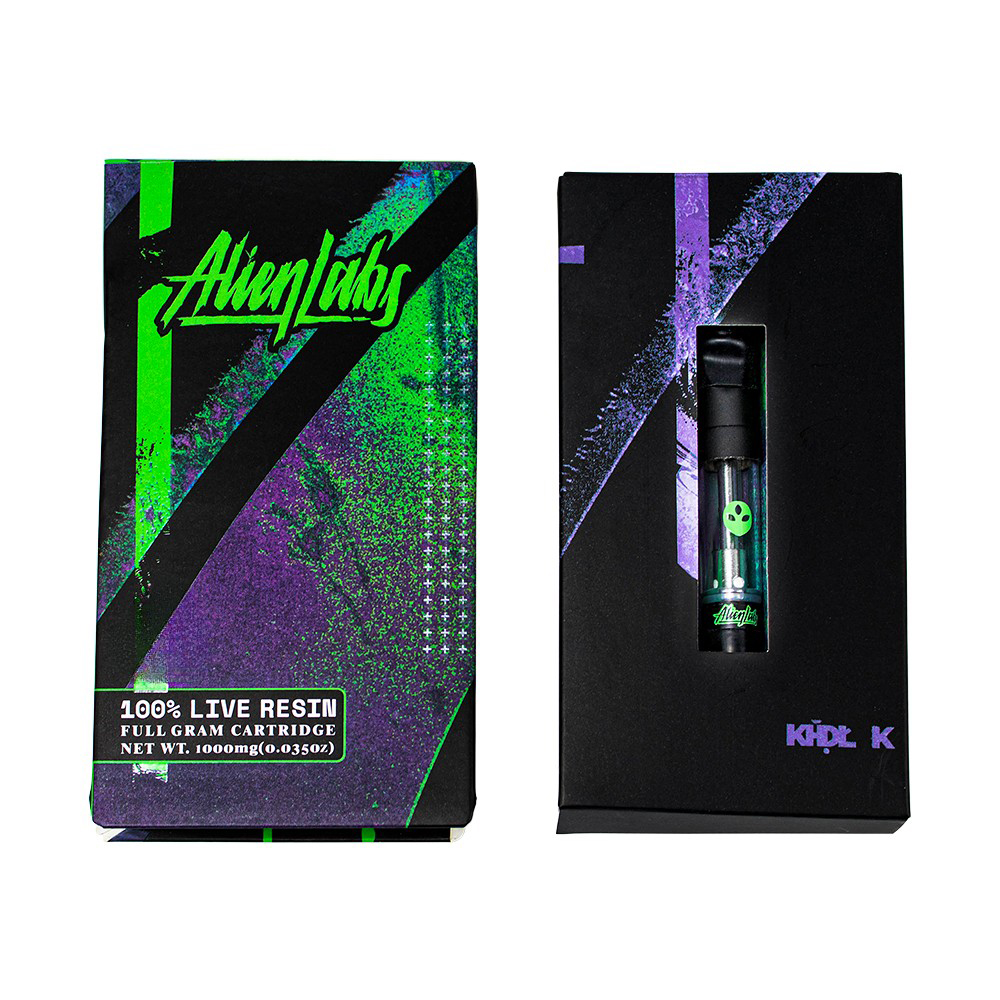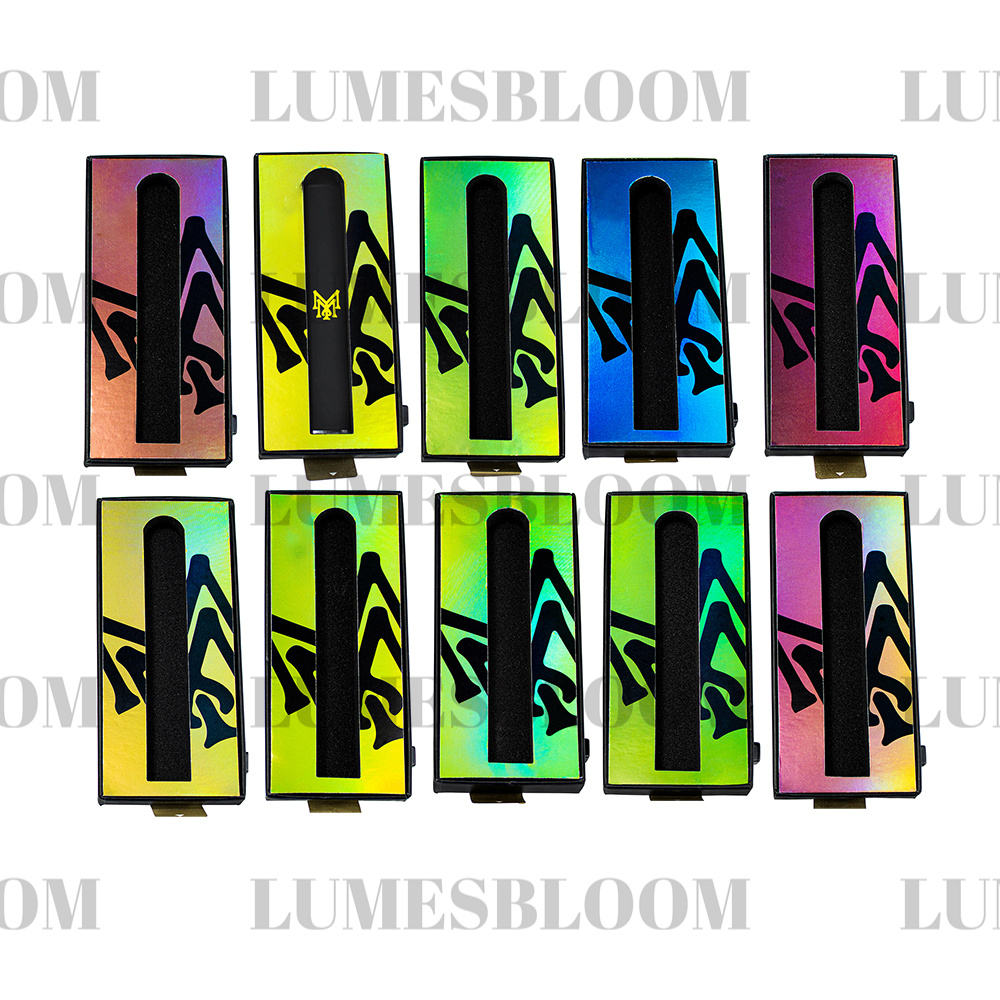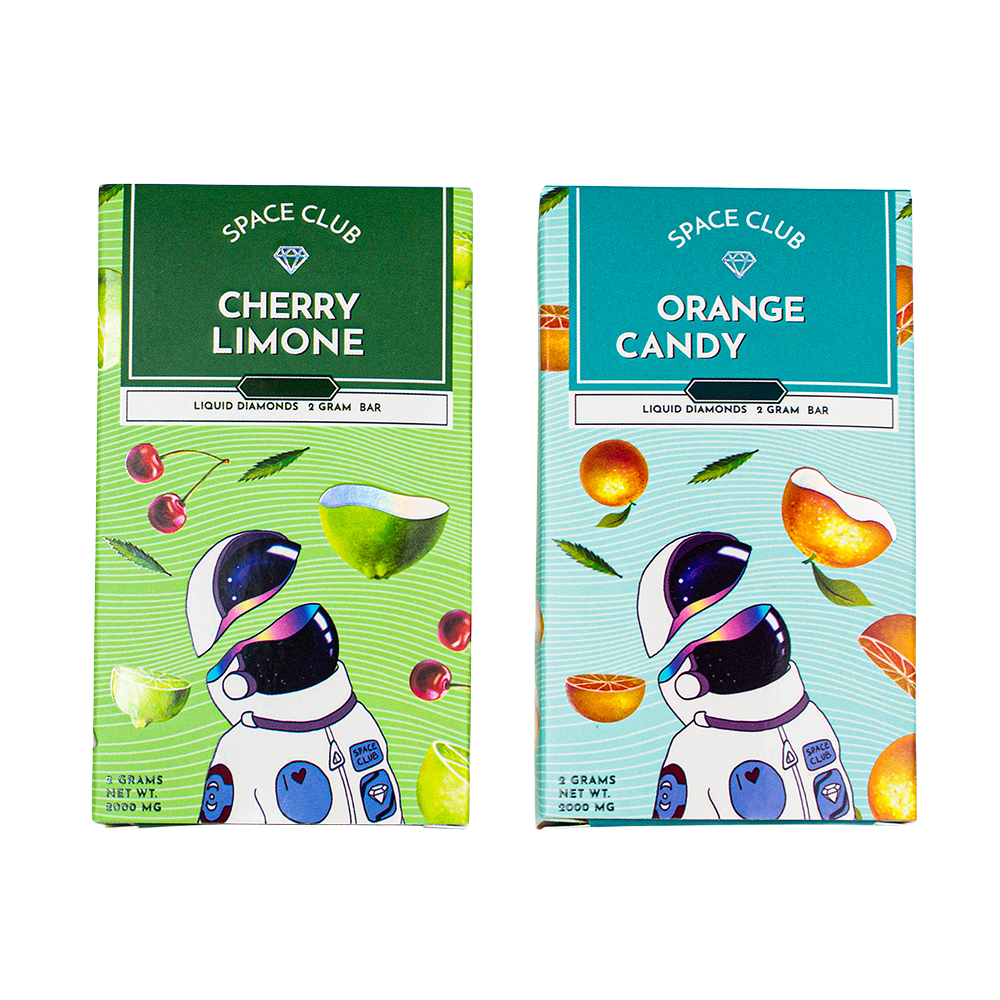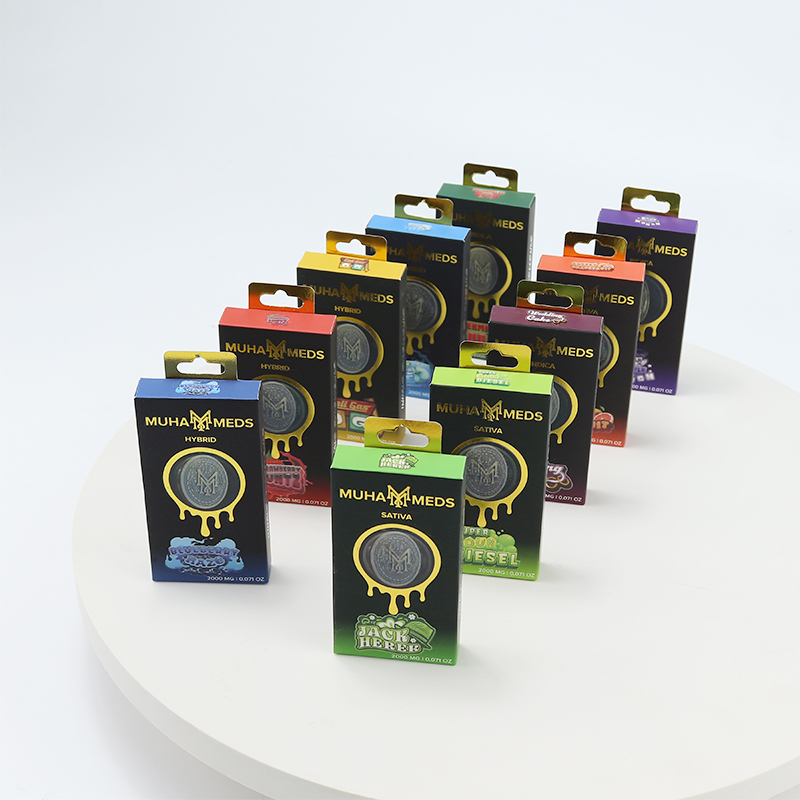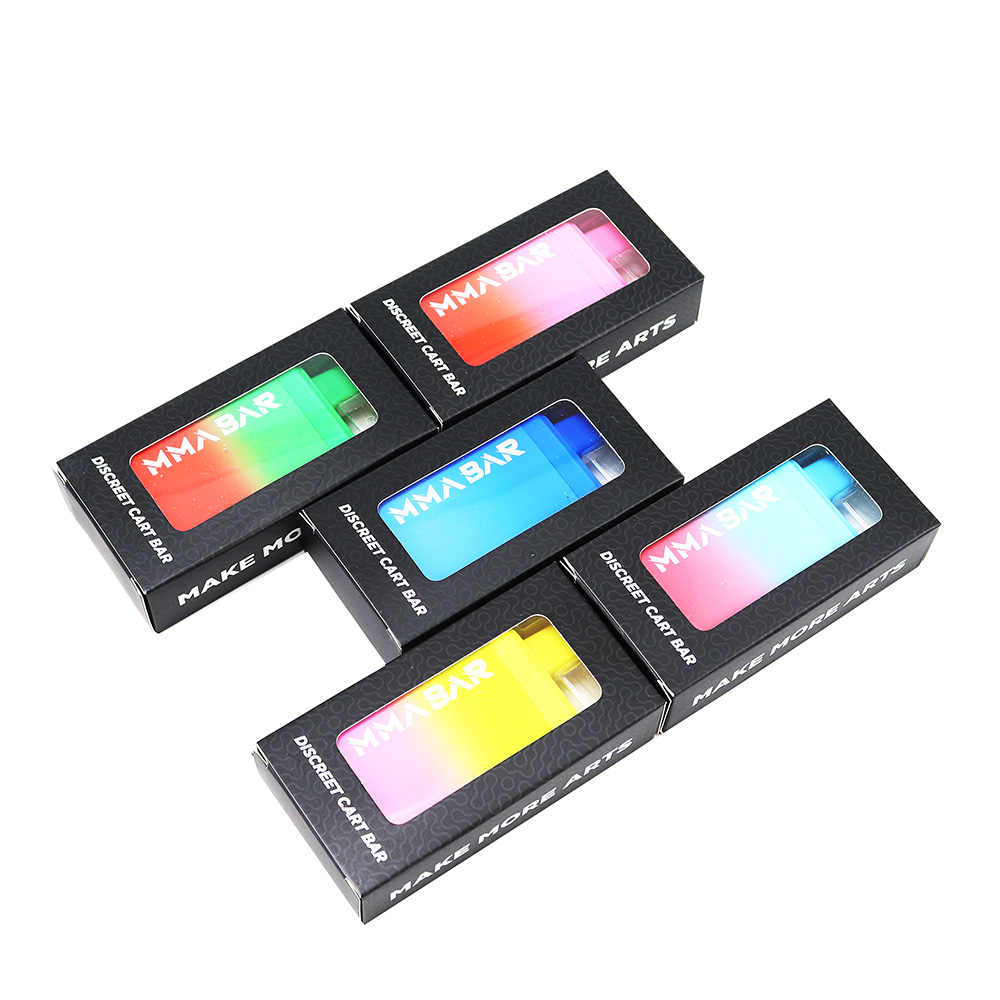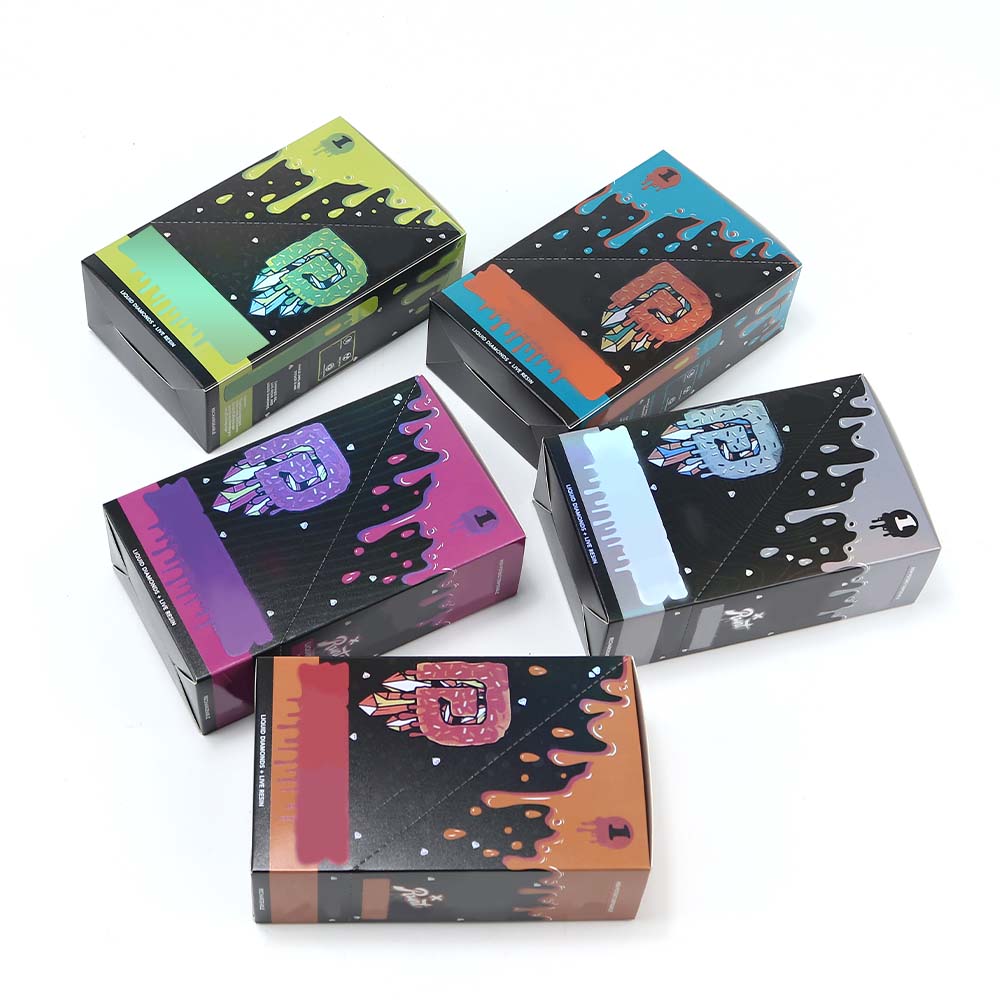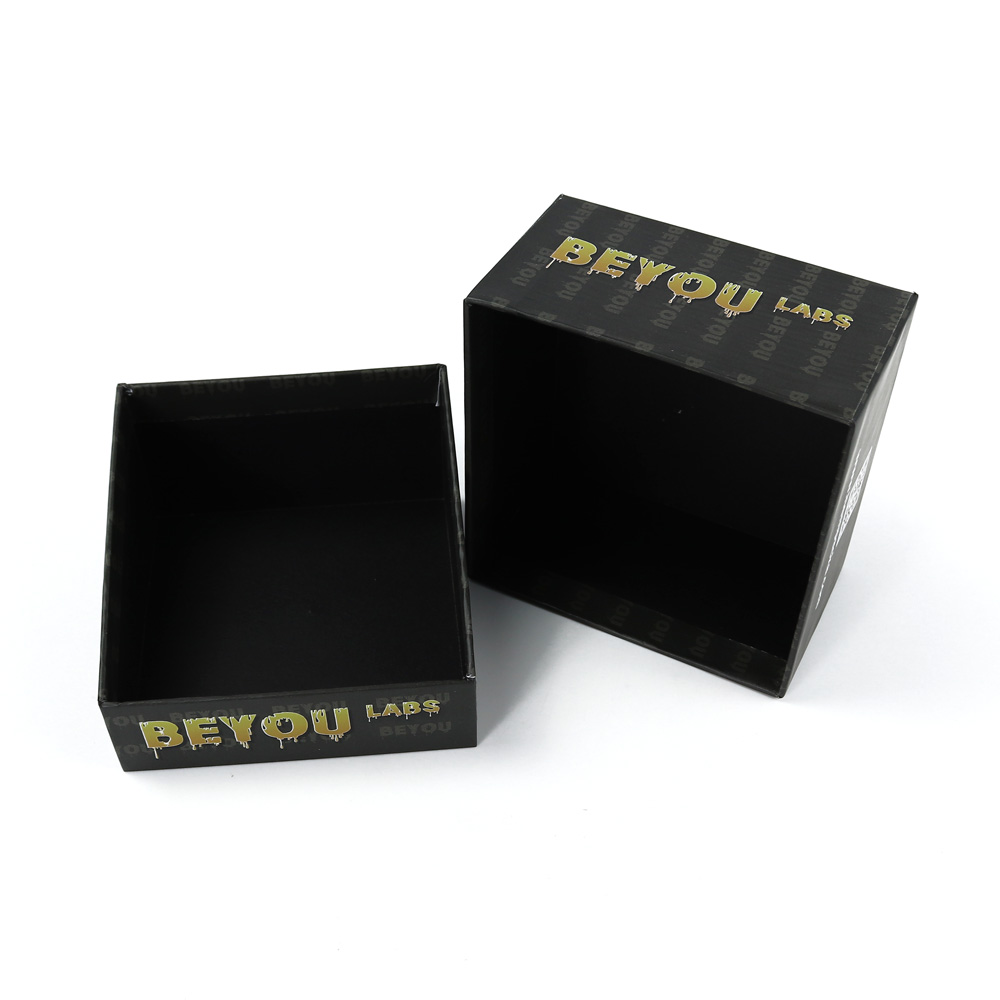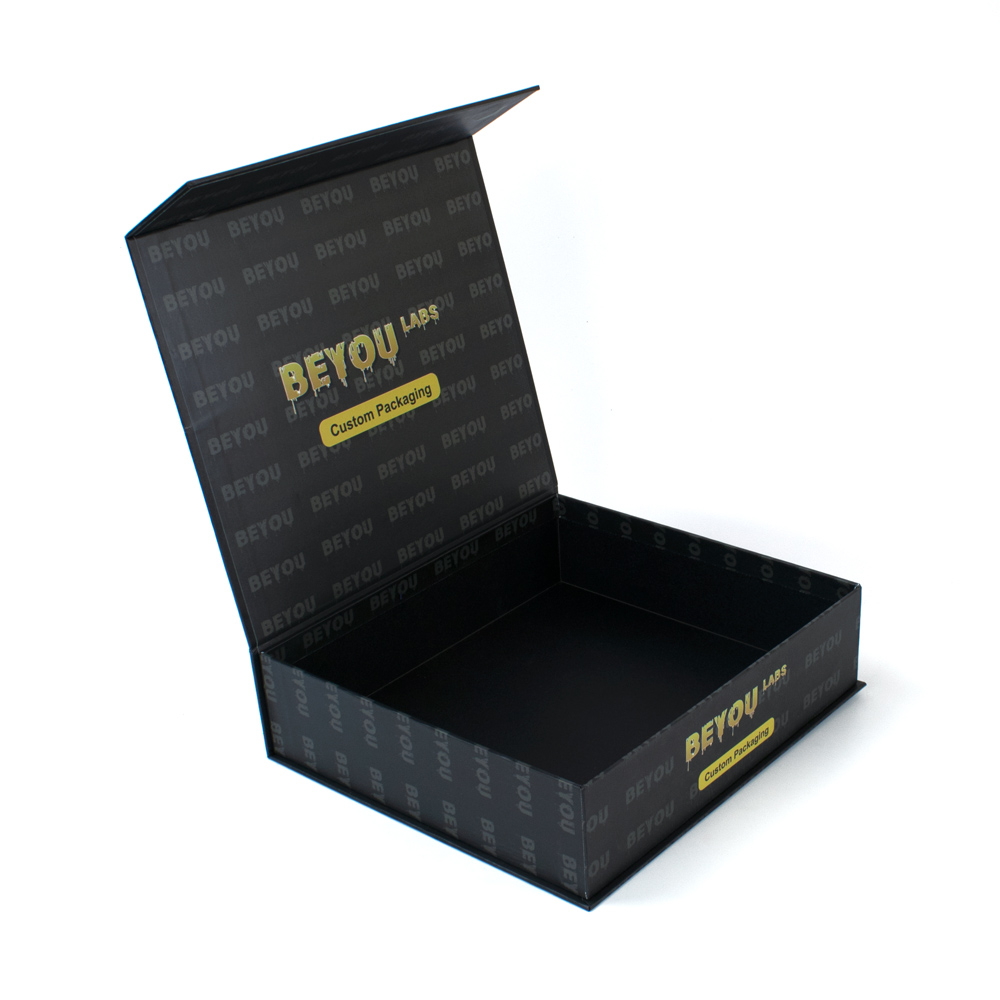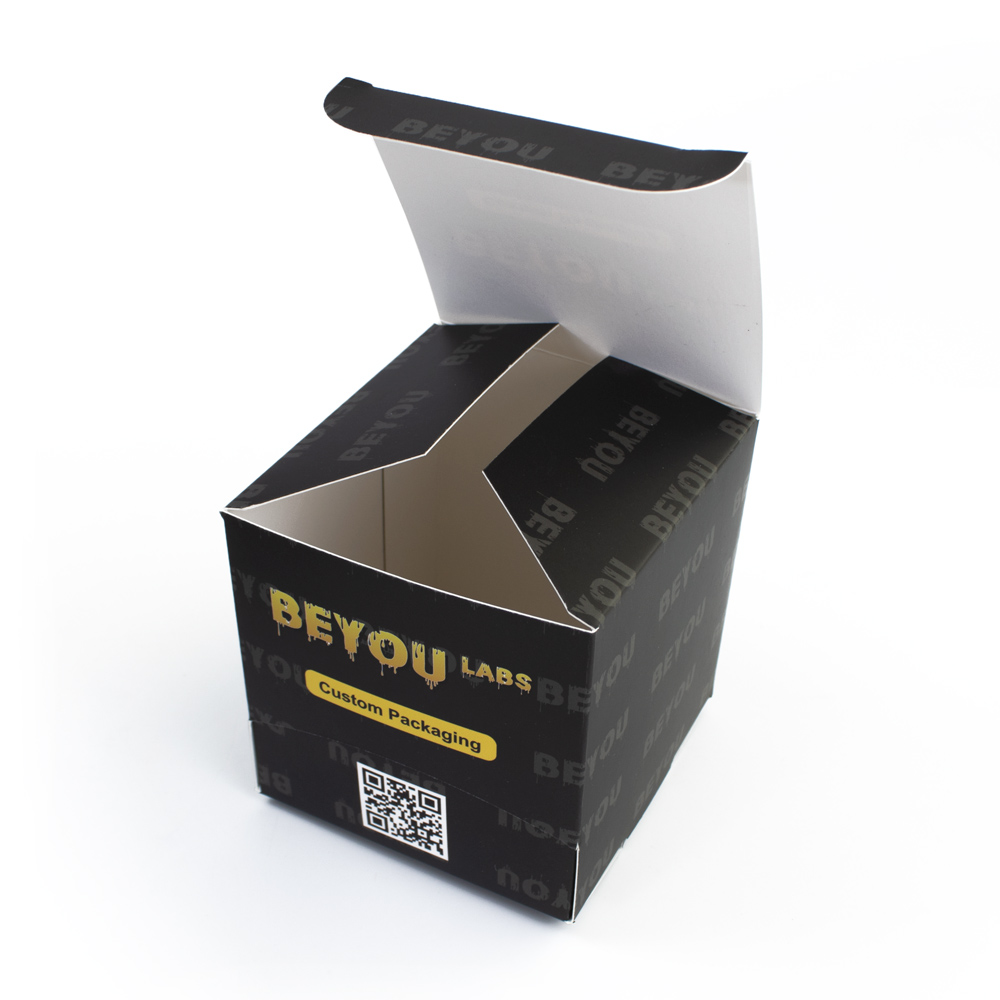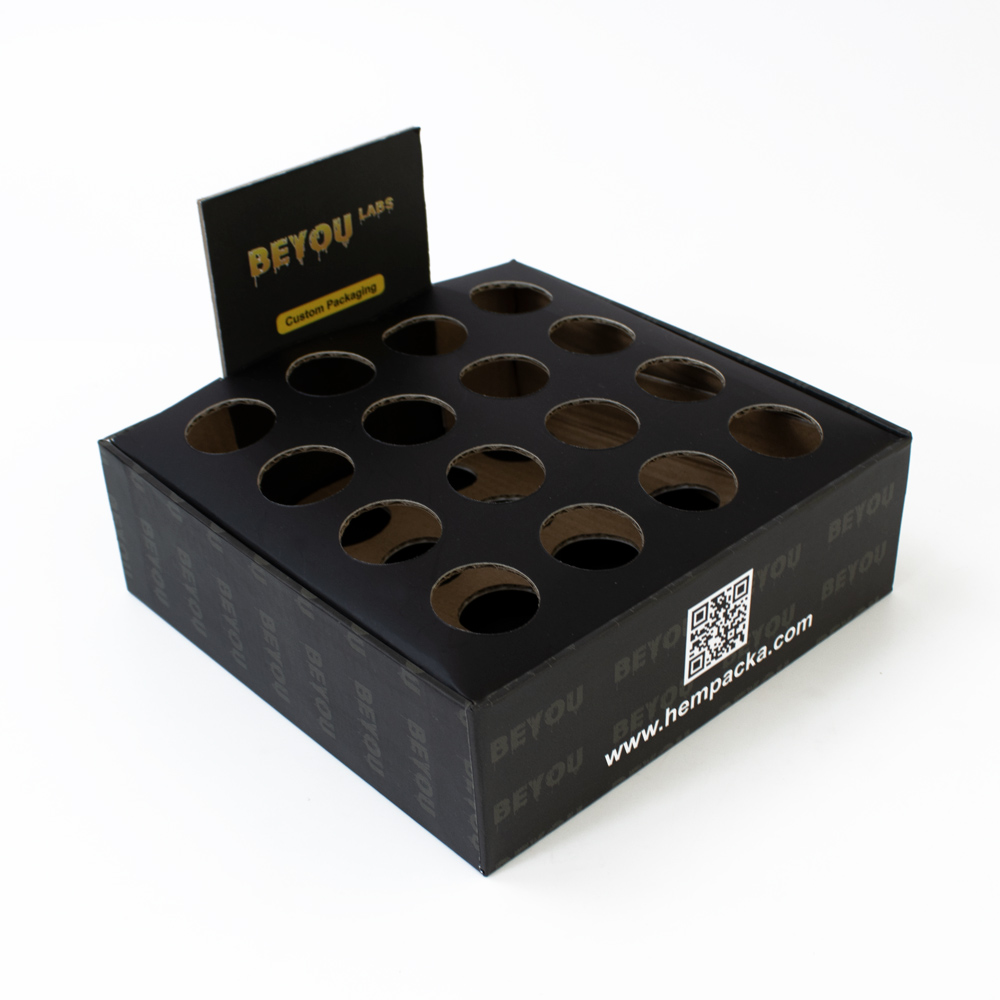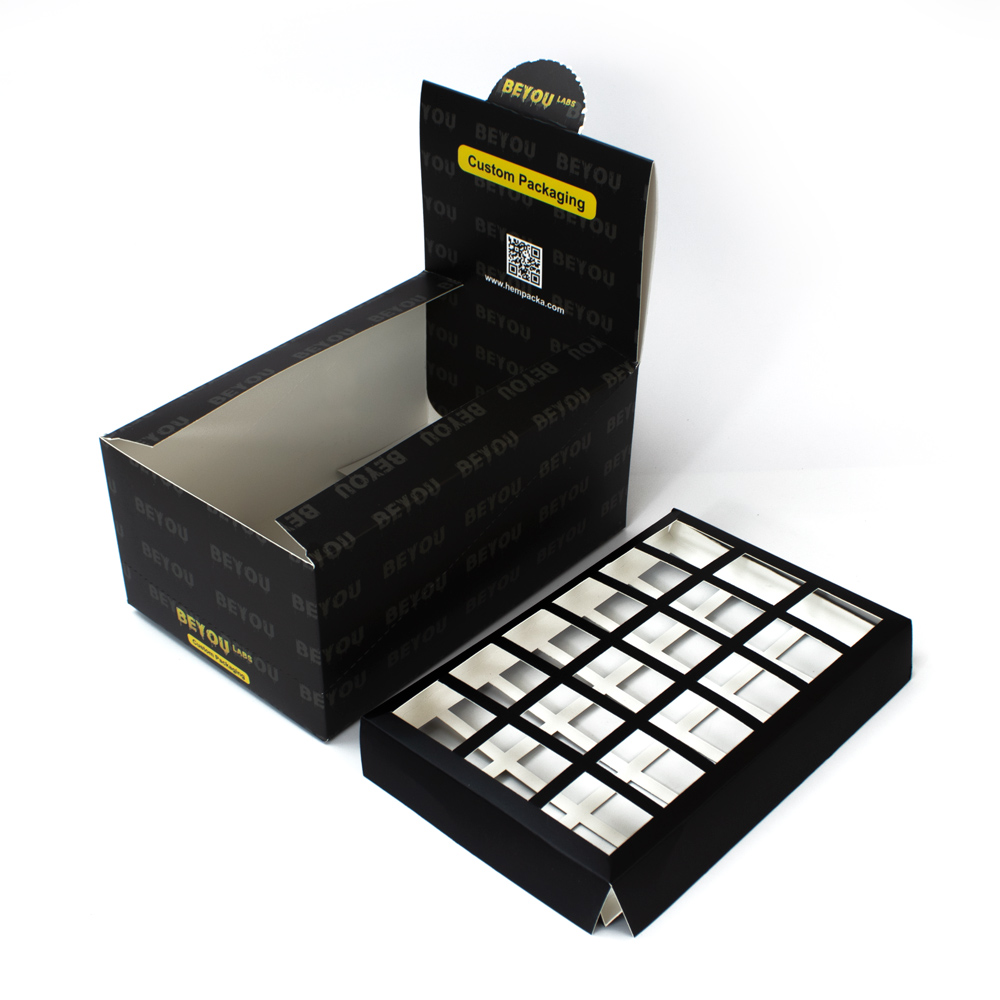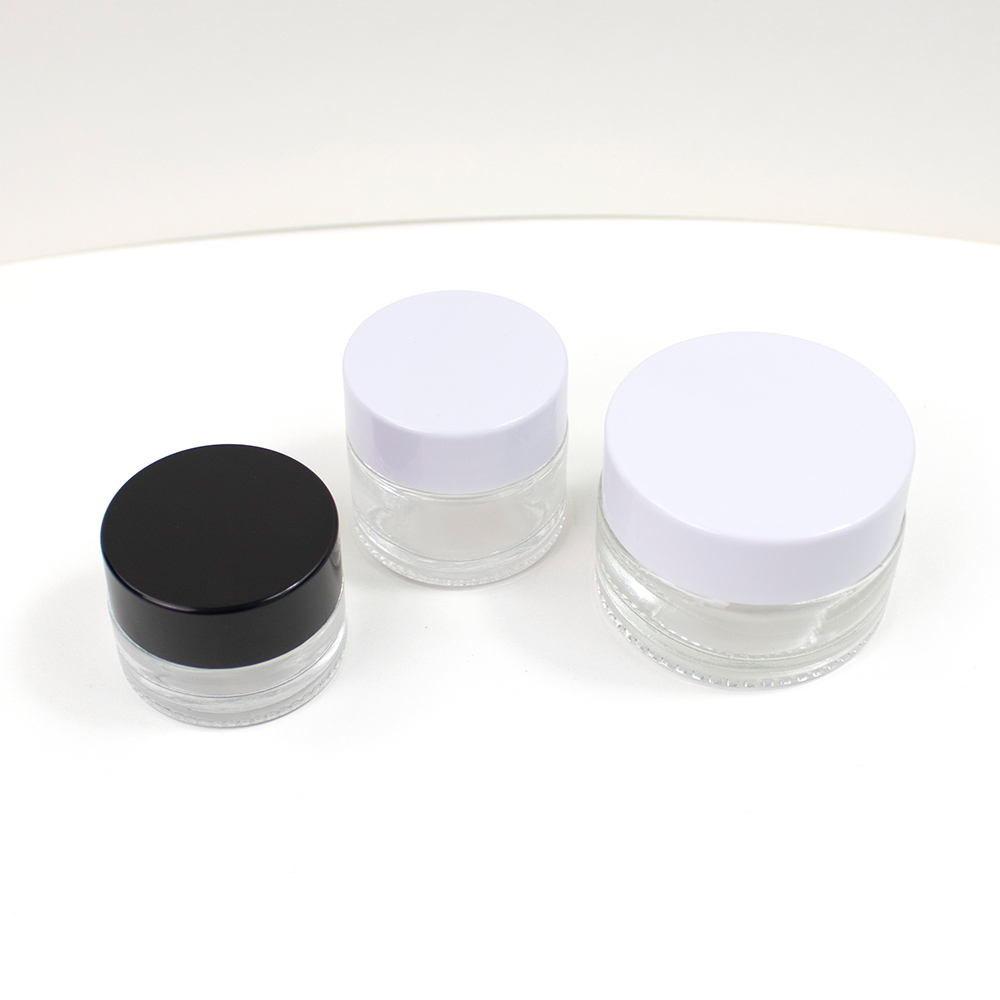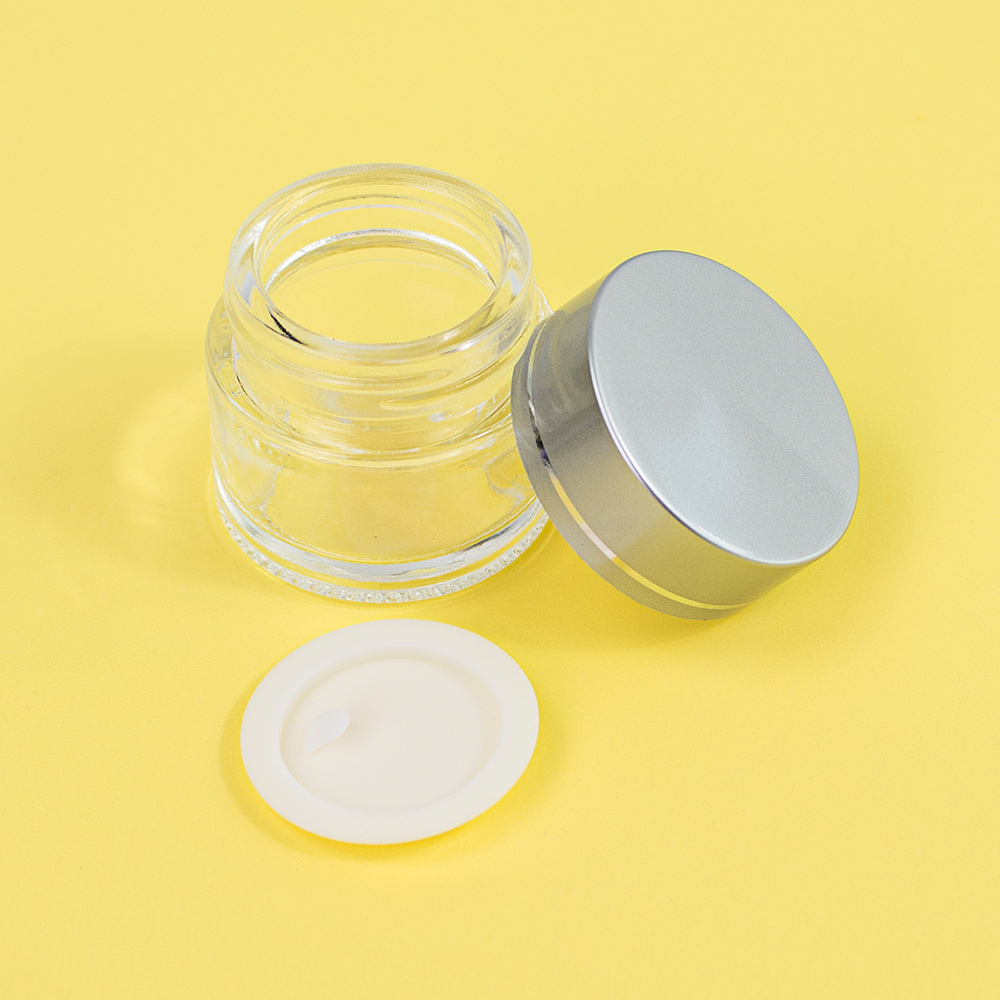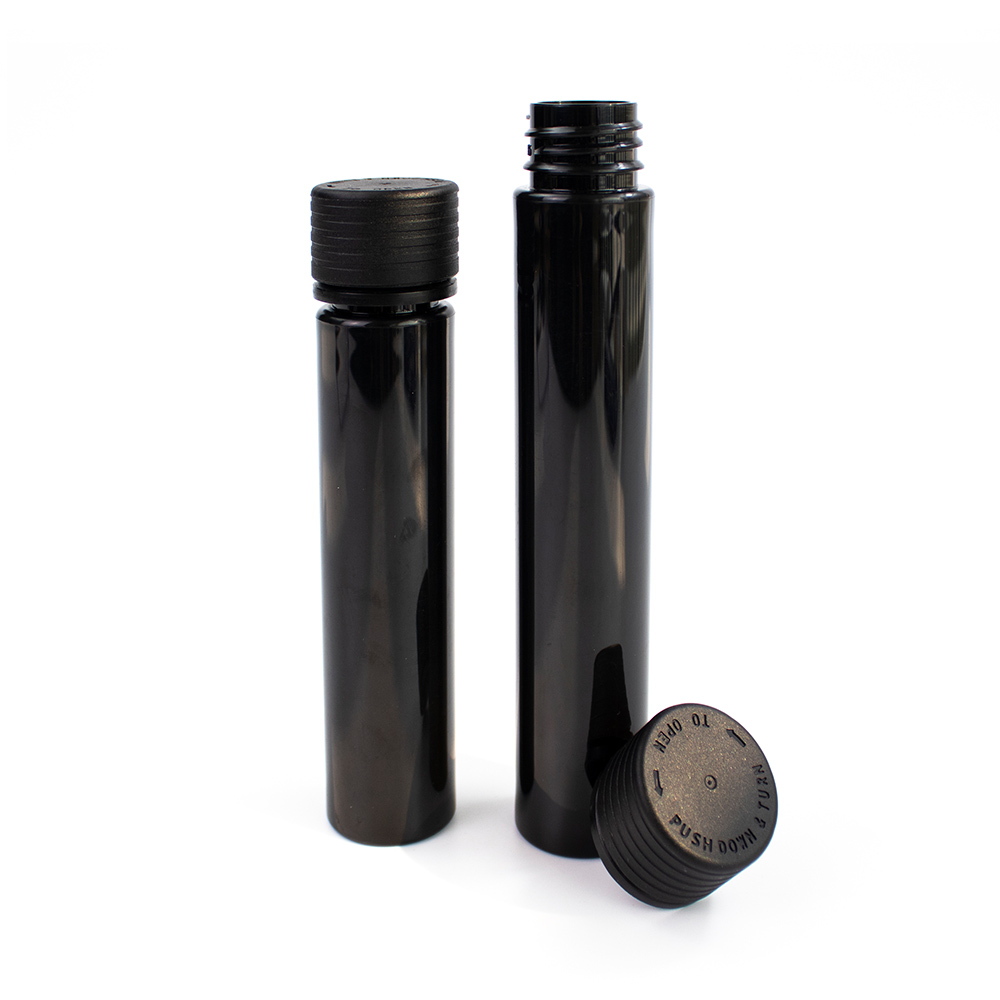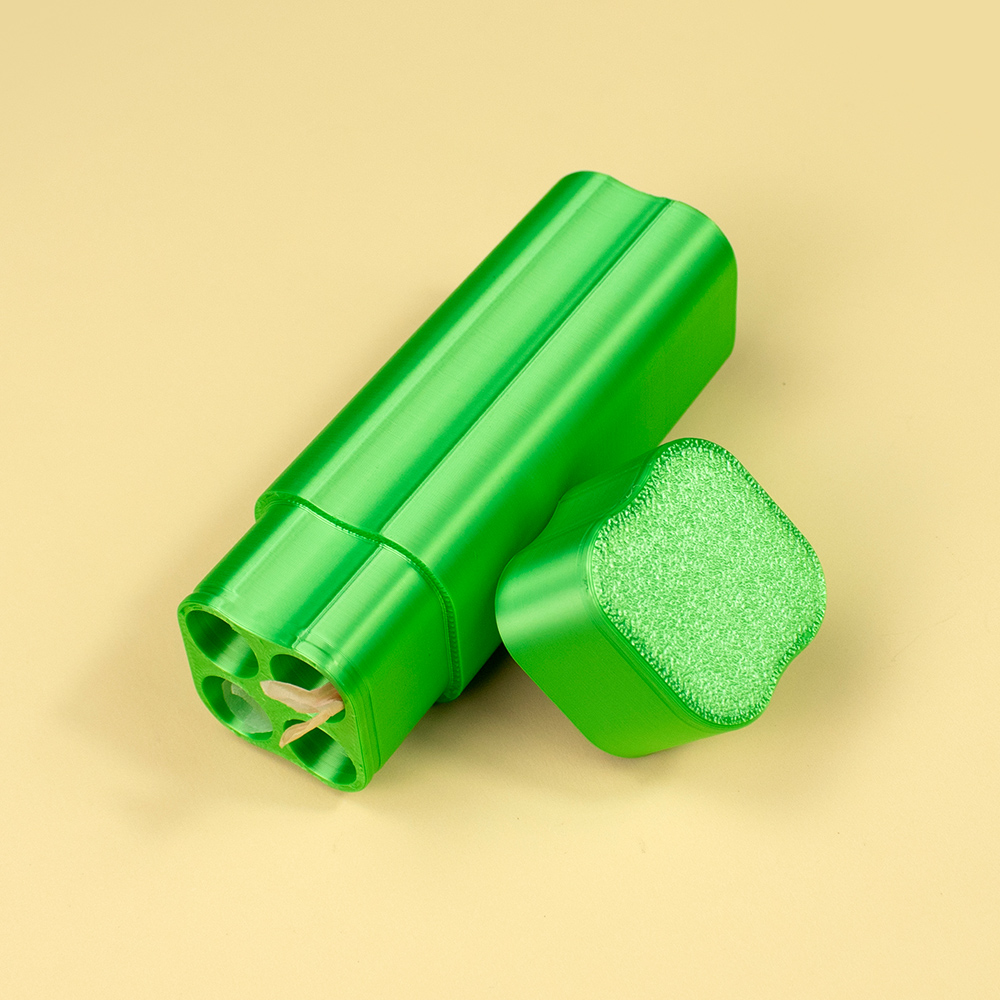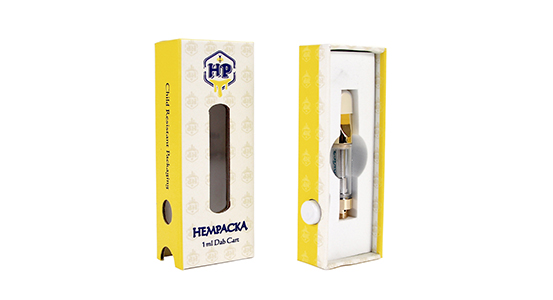
HEMPACKA Custom Logo Child Resistant Vape Cart Packaging Box
CALL : +86 18665993463 | PRICE BEAT GUARANTEE

Your packaging supplier touches three things you cannot afford to lose: your product's quality, your regulatory compliance, and your brand's first impression. Choosing wrong does not just cost money — it can cost you a recall, a fine, or a license.
Yet most brands choose a packaging partner the same way they buy office supplies: they collect three quotes, pick the cheapest, and hope. That works until it doesn't.
This guide gives you a practical framework — the five dimensions that actually predict supplier performance — plus the ten questions that expose the difference between a real manufacturer and a reseller with a website.
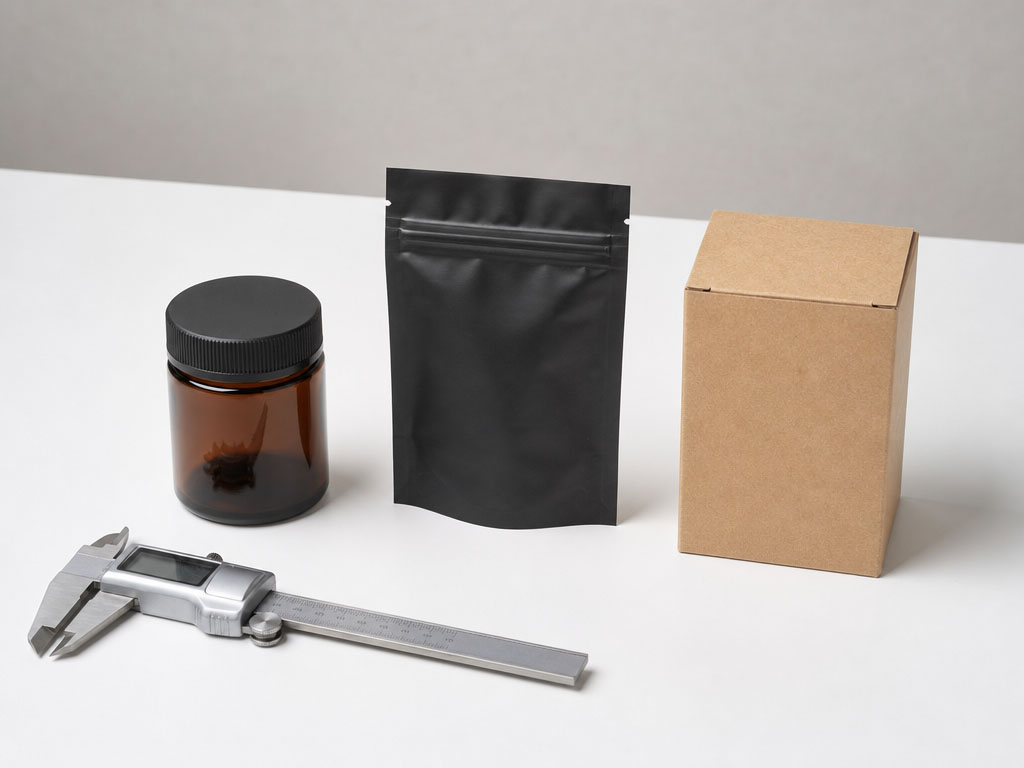
Packaging is the only part of your product that regulators inspect, consumers touch before they consume, and logistics providers stack, drop, and compress. A supplier that looks fine on a quote can still fail you on:
Compliance: a child-resistant claim that does not survive testing, or a label format that a state regulator rejects.
Quality consistency: a perfect sample, then a production run with mismatched colors, weak seals, or off-spec dimensions.
Operational reliability: a promised 20-day lead time that becomes 60 days during your busiest season.
Brand damage: packaging that leaks, tears, or looks cheap next to a competitor's shelf presence.
That is why the evaluation framework below weights capability over price.
Industry frameworks for vetting cannabis packaging suppliers consistently converge on five areas. Score every candidate against all five before you compare quotes.
1. Compliance capability. Can the supplier document the standards your market requires — child-resistant testing to 16 CFR 1700.20 or ASTM D3475, food-contact materials for edibles, tamper-evident features? Can they provide test reports, not just assurances?
2. Product quality. Material grade, print consistency, seal integrity, dimensional tolerance, and batch-to-batch repeatability. Ask how they inspect, how often, and what happens when a batch fails.
3. Operational fit. MOQ that matches your volume, lead times that match your launch calendar, capacity that survives your peak season, and honest communication when something slips.
4. Customization depth. Can they execute your dielines, Pantone-matched colors, specialty finishes, and structural innovations — or do they only resell a catalog of standard stock?
5. Partnership reliability. Responsiveness before the order, transparency about limitations, and accountability after the invoice is paid.

This single question changes everything: pricing structure, communication speed, ability to customize, and accountability when something goes wrong.
A factory can adjust tooling, control quality at the source, and answer technical questions directly. A trading company adds a margin and a communication layer.
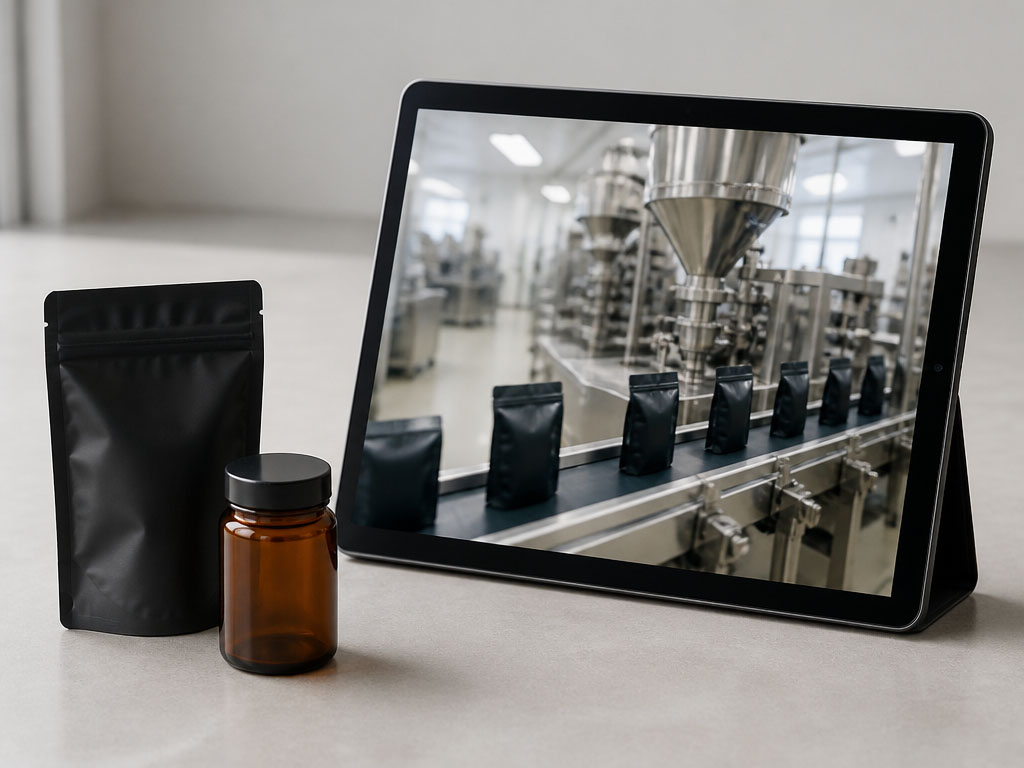
Look for: a direct answer, plus evidence — factory footage, production capacity, machinery lists, or a live video walkthrough.
"Do you offer child-resistant packaging?" is the wrong question — every supplier says yes. Ask which standard the packaging is tested to, and request the actual test report or certificate of compliance.
Look for: named standards (for example, 16 CFR 1700.20 or ASTM D3475), third-party lab documentation, and clarity about whether certification applies to the finished package — substrate, closure, print, and lamination together — not just the component.
Samples are where suppliers reveal themselves. A supplier that sends a generic stock sample instead of a production-representative one is telling you how the rest of the order will go.
Look for: willingness to produce a custom sample of your actual specification, a clear sample-fee policy, and a stated lead time for sampling. [CONFIRM: Hempacka sample policy and typical sampling lead time]
MOQ is a working-capital decision, not just a price lever. A supplier whose MOQ forces you to tie up cash in inventory you cannot sell is a bad fit regardless of unit price.
Look for: a stated MOQ range by material and decoration method (digital print typically allows lower volumes than custom tooled formats), and honesty about whether MOQ is negotiable for repeat customers.
Every supplier claims fast production. The useful question is the second one: not what the lead time is, but how often they hit it.
Look for: broken-down timelines (sampling, production, transit), peak-season caveats, and a willingness to discuss exceptions. [Click HERE CONFIRM: Hempacka production lead times and on-time delivery rate]
This is where the gap between a good sample and a good order is closed — or not.
Look for: a named QC process (incoming material checks, in-line inspection, pre-shipment AQL sampling), photo or video documentation before shipping, and a stated remedy if the shipment does not match the approved sample.
Your dielines, artwork, and structural designs are intellectual property. A supplier that hesitates on confidentiality is a business risk.
Look for: NDA willingness, clear statements about who owns tooling and artwork, and discretion about not reusing your custom design for other clients.
Anyone can promise quality. Ask what happens when quality fails: replacement terms, credit policy, who pays freight, and how quickly disputes are resolved.
Look for: a specific, written answer. Vague reassurance is a red flag.
Communication quality before the sale predicts communication quality after it. Test it during the inquiry stage.
Look for: a named account contact, a response within one business day, and answers that engage with your specific questions instead of copy-pasting a catalog page.
Today you need 2,000 units. Next year you may need 20,000 across four SKUs. A supplier that can only handle your current volume will become a bottleneck.
Look for: room to scale, capacity across multiple formats (jars, pouches, boxes, tubes), and a road map for new product categories.
Price far below every other quote — usually a signal of thinner material, unmanaged quality, or hidden shipping costs.
No documentation — a supplier who cannot produce a compliance report or spec sheet is asking you to take on their risk.
Unwillingness to sample — or samples that differ from the quoted material.
Vague timelines — "about three to four weeks" with no breakdown usually means no plan.
Slow or evasive pre-sale communication — it only gets worse after payment.
Pressure to pay the full amount upfront with no milestone or inspection terms.
Before you sign or pay a deposit, confirm you have:
The finished-package compliance documentation for your market
A production-representative physical sample you have physically tested
Written MOQ, lead time, and payment terms
A named QC process and pre-shipment inspection standard
An NDA covering artwork, tooling, and design files
A stated remedy for defective or non-conforming shipments
At least two reference customers you can contact
Manufacturers in China and other export hubs often win on cost, material range, and one-stop capability — design, tooling, printing, and door-to-door logistics under one roof. The trade-offs are communication distance, longer transit, and the need to verify capability remotely.
The vetting framework above works exactly the same for an overseas factory — and the ten questions matter more, not less, because you cannot visit as easily. For a step-by-step walkthrough of the sourcing process itself, including MOQs, sampling, and shipping, see our guide to [sourcing cannabis packaging from China](https://hempacka.com/blog/source_cannabis_packaging_from_china.html).

How many suppliers should I evaluate? Three to five serious candidates is enough to compare capability and pricing without losing weeks. Evaluate all of them against the same five dimensions.
Should I choose the cheapest supplier? No. Compare landed cost — unit price plus freight, duties, inspection, and the cost of a failed batch. The cheapest quote is frequently the most expensive outcome.
How long does it take to onboard a new packaging supplier? Plan for four to eight weeks for a custom project: sampling and revisions, artwork and dieline approval, production, and transit. Stock formats can be faster.
Do I need a manufacturer that specializes in cannabis? Yes, if you sell regulated products. Cannabis packaging carries requirements — child resistance, labeling, food contact — that general-purpose packaging suppliers routinely miss.
What is the single most important question? Whichever one you can verify. A verifiable answer about compliance or QC beats a confident answer about price every time.
The right manufacturer is not the one with the lowest quote. It is the one whose documentation survives an inspection, whose production you can see, and whose quality process is boring and repeatable.
If you want to see how those standards look in practice, talk to us about your project. We will send a production-representative sample and the compliance documentation for your market — so you can evaluate us the same way you should evaluate everyone else.
Sources and further reading: industry guidance on vetting cannabis packaging suppliers, including Cannabis Industry Journal's supplier evaluation framework (2026) and Marijuana Packaging's supplier vetting guide (2025). This article is editorial content, not legal or regulatory advice; confirm requirements with your compliance advisor and your state or provincial regulator.