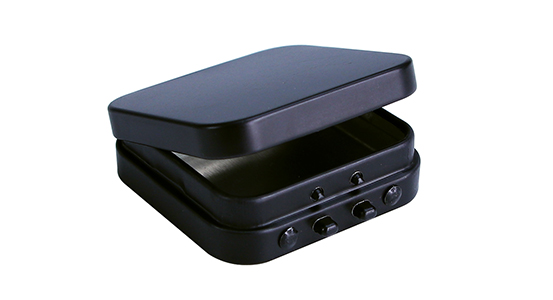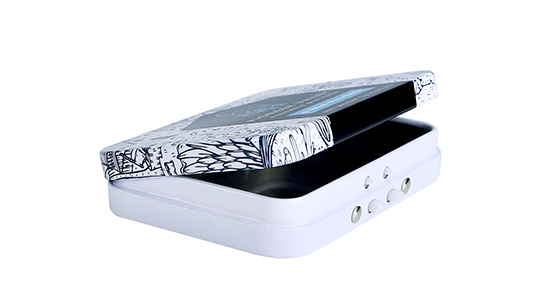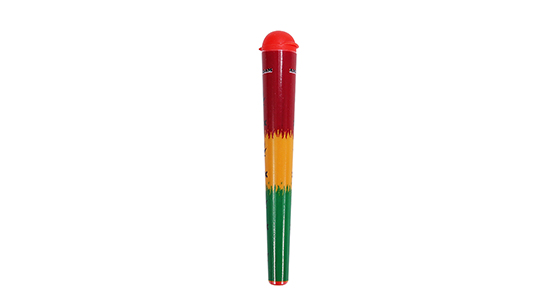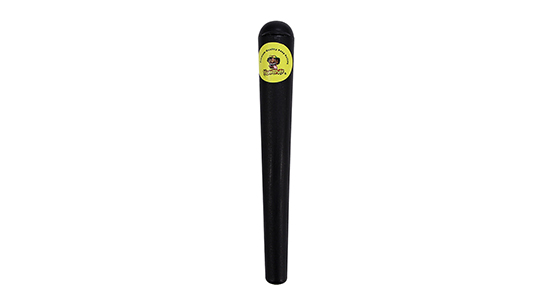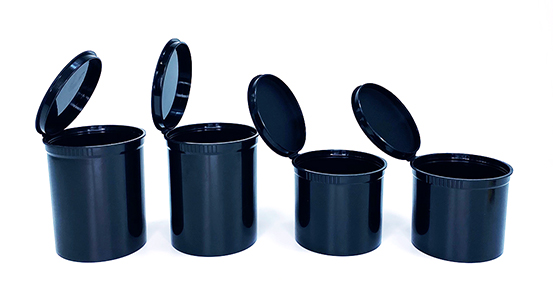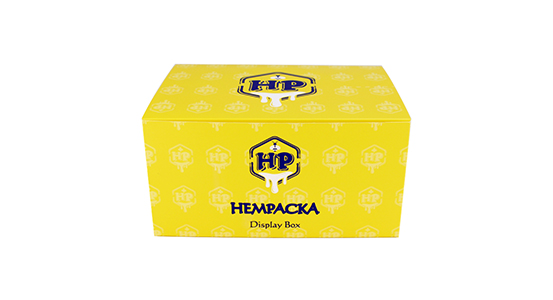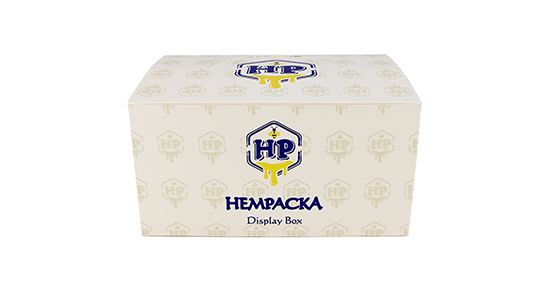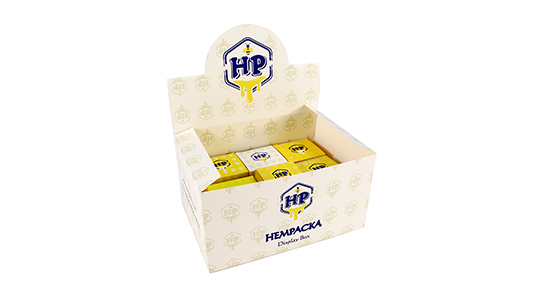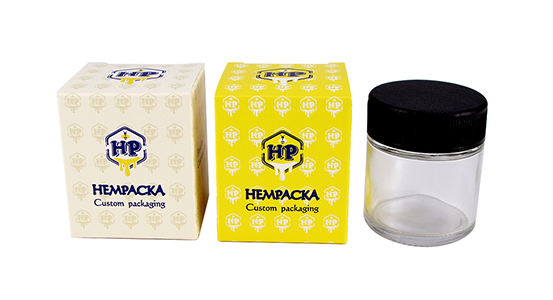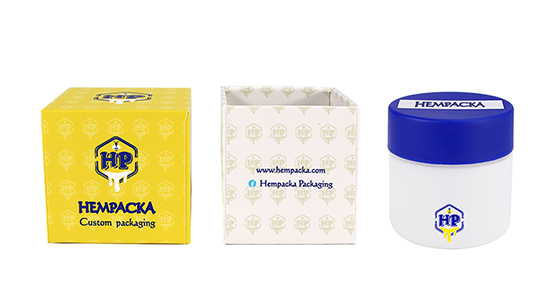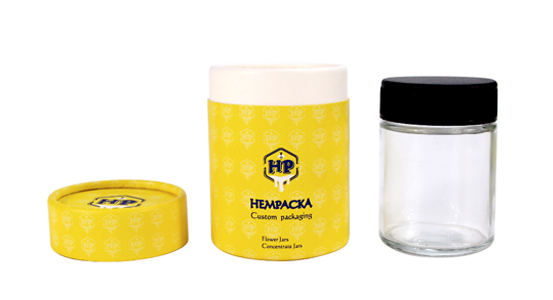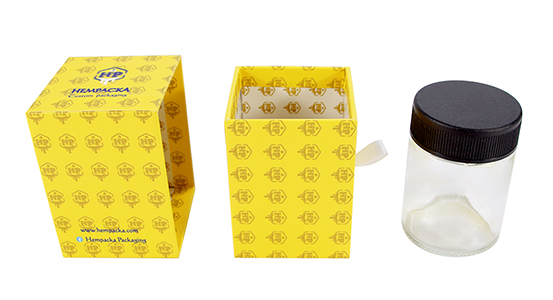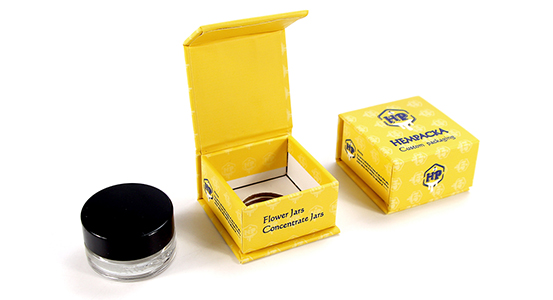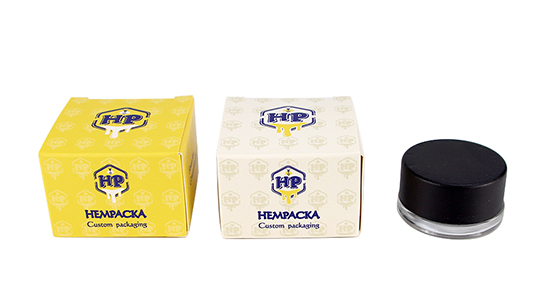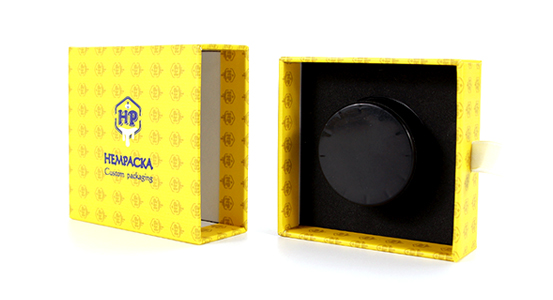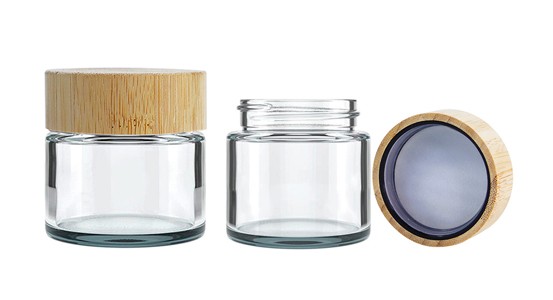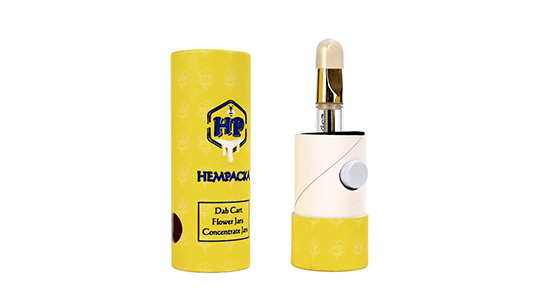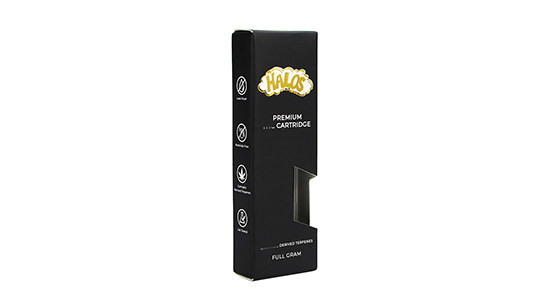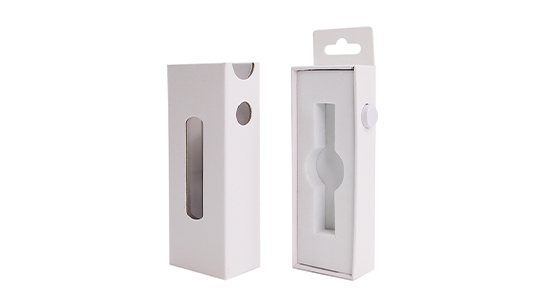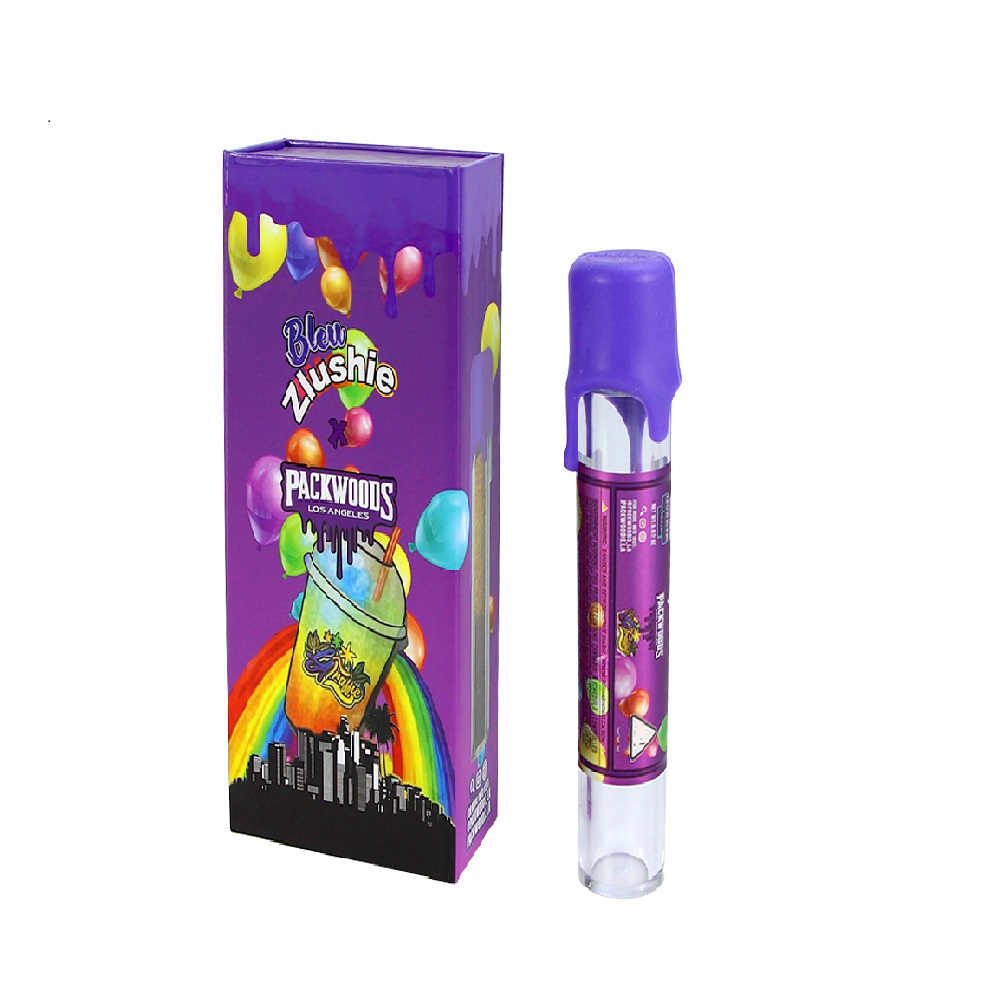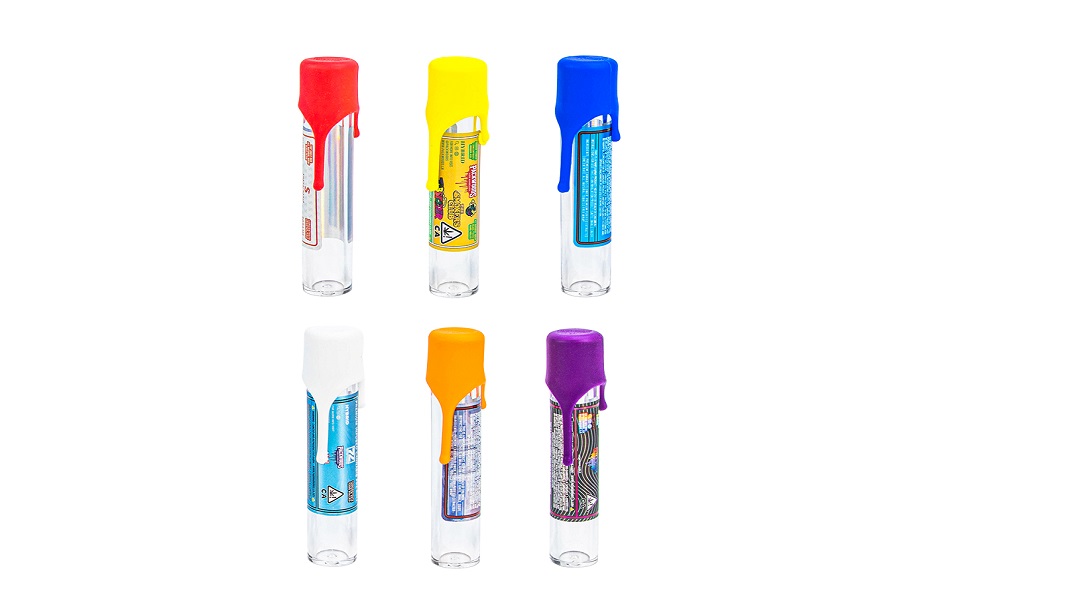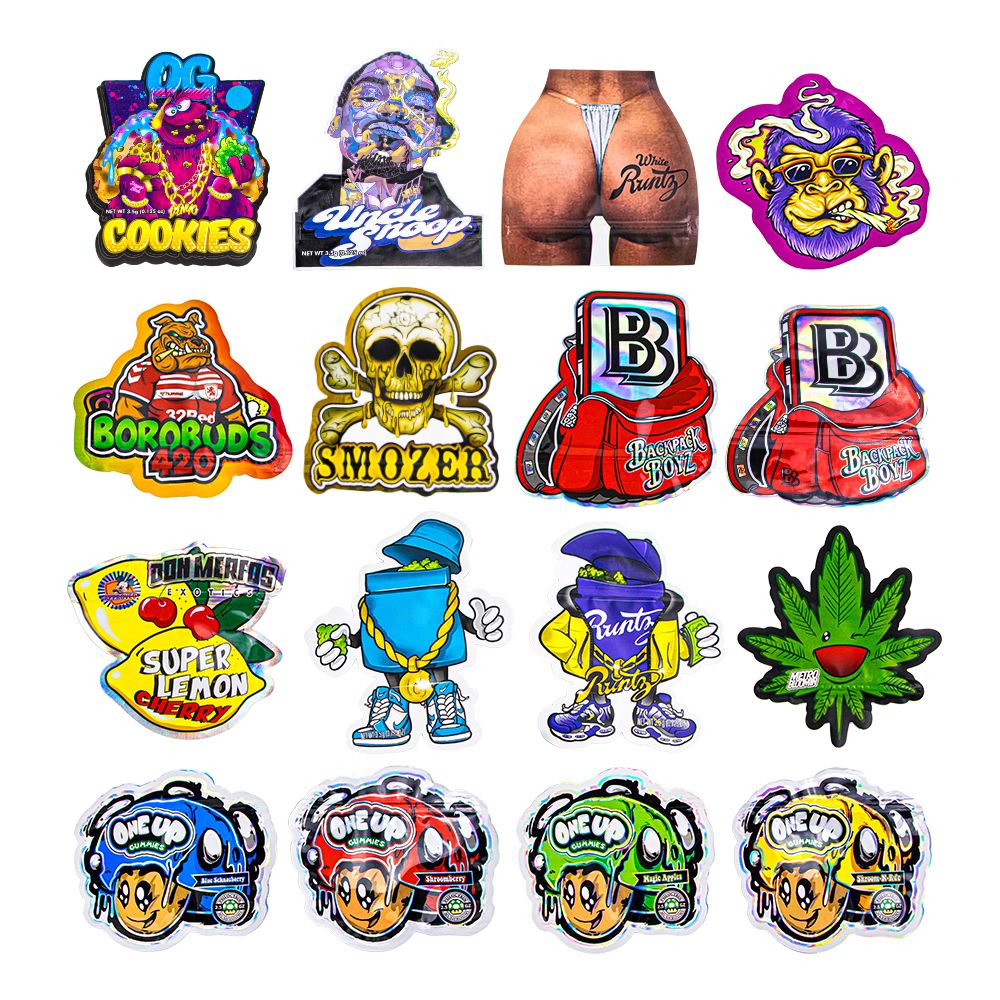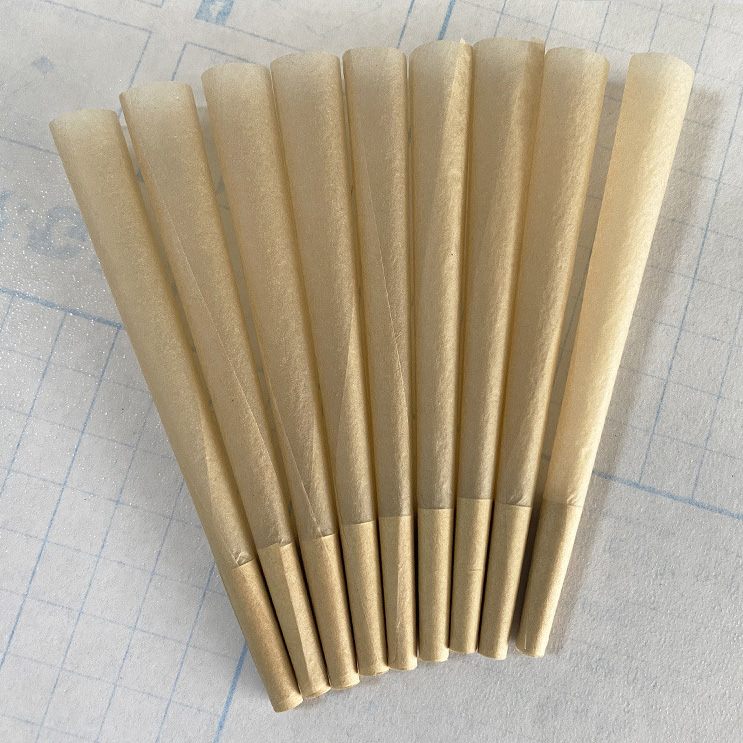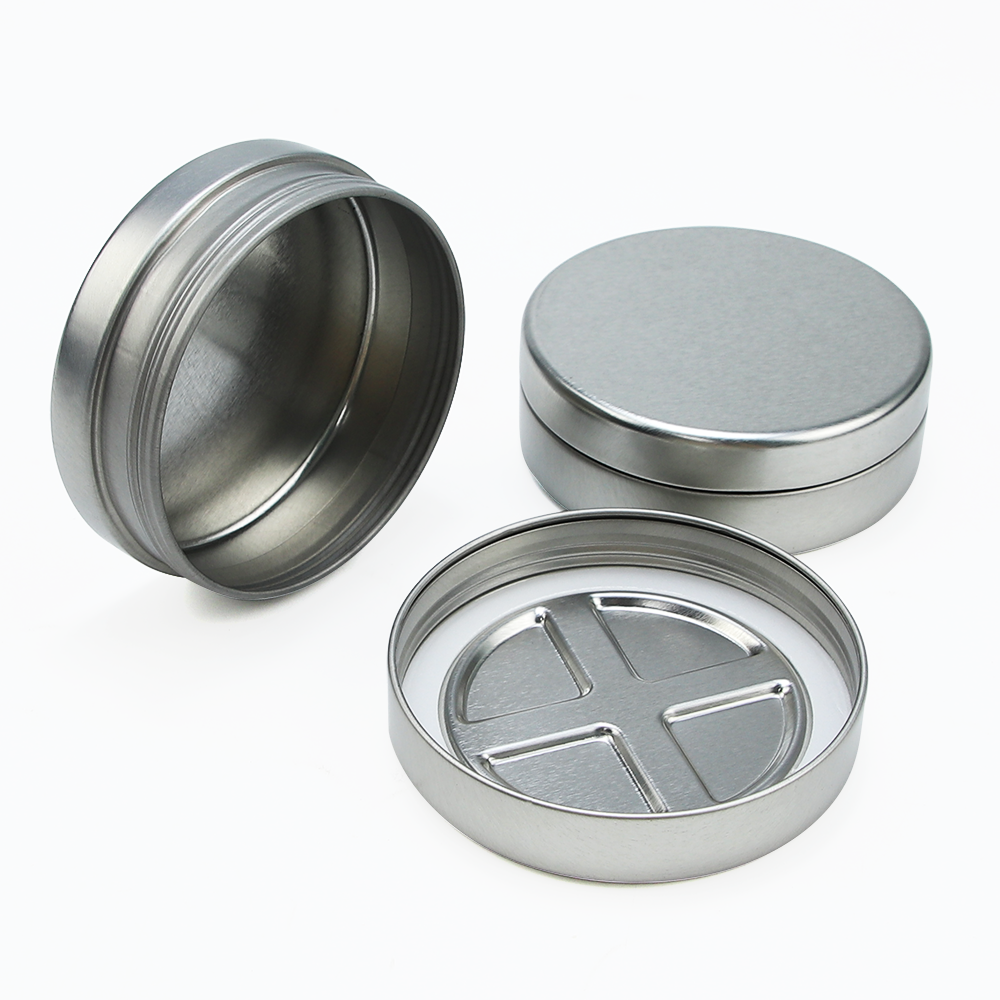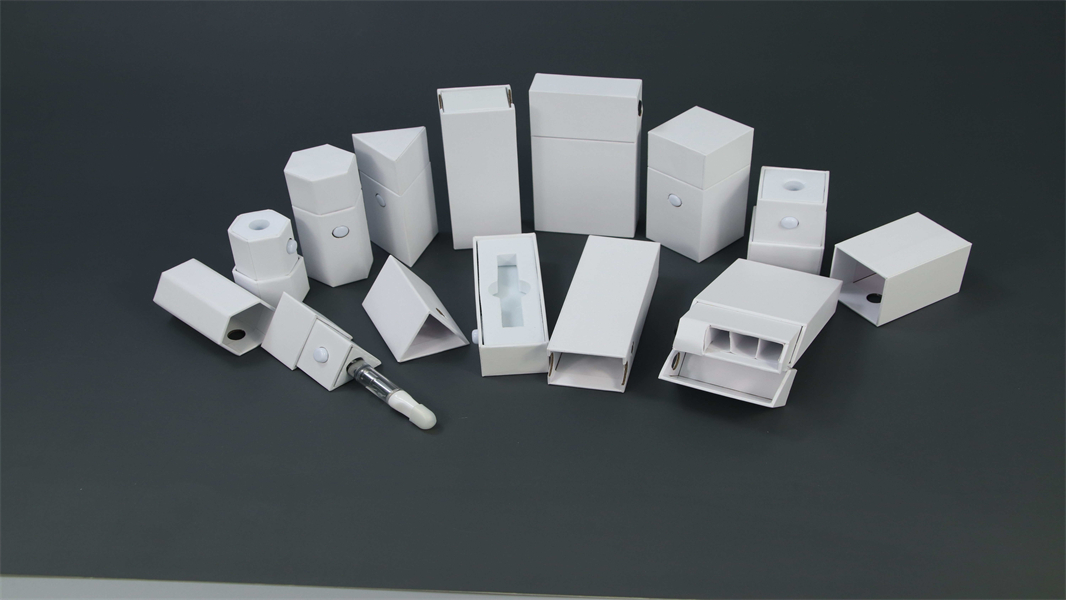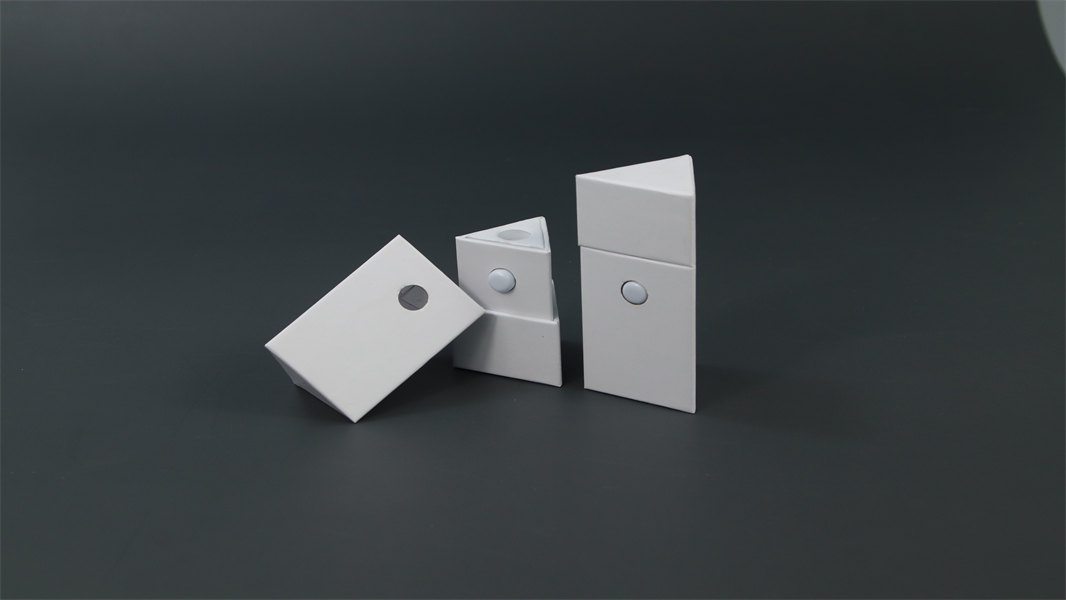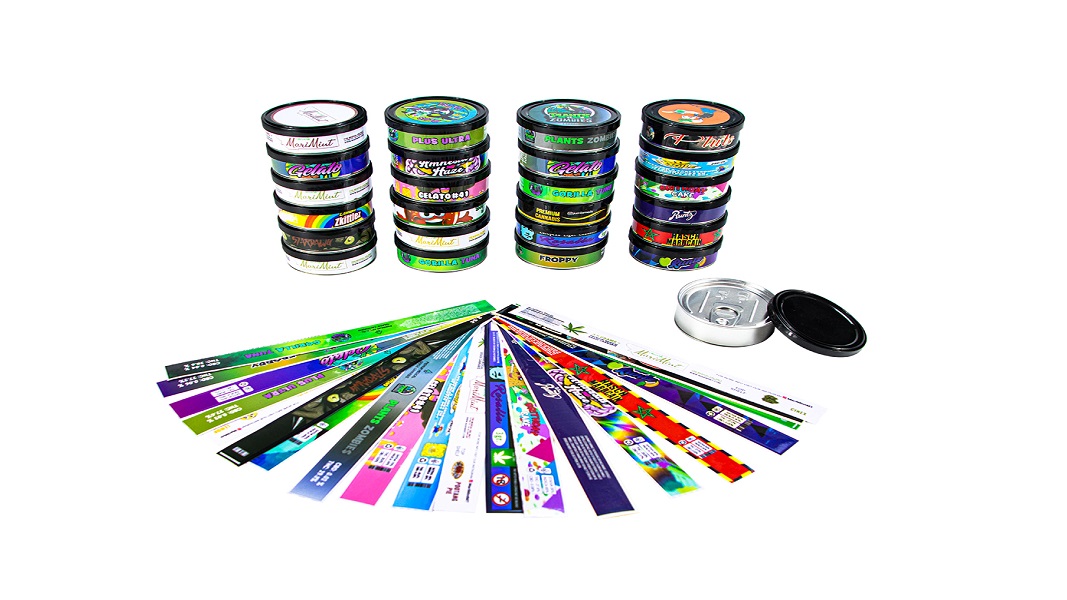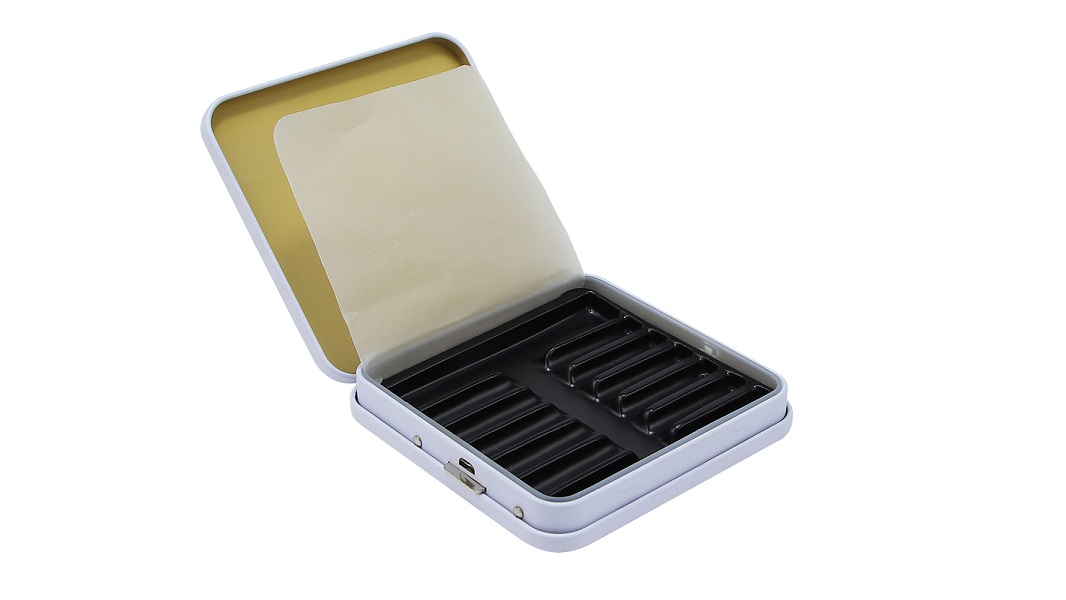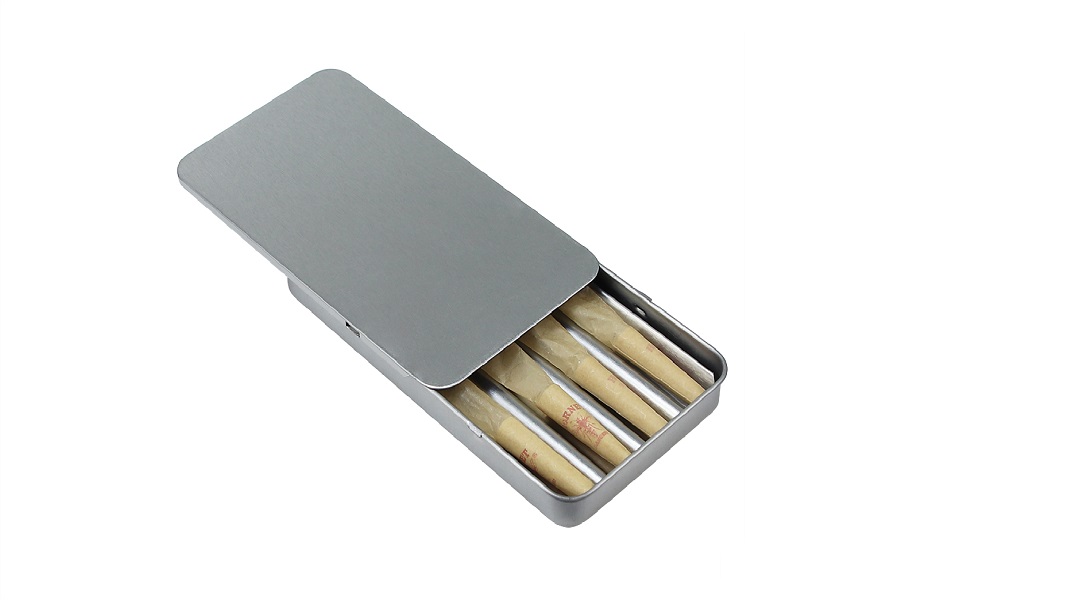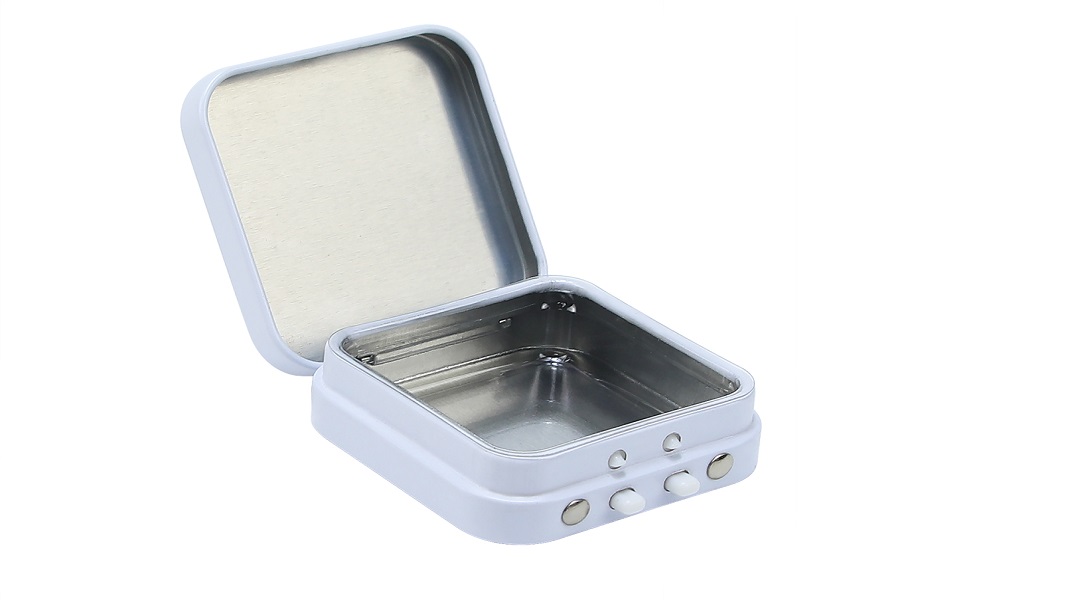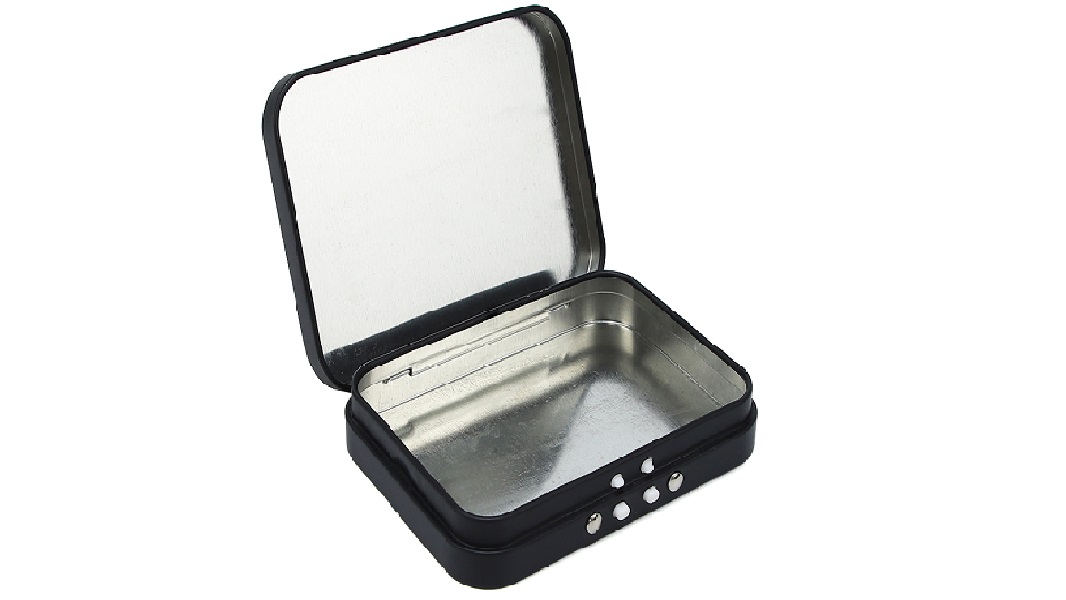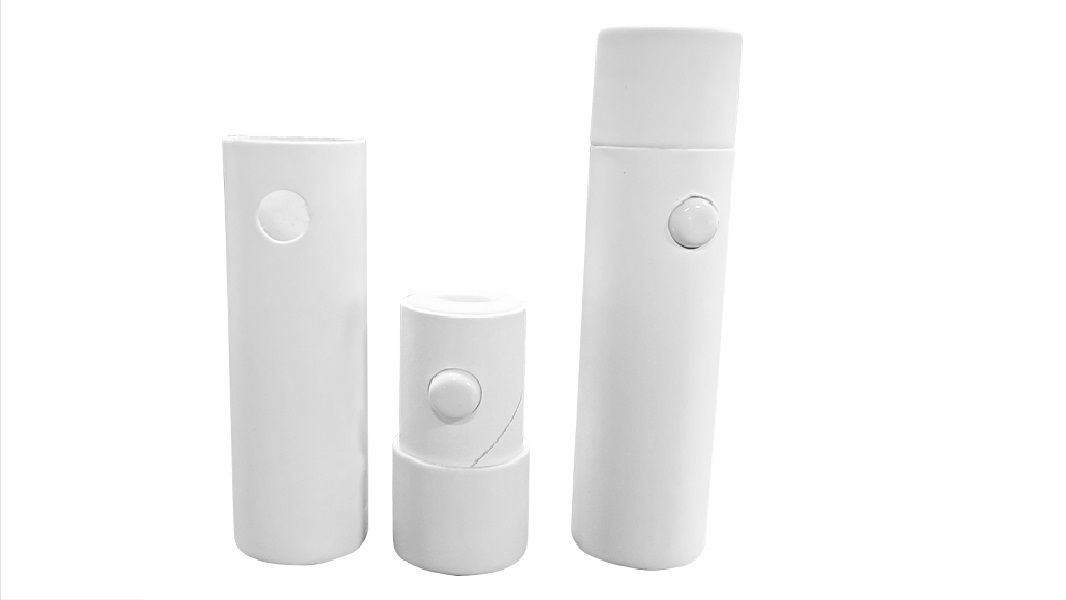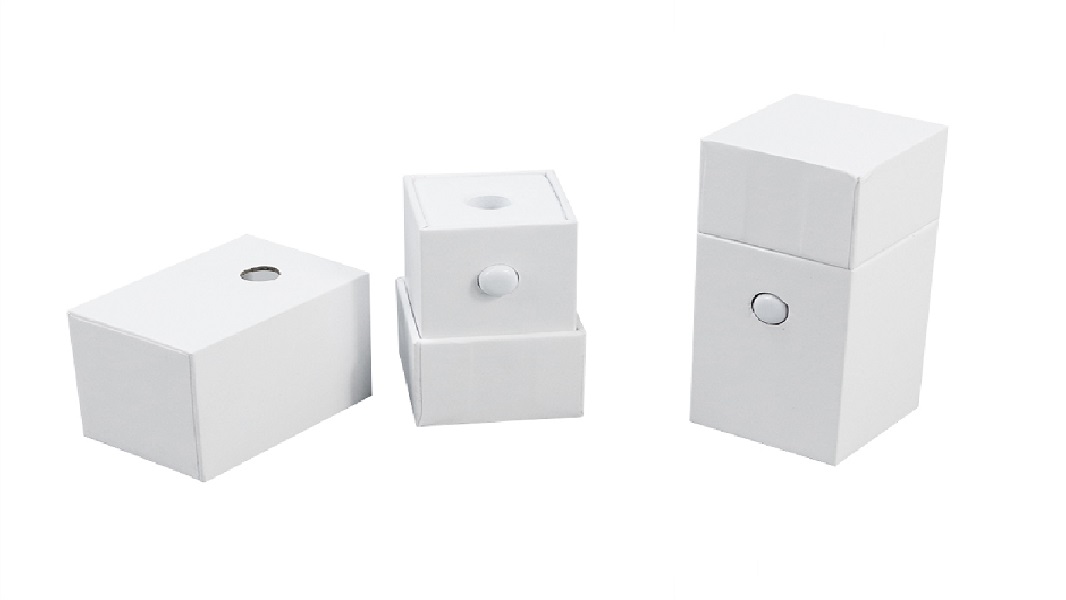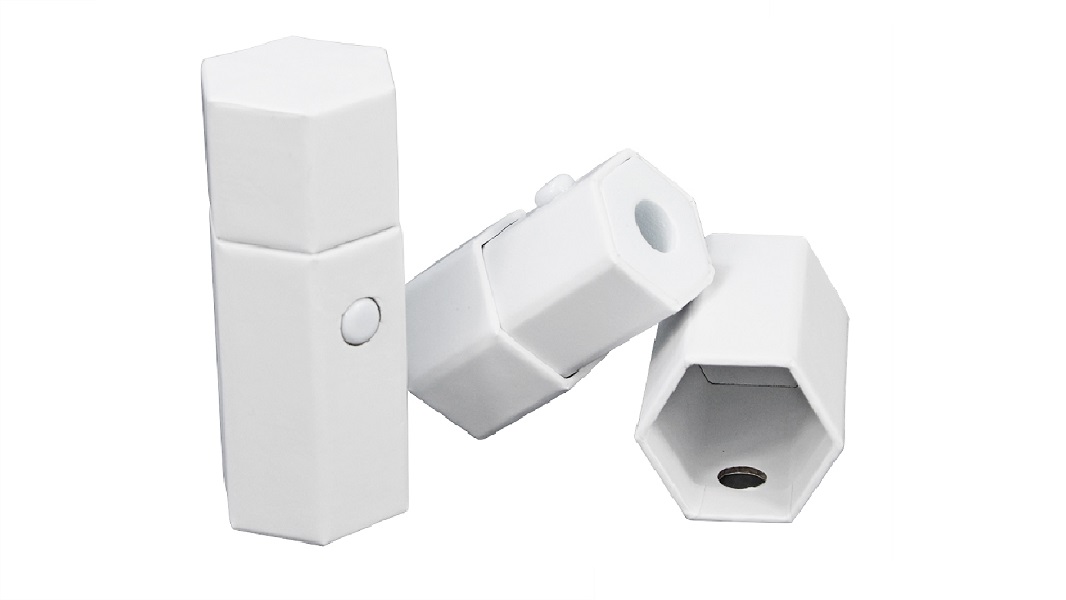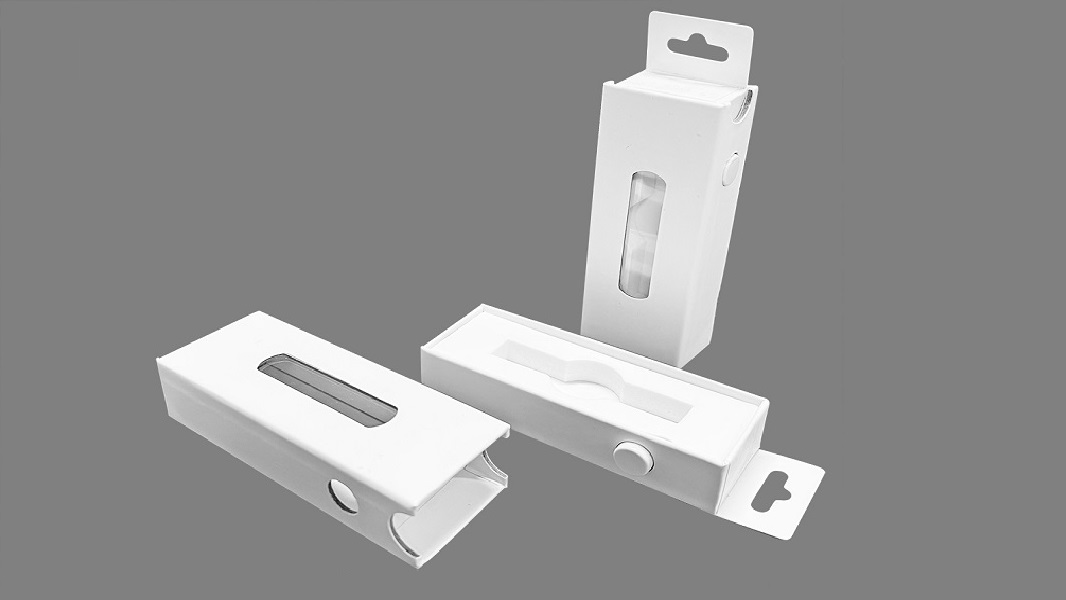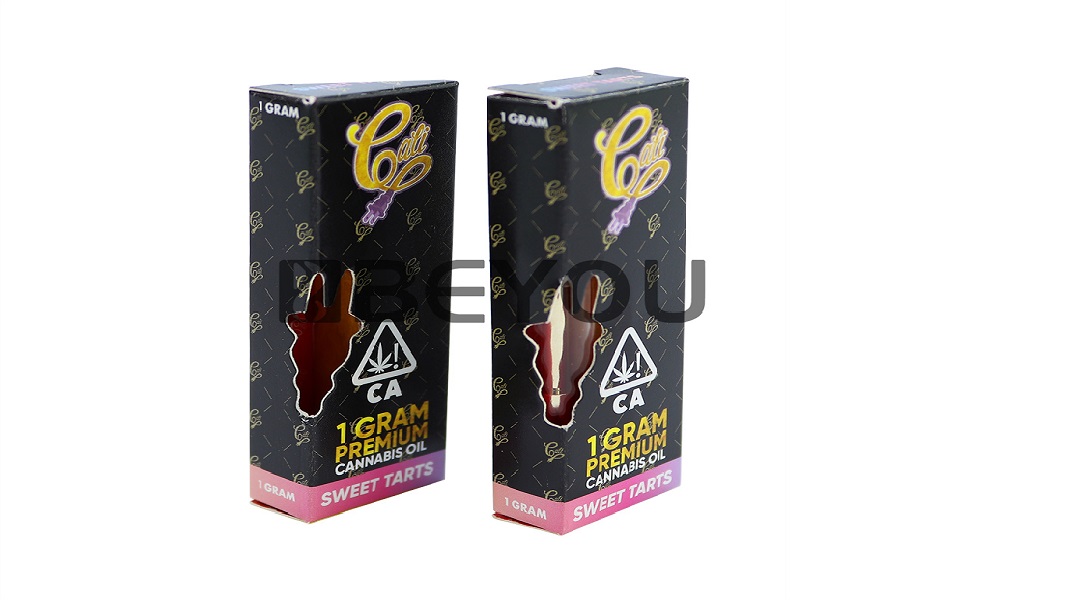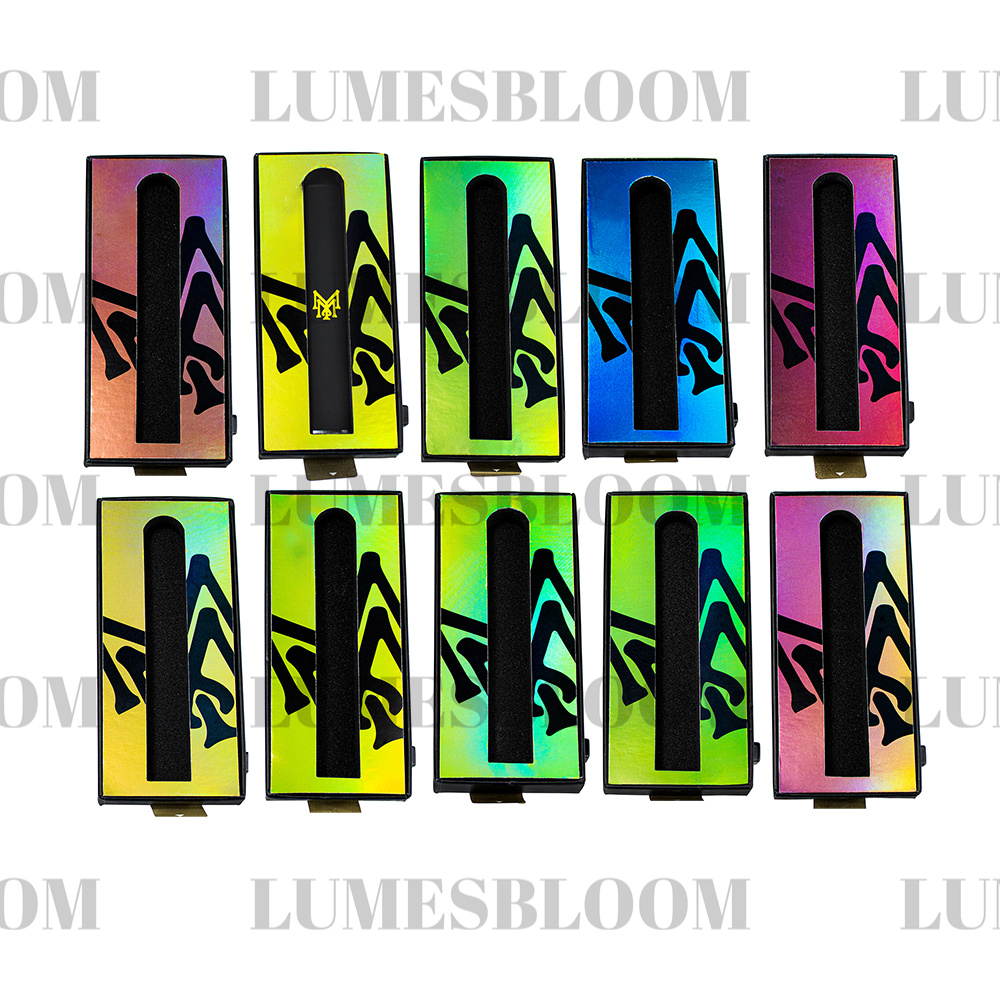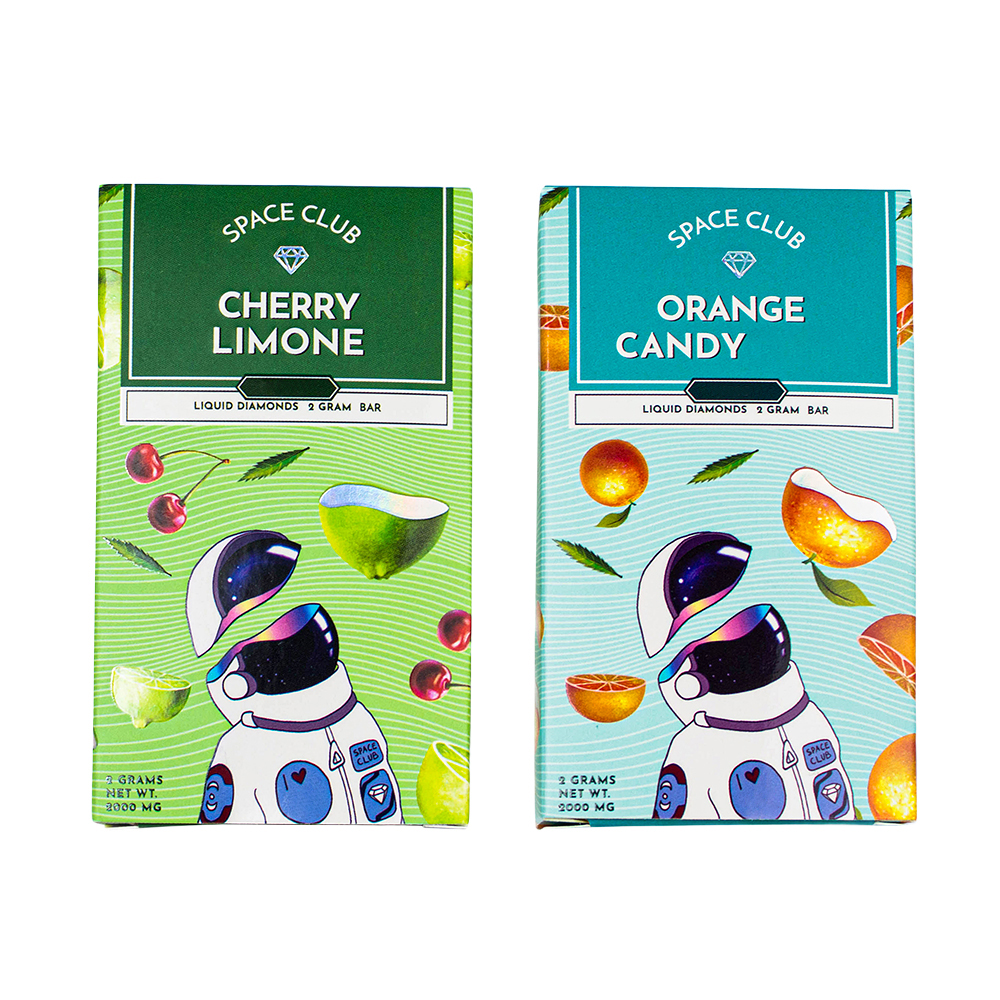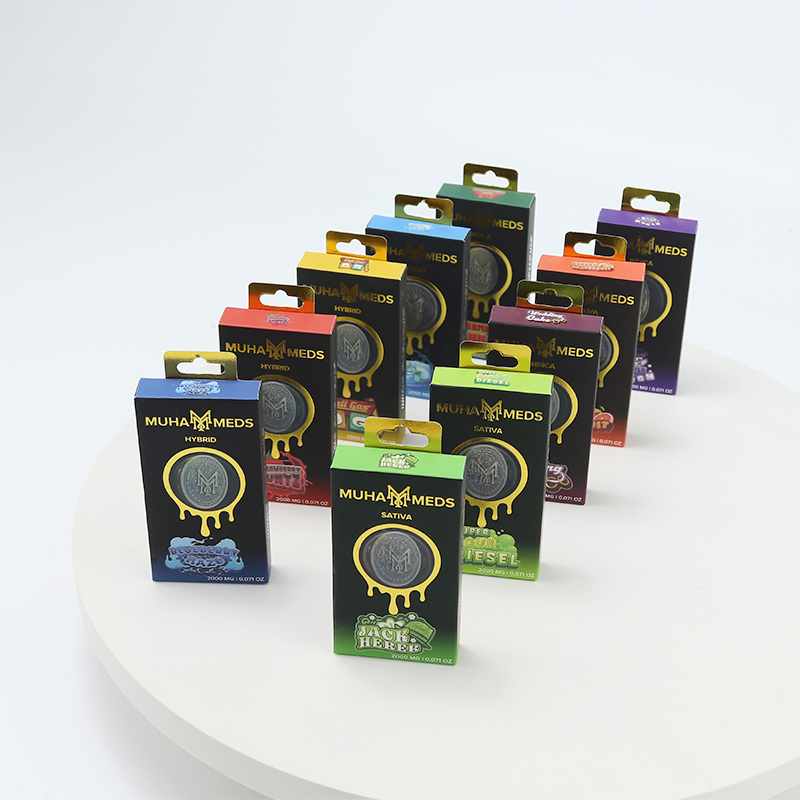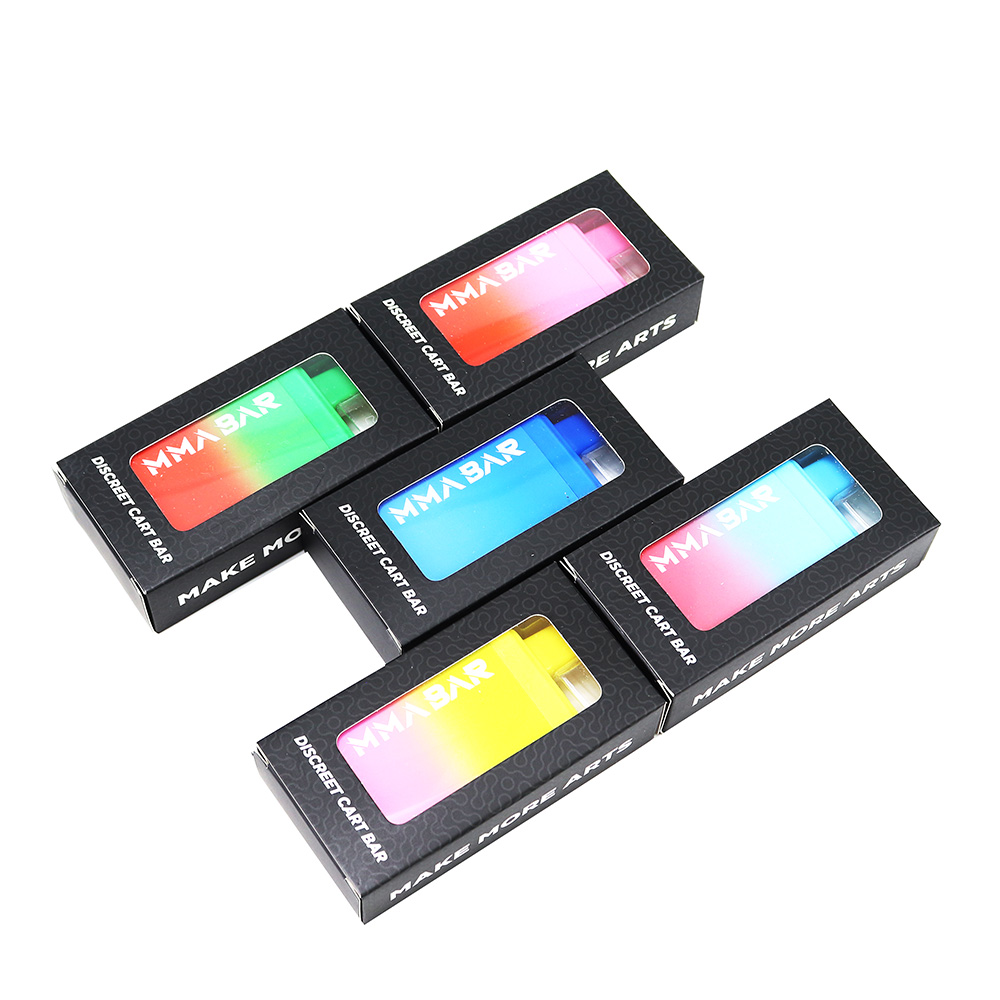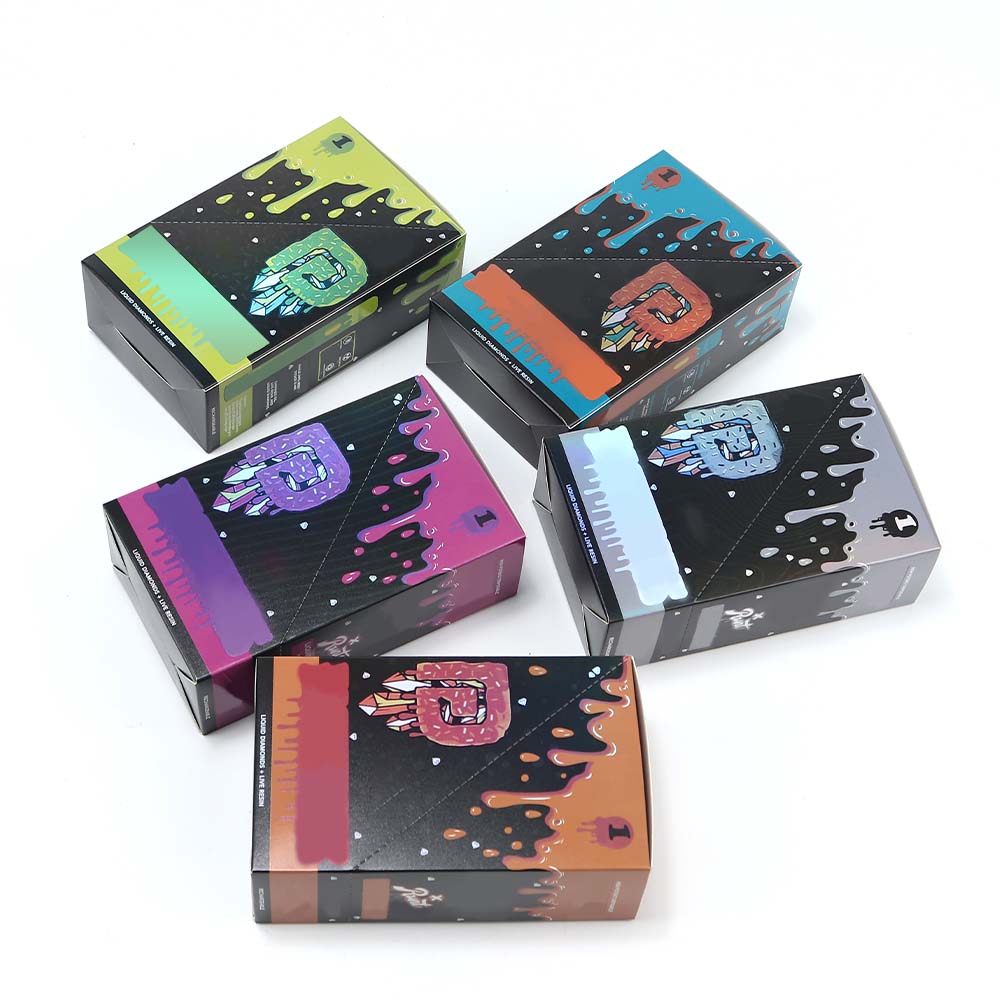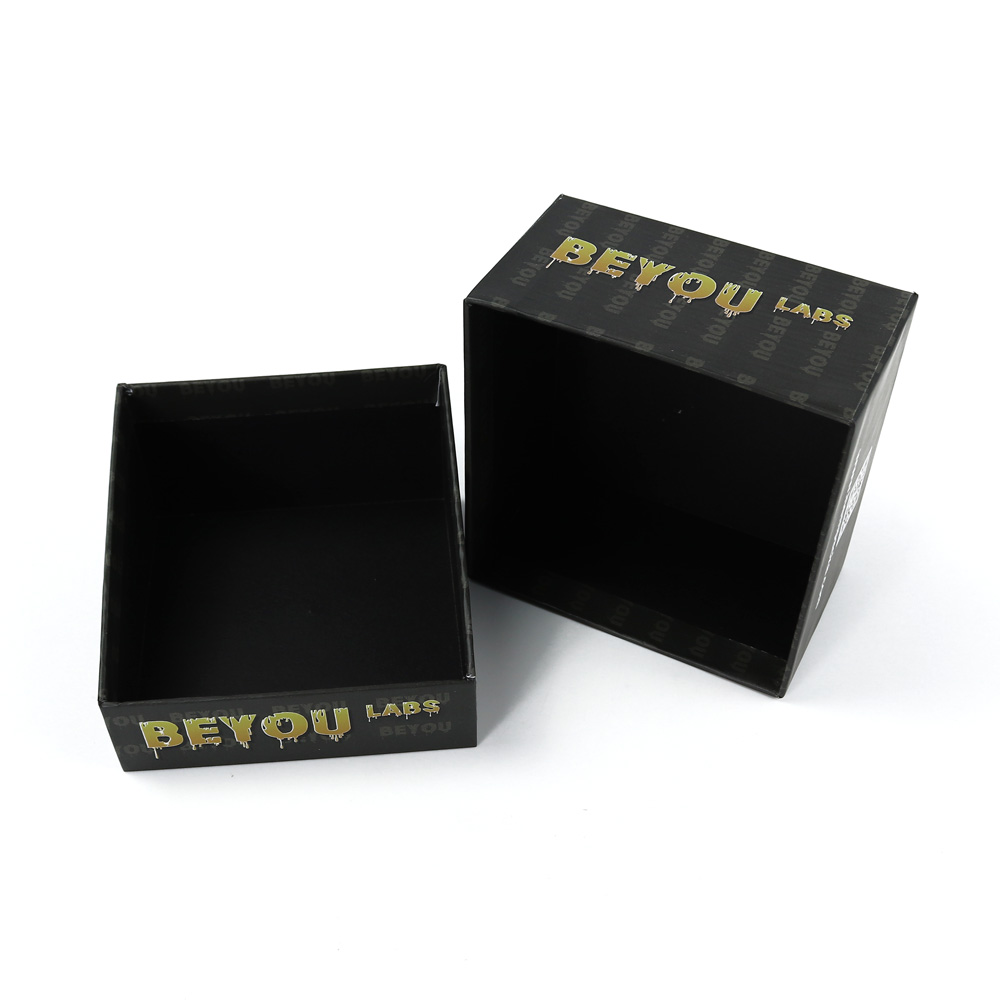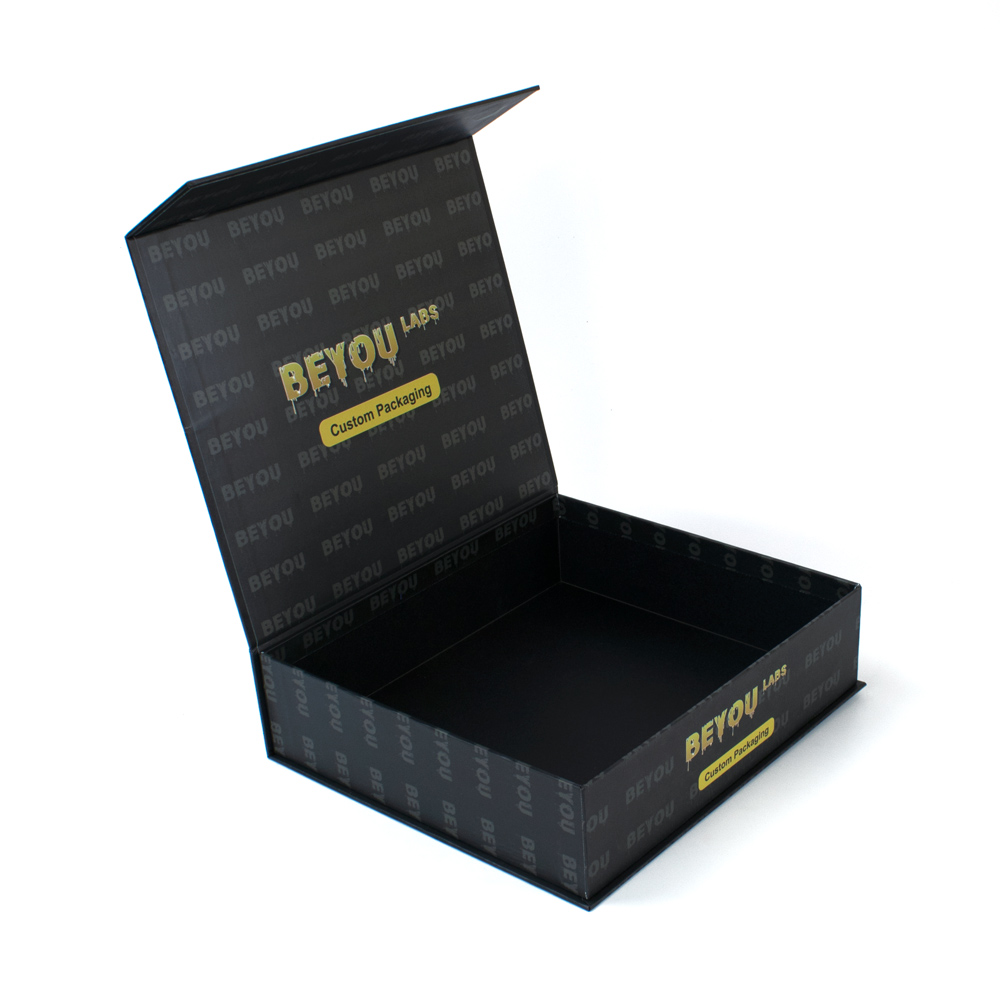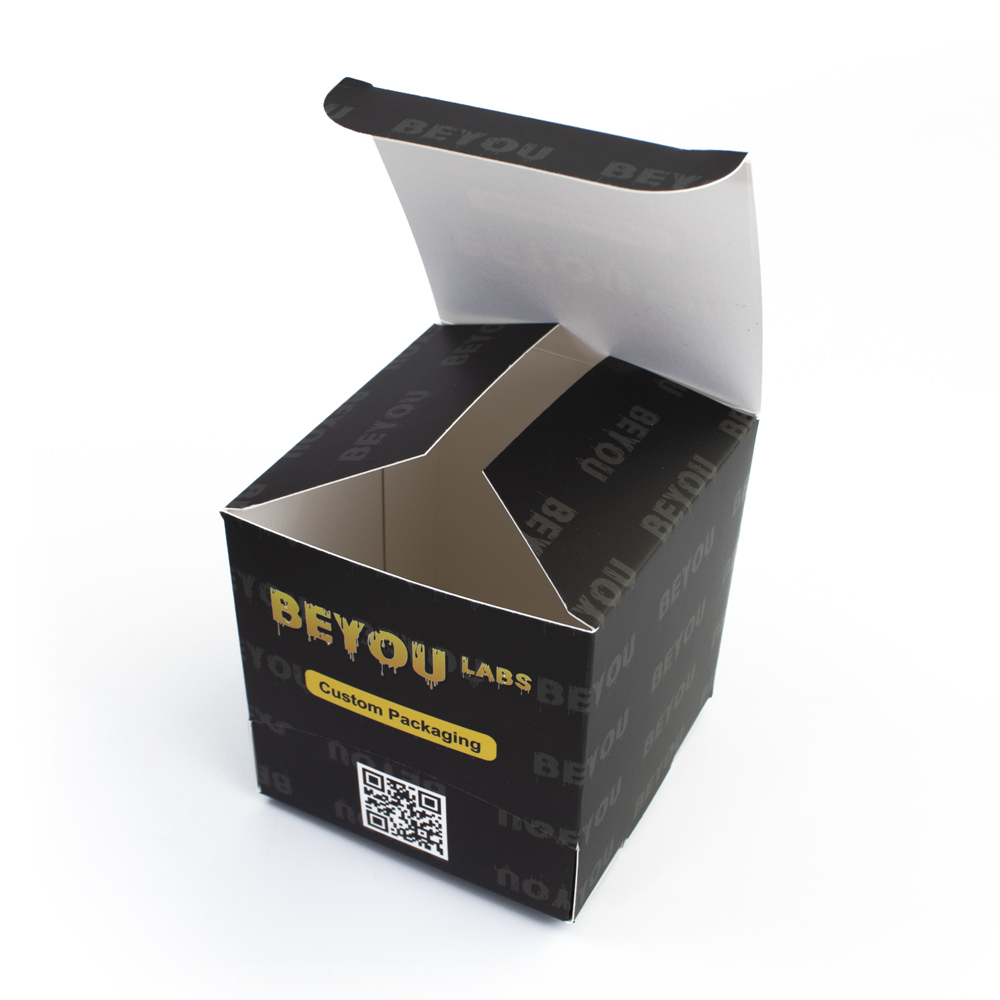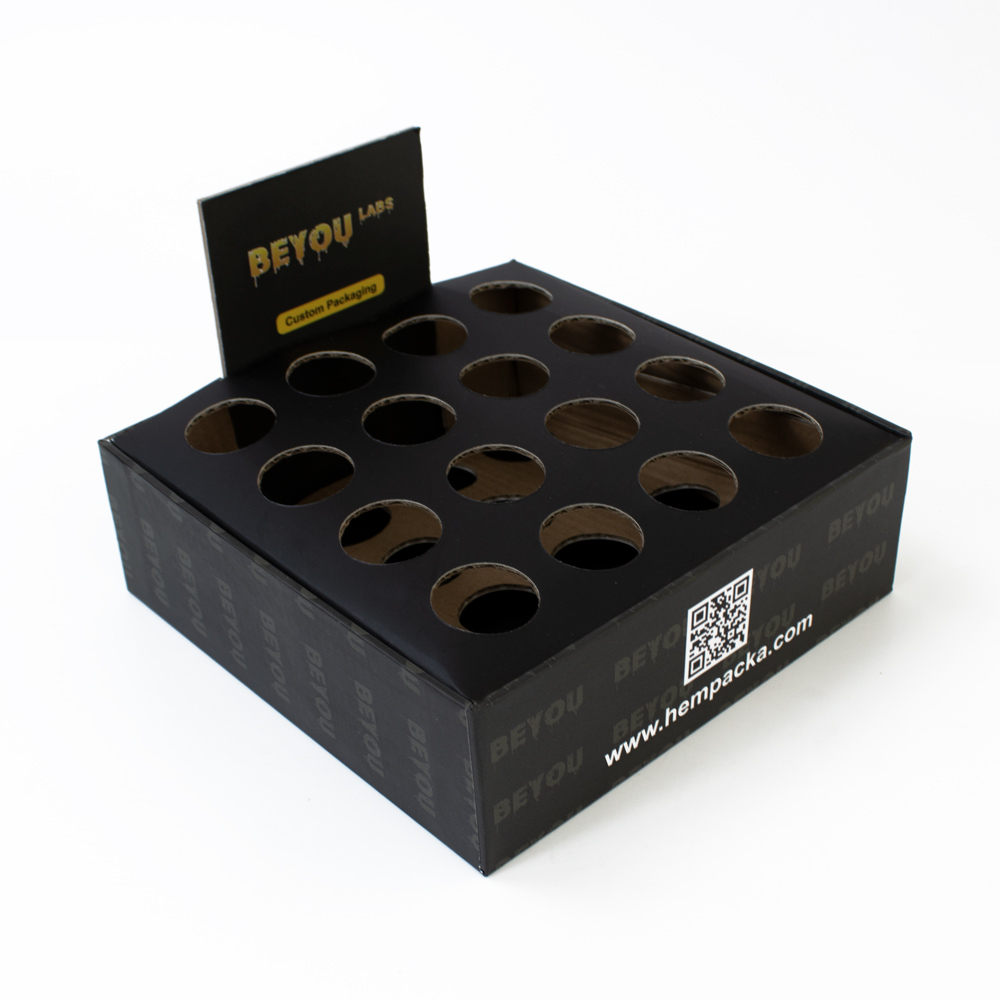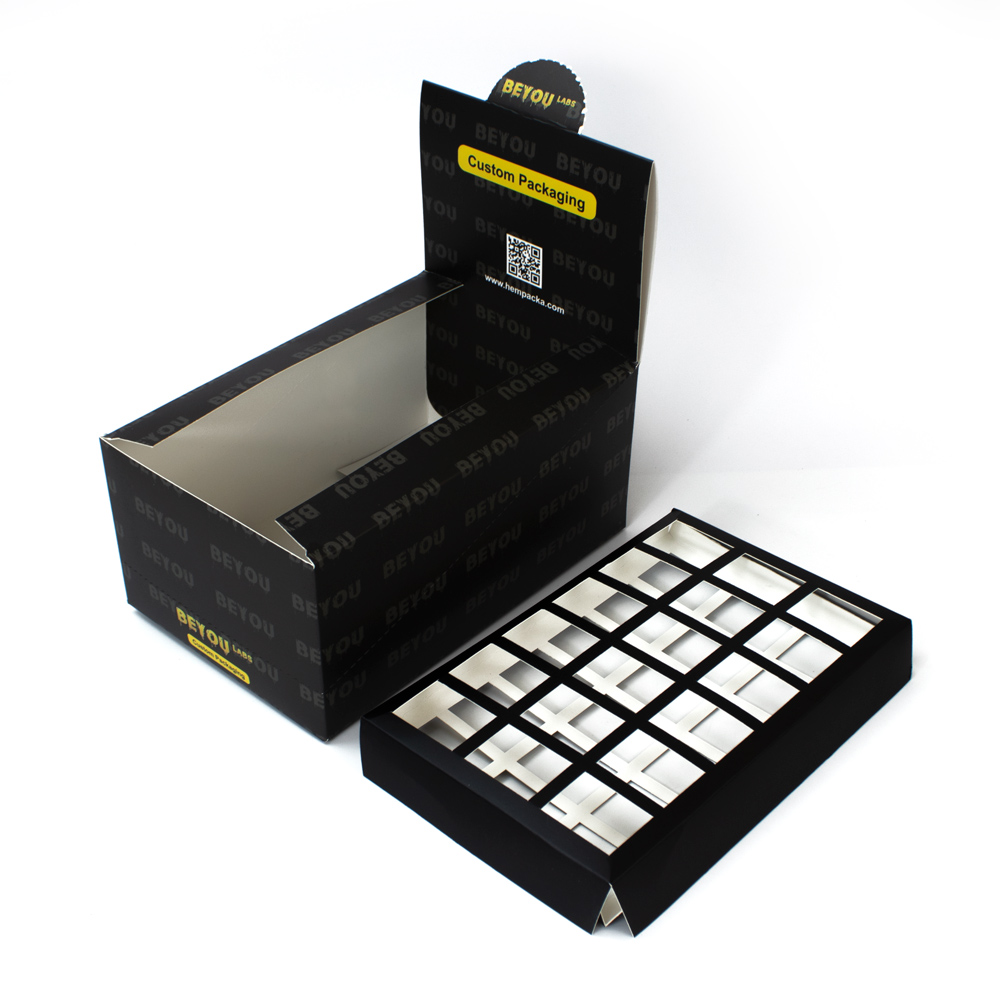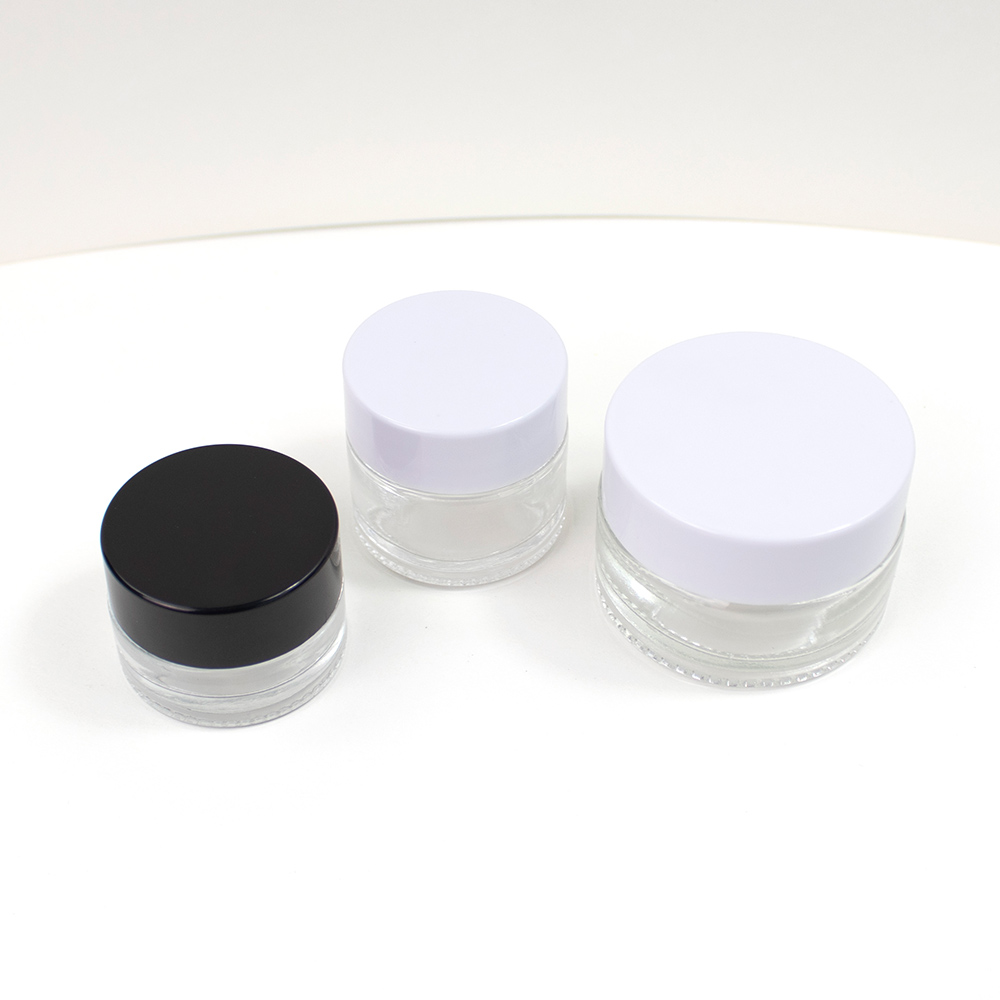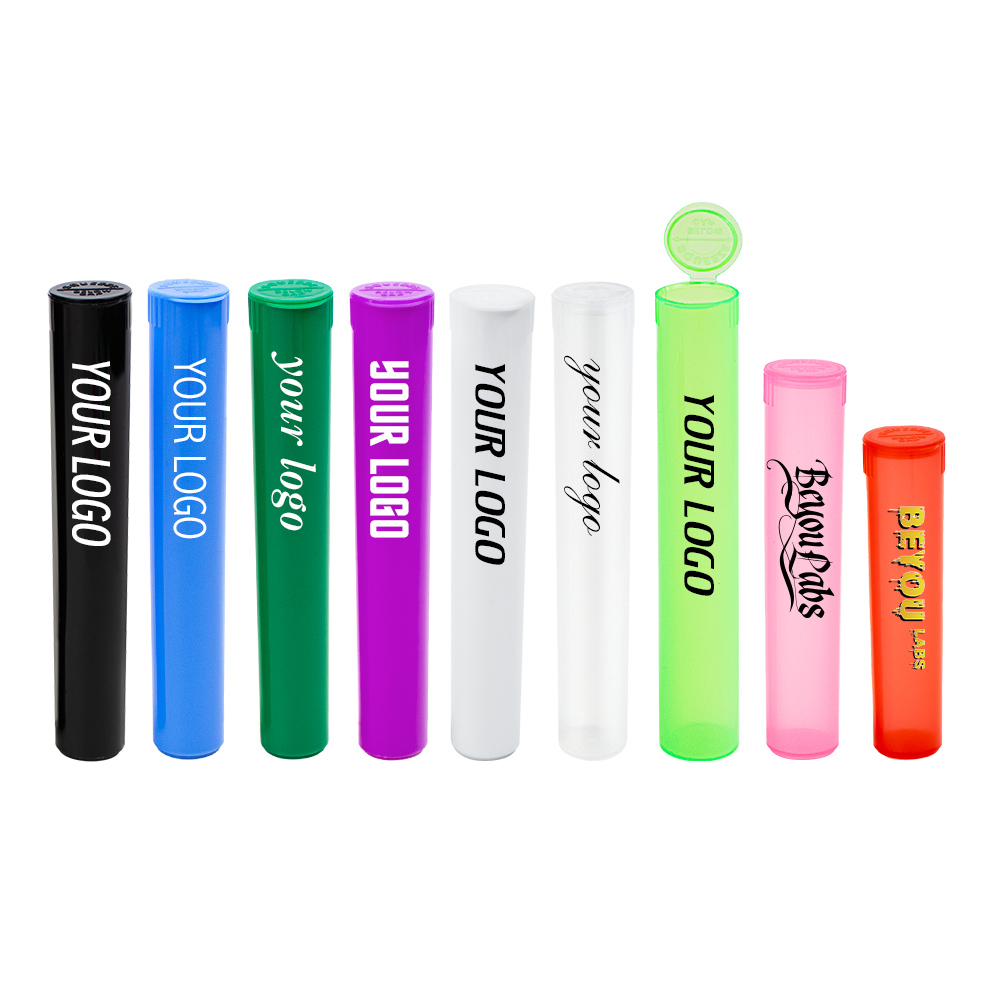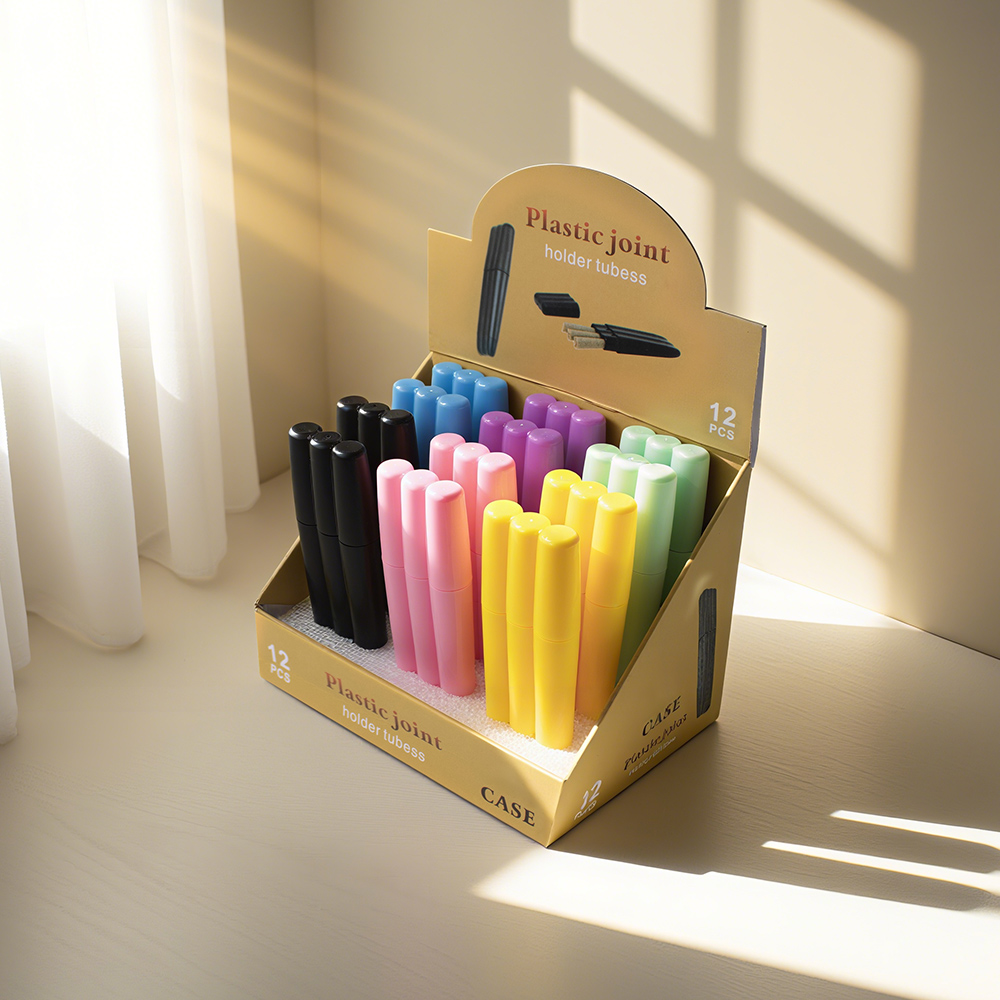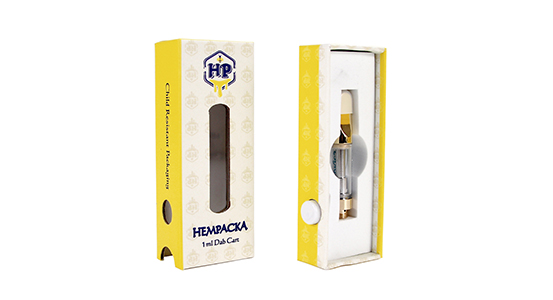
HEMPACKA Custom Logo Child Resistant Vape Cart Packaging Box
CALL : +86 18665993463 | PRICE BEAT GUARANTEE

Walk into any well-run smoke shop in Amsterdam, Denver, Berlin, or Los Angeles, and you'll notice something fast: the packaging does half the selling. A grinder sitting in a plain polybag gets ignored. The same grinder in a rigid box with a soft-touch finish, a clean logo, and a fitted insert? It gets picked up.
Packaging in the smoking accessories industry isn't just about keeping dust off a pipe or stopping a jar from cracking in transit. It's about compliance, brand identity, freshness, and the unboxing moment — all at once. And if you're selling into Europe or North America, getting the packaging right can be the difference between a product that moves and one that sits on a shelf.
Here's what the market actually looks like right now.
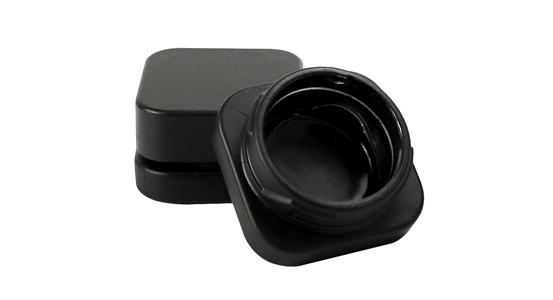
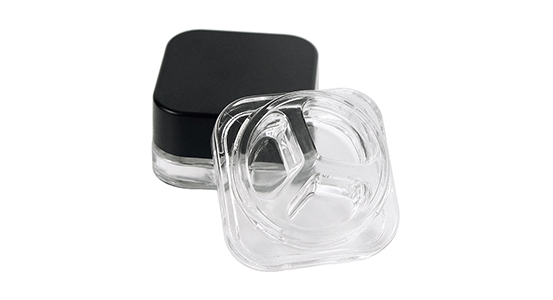
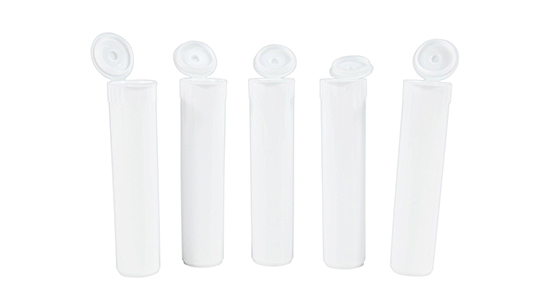
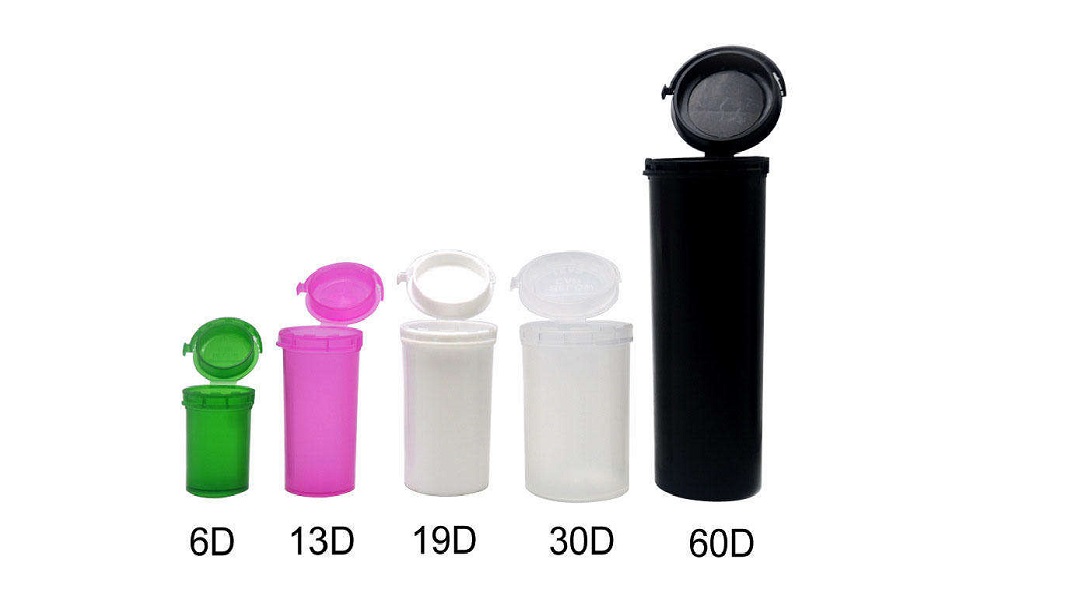
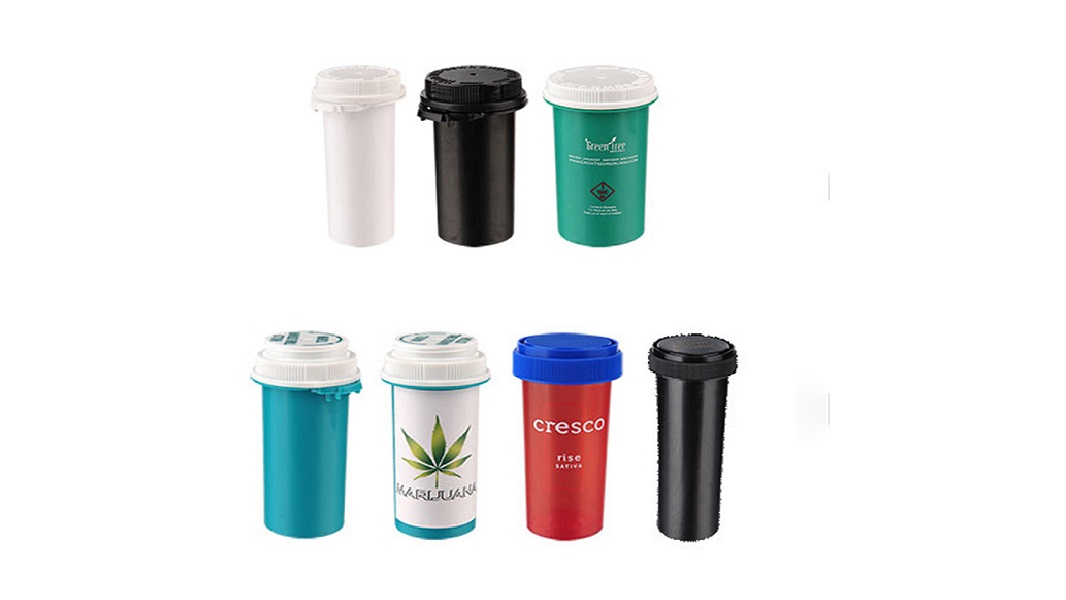
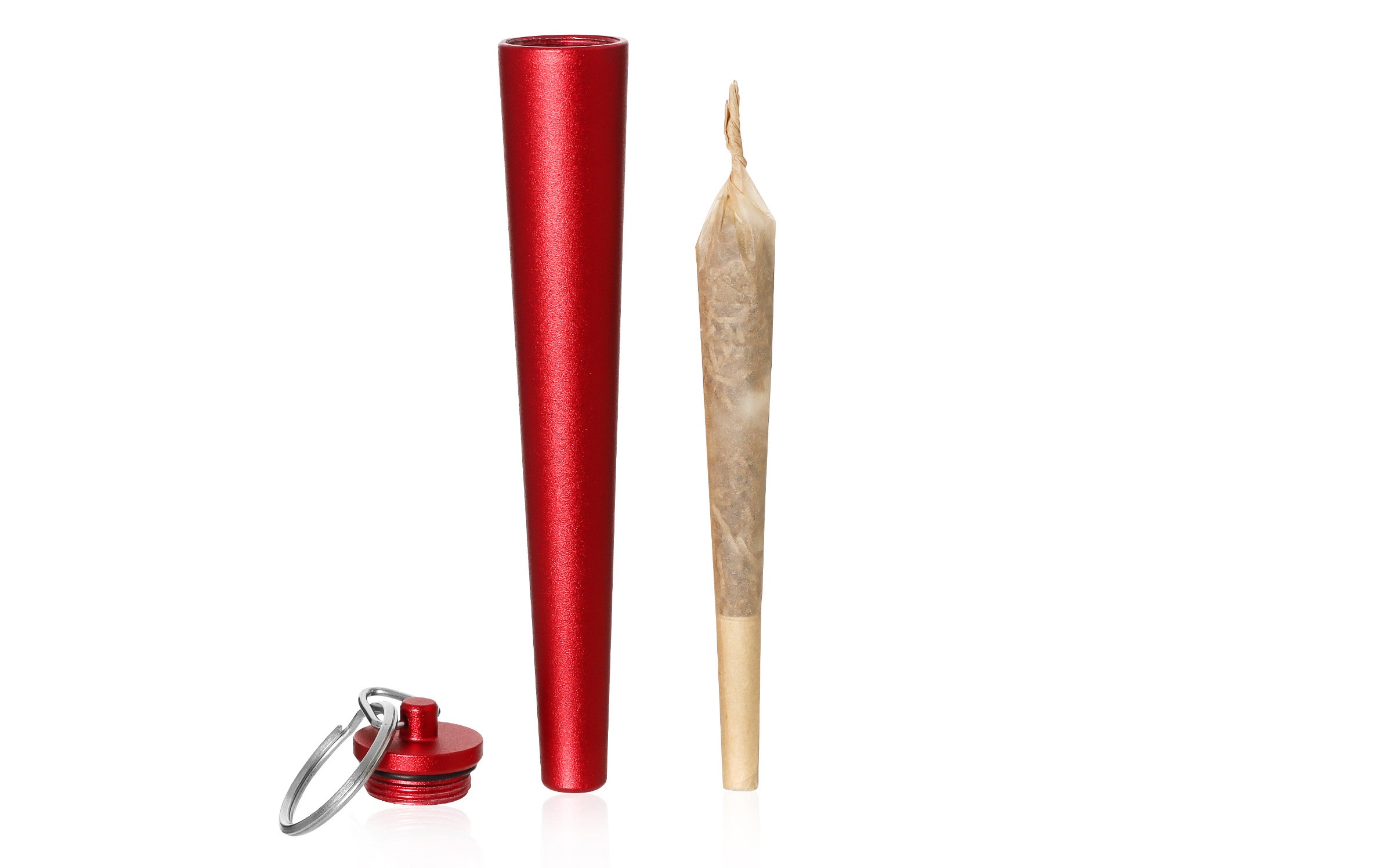
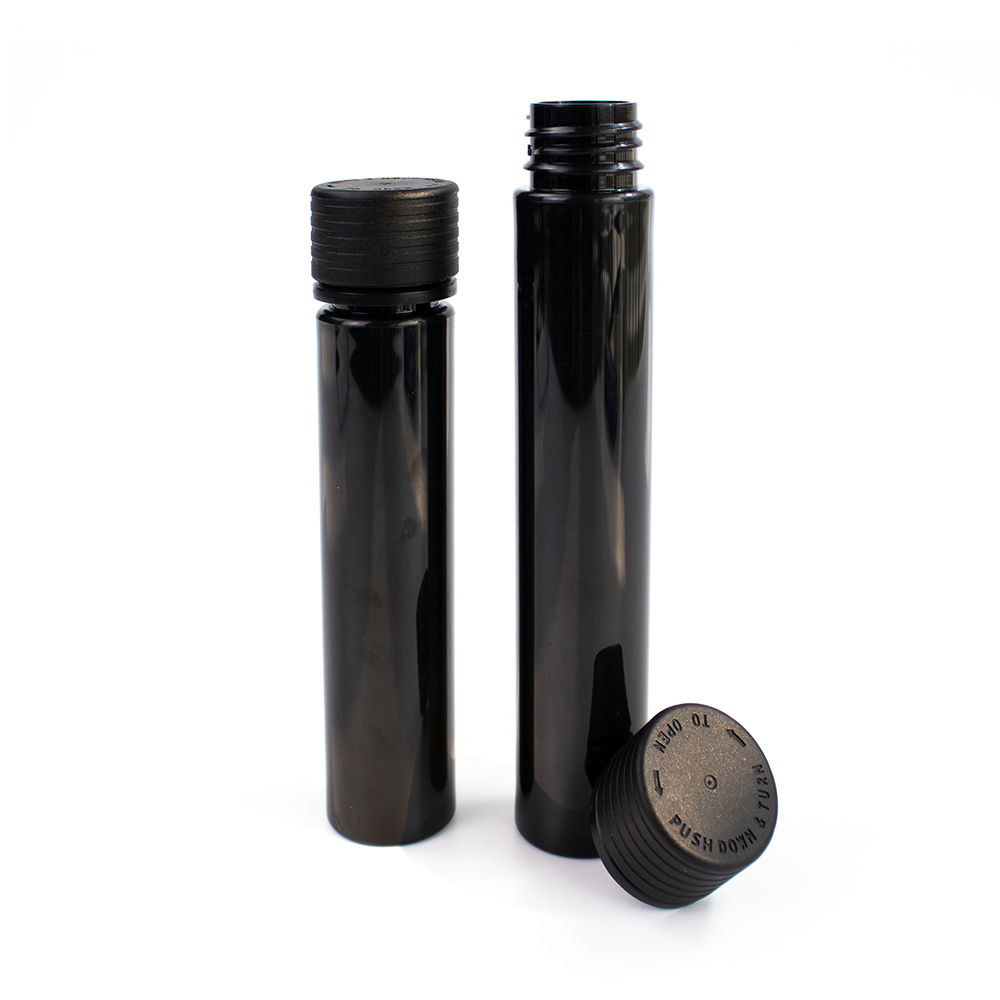
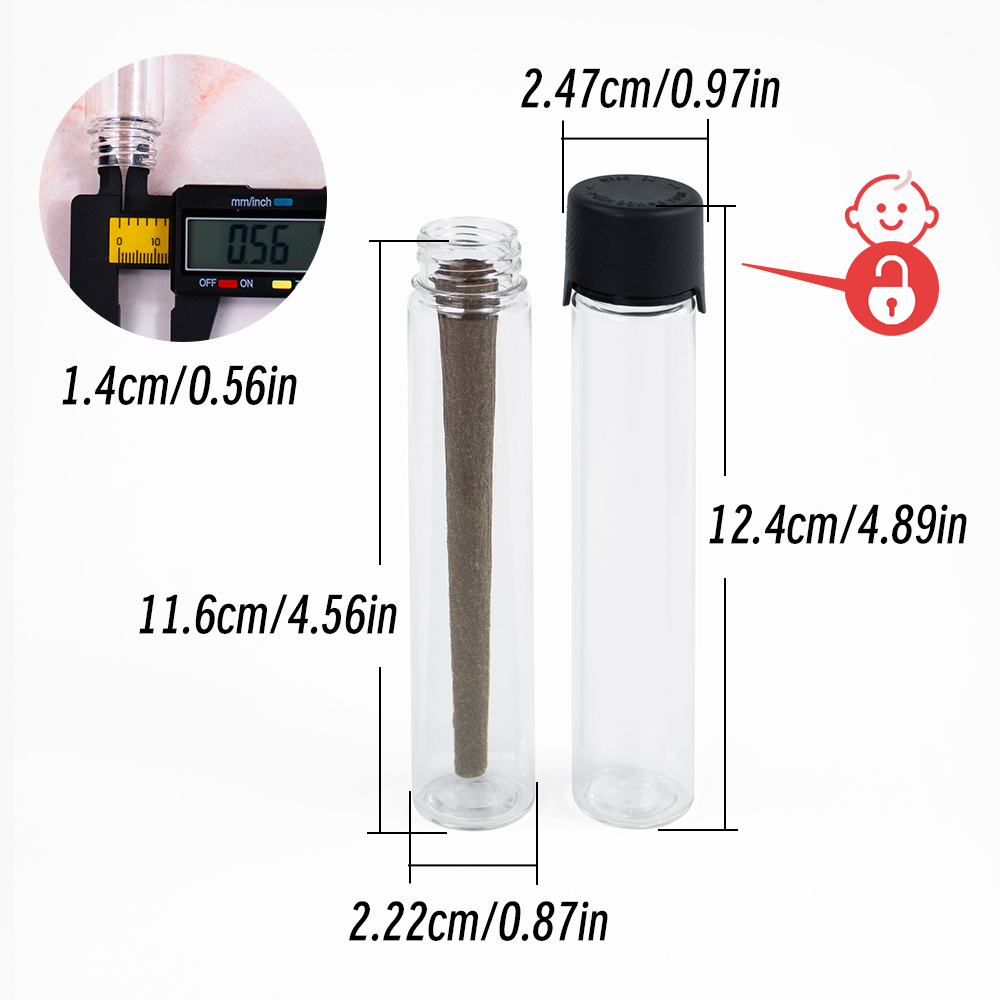
If there's one non-negotiable in both the US and EU smoking accessories space, it's child-resistant (CR) packaging.
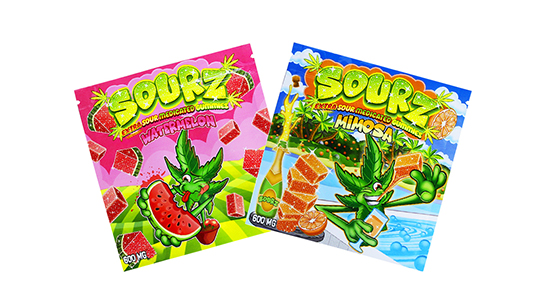
In the United States, the Consumer Product Safety Commission enforces standards under 16 CFR 1700, and any product that could be mistaken for something edible — or that stores herb, concentrate, or nicotine — needs to meet ASTM D3475 certification. States like California, Colorado, Washington, and New York each layer on their own rules. California requires every individual cannabis product to be in a certified child-resistant package as of January 1, 2020. New York's Part 128 guidance goes further, banning packaging that "could be attractive to individuals under 21" — so no cartoon mascots, no candy-like color schemes, no references to cereal or soda.
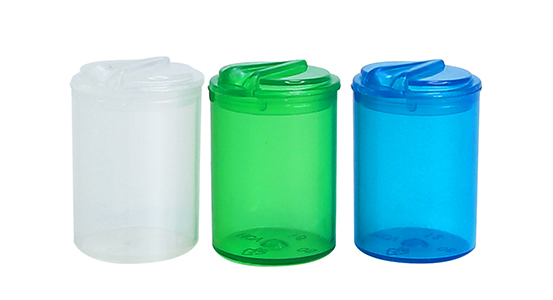
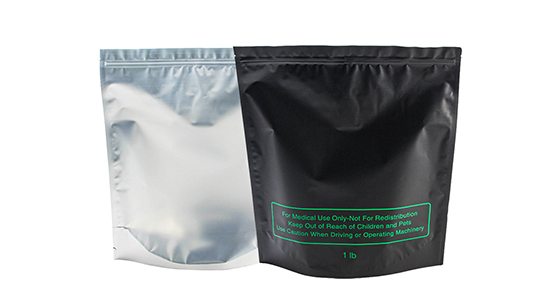
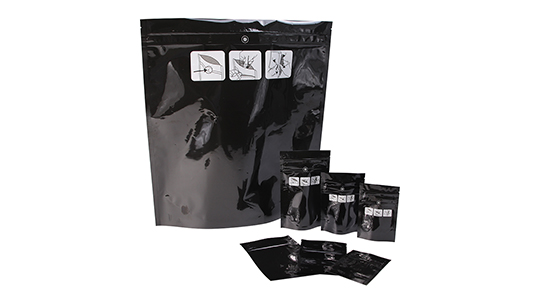
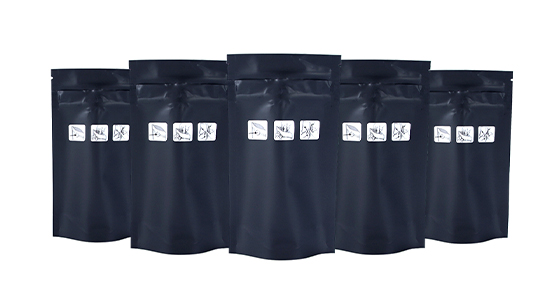
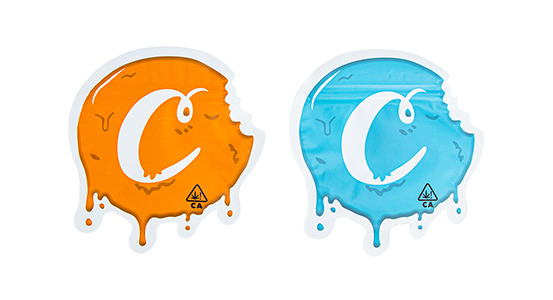
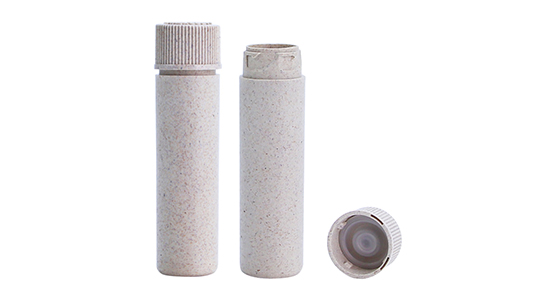
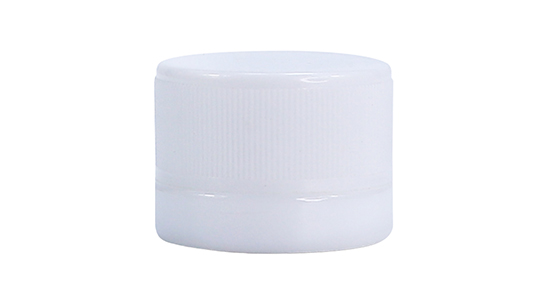
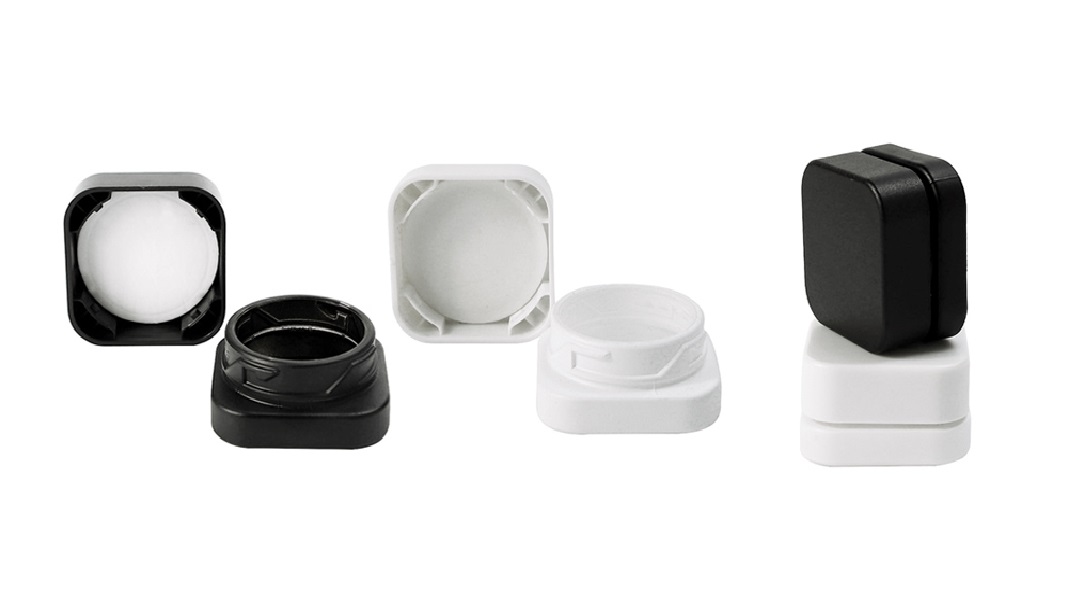
The mechanisms vary. Push-and-turn caps are standard for jars and bottles. Pinch-and-slide and squeeze-and-pull zippers dominate the pouch world. Heat-sealed mylar bags with a notched tear strip count as CR in several states because a child can't easily open them — Oregon's OLCC maintains an approved list that includes dozens of heat-sealed mylar bag configurations.
Europe is heading in the same direction, just with a different regulatory wrapper. The EU's Packaging and Packaging Waste Regulation (PPWR), phasing in through 2030, will restrict multi-material CR mechanisms and push brands toward mono-material solutions that are easier to recycle. Germany's VerpackG already requires producers to register and pay EPR (Extended Producer Responsibility) fees, and as of mid-2026, the rules around authorized representatives have tightened — a generic EU representative no longer covers German packaging compliance.
The takeaway: If you're sourcing or selling packaging for herb storage, edibles, or nicotine products, CR certification isn't a premium feature. It's the baseline. And if you're exporting to multiple markets, you need packaging that can pass both US ASTM and EU PPWR standards — which increasingly means mono-material designs.
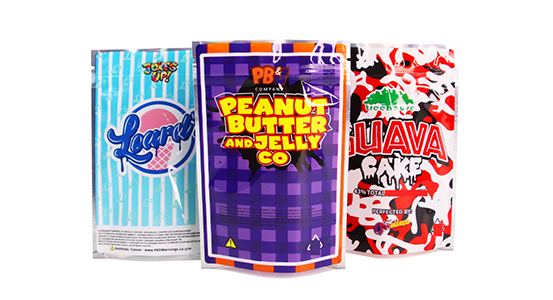
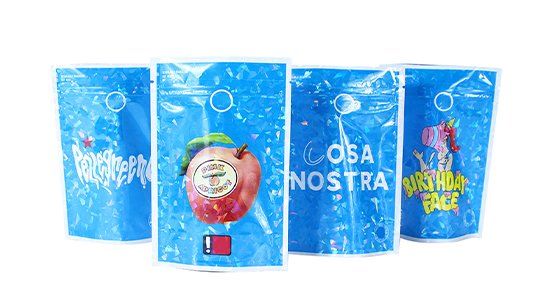
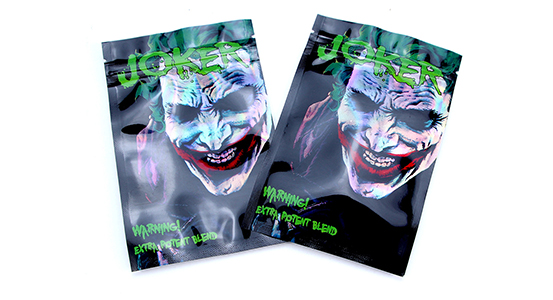
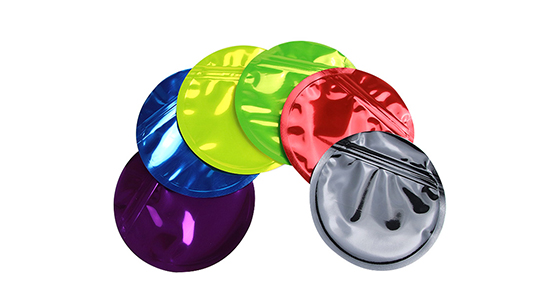
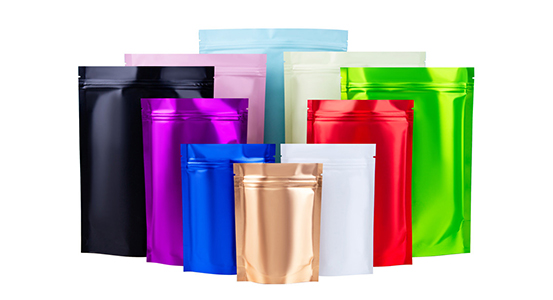
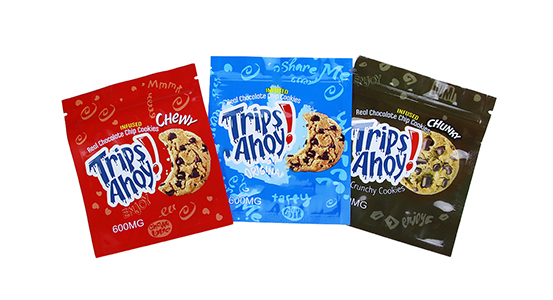
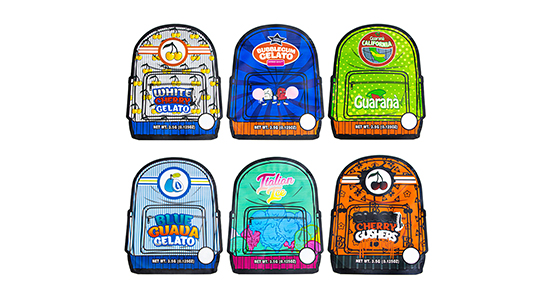
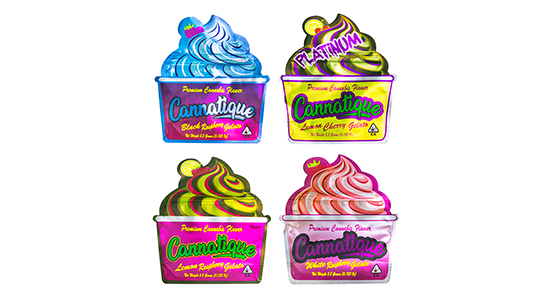
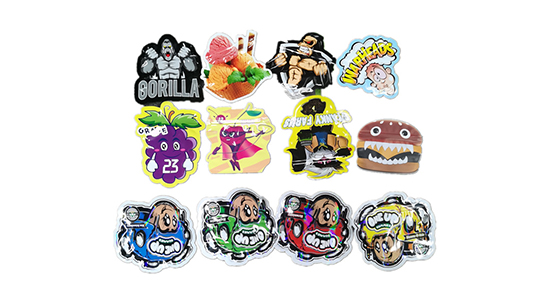
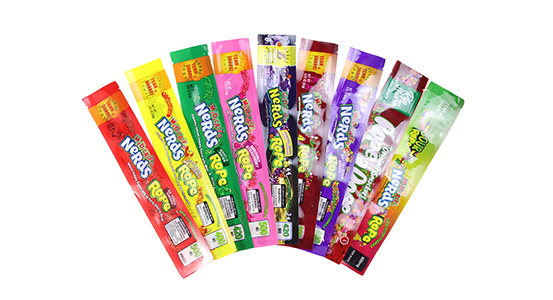
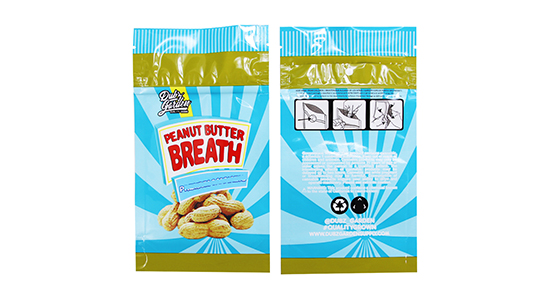
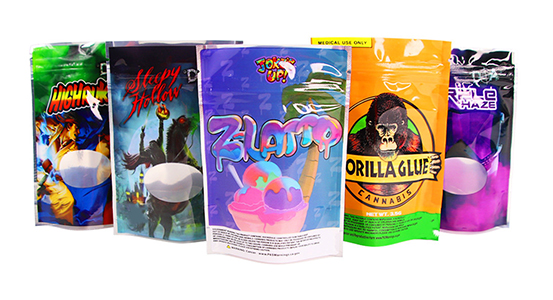
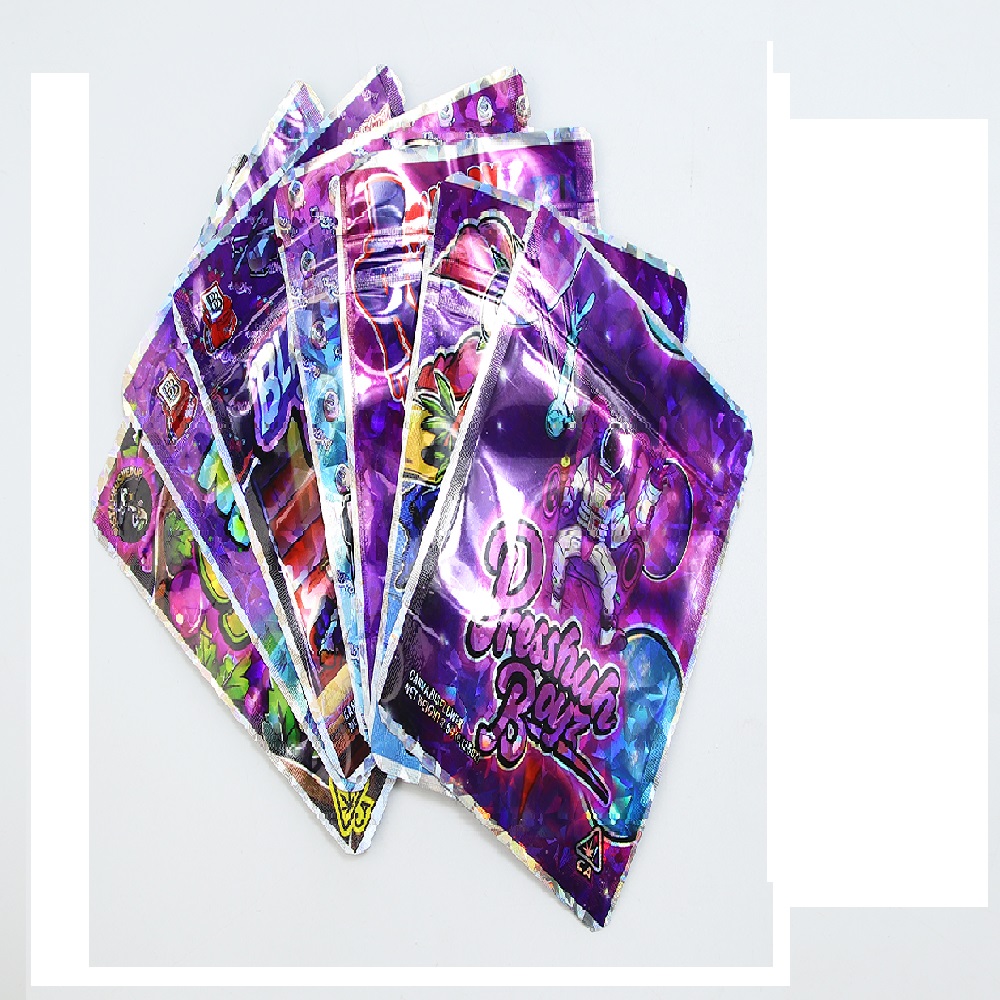
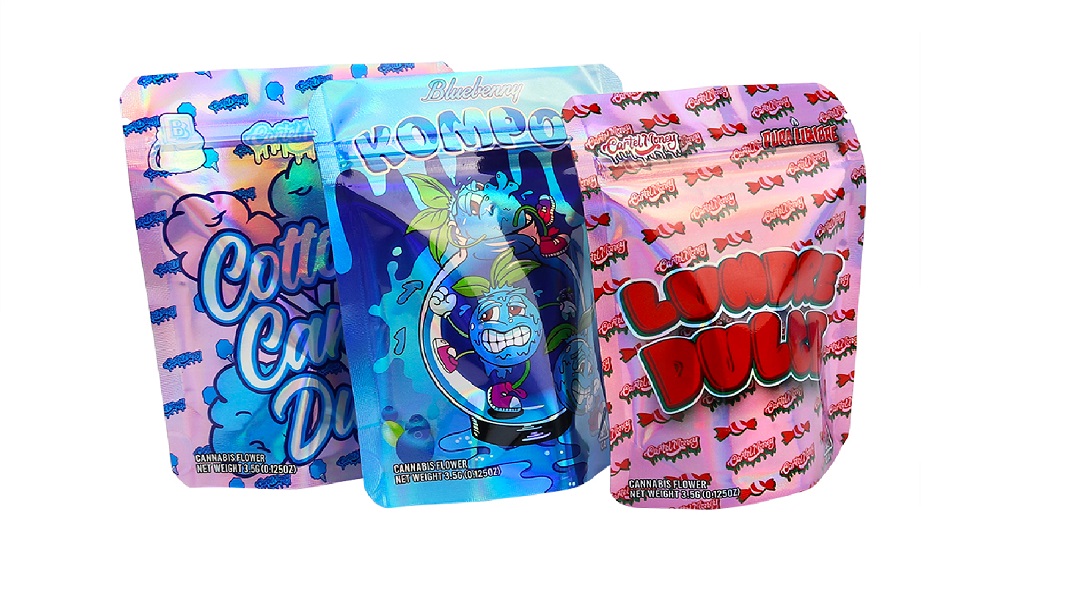
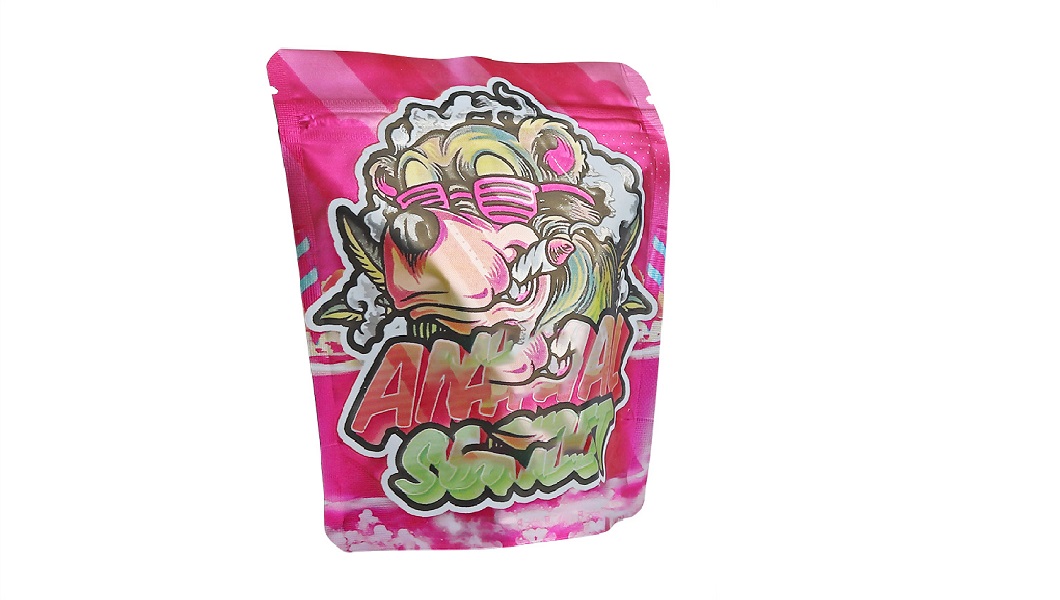
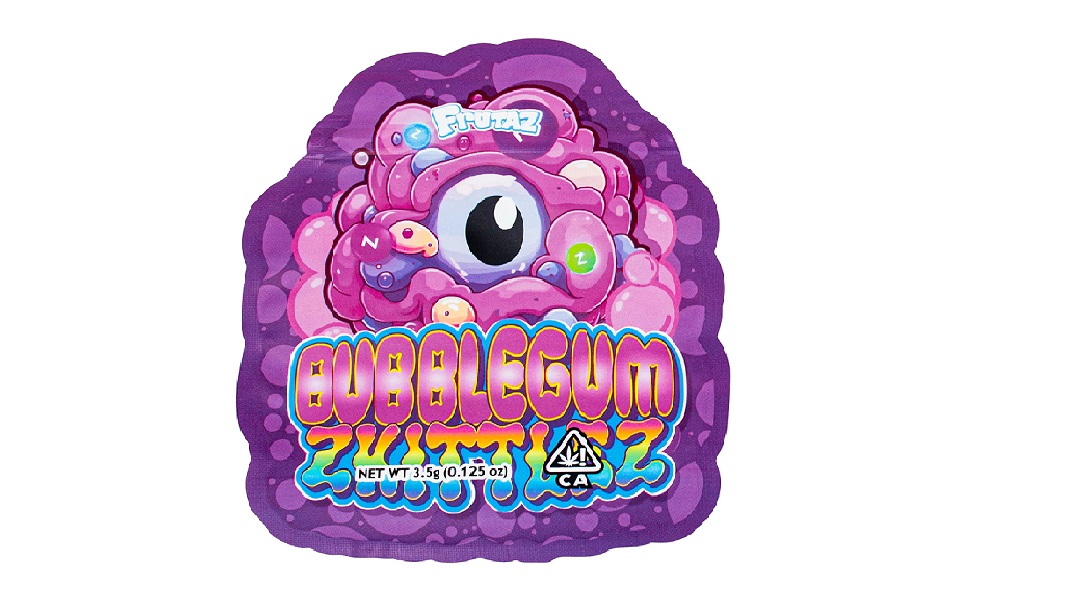
Walk down the herb storage aisle of any American smoke shop, and mylar bags are everywhere. There's a reason: they're cheap, they block light and moisture, they heat-seal easily, and they can be printed with full-color artwork in relatively low minimums.
But the mylar bag has evolved. The plain silver foil bag with a sticker label is being replaced by:
Stand-up pouches with resealable CR zippers
● — the kind you can open, close, and trust to keep herb fresh for weeks.
Notched tear-strip bags
● — heat-sealed for single-use compliance, with a tear notch that gives a clean opening.
Clear-front mylar bags
● — letting customers see the product inside while the back panel carries branding and compliance text.
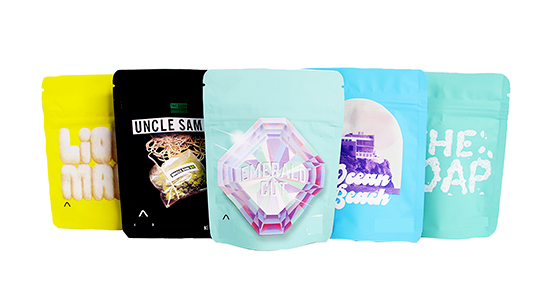
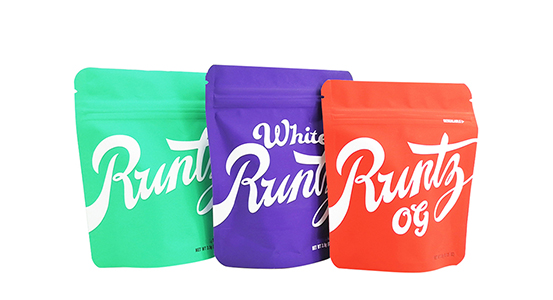
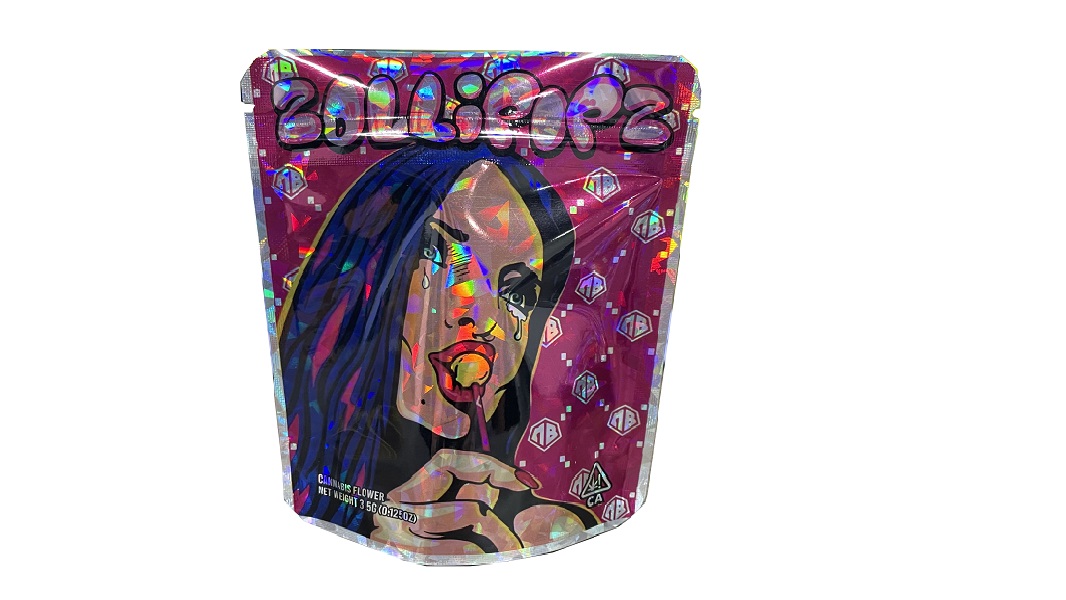
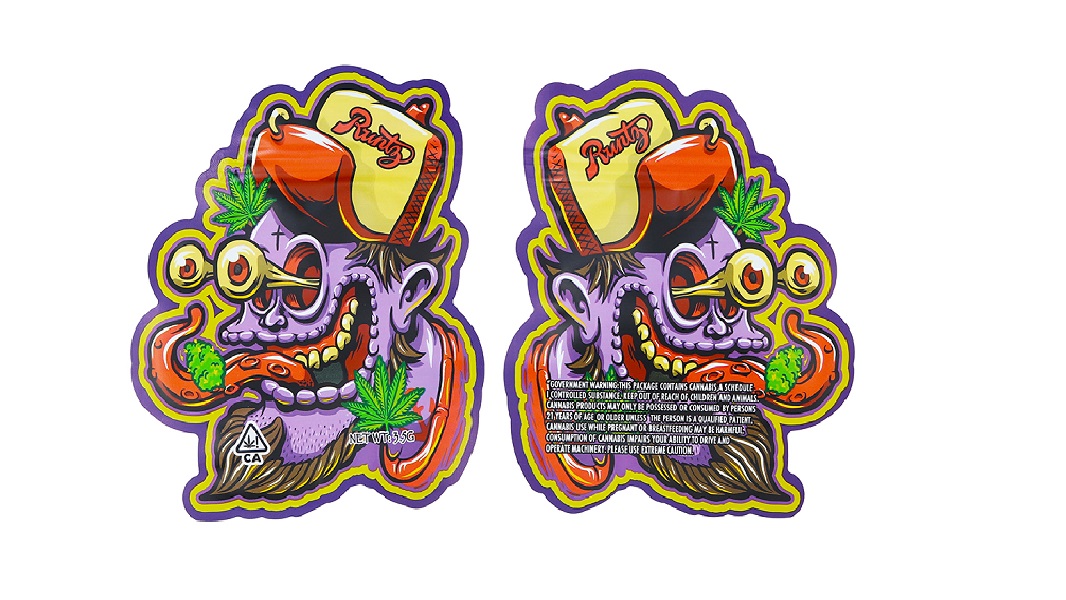
Custom-printed all-over designs
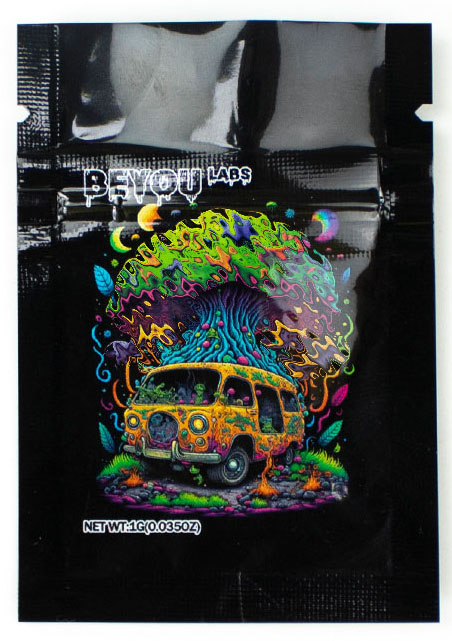
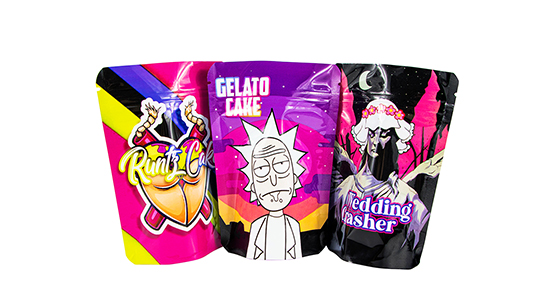
● — full-bleed artwork, metallic foils, and matte finishes that turn a $0.10 bag into a brand statement.
In Europe, the mylar bag is also common, but there's more pressure on recyclability. Multi-layer mylar (plastic + aluminum + plastic) is hard to recycle, and the PPWR will make it increasingly expensive. European brands are experimenting with mono-material barrier pouches — all-polyethylene structures with water-based barrier coatings that still block oxygen and moisture but can go in a standard recycling stream. Mondi and Smurfit Westrock have been leading on this with patented water-based coatings that pass recyclability tests without compromising freshness.
The takeaway: Mylar isn't going away, but the version that wins in Europe over the next five years will look different from the version that wins in the US. If you're selling on both sides of the Atlantic, you may need two SKUs — or a forward-compatible mono-material design.
Not everything in a smoke shop needs child-resistant packaging. A glass pipe, a zinc-alloy grinder, a crystal ashtray, or a wooden rolling tray is a different category — and it gets different packaging.
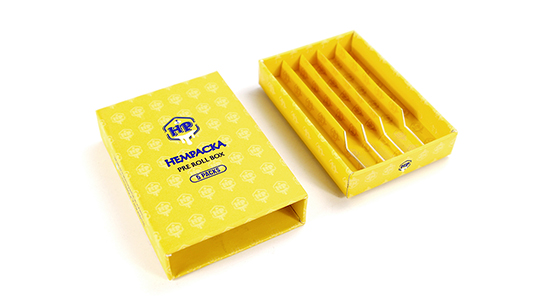
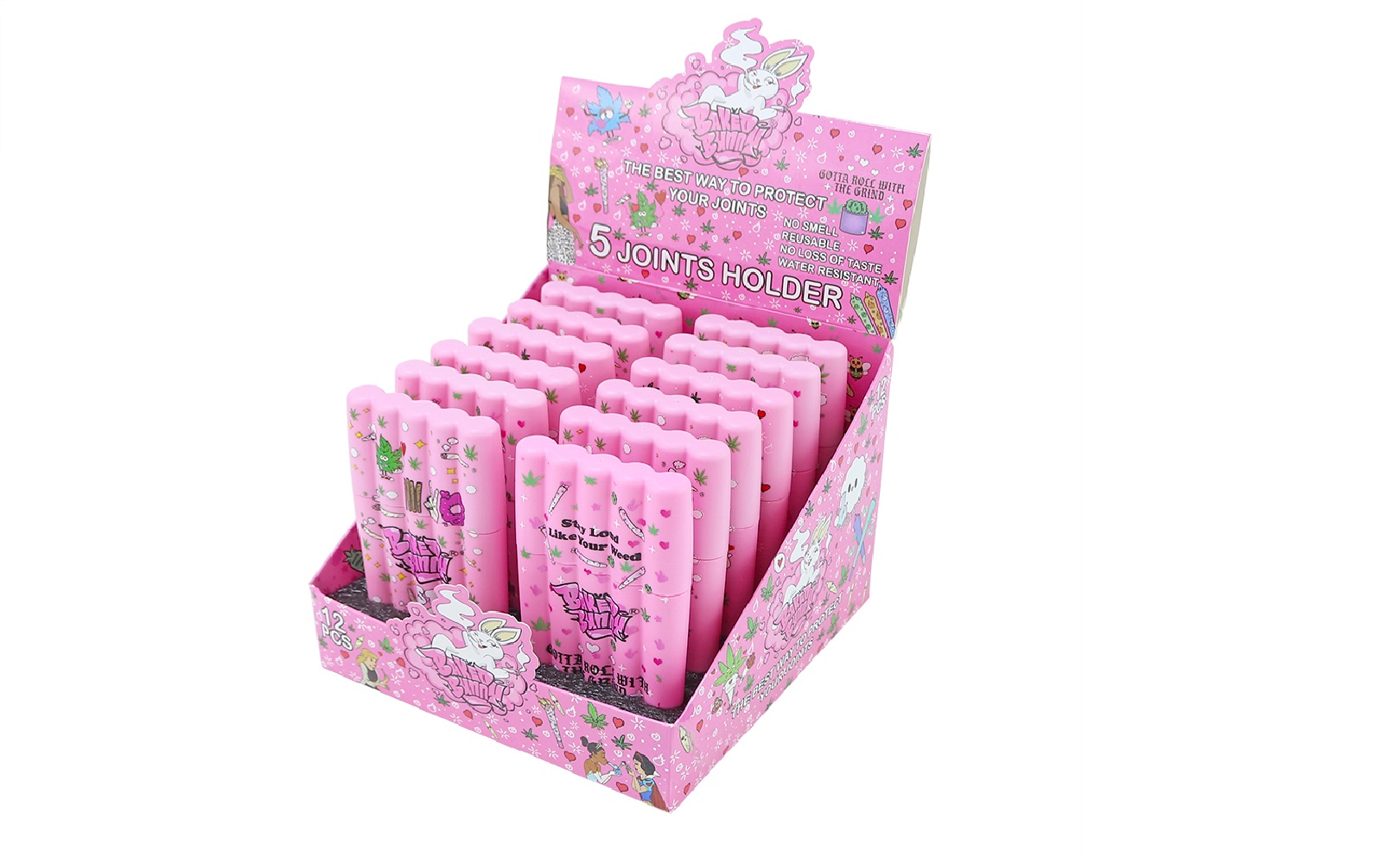
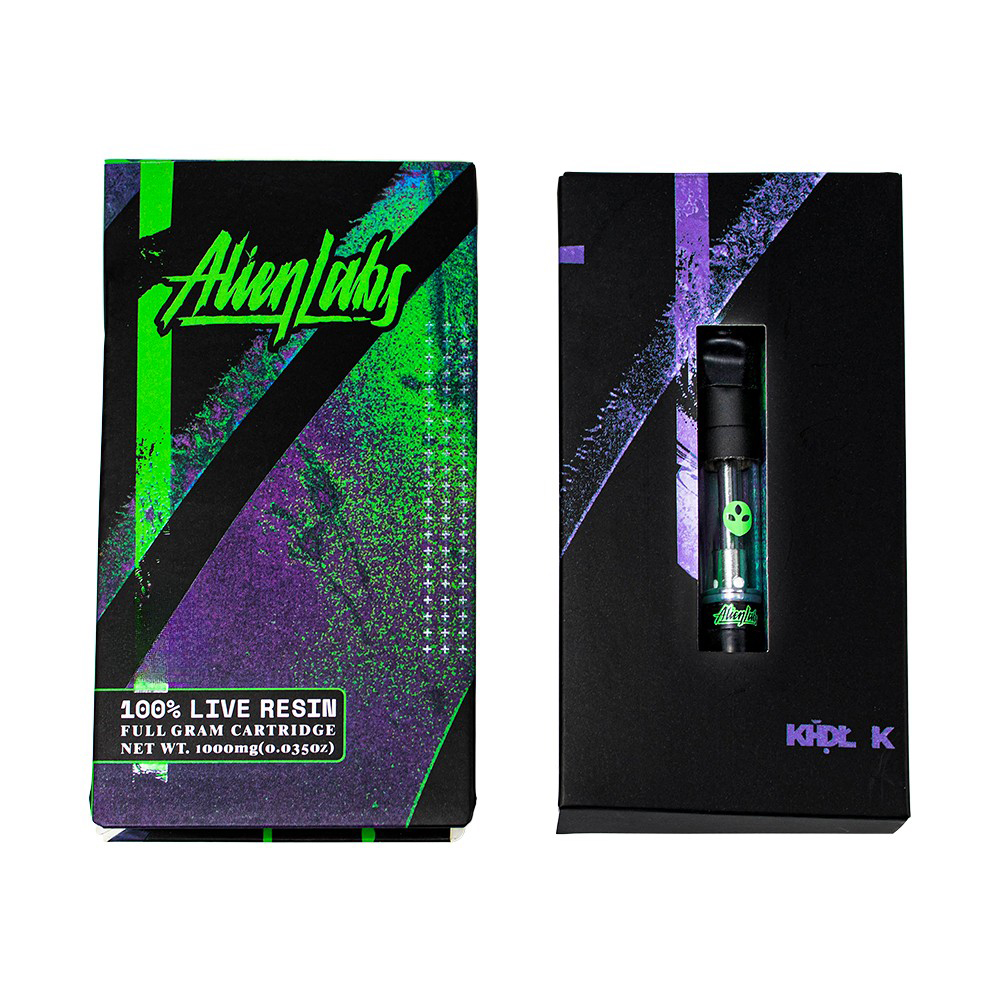
This is where the unboxing experience matters. High-end smoking accessories in both Europe and the US are increasingly packaged like luxury goods:
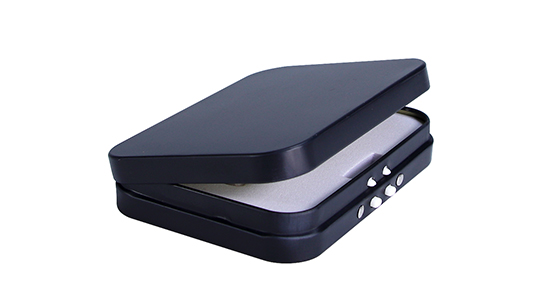
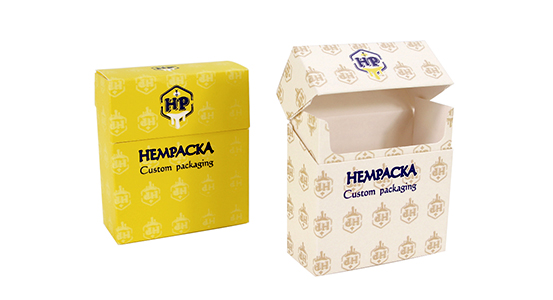
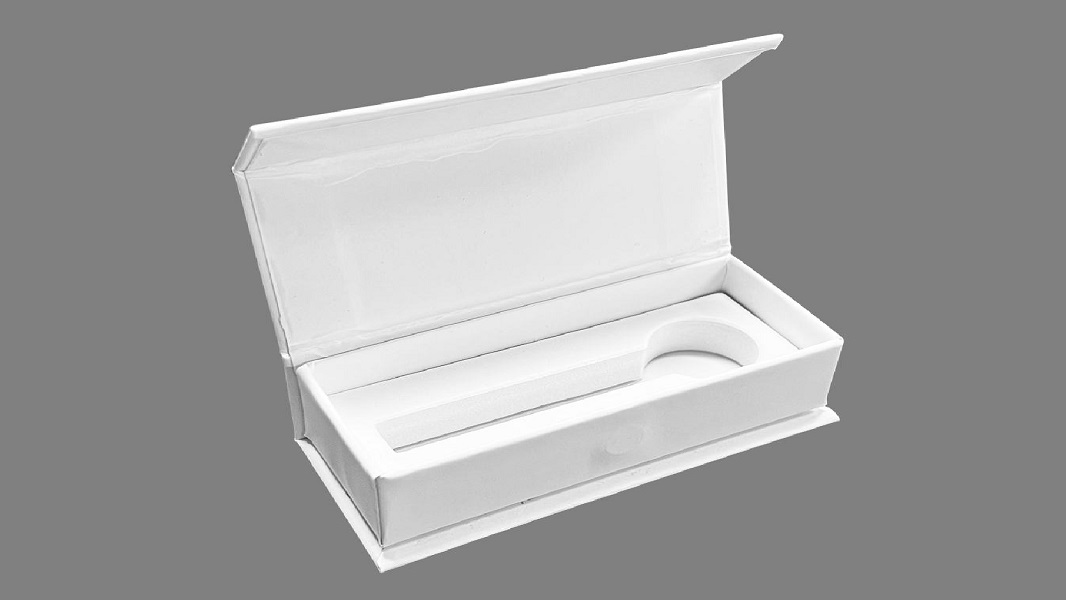
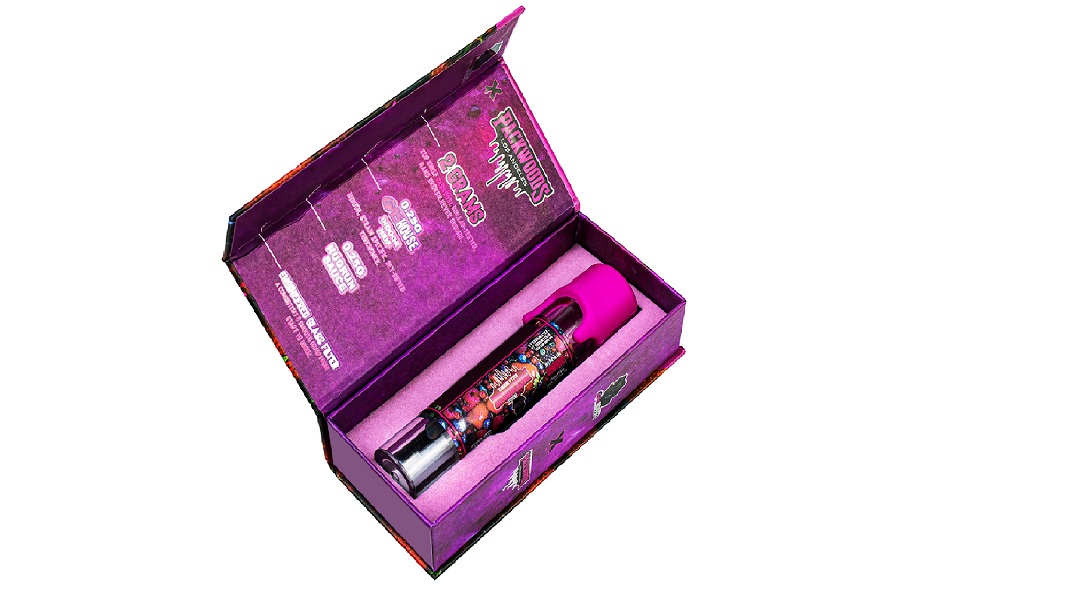
Rigid setup boxes
● with magnetic closures — the kind that make a satisfying "click" when you open them.
Soft-touch lamination
● — a velvety, matte finish that has become the de facto standard for premium vape hardware and accessory boxes. It signals quality before the customer even reads the logo.
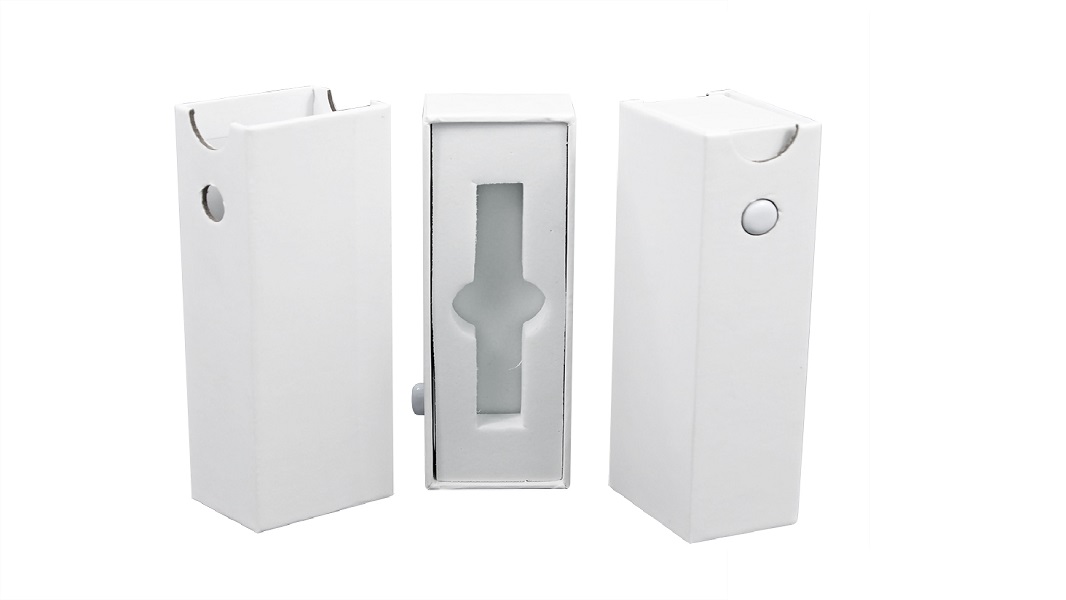
Fitted inserts
● — molded EVA, suede-lined trays, or cedar wood inserts that hold the product in place and protect it during shipping. For glass pieces, a custom foam insert isn't optional — it's what prevents 30% of your inventory from arriving broken.
Embossing, debossing, and spot UV
● — tactile finishes that make a logo or pattern stand out. Metallic foil stamping in gold, silver, or holographic finishes is common for limited-edition pieces.
Certificate of authenticity and limited numbering
● — for artist collaborations or special editions, a numbered card inside the box increases collectability and justifies a higher price point.
The European market leans slightly more toward artisanal and minimalist aesthetics — think natural materials, muted color palettes, hand-finished details like edge-painting or leather accents. The American market tends to be bolder — brighter colors, more graphic-heavy designs, stronger streetwear and pop-culture influences. But both markets agree on one thing: a premium product in a cheap package reads as a cheap product.
The takeaway: If you're selling grinders, pipes, ashtrays, rolling trays, or accessory sets above the  40 crystal ashtray in a plain white box will never sell at full margin. Invest in the unboxing.
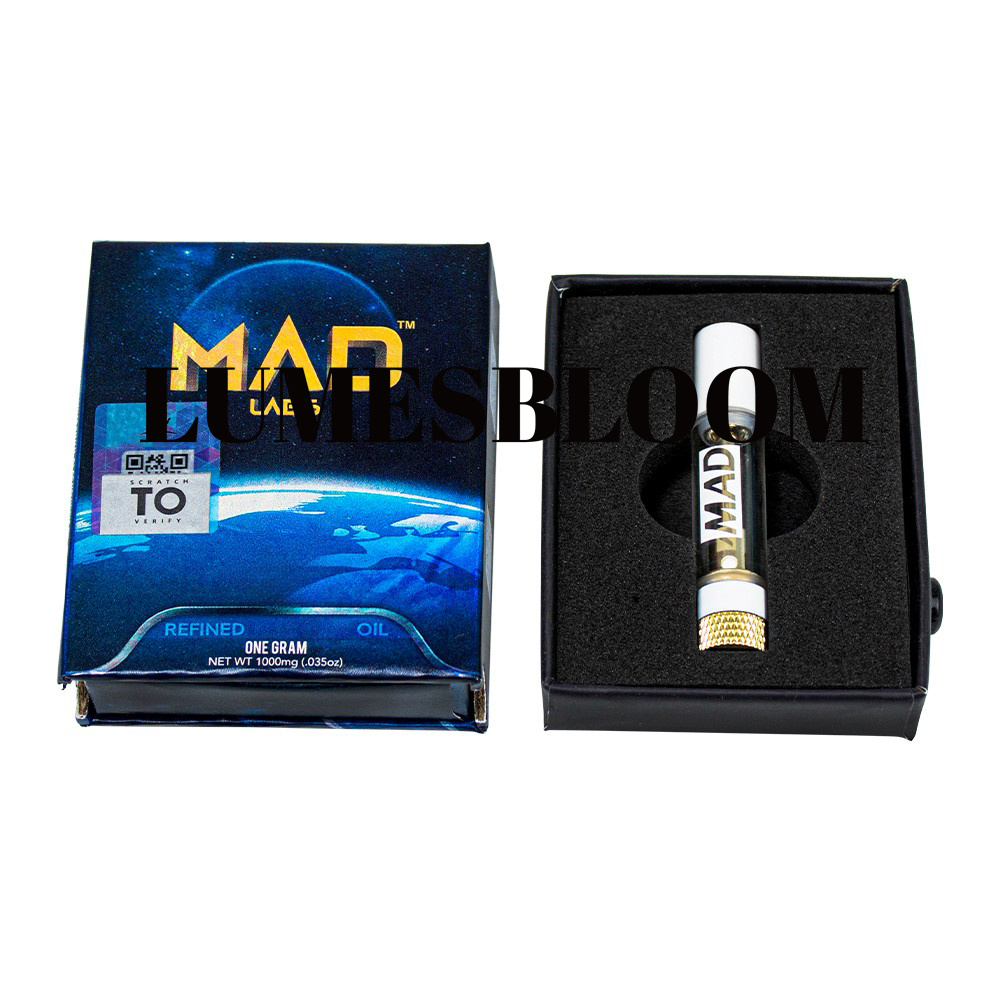
QR codes on packaging used to feel like a gimmick. In 2026, they're a standard tool — and in the smoking accessories industry, they serve real purposes.
Authentication and anti-counterfeit
● — holographic QR codes or NFC tags that let a customer verify they're buying a genuine product. Counterfeit glass and hardware is a real problem, and brands that can prove authenticity build trust.
Traceability
● — scanning a code pulls up batch information, lab results (for cannabis-adjacent products), or manufacturing details. This is especially valuable in regulated markets where transparency is required.
Content and community
● — a QR code on a rolling tray or grinder can link to tutorial videos, brand stories, or a loyalty program. Smoke shops that build a CRM-powered loyalty program (instead of the old punch card) see higher repeat purchase rates.
Age verification
● — some brands use QR-gated content to confirm the customer is of legal age before accessing product information or promotions.
NFC tags are more common on premium products in Europe, where the technology has been adopted faster. QR codes dominate in the US because they're cheaper to print and work with every smartphone.
The takeaway: Even if you're not ready for NFC, a well-placed QR code on your packaging can connect a physical product to your digital brand — and give customers a reason to engage beyond the point of sale.
Every packaging trend report will tell you sustainability is huge. The reality is more nuanced.
A 2025 global survey found that 39% of consumers consider environmental impact "extremely important" or "very important" — that's up from 20% in 2020, but it still ranks behind product freshness, convenience, and price. In other words, consumers want sustainable packaging, but they won't buy a product that doesn't keep their herb fresh just because the bag is compostable.
European consumers — particularly in France, Italy, and Germany — do care more about sustainability than their American counterparts. And European regulations are forcing the issue: EPR fees, PFAS restrictions, and the PPWR all make non-recyclable packaging more expensive to sell in the EU.
But here's what actually works in the smoking accessories space:
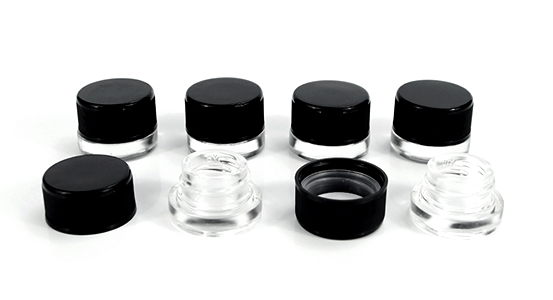
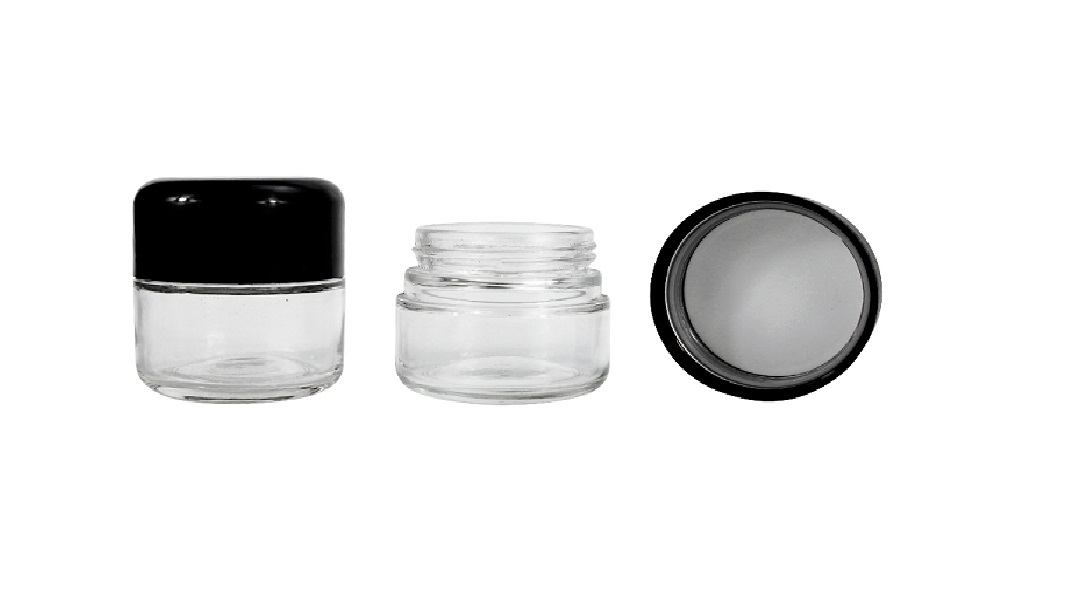
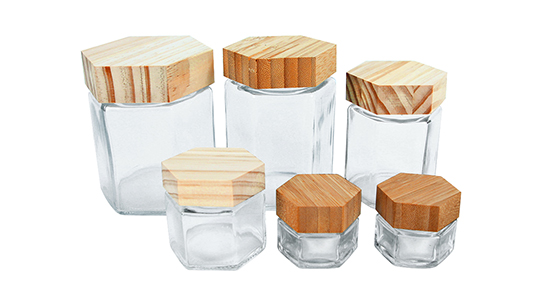
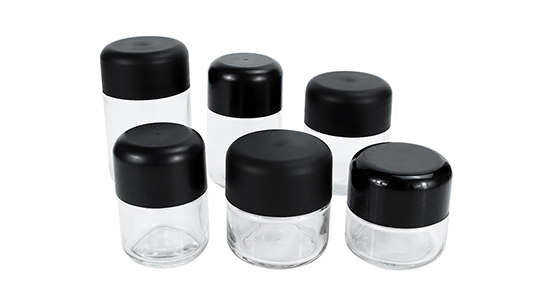
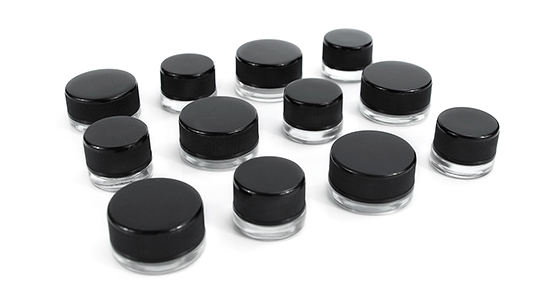
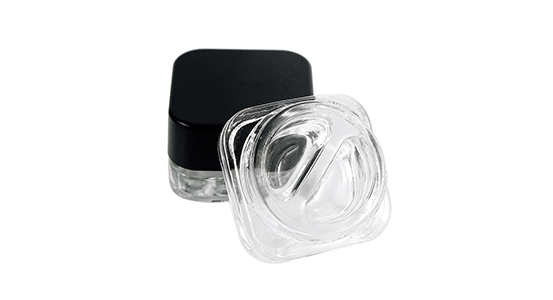
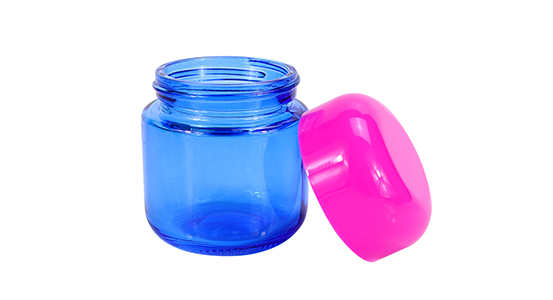
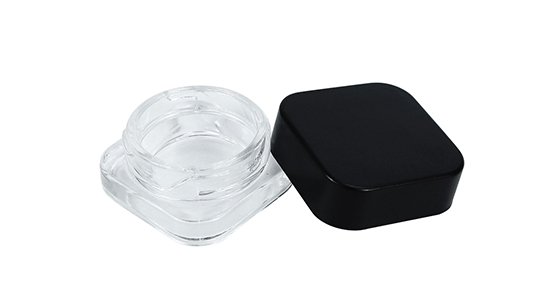
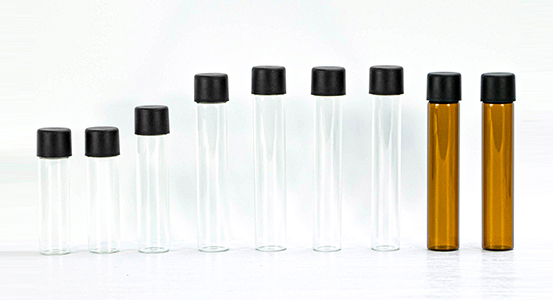
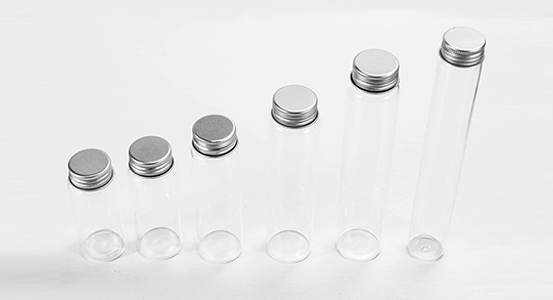
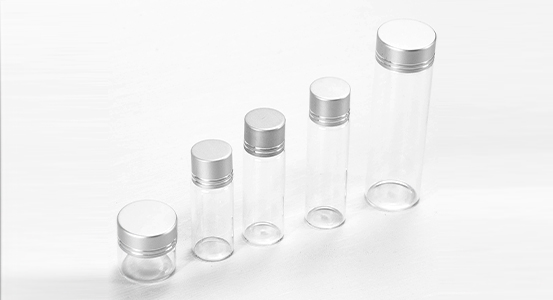
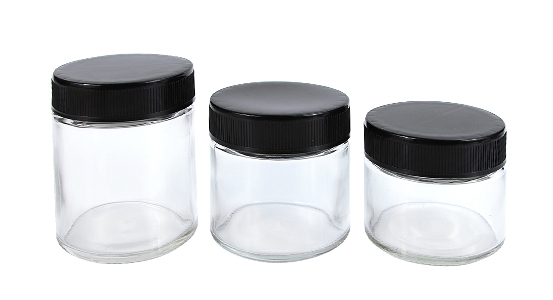
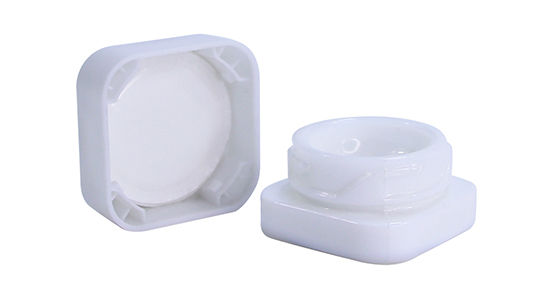
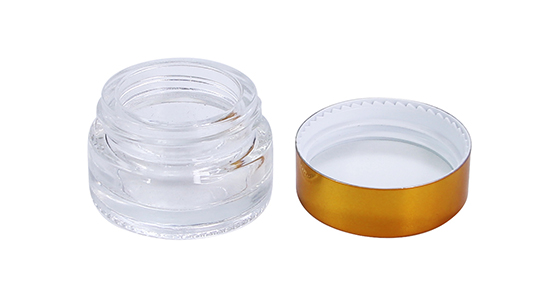
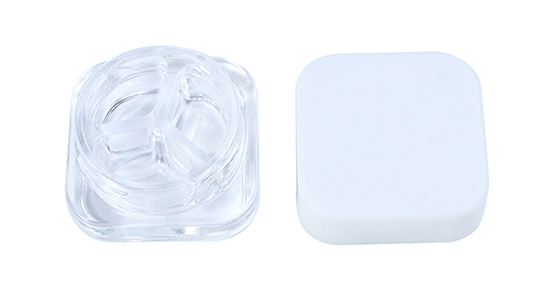
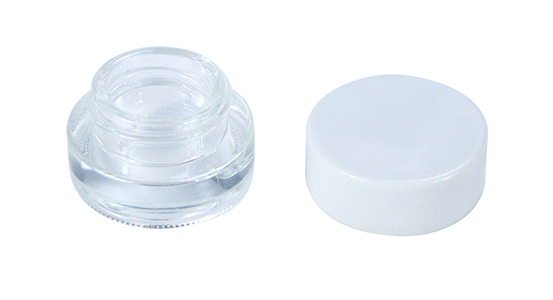
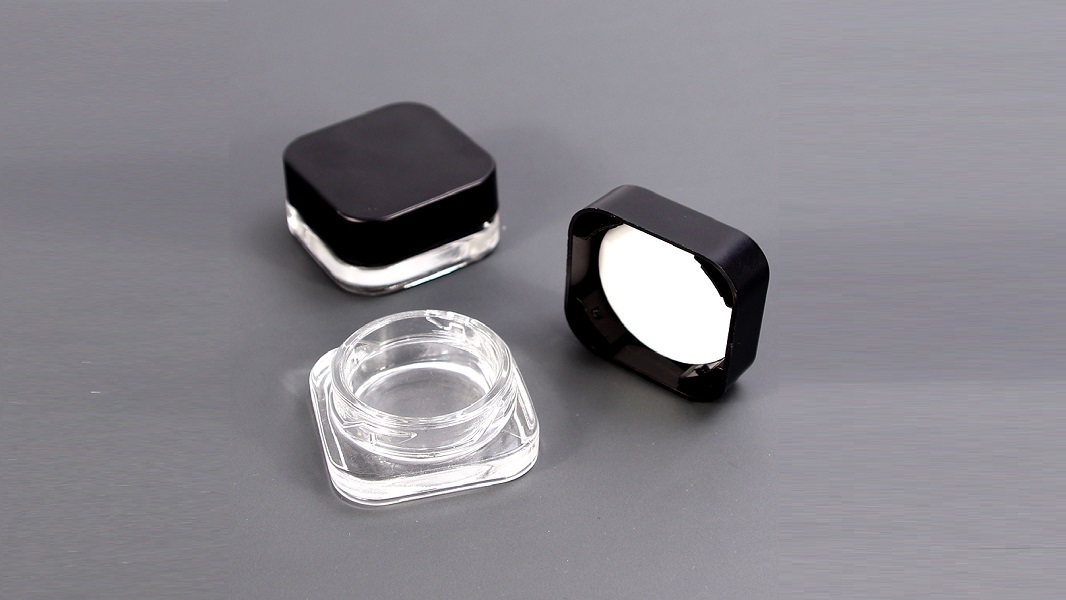
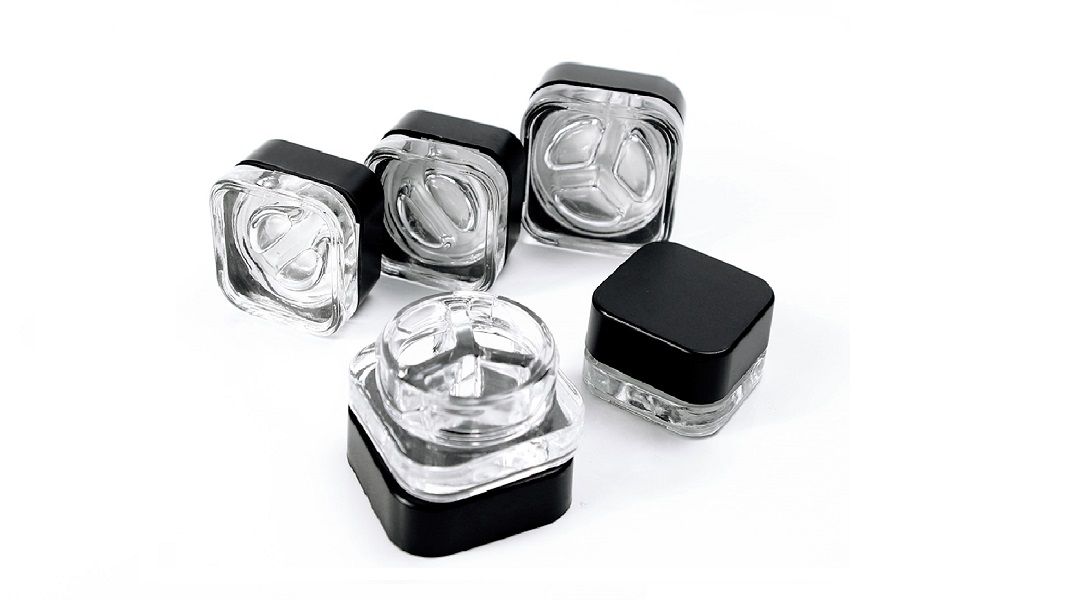
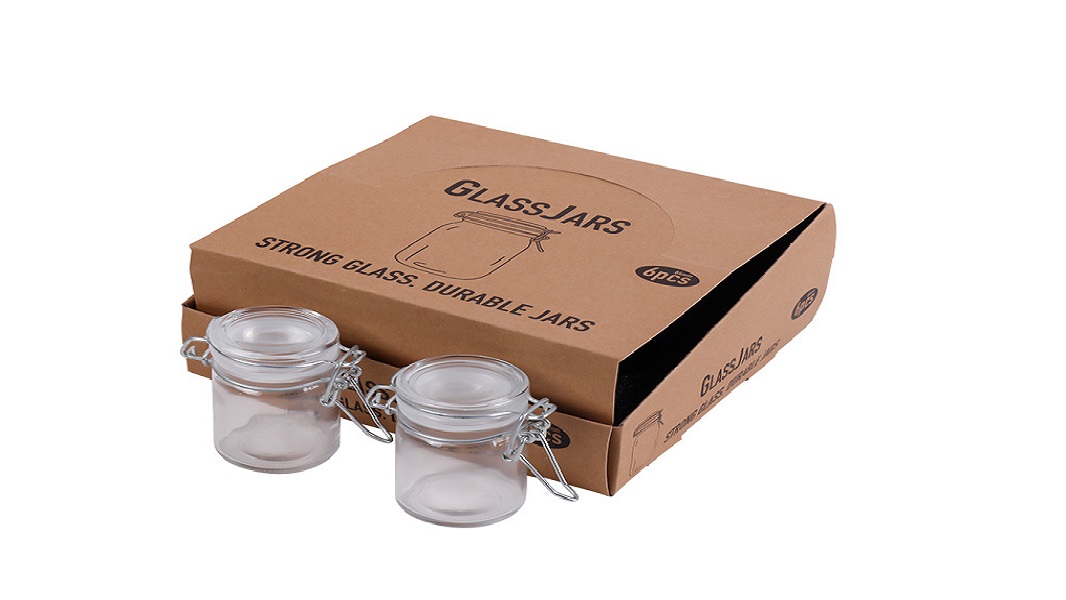
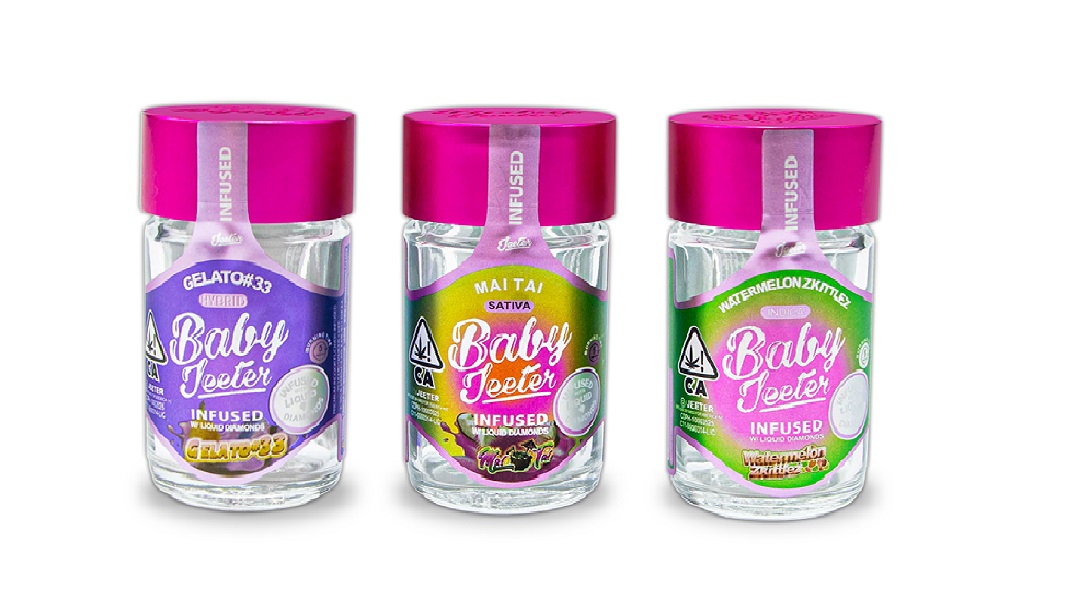
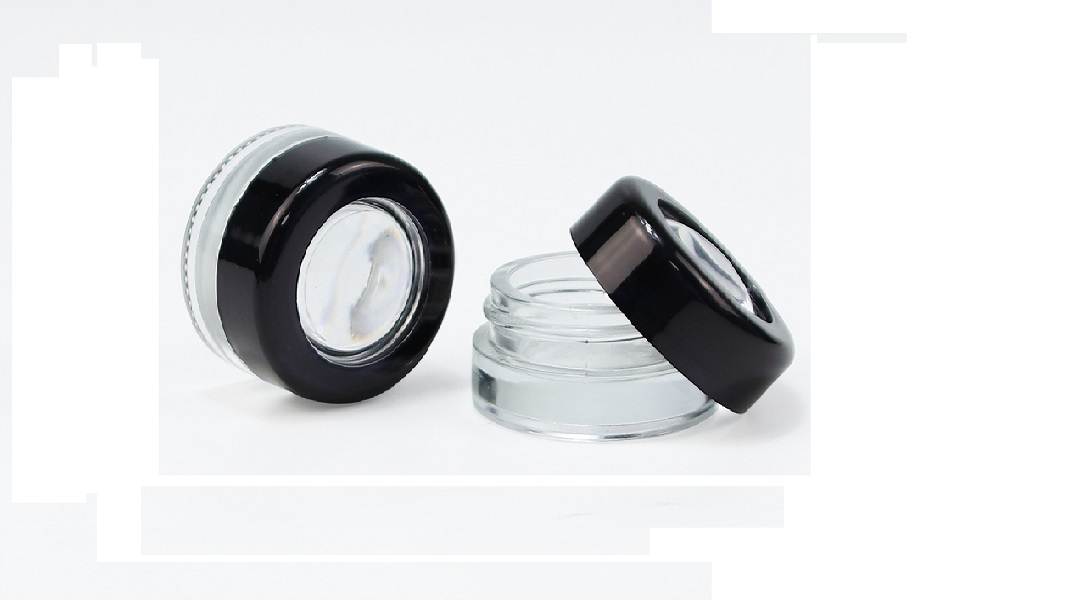
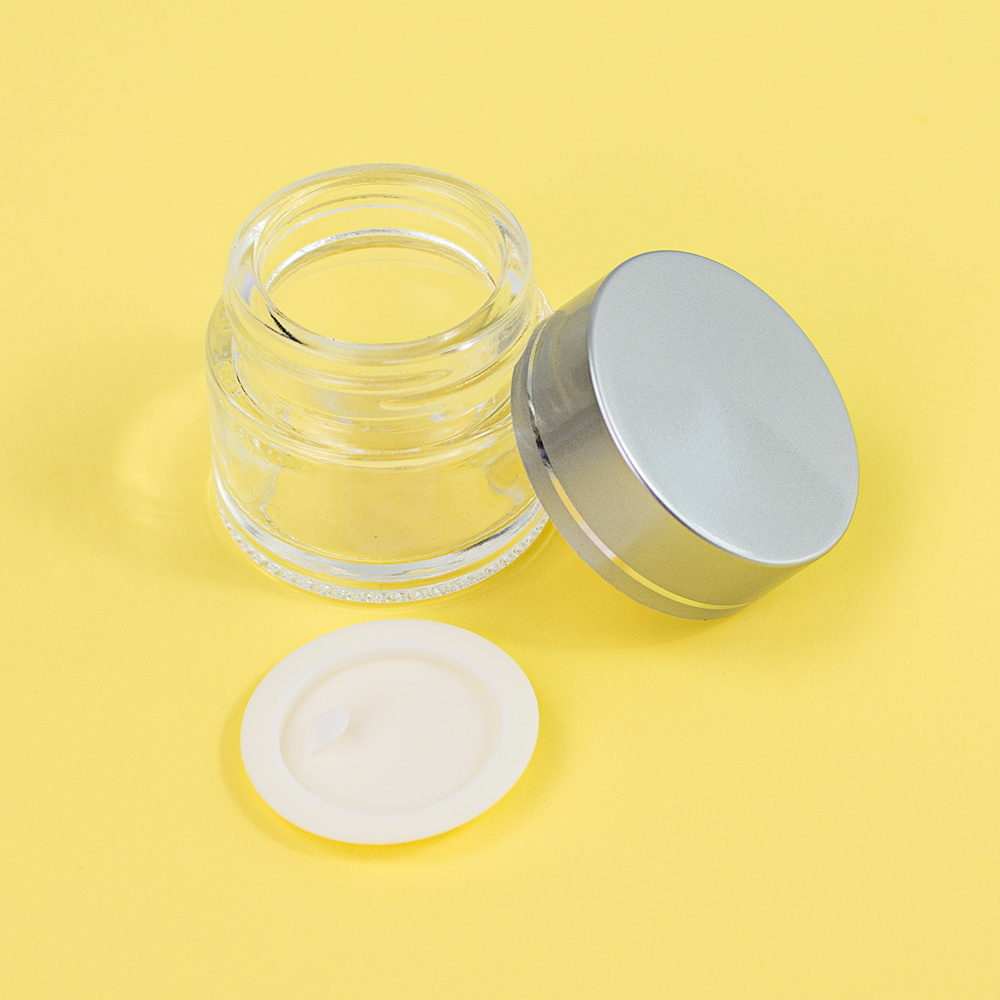
Recyclable glass jars
● with metal lids — glass is infinitely recyclable, and a quality jar can be reused for years. Many customers actively seek out jars they can repurpose.
Mono-material plastics
● — all-PP or all-PE structures that can be recycled in standard streams, instead of multi-layer laminates.
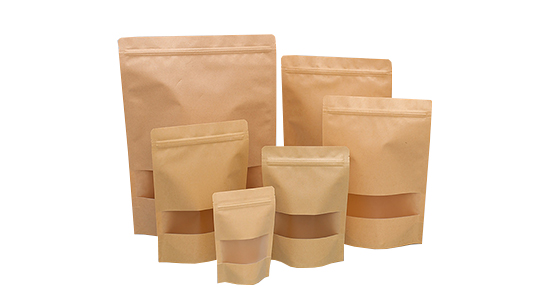
Paperboard and molded pulp
● — for accessory boxes, replacing plastic inserts with molded pulp or recycled paperboard.
Water-based inks and adhesives
● — lower VOC, easier to recycle, and increasingly required by European retailers.
What doesn't work: calling a multi-layer mylar bag "eco-friendly" because it has a green leaf logo on it. Customers and regulators see through that.
The takeaway: Build sustainability into the material choice, not just the marketing. A recyclable glass jar or a mono-material pouch will serve you better in Europe than any amount of green branding on a non-recyclable bag.
If you're selling into both Europe and the US, here are the practical differences that matter:
Aspect | United States | Europe |
Regulatory driver | State-by-state rules (CA, CO, WA, NY set the pace); CPSC federal baseline | EU-wide PPWR + national EPR laws (Germany VerpackG, France AGEC, etc.) |
CR standard | ASTM D3475 / 16 CFR 1700 | ISO 8317 (harmonized); PPWR material restrictions by 2030 |
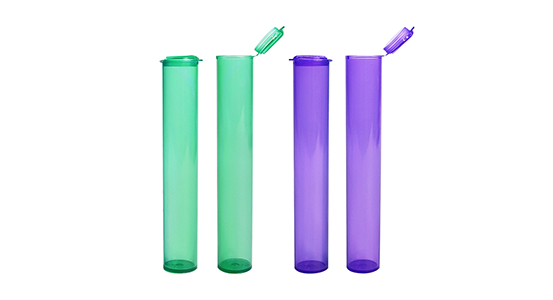
Dominant storage format | Mylar stand-up pouches, heat-sealed bags | Glass jars, paperboard tubes, mono-material pouches (growing) |
Design aesthetic | Bold, graphic, streetwear-influenced, bright colors | Minimalist, artisanal, natural materials, muted palettes |
Sustainability pressure | Consumer-driven, inconsistent | Regulation-driven, consistent and escalating |
Smart packaging | QR codes dominant | NFC tags more common on premium; QR mass-market |
Key compliance risk | State-level packaging/labeling violations, "youth appeal" bans | EPR registration, authorized representative requirements, PFAS bans |
The US market is bigger and more fragmented — 50 states with different rules means more SKUs but also more opportunity for niche branding. The European market is more regulated but more unified — once you clear PPWR and EPR, you can sell into 27 countries with one packaging design.
Here's something that doesn't show up in trend reports: what happens after the sale.
A significant portion of smoking accessories customers — especially in the premium and collector segments — keep the packaging. A limited-edition grinder box, a signed glass pipe case, a numbered ashtray certificate — these get stored on shelves, displayed in collections, and shown off on social media. The packaging becomes part of the product's story.
On the other end, the mylar bag that held an eighth of herb? It gets reused. Customers use them for storing other herbs, for travel, for organizing small accessories. A bag with a strong brand logo on it becomes walking (or sitting-in-a-drawer) advertising.
And the rigid box that held a $50 pipe? It gets repurposed — for jewelry, for small parts, for desk storage. If your logo is on it, that's years of passive brand exposure.
This is why print quality matters. A logo that scratches off after a month is worse than no logo at all. A box that falls apart after one opening doesn't get reused. Packaging that survives gets seen again and again.
Packaging in the European and American smoking accessories industry is converging around a few clear truths: child-resistant is mandatory, sustainability is becoming a regulatory requirement rather than a marketing choice, premium products need premium unboxing, and smart packaging is now standard rather than experimental.
But the biggest truth is simpler: your packaging is the first thing a customer touches. If it feels cheap, the product feels cheap. If it's hard to open, they get frustrated. If it doesn't comply with local regulations, it doesn't get sold at all.
Whether you're a smoke shop owner looking to private-label your own accessories, a brand manager sourcing packaging for a new product line, or a distributor trying to navigate both US and EU compliance, the right packaging partner makes all the difference.
We work with smoke shops, brands, and distributors across Europe and North America to design and manufacture packaging that meets local regulations, stands out on the shelf, and keeps your products protected — from child-resistant mylar bags and glass jars to rigid premium boxes for grinders, pipes, ashtrays, and accessory sets.
● Custom printing with low minimums
● ASTM D3475 and ISO 8317 child-resistant certified options
● Mono-material and recyclable solutions for EU PPWR compliance
● Soft-touch, foil, emboss, and spot UV finishes for premium unboxing
● QR and NFC integration for authentication and engagement
Tell us about your product and your target market — we'll send you a packaging recommendation, a quote, and physical samples within 48 hours.
Drop us a message through the contact form below, or email us directly. We read every message and reply within one business day.
This article is for informational purposes only and does not constitute legal advice. Packaging regulations vary by country and state — always verify current requirements with local authorities before shipping.