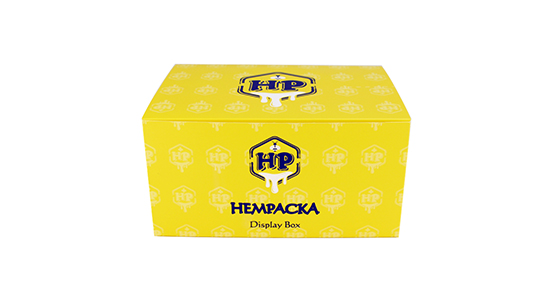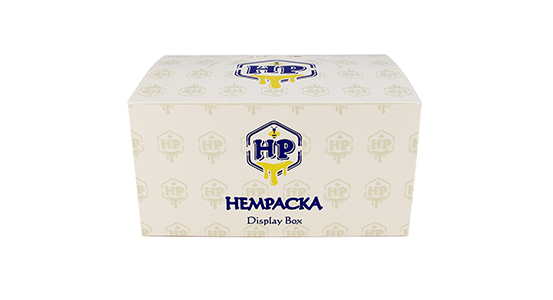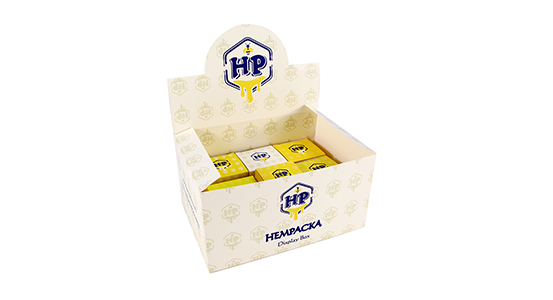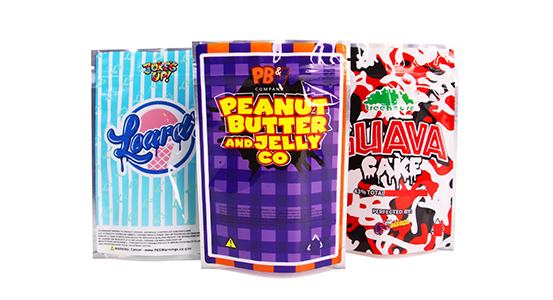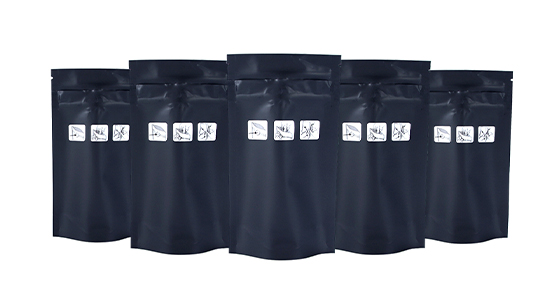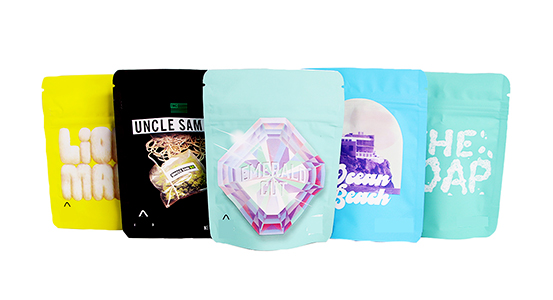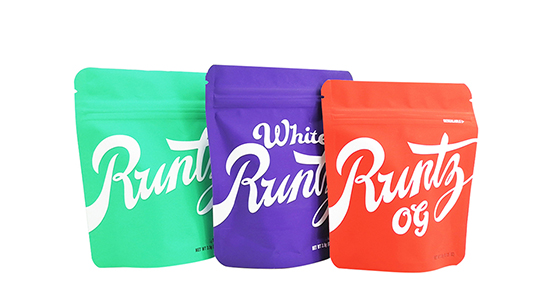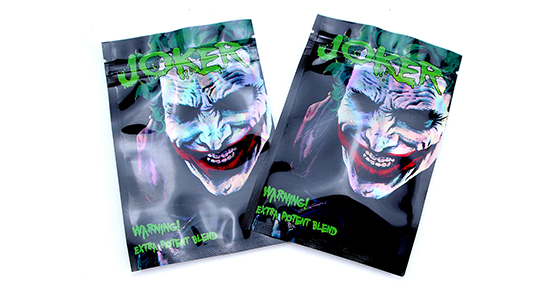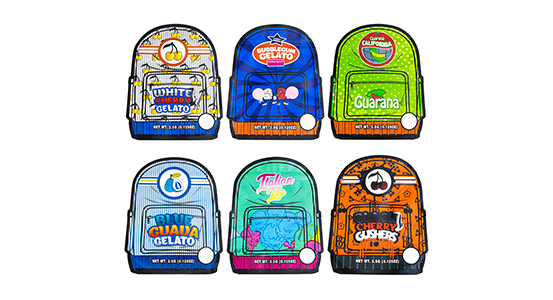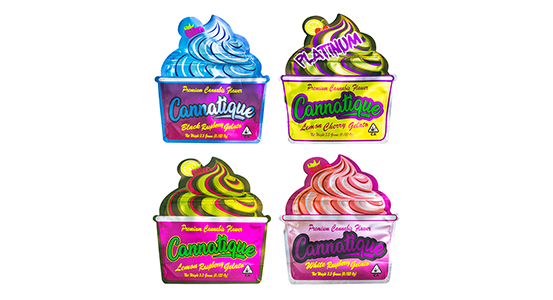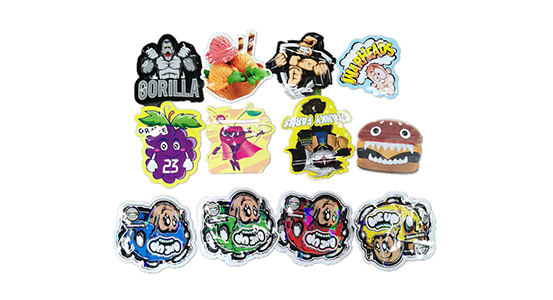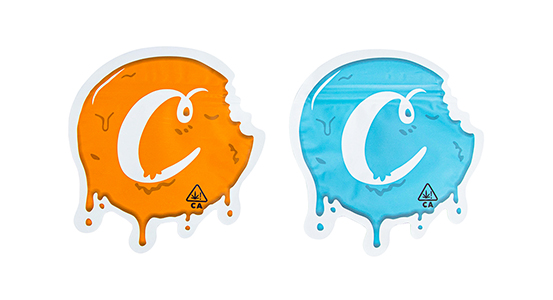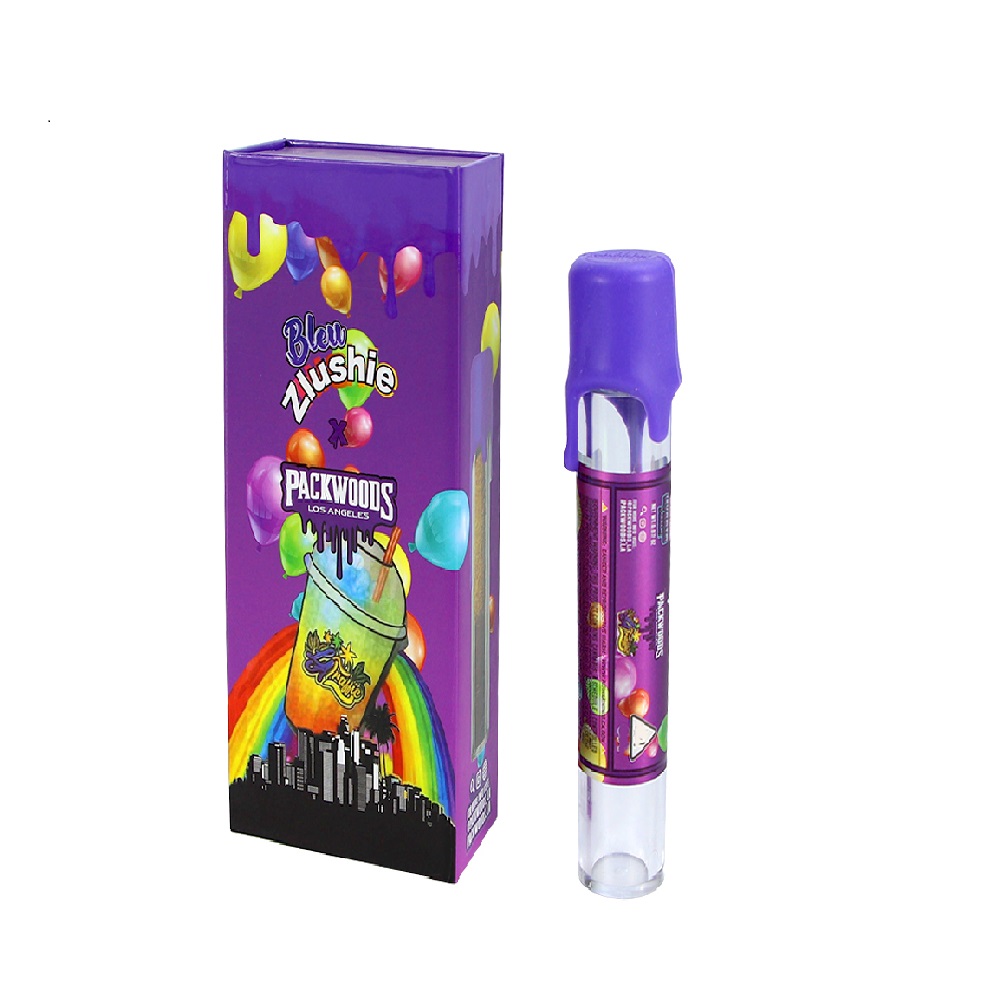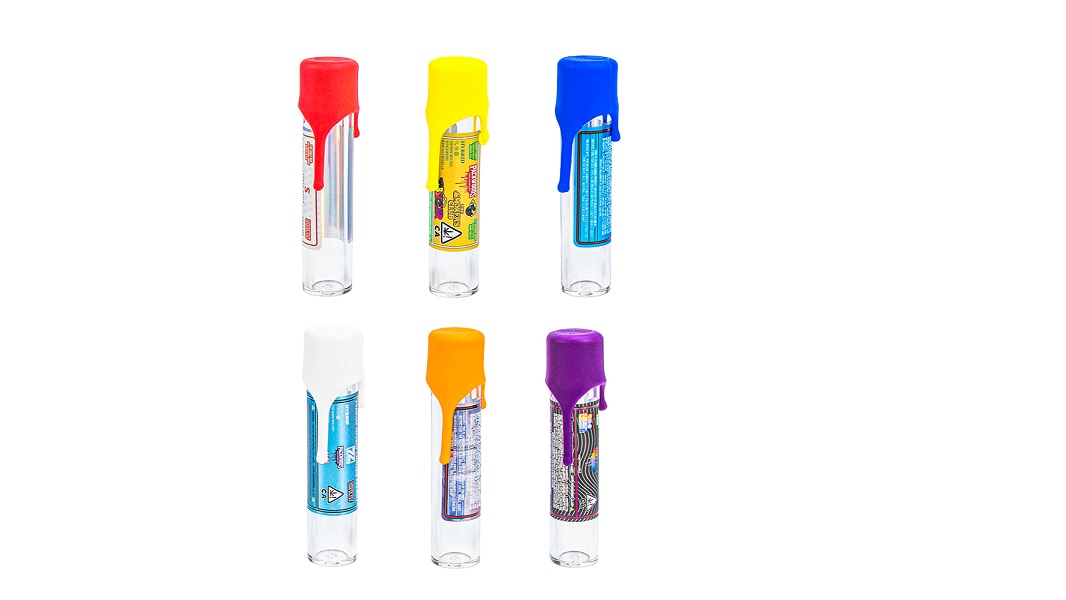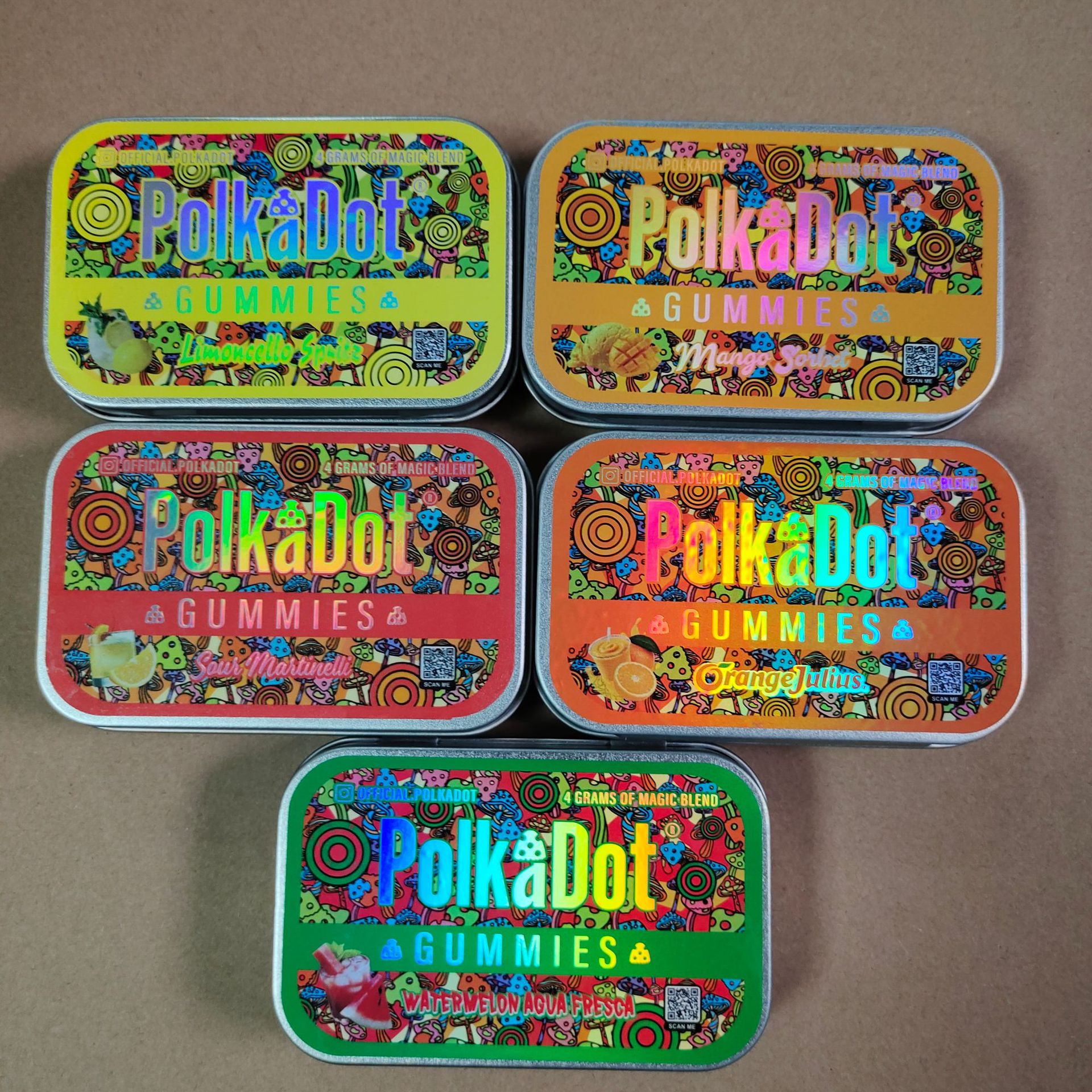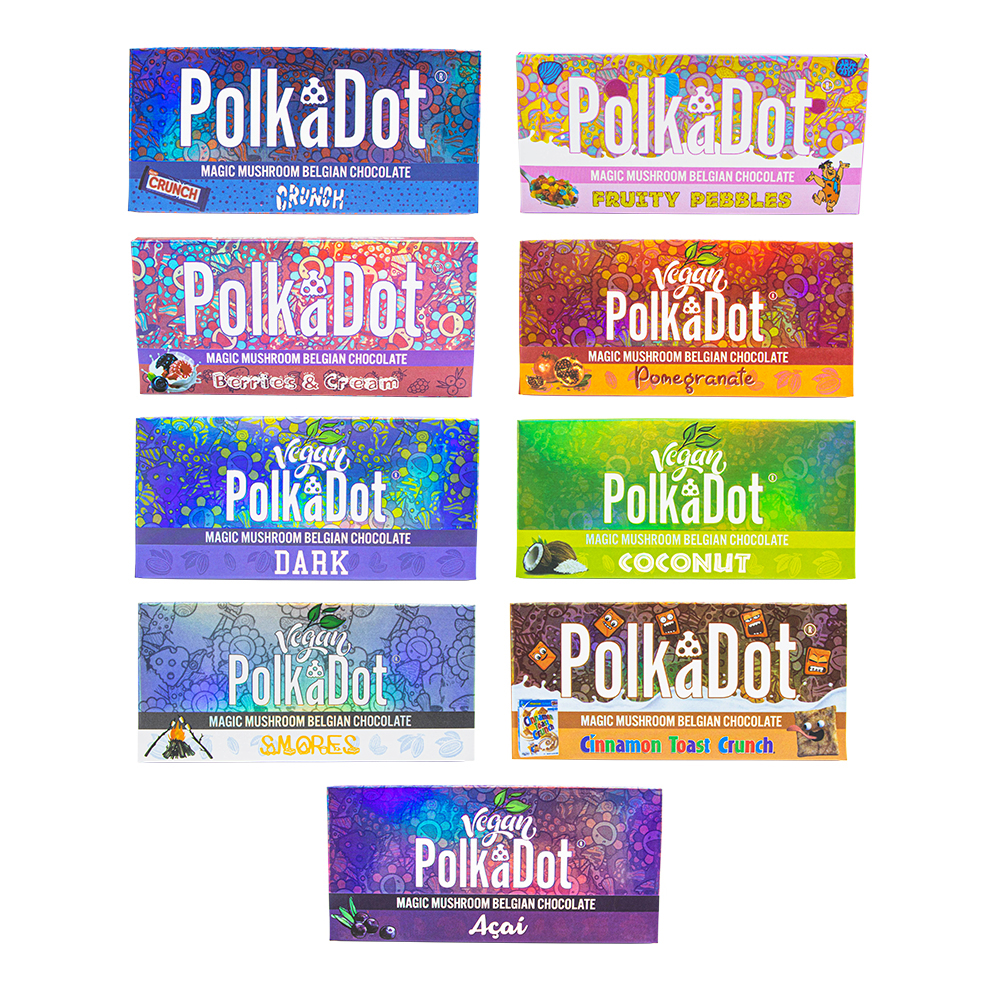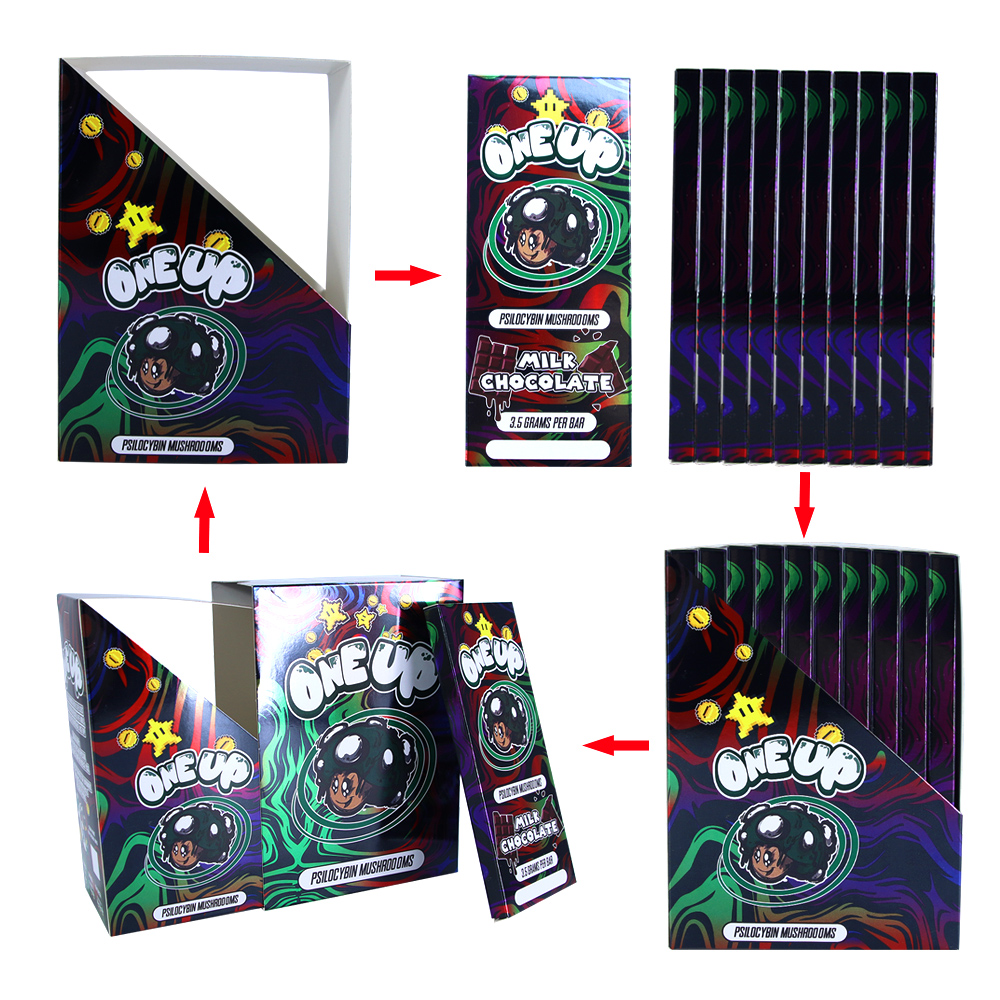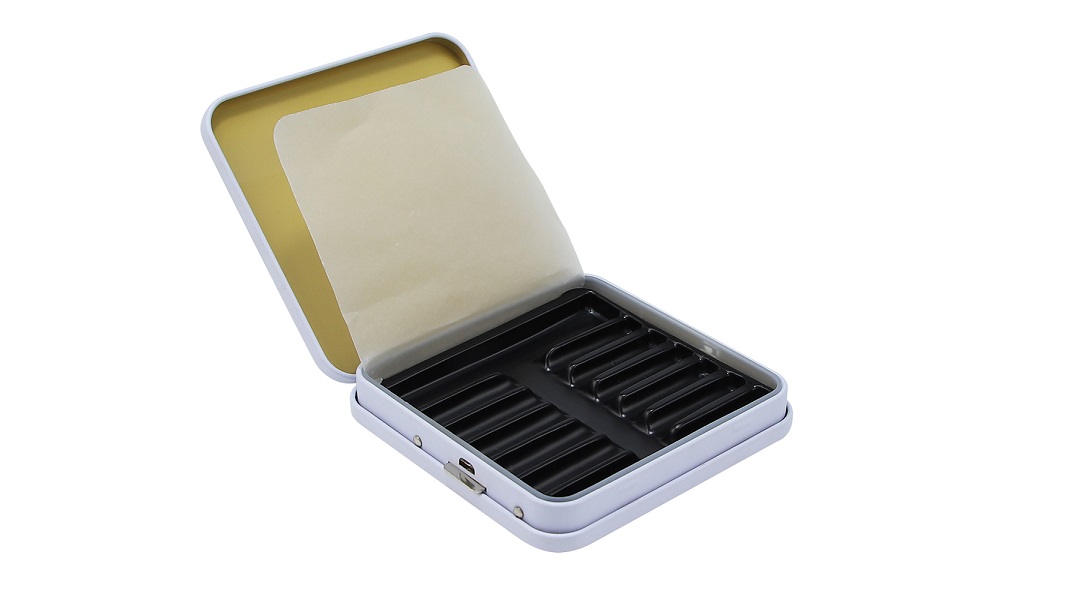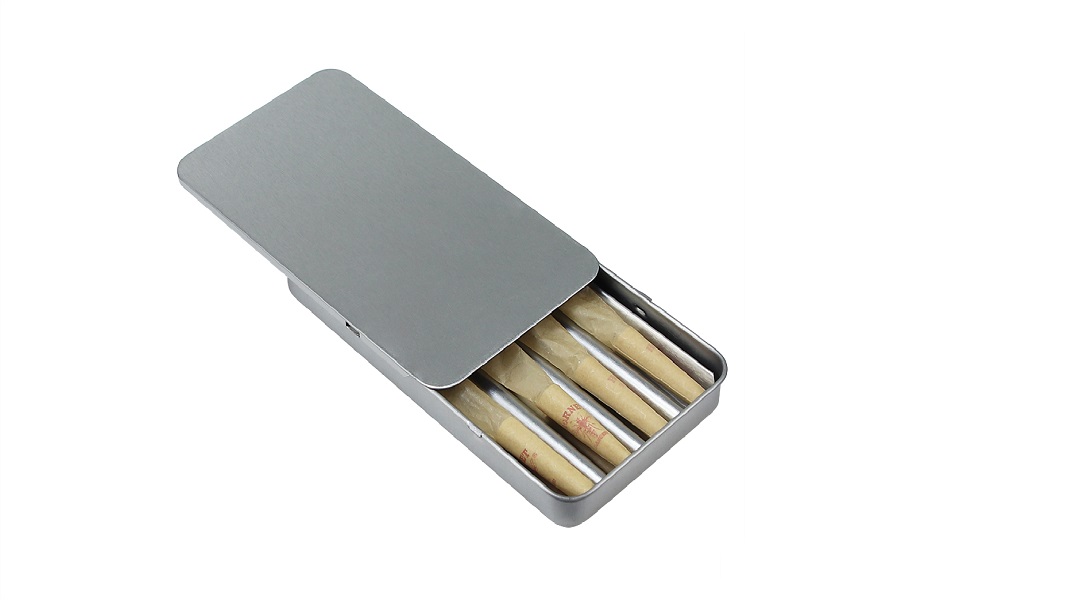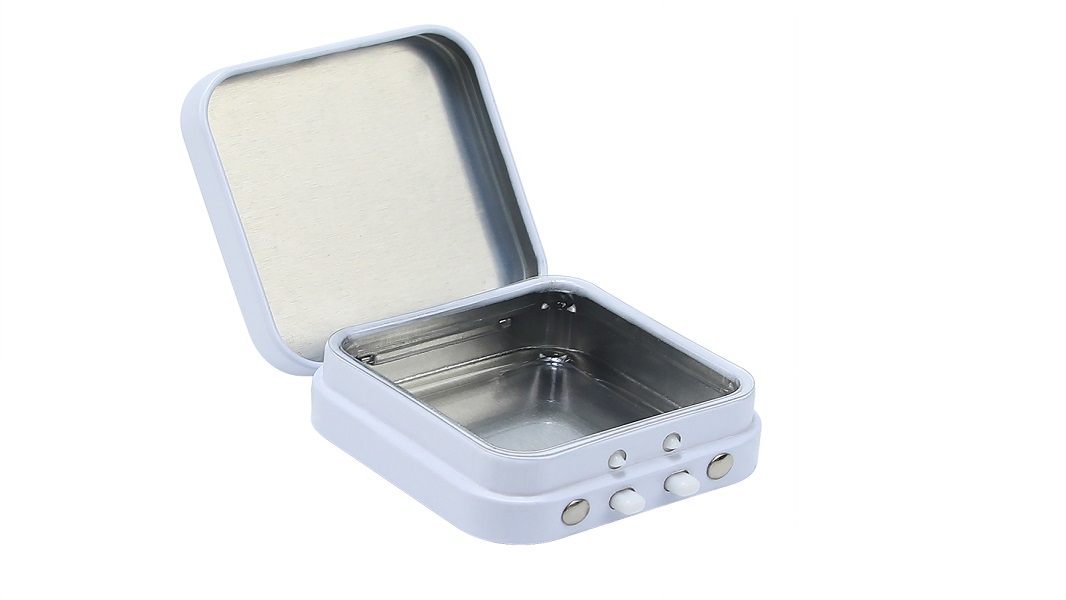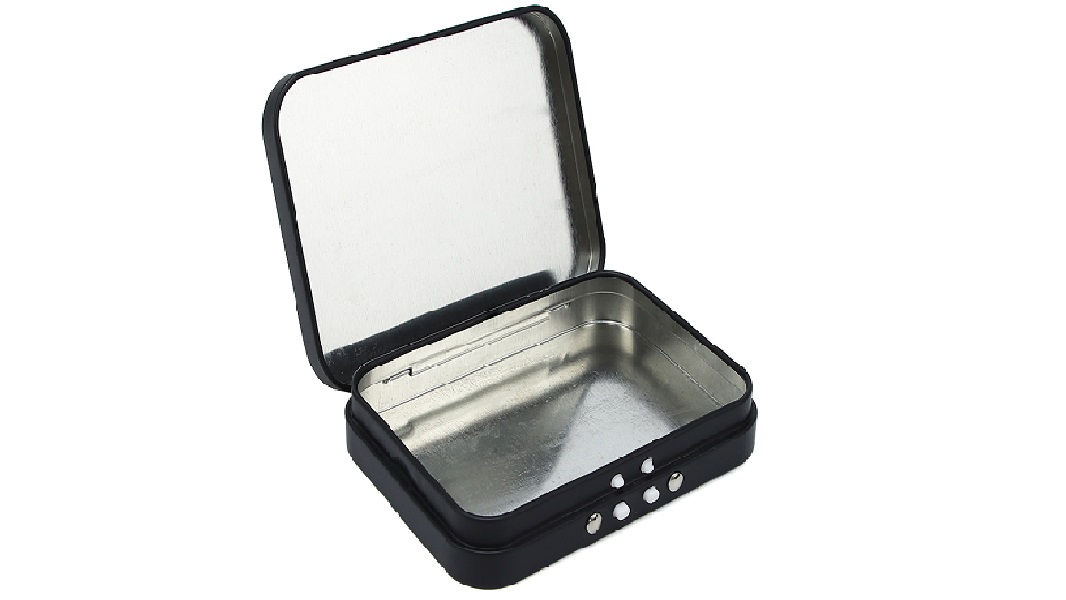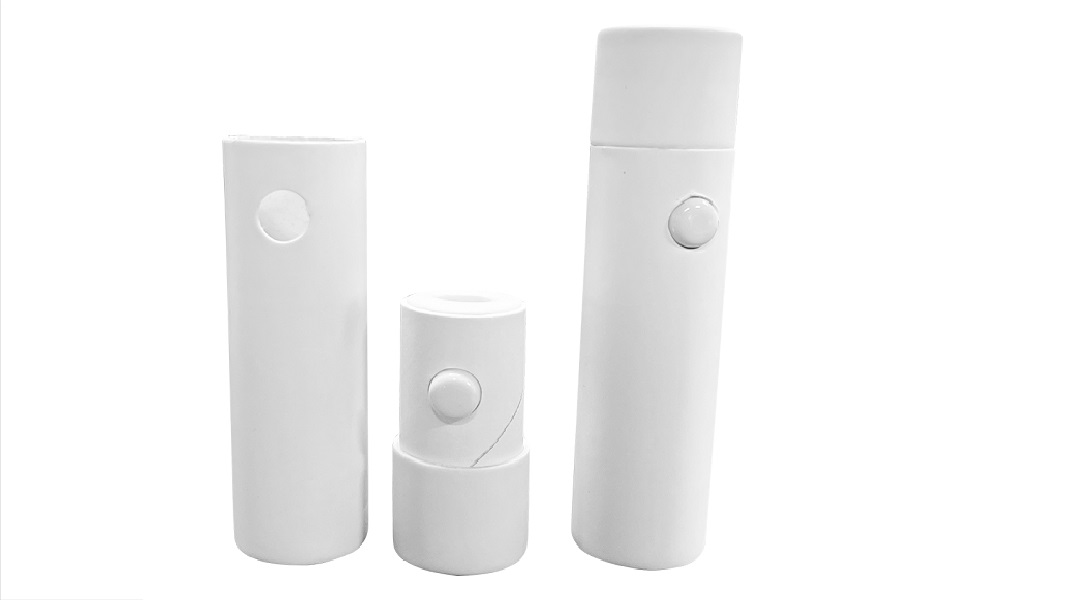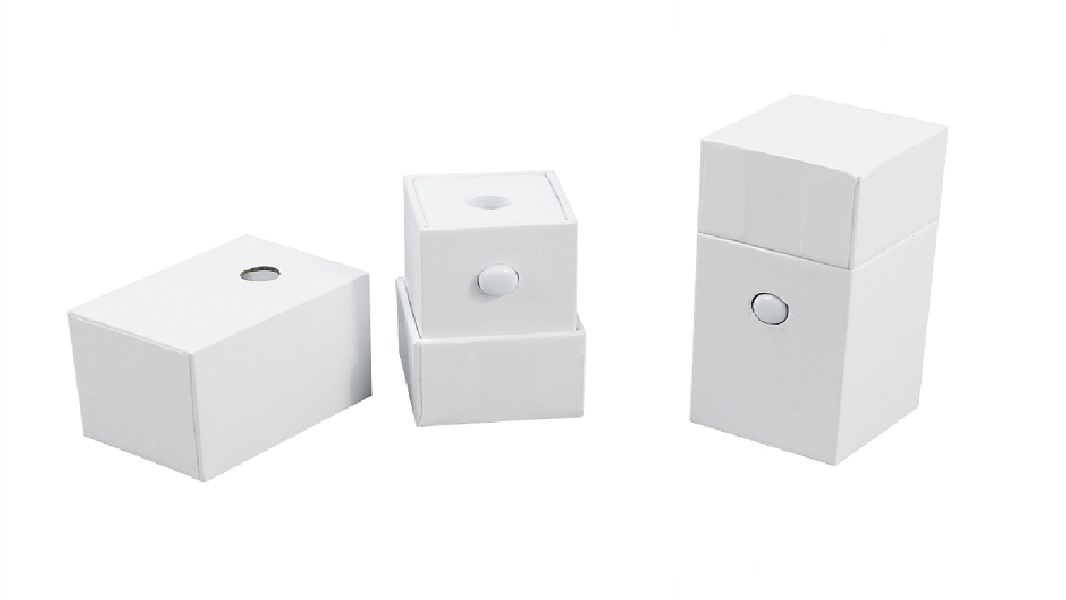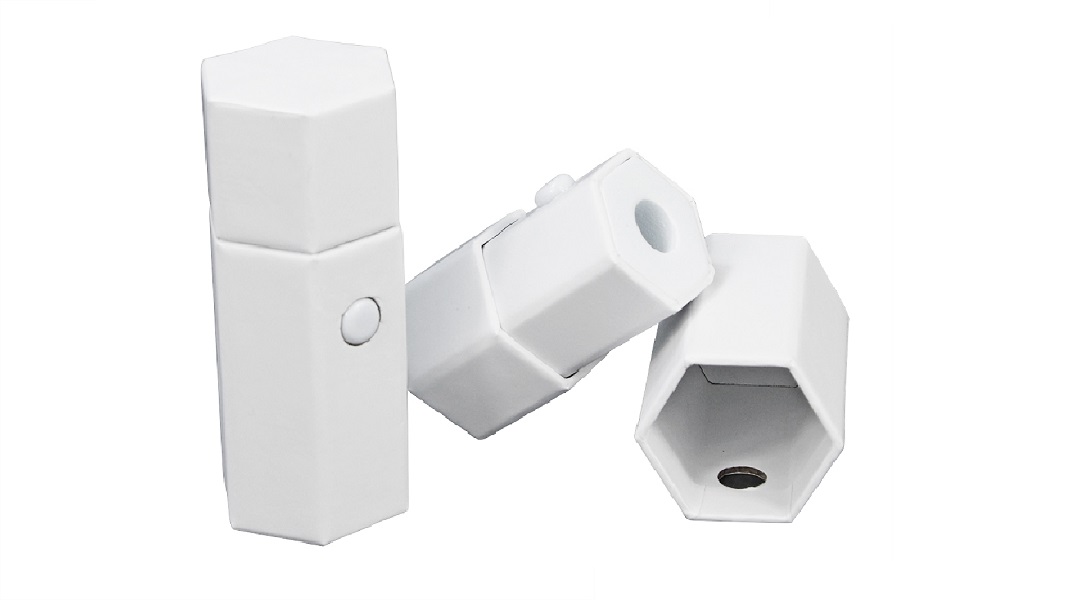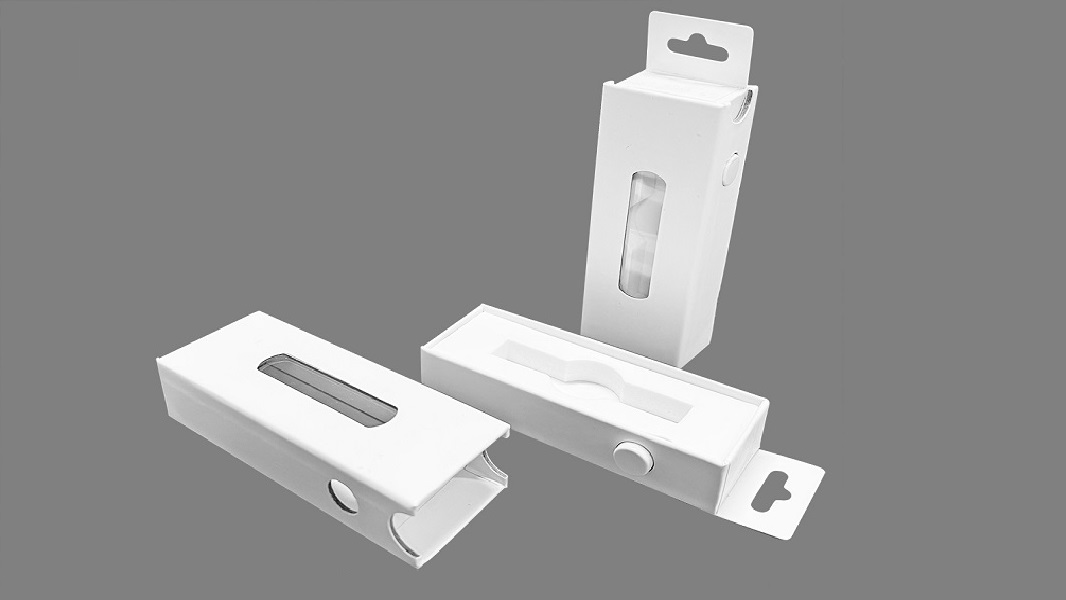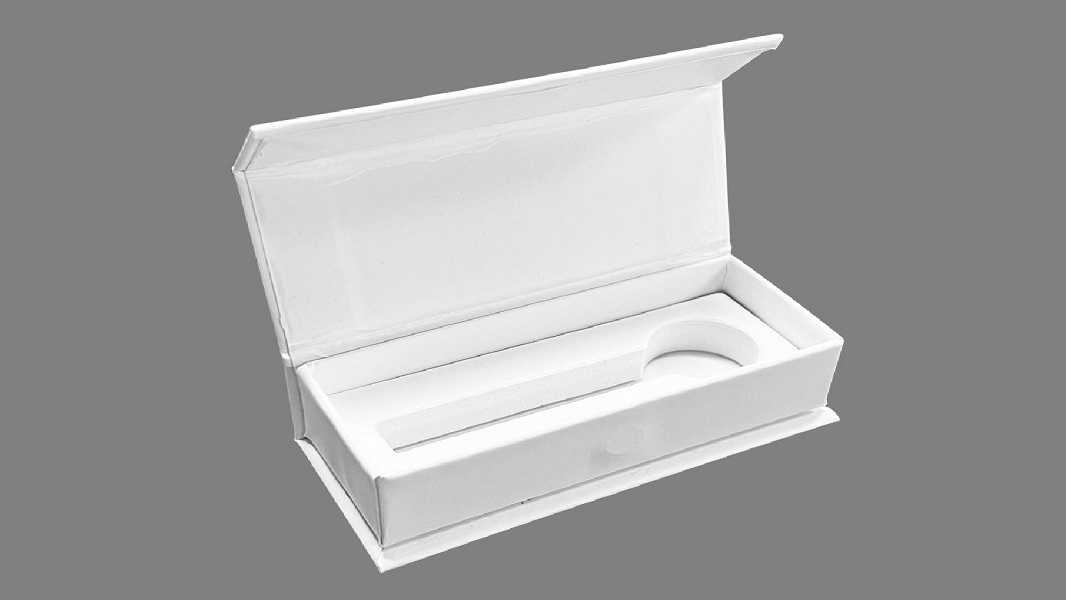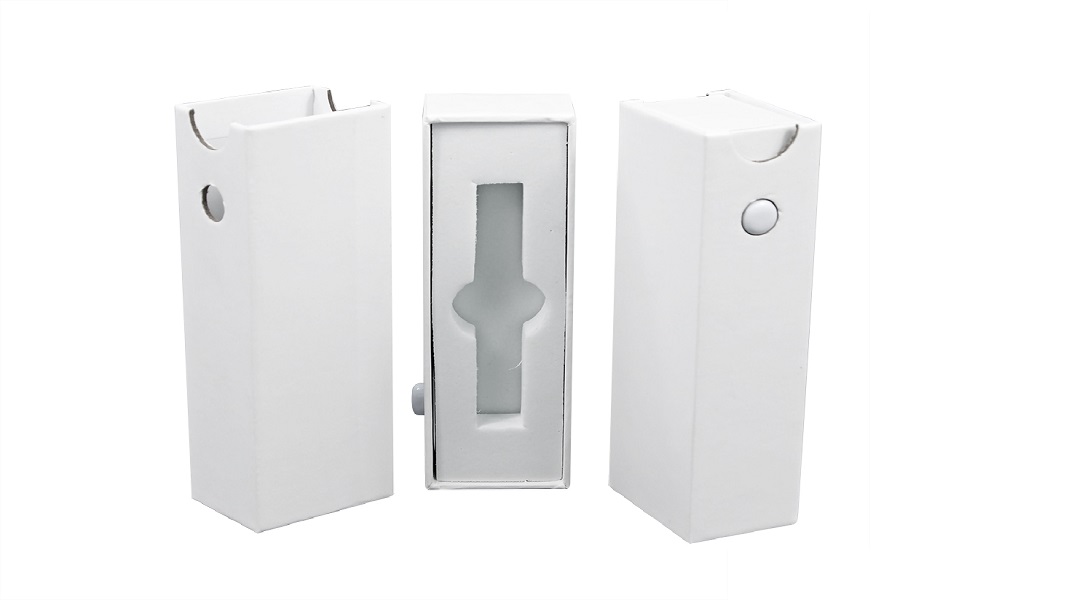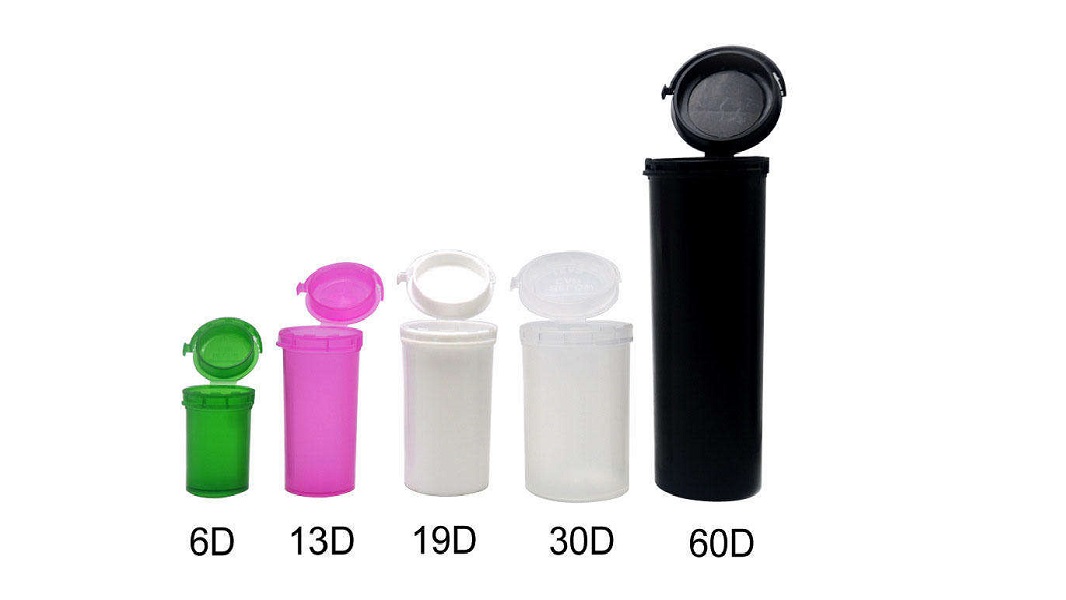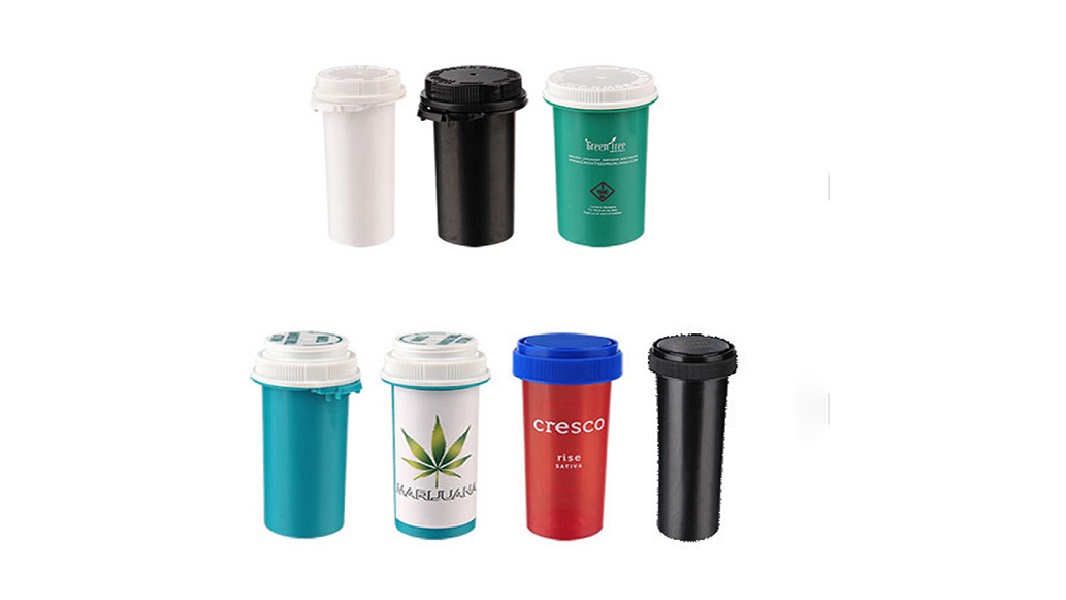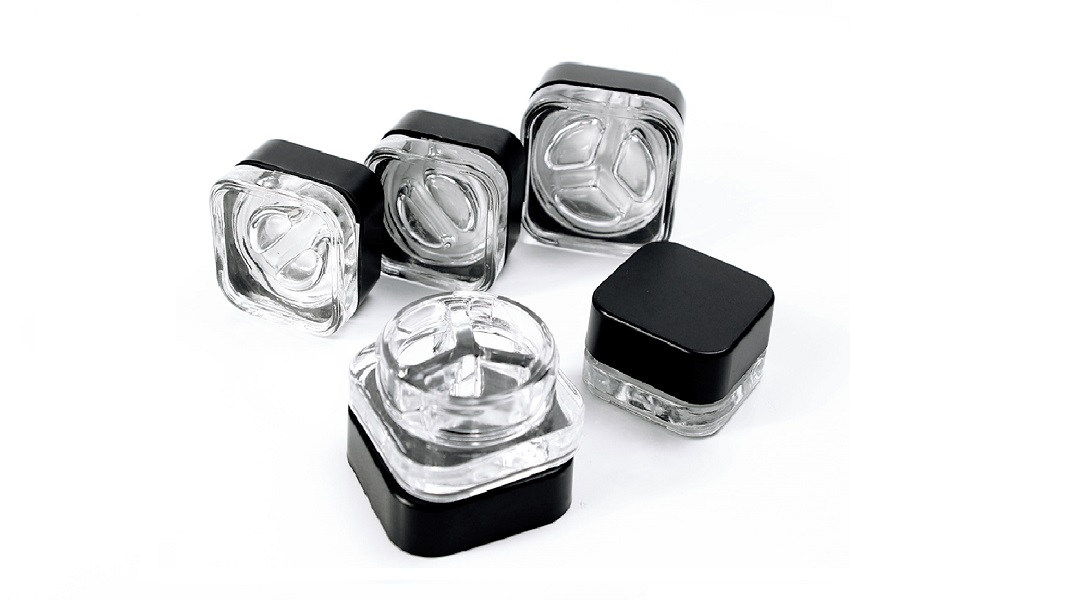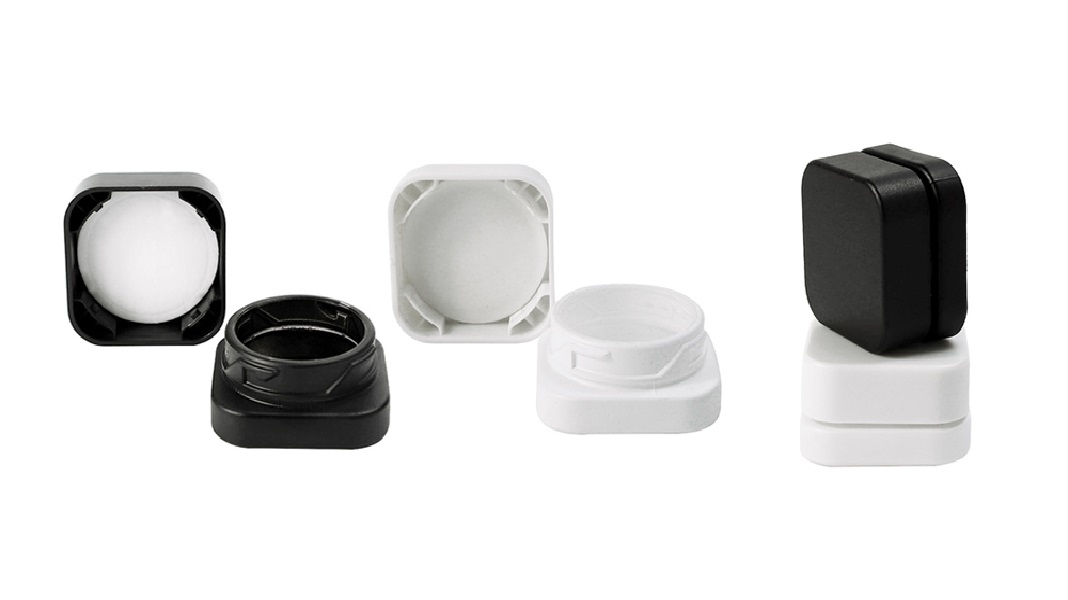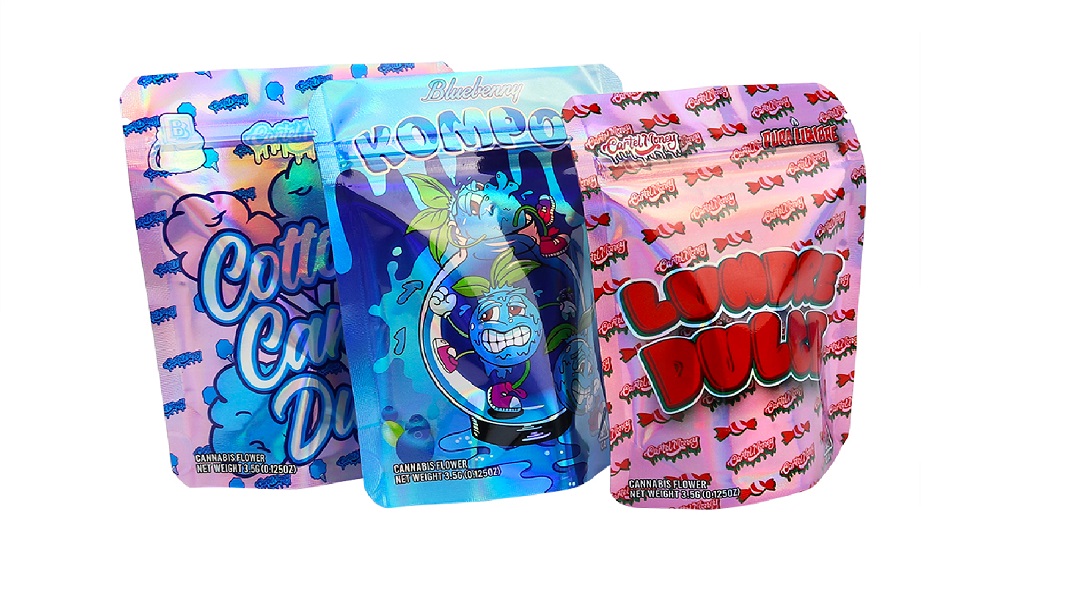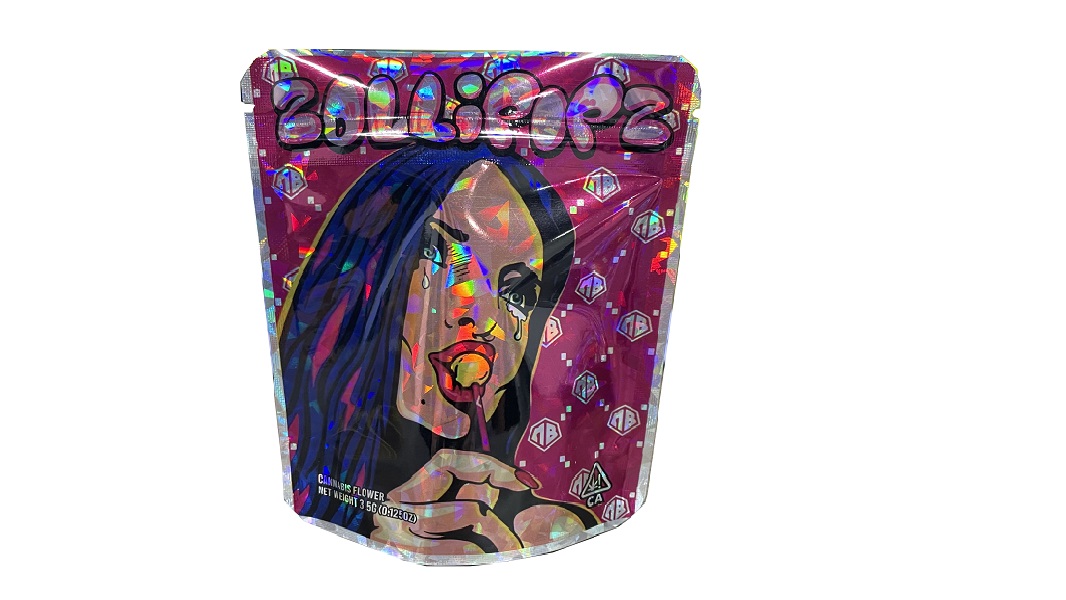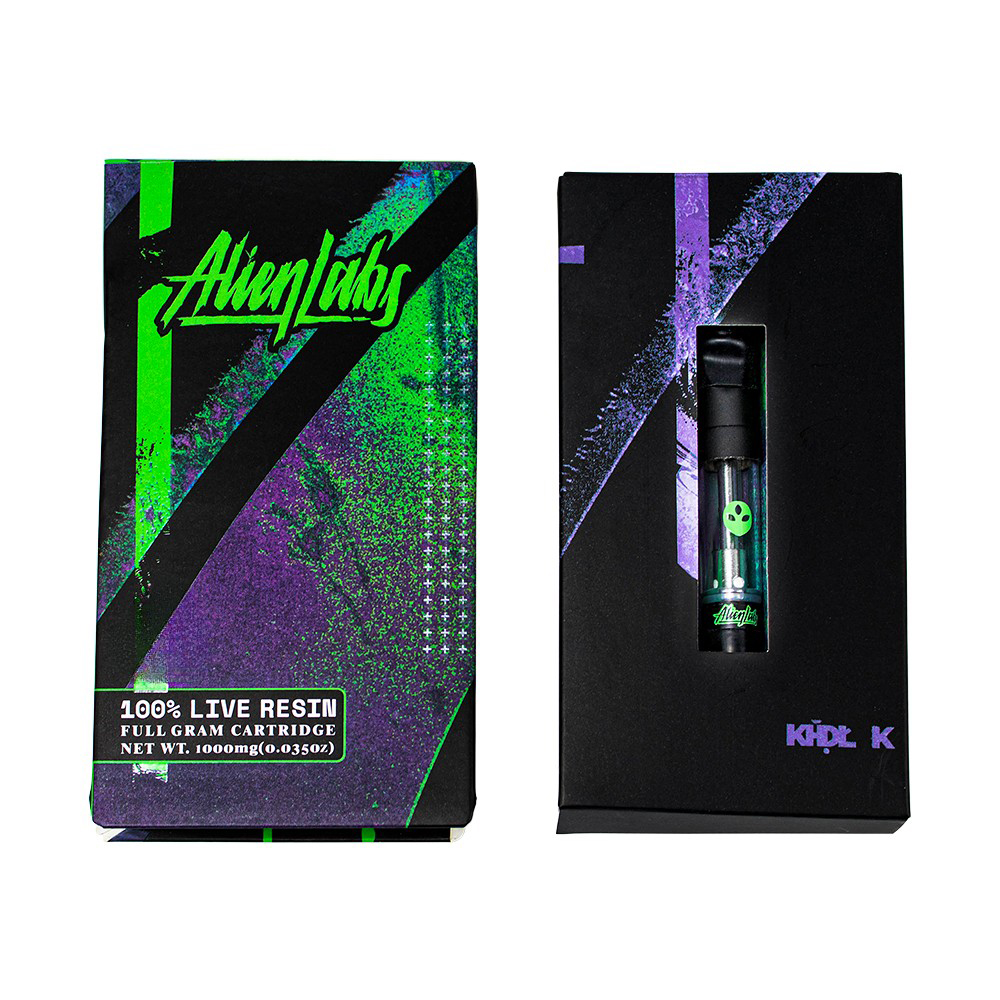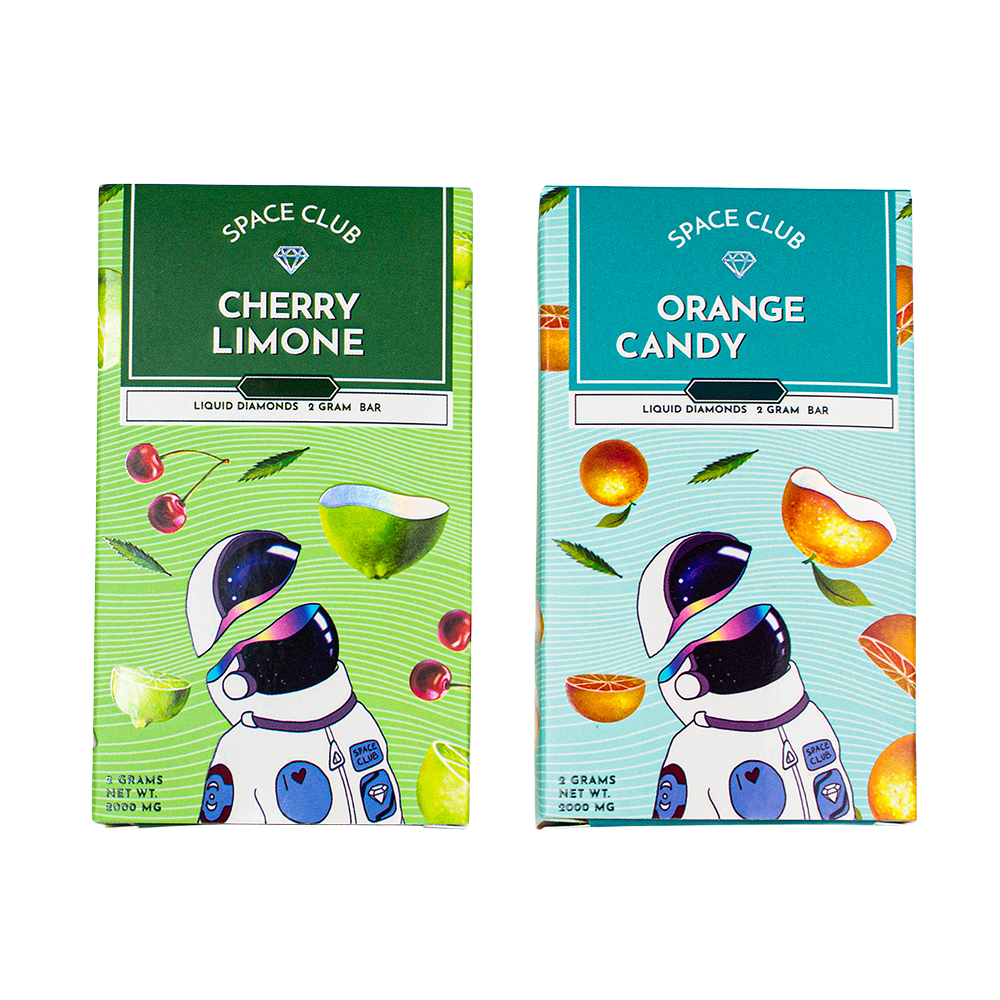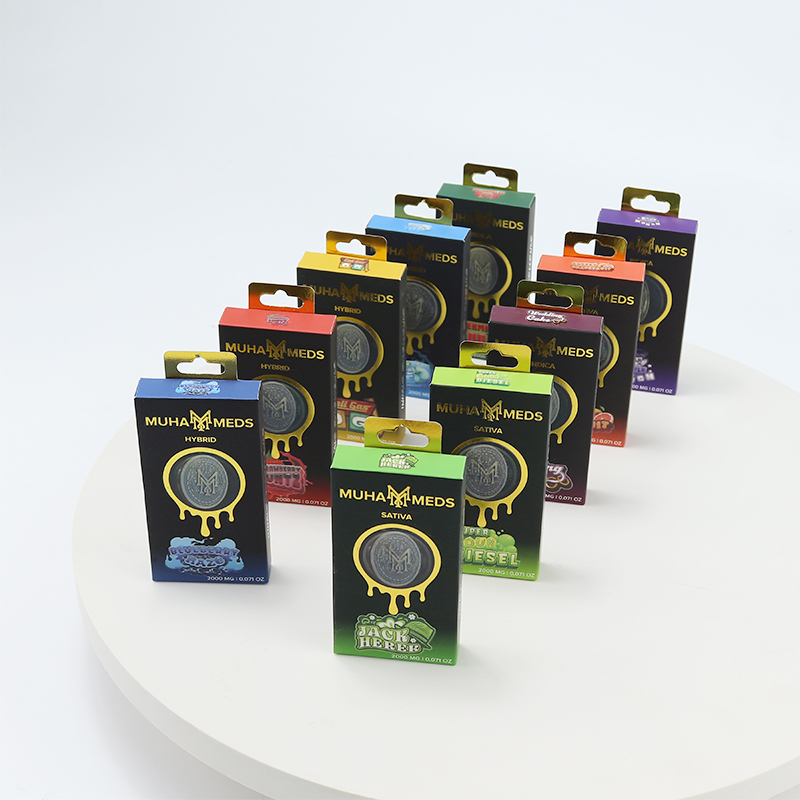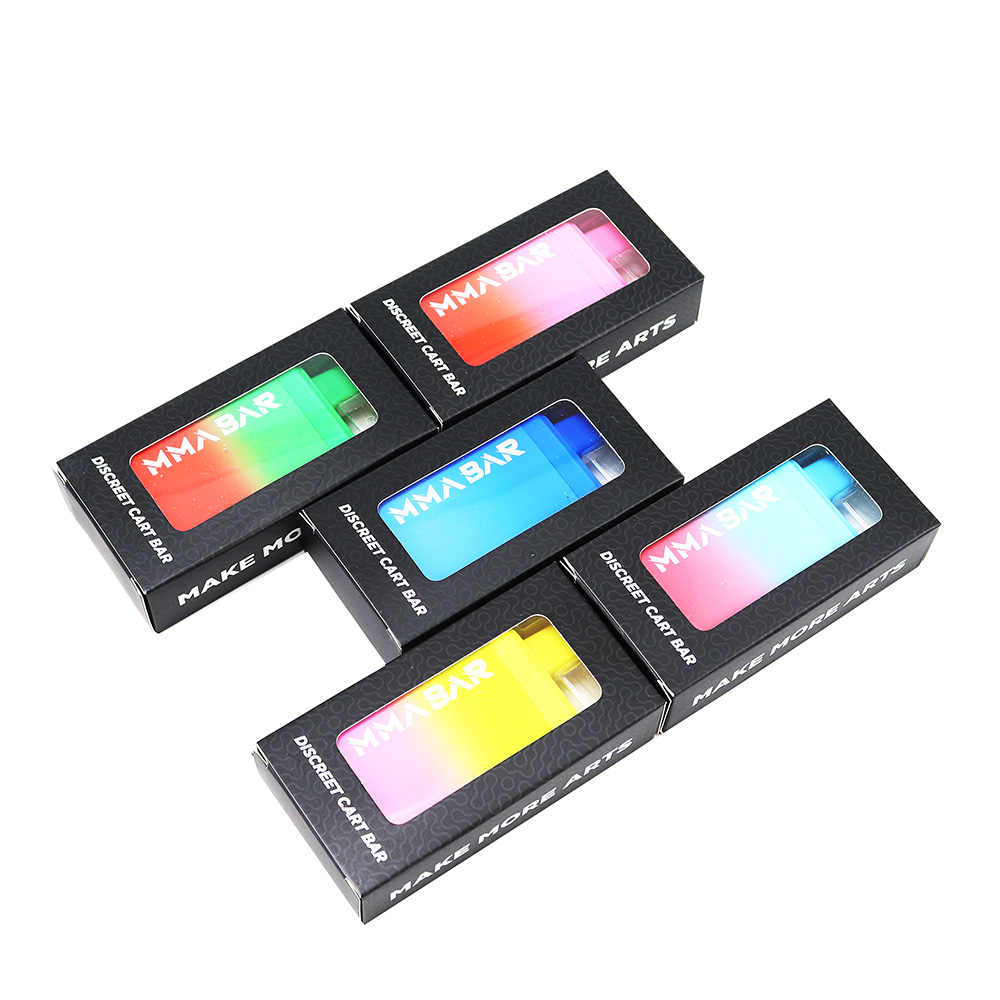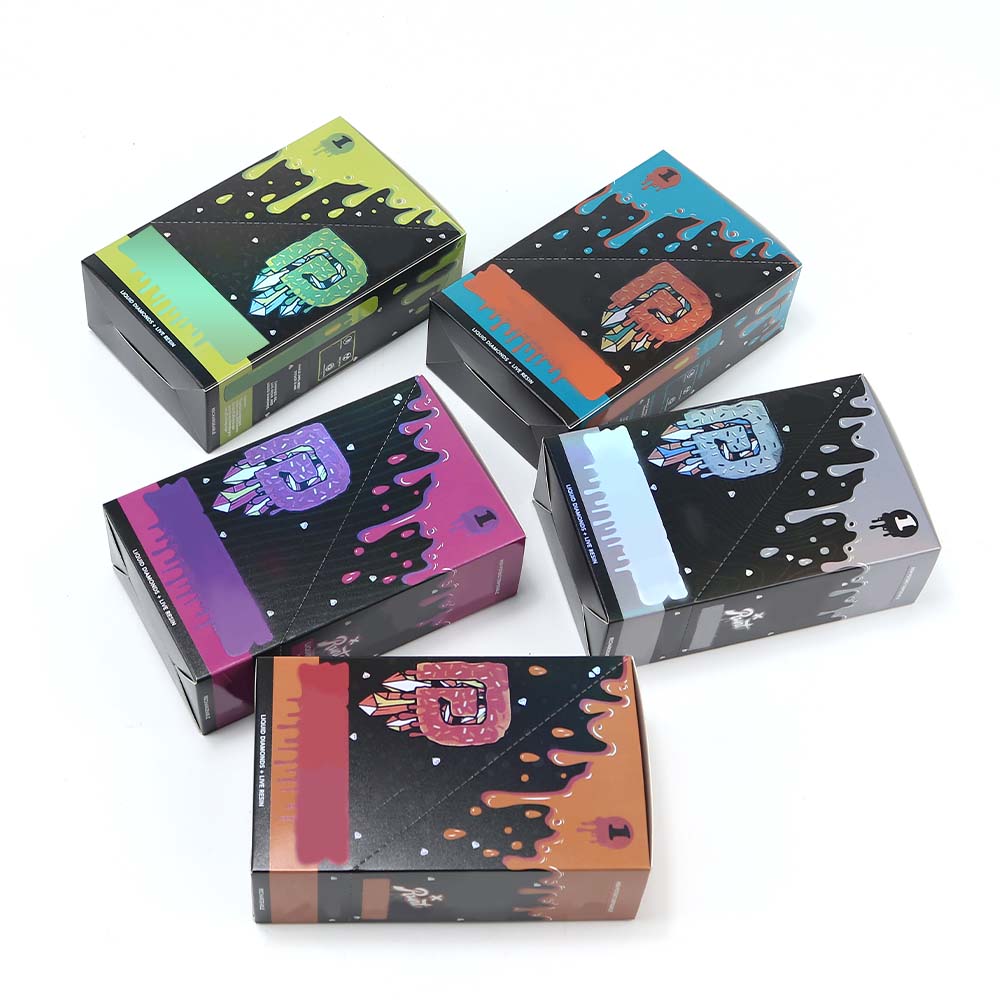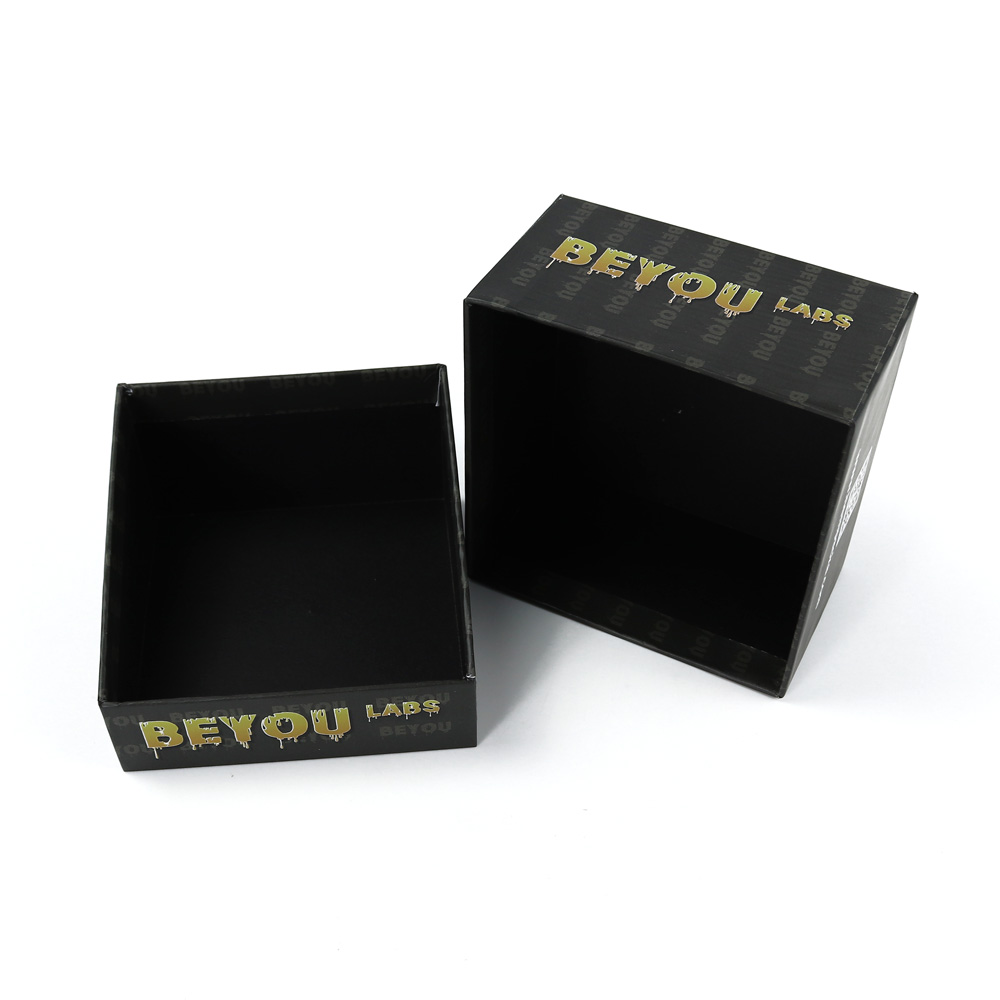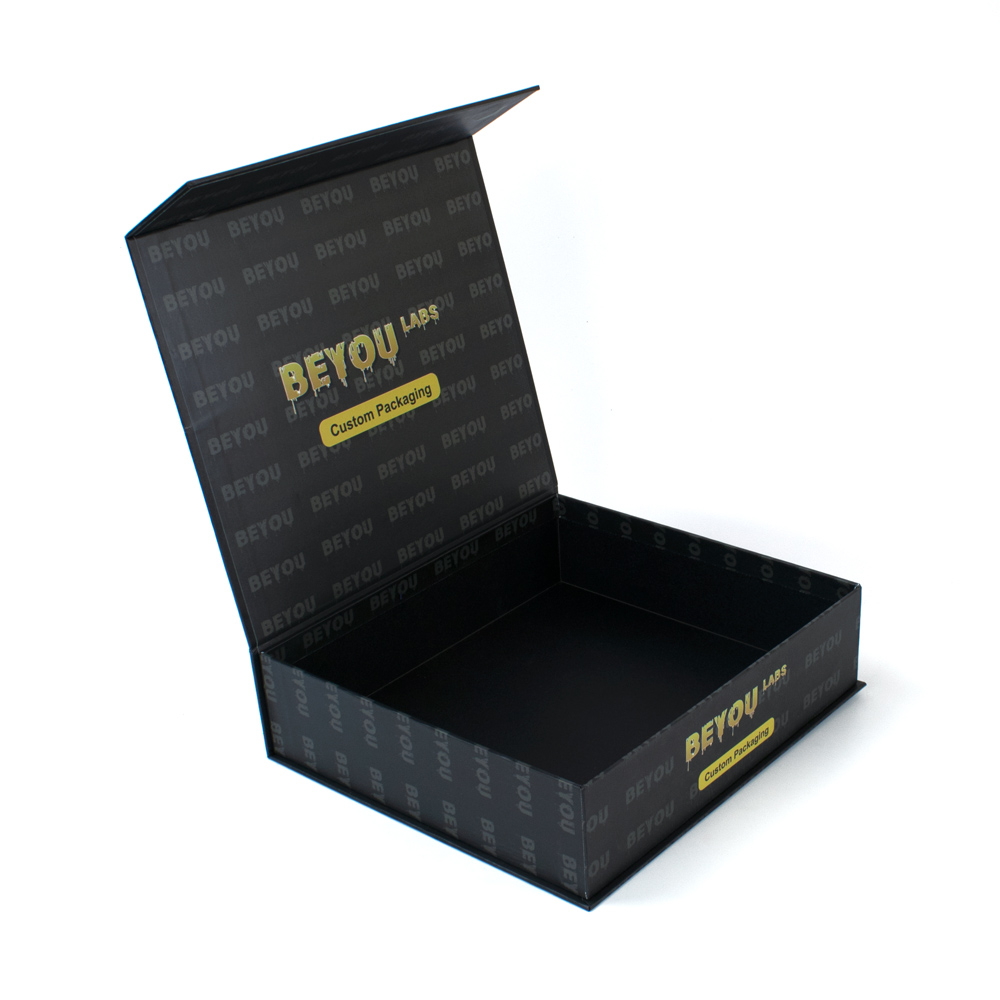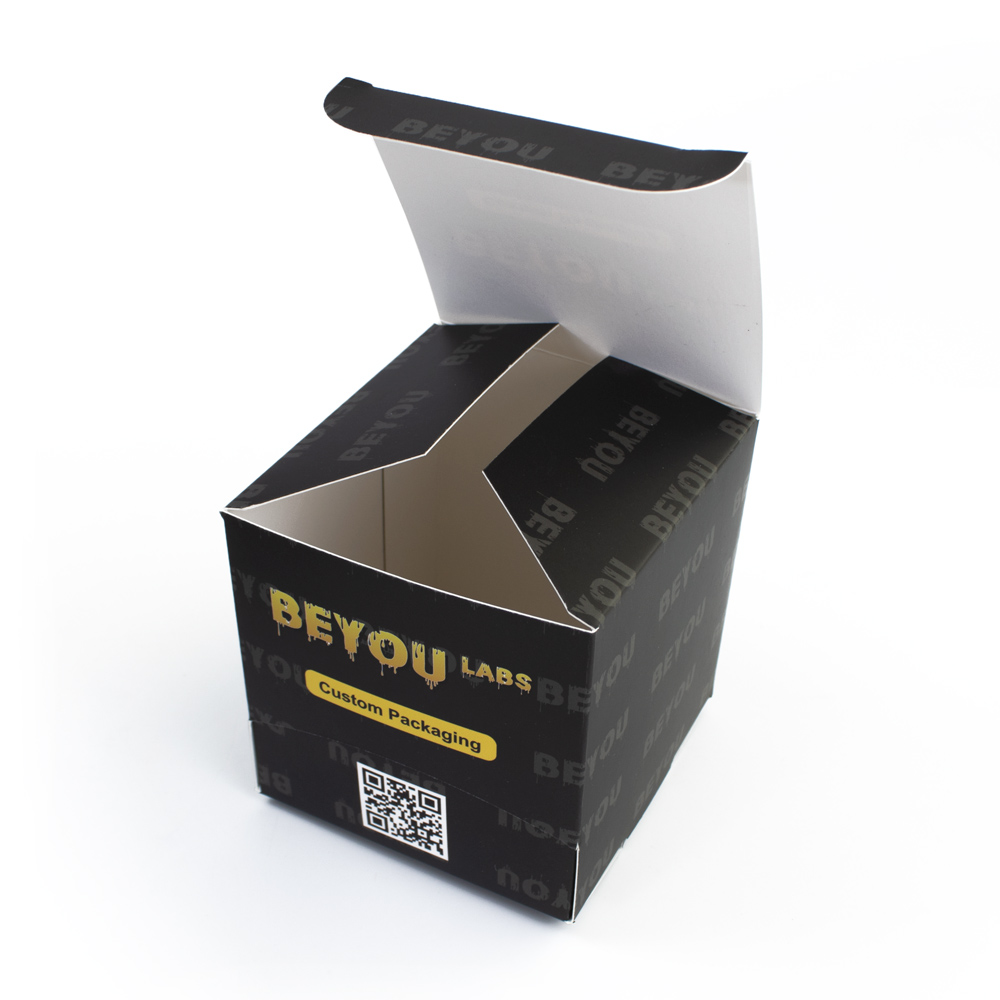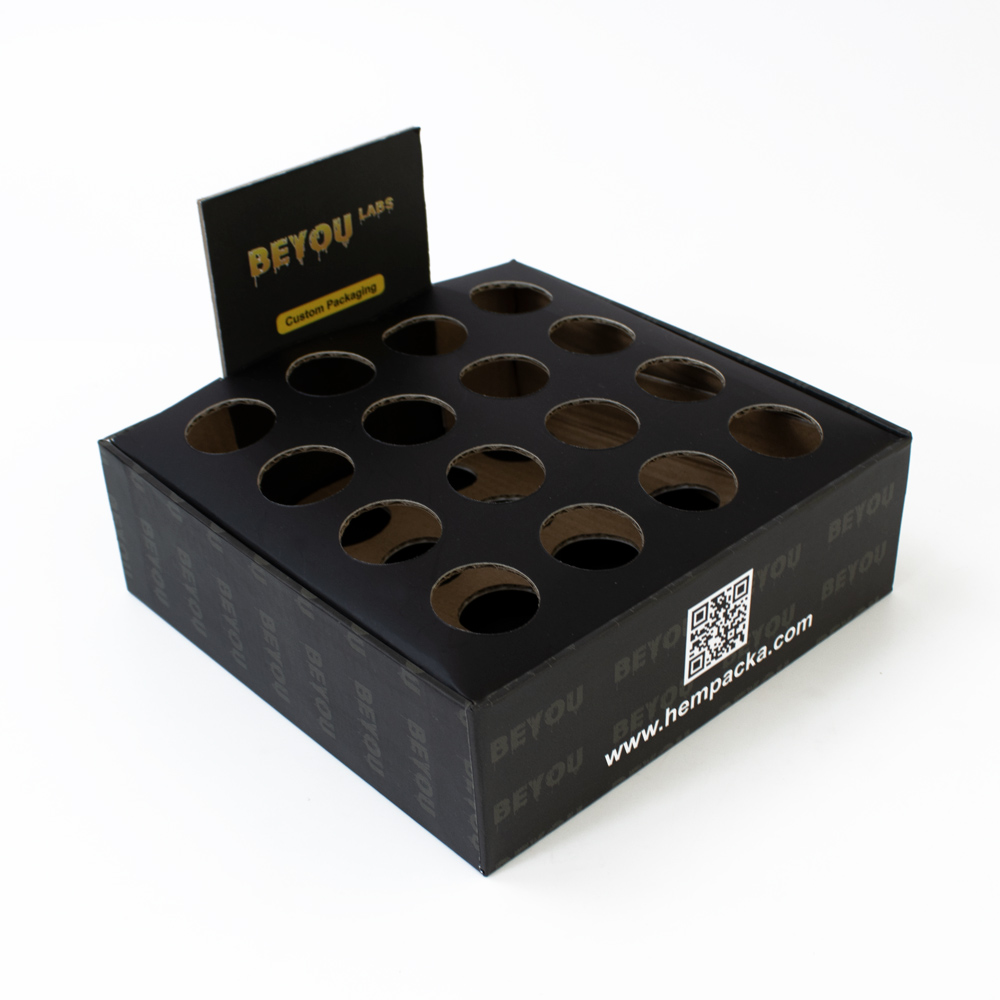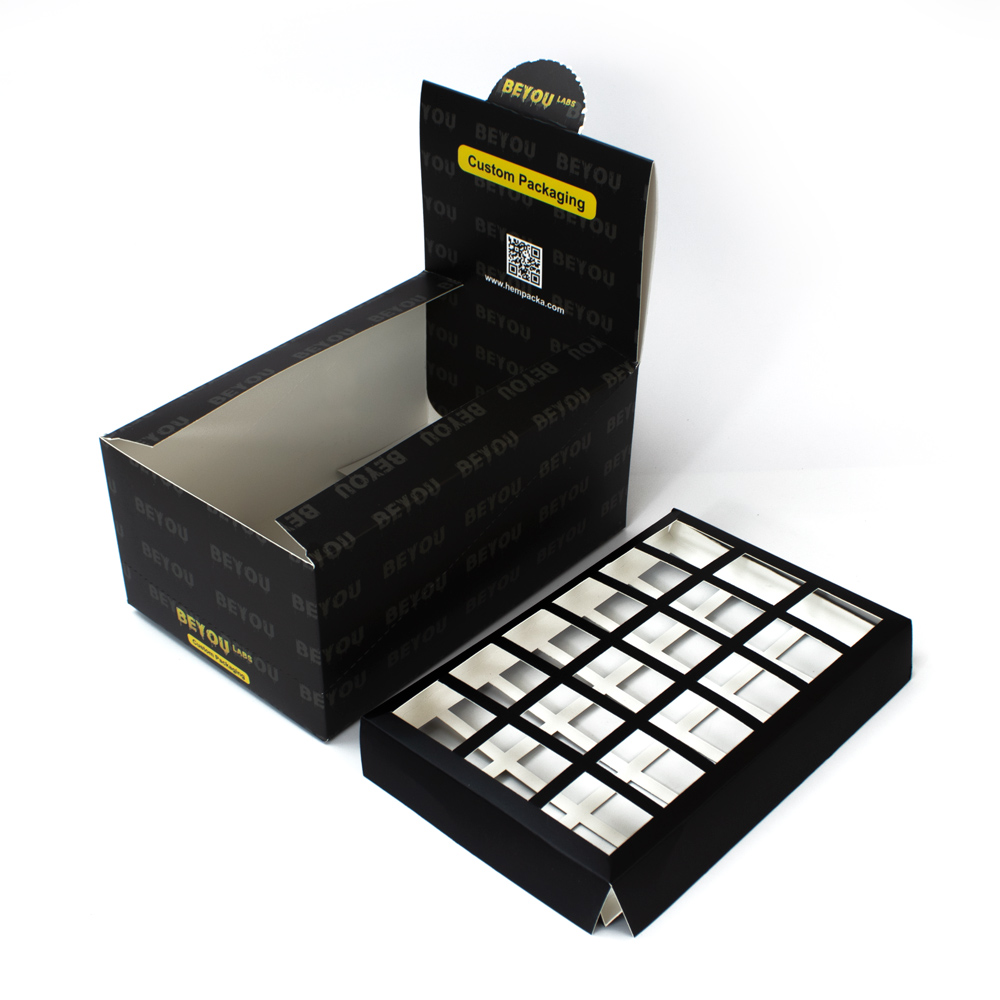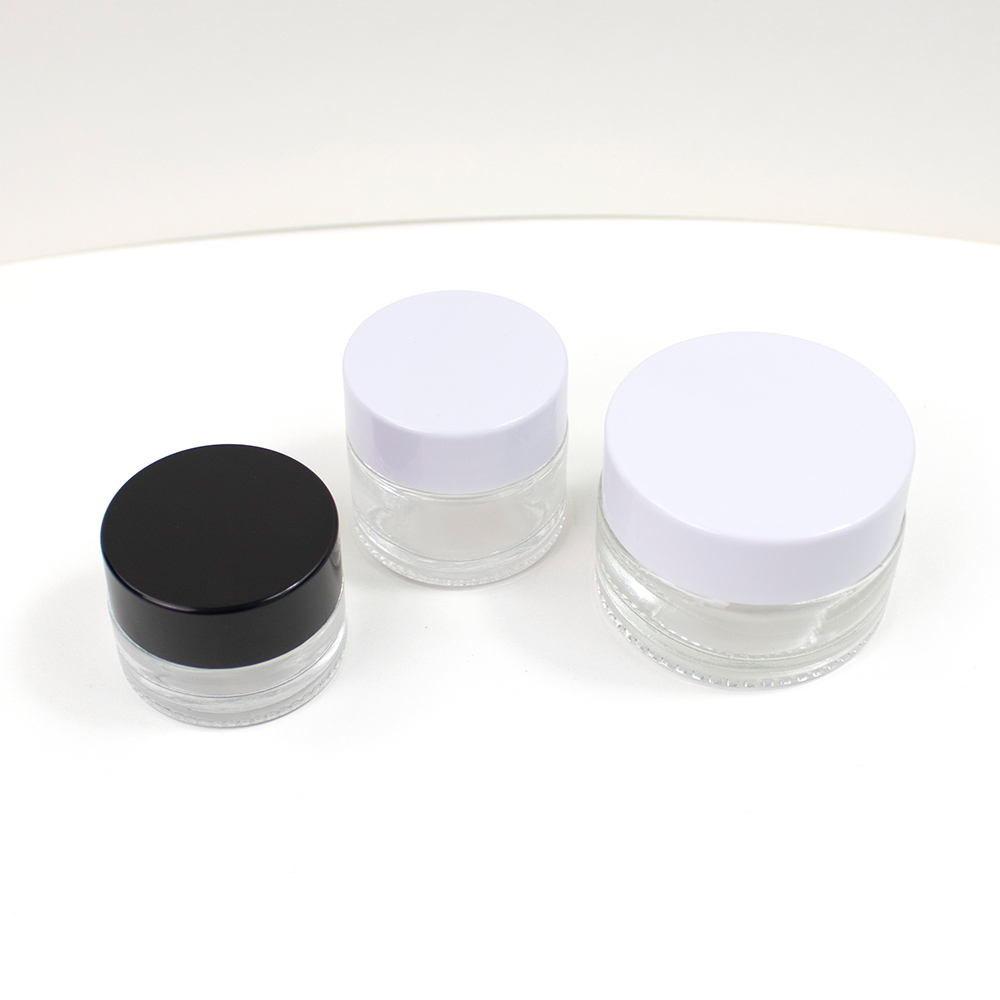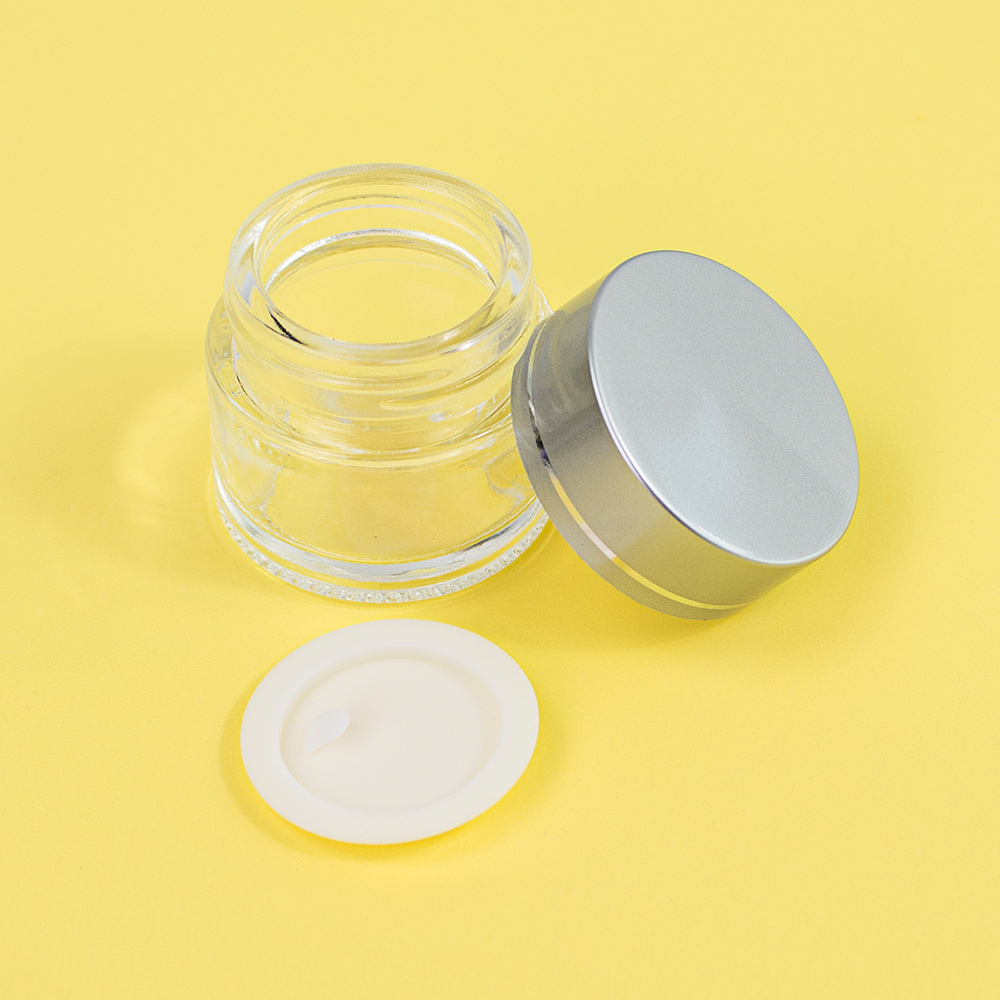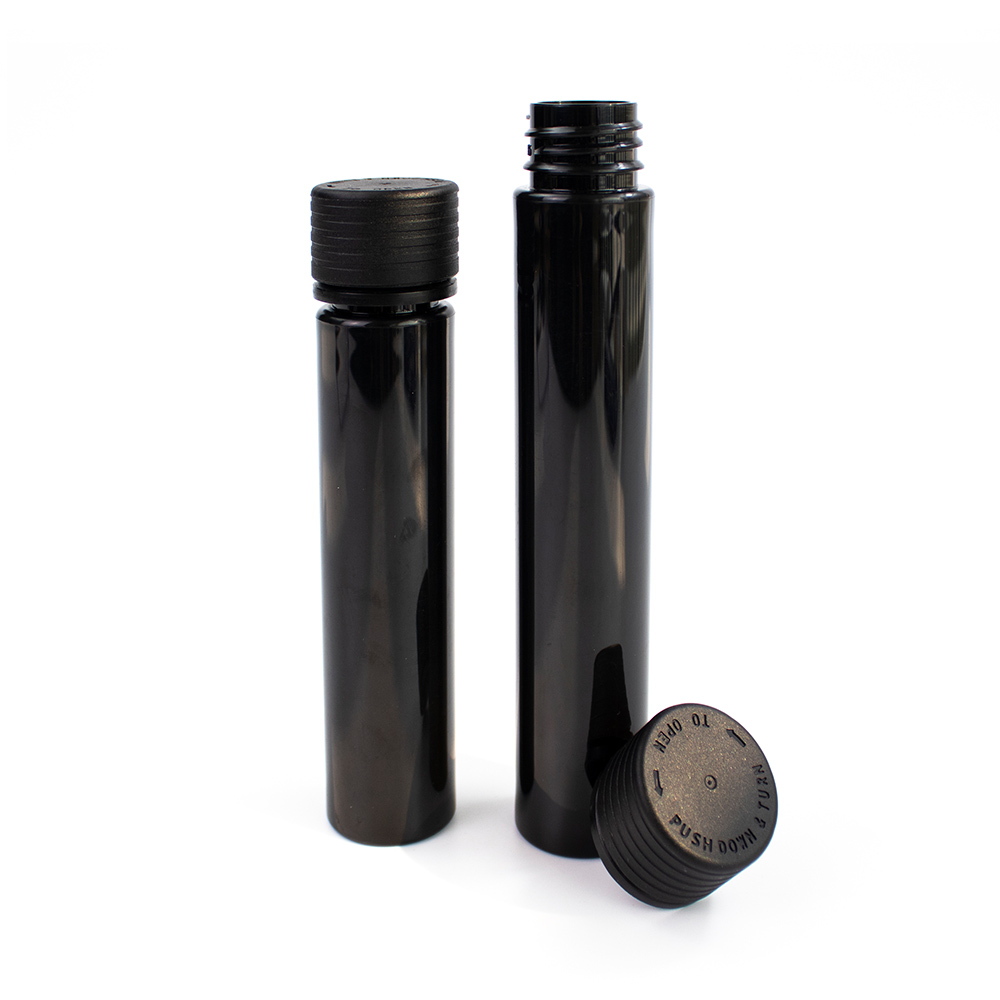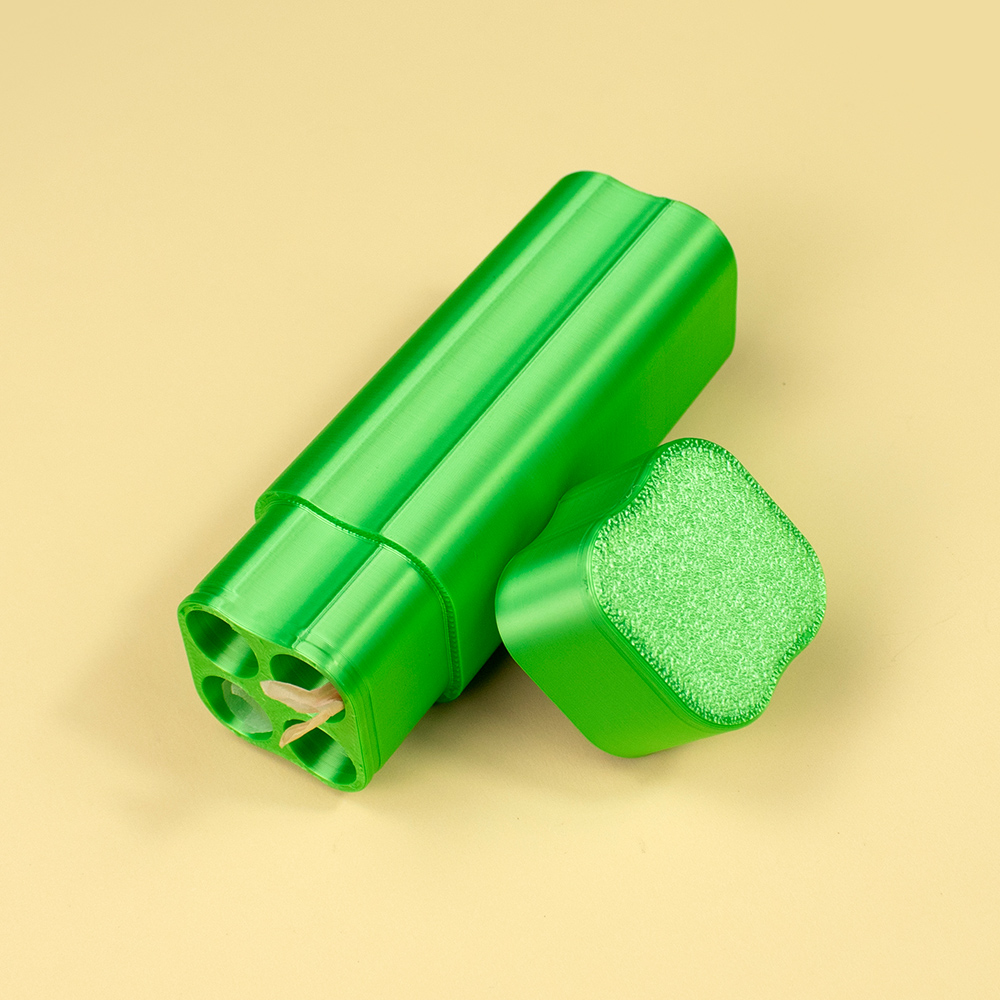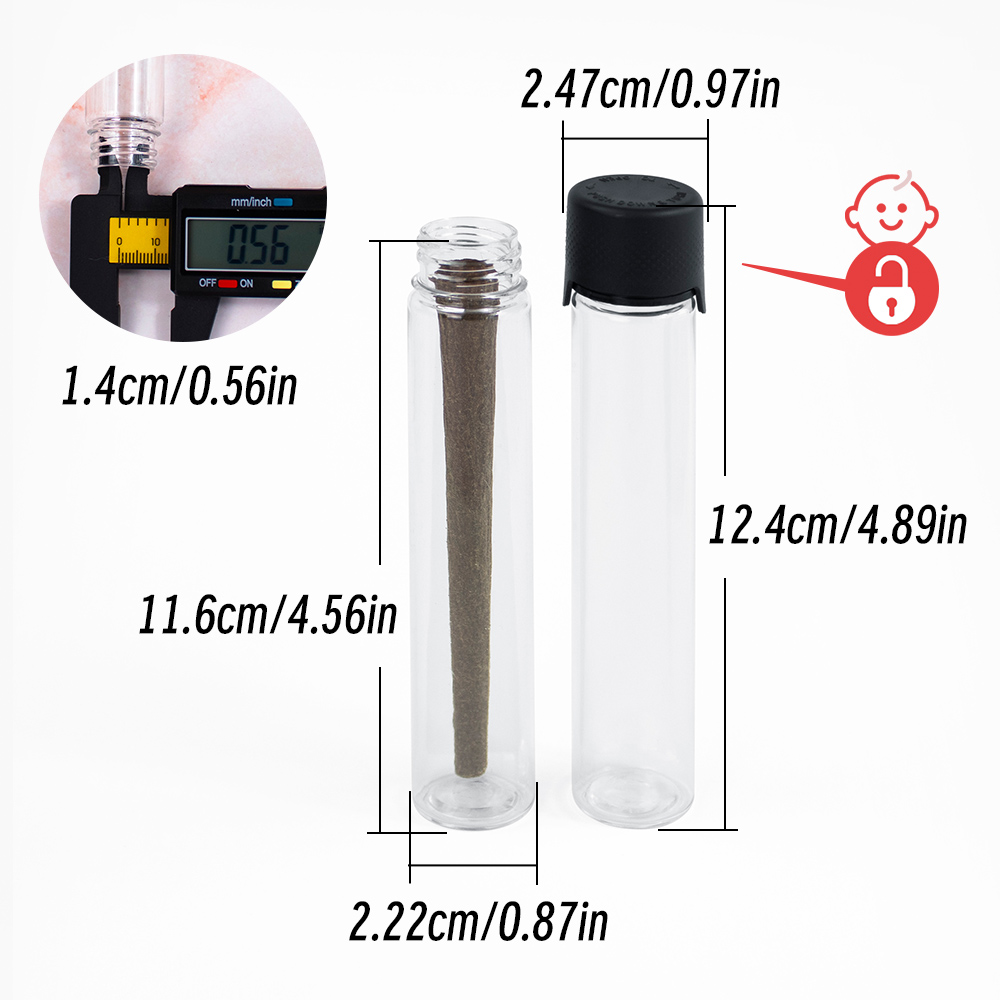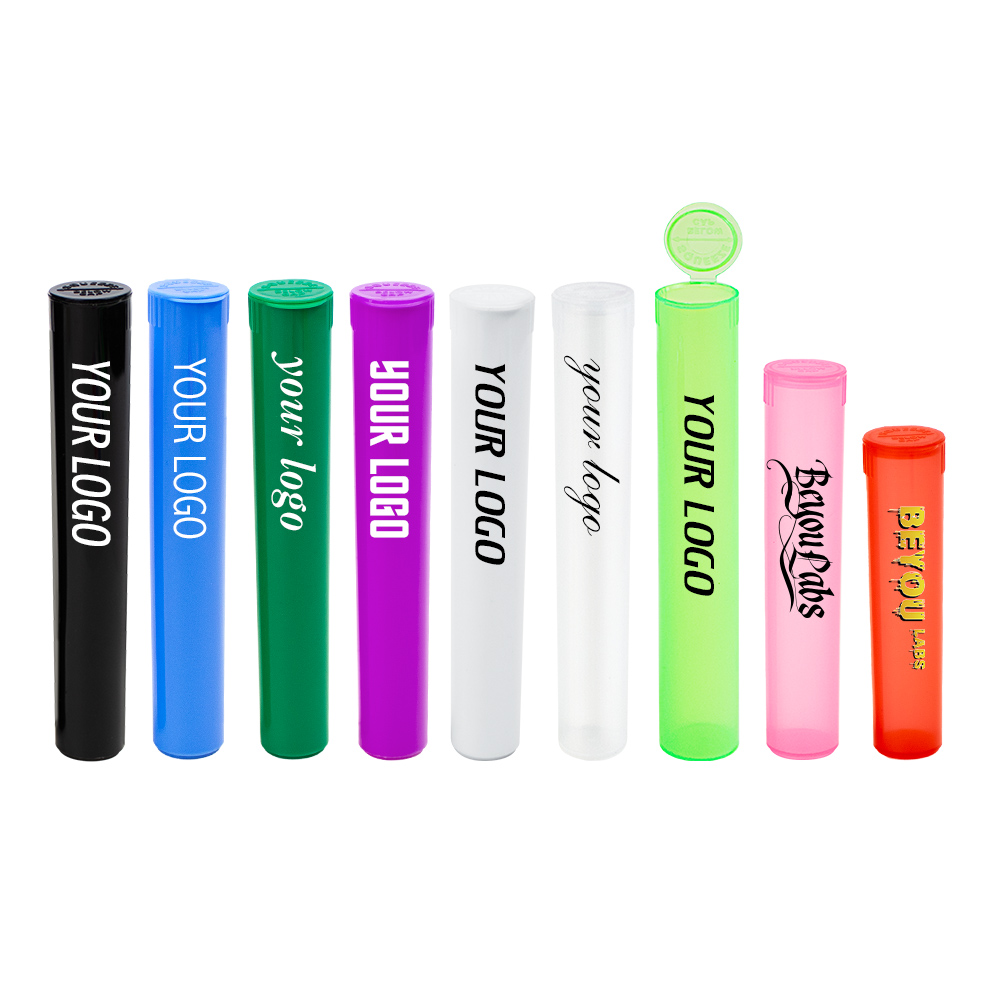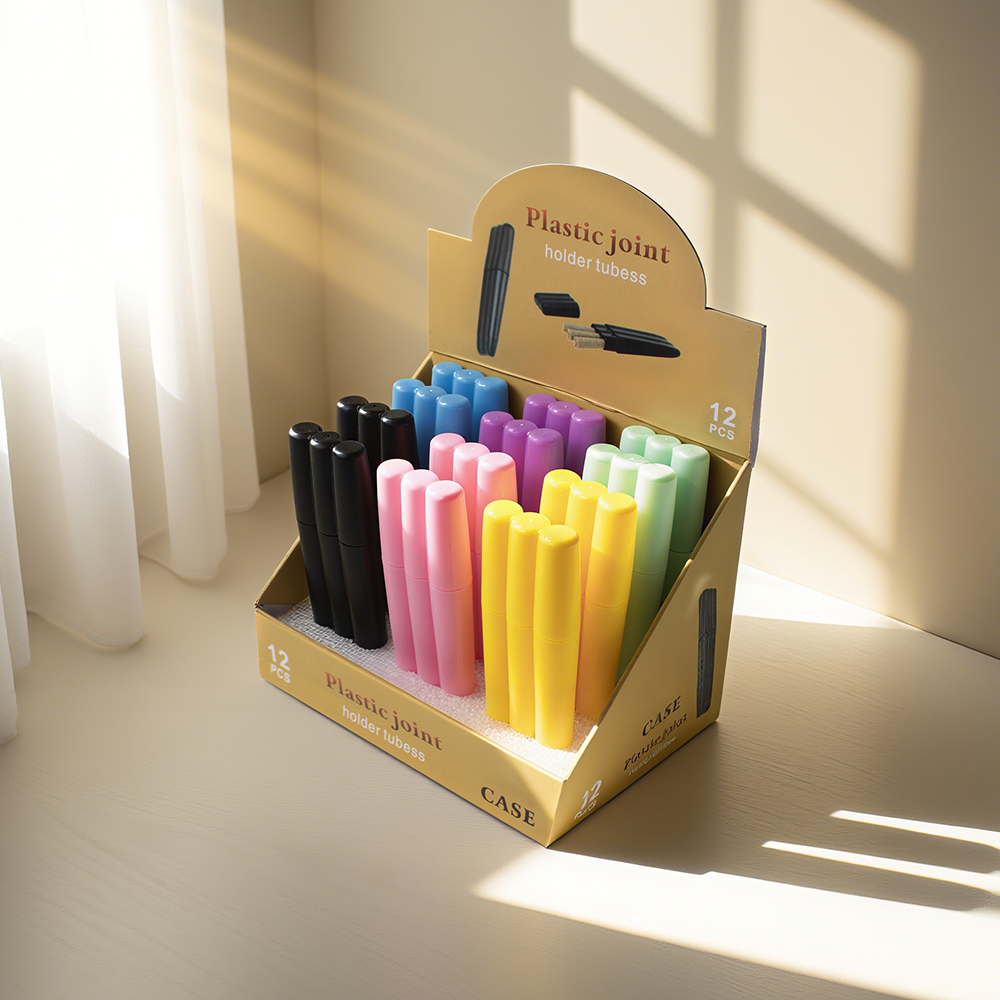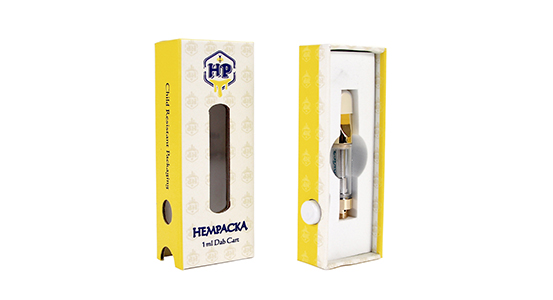
HEMPACKA Custom Logo Child Resistant Vape Cart Packaging Box
CALL : +86 18665993463 | PRICE BEAT GUARANTEE

As of today, October 30, 2026, two clocks are running. The synthetic-cannabinoid exclusion takes effect in 13 days, on November 12. The rest of the federal hemp definition — including the 0.4 mg total THC per container cap — takes effect in 42 days, on December 11.
Most of the coverage has focused on the deadline itself. The question we actually get from buyers is narrower and more practical: of the eight SKUs I ship, which ones still exist in January, and which ones should I stop ordering packaging for right now?
That is a packaging question disguised as a legal one, because the statute measures compliance per container — and in the statute, "container" means the innermost packaging in direct contact with the retail product. Your pack format, not your marketing, decides the answer.
What follows is arithmetic and format logic, not legal advice. State lines differ, interpretation is still being litigated, and you should confirm anything material with counsel before you commit to a purchase order.
Every triage question reduces to one division:
total THC in the unit ÷ number of retail containers = mg per container
If the result is at or below 0.4 mg, the product can still be sold as hemp federally. If it is above, it cannot — regardless of how the label describes it.
Three worked examples, using round numbers for clarity:
· A 10-count gummy pouch at 5 mg per gummy holds 50 mg. That is 125× the cap.
· A 30 mL tincture at 1 mg/mL holds 30 mg. That is 75× the cap.
· A single 0.3 mg microdose in its own sealed sachet holds 0.3 mg. That passes.
Notice that nothing about the product changed between those lines — only the number of units the THC is divided across. This is why the current re-planning wave is really a pack-size wave, and why packaging suppliers are being asked to quote formats they have never quoted before.
The table below applies the cap to typical commercial formats. Potency assumptions are stated so you can substitute your own COA numbers.
Category | Typical unit | Total THC at stated assumption | Fits 0.4 mg? | Packaging consequence |
Smokable flower | 3.5 g jar or pouch | 0.3% total THC ≈ 10.5 mg | No | Any meaningful flower volume fails; only licensed cannabis channels remain |
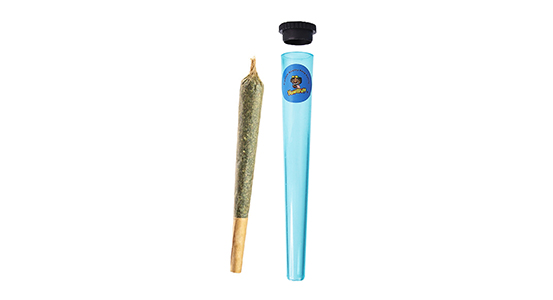
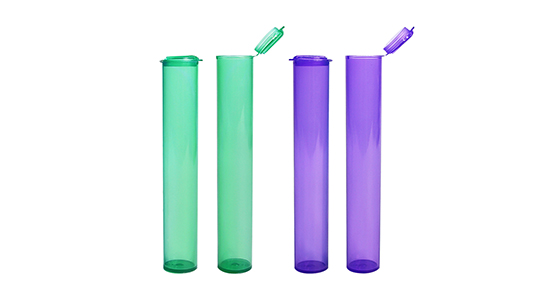
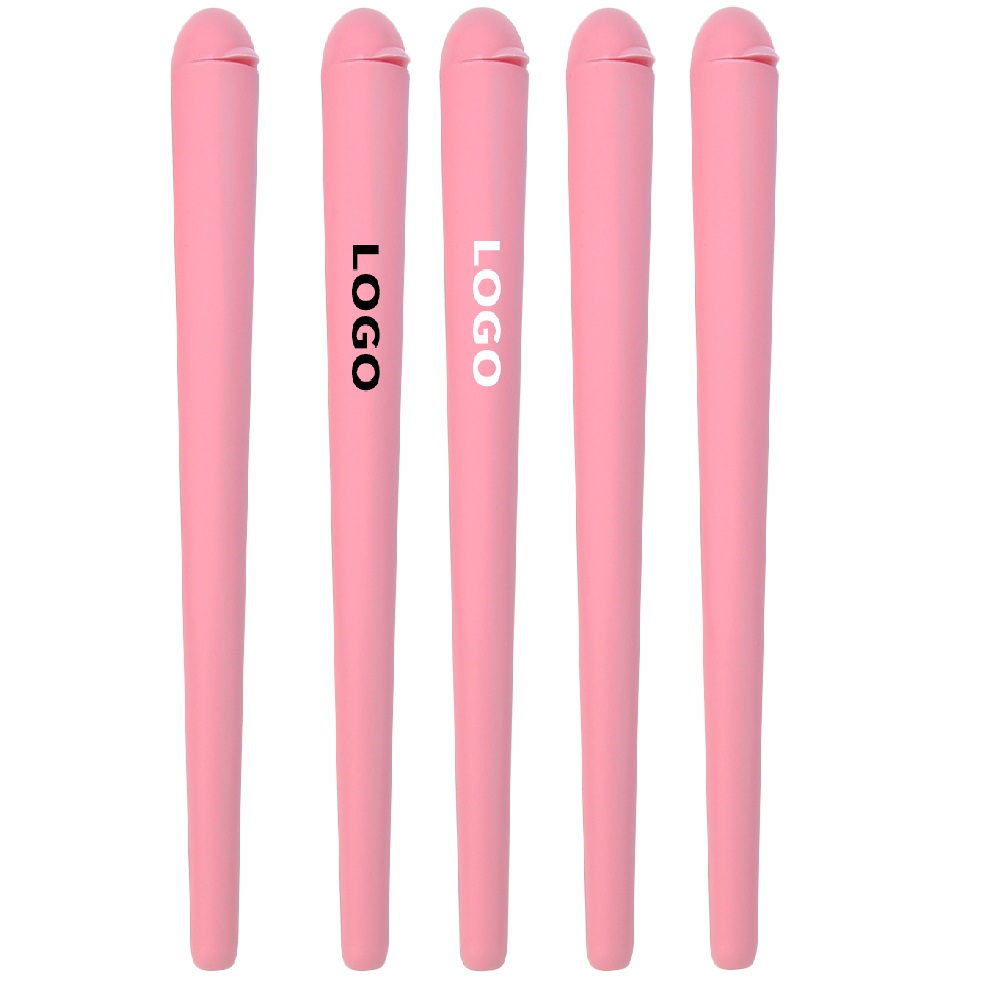
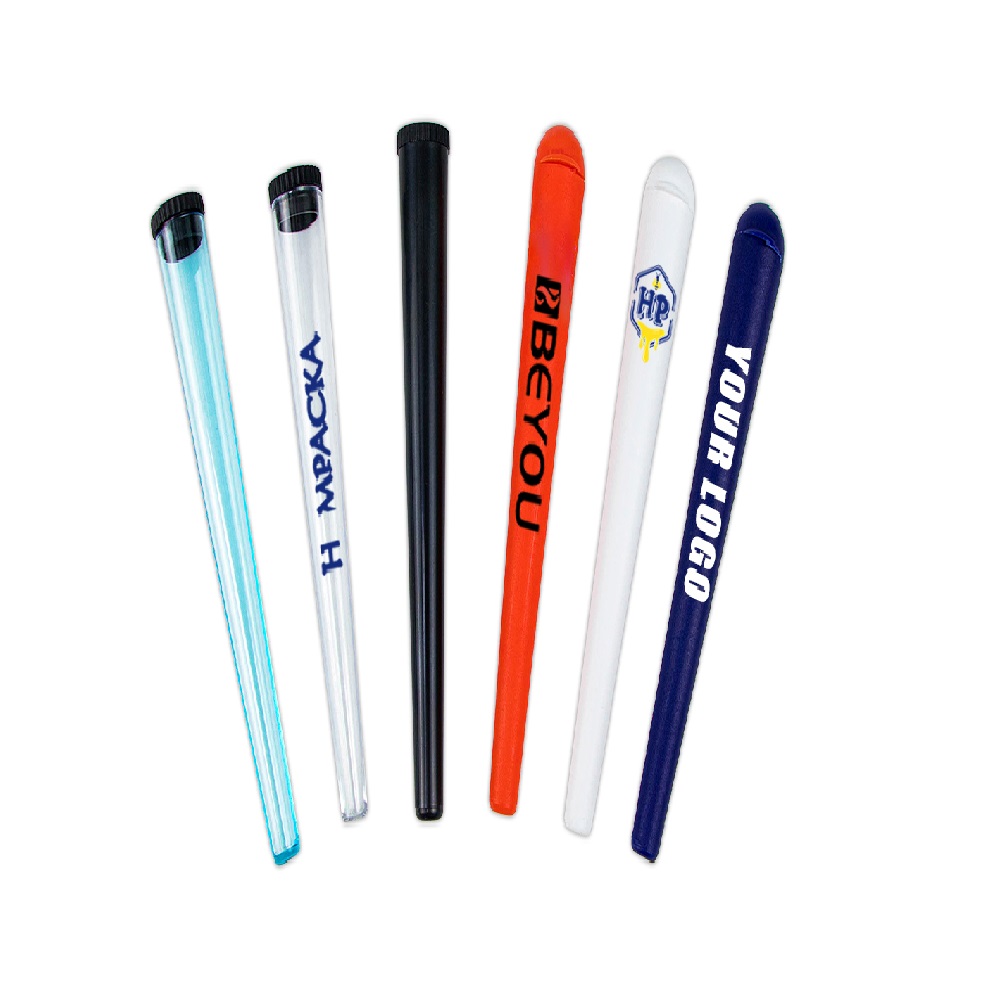
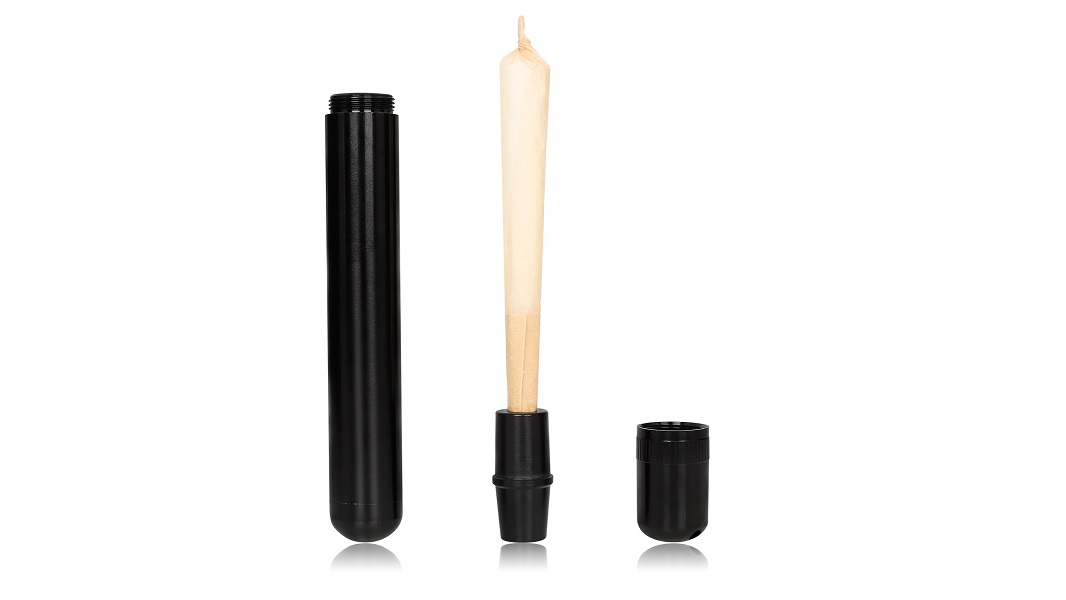
Pre-rolls | 1 × 0.5 g tube | 0.3% ≈ 1.5 mg | No | Single-stick SKUs also fail at normal potency |
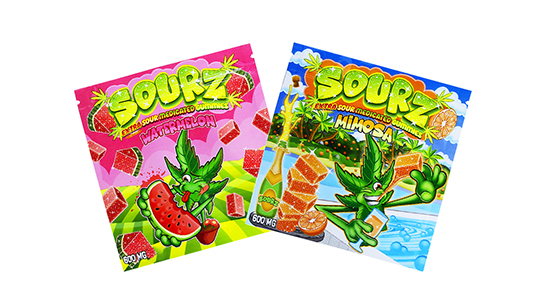
Gummies, multi-count | 10 × 5 mg pouch | 50 mg | No | Multi-count pouches obsolete; single-serve becomes the only path |
Gummies, single | 1 × 0.3 mg sachet | 0.3 mg | Yes | Small-format pouch, tight label real estate |
Beverages | 355 mL can at 3 mg | 3 mg | No | Standard THC beverages fail; only sub-0.4 mg formats survive |
Tincture / oil | 30 mL dropper at 1 mg/mL | 30 mg | No | Full-bottle SKUs fail; smaller fill or lower concentration only |
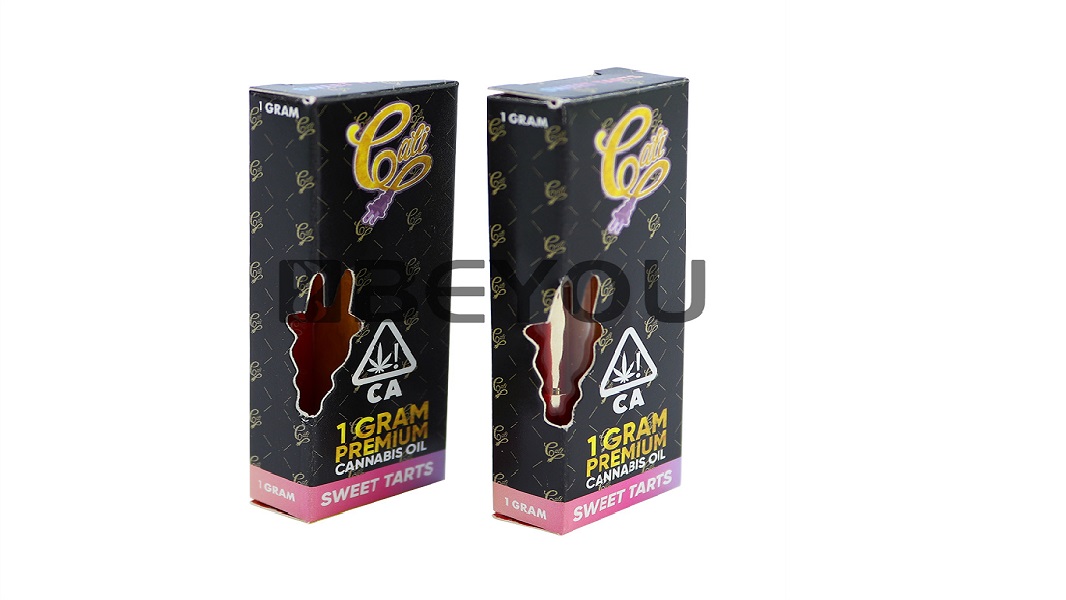
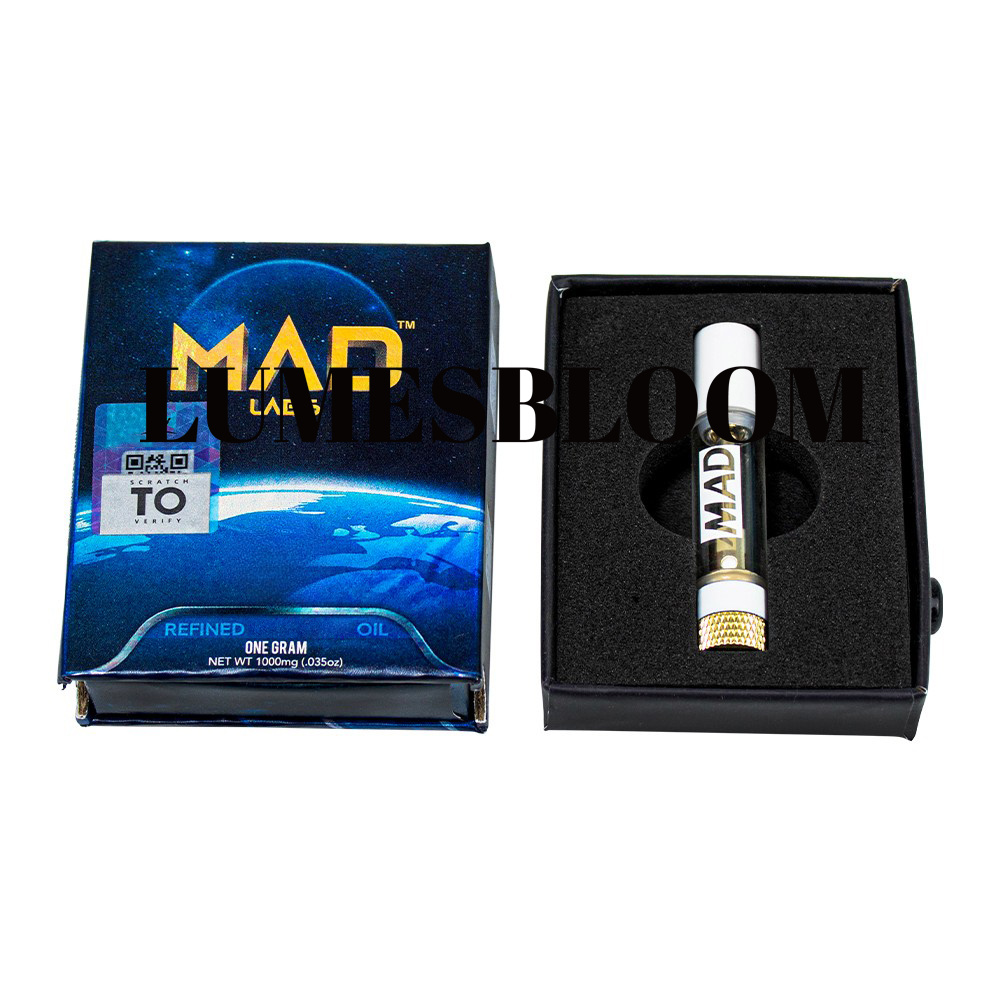
Vape cartridge | 1 g at 80% THC | ≈ 800 mg | No | Cartridge category cannot comply at any normal potency |
Concentrate | 1 g jar | 600–900 mg | No | Same as cartridges |
Topical | 50 mL at 1 mg/mL | 50 mg | No | Low-THC topicals only; verify per-container total |
Pet chews | 10 × 1 mg | 10 mg | No | Multi-count fails; single low-dose only |
Two rows deserve emphasis because they surprise people.
Flower is not safe by default. At 3.5 g, the cap allows roughly 0.011% total THC — 0.4 mg divided by 3,500 mg. Smokable hemp flower does not test there. Under a literal reading, a 3.5 g jar is non-compliant no matter how the strain is marketed, and the same logic applies to 0.5 g pre-rolls at roughly 0.08%.
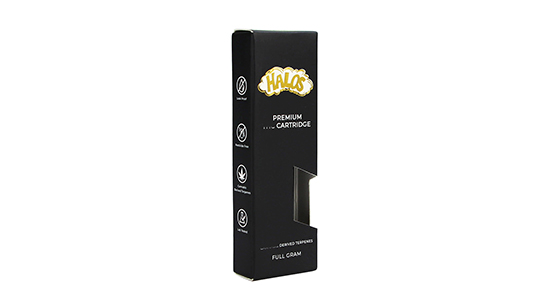
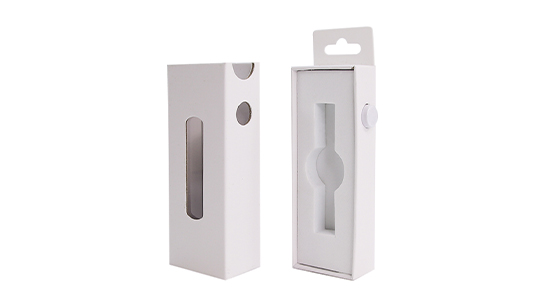
Cartridges are structurally excluded. A 1 g cartridge at even 40% THC carries 400 mg — a thousand times the cap. There is no pack-size fix, because the oil itself is the product. Brands in this category are not respecifying packaging; they are exiting the federal hemp channel or moving to licensed cannabis.
If your line survives, it survives in one of three shapes, and each has a different packaging profile.
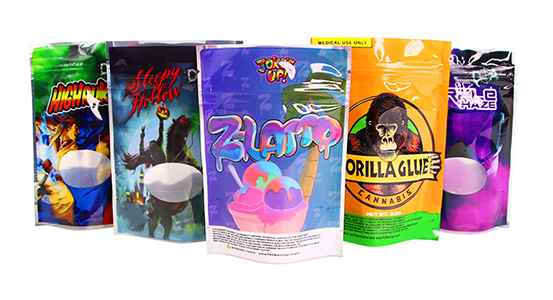
1. Single-serve microdose. One unit, one sealed container, total THC under the cap. The packaging work is a small high-barrier sachet or a tiny rigid box: tight tolerance on fill weight, a seal that survives shipping, and a label panel that has to carry a compliance payload far larger than the pack. Expect to need a folded booklet label or an outer card.
2. Low-concentration multi-use. A larger container whose total THC stays under 0.4 mg because concentration is very low. The constraint moves to the fill line and to dosing accuracy — a 0.4 mg ceiling leaves little room for fill variance, and lab variance on top of it can push a compliant design over the line. Leave headroom rather than designing to exactly 0.400 mg.
3. Function-first formats. Topicals, patches and similar products where THC is incidental. These often fit, but the per-container total has to be calculated from the finished batch, not assumed from the input concentration.
The packaging that loses in all three cases is the same: multi-count pouches, standard 1 g cart boxes, and any format whose artwork was built around a 5 mg or 10 mg serving claim.
If you have not yet placed a Q4 packaging order, the highest-risk purchases are:
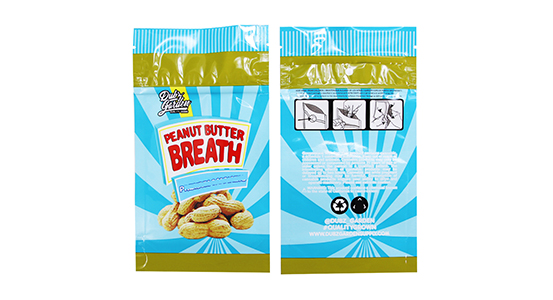
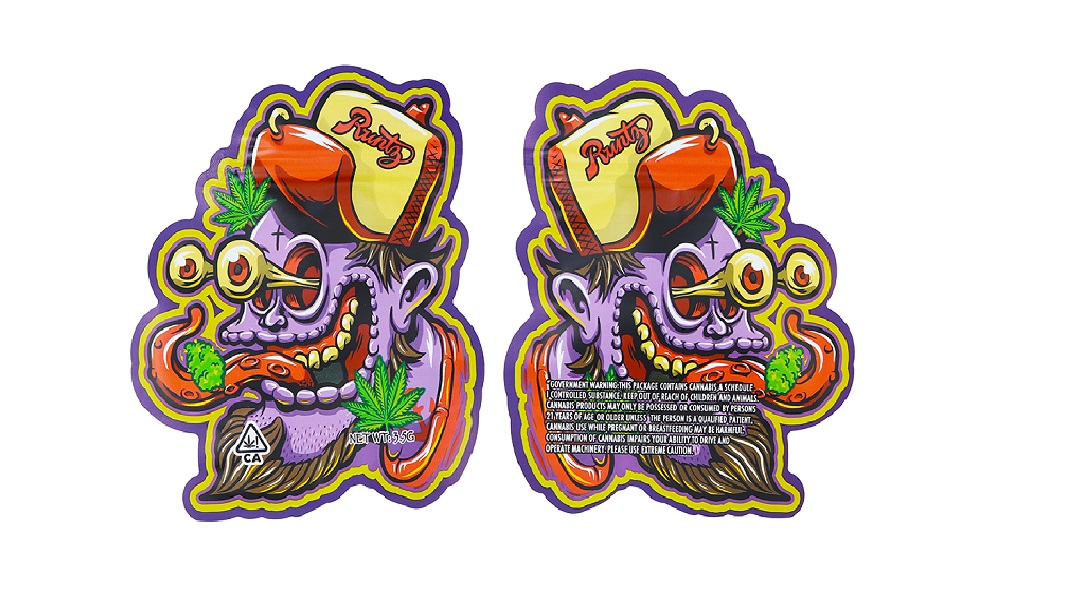
· Printed multi-count edible pouches — the format is the violation, so the print run has no salvage value.
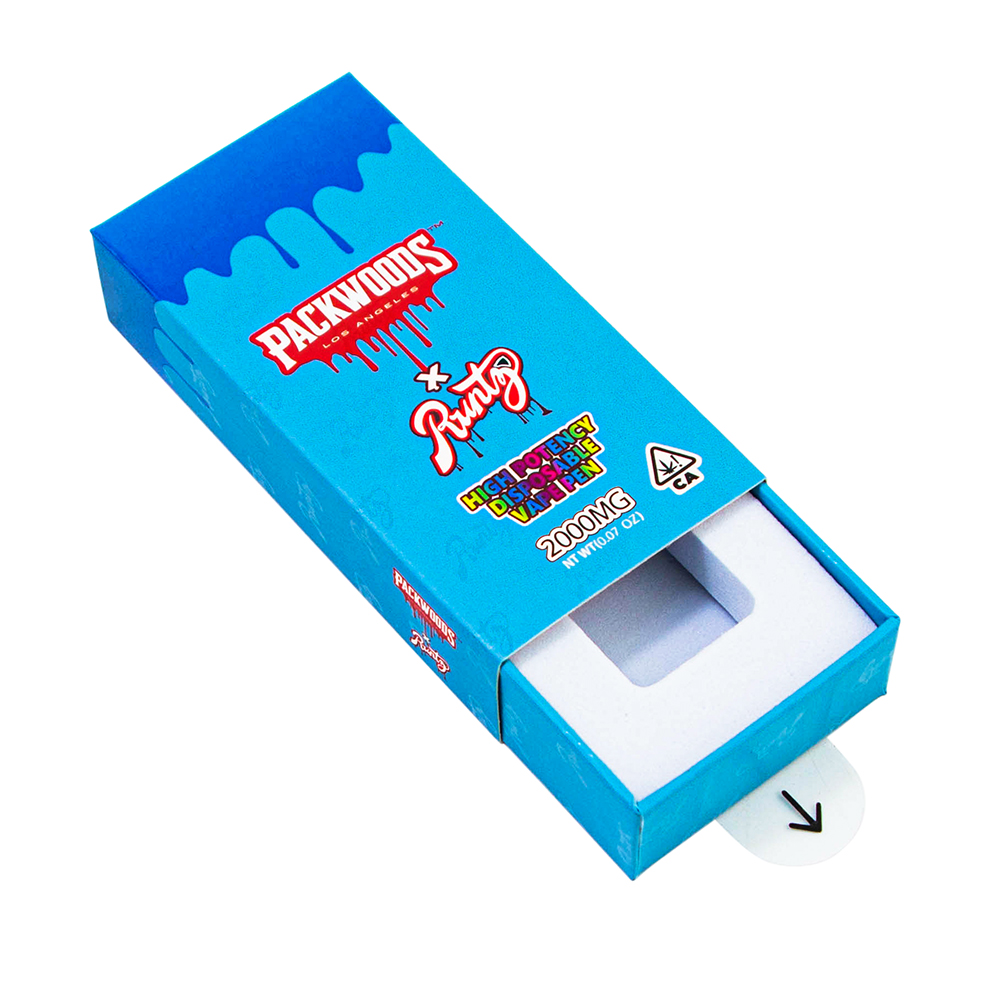
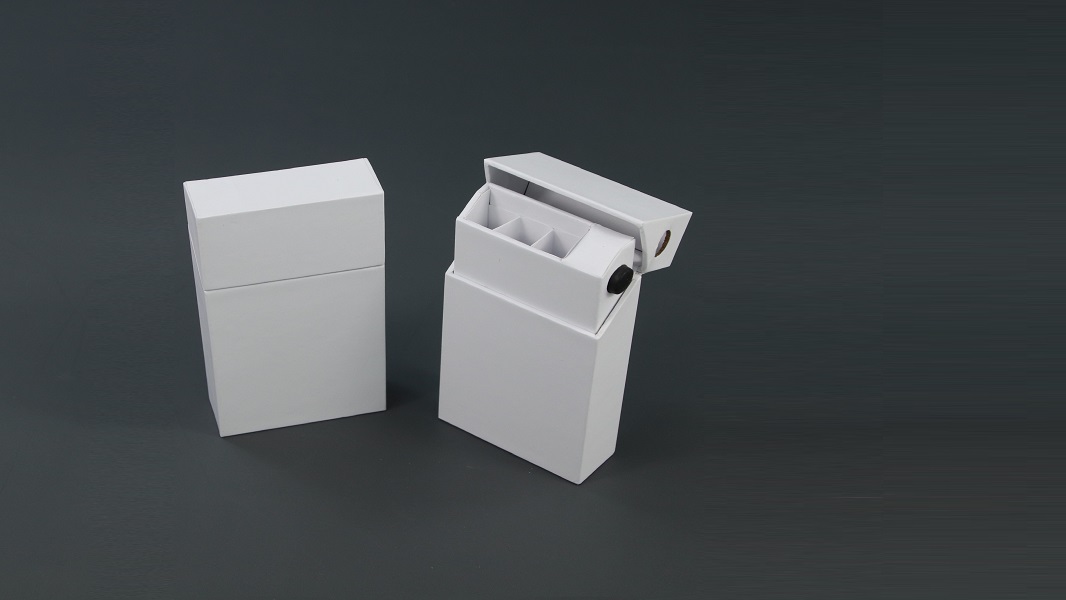
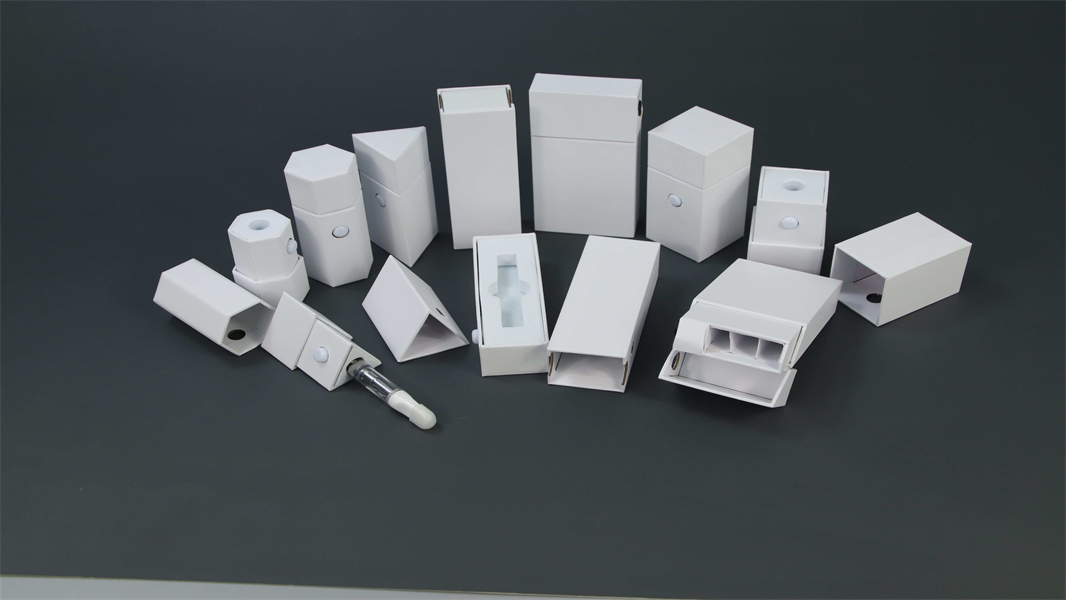
· Cartridge and concentrate boxes — the category has no compliant configuration at normal potency.
· Labels carrying a per-serving potency claim that no longer matches the per-container limit.
· Artwork that states a total THC figure you cannot support after reformulation.
The reverse is also true: stock (unprinted) formats, cover labels, and neutral secondary packaging retain value, because they can be re-purposed for a reformulated SKU. That is one reason buyers who are unsure of their final formulation are ordering blank stock with separate labels this quarter instead of committing to print.
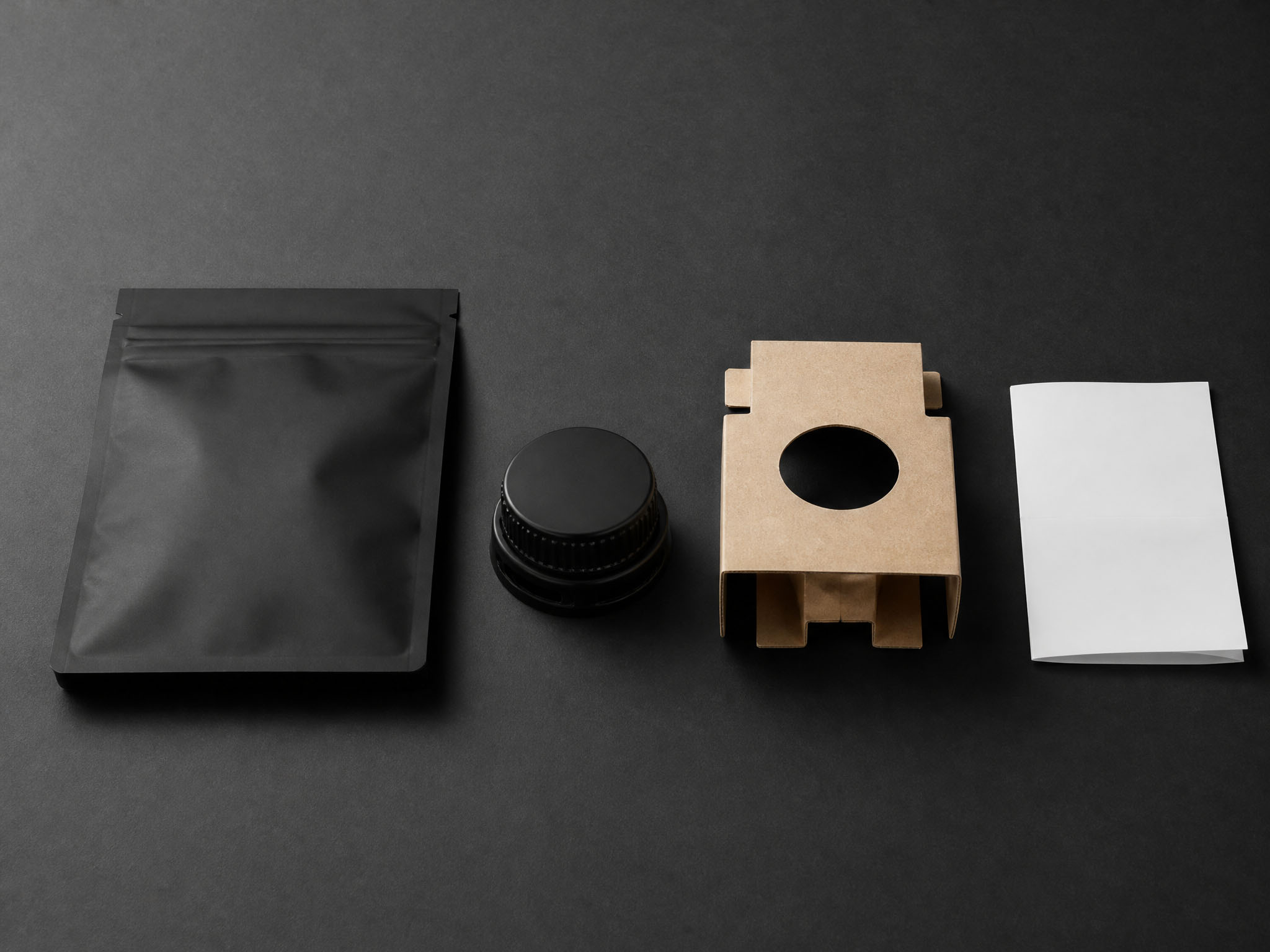
A smaller fill is not a smaller version of the same package. Four things have to be re-confirmed, and they are the reason lead times stretch in December:
1. Dieline and seal geometry. A sachet sized for 3 g will not seal reliably at 1 g without a new tool.
2. Barrier performance. Higher surface-area-to-volume ratio means more oxygen and moisture ingress per gram of product; the film structure may need to change, not just the size.
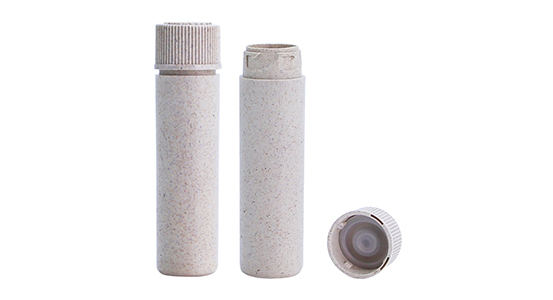
3. Child-resistance. CR certification attaches to the complete package system — substrate, closure, ink, lamination. Changing the container or the closure can invalidate the report you are relying on, and retesting takes weeks you may not have.
4. Label space. Compliance panels typically require more area than a single-serve pack offers, which pushes designs toward booklet labels or an outer card.
That third point catches brands every year: they respecify the pack to hit the dose cap, then discover the CR documentation no longer covers the pack they are shipping.
Working backwards from December 11 with the constraints above:
· Now (week 1): freeze the SKU list, calculate per-container totals from COAs, decide which formats are dead.
· Weeks 1–2: request quotes on the surviving formats; confirm whether your existing CR report covers the new container.
· Weeks 2–3: approve dielines and artwork proofs. Booklet labels and custom tooling need the most lead time.
· Weeks 3–5: production. [CONFIRM: Hempacka standard production lead time for repeat vs. new-tool orders]
· Weeks 5–6: freight and customs. [CONFIRM: door-to-door transit time to US West Coast / East Coast]
· December 11: deadline. Anything not landed is inventory you cannot sell in the hemp channel.
Brands that started this process in September are already in production. Brands starting now can still make December with air freight on the first partial shipment, at a cost that usually beats writing off a print run.
Does the cap apply per serving or per package?
Per container, as defined in the statute — the innermost packaging in direct contact with the retail product. Serving count is not the test.
If I put one gummy in each pouch and sell a box of ten pouches, does that comply?
Each pouch would be its own container on a literal reading, but regulators and litigants are actively contesting pack-splitting strategies. Treat it as an open question, not a workaround, and get advice before building a line around it.
Are topicals and pet products covered?
Finished hemp-derived cannabinoid products are covered, and reporting through late 2026 has treated topicals and pet products as in scope. Calculate the finished-batch total rather than assuming low THC input means a compliant output.
What happens on November 12 versus December 11?
November 12 is the synthetic-cannabinoid exclusion (and Illinois' state line). December 11 is the total-THC standard and the 0.4 mg cap for most products.
Can I keep selling existing inventory after December 11?
That is a state-by-state question with active litigation around it. From a packaging standpoint, the practical constraint is that packaging printed for a non-compliant format has no resale or re-use path.
The brands that come out of this deadline intact are not the ones that moved fastest — they are the ones that respecified the pack once, with the dose cap, the CR documentation and the label panel designed together instead of sequentially.
If you are triaging a product line right now, send us the formats you think survive. We will tell you what each one needs in tooling, film structure and label area, and which ones can ship on stock tooling before December. Talk to our team.
This article is general industry information, not legal advice. Statutory interpretation is unsettled and under active litigation as of October 2026. Confirm your formulations, labels and packaging with qualified counsel and your testing lab before ordering.
Sources reviewed October 2026: CRS IF13136 "Changes to the Statutory Definition of Hemp" (updated 2026-09-28); P.L. 119-37 Sec. 781; P.L. 119-103 Sec. 2019; Illinois IDOR Bulletin FY 2027-04 (2026-10-14); Ohio and New Jersey per-container rules (2026-03-20 / 2026-04-13); 16 CFR 1700.20 and ASTM D3475 for CR testing.