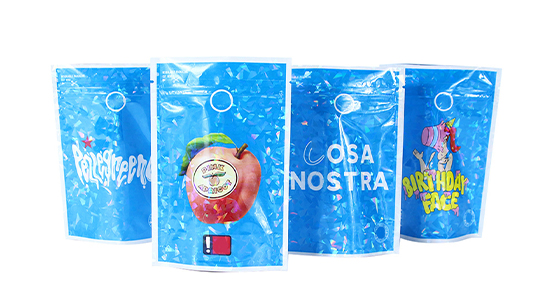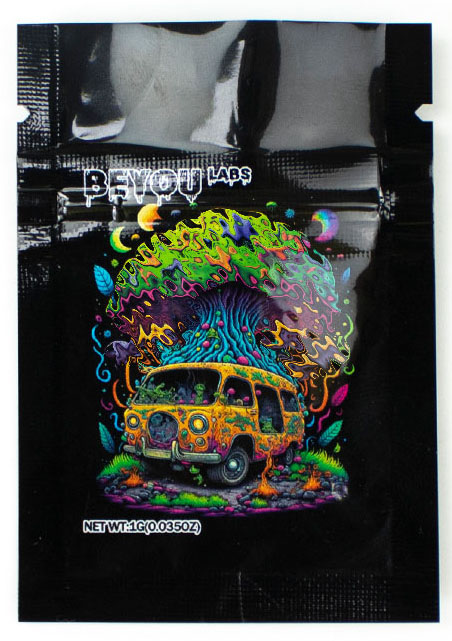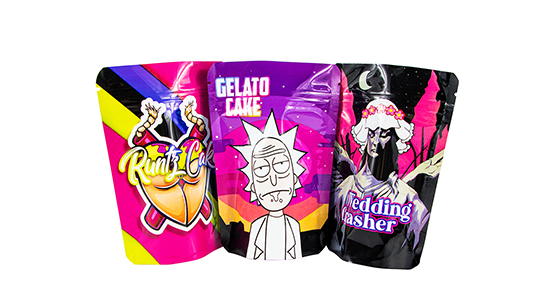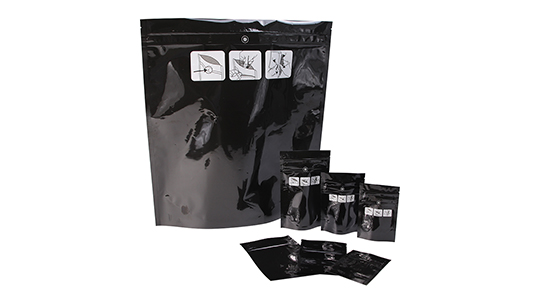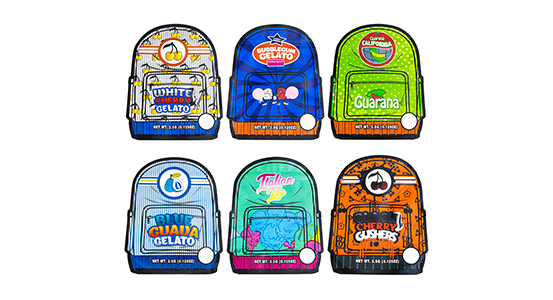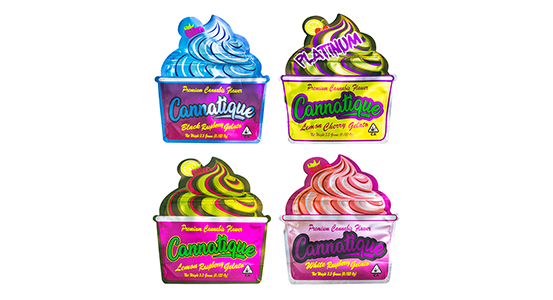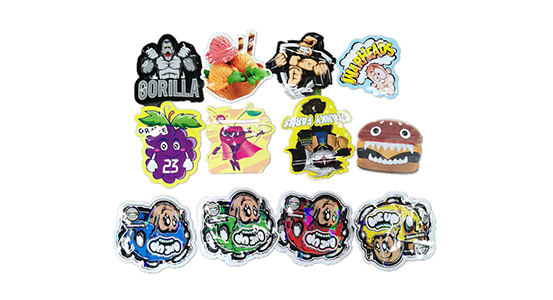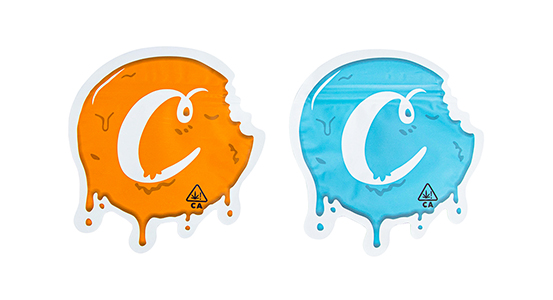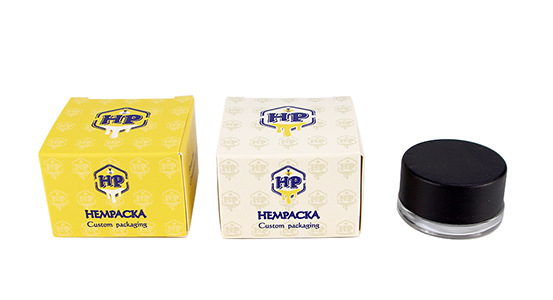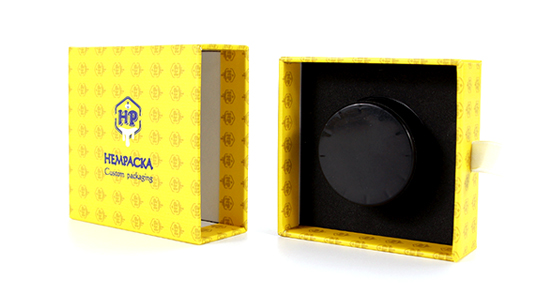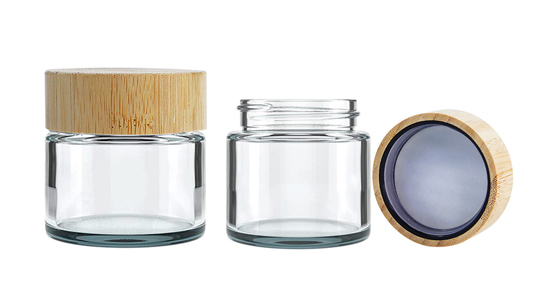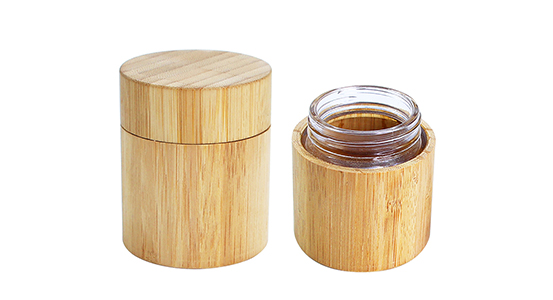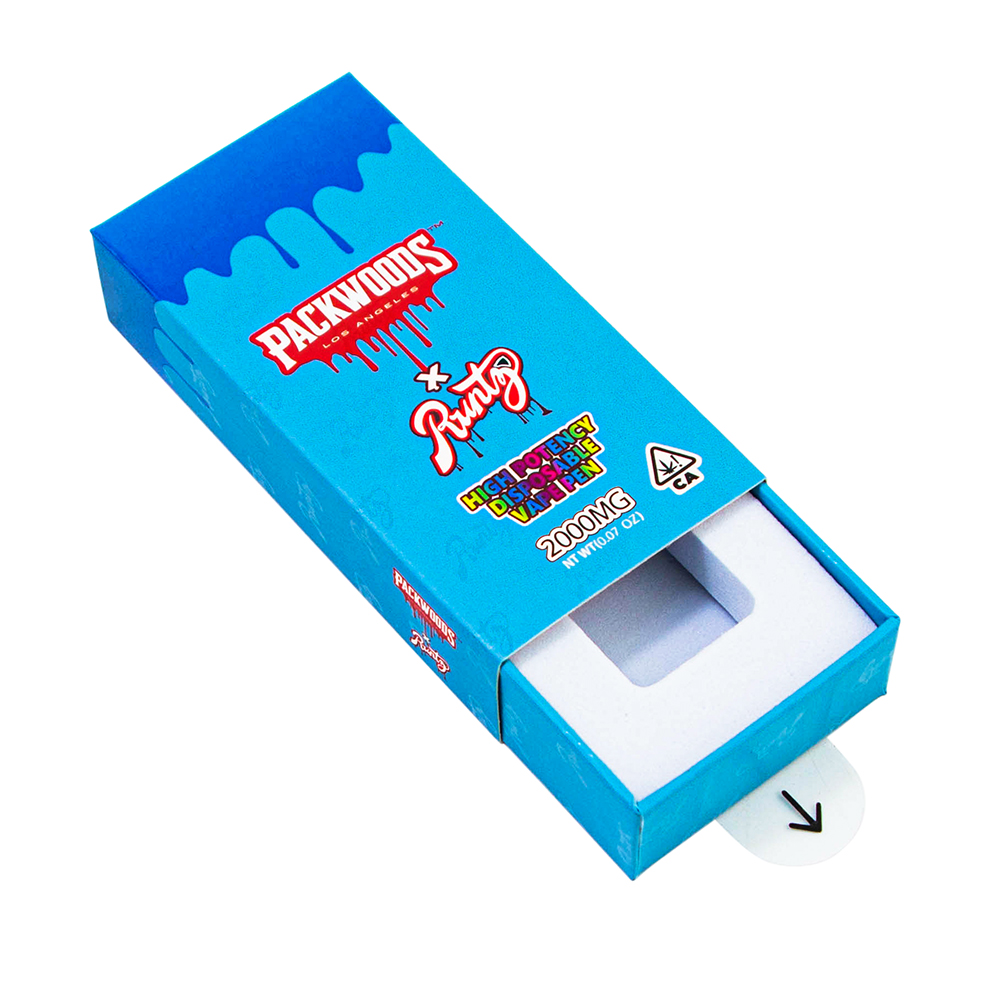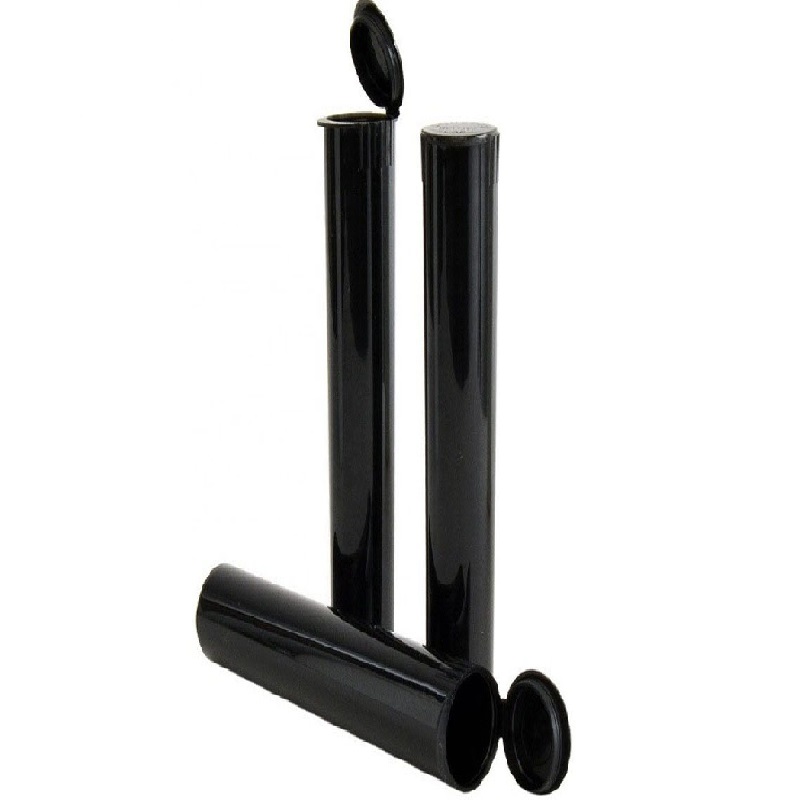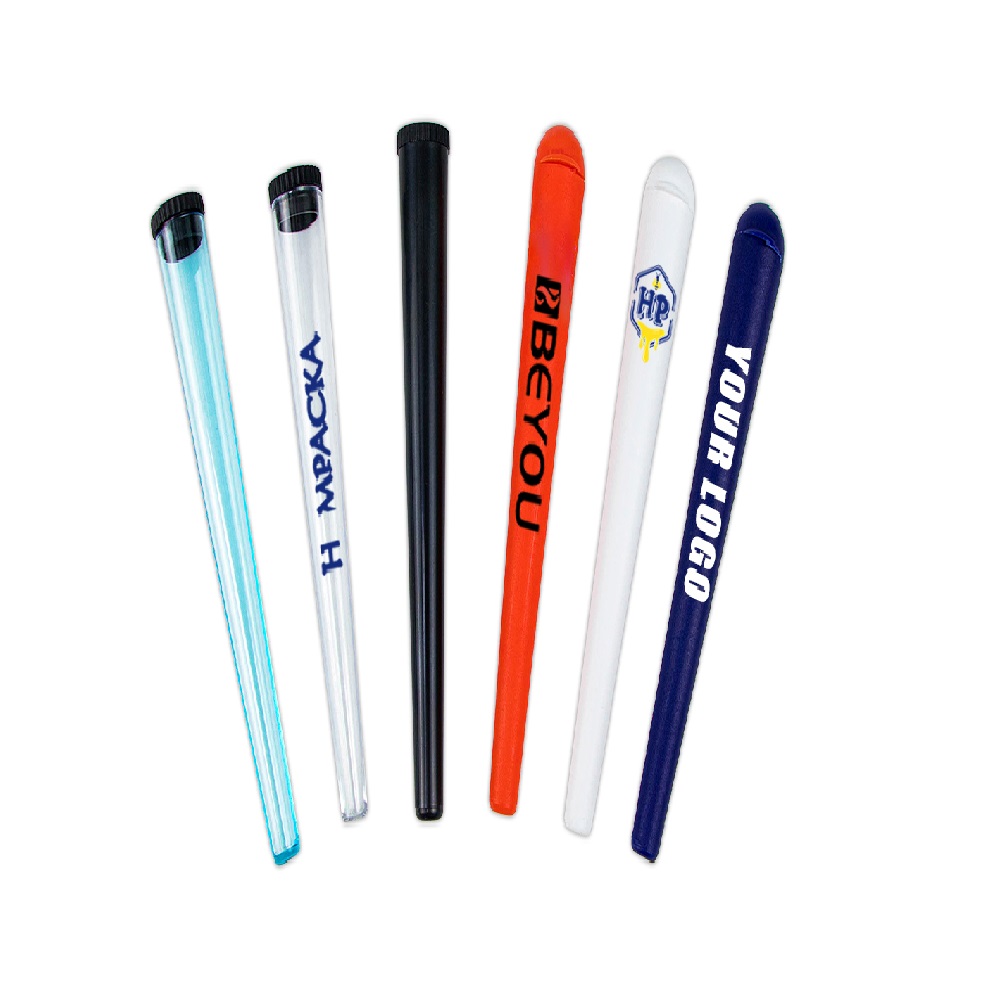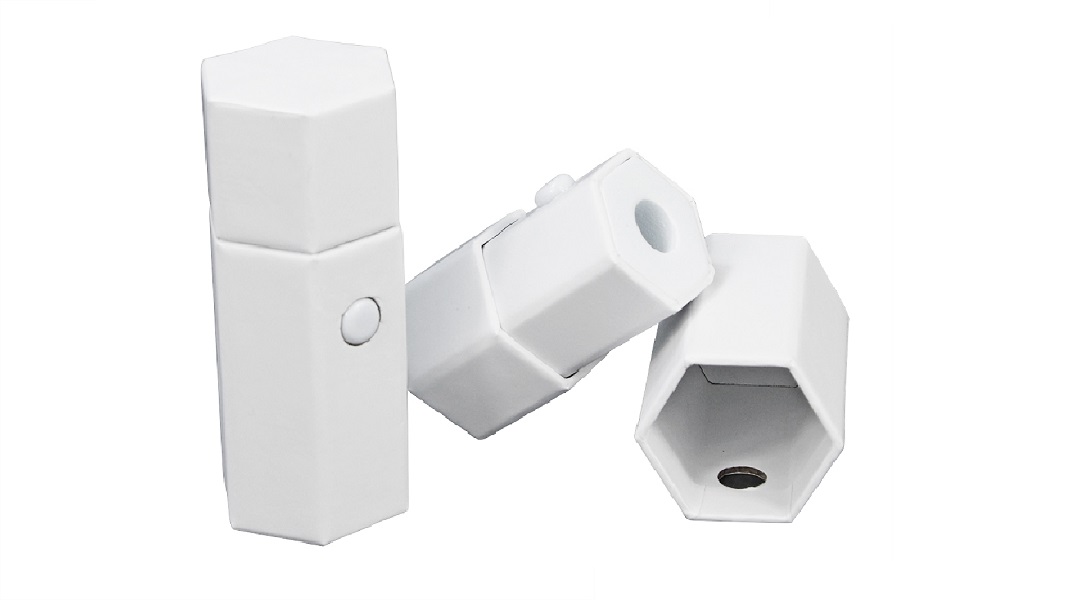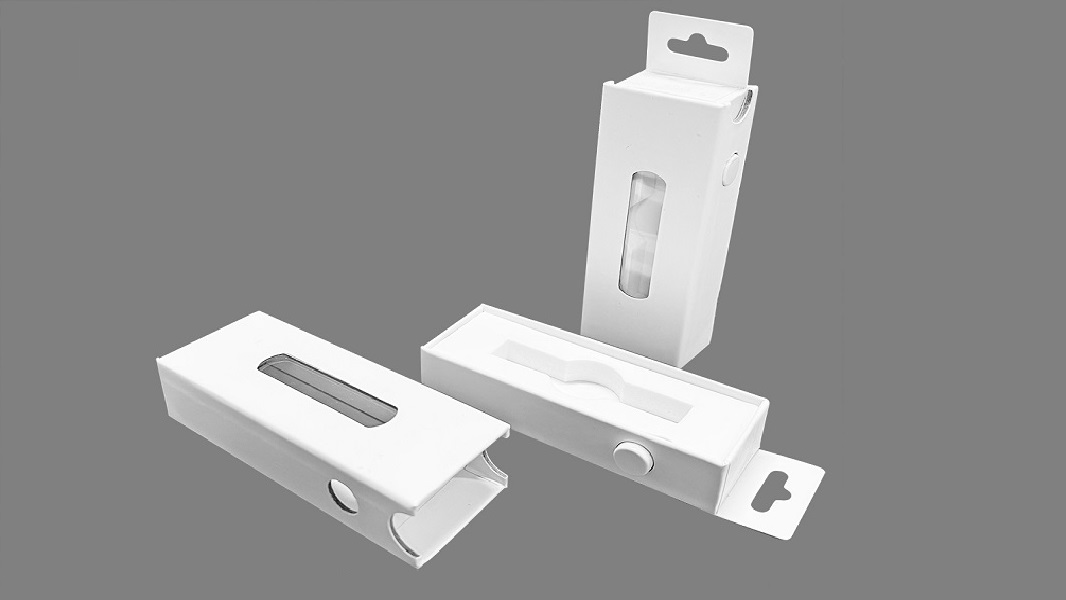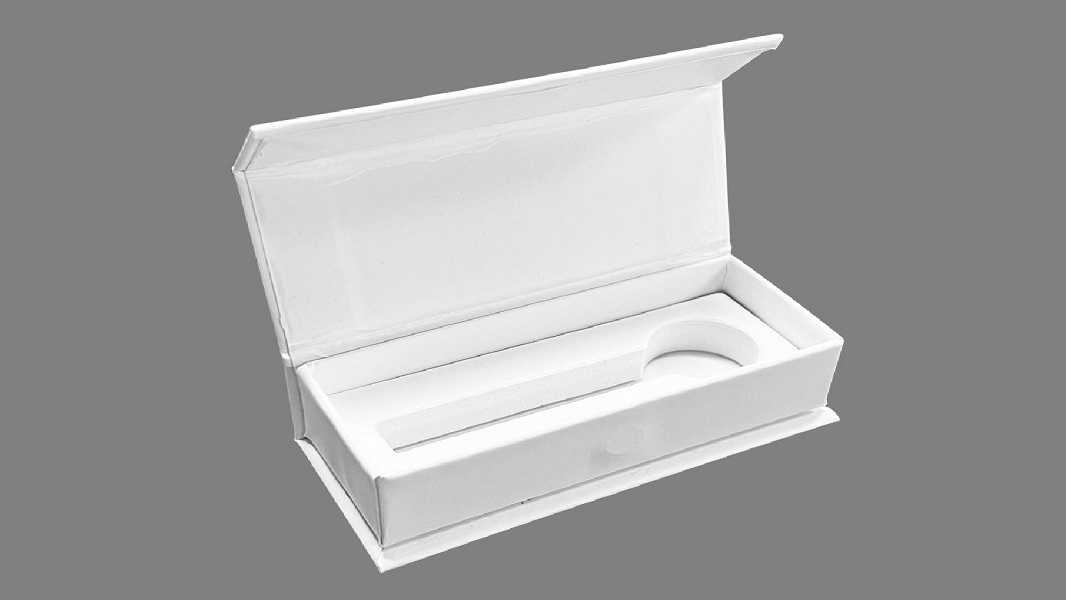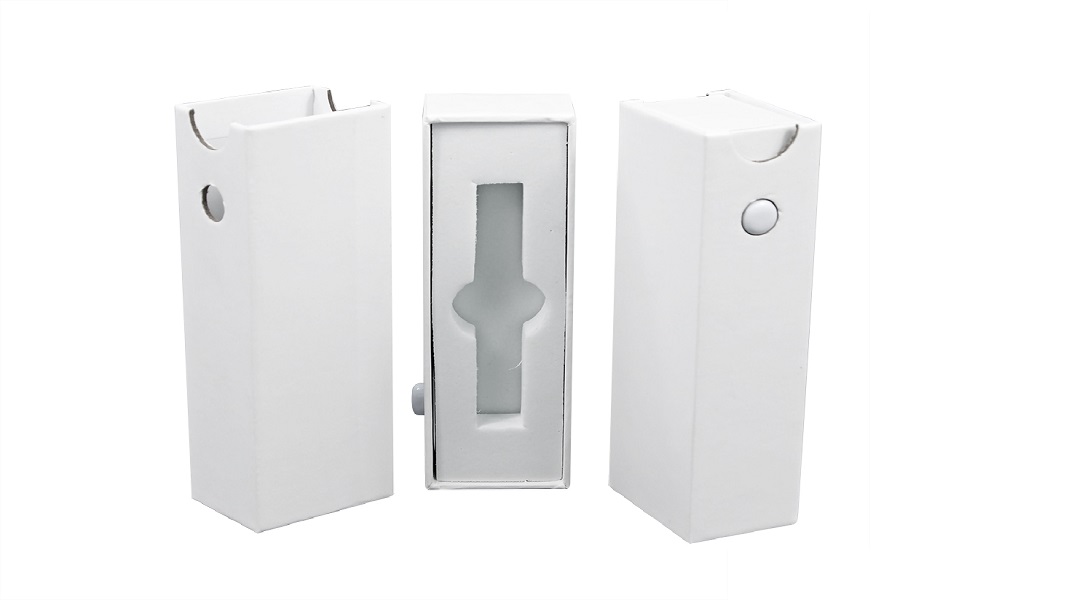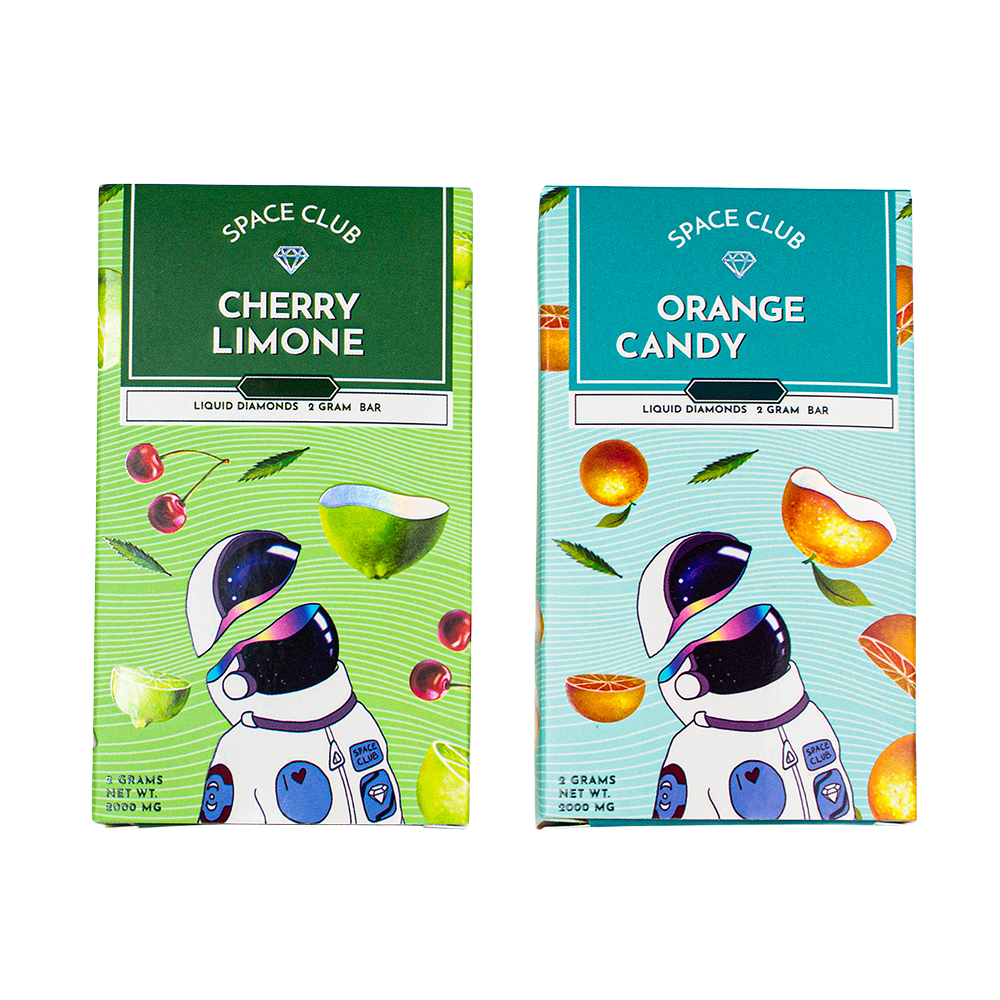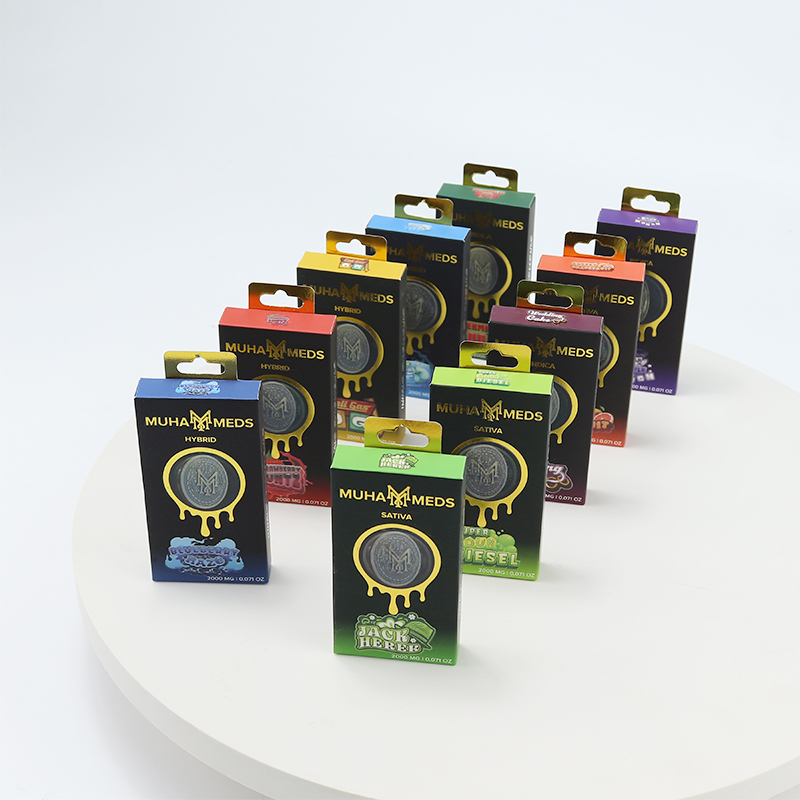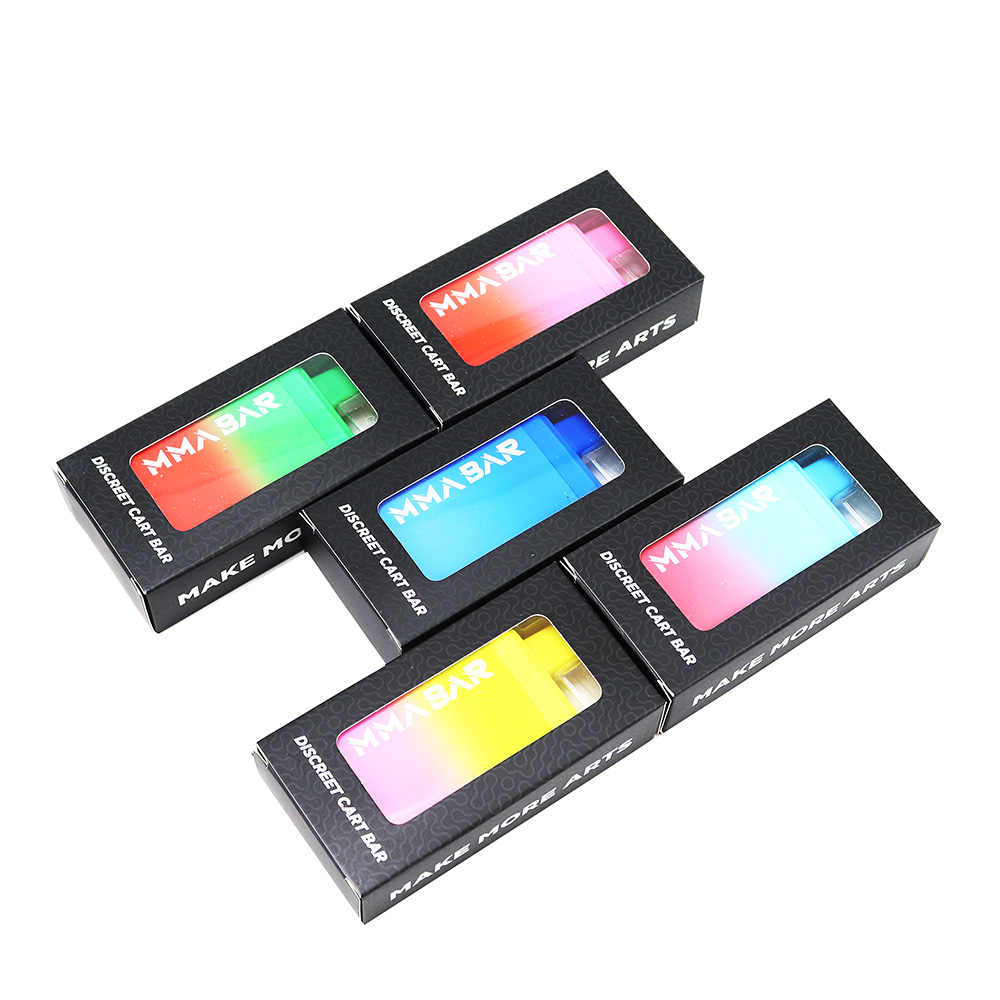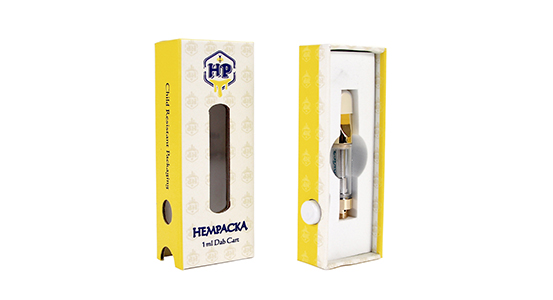
HEMPACKA Custom Logo Child Resistant Vape Cart Packaging Box
CALL : +86 18665993463 | PRICE BEAT GUARANTEE

Primary keyword: hemp derived thc packaging
Secondary keywords: 0.4 mg per container, hemp packaging compliance 2026, hemp labeling requirements, child resistant hemp packaging
If you sell hemp-derived THC products in the US, the most important number in your packaging spec is no longer a potency figure. It is 0.4 milligrams — the total THC a finished product may contain per container and still count as hemp under federal law. Above that line it becomes cannabis, with everything that implies for licensing, channels and inventory.
The date attached to that number has moved twice, which is why much of the guidance online is already stale. Here is where things stand in late October 2026 — and what it means for packaging you order now.
This is regulatory and packaging information, not legal advice. Confirm your SKUs and channels with qualified counsel before committing to tooling, print runs or inventory.
Congress redefined hemp in fall 2025 through Section 781 of P.L. 119-37. The new definition replaces the delta-9-only test with total THC — 0.3 percent on a dry-weight basis, inclusive of THCA — and adds a container ceiling for finished products: no more than 0.4 mg total THC per container, counting other cannabinoids with similar effects.
That was set for November 12, 2026. On September 2, 2026, the Continuing Appropriations and Extensions Act, 2027 (H.R. 6500, now P.L. 119-103) split the rollout in two.
Date | What takes effect | Who it hits first |
November 12, 2026 | Exclusion of products containing cannabinoids that cannot be naturally produced by the plant (synthetics) | Brands using converted or synthetic cannabinoids |
December 11, 2026 | Total-THC standard plus the 0.4 mg per-container cap | Every finished hemp-THC SKU |
If your line depends on synthetically produced cannabinoids, your clock is down to days. If your exposure is potency per package, you have until December 11 — unless you sell into a state that moved earlier. Several did.

The federal definition does not preempt state law. States have layered their own caps, labeling rules and channel restrictions on top, and in some markets the state line lands well before December 11.
State | Key date | What changes |
Illinois | November 12, 2026 | Per Department of Revenue Bulletin FY 2027-04 (published October 14, 2026), consumable and topical hemp products above 0.4 mg total THC per container become cannabis; only CRTA-licensed cultivators and dispensaries may handle them. |
New Jersey | April 13, 2026 (live) | Products above 0.4 mg per container are classified as cannabis. Online sales of hemp-derived products and sales to anyone under 21 are prohibited. Beverage limits run 5 mg per serving and 10 mg per container, with a beverage transition through November 13, 2026. |
Ohio | March 20, 2026 (live) | Per-container THC restriction in force. |
Rhode Island | December 11, 2026 | Adopts the federal definition on the federal date, with no product transition period. |
Missouri | Follows federal | State language is tied to the federal effective date. |
Minnesota | Ongoing | Keeps regulating under its own framework, though products outside the federal definition lose federal hemp status and lawful interstate commerce. |
If you ship into several of these markets, your deadline is the earliest date that applies to you — for an Illinois-exposed brand, November 12, a month ahead of where most of the industry is planning.
The cap is not per serving, per dose or per gram. It is per container, defined narrowly as the innermost packaging in direct contact with the final product at retail sale. That puts the packaging engineer, not the formulator, in the compliance chair.
· A ten-count gummy pouch at 5 mg per piece carries 50 mg per container — 125 times the ceiling.
· A 30 mL tincture at 1 mg per mL carries 30 mg — 75 times the ceiling.
· A single 0.3 mg microdose in its own sealed pouch carries 0.3 mg — inside the line.
The product never changed. The format decided whether the SKU qualifies.
One caution: some operators have responded by splitting a high-dose product across many small containers. That is legally distinct from selling one large unit, but regulators can be expected to ask whether the split serves a genuine consumer format or evades the cap. Treat it as a design question for counsel, not a business model.
Get total THC, not delta-9. COAs reporting only delta-9 will not answer the question. You need total THC including THCA, measured on finished goods, lot by lot.
Multiply by the fill. Concentration × net weight or volume; for multi-piece packs, per-piece potency × piece count.
Leave headroom. The test is "greater than 0.4 mg," so a product at exactly 0.400 mg is inside the line on paper — but analytical variance means a result reading 0.43 mg on a regulator's bench is a problem you cannot argue away at the port. Ask your lab what margin is defensible for your matrix.
Check the label fits the container you just chose. This is where projects stall.
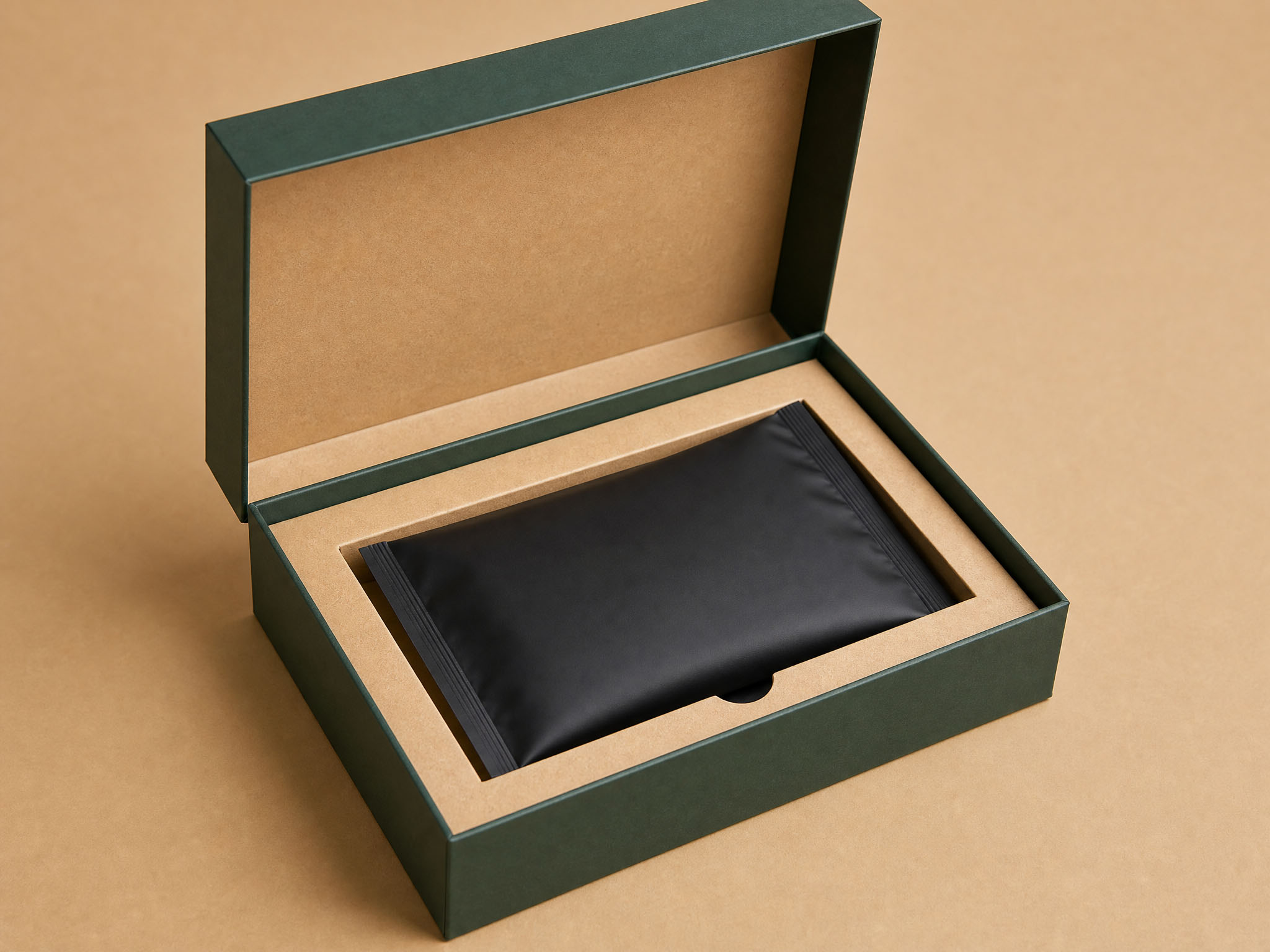
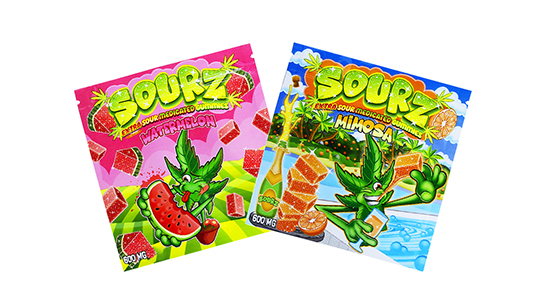
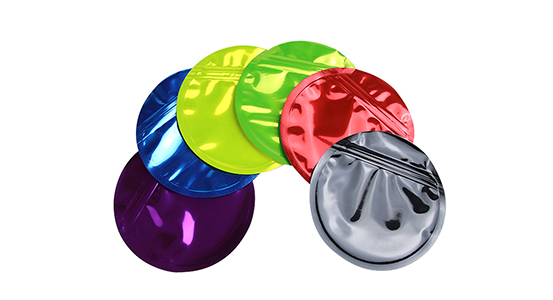
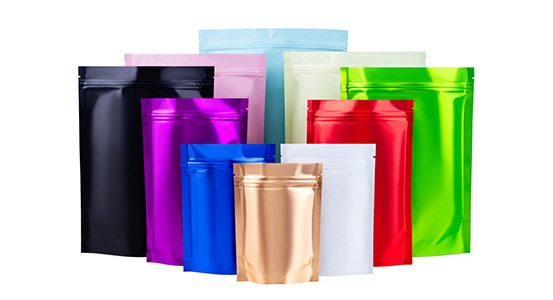
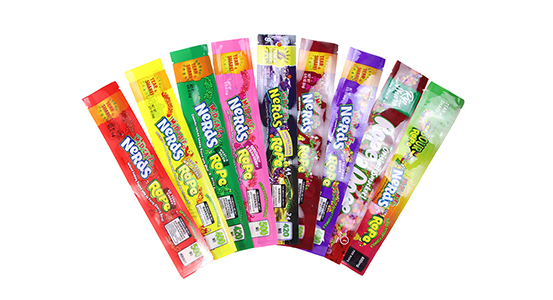
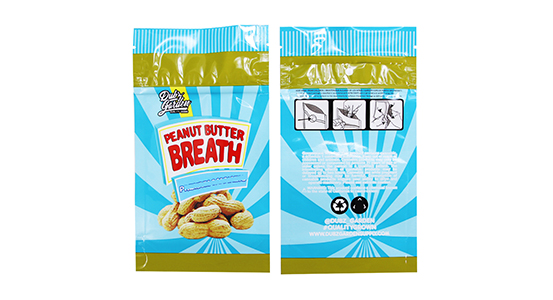
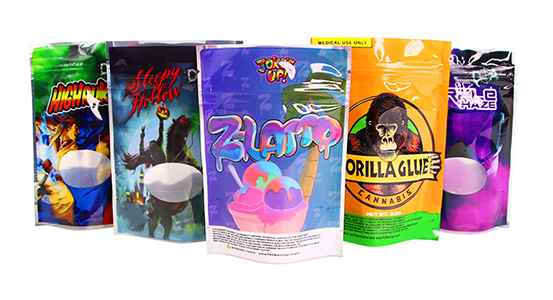
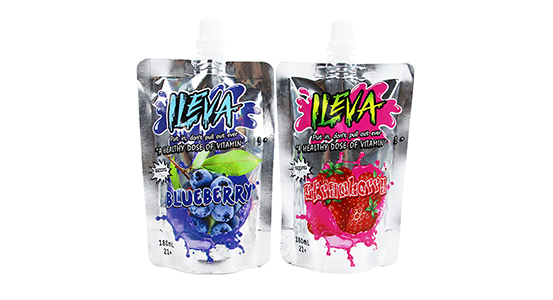
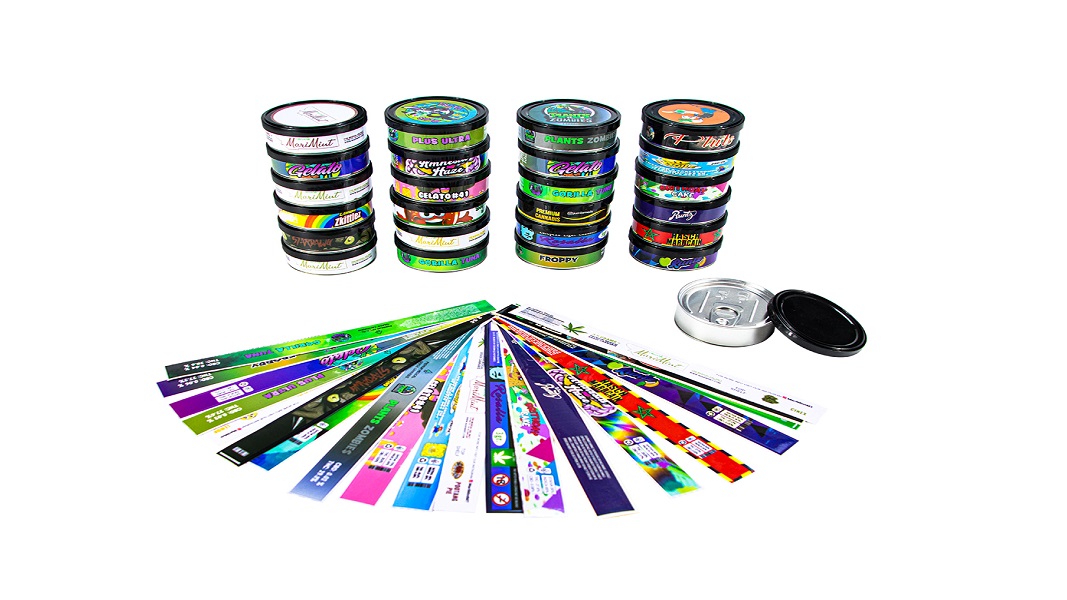
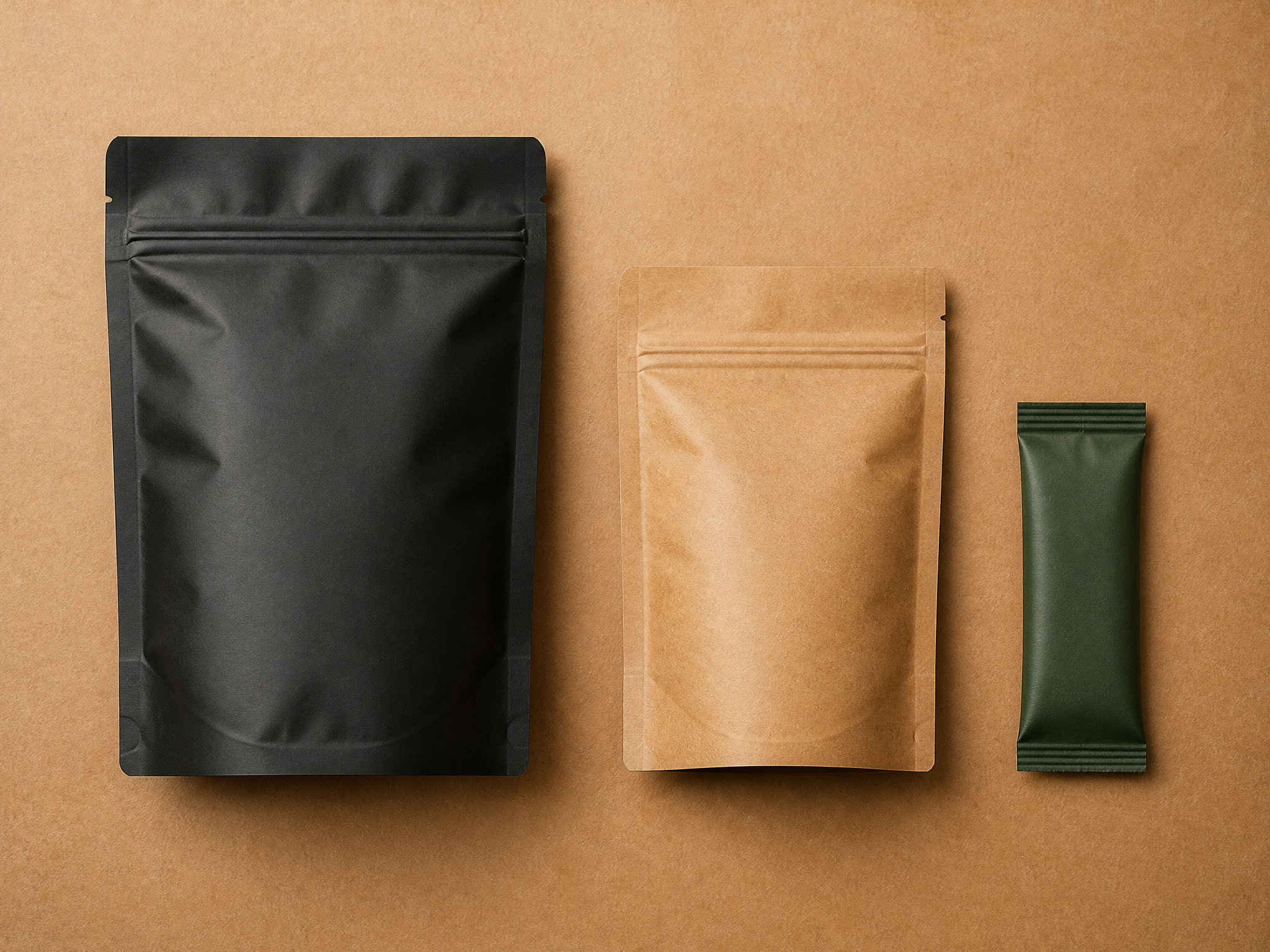
Single-serve sealed pouches. One dose, one container — the compliance unit matches the consumption unit. Usually a high-barrier laminate; the barrier logic that protects flower applies to gummies too. See smell-proof and high-barrier bags. Cost per unit rises, which favors digitally printed short runs over flexo plate fees.
Low-count packs instead of value packs. Four pieces at 0.1 mg lands at 0.4 mg; ten at the same potency does not. Where reformulation downward is possible, cutting piece count is often the cheapest fix — it changes packaging and fill, not the formula. Your price-per-unit story changes with it, so model that before the print run.
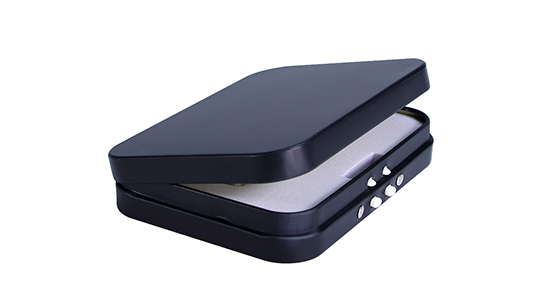
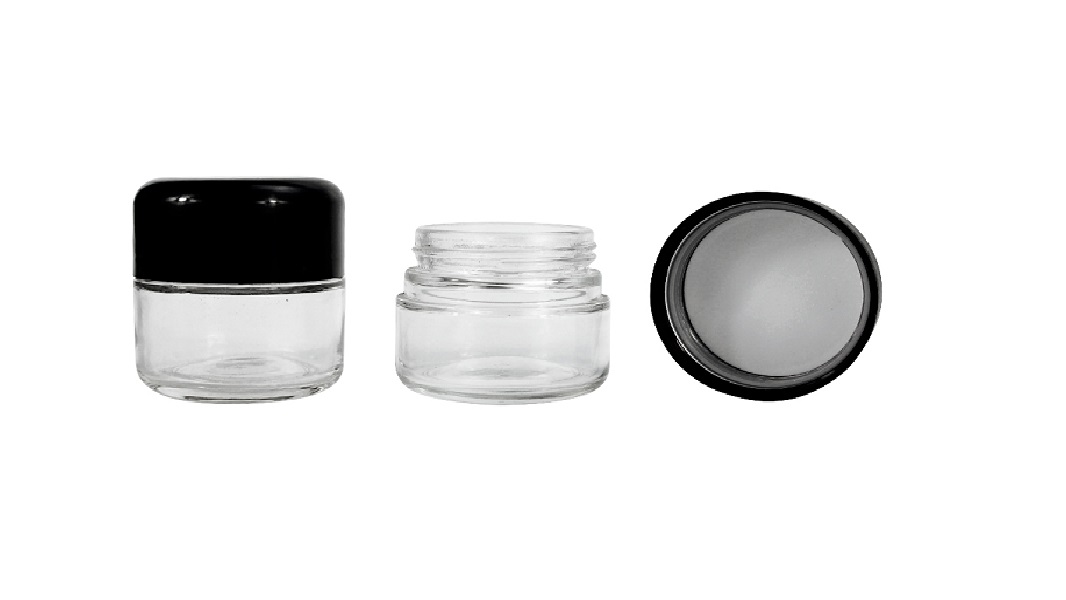
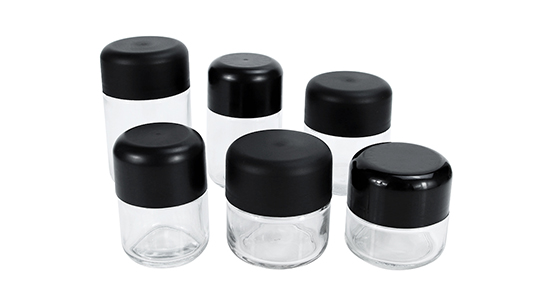
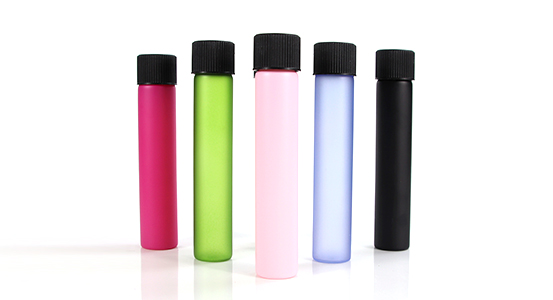
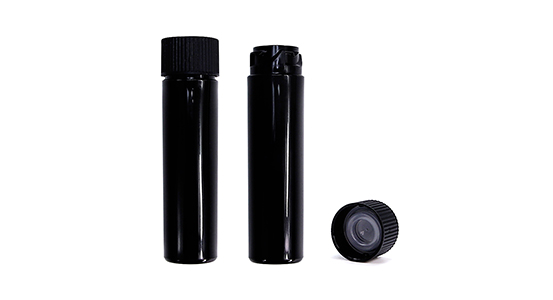
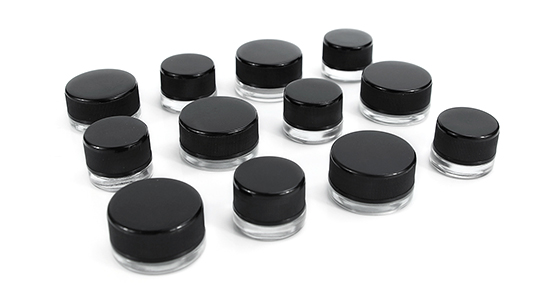
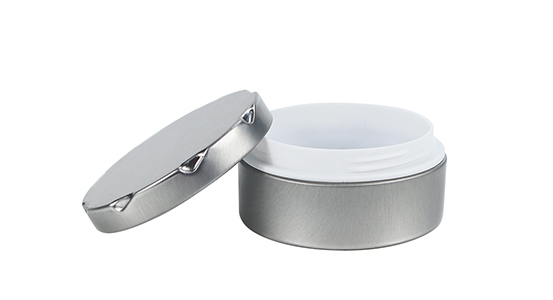
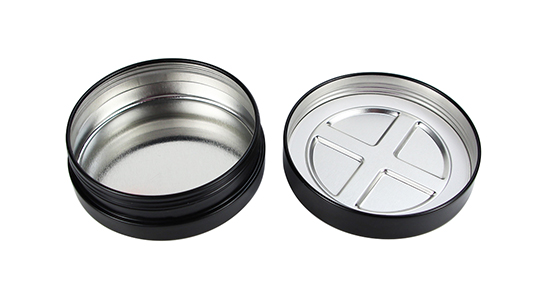
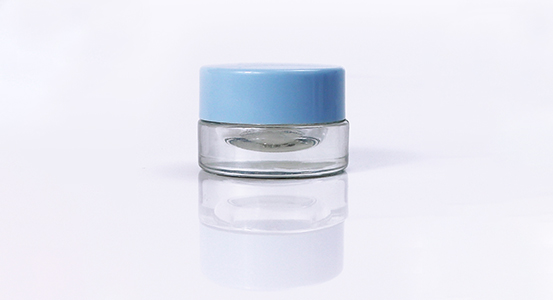
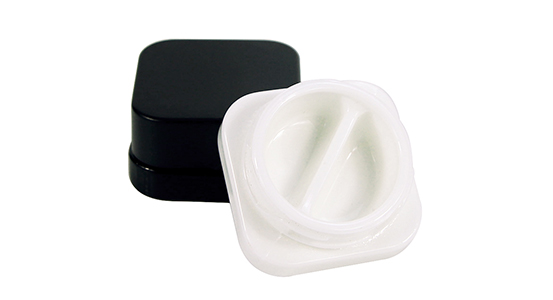
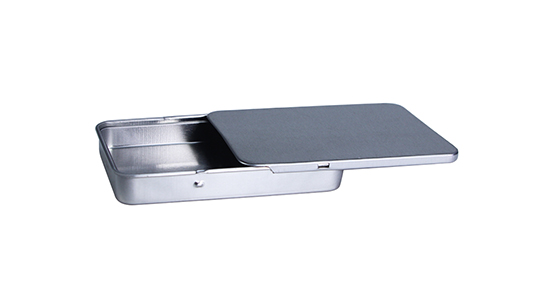
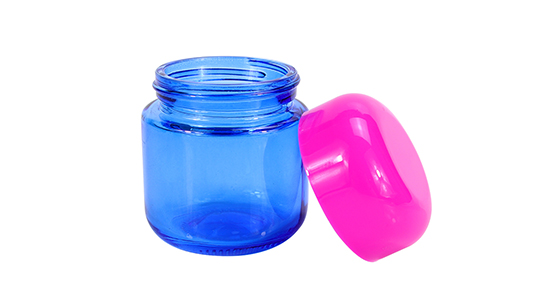
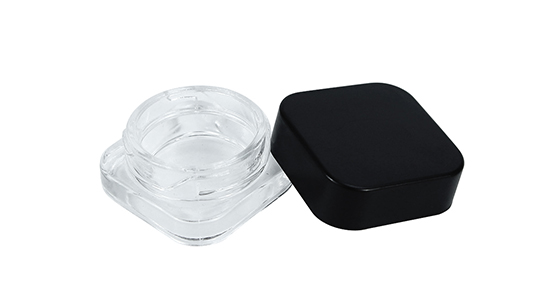
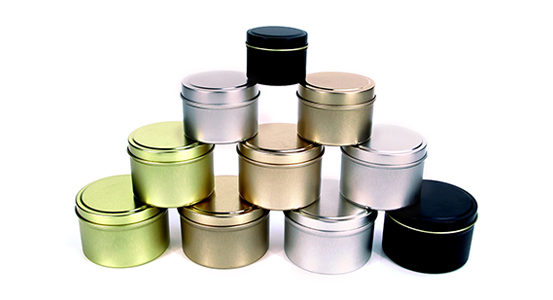
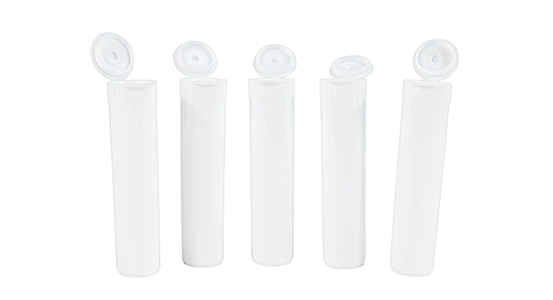
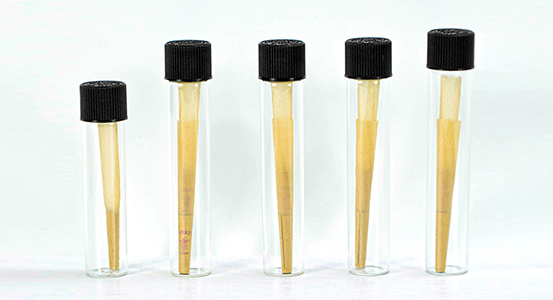
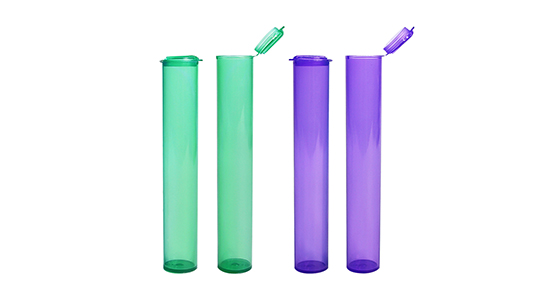
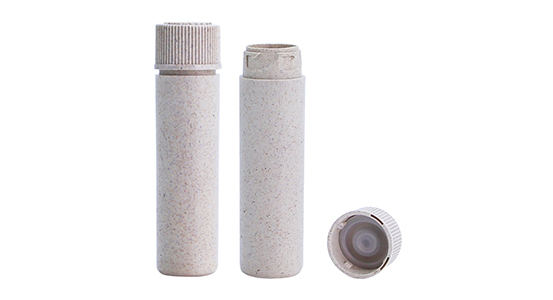
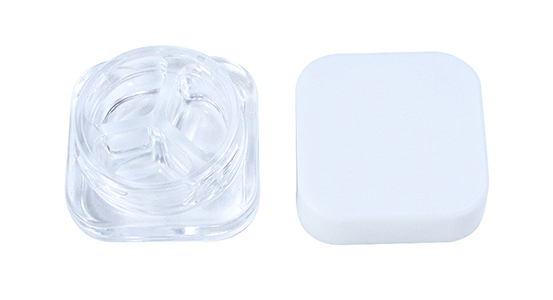
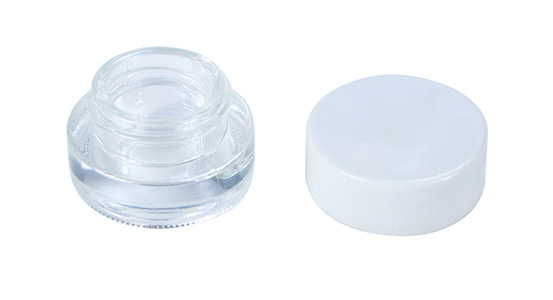
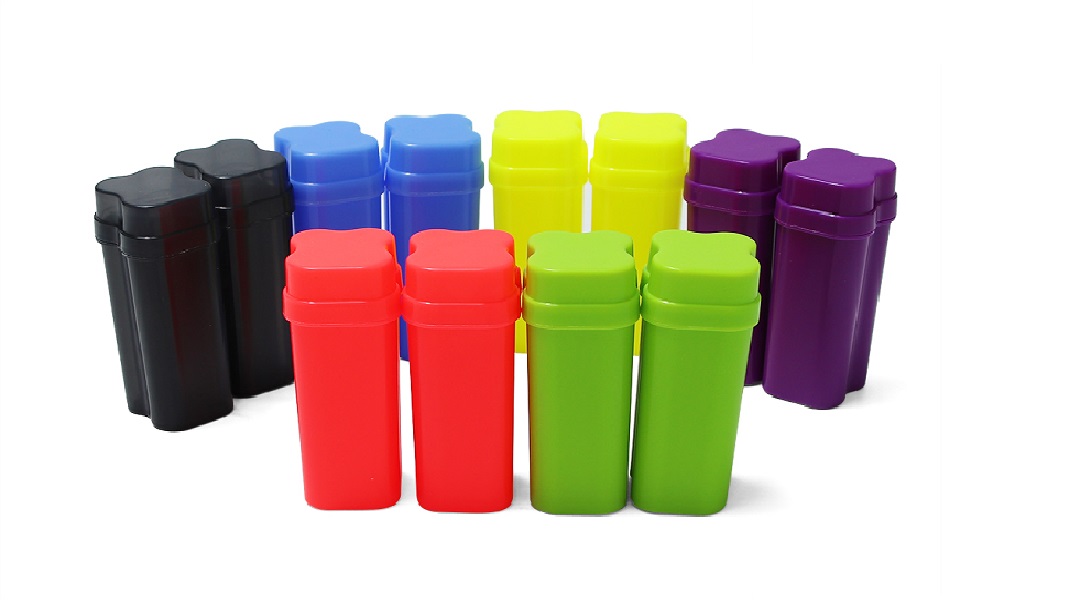
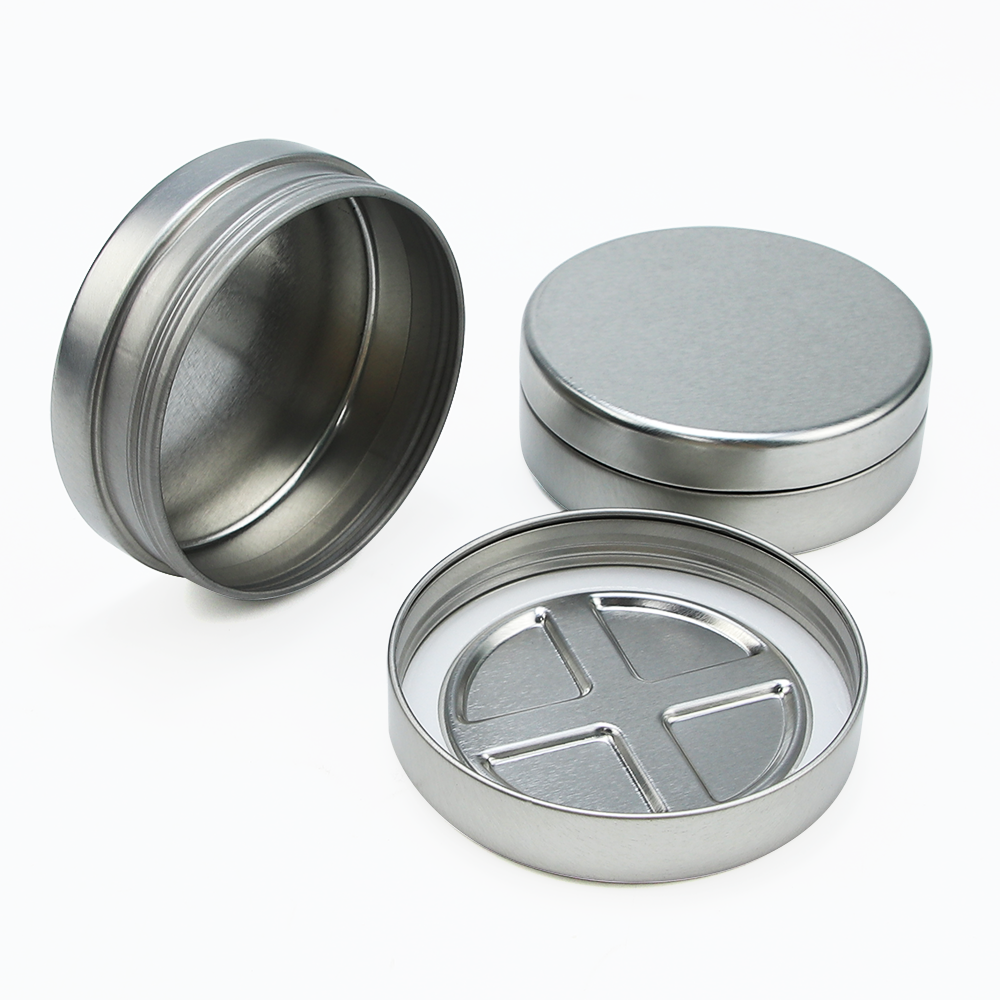
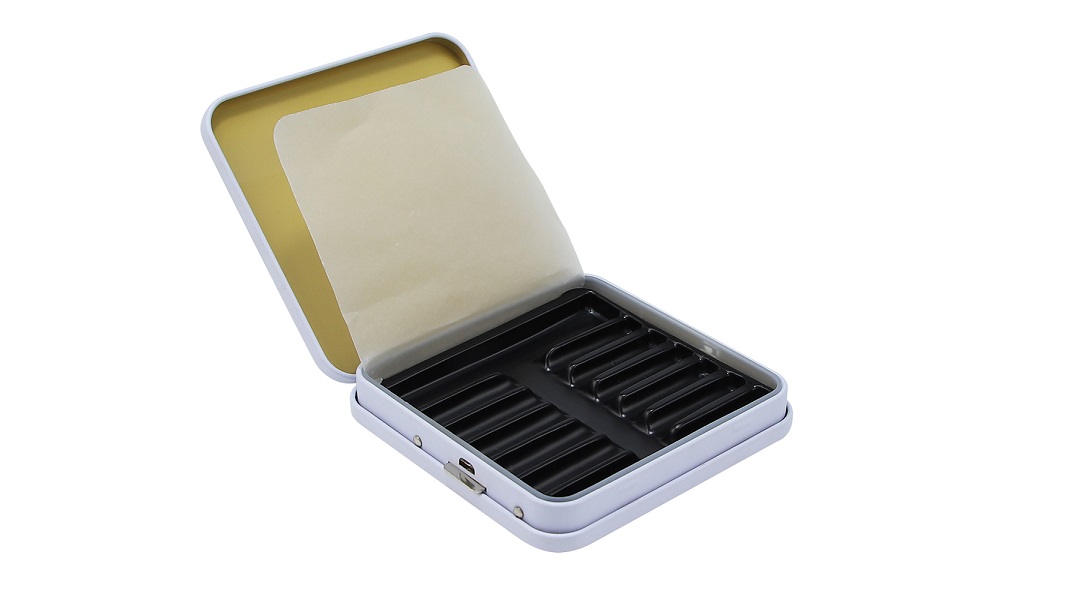
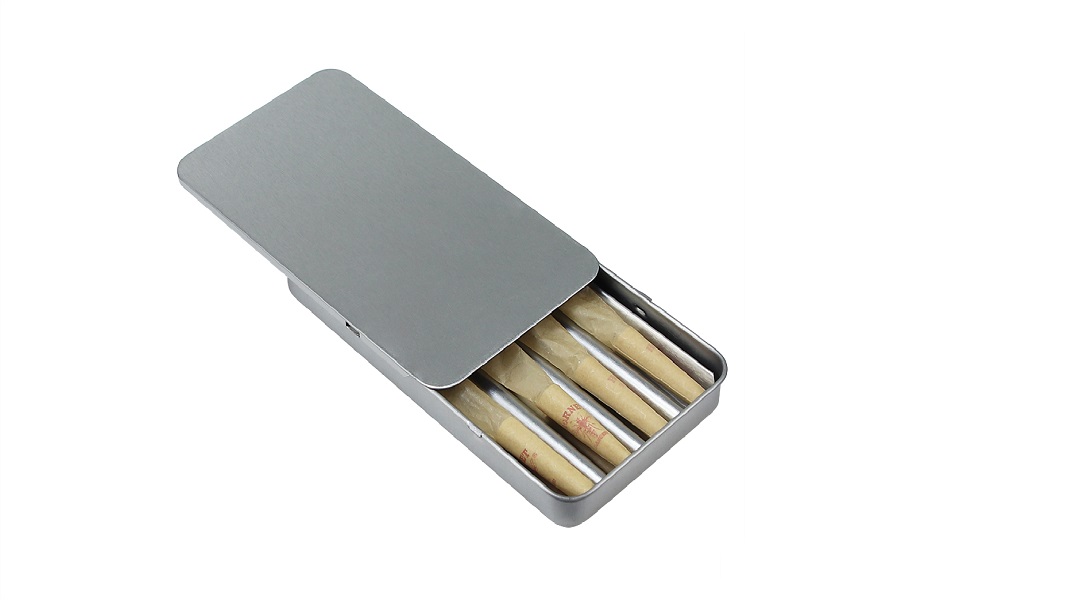
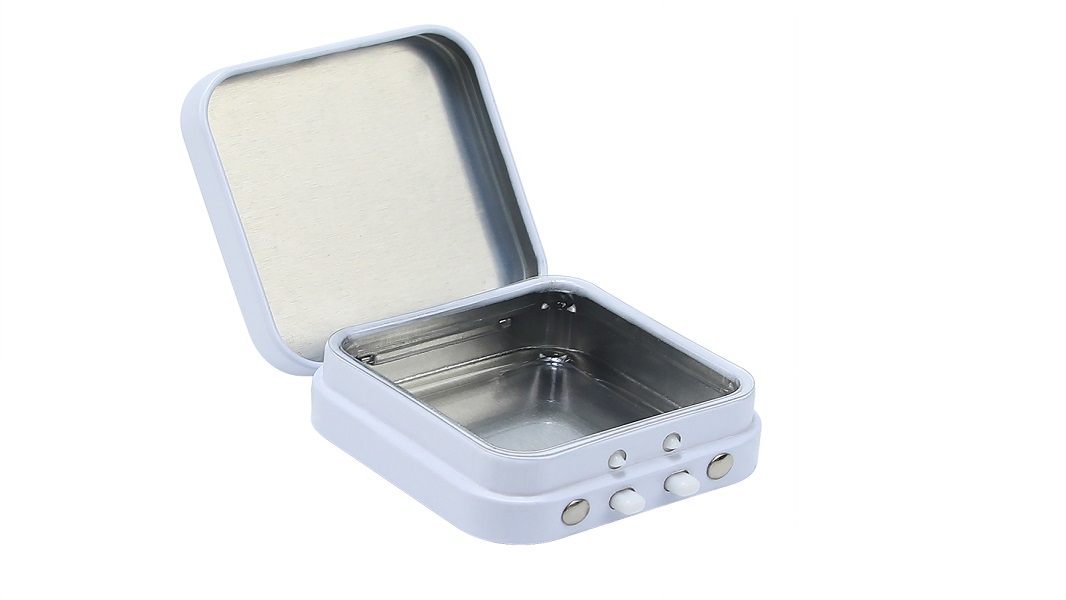
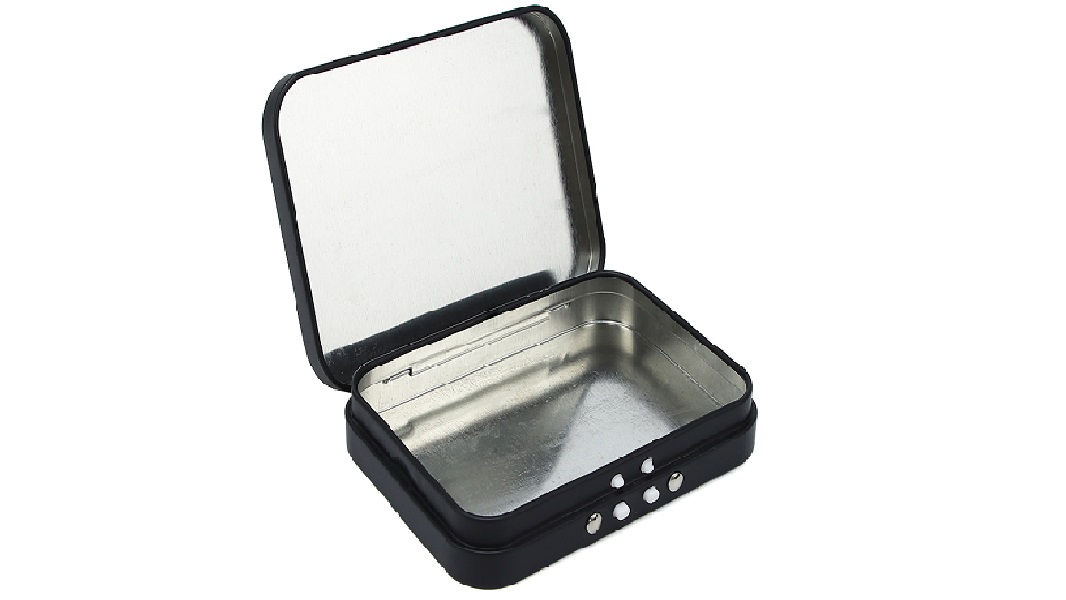
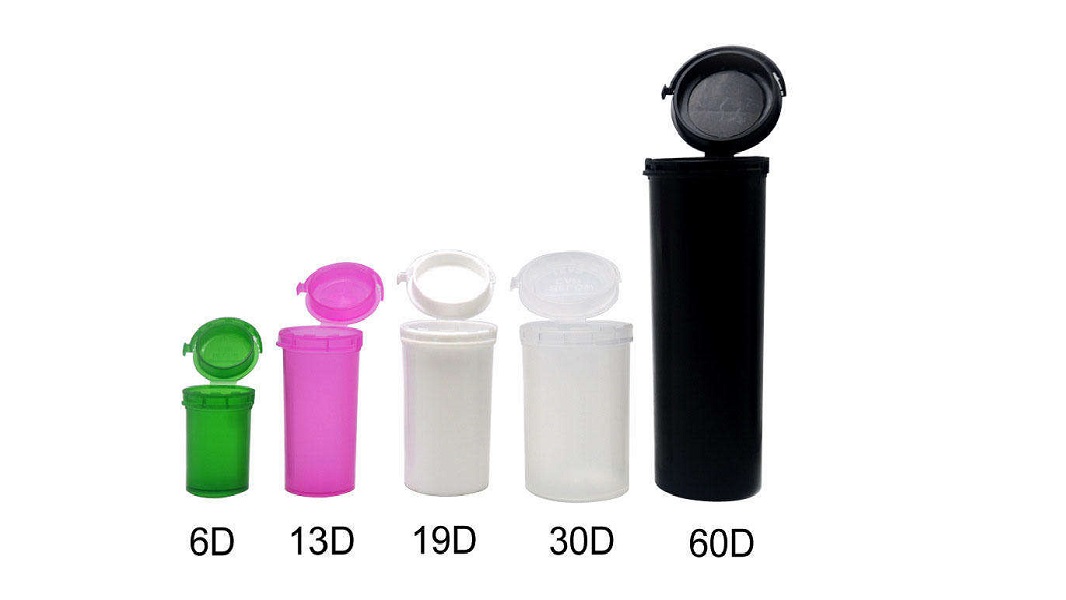
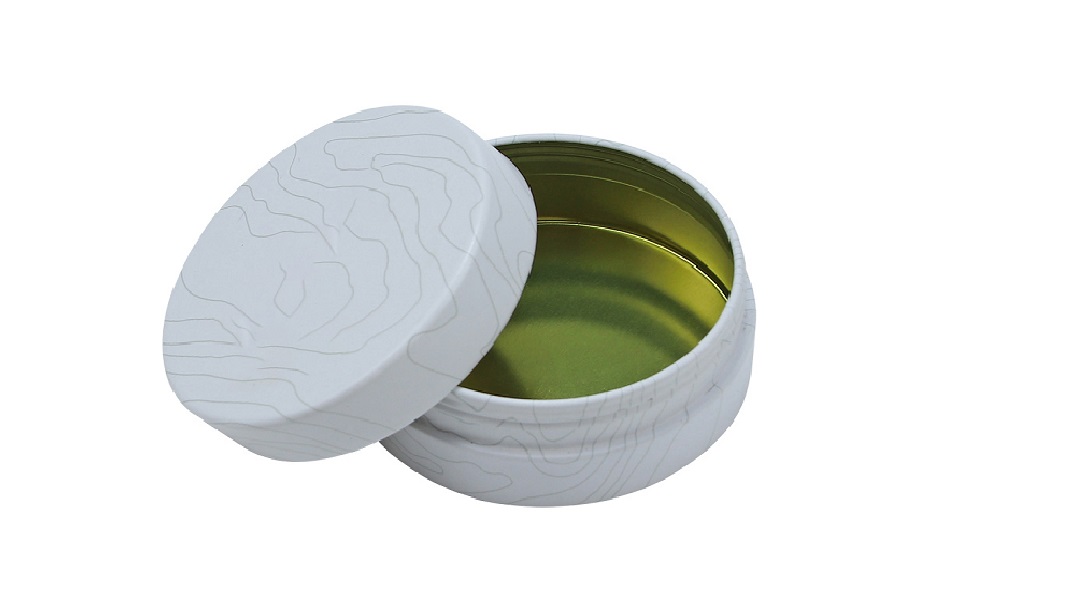
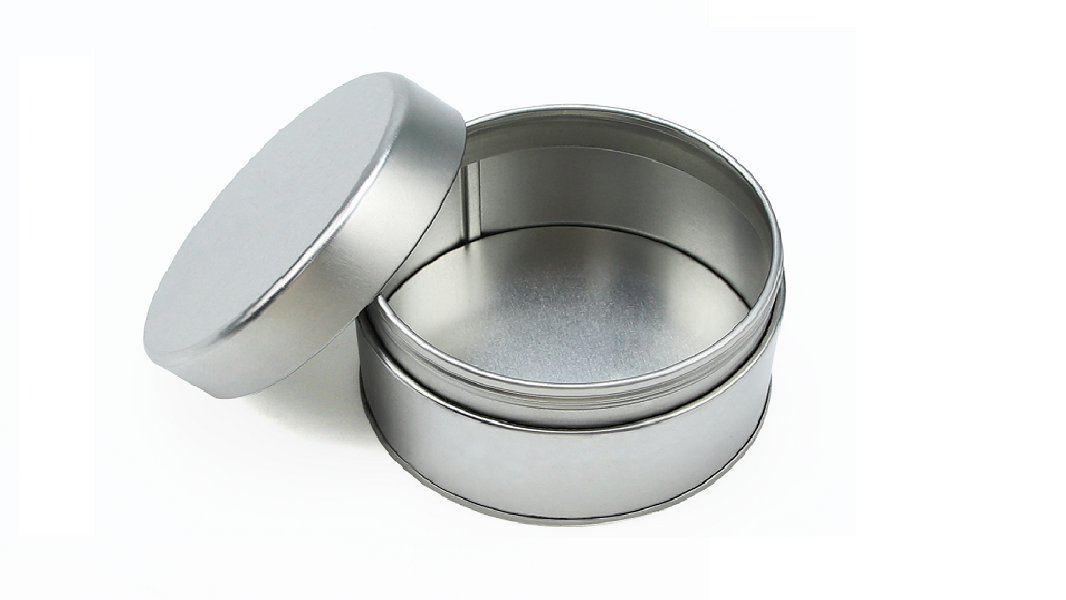
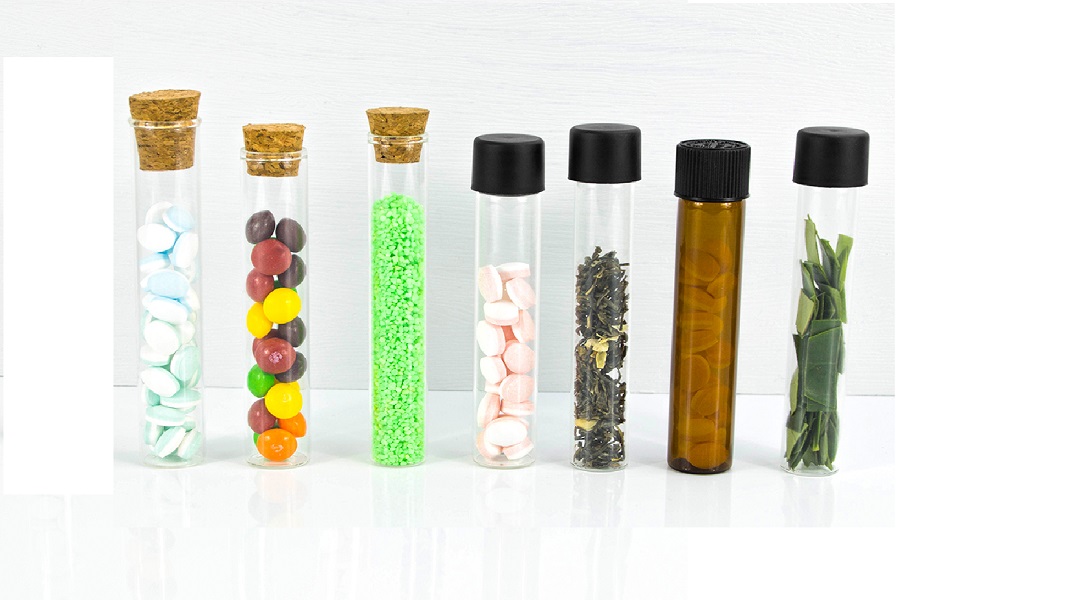
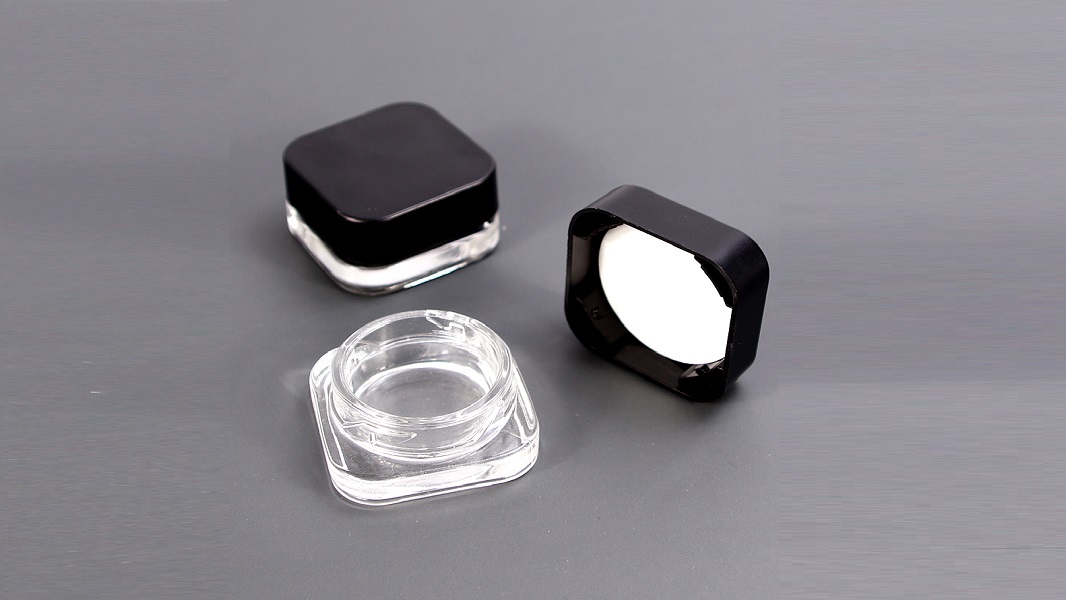
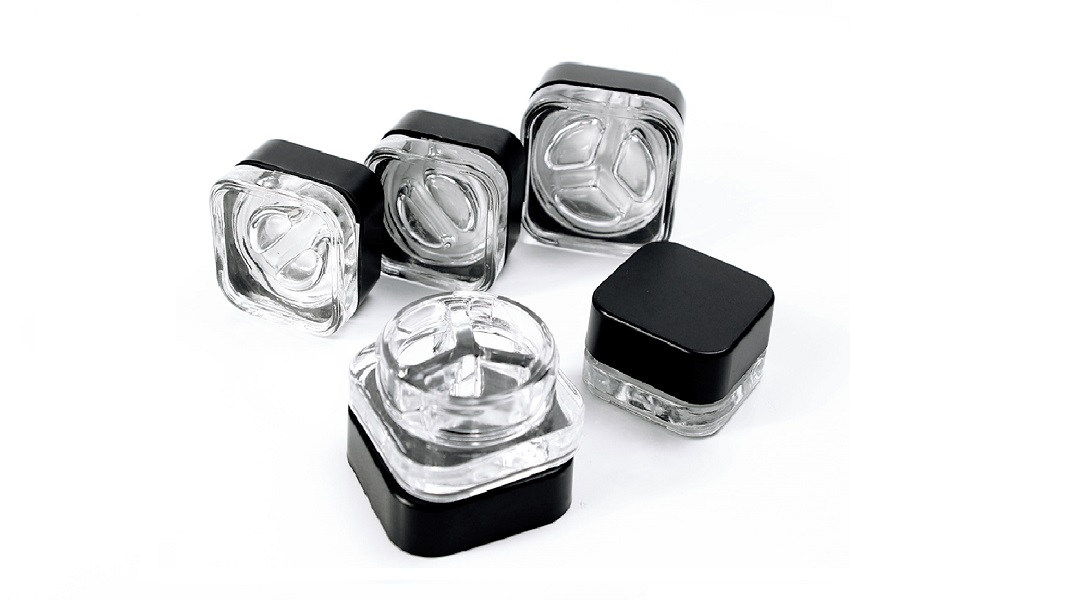
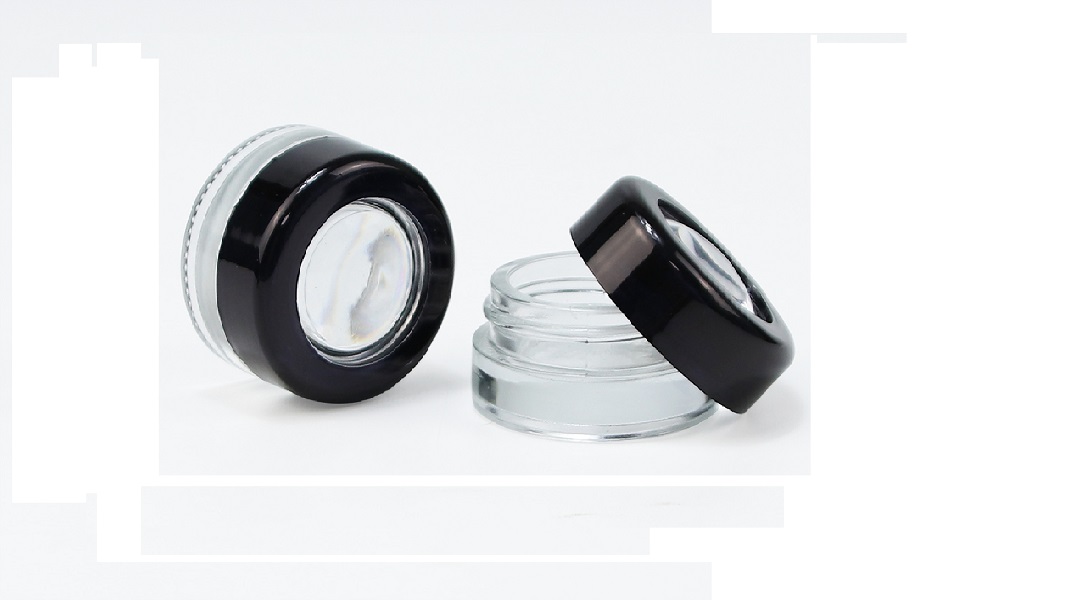
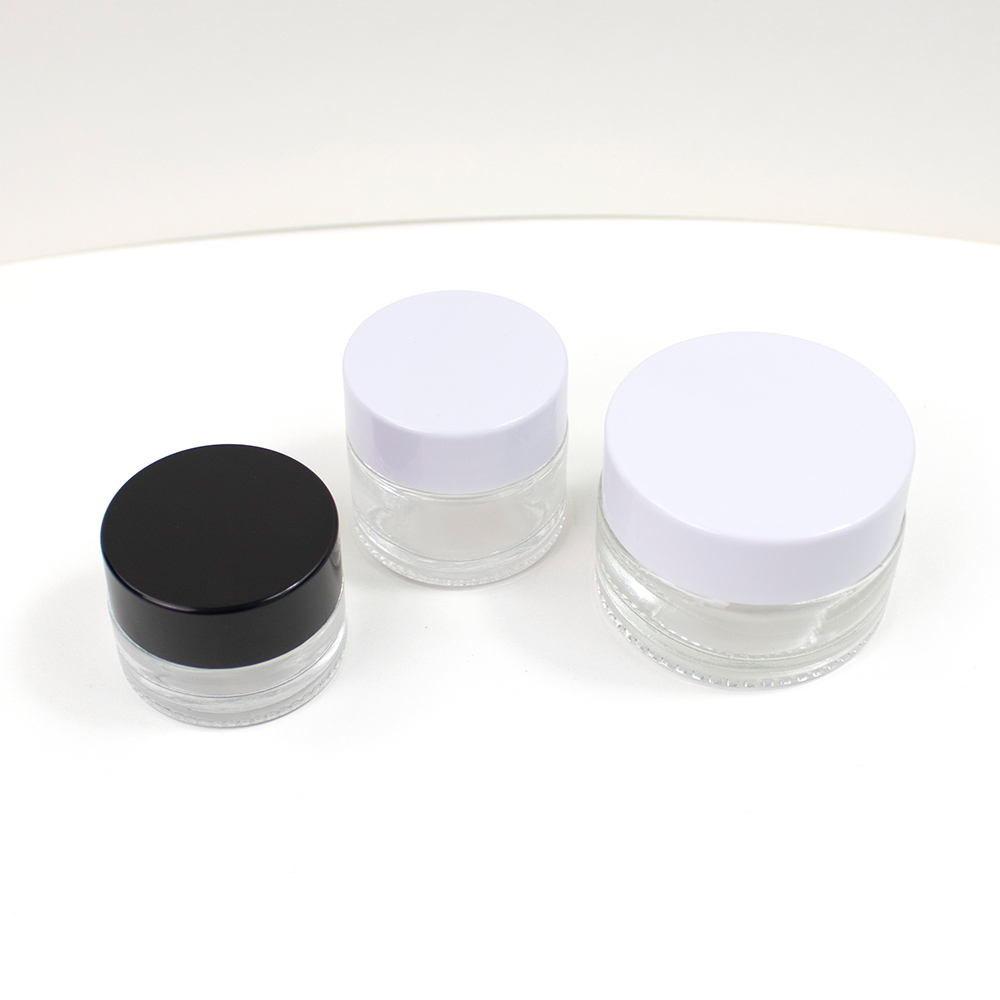
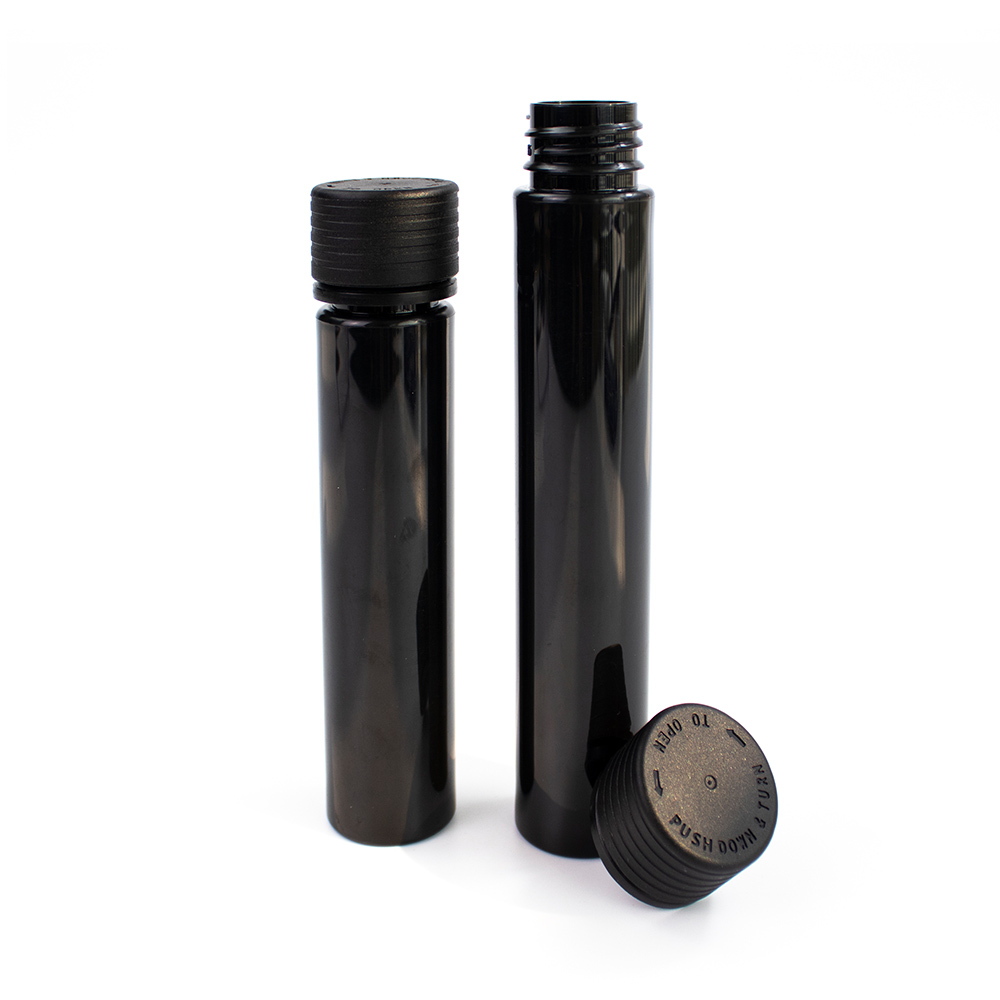
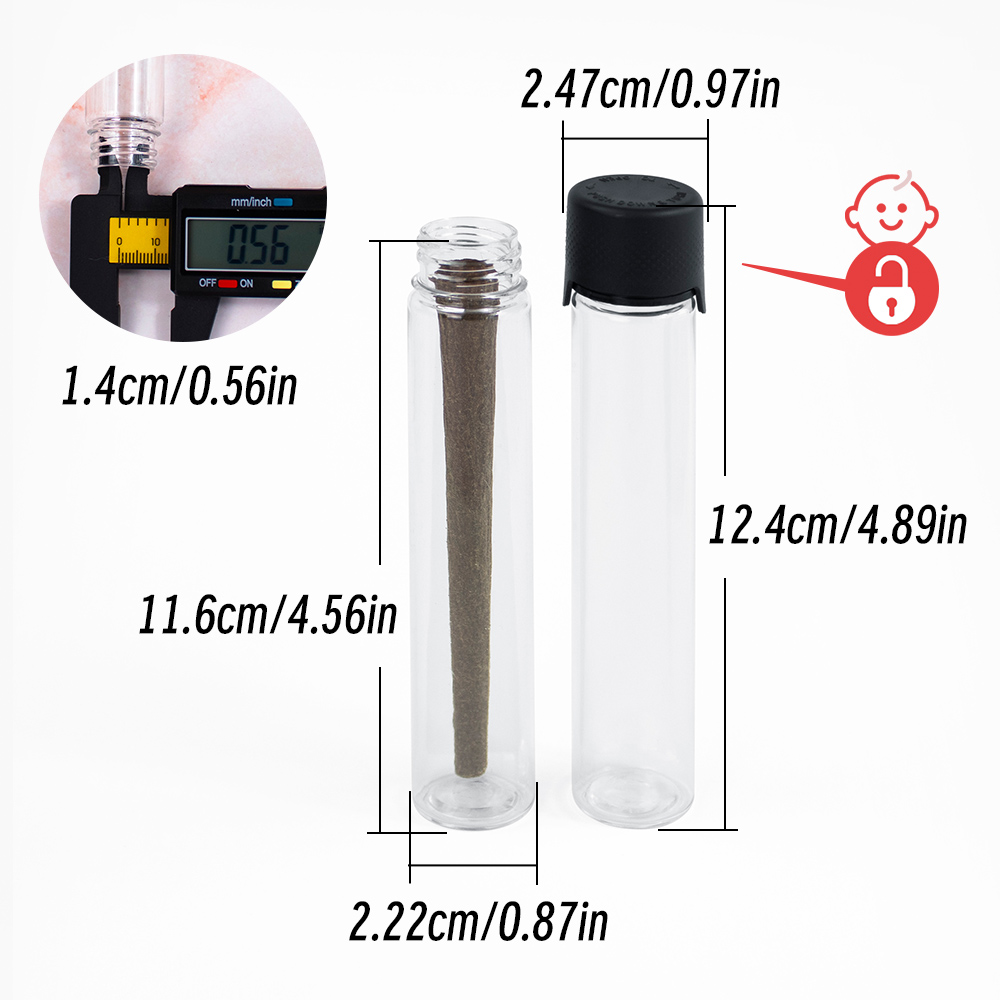
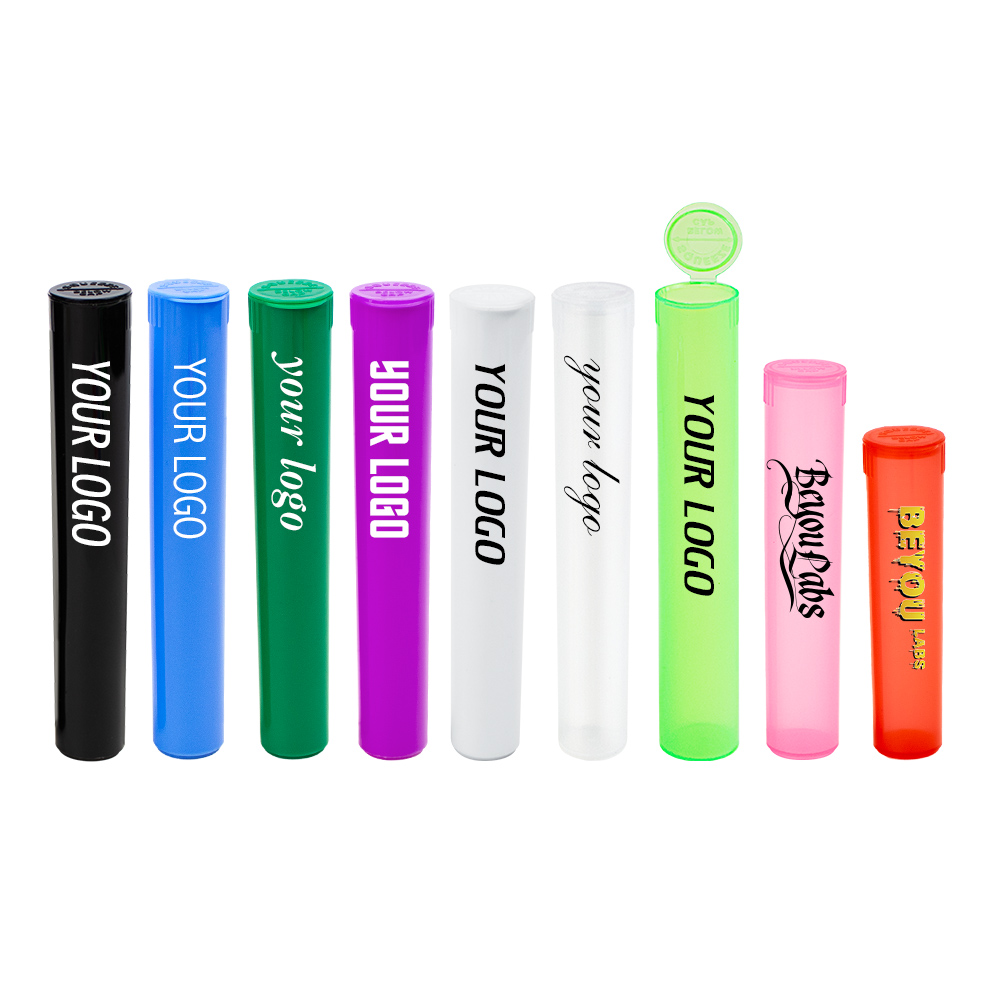
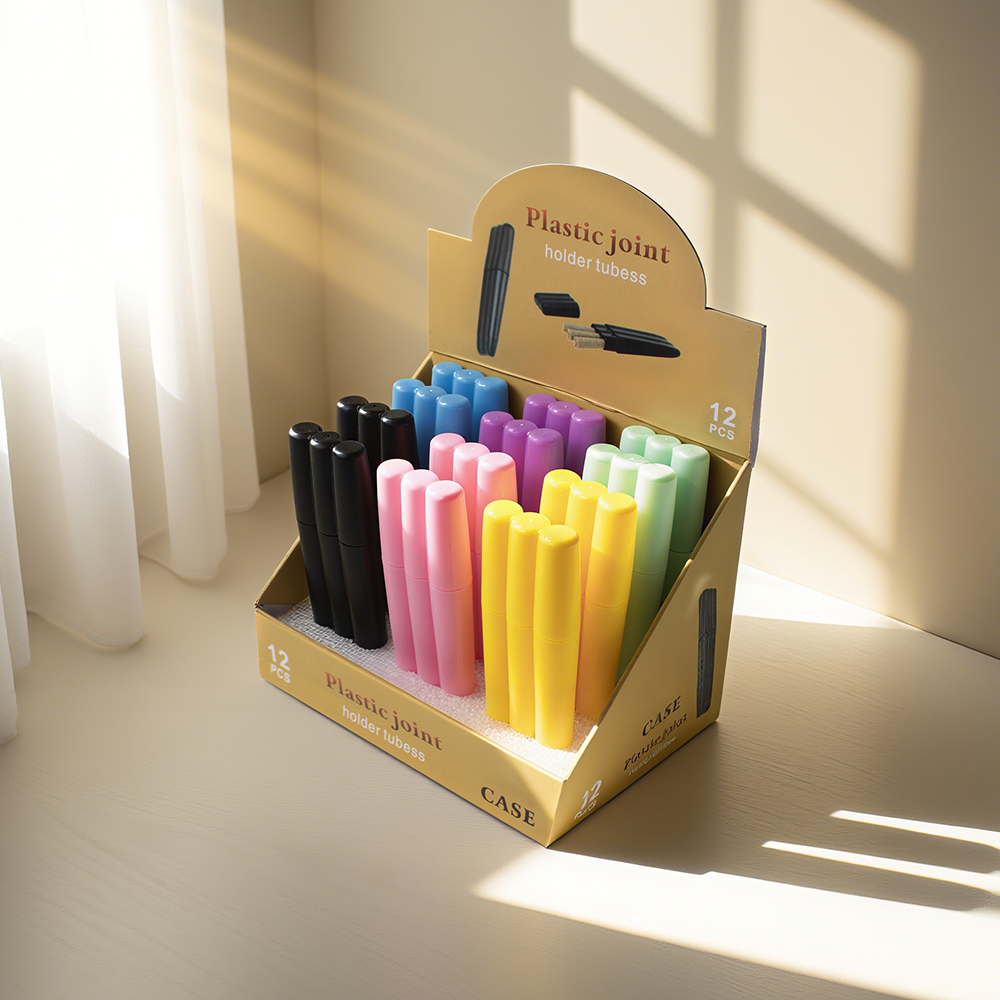
Micro-dose tins and tubes. Small rigid formats with low piece counts read as premium and keep container size, and label content, manageable. They also attract the closest child-resistance scrutiny.
CBD-dominant full-spectrum. Genuinely CBD-led products with trace total THC can sit under the cap without reformulation, provided the math is confirmed on finished goods rather than raw input. This is the segment most likely to stay comfortably inside the federal definition — but it is a different market from intoxicating hemp.
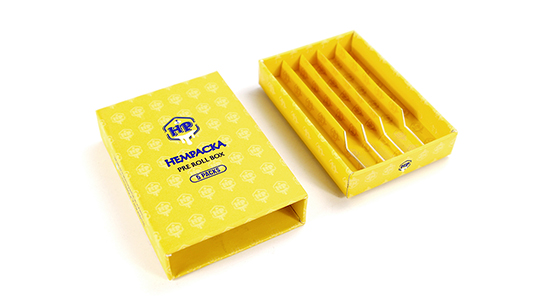
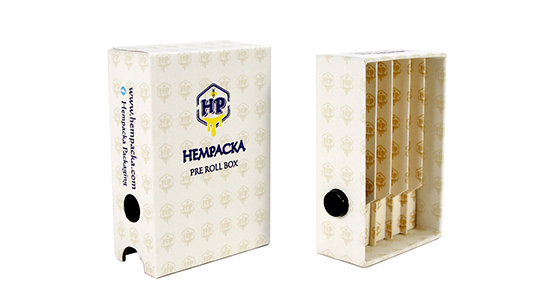
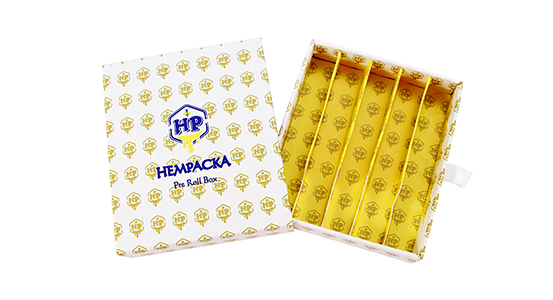
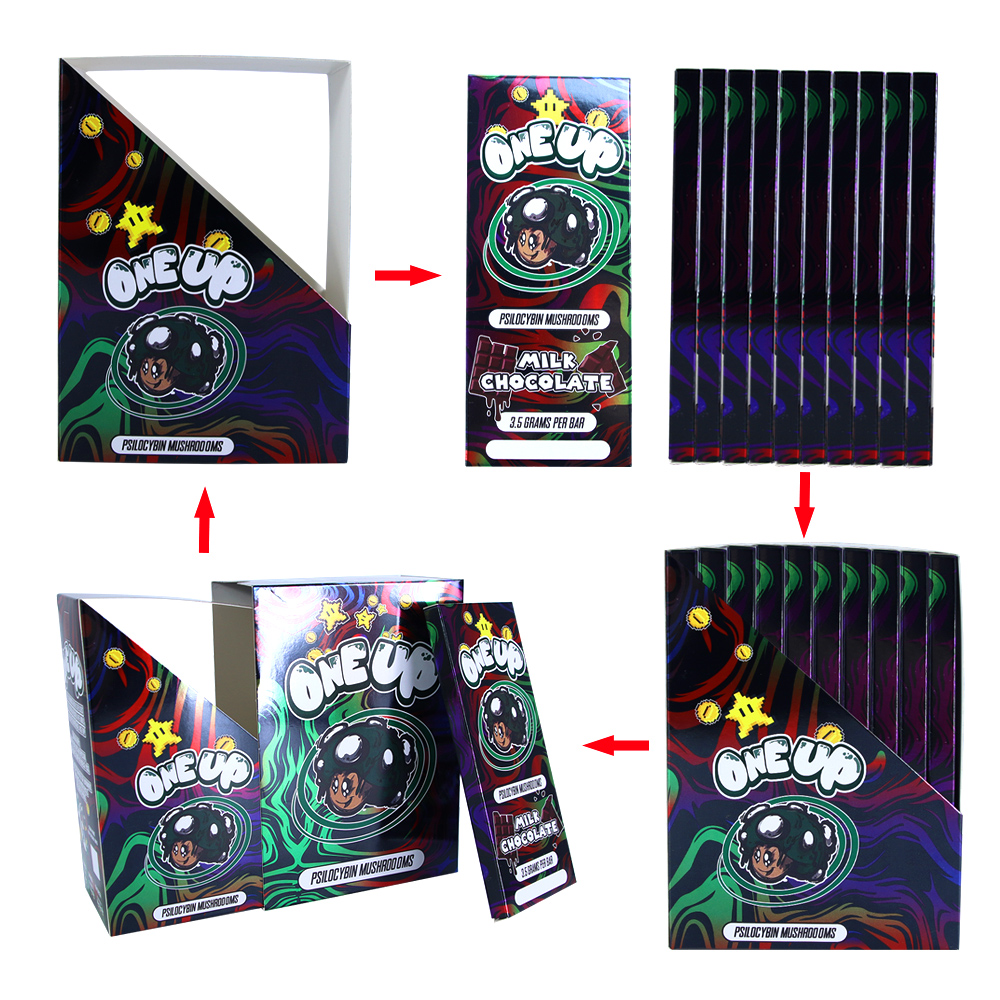
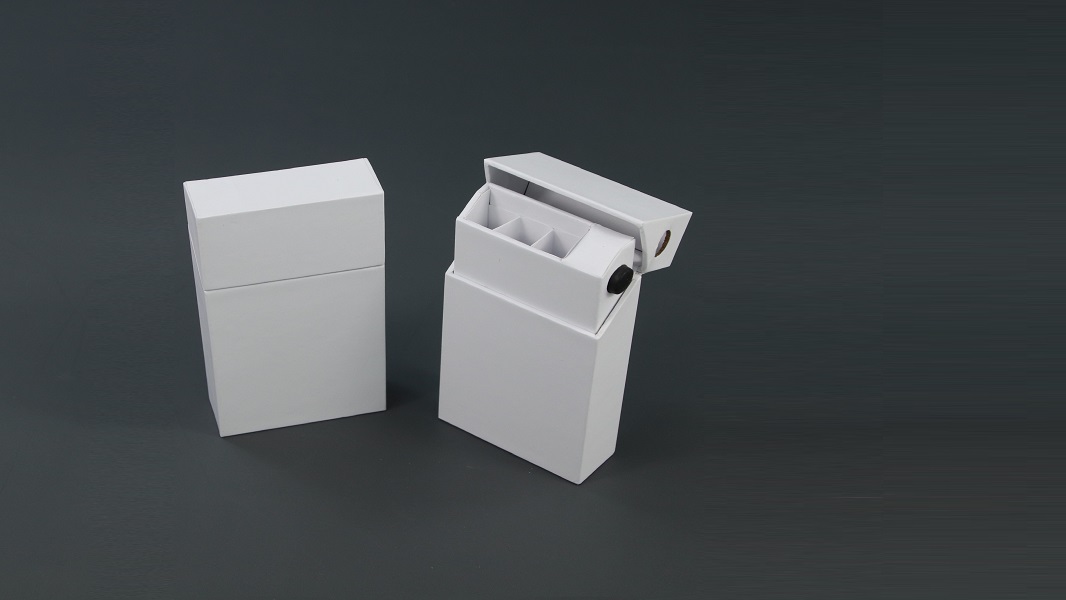
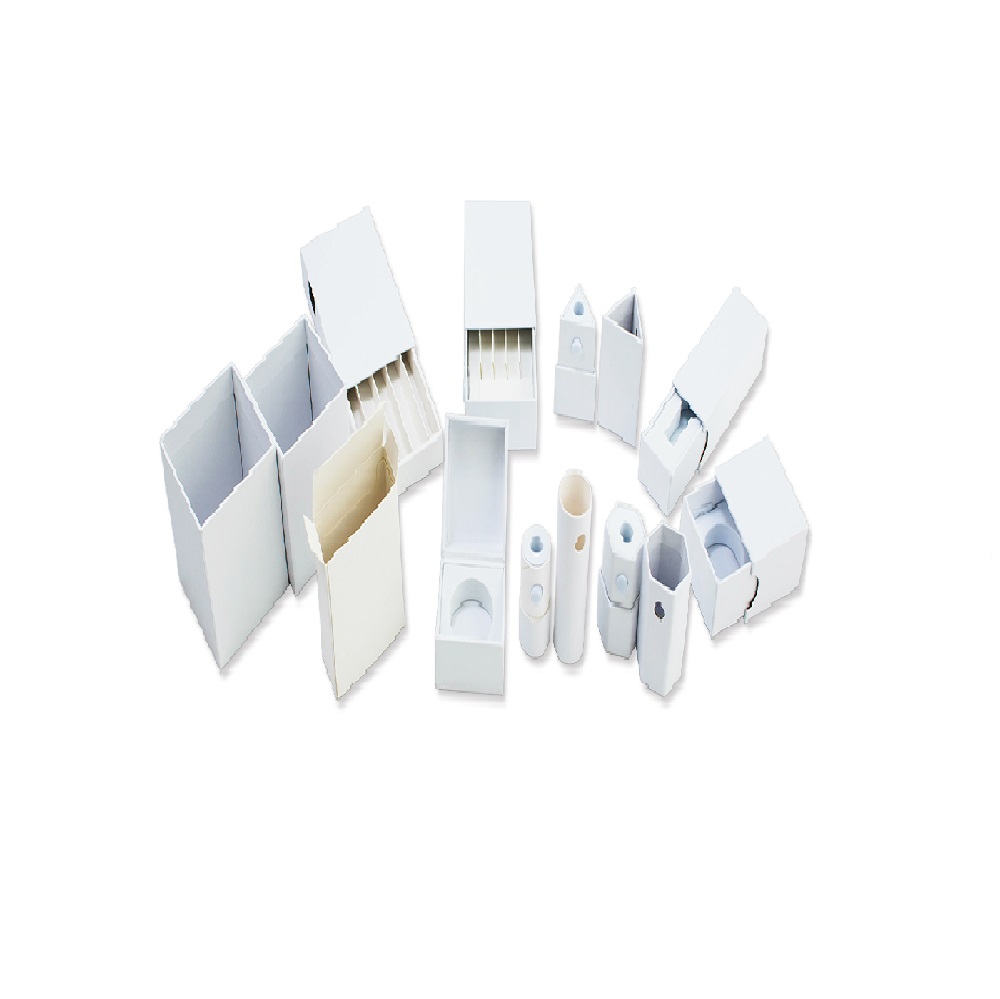
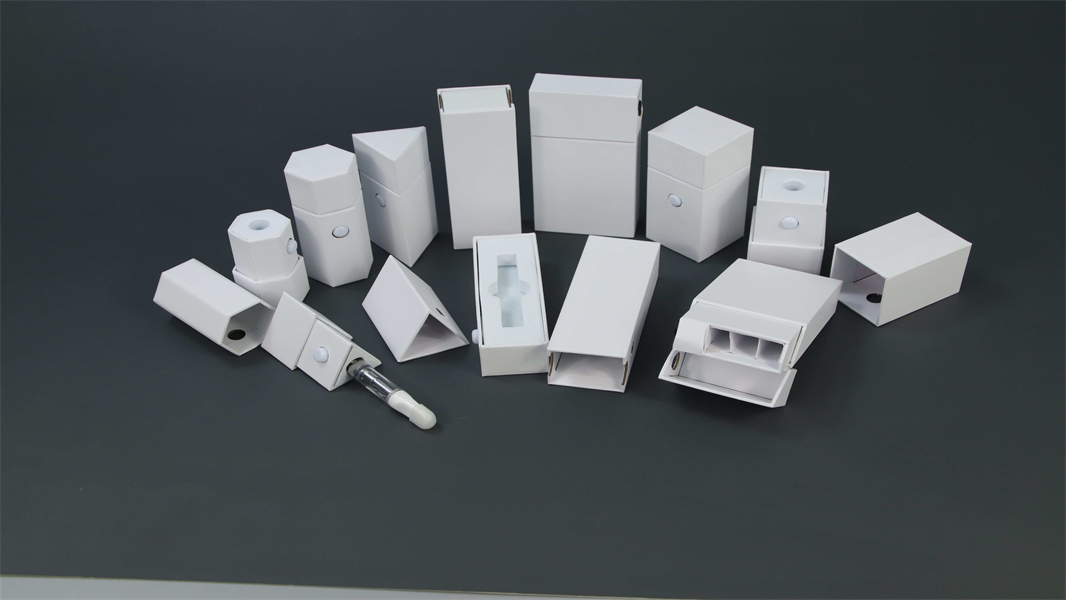
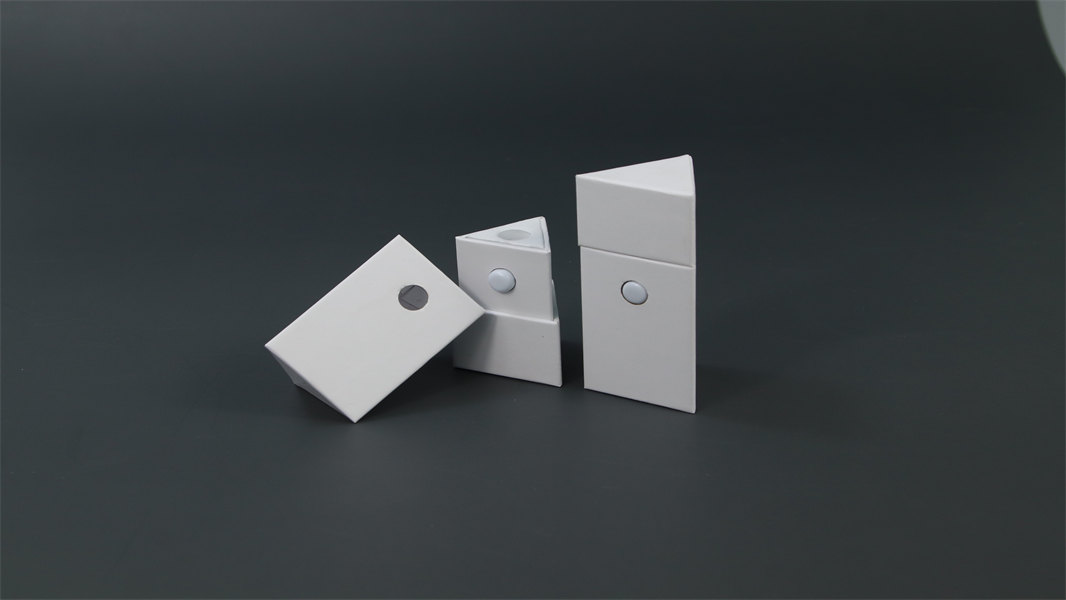
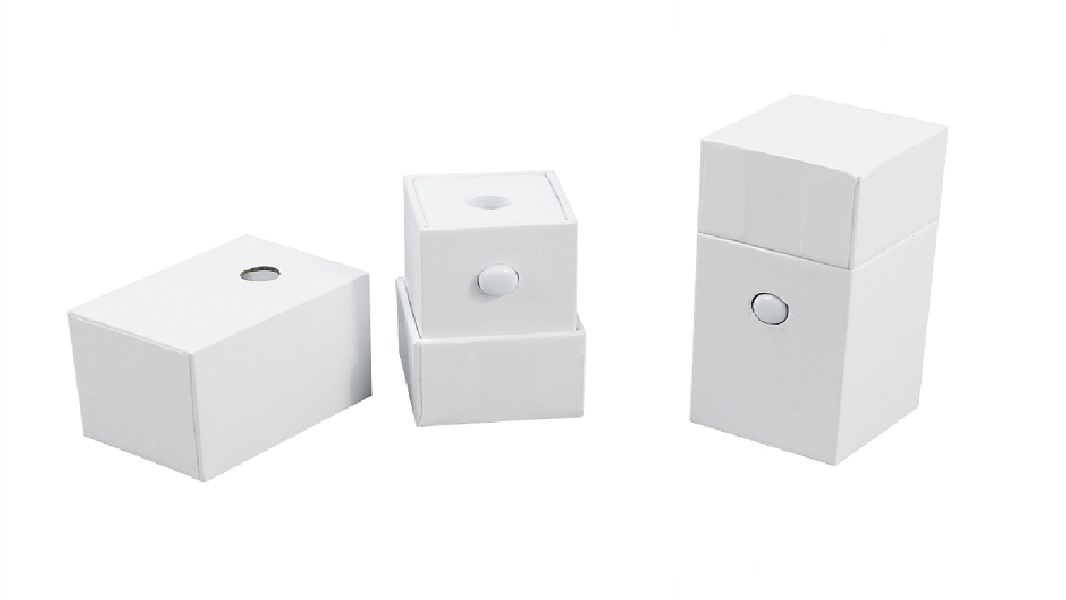
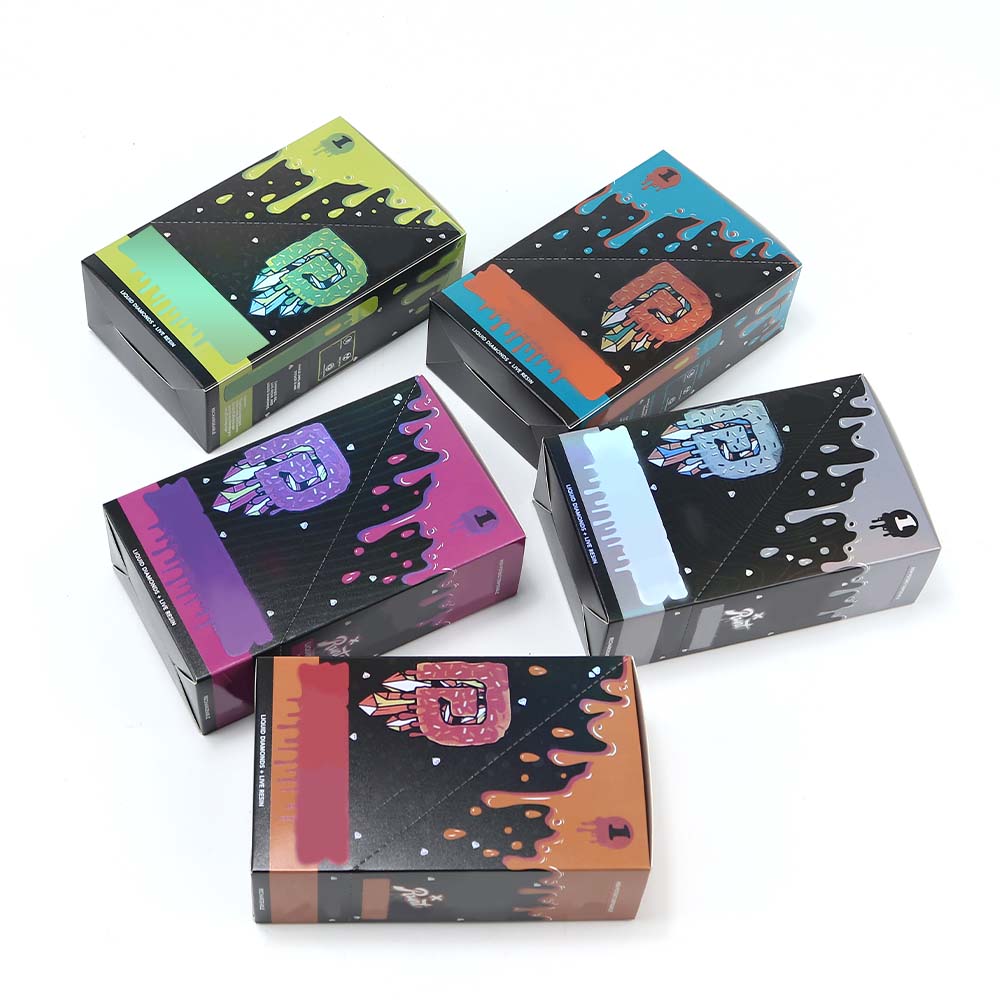
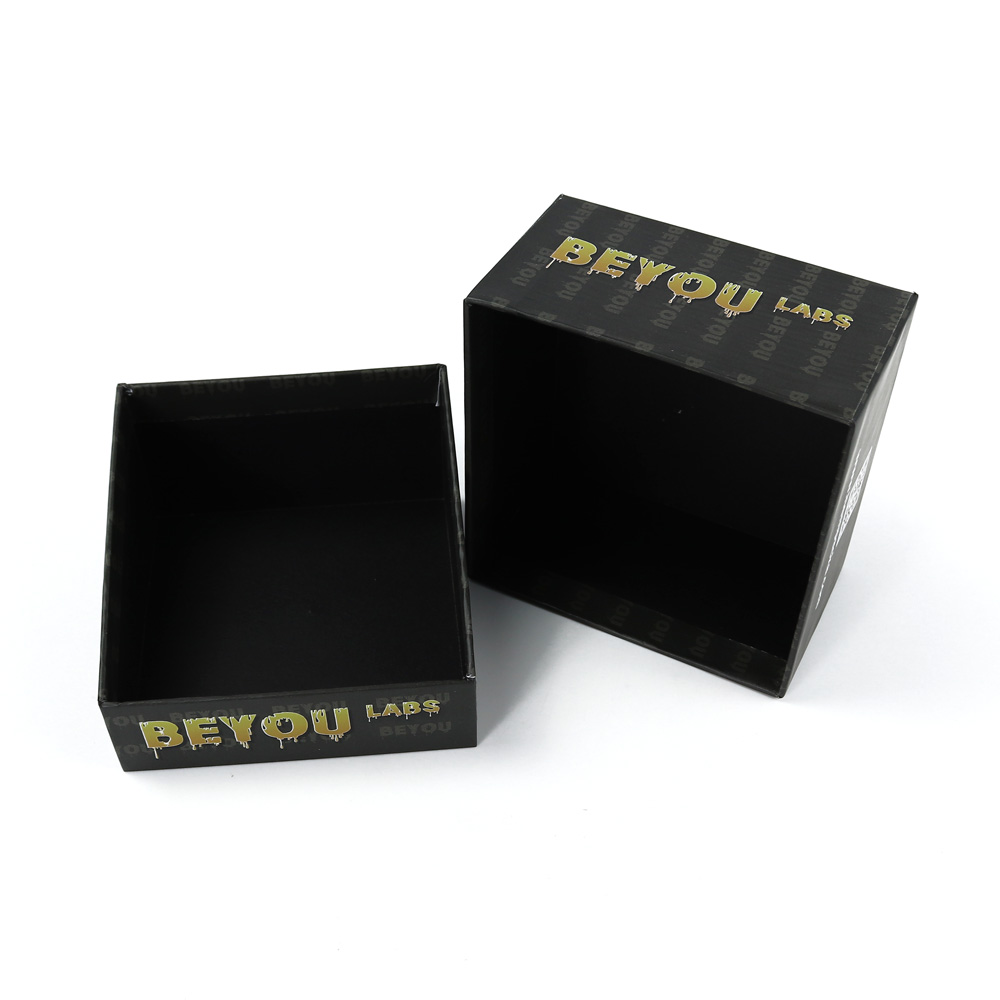
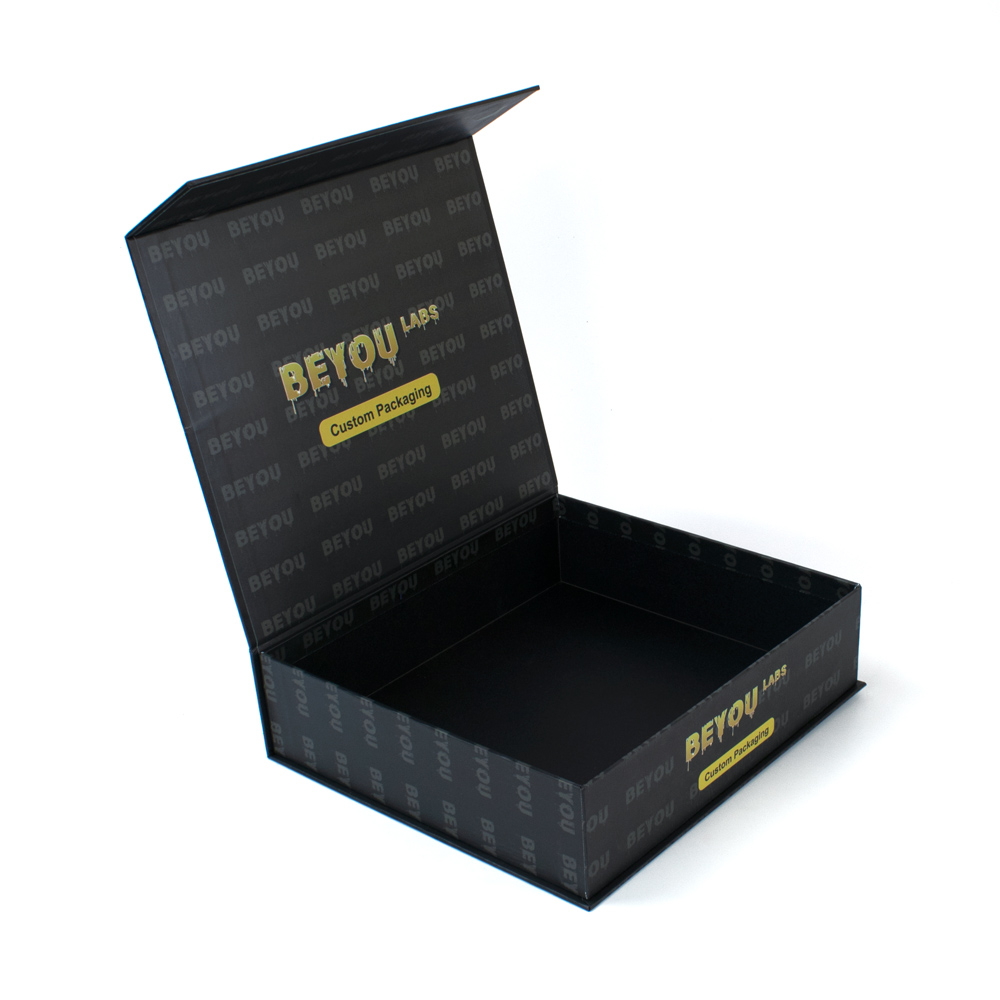
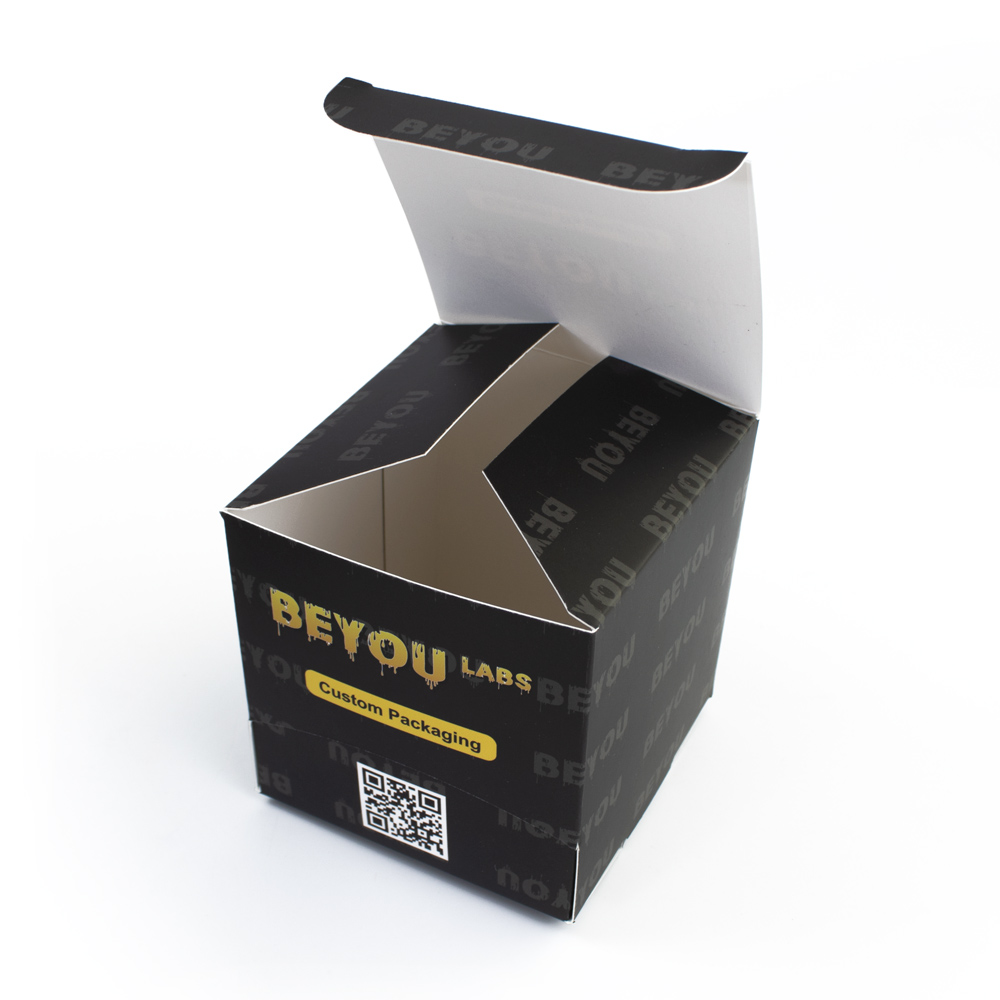
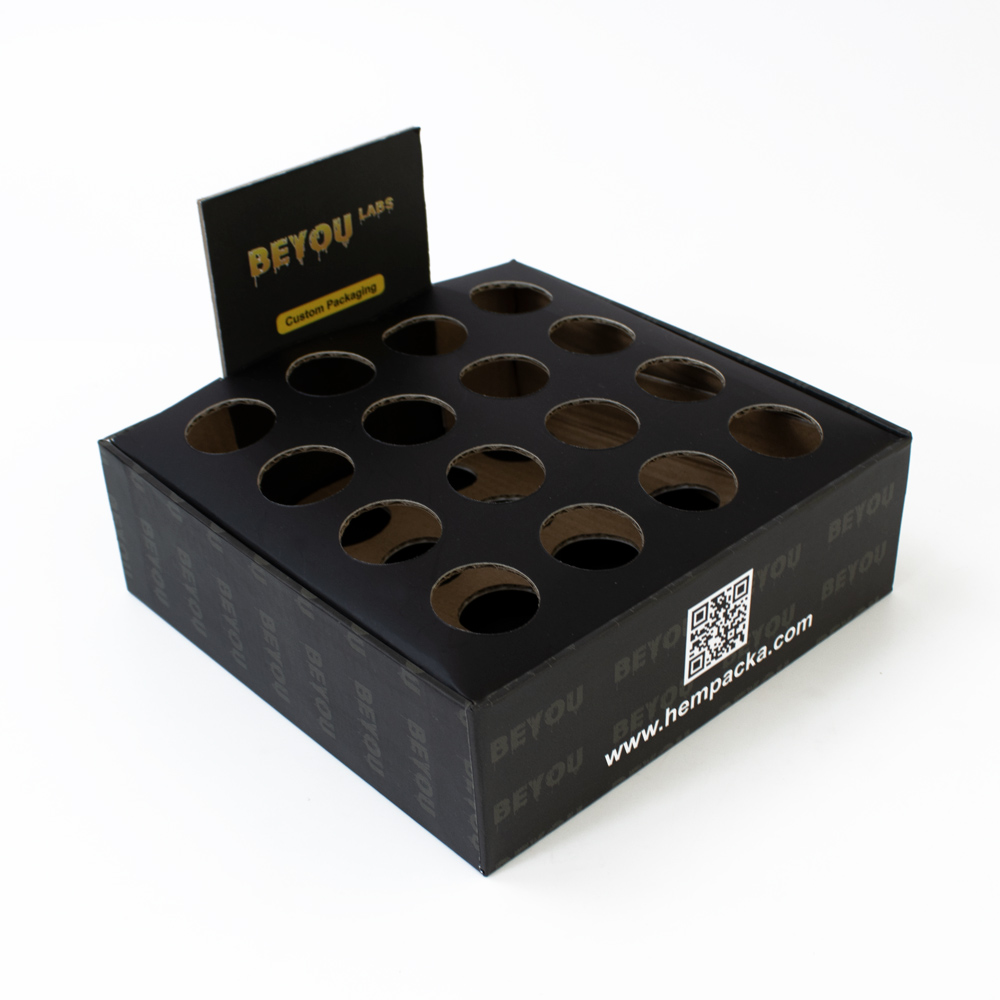
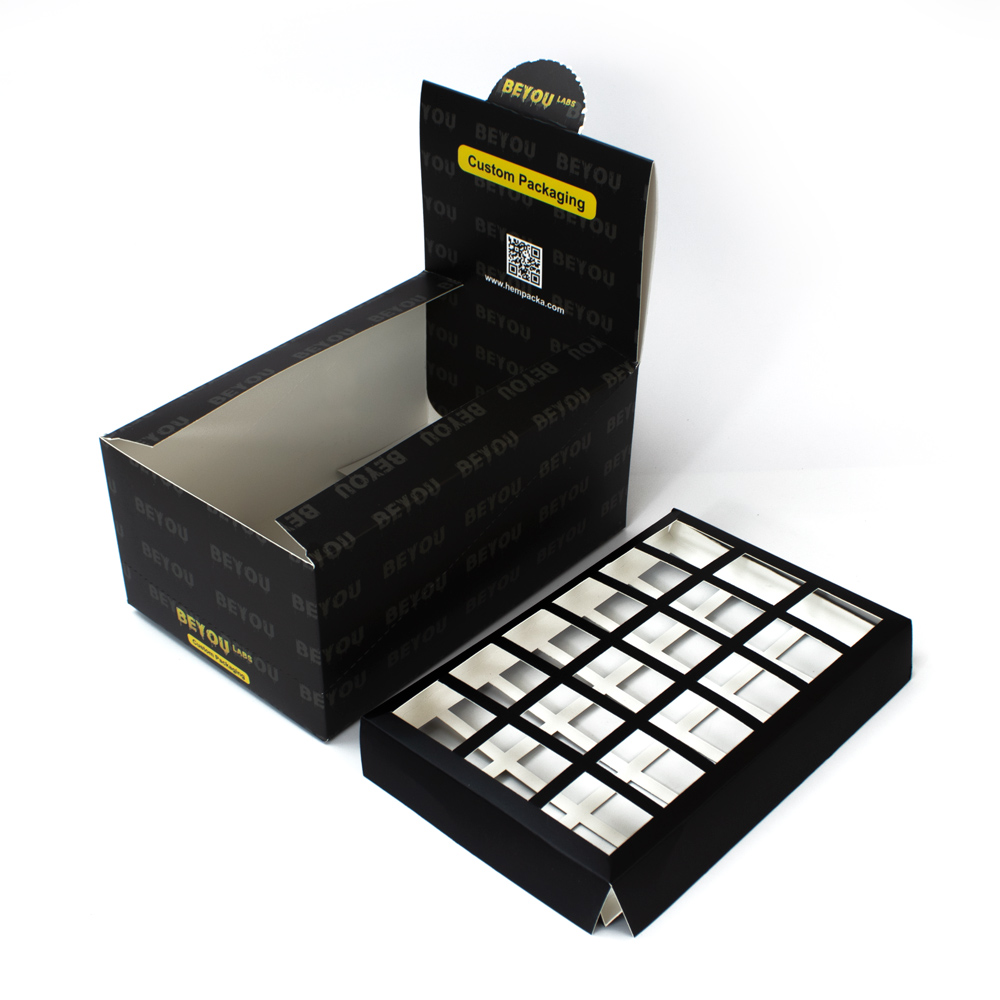
Outer carton with an inner compliance container. A printed outer box carries brand story, regulatory panels and the COA QR code; a sealed inner pouch or tray holds the product and functions as the container. This is the common fix for label real estate, and where custom die-cut boxes earn their cost. Two components means two specifications to version-control when rules change.
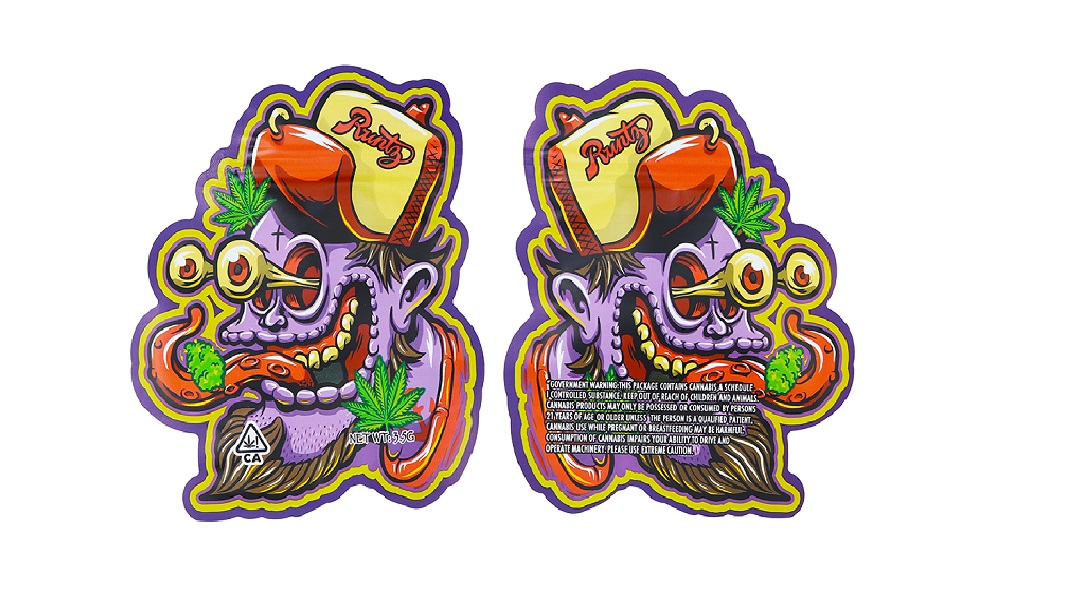
Illinois is a useful stress test. Its bulletin requires product name, net weight or volume, ingredients, cannabinoid identity and quantity, serving information, batch number, manufacturer contact, expiration date, and a QR code linking to the certificate of analysis — alongside sealed, child-resistant packaging meeting CPSC standards.
That is a lot of content for a single-serve pouch the size of a business card. Three responses: plan panel space at the structural design stage and send your compliance content list with the brief, not after the proof; use booklet or extended-content labels where the container is small; and hold variable data separate from fixed print, since batch numbers, expiration dates and lot-specific QR codes change every run.
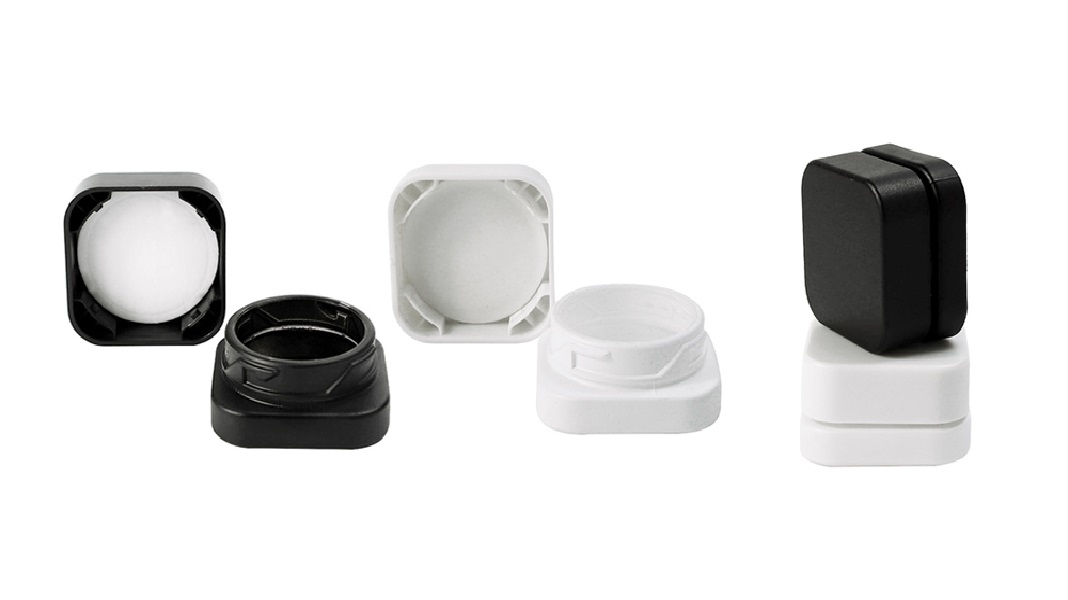
A common misreading of the December changes is that a lower dose removes the need for child-resistant packaging. It does not. Child-resistance comes from state cannabis and hemp rules and the federal PPPA framework, and applies independently of the 0.4 mg ceiling.
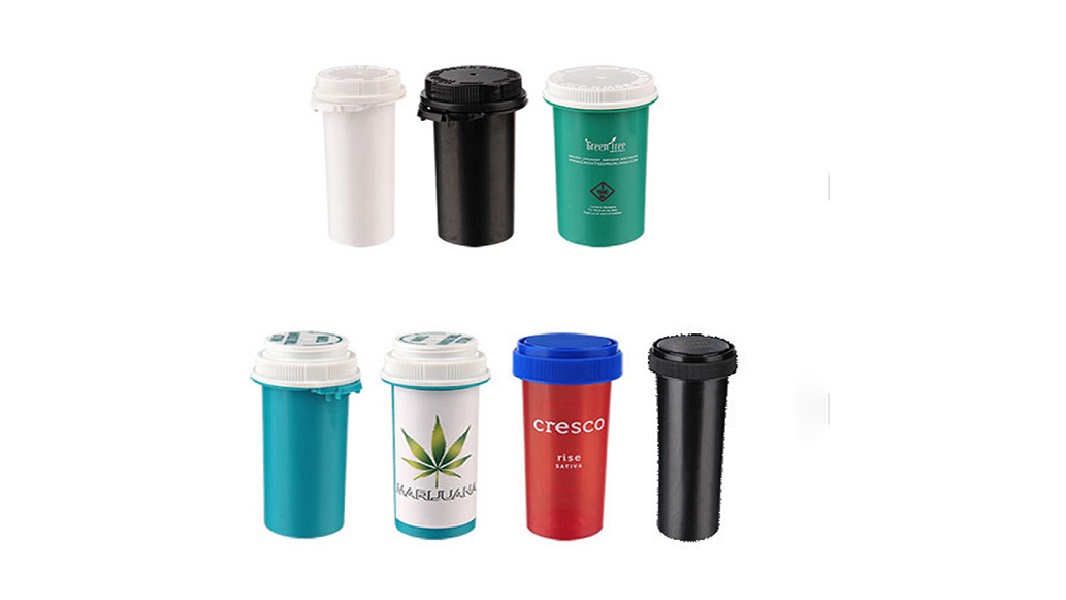
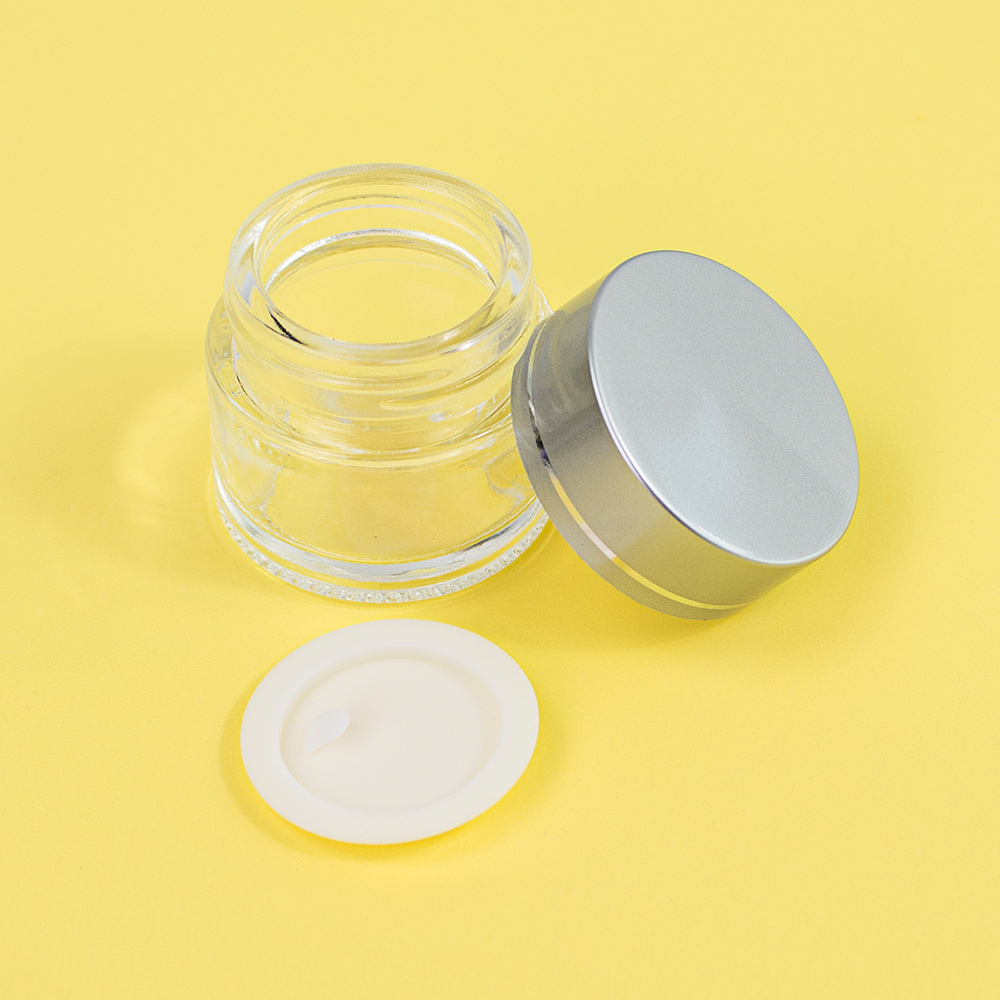
Two details matter. Certification attaches to the complete package system — substrate, closure, liner, ink and lamination are all part of what gets tested. Change the container, closure or film and your existing report may no longer describe what you ship; ask whether the change triggers retesting before assuming it does not. And testing is protocol-specific: 16 CFR 1700.20 tests with children aged 42 to 51 months and adults aged 50 to 70, the second group because a package that defeats a grandparent gets defeated with a knife. ASTM D3475 is the classification standard many states reference. Our child-resistant packaging range is built to be specified against these requirements.
Working backwards from December 11, a program needs artwork and dieline approval, compliance sign-off, print production, inspection, ocean transit, customs clearance, then filling before product reaches a shelf. Compress one stage and the others absorb the risk.
[CONFIRM: Hempacka current standard lead times — sampling days, production days for digital vs. flexo, and door-to-door transit to US West and East Coast.]
[CONFIRM: Hempacka sample policy and fee, and whether fees are credited against the first bulk order.]
For brands facing the earlier state dates, a fully custom program starting from zero in late October is tight. The honest paths are a stock or semi-custom format with a printed label as interim, a digitally printed short run on an existing structure, and the custom program staged for after the deadline. We would rather quote that sequence than promise a tooled program that lands in January.
1. List every SKU with total THC per container, THCA included, on finished goods.
2. Flag SKUs above 0.4 mg — reformulate, re-format, or move channel.
3. Identify your earliest binding date across every state you ship into.
4. Confirm whether any SKU uses converted or synthetic cannabinoids; those carry the November 12 date.
5. Re-check COAs report total THC, not delta-9 only.
6. Map label content against your strictest state, including QR-to-COA.
7. Confirm child-resistance documentation still describes the exact package you buy.
8. Freeze dielines only after compliance content and copy are final.
9. Get in writing what changes trigger retesting, and who pays.
10. Stage a compliant interim SKU so a deadline miss is not an empty shelf.
Per serving or per package? Per container. One retail package is the regulated unit regardless of dose count: ten 5 mg pieces in one container is 50 mg, not 5 mg.
Does THCA count? Yes. The new standard measures total THC inclusive of THCA, which is what removes most THCA flower from the hemp definition.
My product is 0.4 mg exactly — compliant? The exclusion applies to products greater than 0.4 mg. Analytical variance makes sitting exactly on the line risky; build in margin.
Do I still need child-resistant packaging at a low dose? Yes. State rules and the PPPA framework are not waived by lower potency, and low-dose single-serve formats are often scrutinized most closely.
Is December 11 final? It is current law, and bills have been introduced that could delay or change it again. Plan to the date as written and keep monitoring.
The 0.4 mg cap turns packaging from a branding decision into a compliance architecture decision. The brands that navigate December are not the ones with the best design — they are the ones who did the container math early, found the formats that could not survive it, and left themselves calendar to reprint.
If you are rebuilding a format around the cap, send us the product spec and your target states. We will tell you which structures fit, what the child-resistance implications are, and what the calendar realistically allows.
[Request a packaging consultation →](https://hempacka.com/contact.html)
Sources reviewed October 2026: CRS IF13136, "Changes to the Statutory Definition of Hemp and Implications for Agricultural Policy," updated September 28, 2026; P.L. 119-37, Section 781; P.L. 119-103 (H.R. 6500), Section 2019; Illinois Department of Revenue Informational Bulletin FY 2027-04, October 14, 2026; New Jersey Cannabis Regulatory Commission, Intoxicating Hemp-Derived Products FAQ, April 2026; Vicente LLP, "Federal Hemp Update: Definition Change Delayed to December 11," October 13, 2026. Editorial source list — remove before publishing.