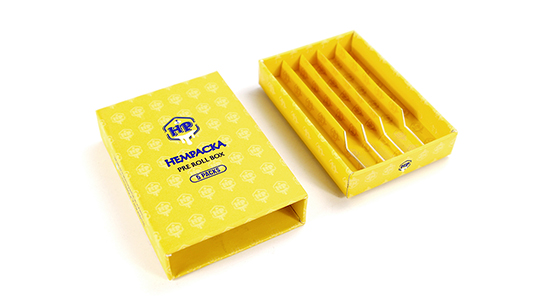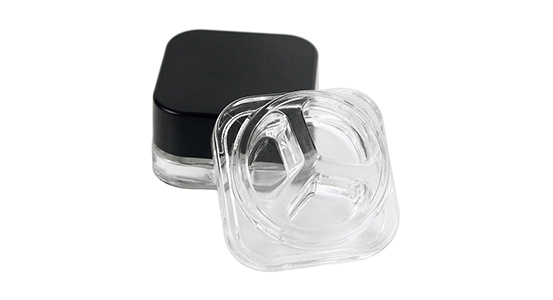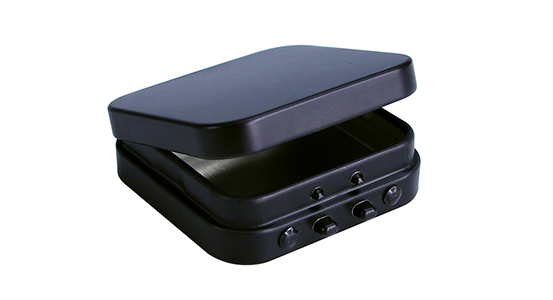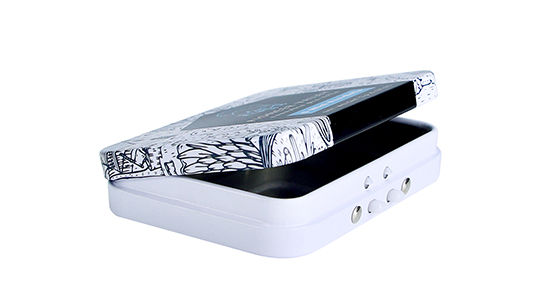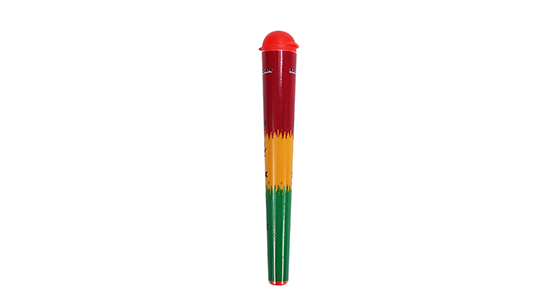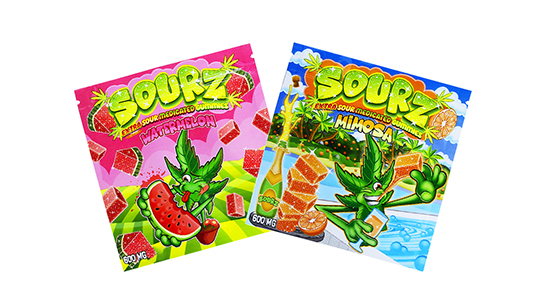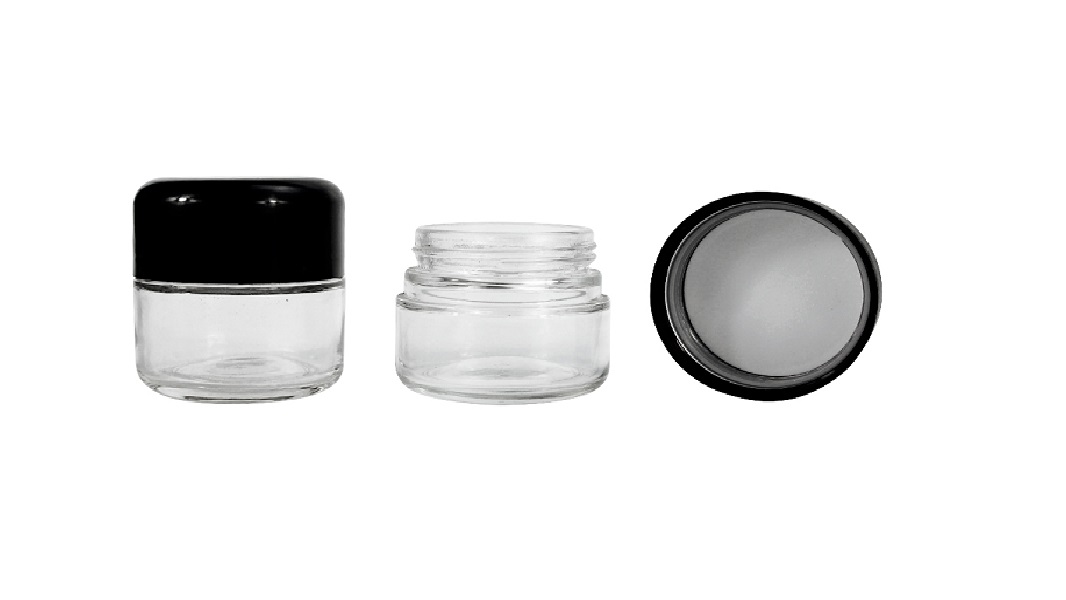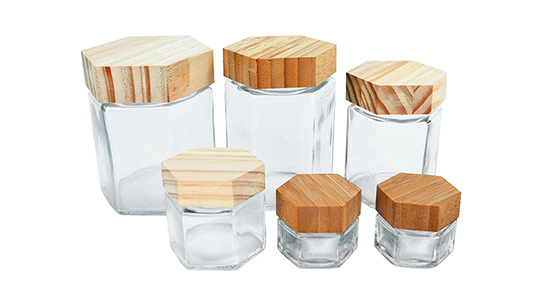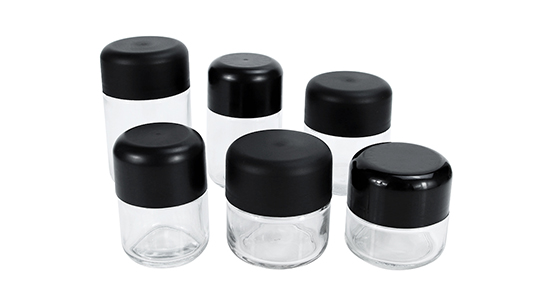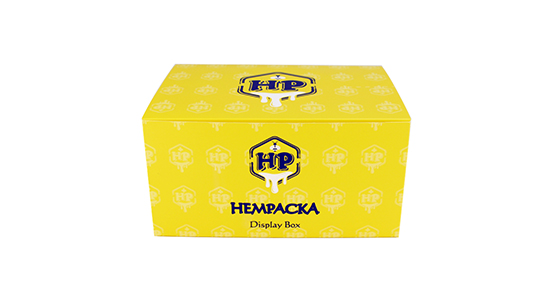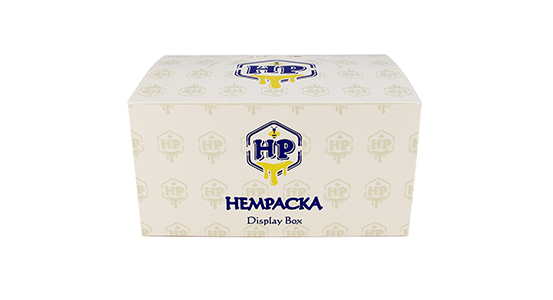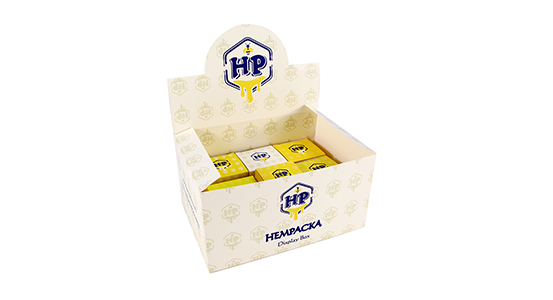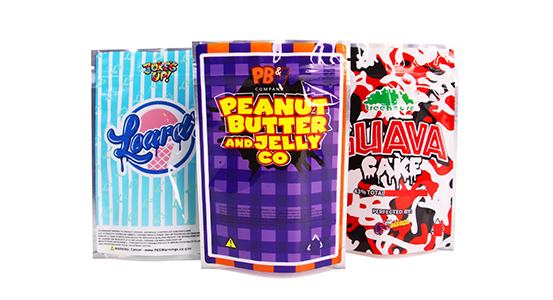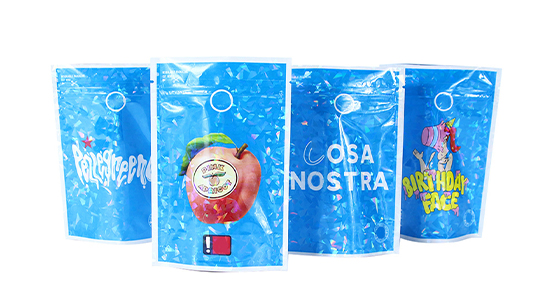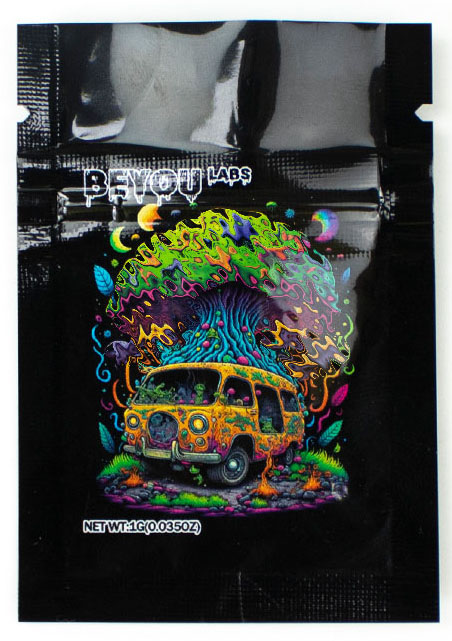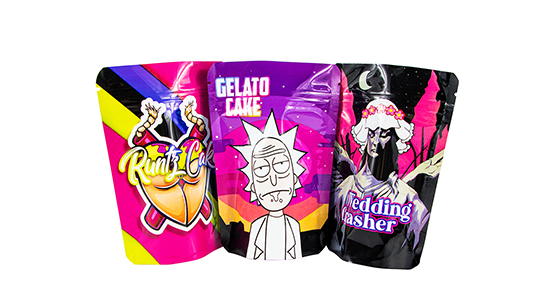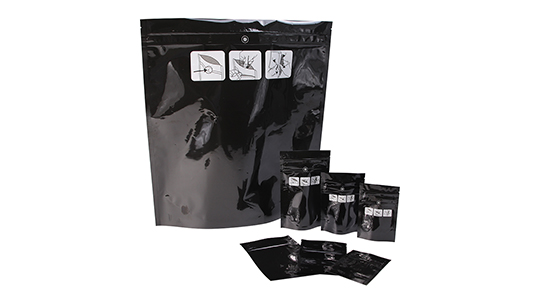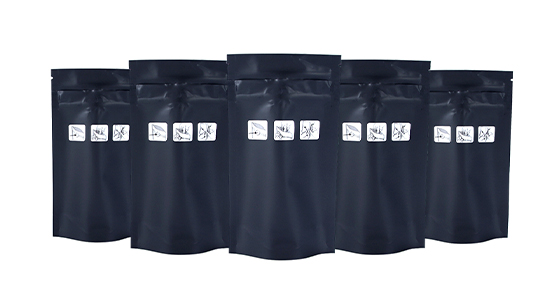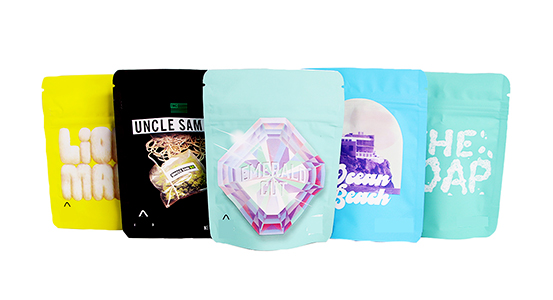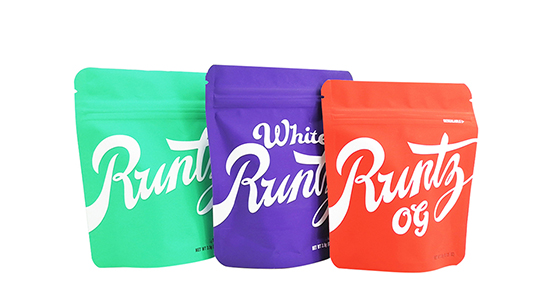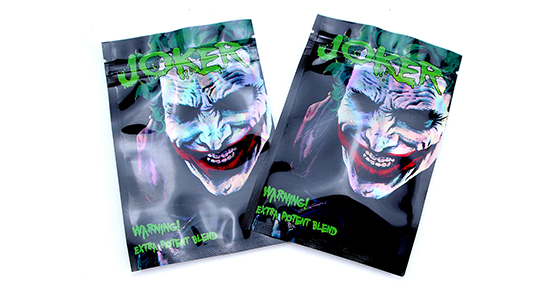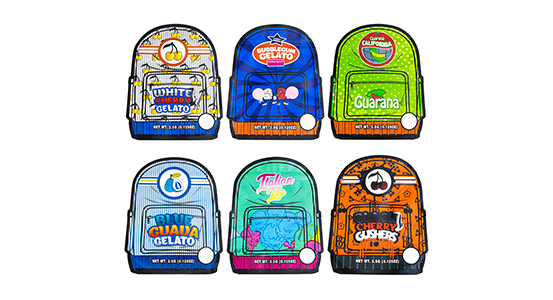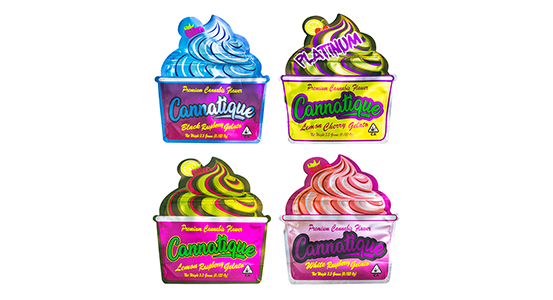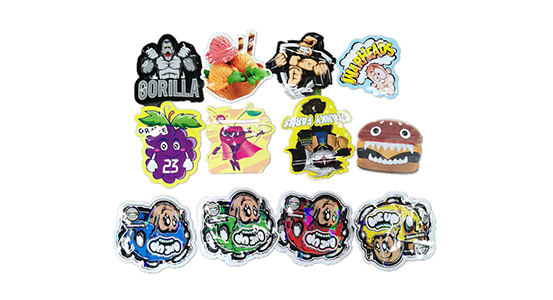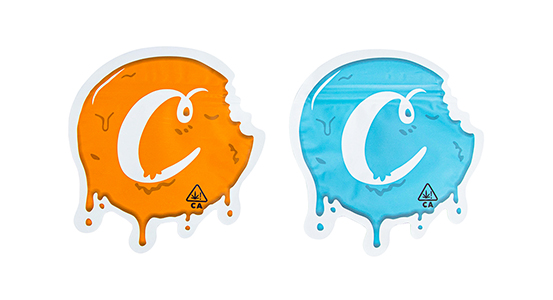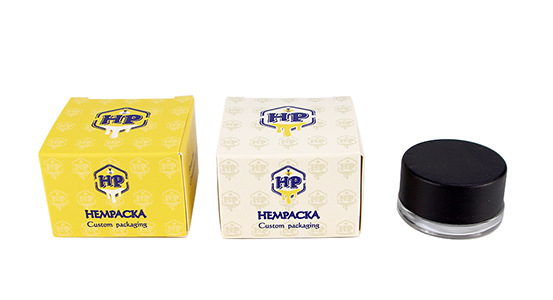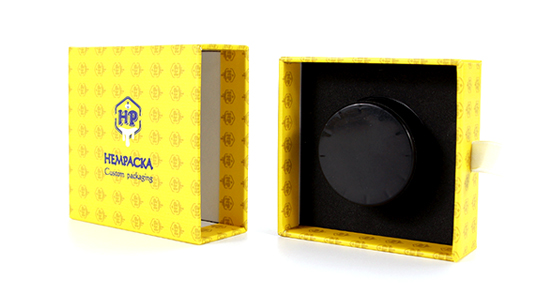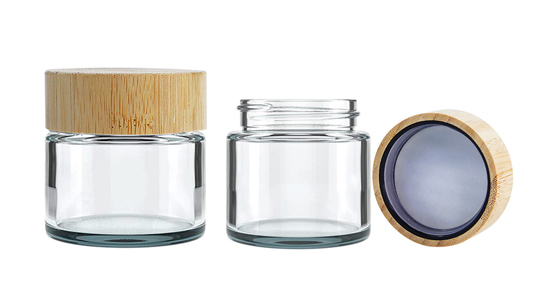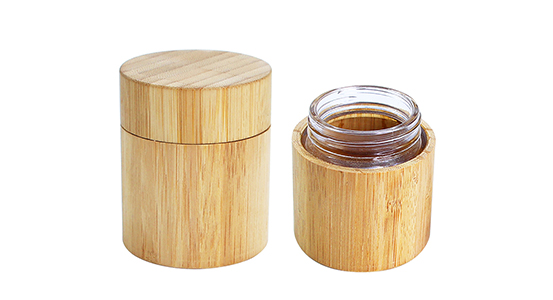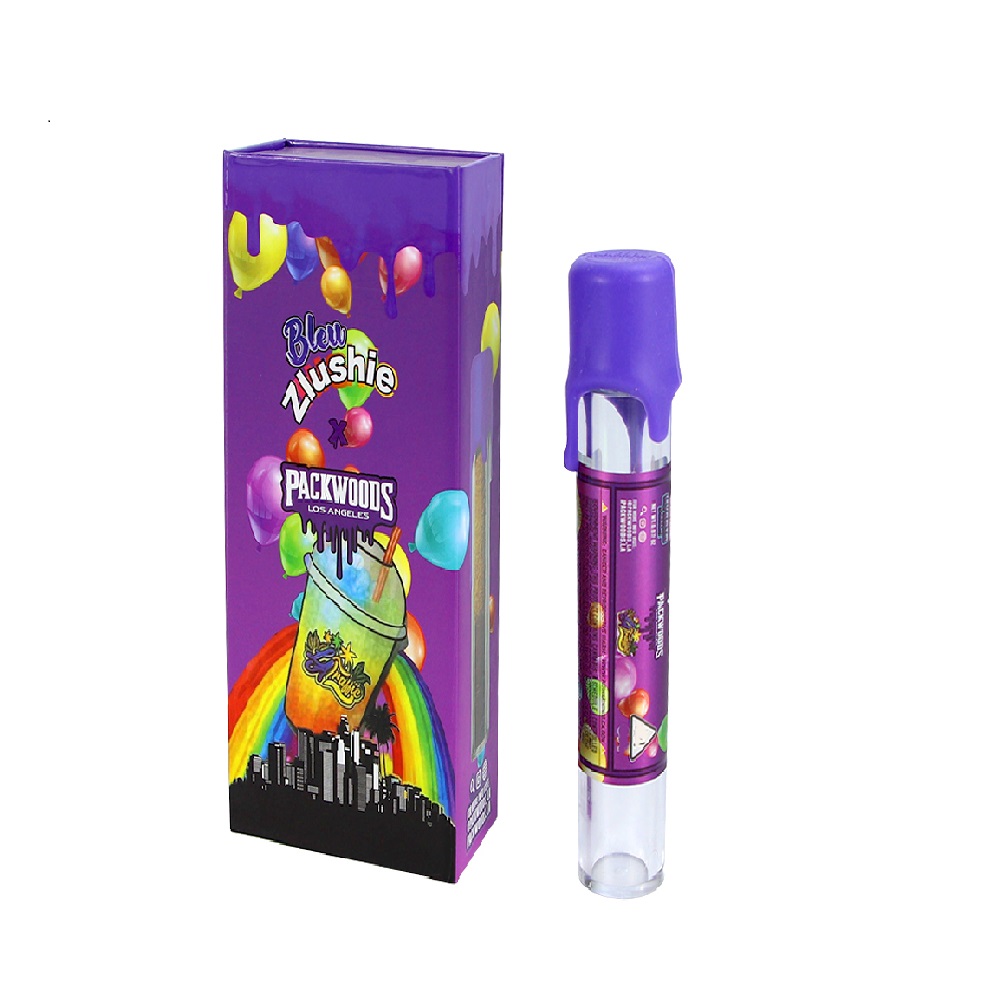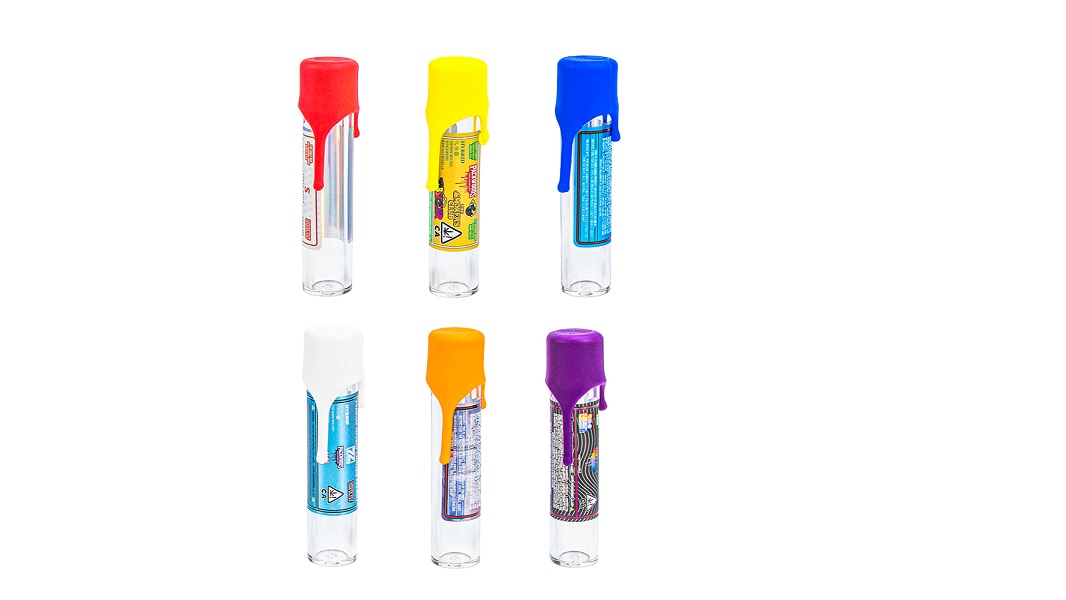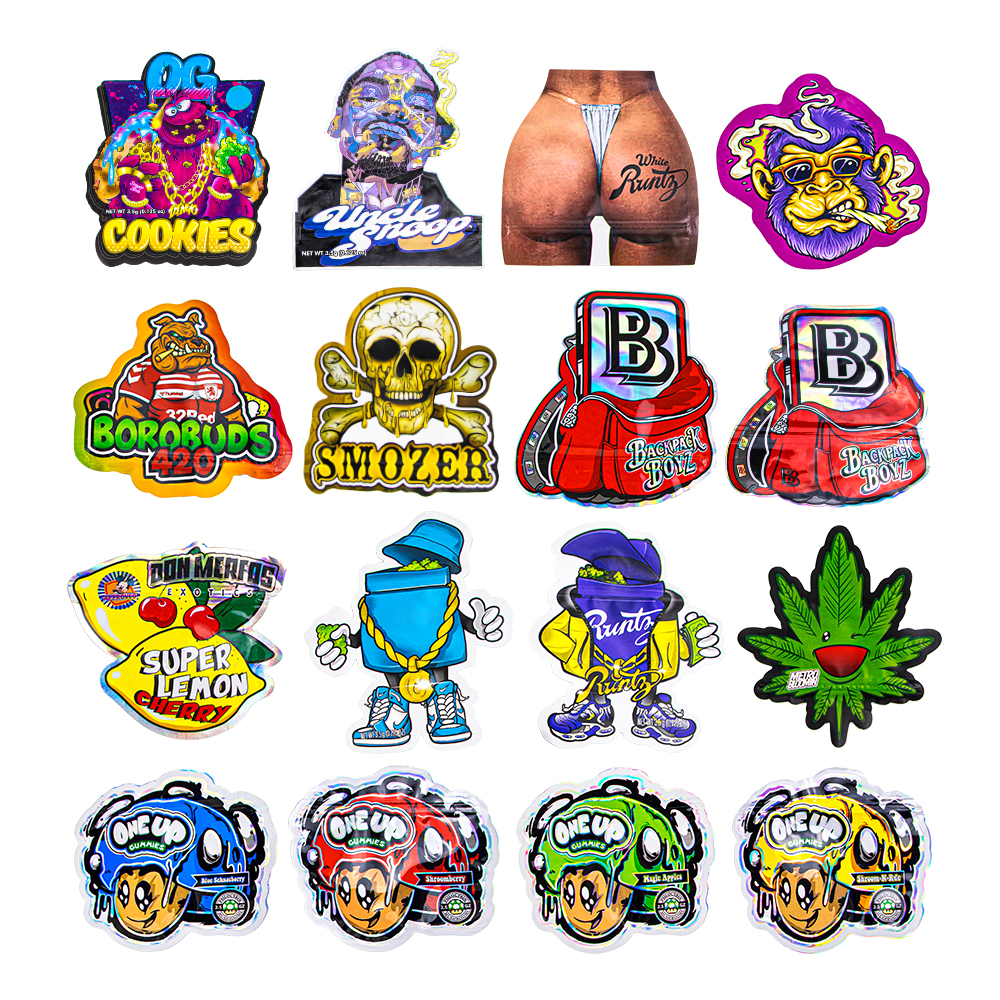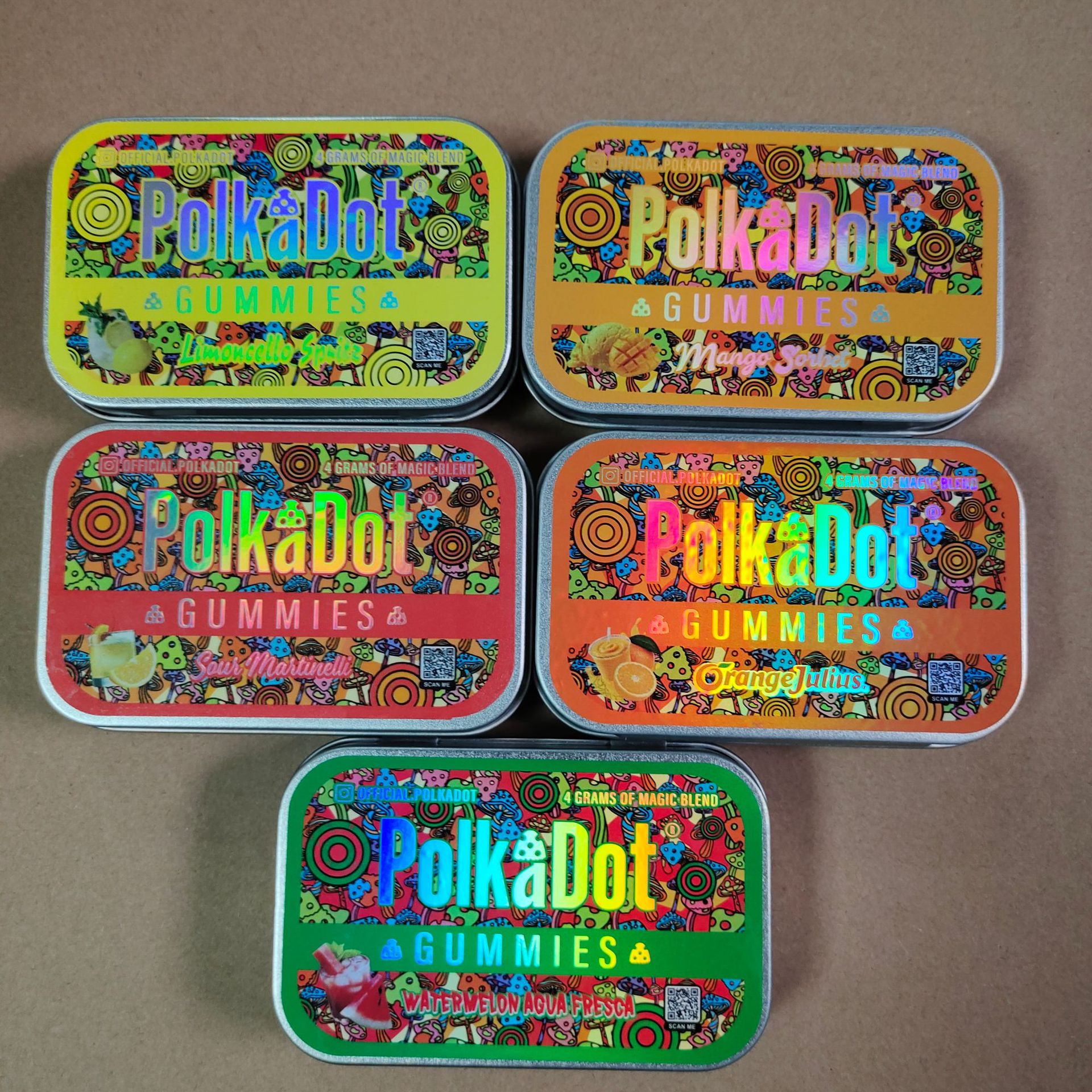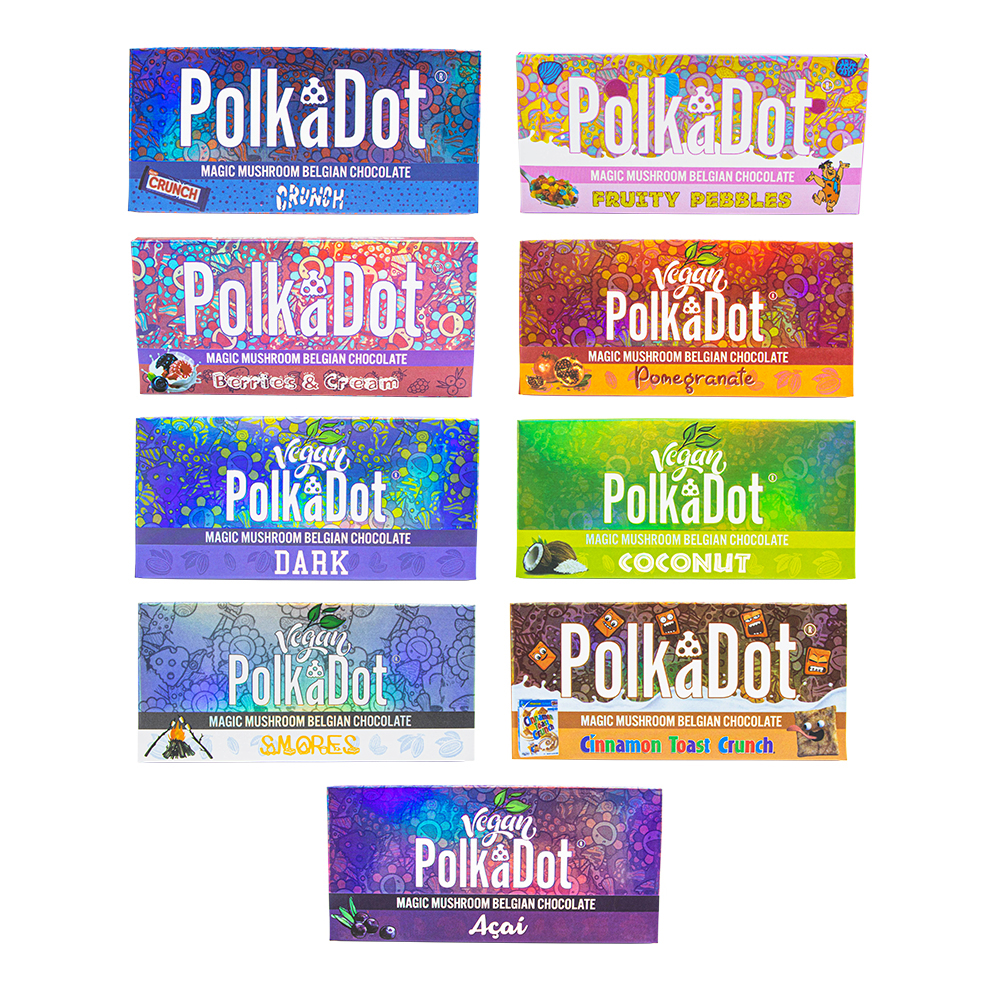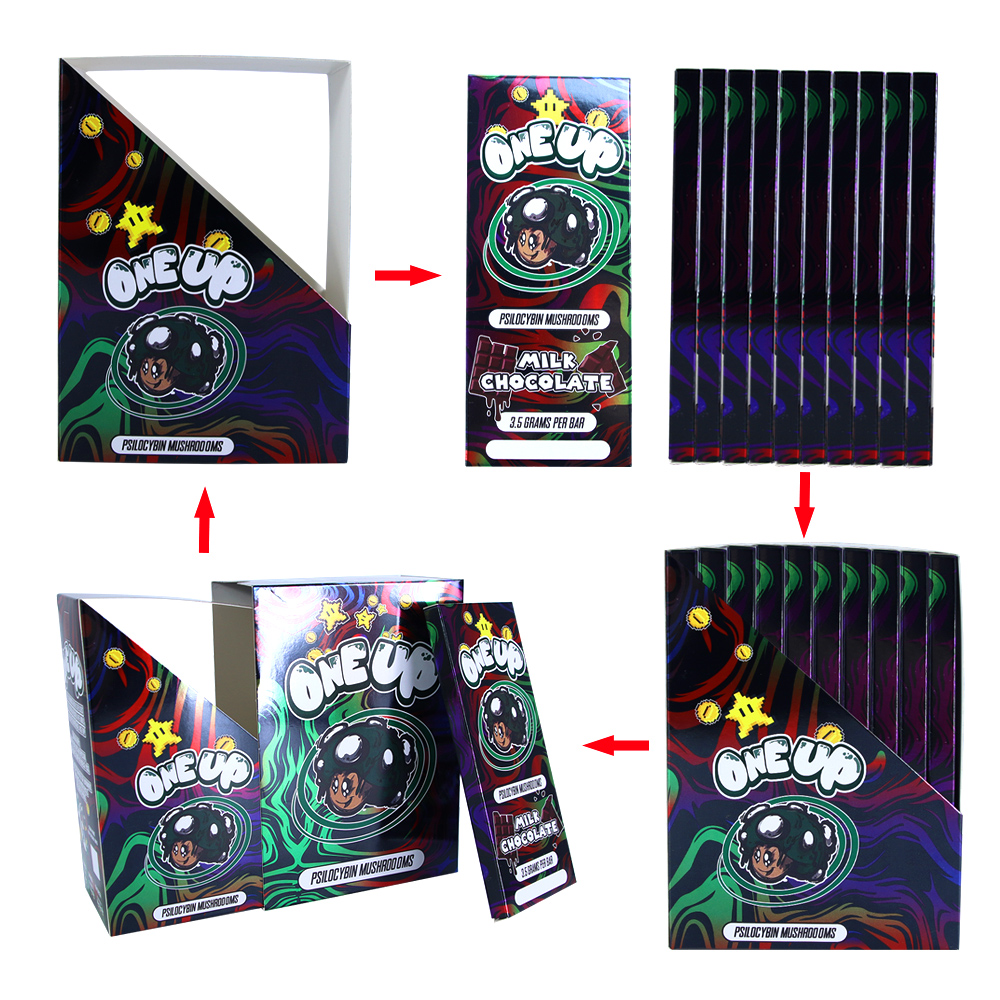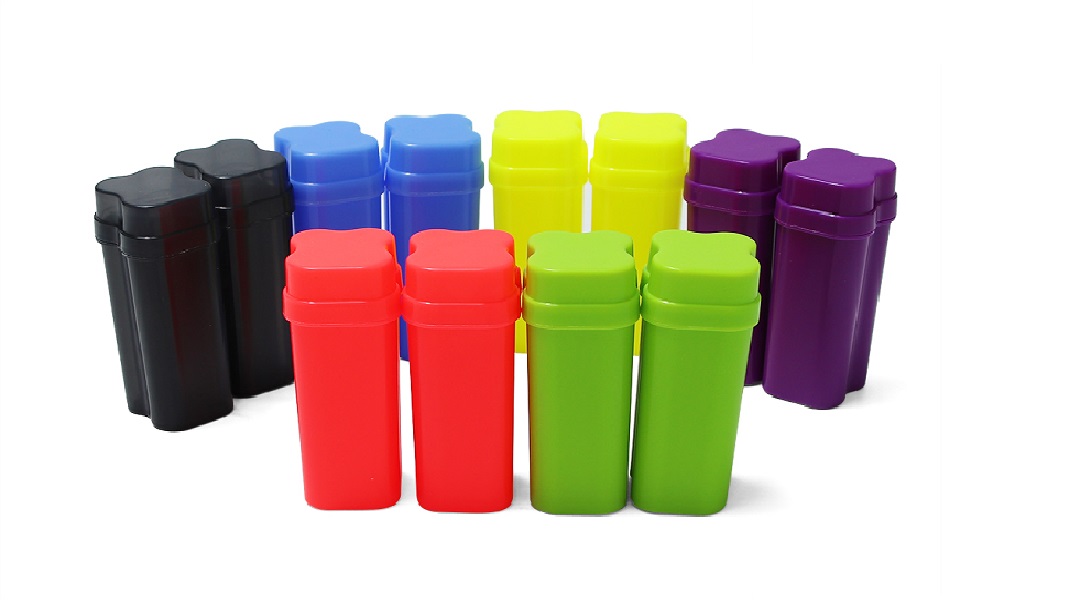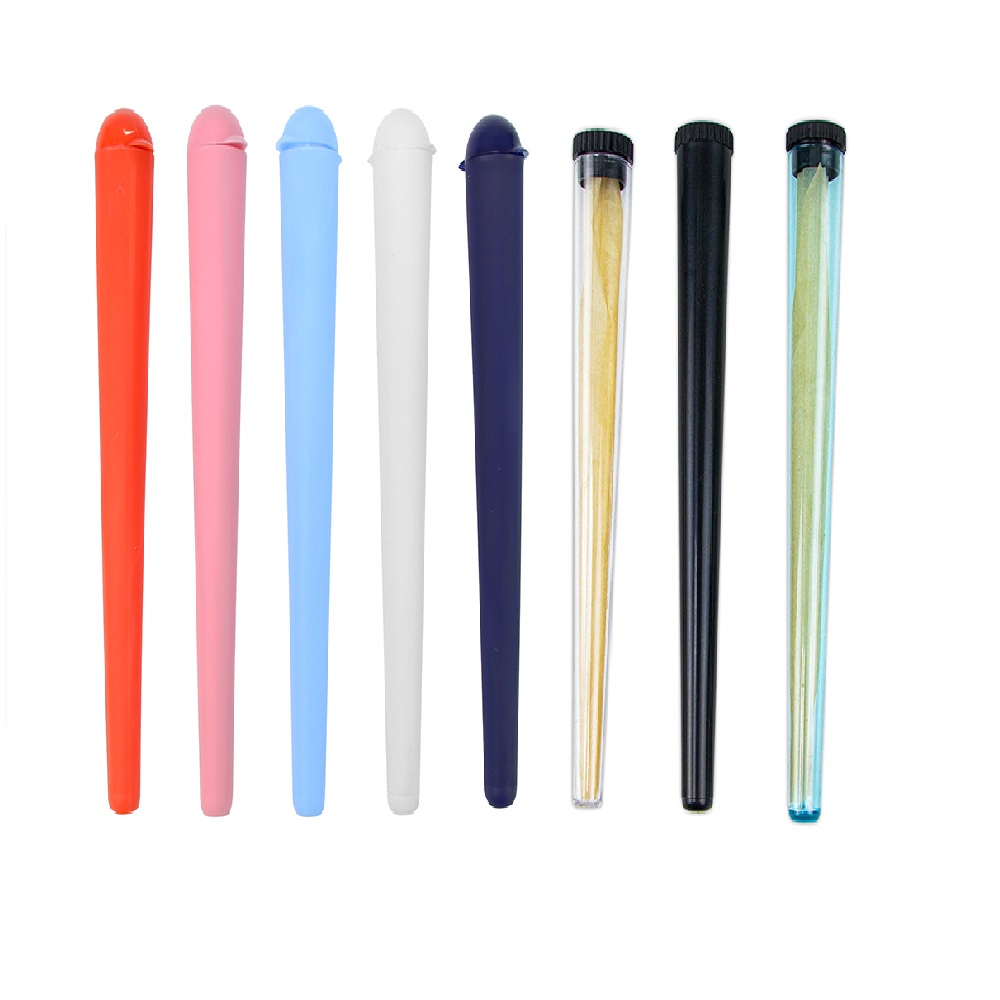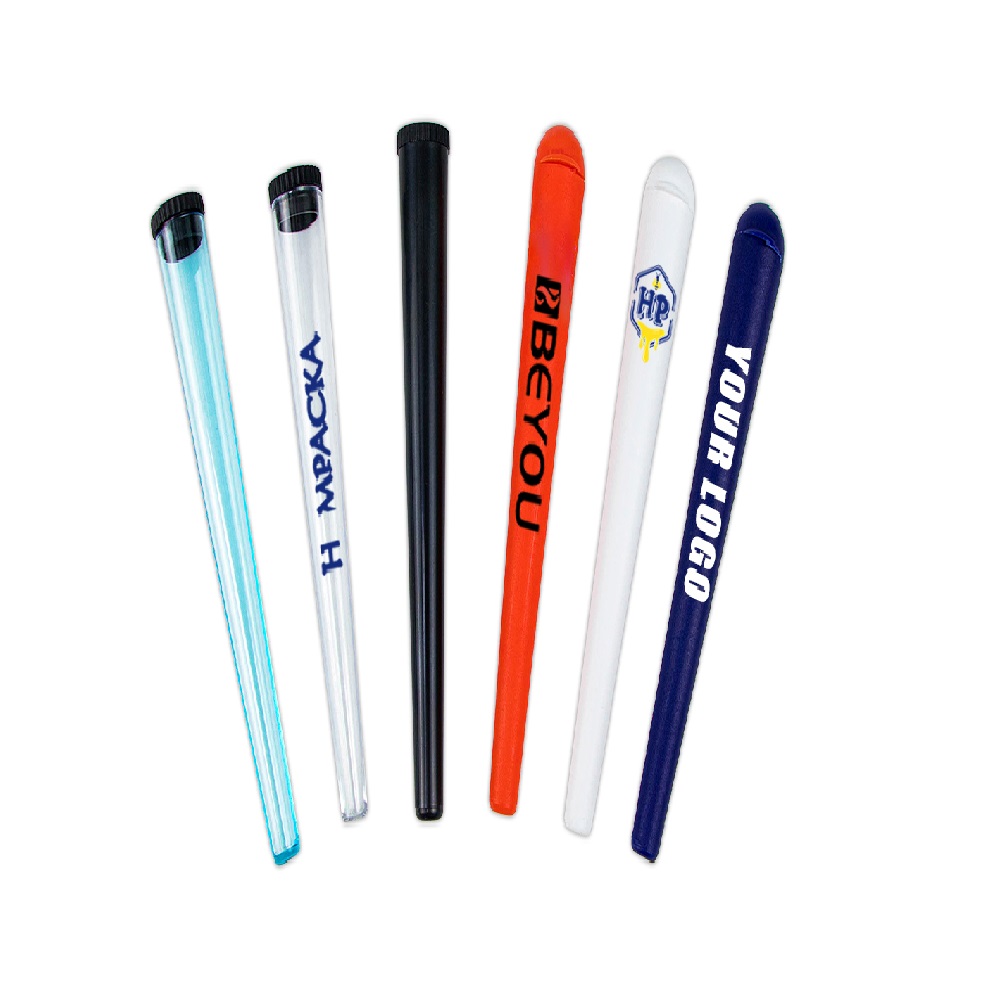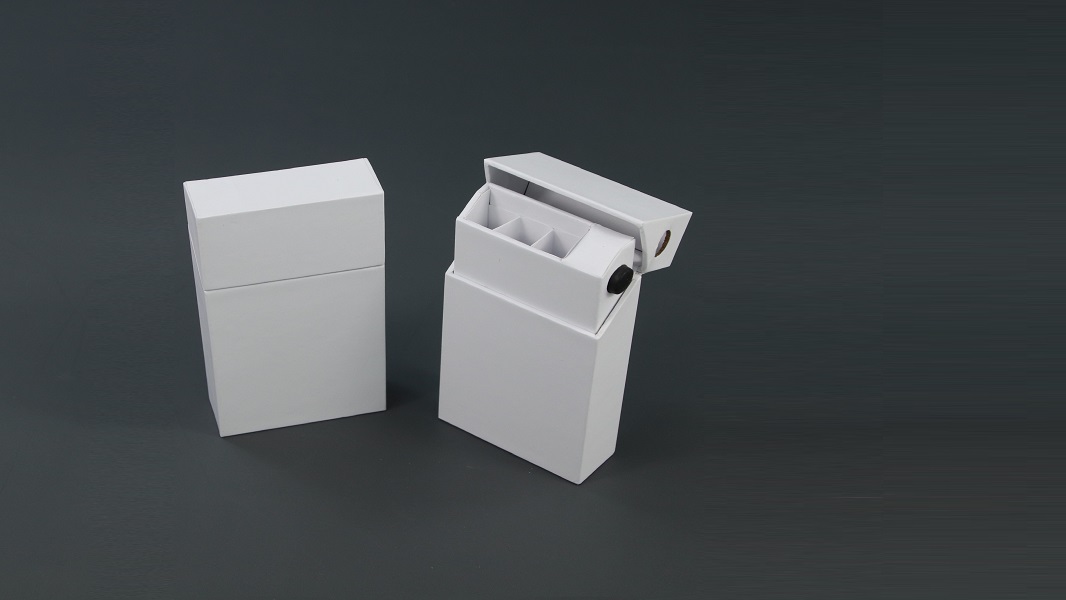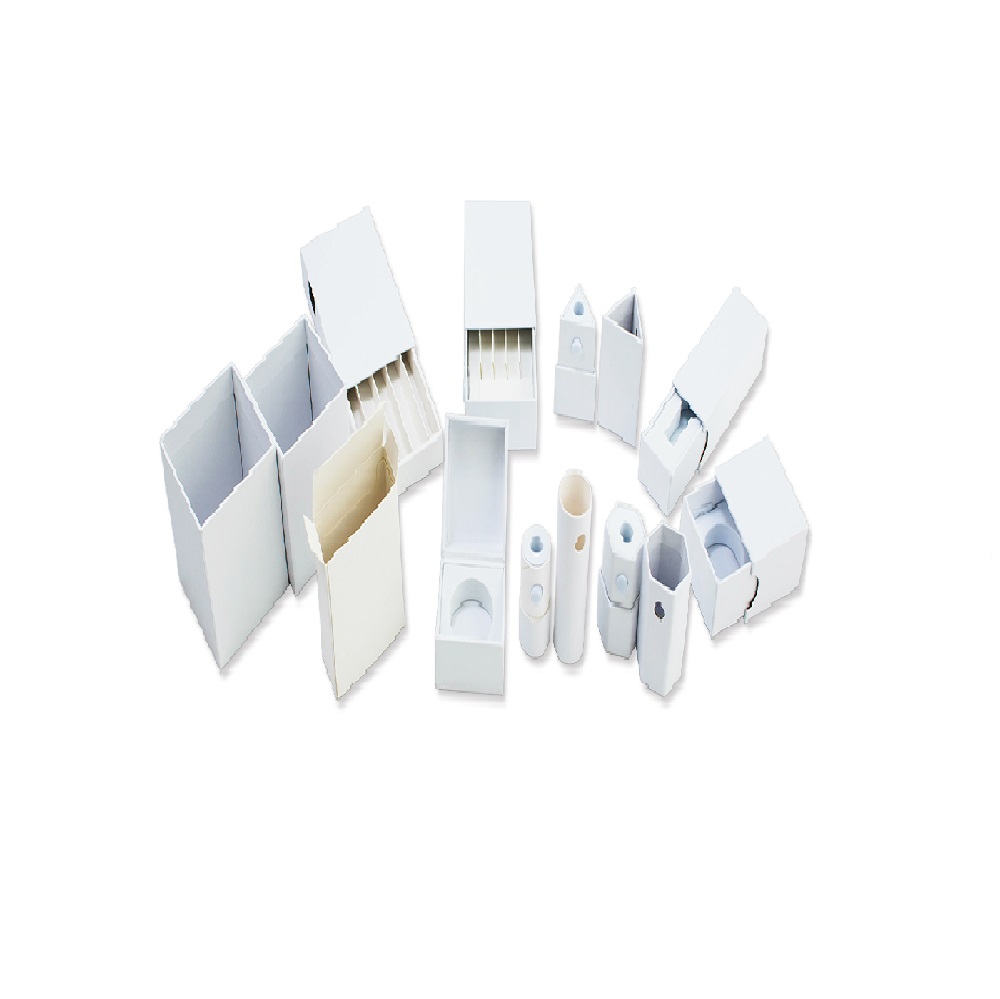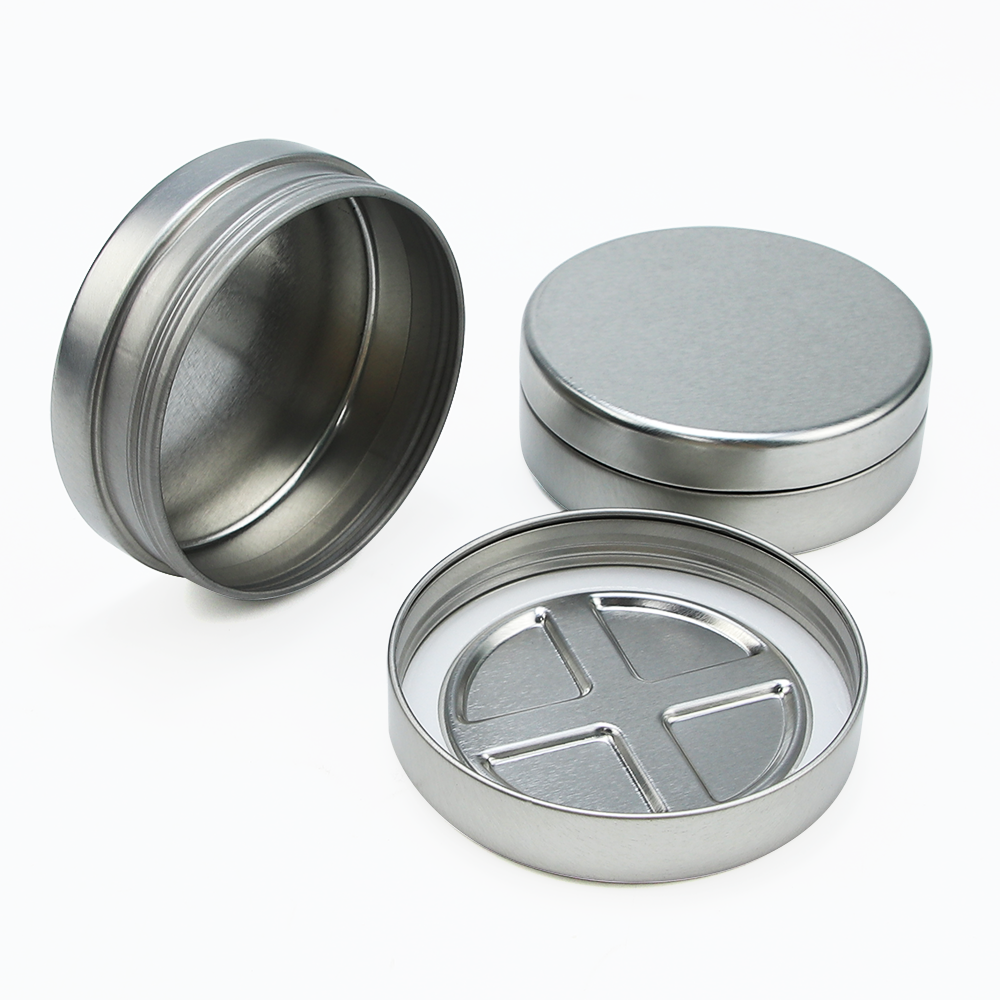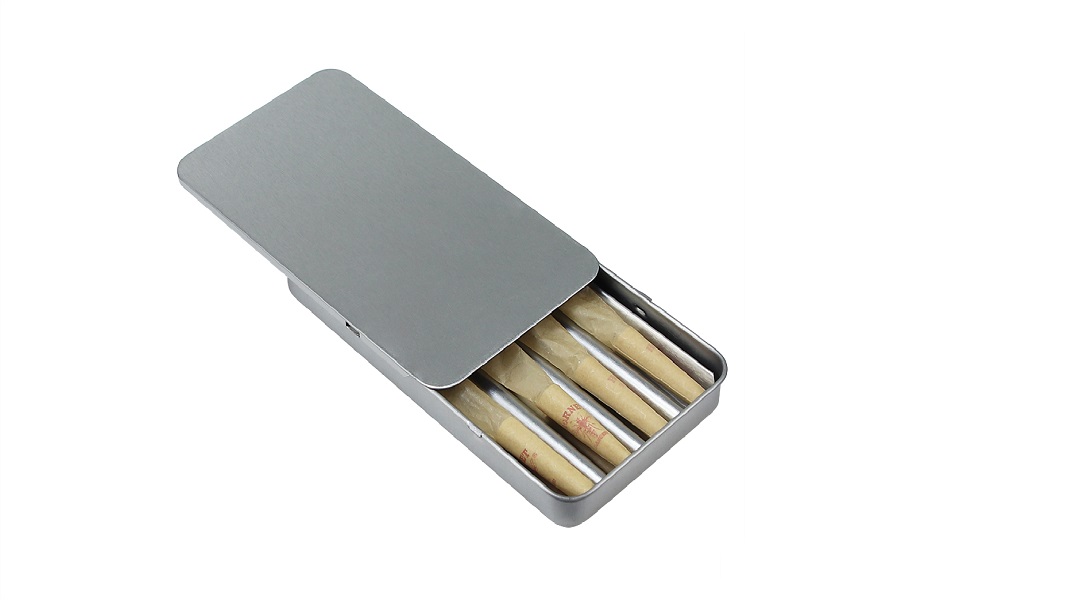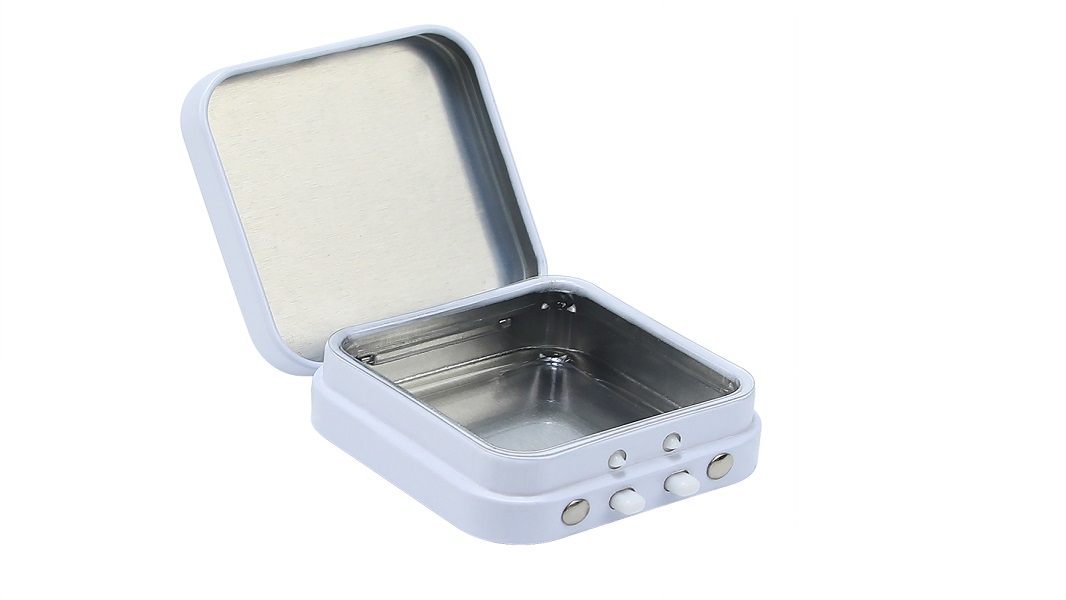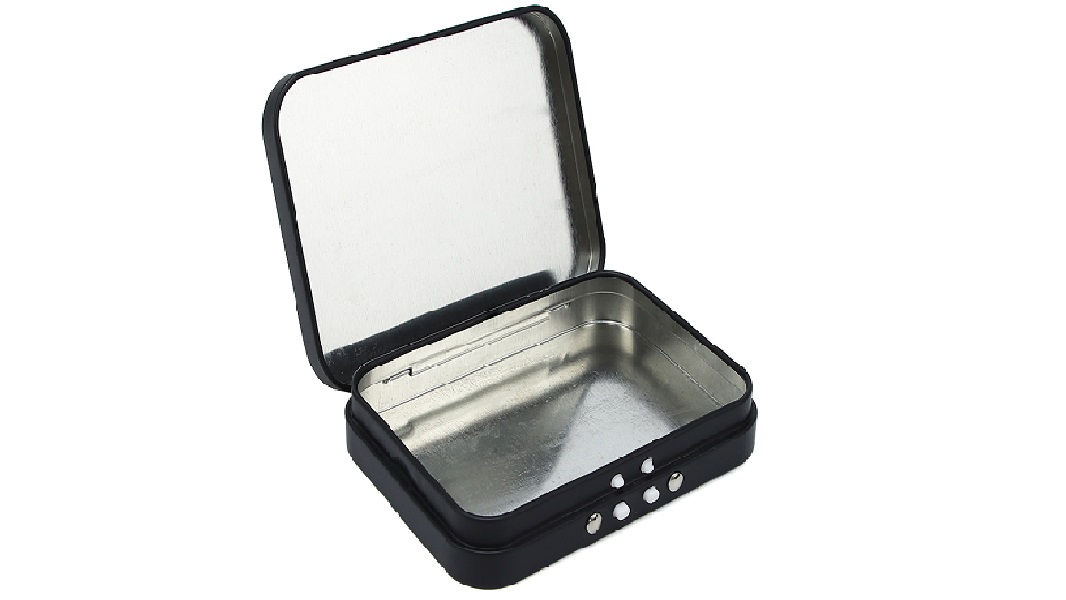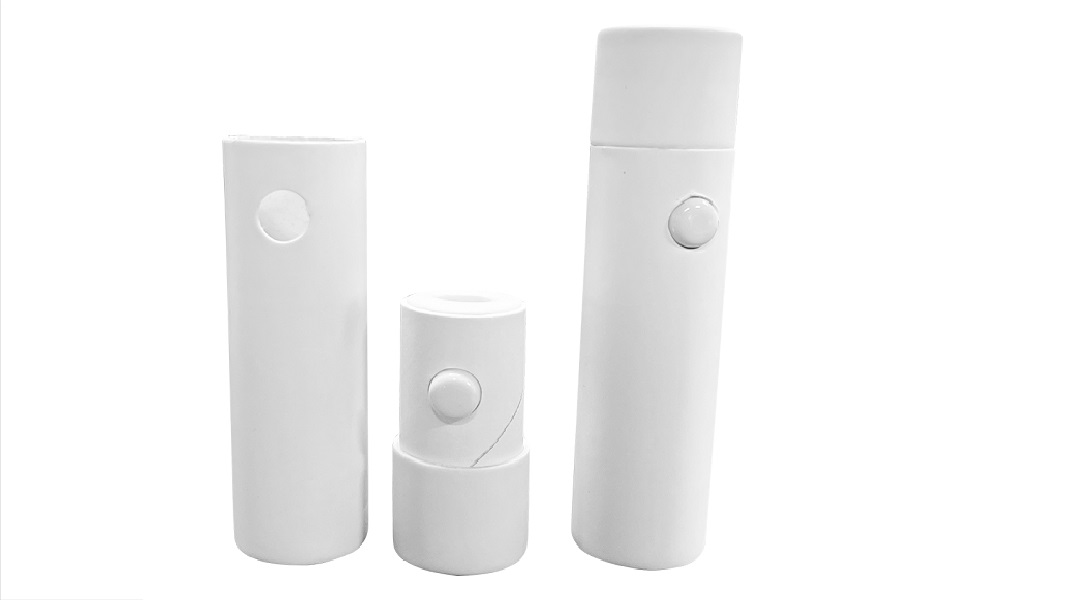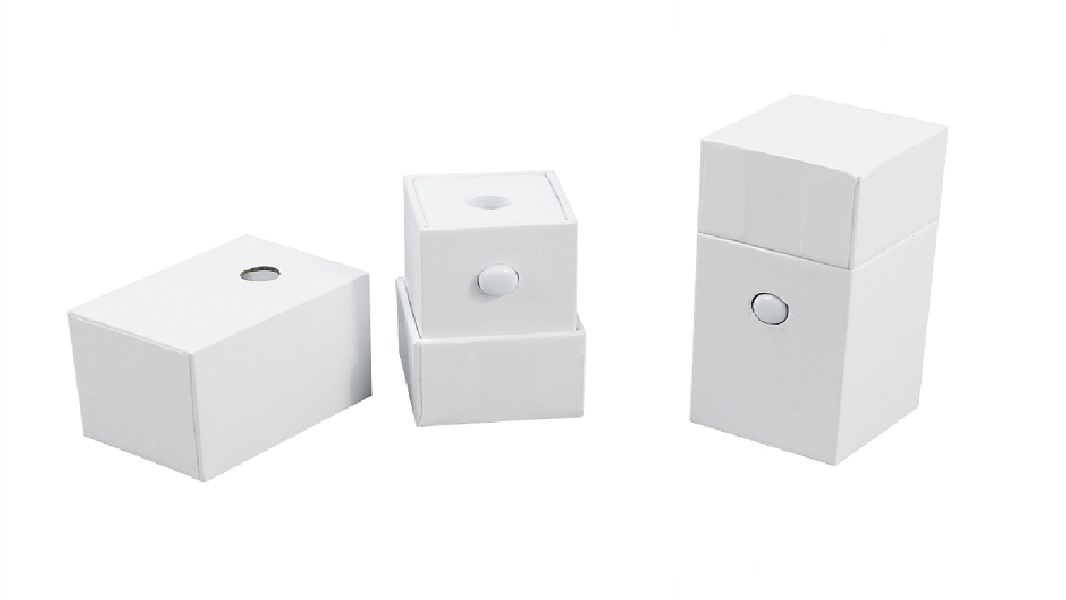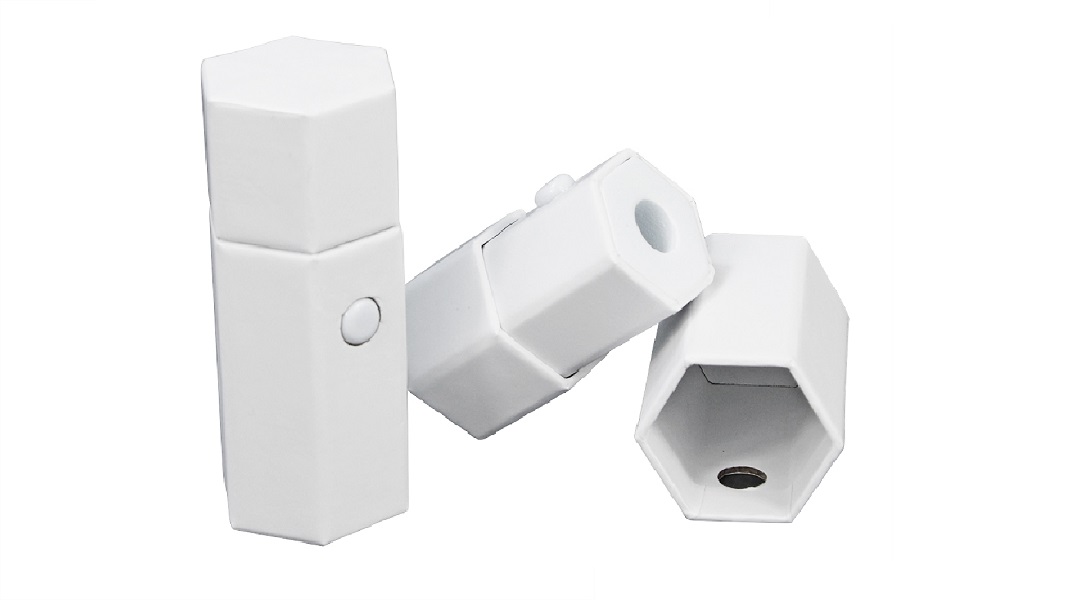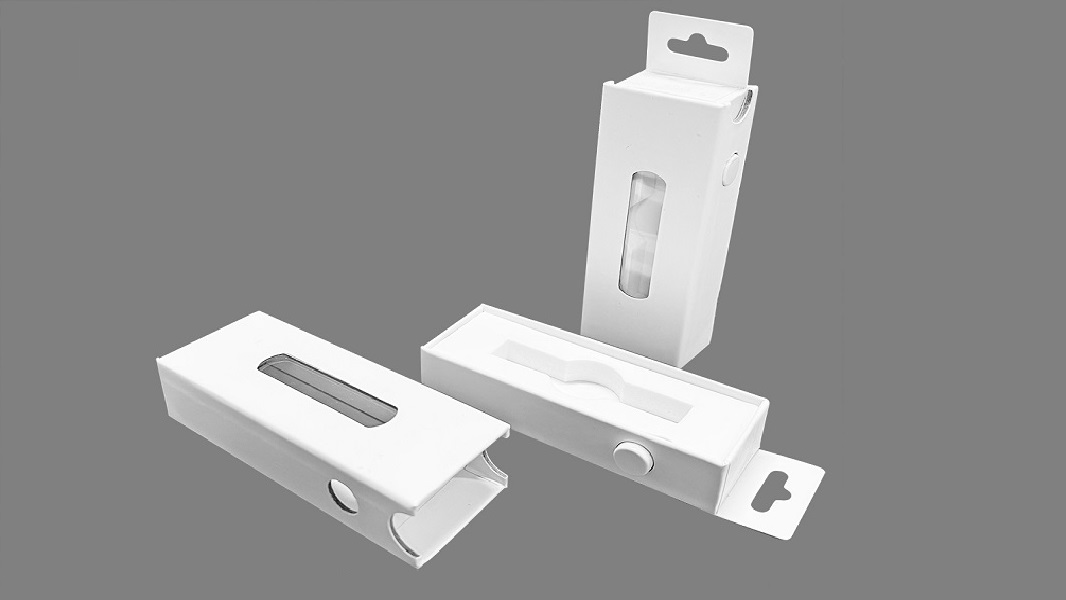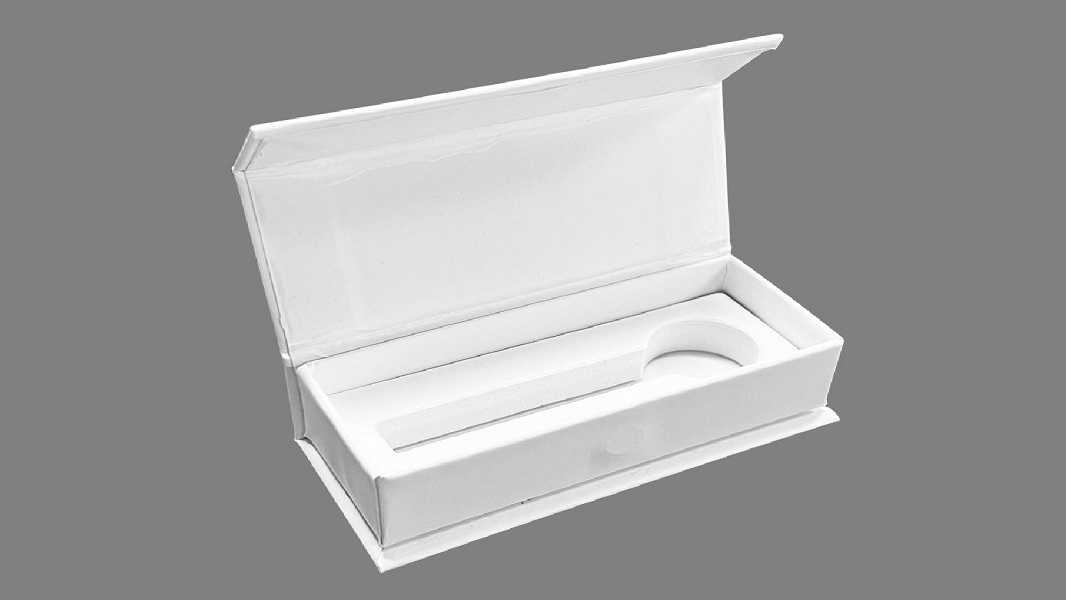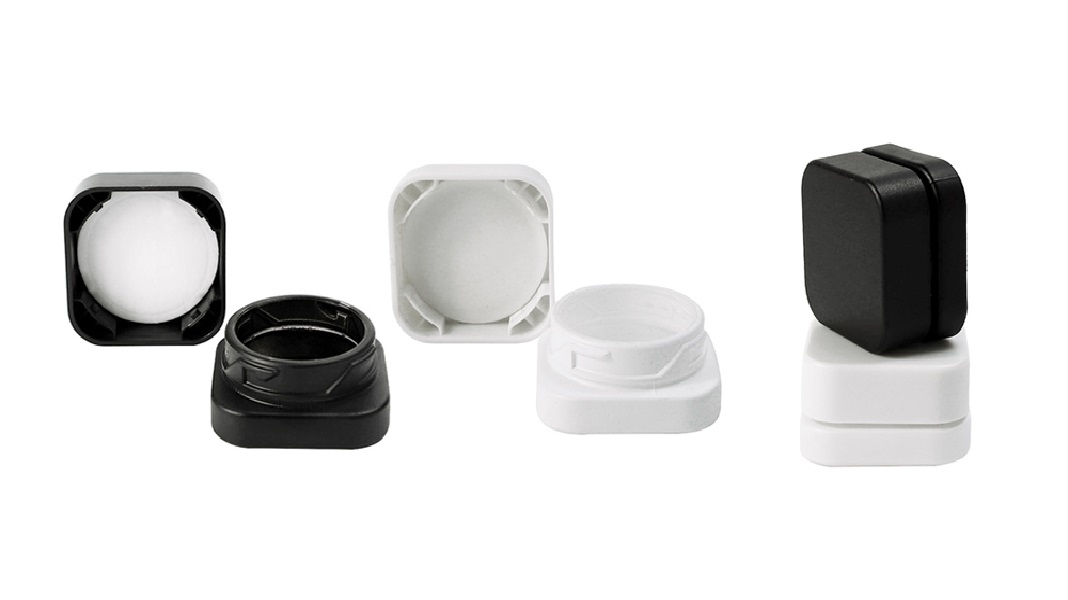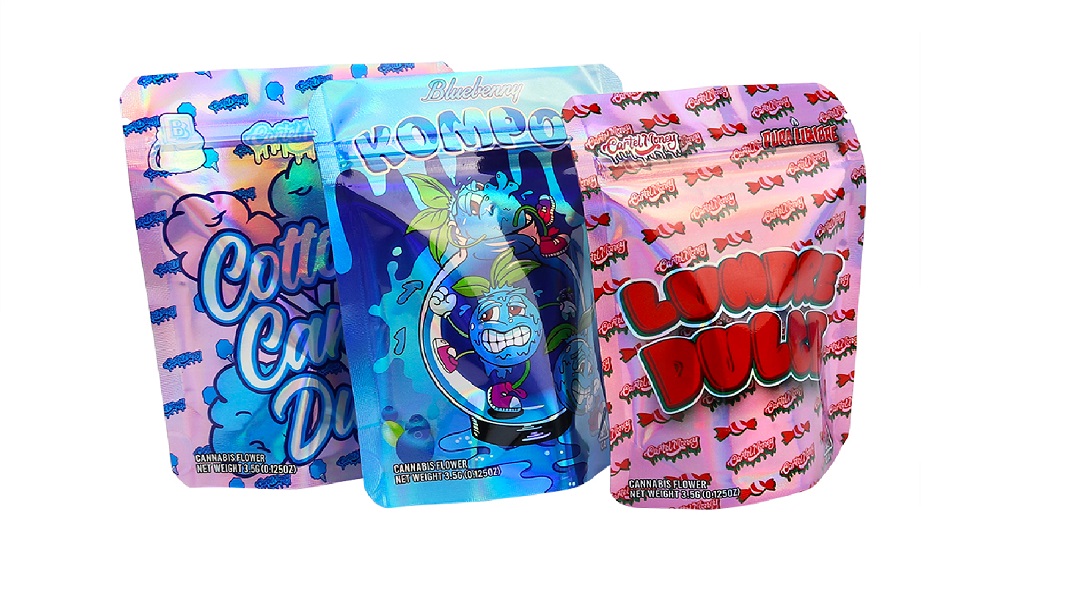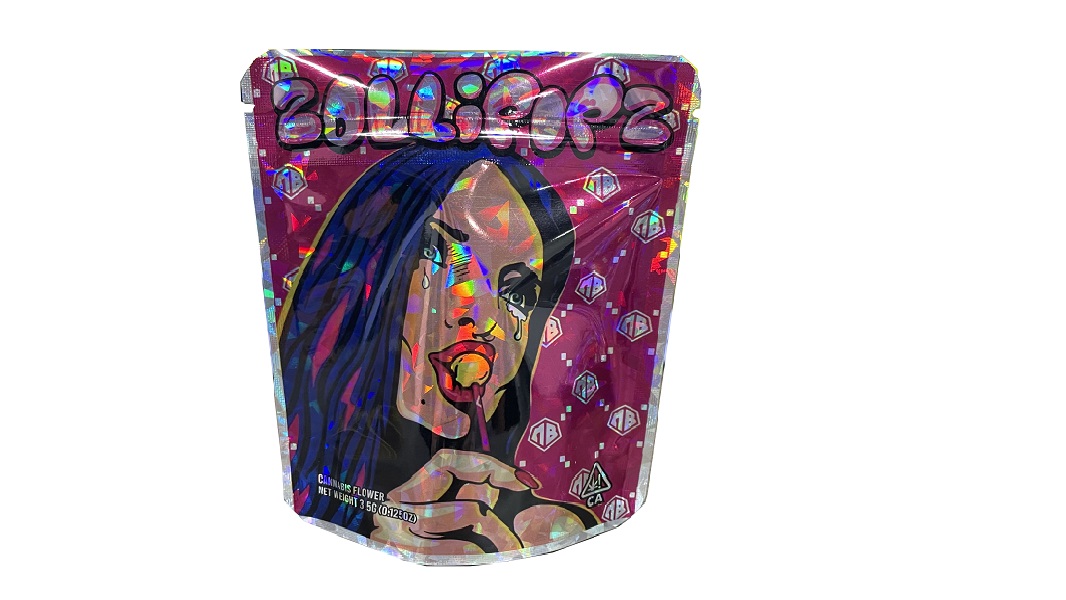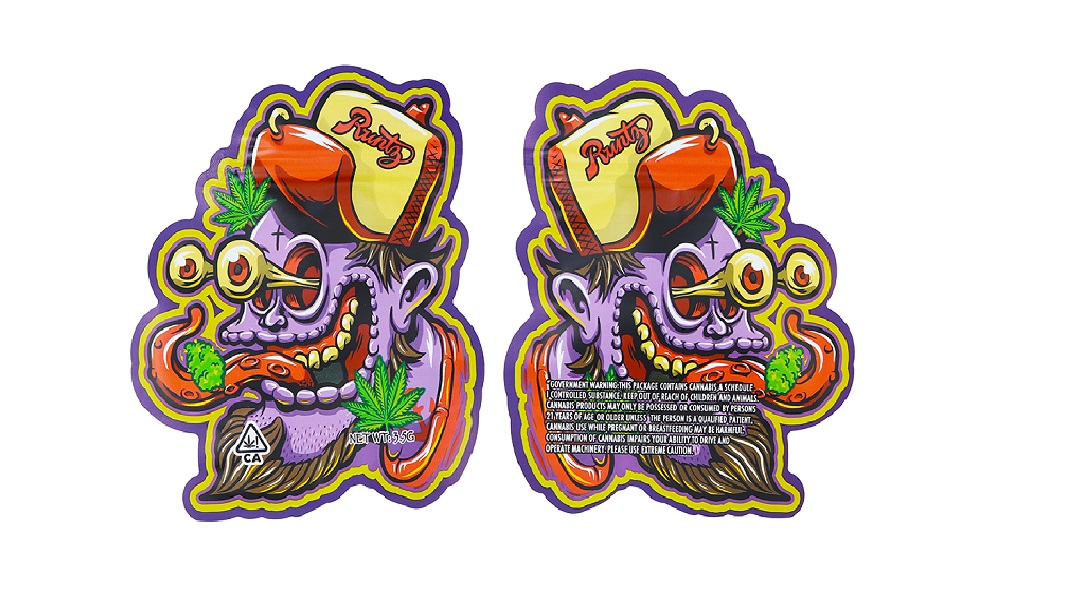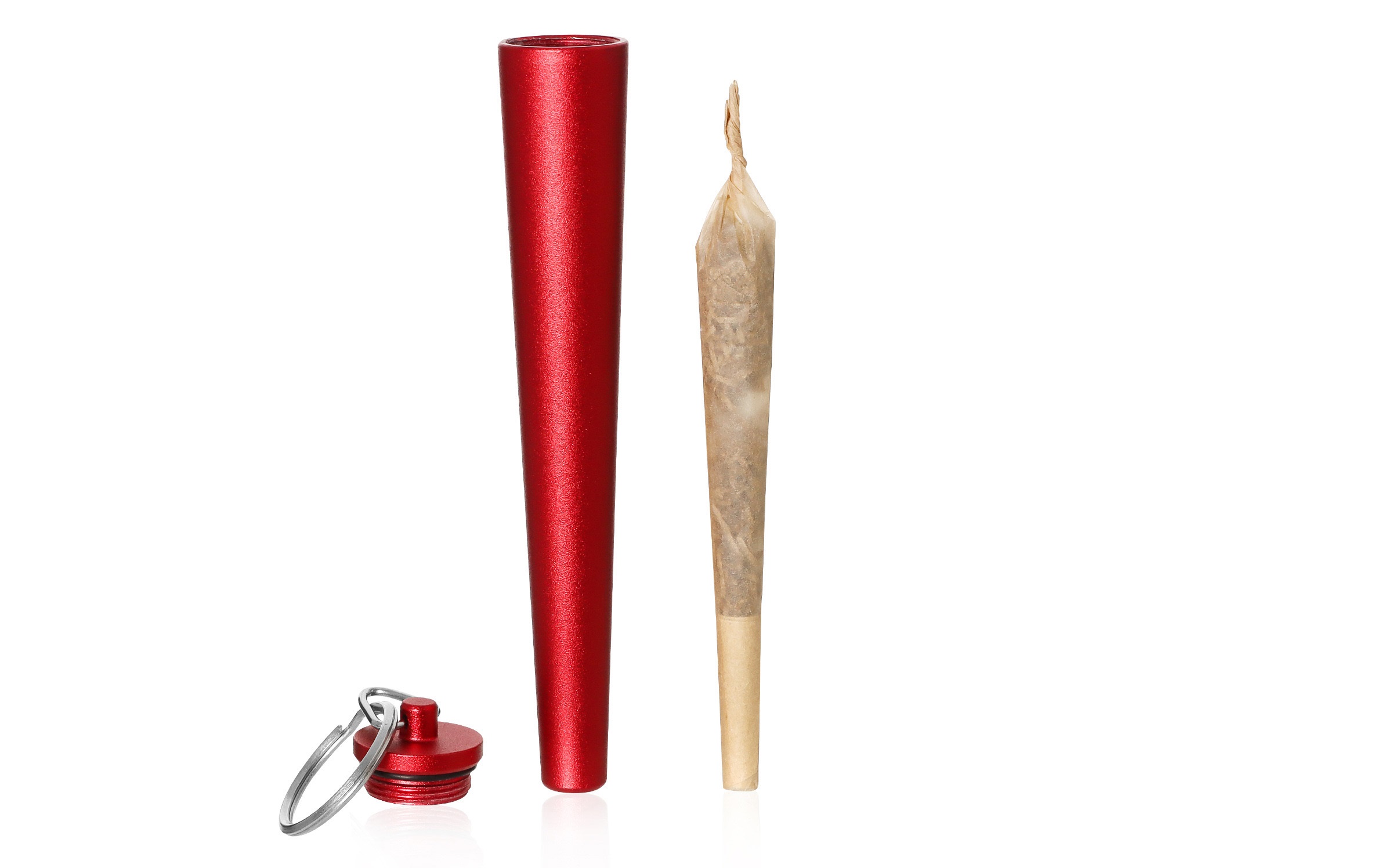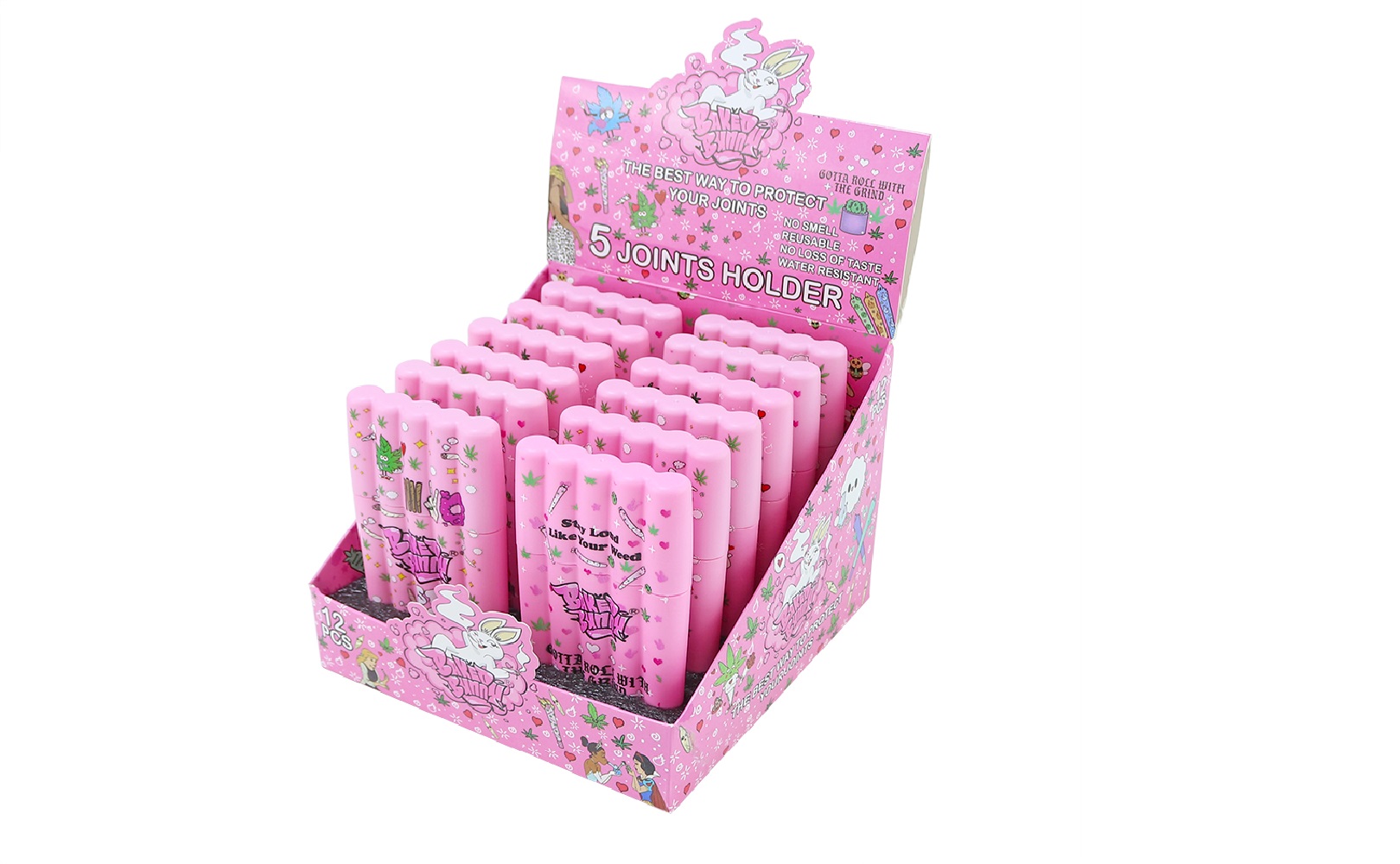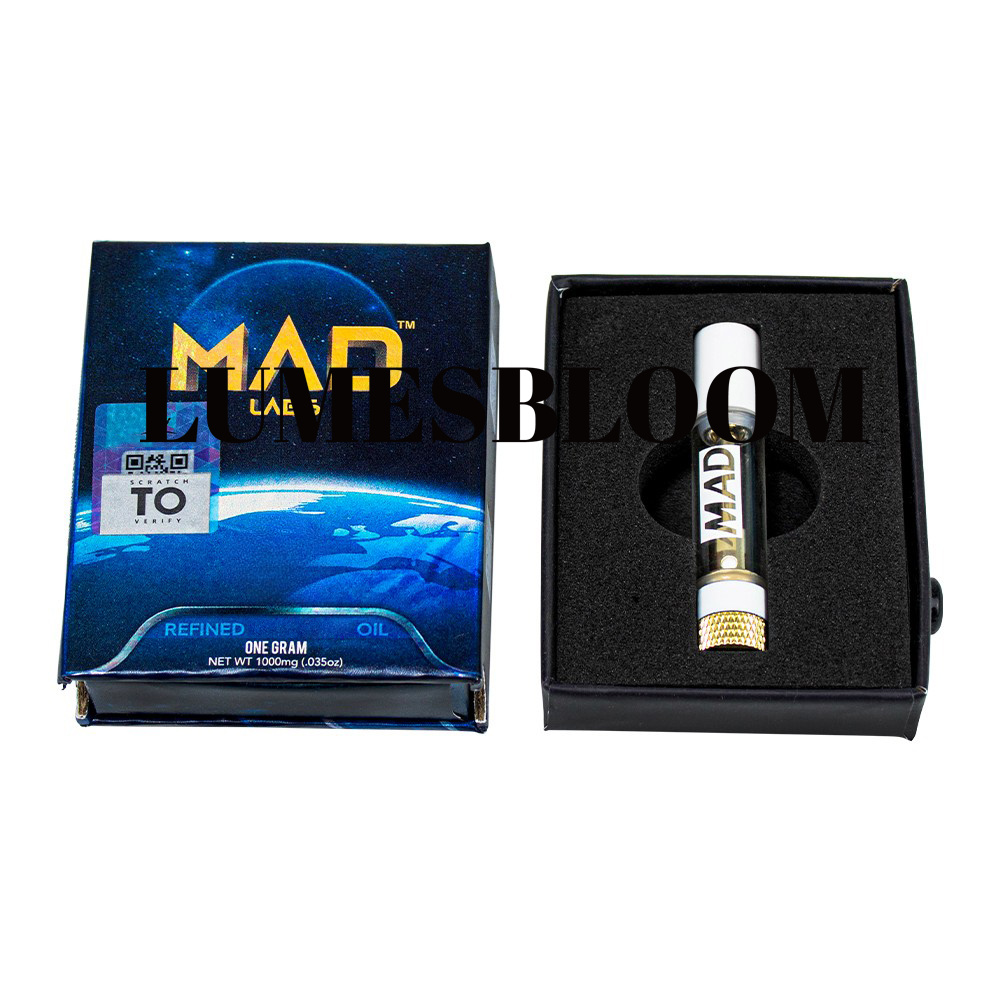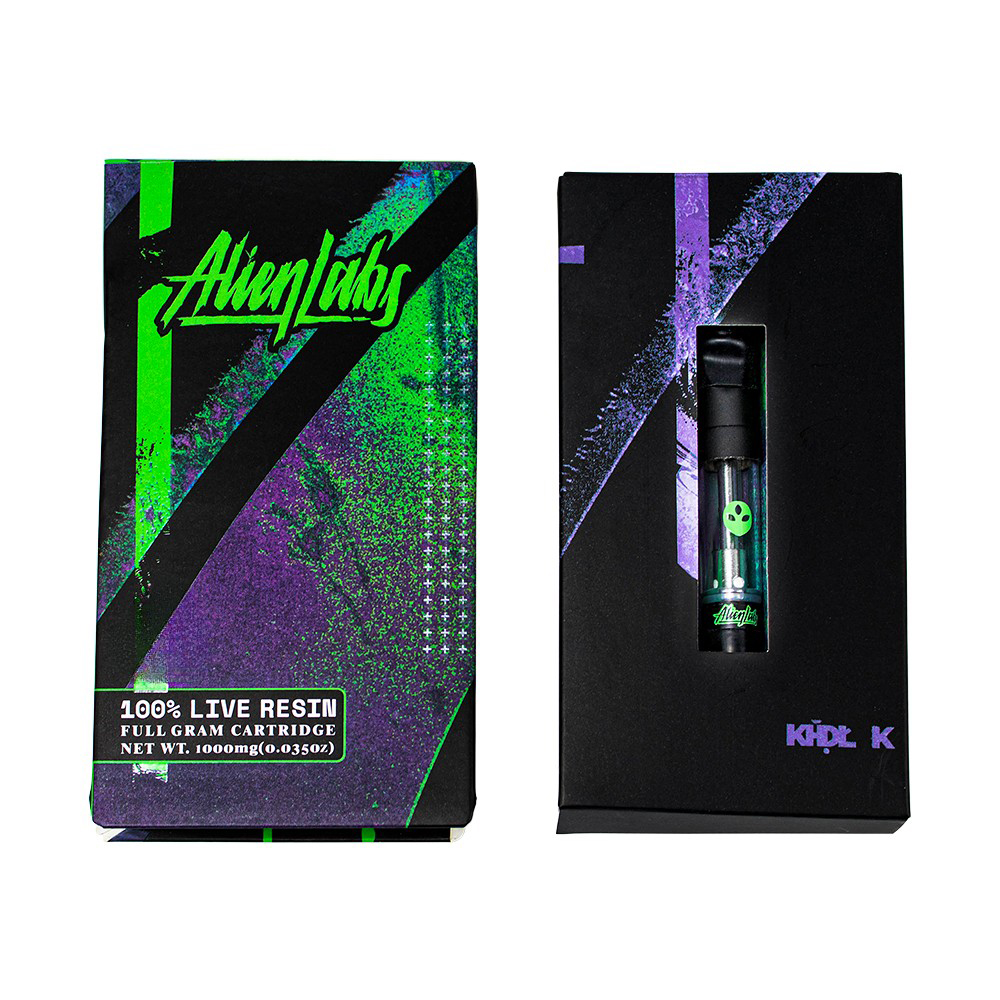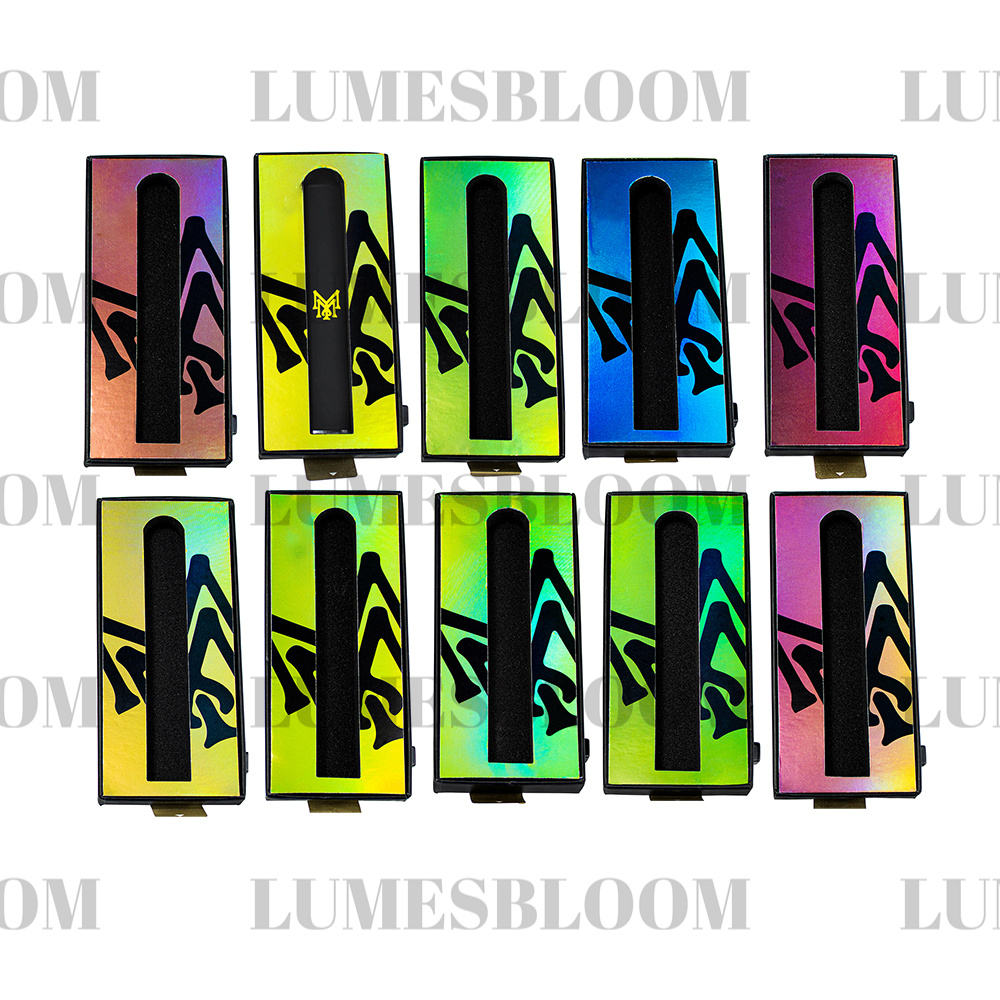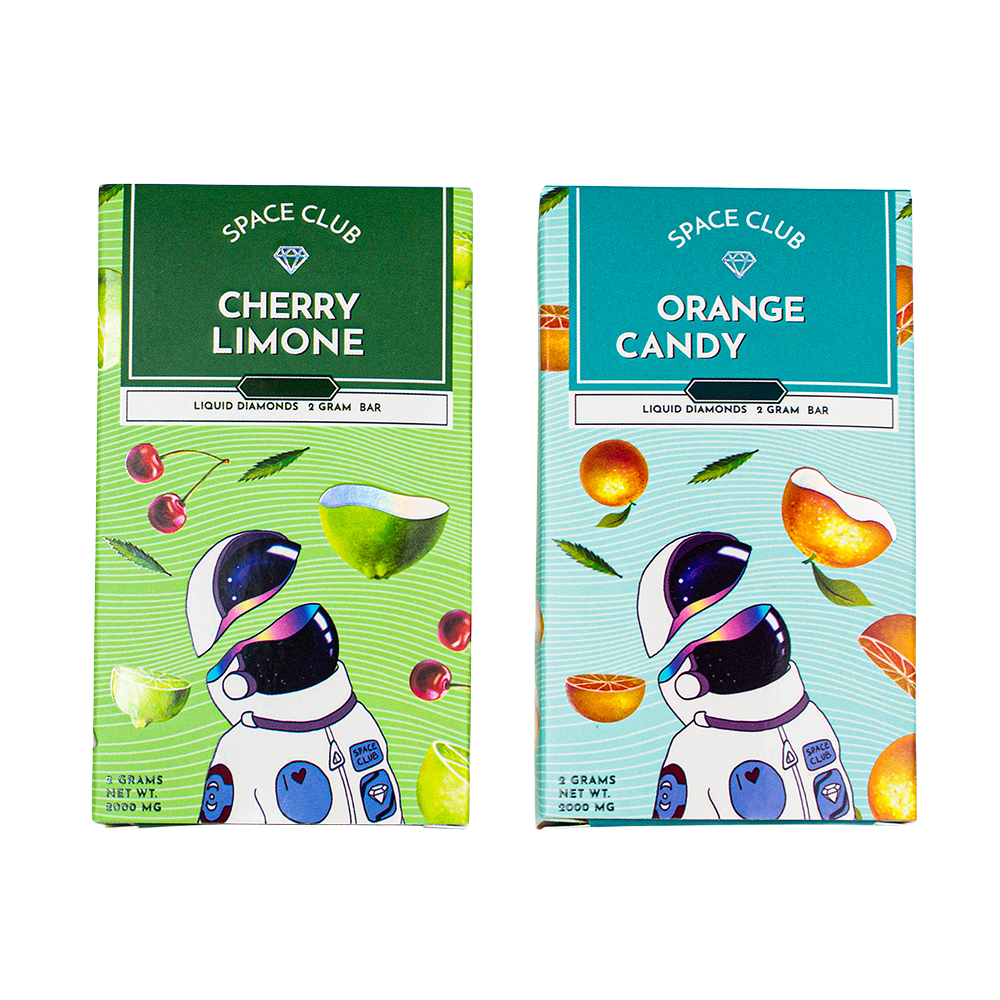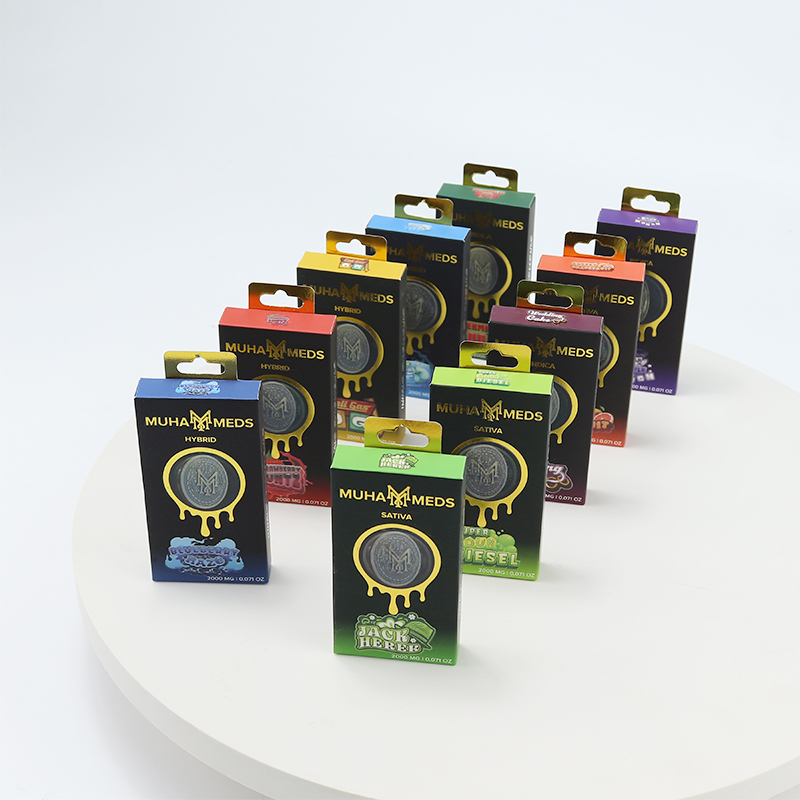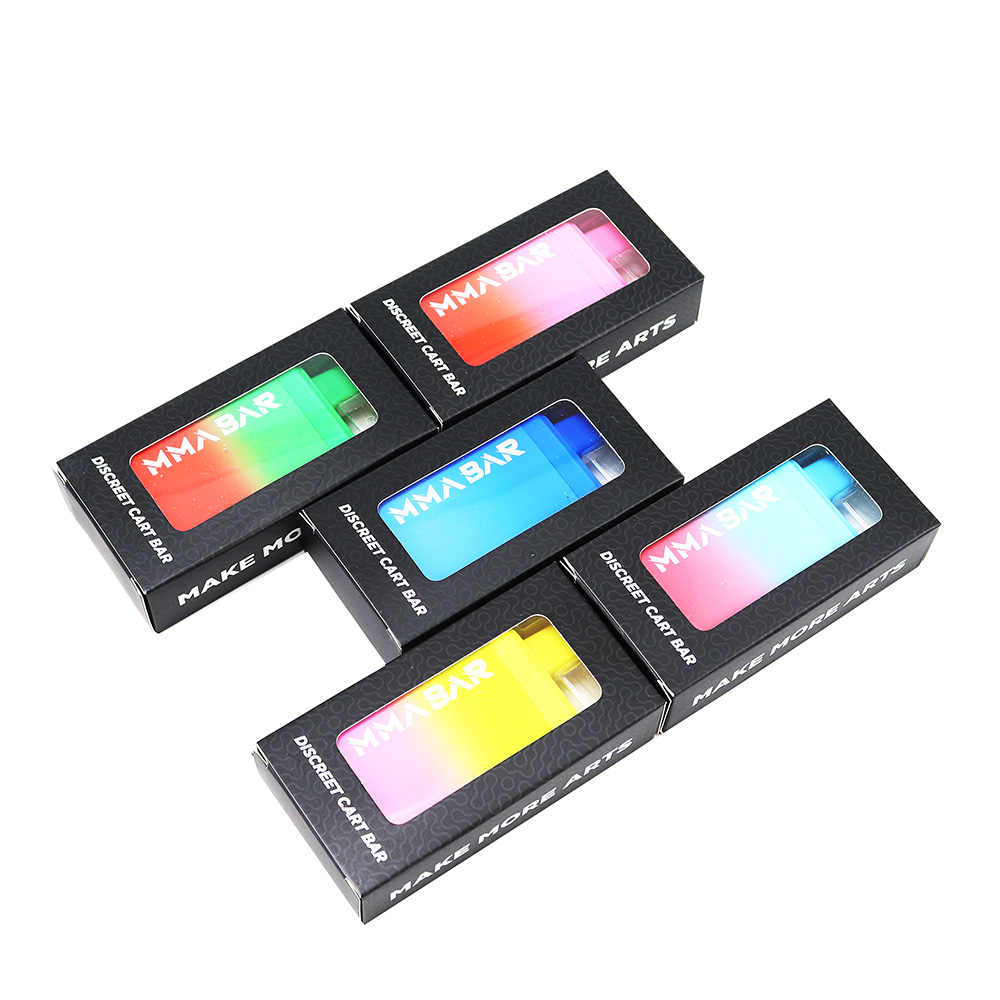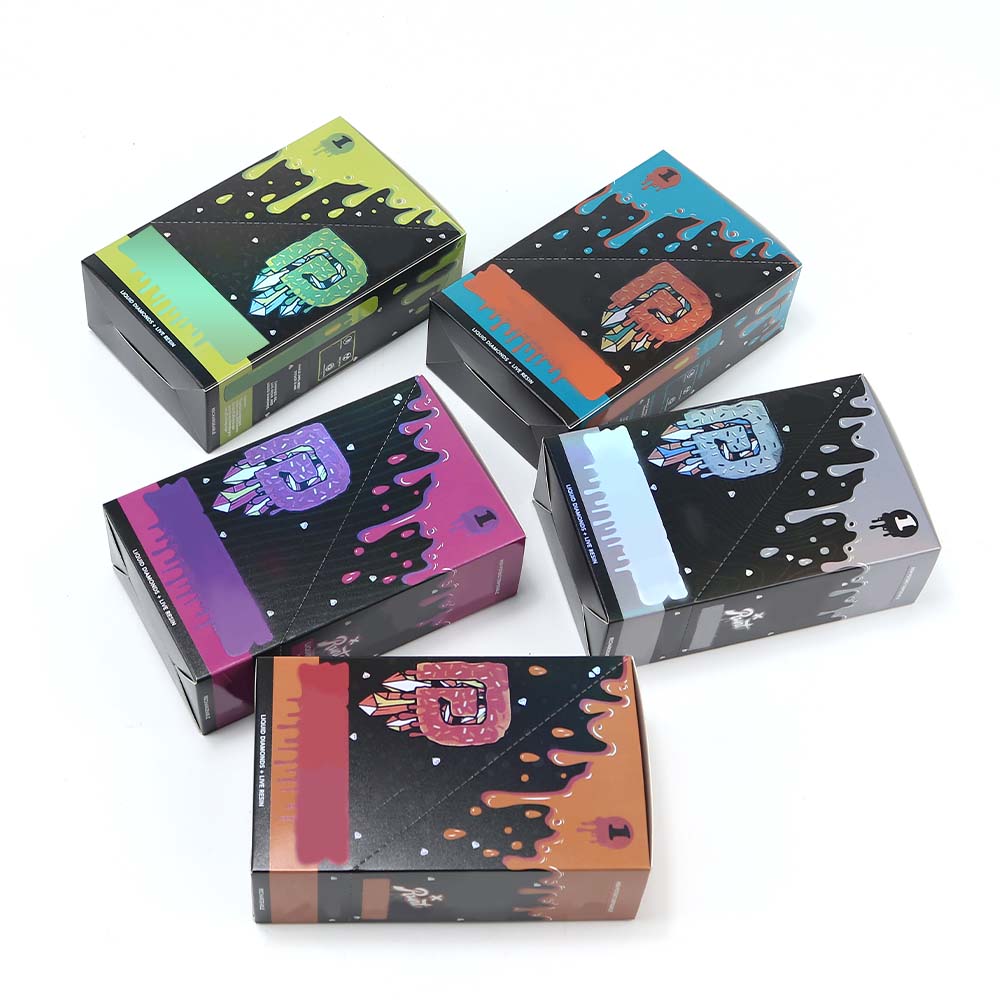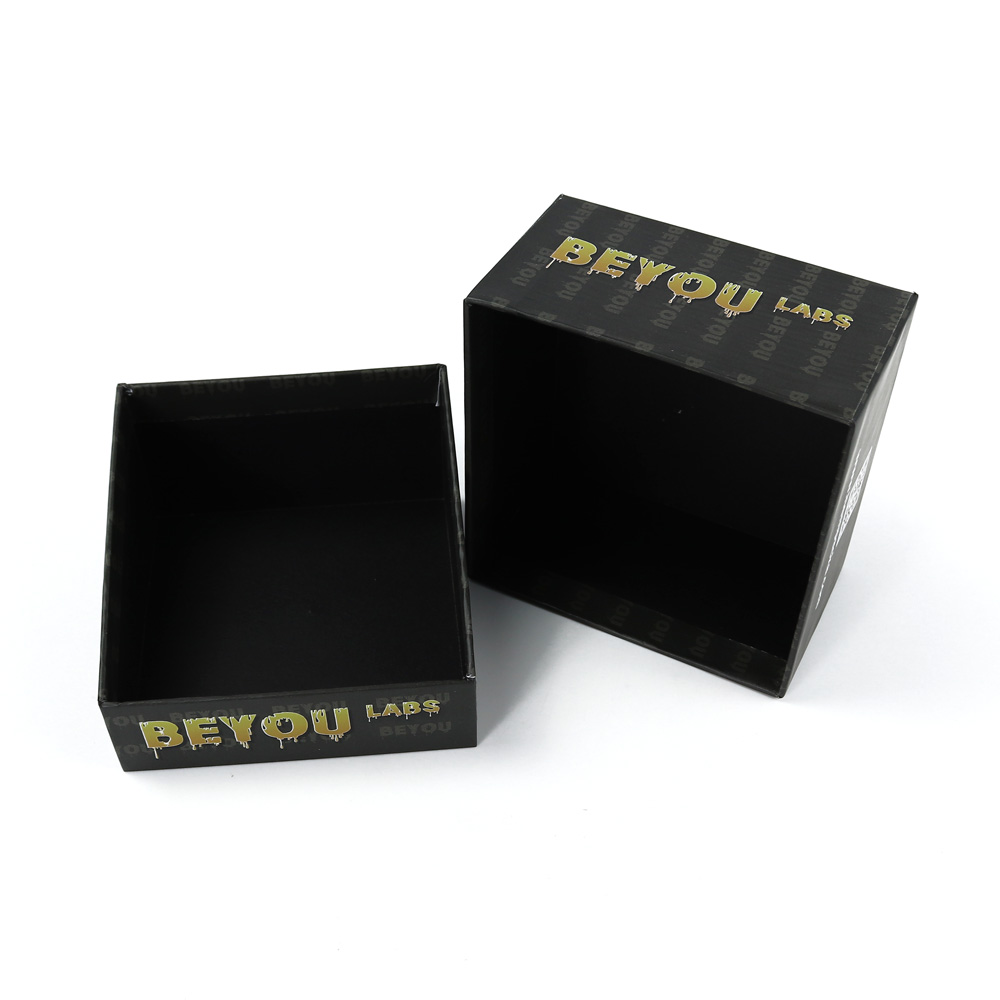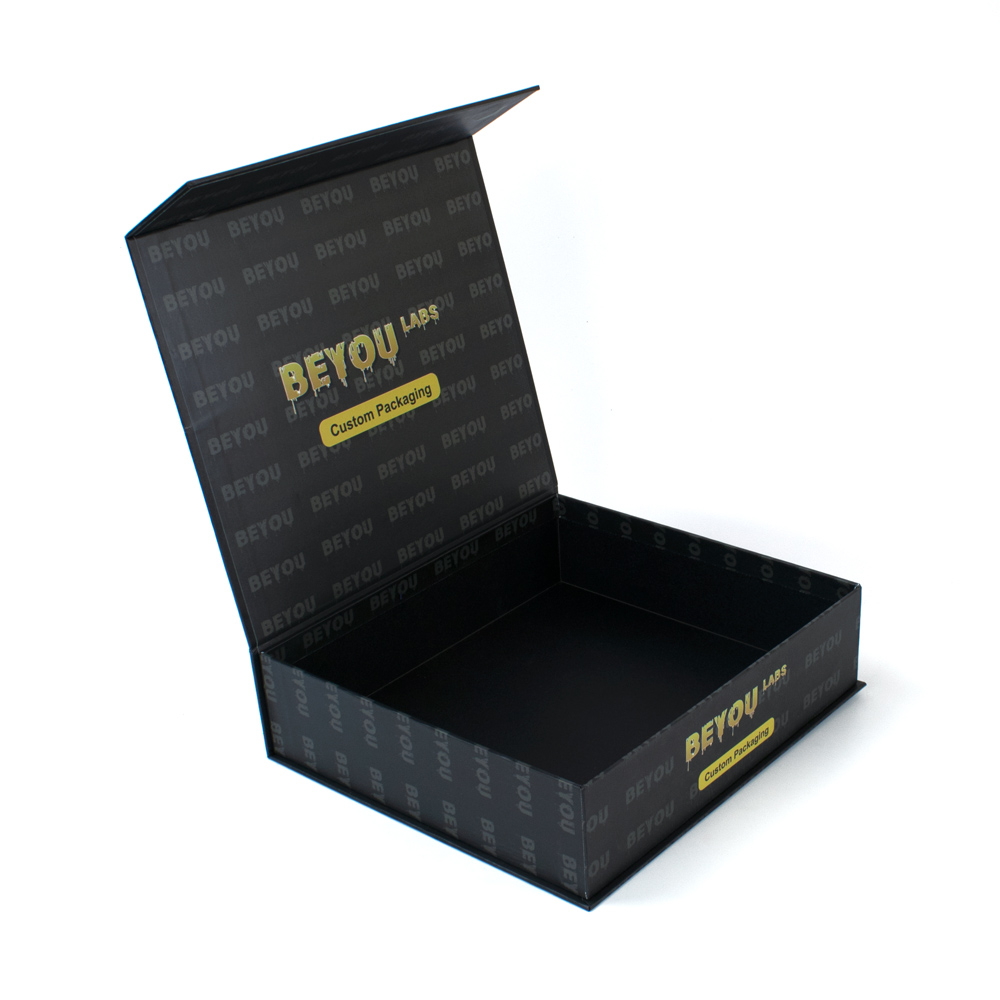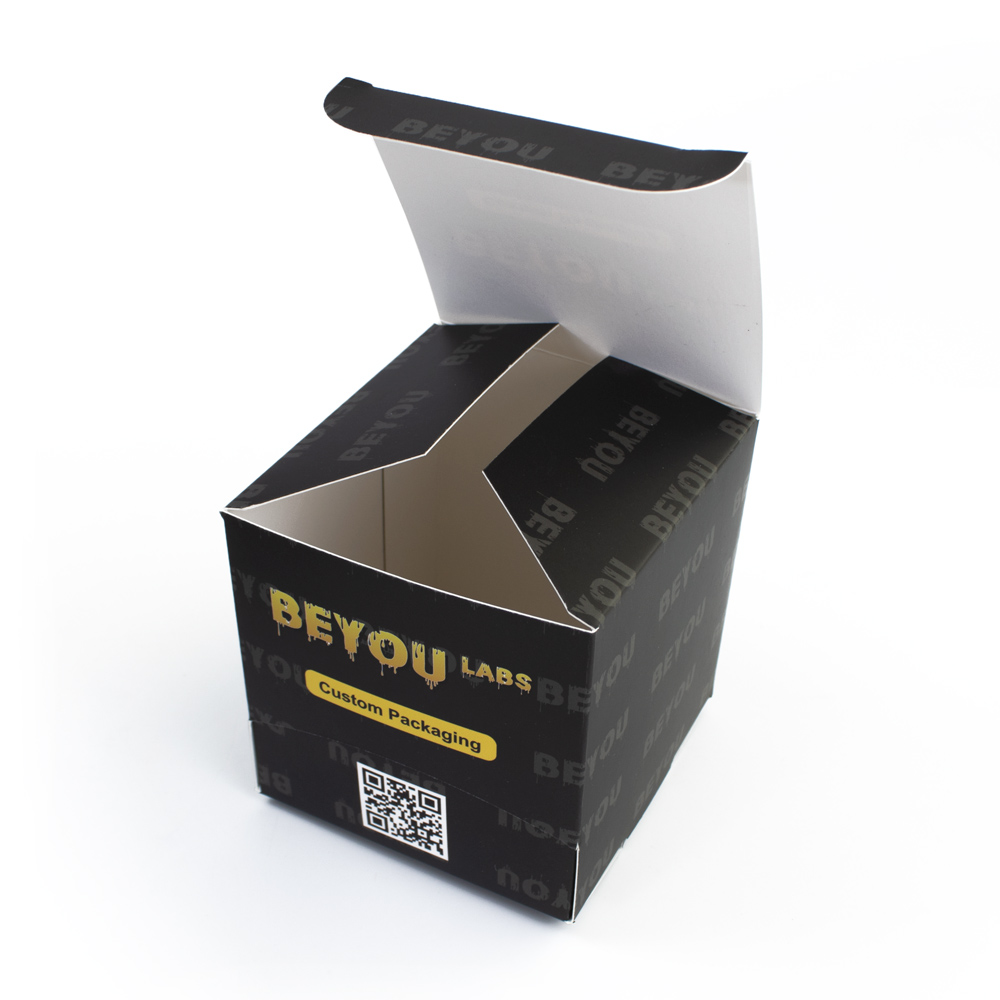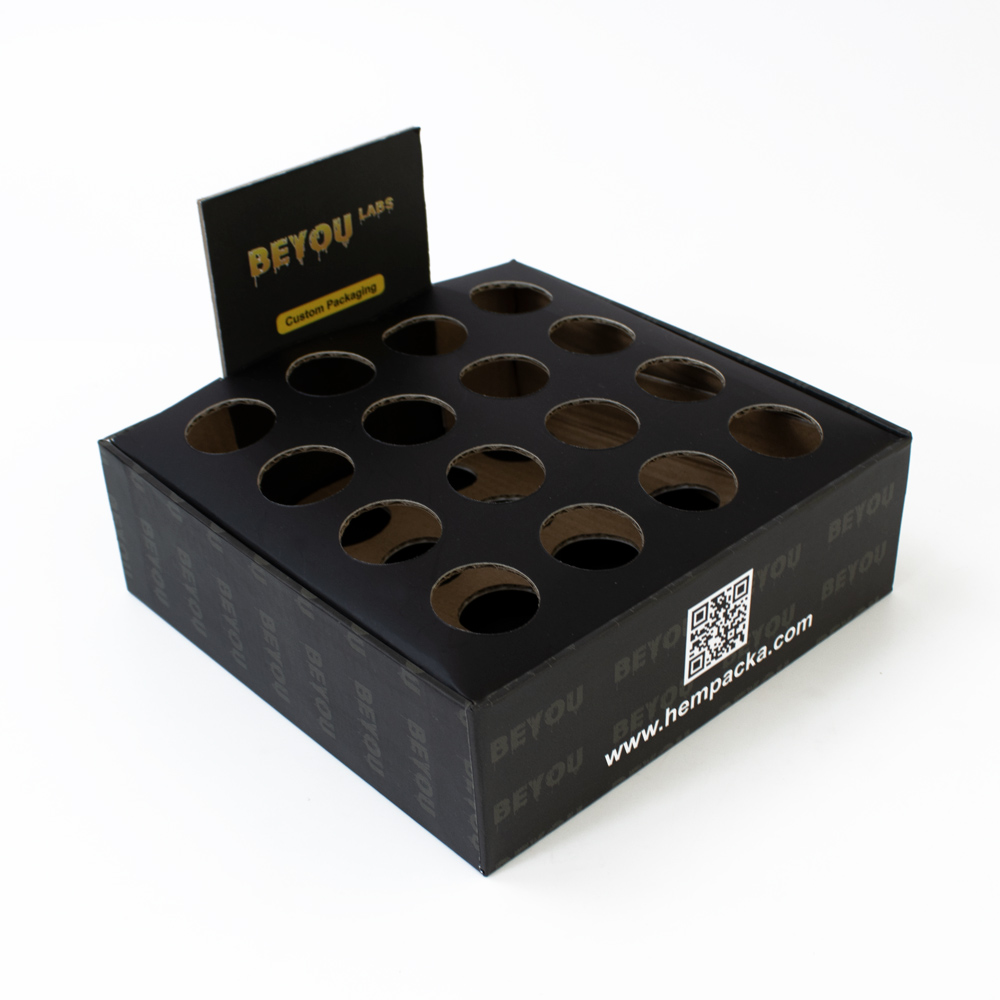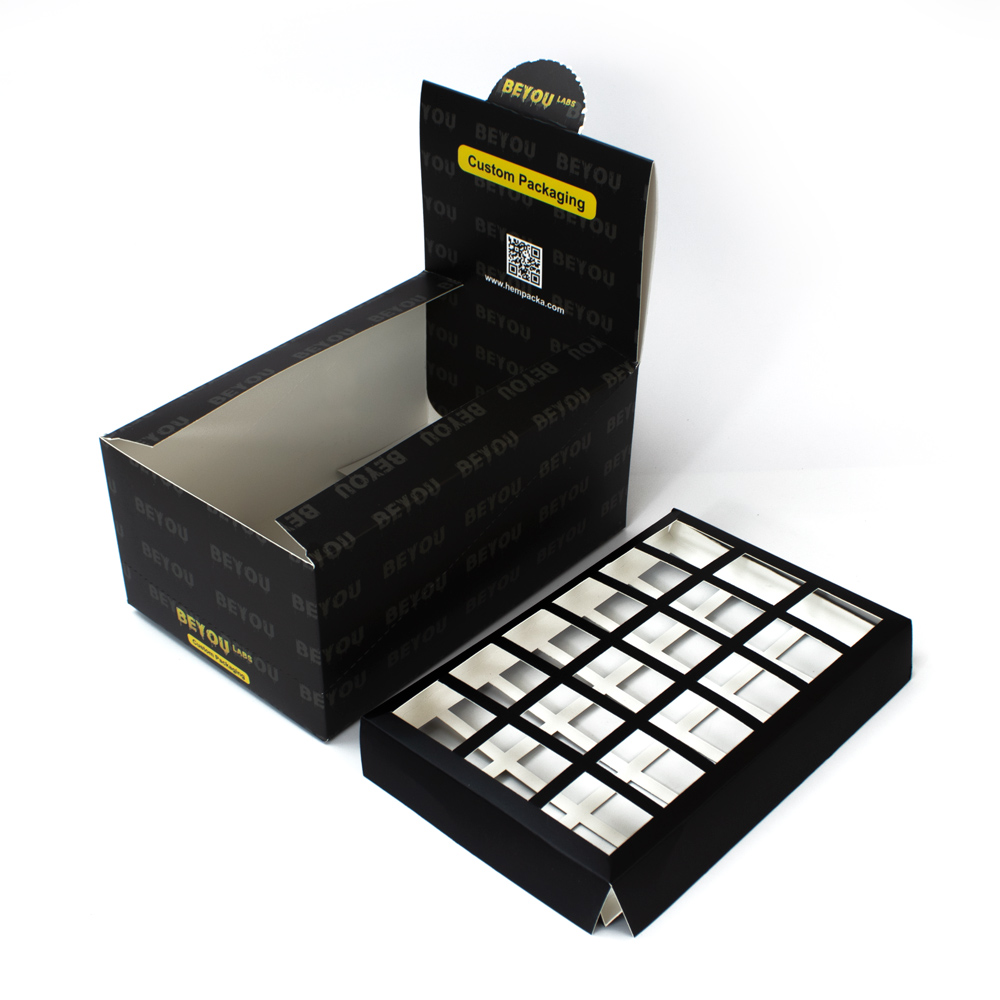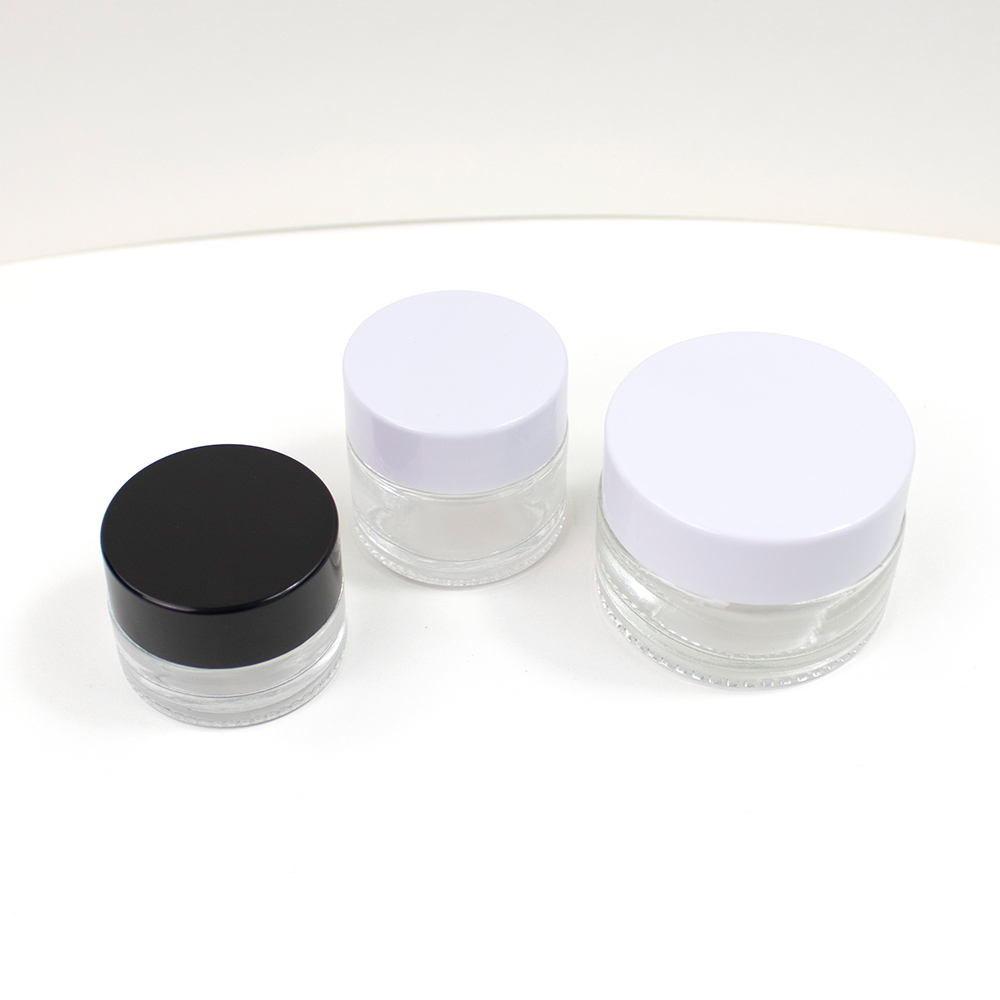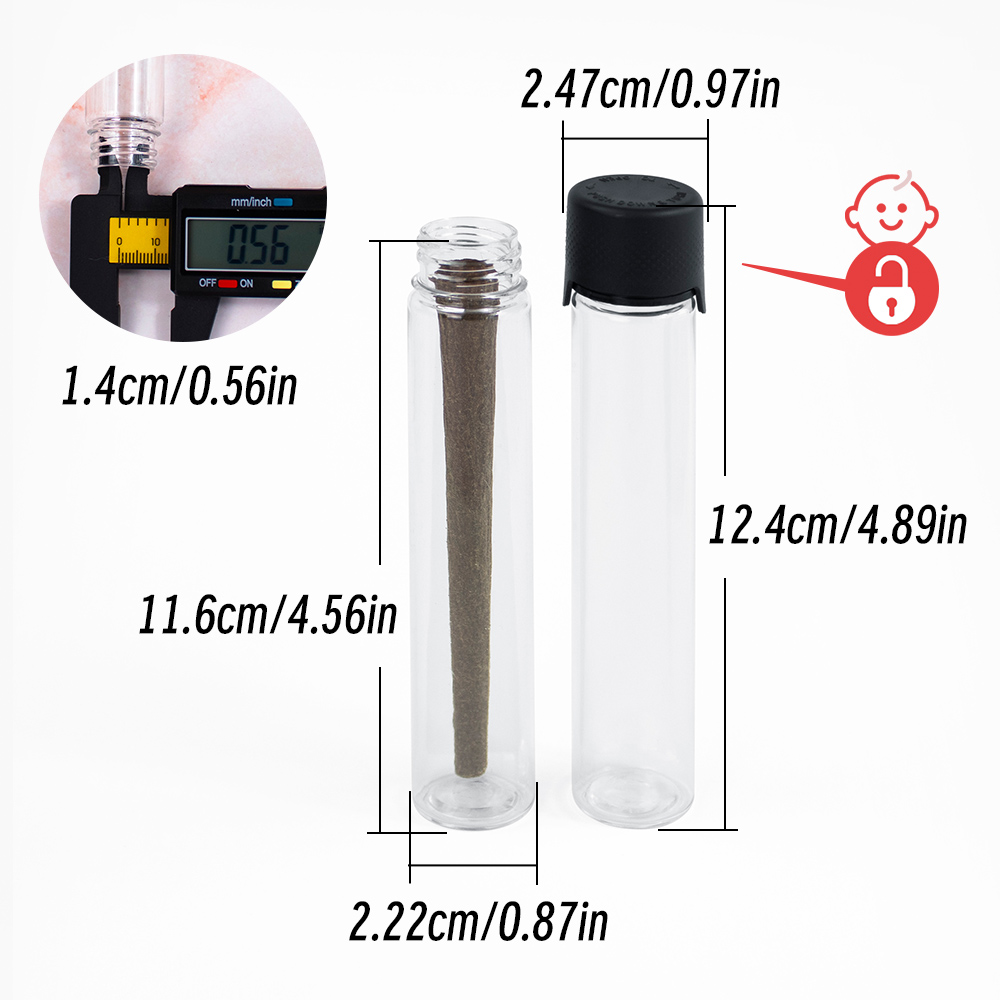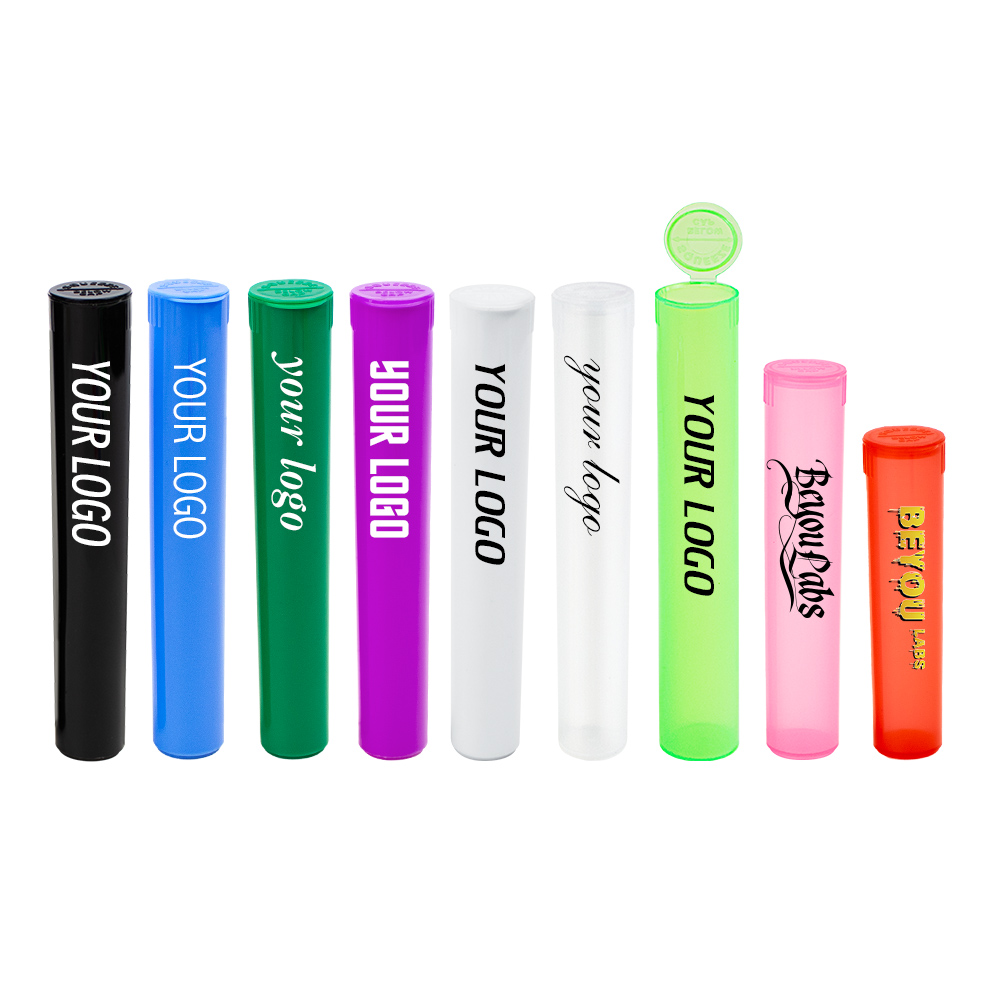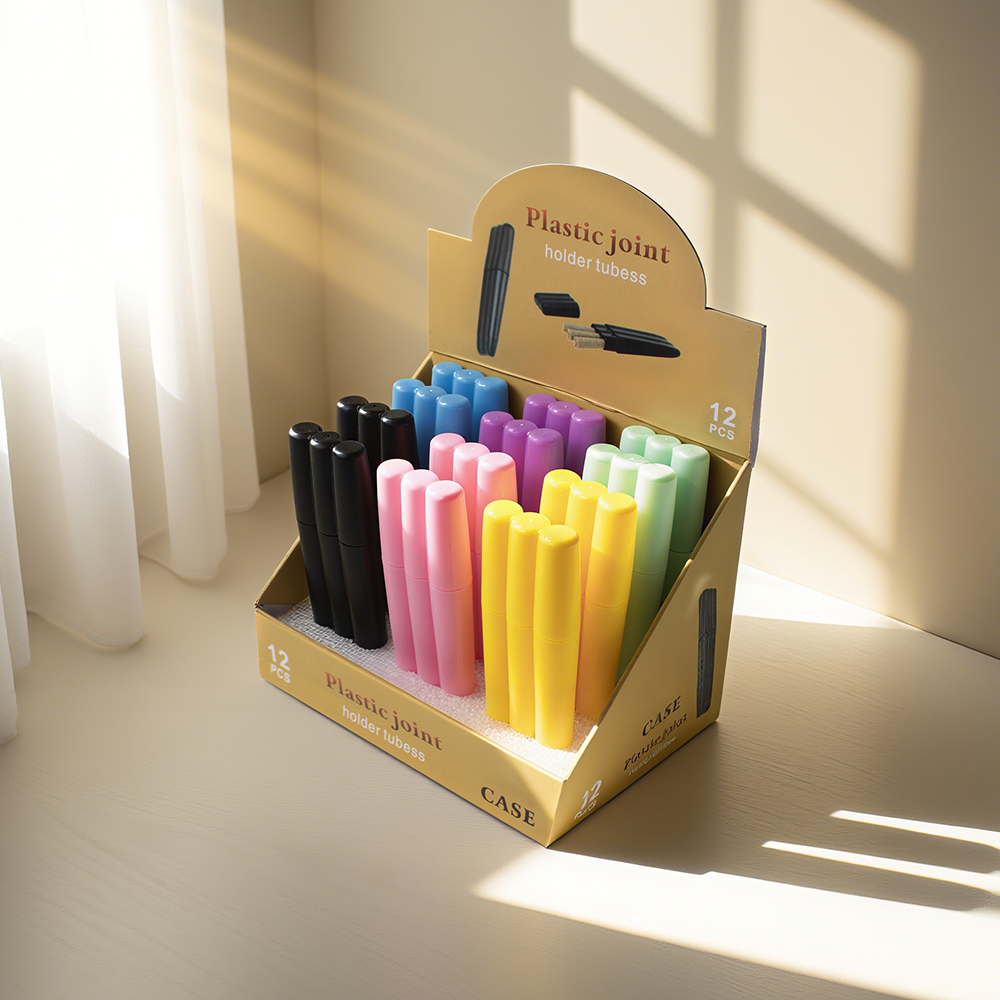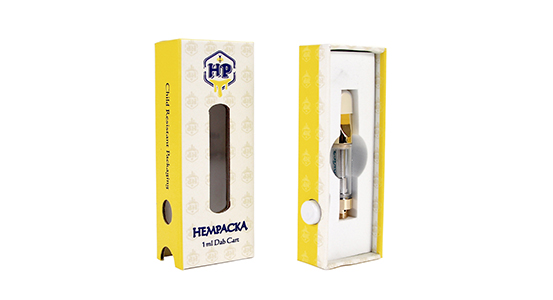
HEMPACKA Custom Logo Child Resistant Vape Cart Packaging Box
CALL : +86 18665993463 | PRICE BEAT GUARANTEE

Starting a cannabis brand means solving a math problem nobody warns you about: the better your packaging looks, the more it costs up front — and the more units you have to buy before anyone has ever heard of you.
A brand with three SKUs and a modest launch budget does not need 10,000 printed pouches. It needs packaging that looks credible, meets child-resistance rules, and does not tie up its entire working capital in a warehouse.
This guide explains why minimum order quantities (MOQs) exist in the first place, where the real cost crossover sits in 2026, and five practical strategies to get custom-looking packaging at a scale that matches your actual stage.
Manufacturers do not set MOQs to keep small brands out. They set them because certain printing methods carry heavy fixed costs that must be spread across a run.
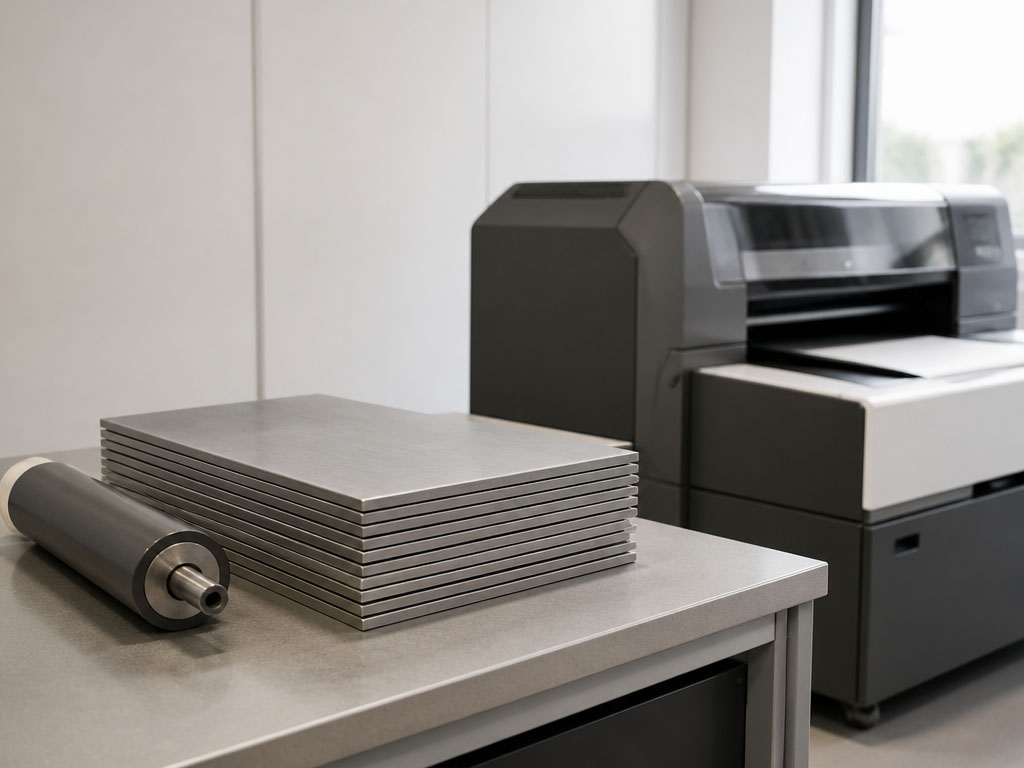
The clearest example is flexographic printing — the workhorse process for printed pouches at volume. Each design needs a set of printing plates, one per color. Public industry figures put plate costs at roughly 2,000 per color per design in 2026, and the machine setup itself takes hours of paid production time. If a factory stops a press to run 300 units, those fixed costs land on 300 units instead of 30,000.
That arithmetic — not snobbery — is what produces the MOQ.
Two consequences follow, and they shape every strategy below:
Plate-based printing gets cheap at volume. Above roughly 5,000 units, flexo's per-unit cost typically drops 40–60% versus digital, which is why volume buyers still choose it.
Digital printing has almost no fixed cost. There are no plates. The price of the 500th unit is essentially the same as the 5,000th, which is what makes short runs economically viable at all.
The practical rule: if your artwork or SKU lineup is still moving, digital is not a compromise — it is the cheaper road. You are paying a small premium per unit to avoid a large sunk cost you might have to abandon.
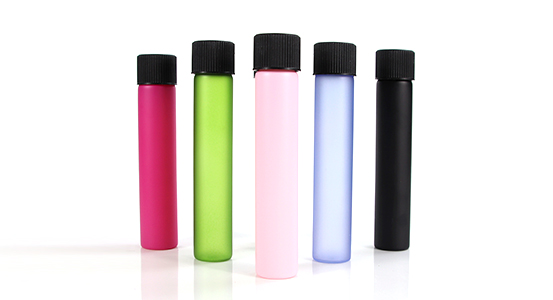
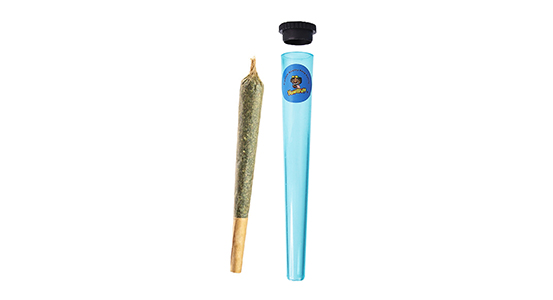
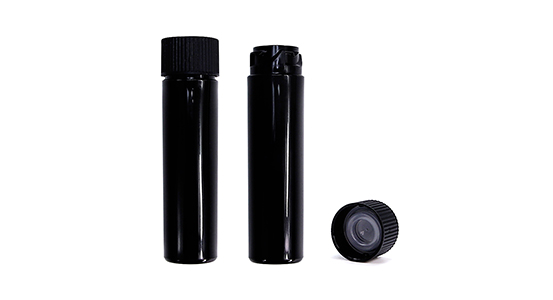
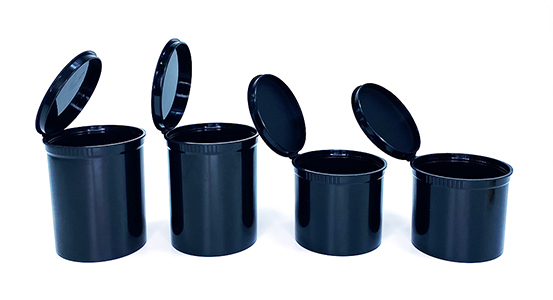
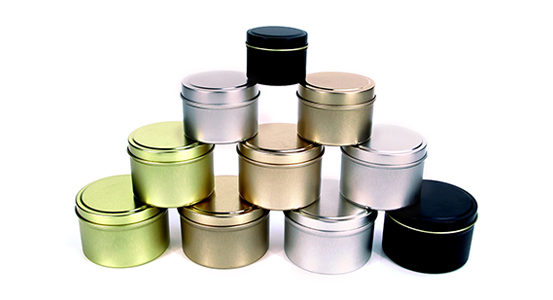
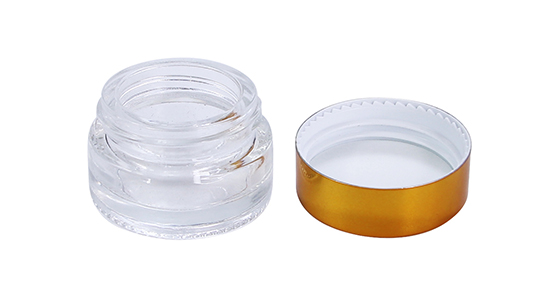
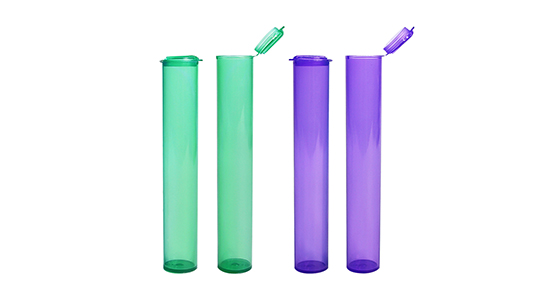
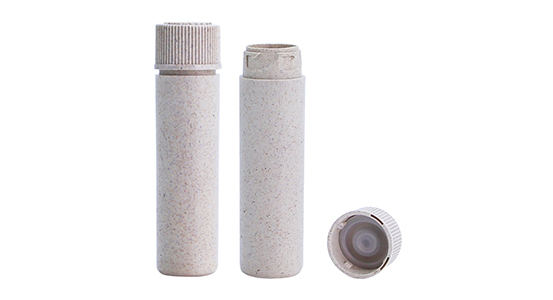
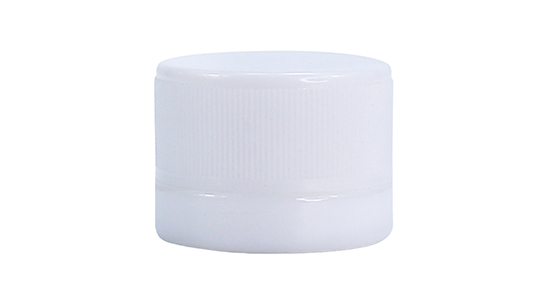
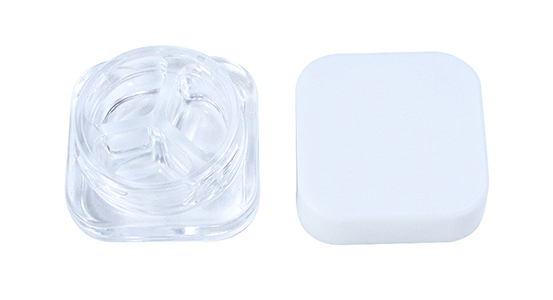
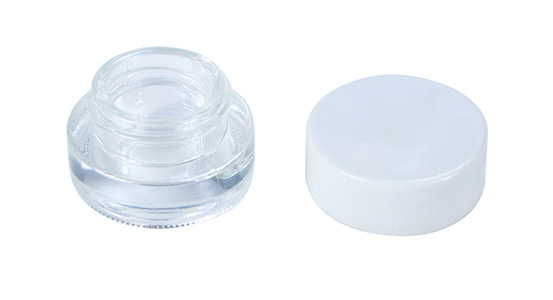
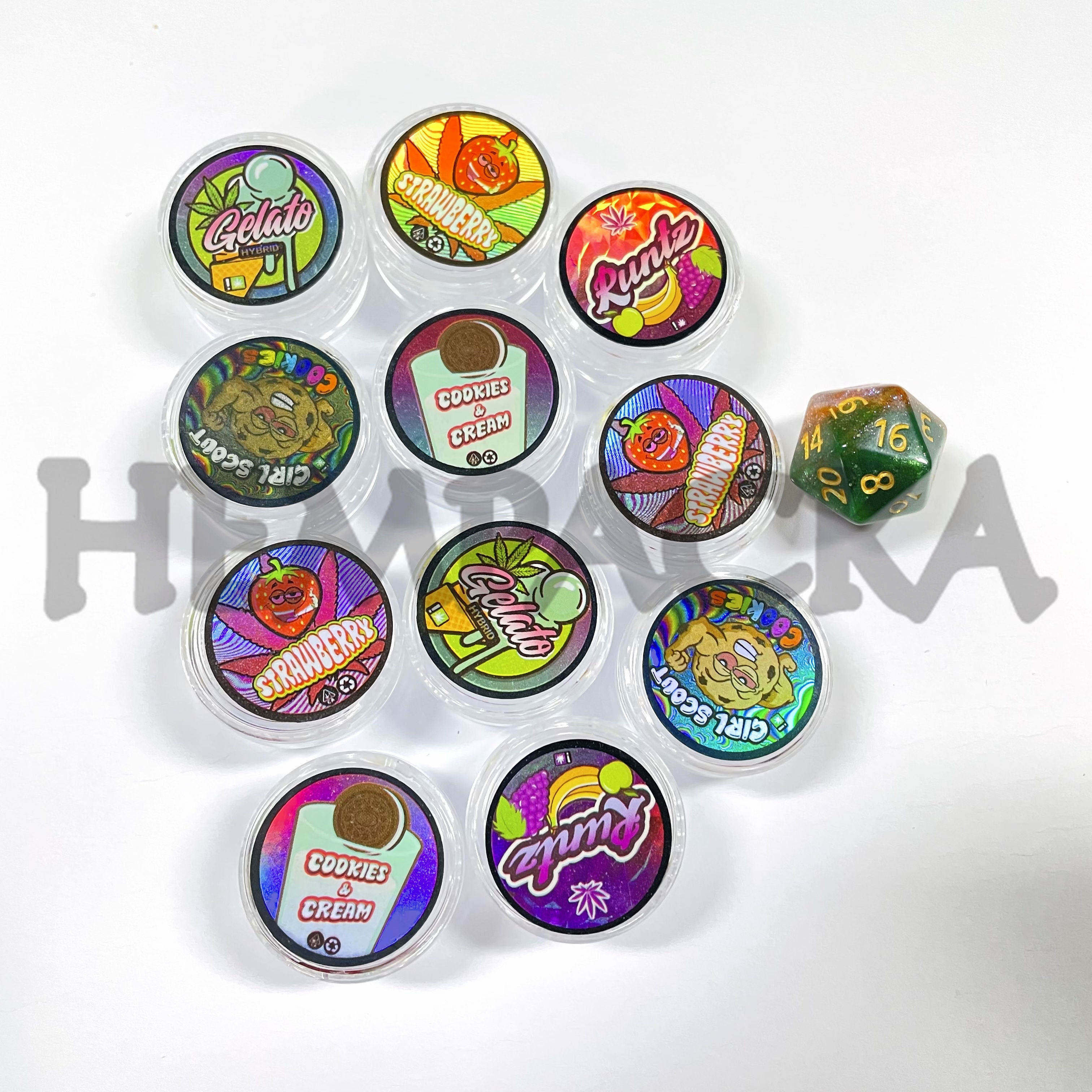
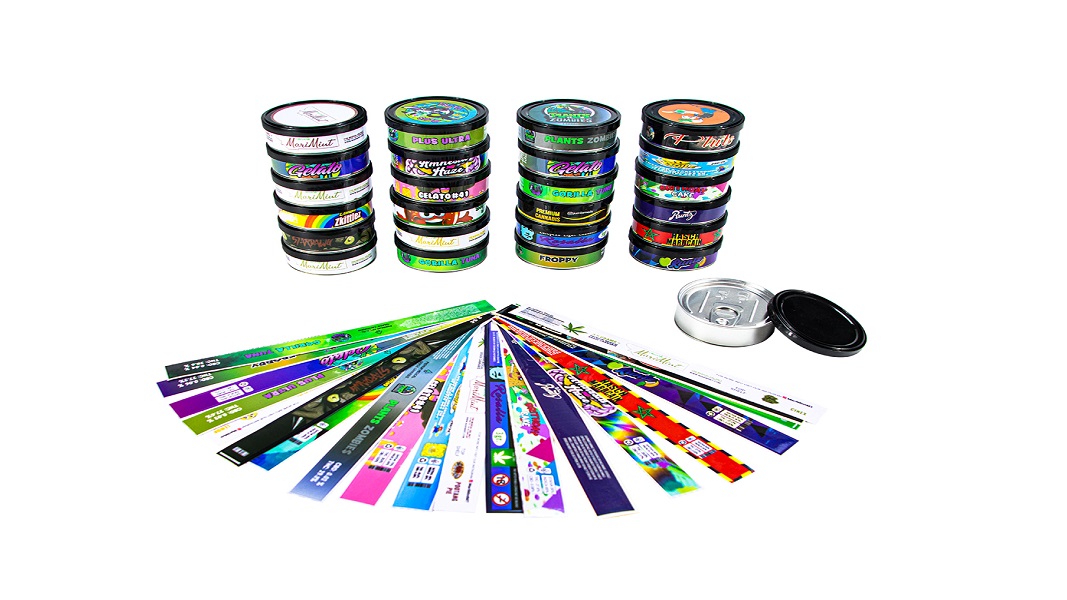
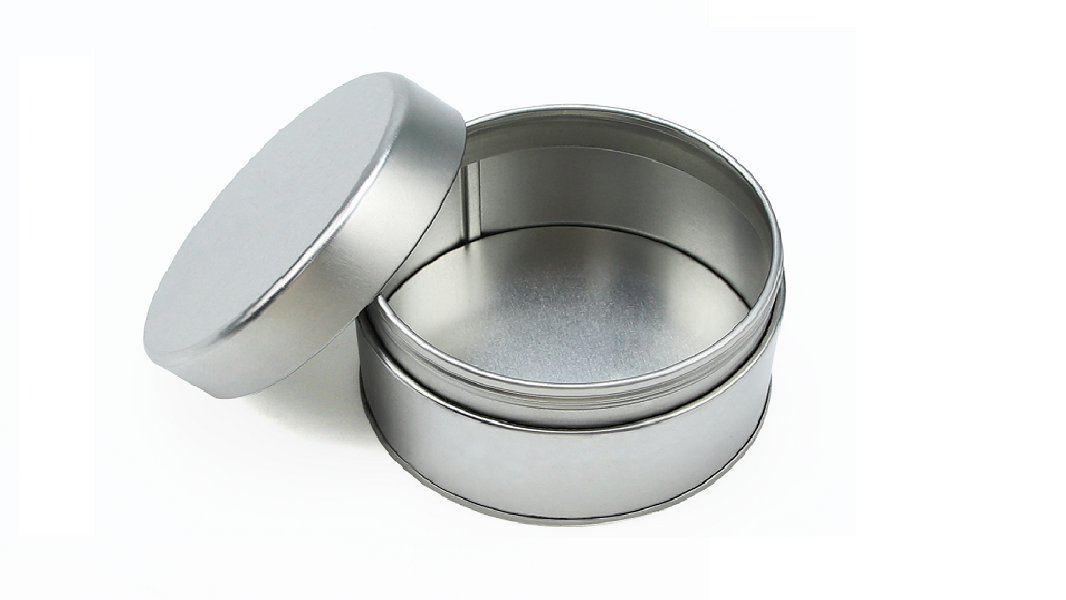
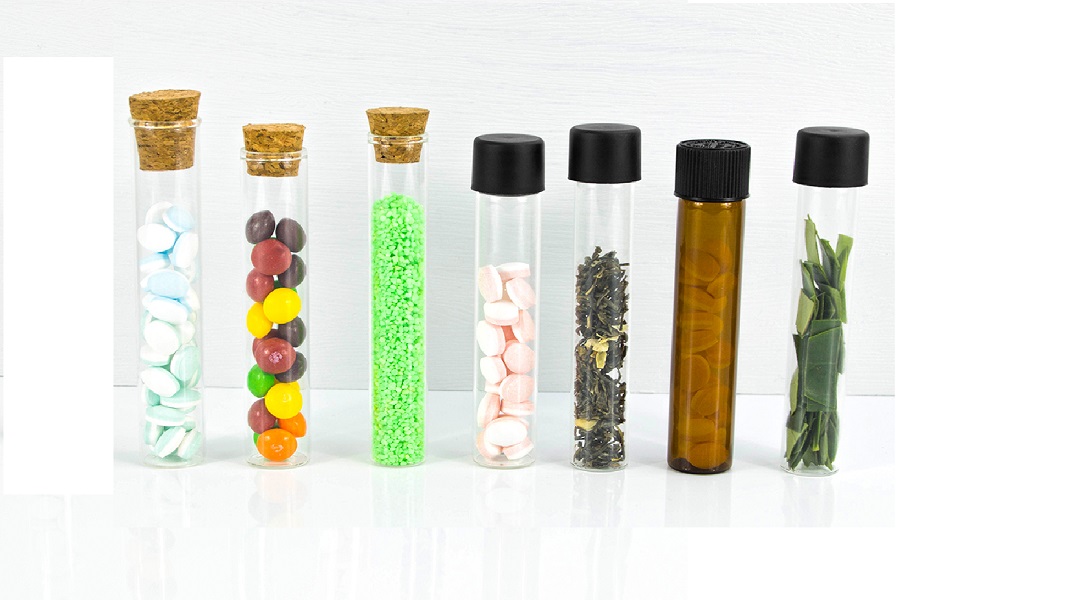
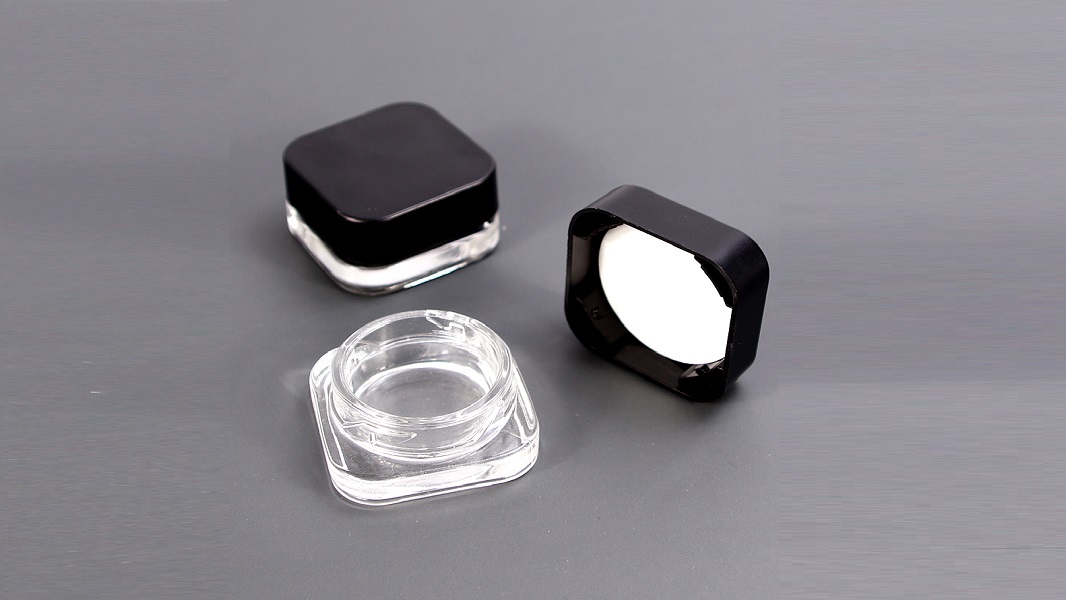
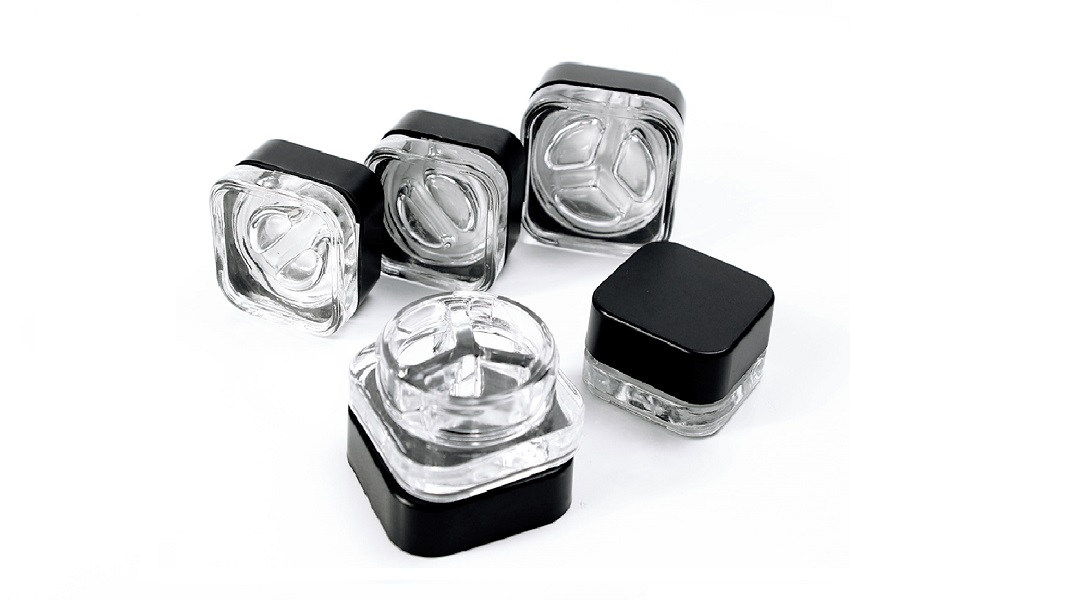
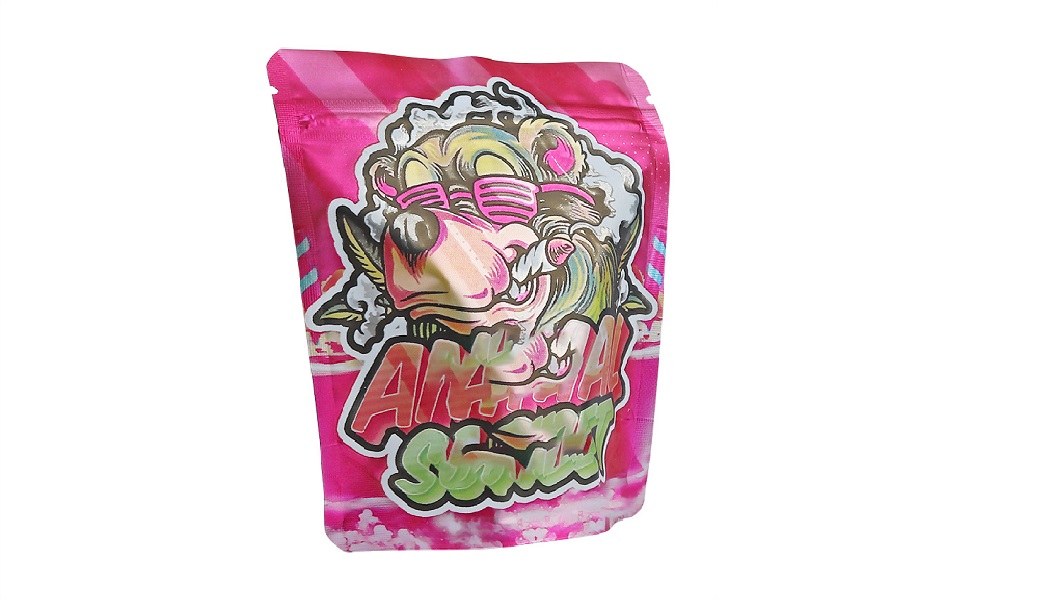
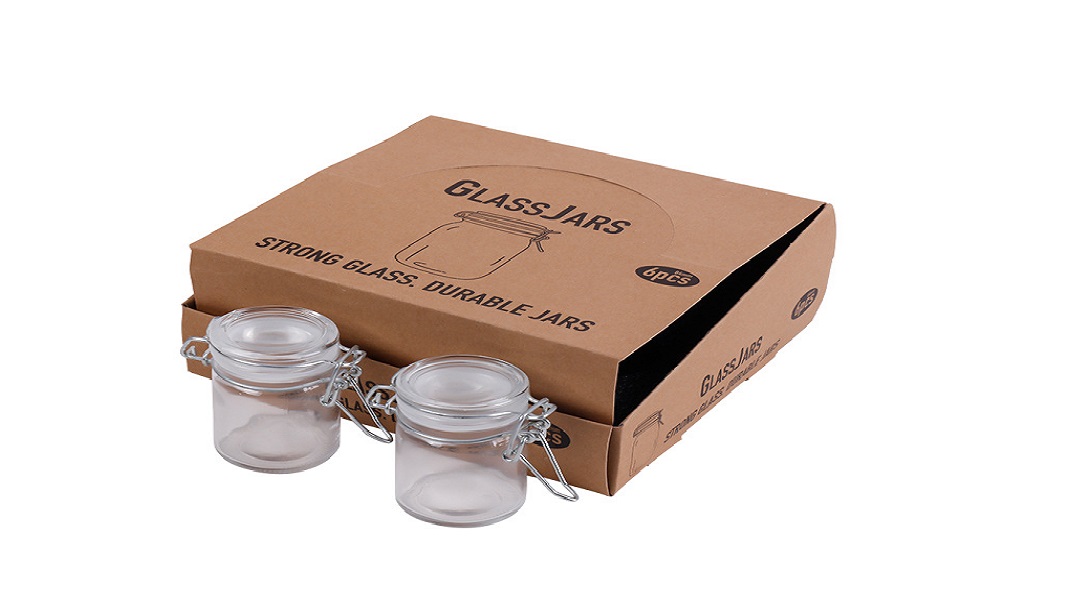
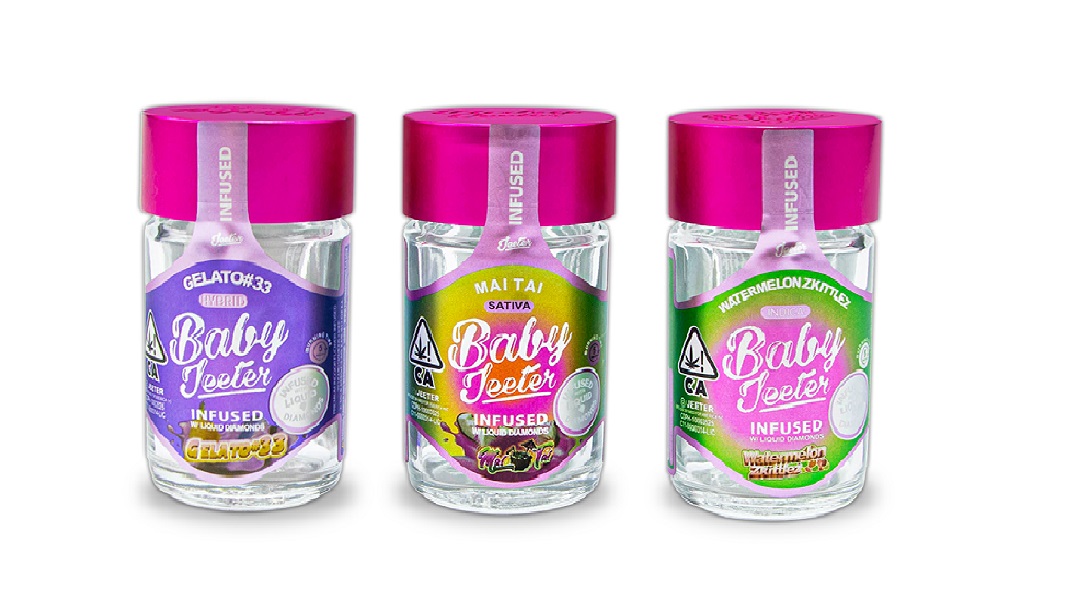
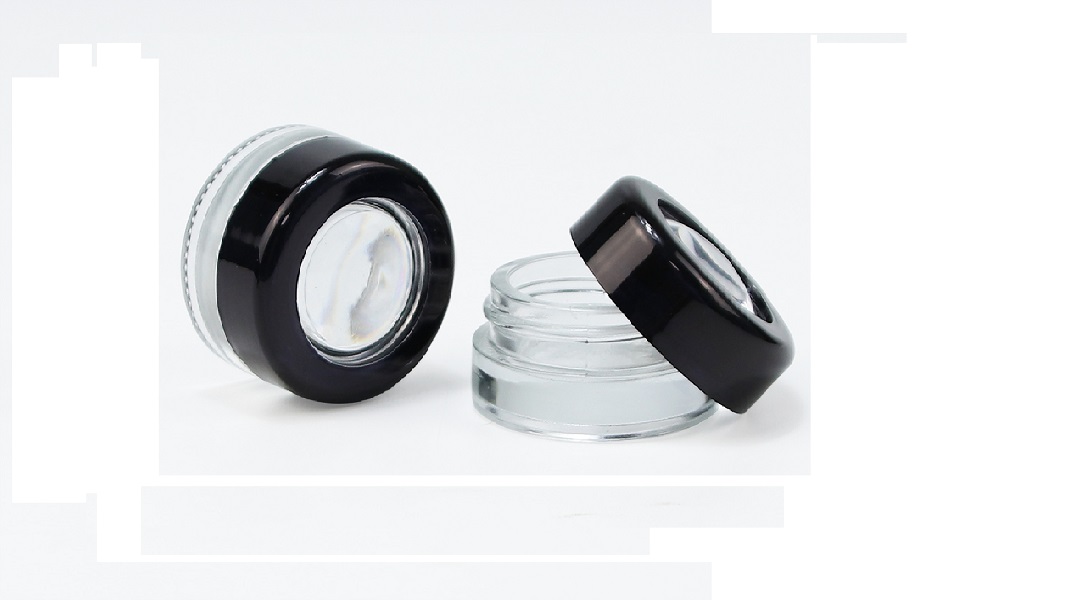
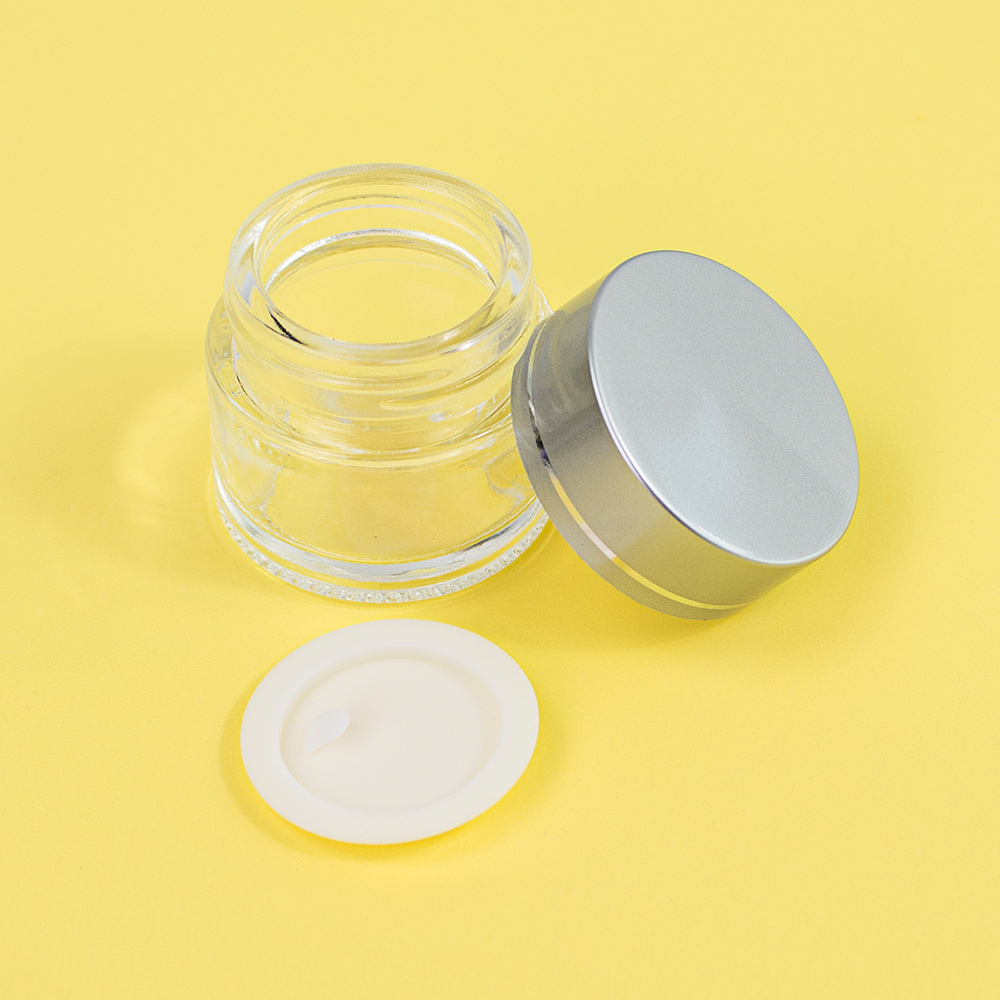
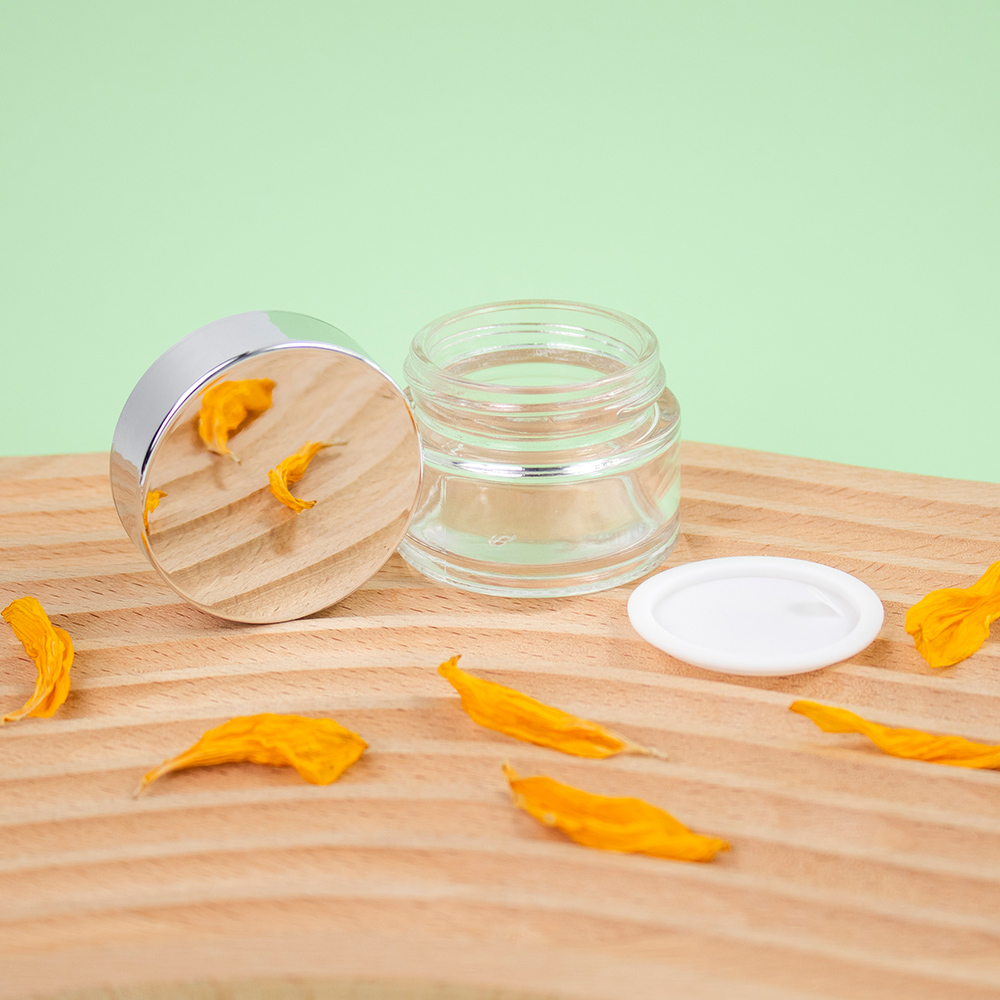
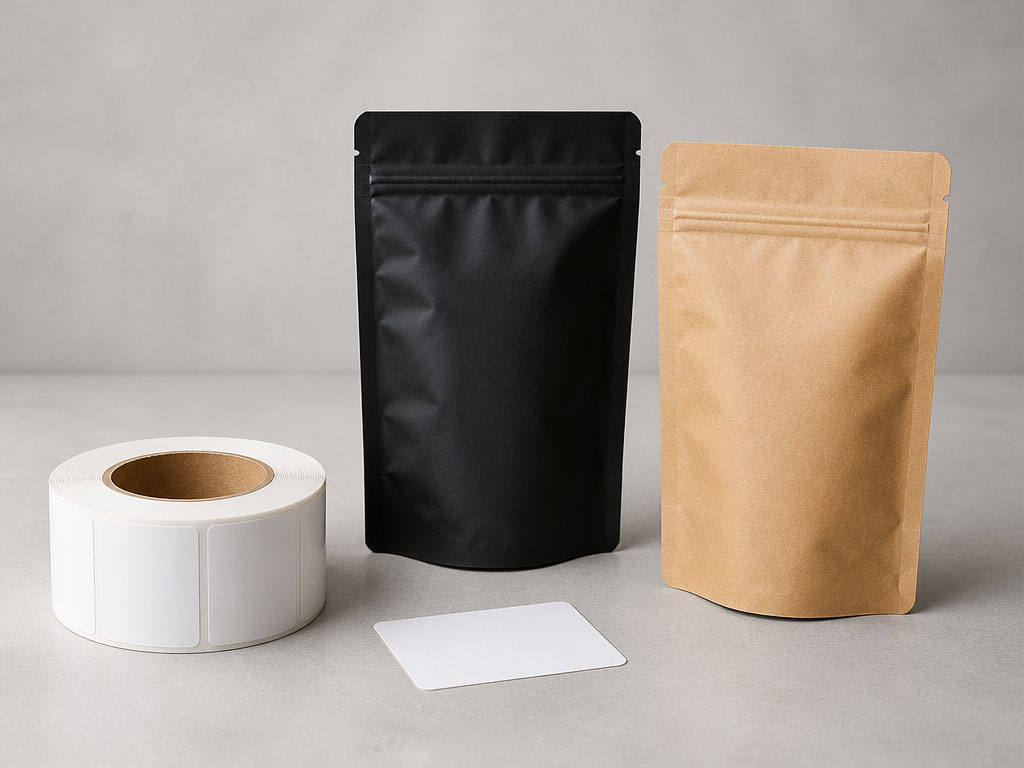
The lowest-cost route: buy standard, in-stock packaging — plain pouches, jars, tubes, boxes — and put your brand on it with custom-printed labels.
You get professional presentation, full brand identity, and the ability to change labels per strain or SKU without re-tooling anything. Several established brands started exactly here, and customers rarely notice the difference between a labeled stock pouch and a fully printed one.
Best for: pre-launch, market testing, brands with very tight budgets.
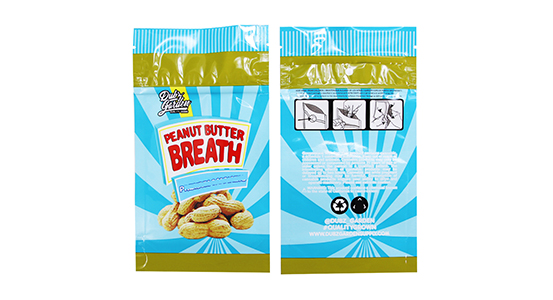
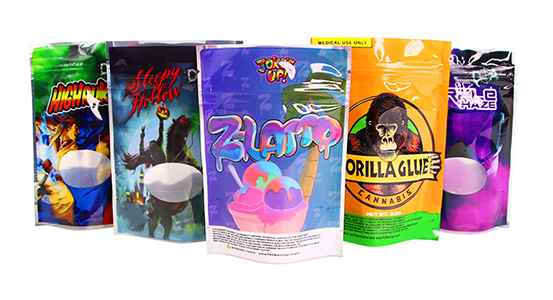
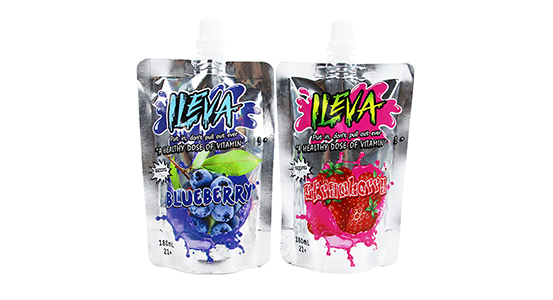
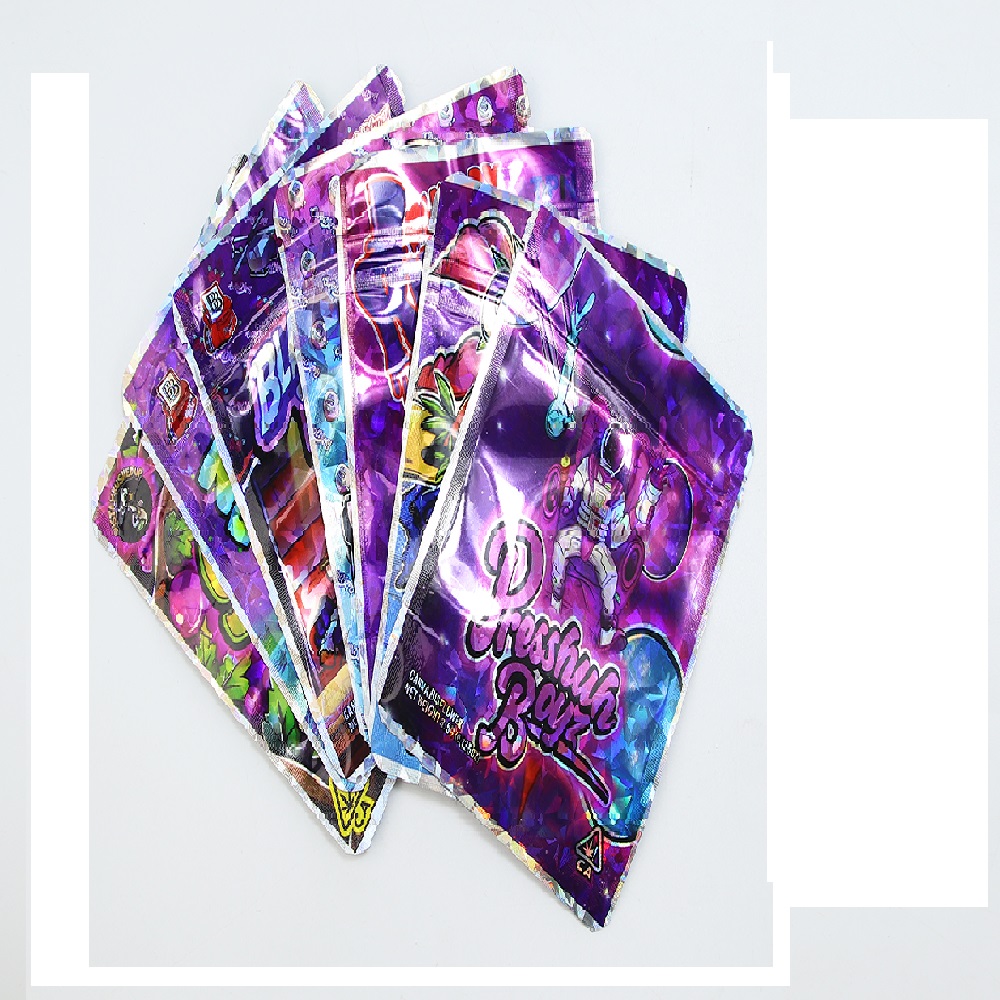
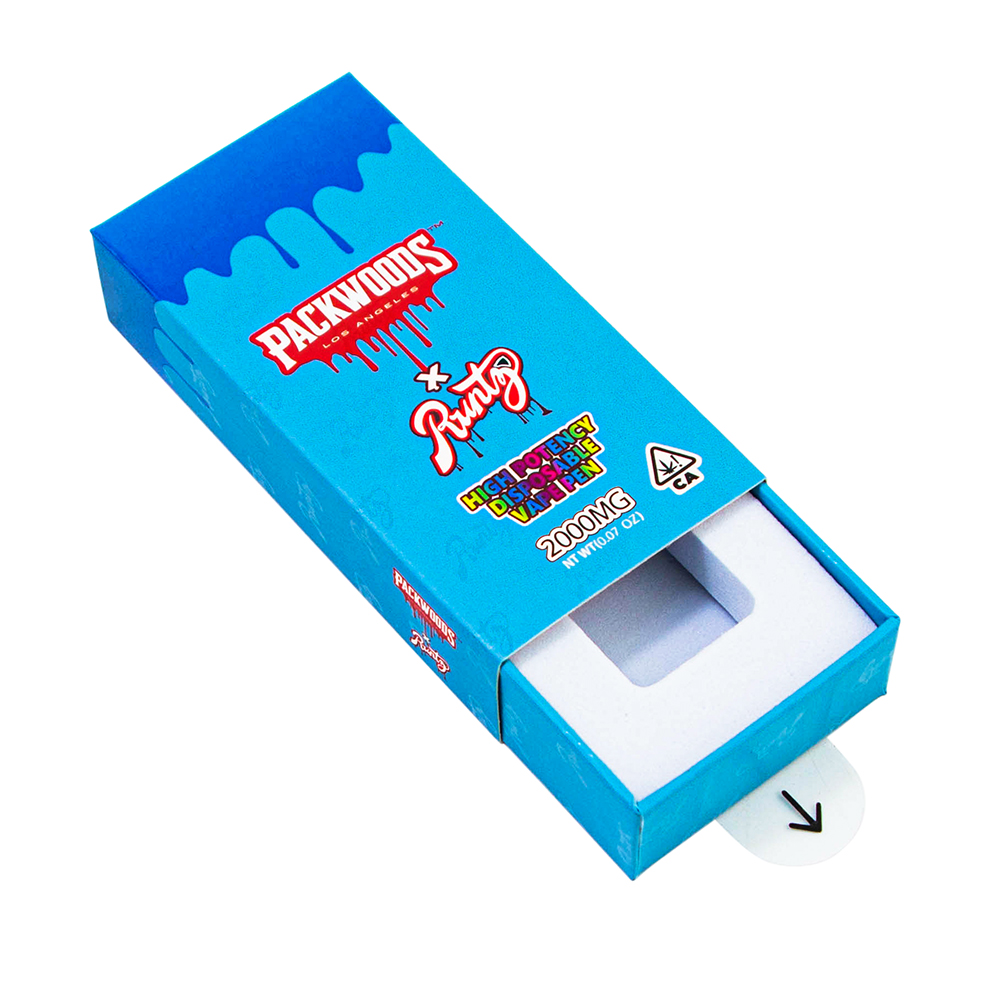
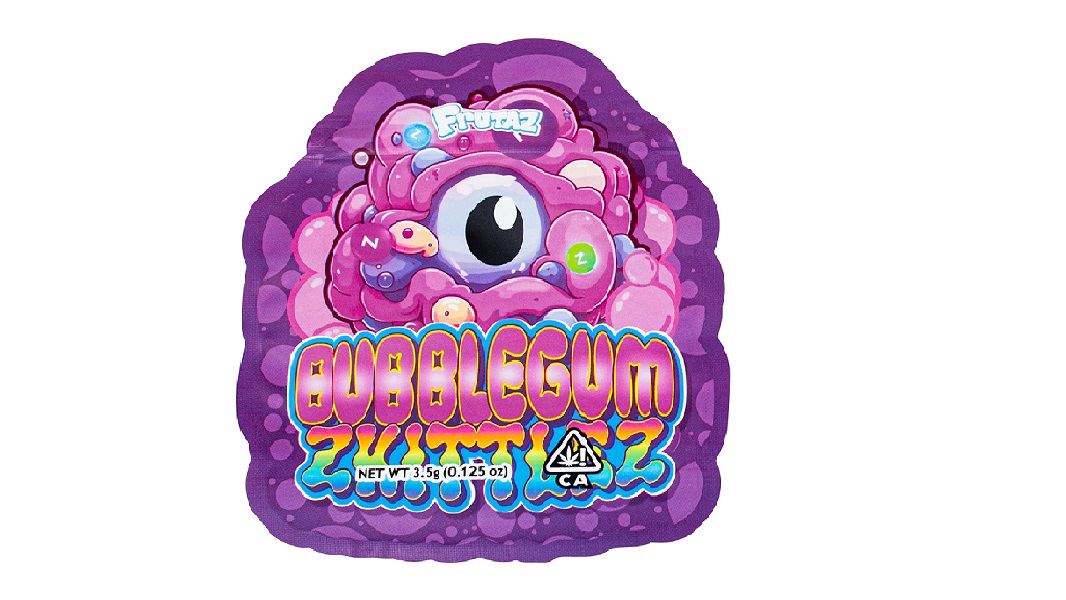
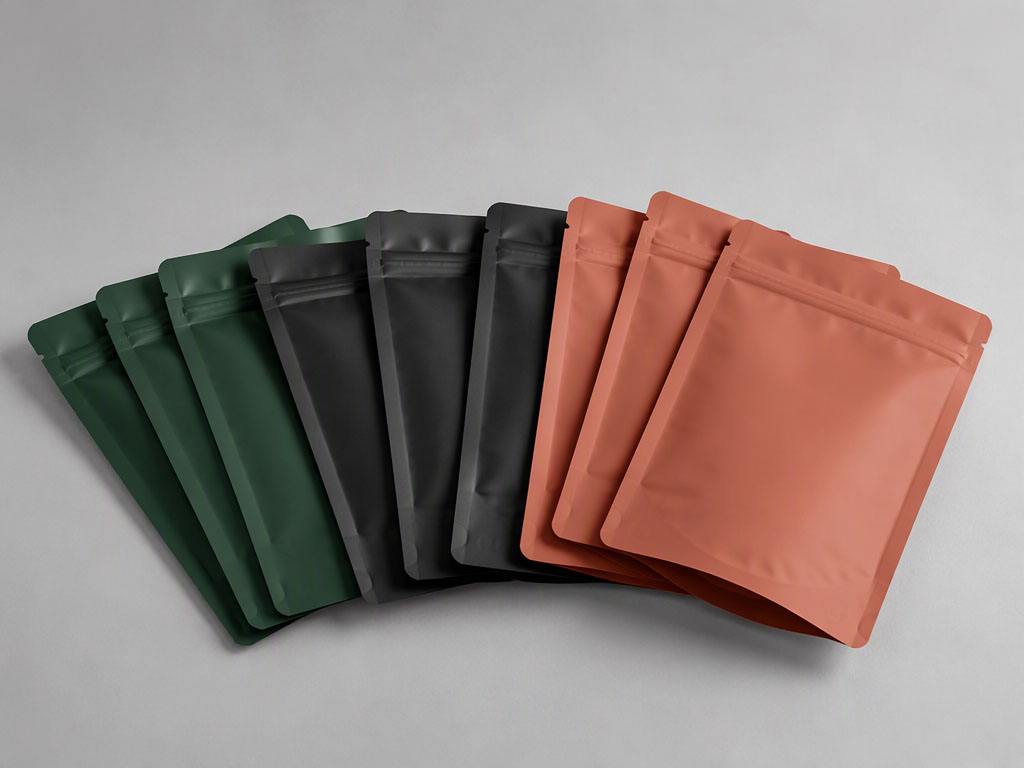
When you want the package itself printed — not just labeled — digital is the lever. Short-run digital for cannabis packaging commonly starts around 500 units per design, and some suppliers now quote from 100 pieces for simpler formats.
The trade-off is a higher per-unit price, but you are buying something valuable with it: the freedom to run two or three designs for different products without paying for multiple sets of plates.
Best for: brands with 2–5 SKUs that need real shelf presence.
Every unique size, material, and artwork is a separate setup, a separate MOQ, and a separate line in your inventory. Small brands routinely save more by simplifying than by negotiating.
Consolidate: one jar size for two products, one pouch size across your flower line, one box dimension for all pre-roll multipacks. Fewer SKUs means you meet fewer MOQs and buy in larger, cheaper batches of the sizes you do keep.
Best for: nearly everyone. Start here before asking for a discount.
Print cost scales with complexity. Fewer colors, no full-surface flood coats, and no specialty finishes can move a quote substantially. A confident two-color design on kraft stock often reads as more premium than a busy four-color one — and it costs less to produce.
This is not a limitation to apologize for. It is a design discipline that many high-end brands apply on purpose.
Best for: brands whose artwork is still flexible.
Rush production and air freight are where small orders quietly become expensive. Planning a launch 8–12 weeks out gives you time to use standard production slots and sea freight rather than paying premiums for speed.
If your launch date is immovable and near, buy the smallest viable quantity now to get to market, then place the volume order once real demand data exists. Paying a higher unit price for 500 units you actually sell beats a lower unit price on 5,000 units you store for a year.
Low MOQ is a legitimate strategy. Cutting these is not:
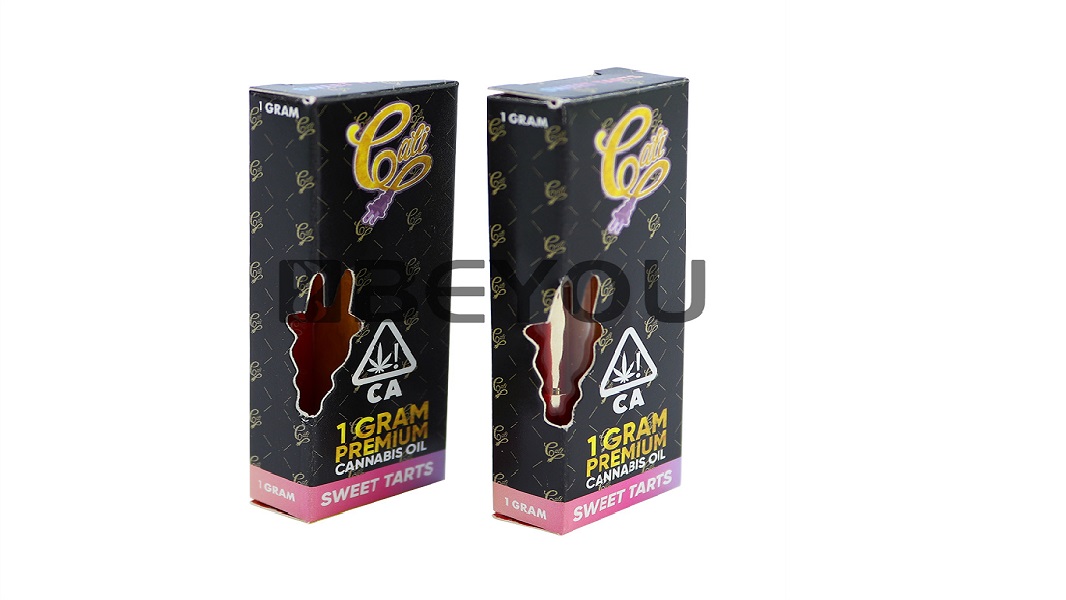
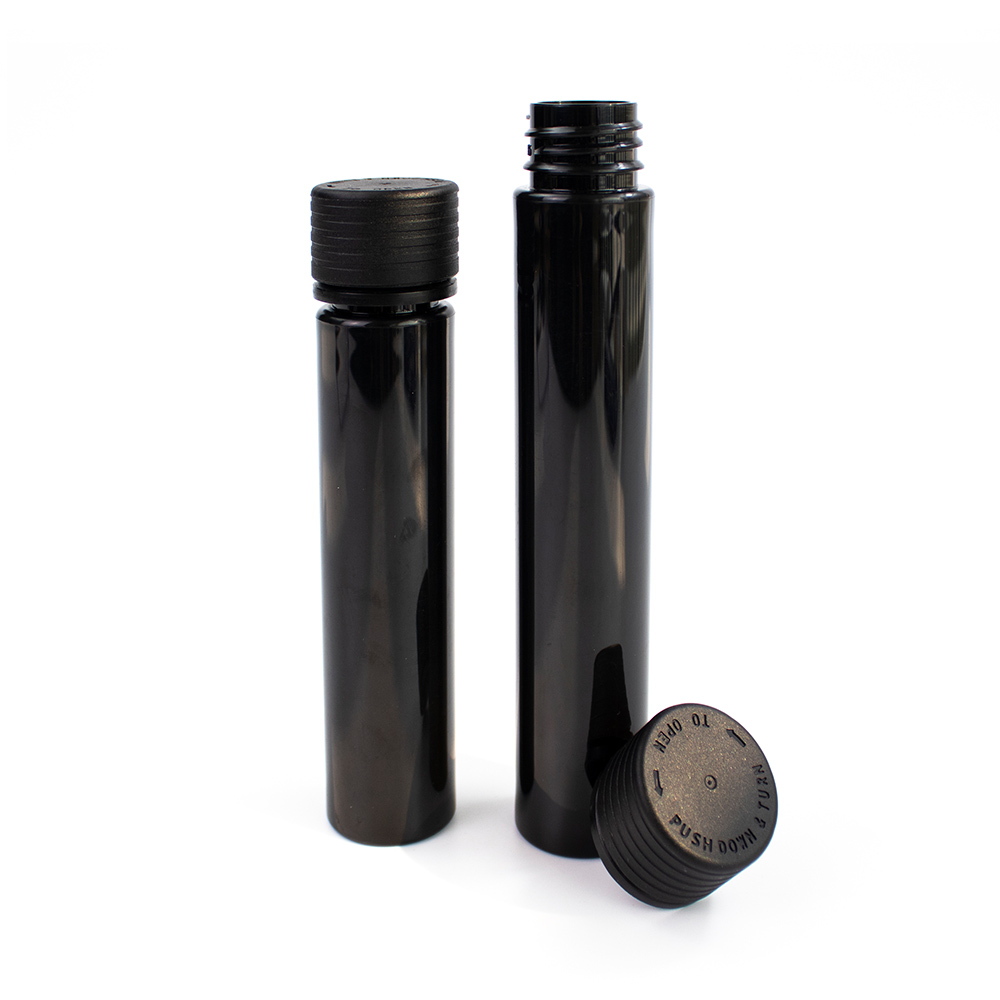
Child-resistant compliance. CR requirements do not scale down with order size. In the US, the finished package must pass the applicable test protocol (16 CFR 1700.20, or ASTM D3475 where your state requires it); in Canada, containers must meet federal child-resistance and plain-packaging rules. A cheap non-compliant package is the most expensive thing you can buy.
Barrier quality. A thinner, lower-grade film saves cents and costs you the product inside. If you sell flower, confirm the film's moisture and light protection rather than assuming all "mylar" performs the same.
The sample step. Always evaluate a production-representative sample — same material, same print method, same closure — before committing. This is the cheapest risk control available.
Consider a brand launching with three SKUs and 500 units each (1,500 units total):
Route A — stock packaging + labels: lowest outlay, fastest to launch, easiest to change per SKU. Lowest risk if the brand pivots.
Route B — digital printed, 500 per design: higher per-unit cost, three separate short runs, but printed packaging from day one and no plate investment to write off.
Route C — flexo printed, 1,500 consolidated: usually the wrong call at this scale. Plate costs spread across 1,500 units rarely beat digital, and you lock in artwork you may want to change.
For most early-stage brands, Route A or B wins — not because flexo is bad, but because the fixed costs are too large relative to the run.
We run short digital batches from 500 units.
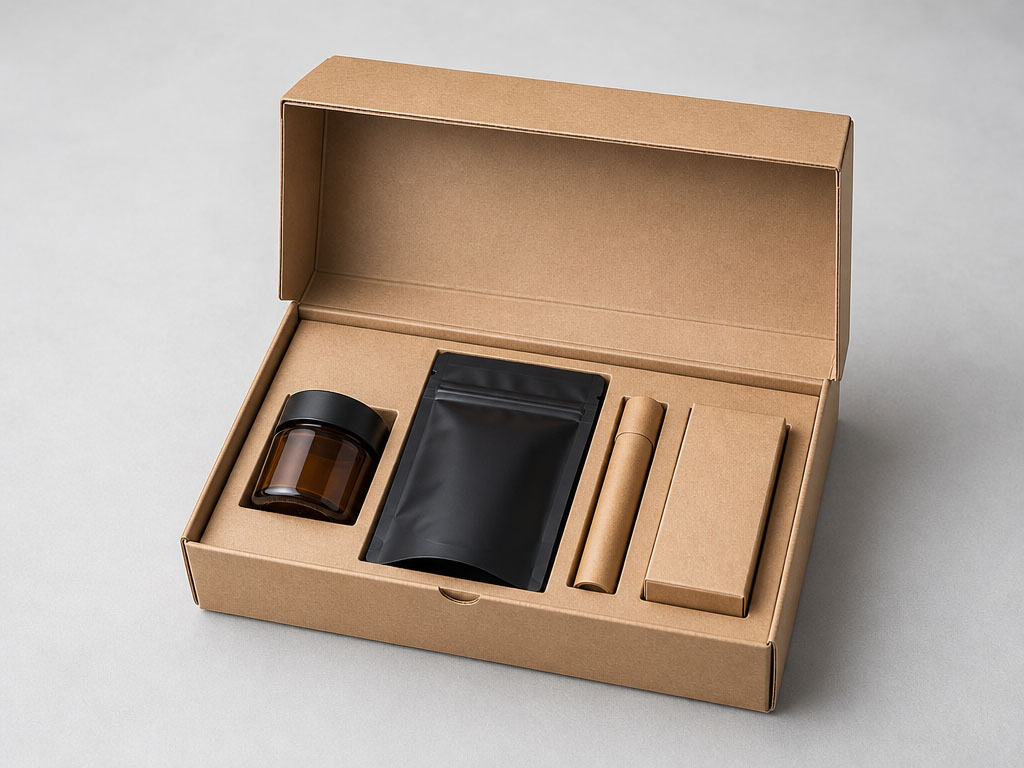
What is the lowest MOQ for custom cannabis packaging? Short-run digital printing commonly starts around 500 units per design, and a few suppliers quote from 100 pieces for simpler formats. The absolute lowest entry point is stock packaging with custom-printed labels, where MOQs are typically much smaller.
Is digital printing lower quality than flexo? For most cannabis packaging, no. Digital resolution is excellent and the difference is negligible on standard formats. Flexo's advantage is cost at volume and consistency across very large runs, not superior print quality at 500 units.
Can I mix printed packaging with labels? Yes, and it is a common staging strategy: print one hero SKU, label the rest, and move more SKUs to printed packaging as each one proves itself.
Do low-MOQ orders still need child-resistant testing? Yes. Compliance applies to the finished package regardless of order size. Ask your supplier for the test documentation covering your exact material, closure, and print specification.
Should I order the smallest possible quantity first? Usually yes for your first run. Validate demand with a small batch, then use real sales data to size the second order — which is when volume pricing starts to pay.
If you are planning a first or second production run and the MOQs you are seeing do not match your budget, talk to us. https://hempacka.com/contact.html Tell us your SKU count, your target quantity per SKU, and your launch date, and we will come back with the format options, the print method that fits your volume, and a landed-cost quote — plus a production-representative sample so you can judge the quality before you commit.
Sources: published 2026 industry guidance on digital versus flexographic printing economics, including plate-cost and per-unit crossover data. Figures are market references, not quotes, and vary by format, material, and supplier. This article is editorial content, not legal or regulatory advice; confirm compliance requirements with your regulatory advisor.