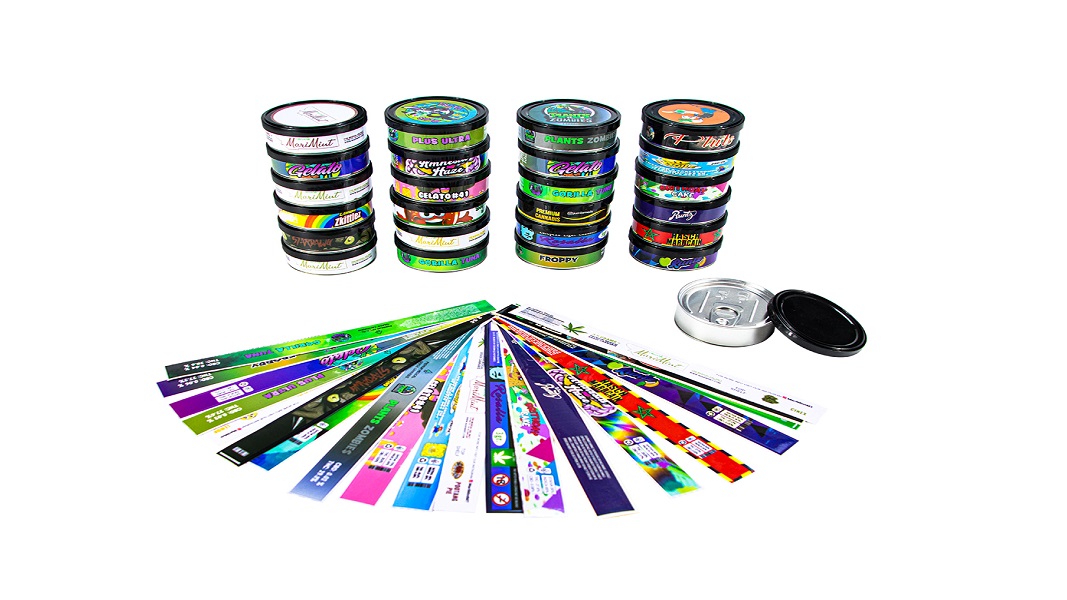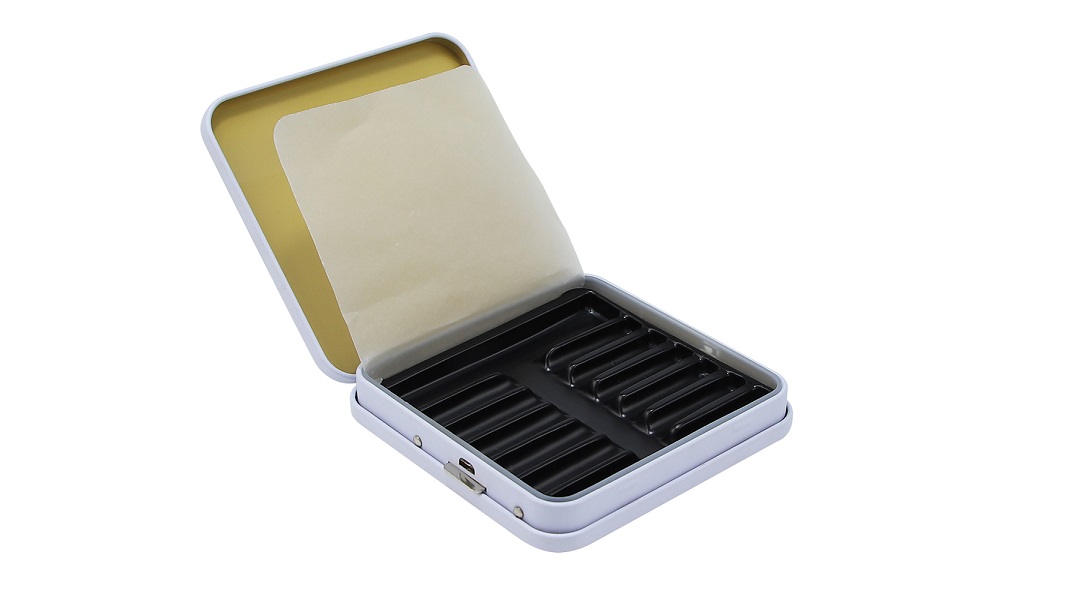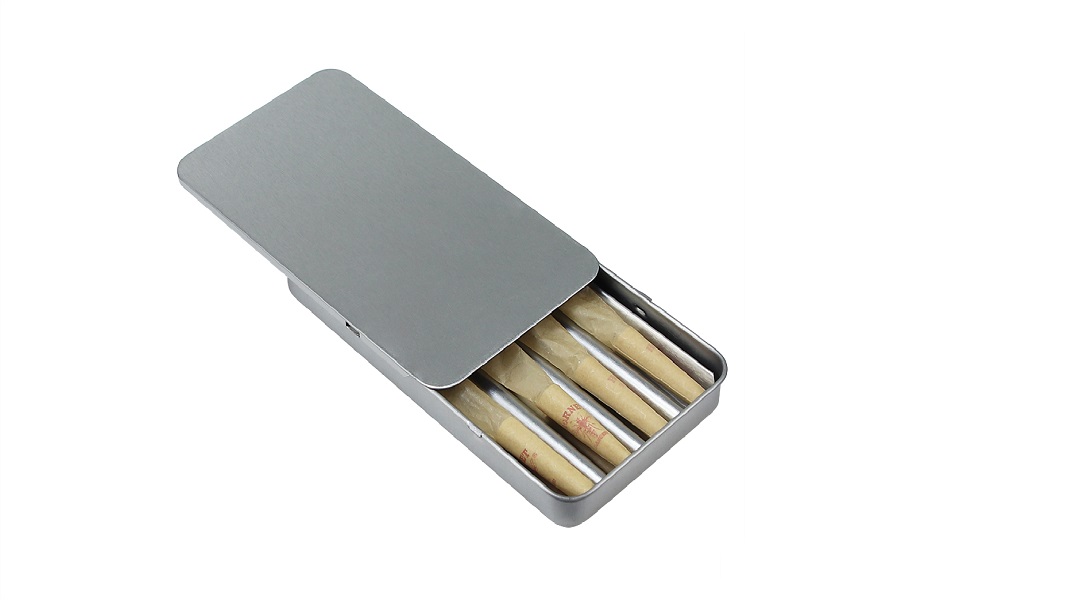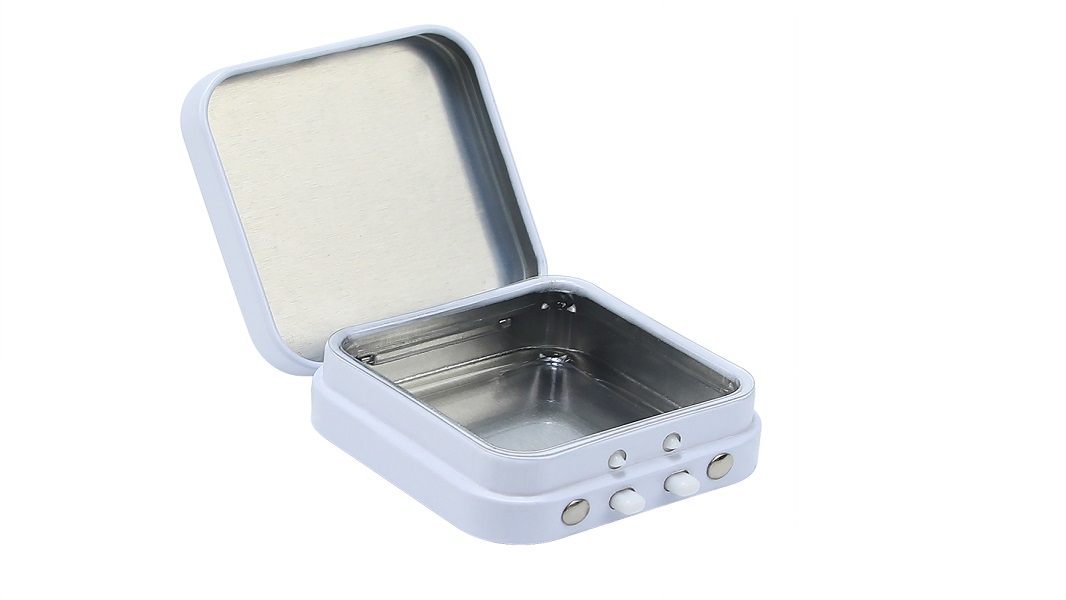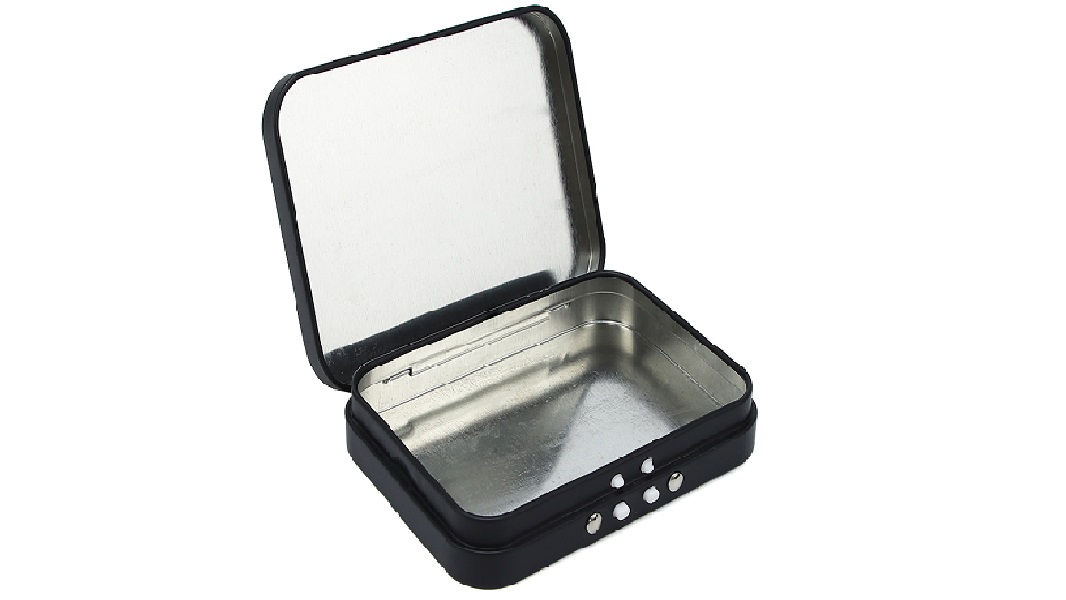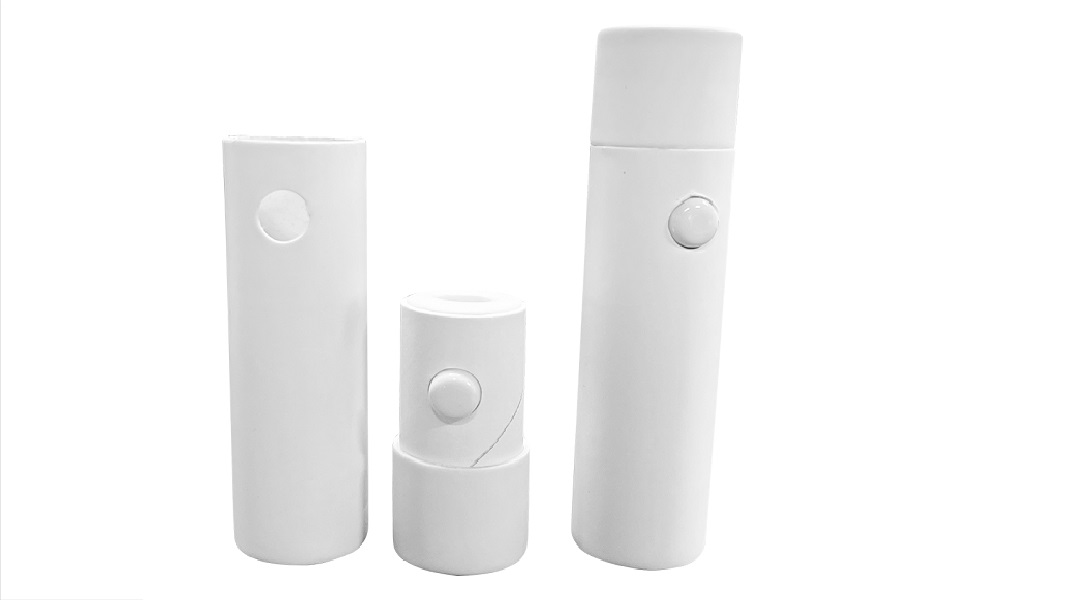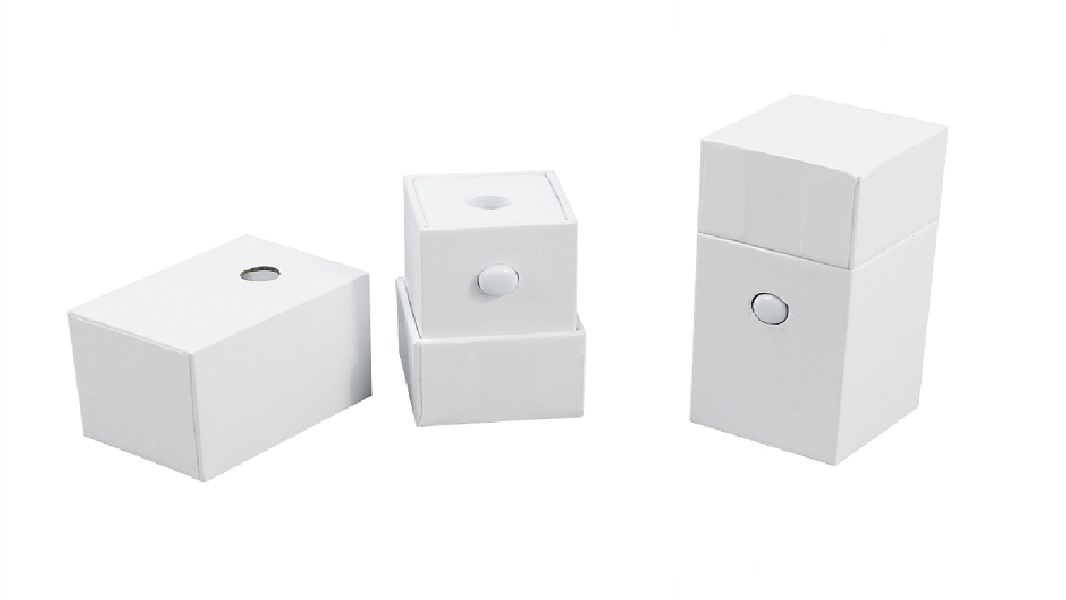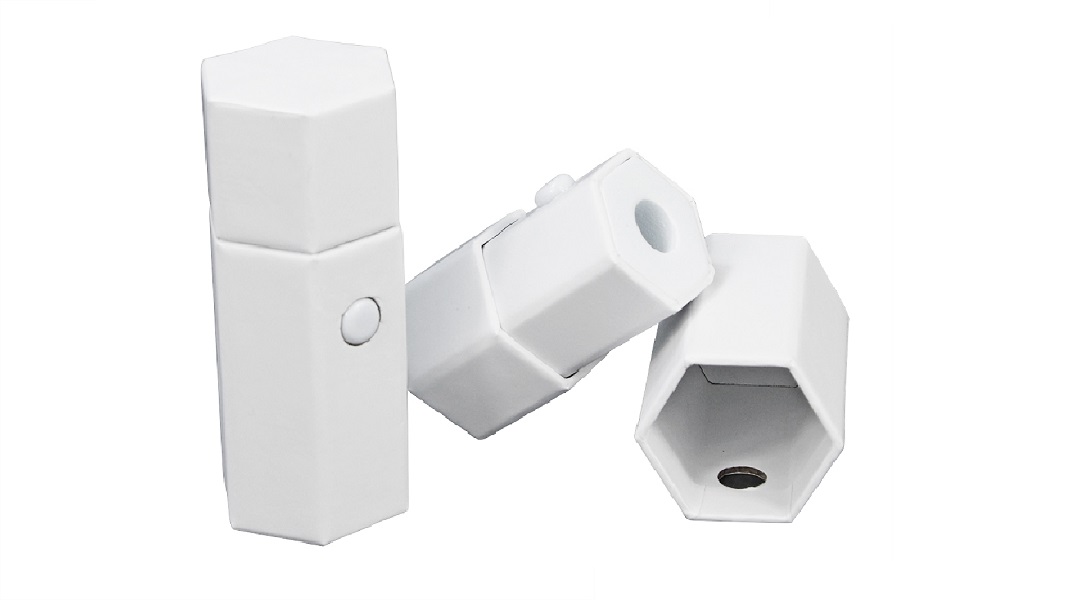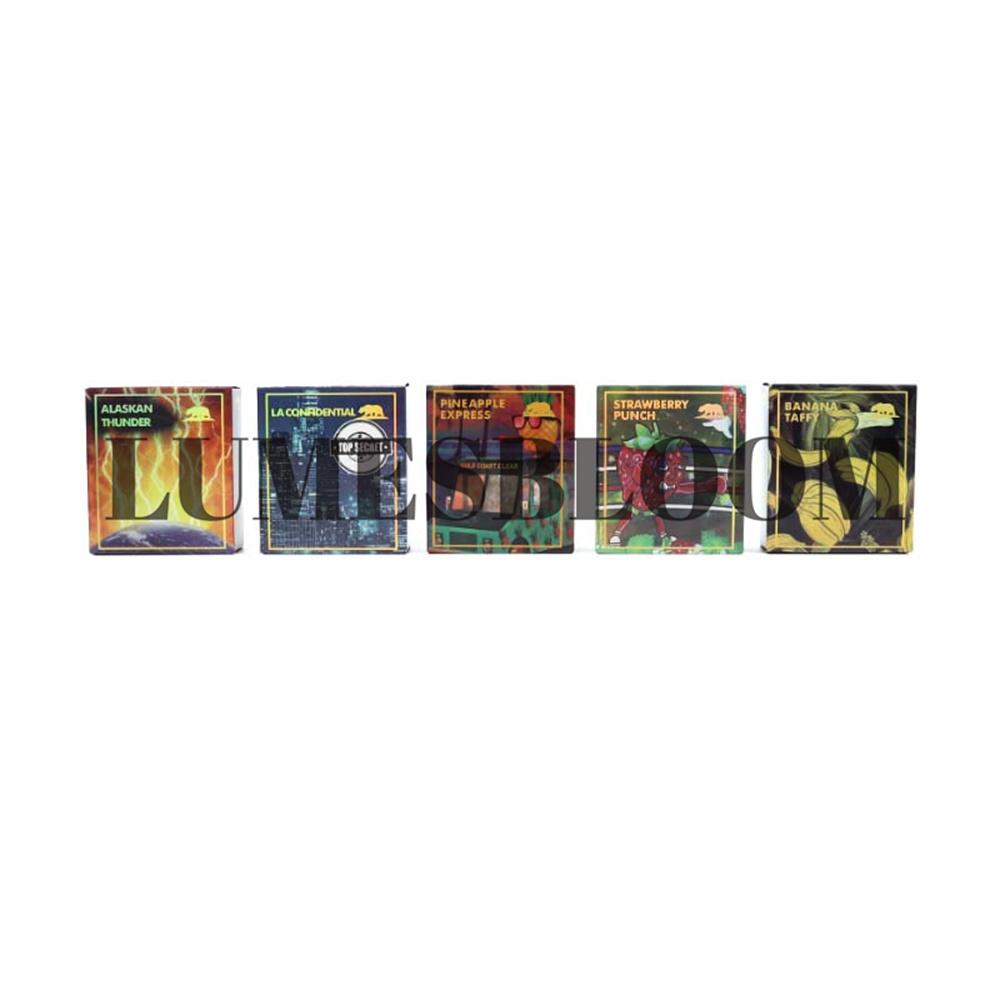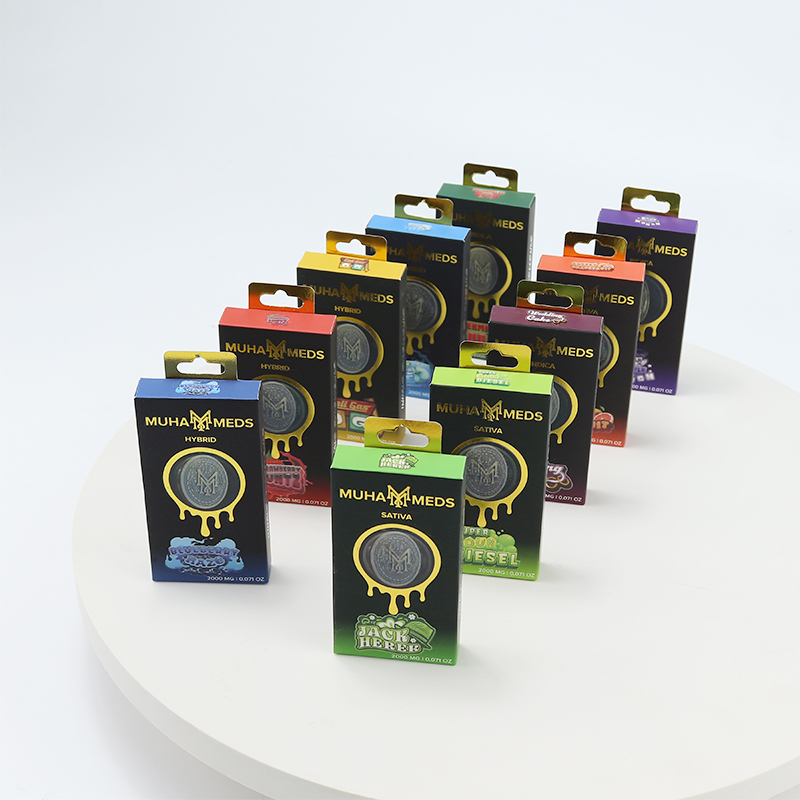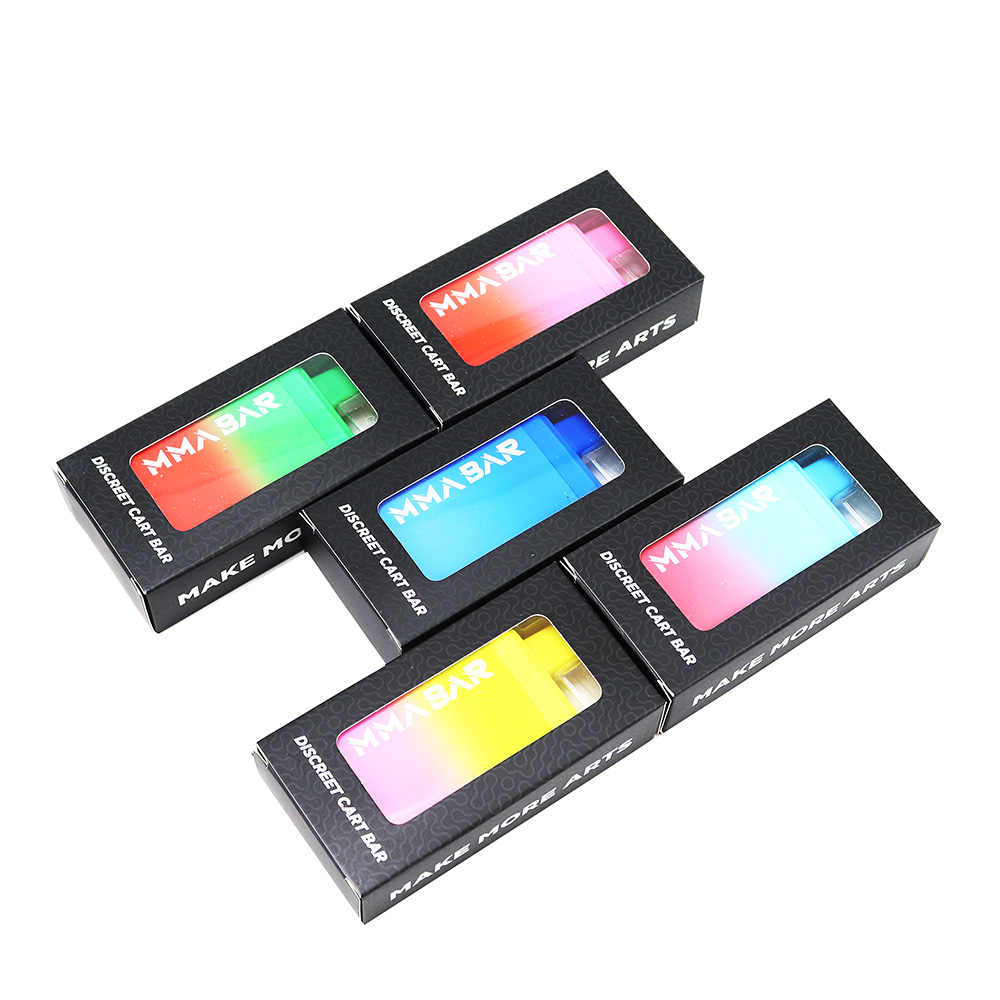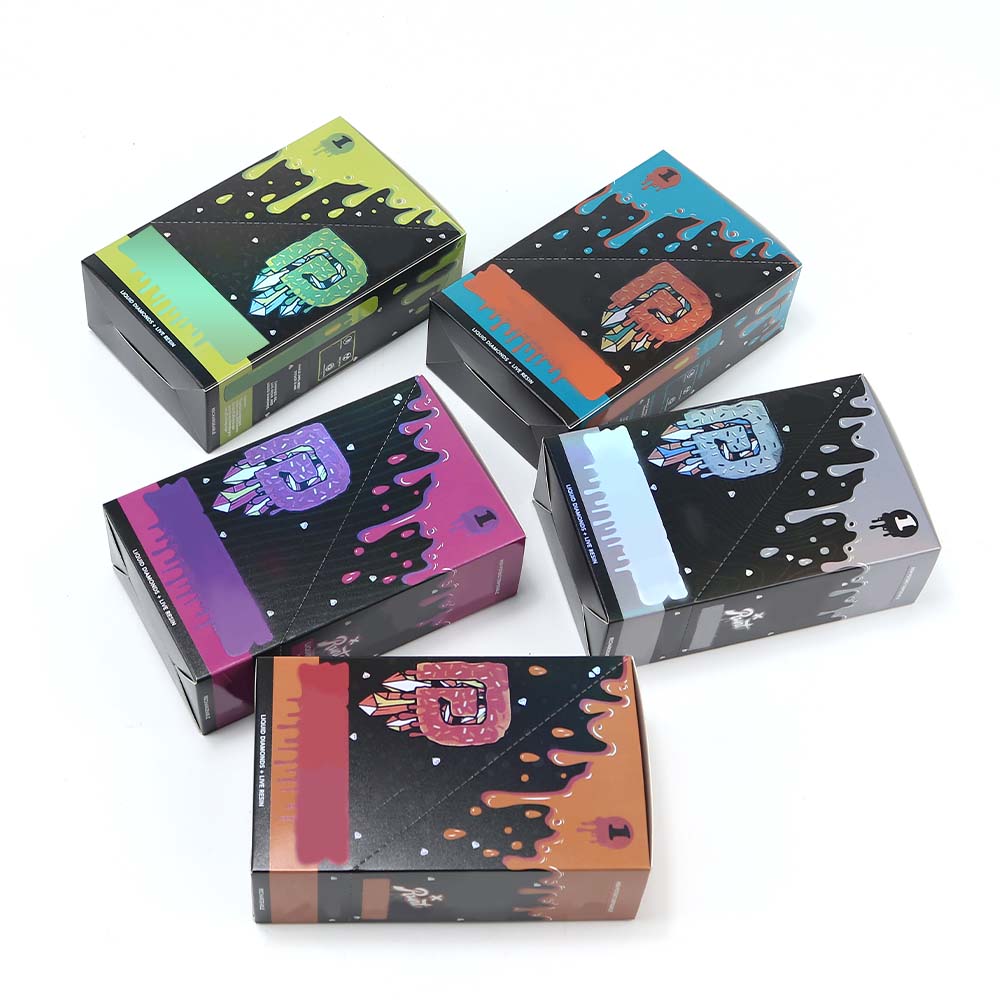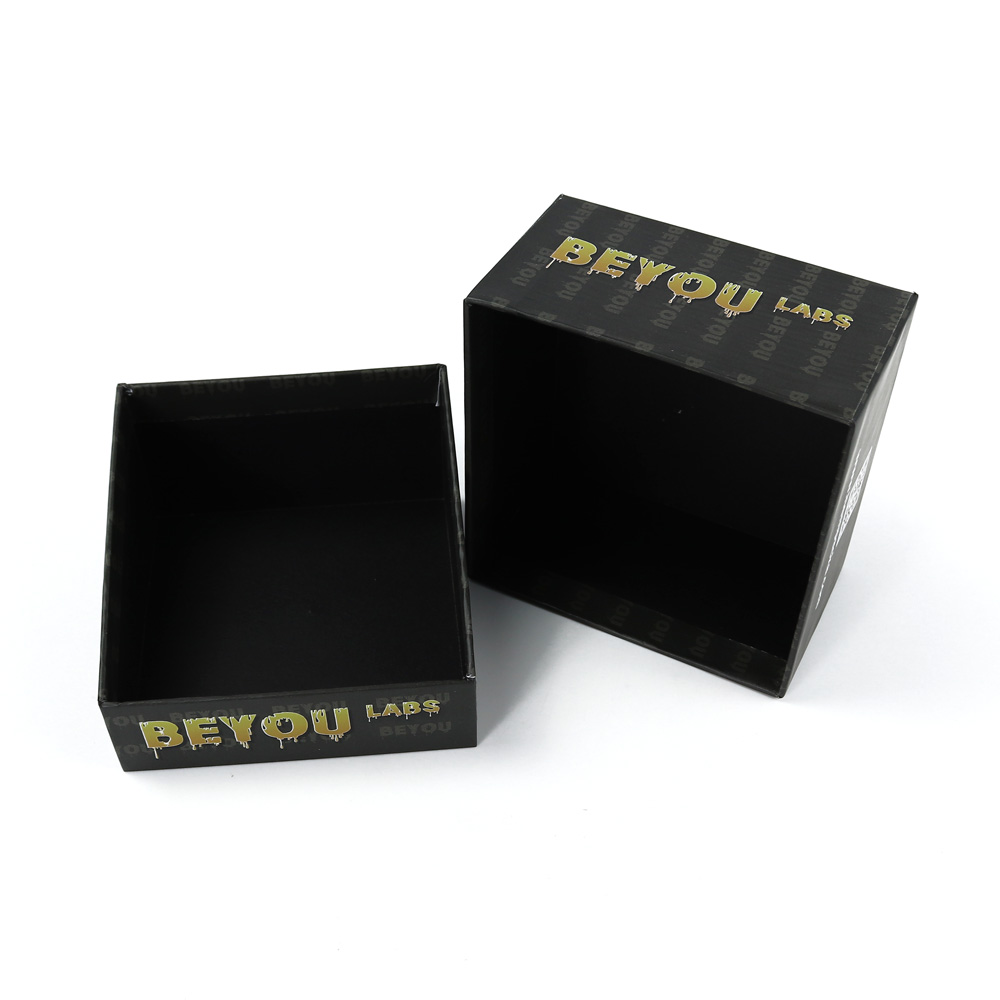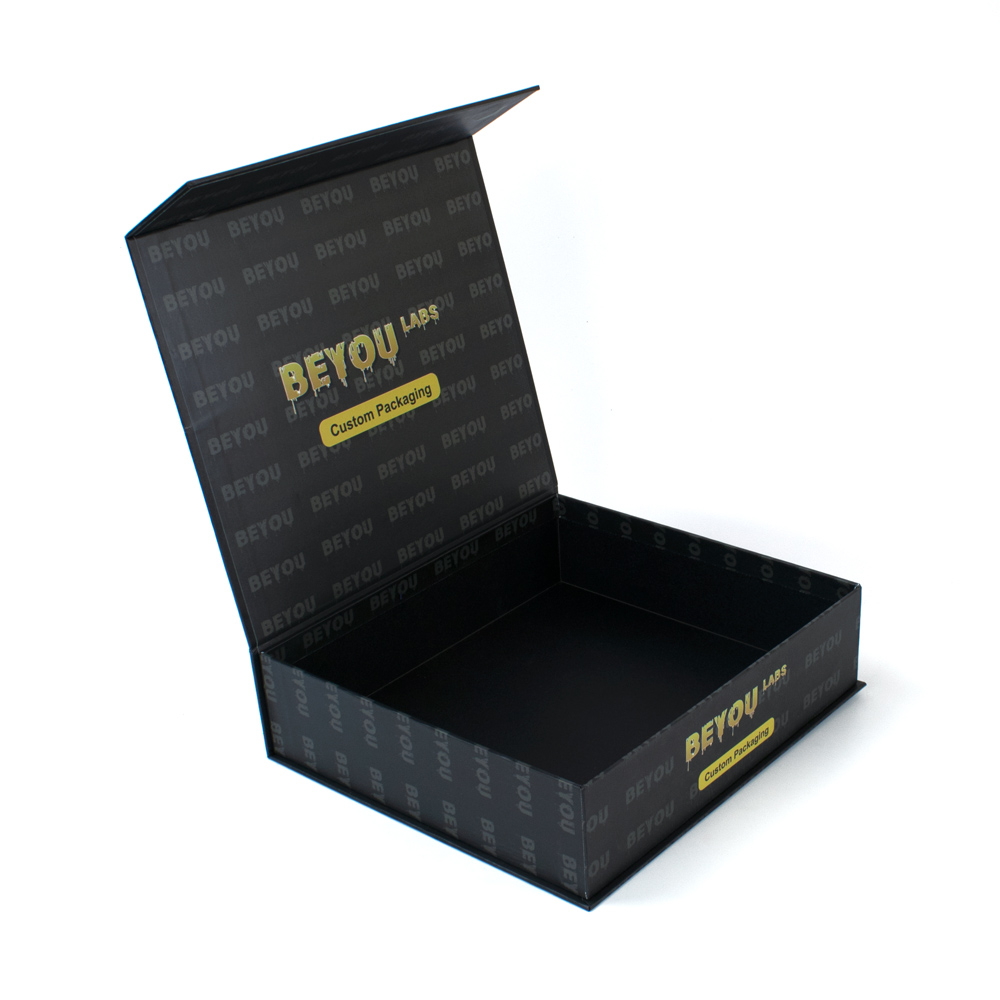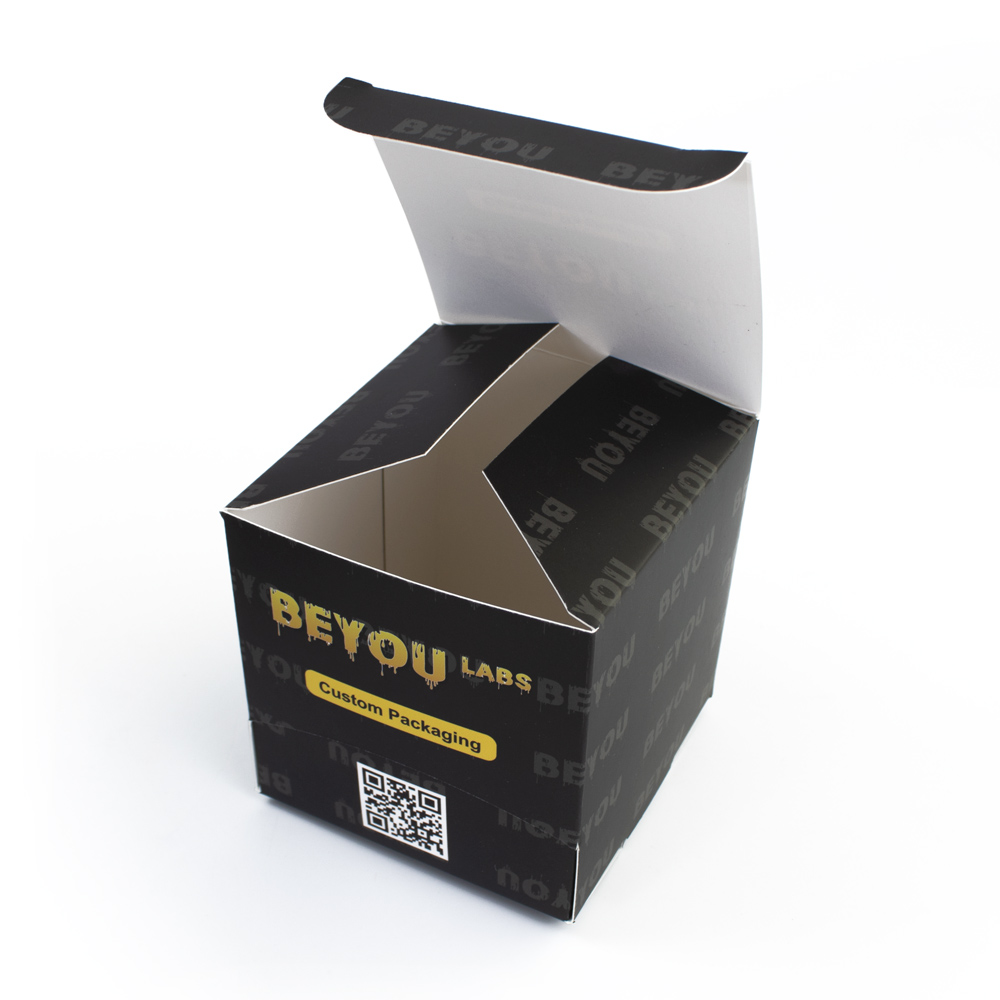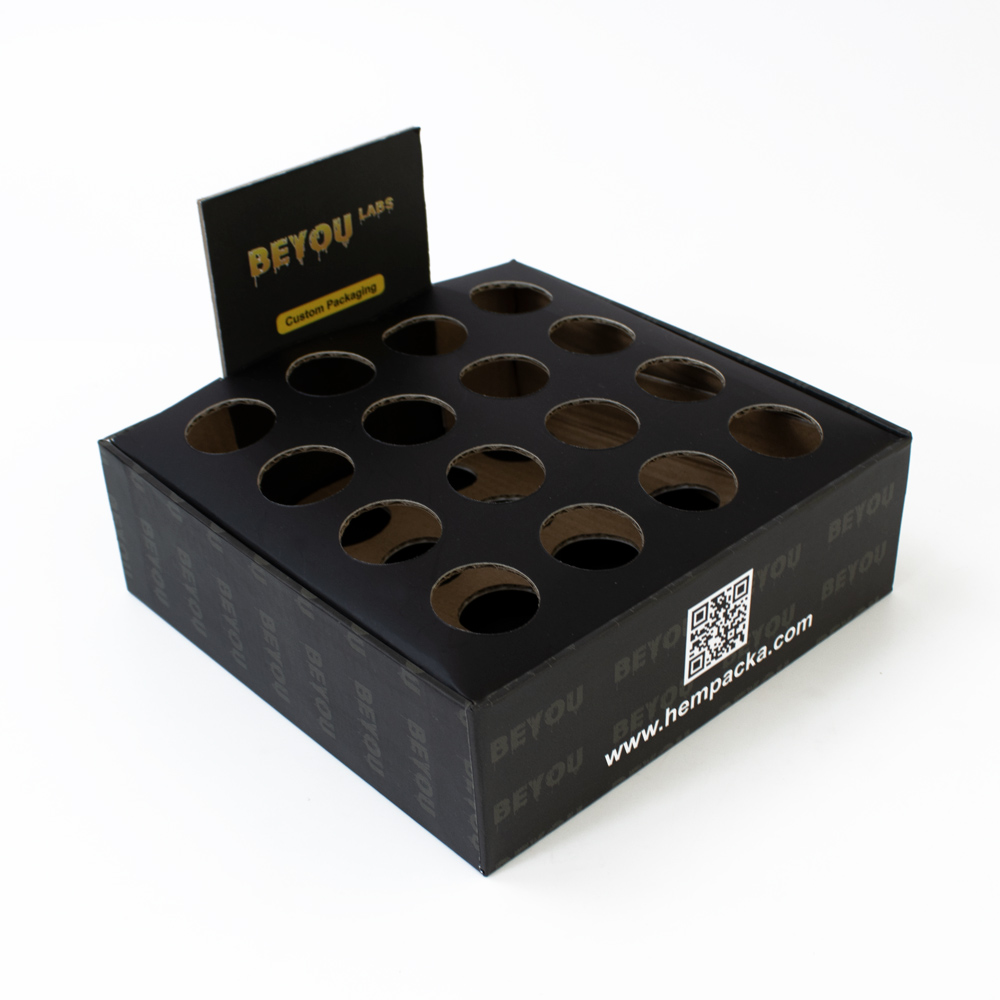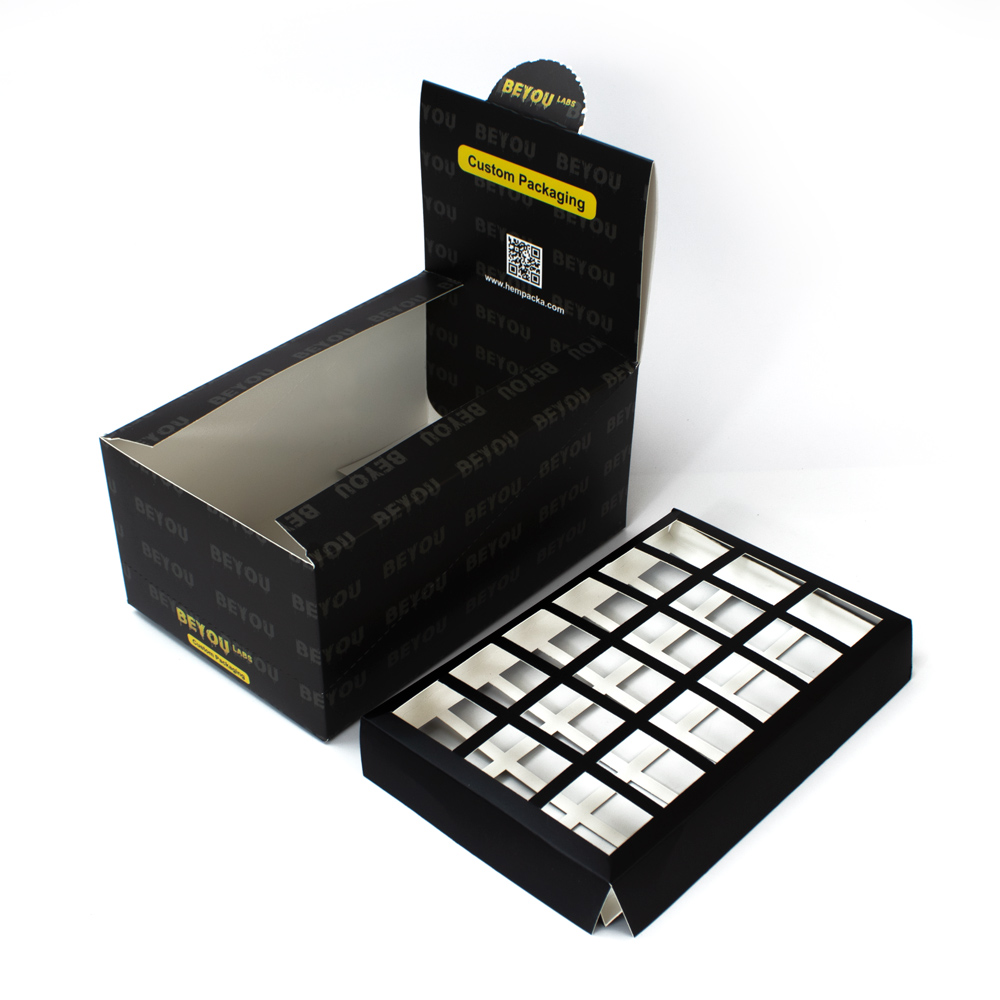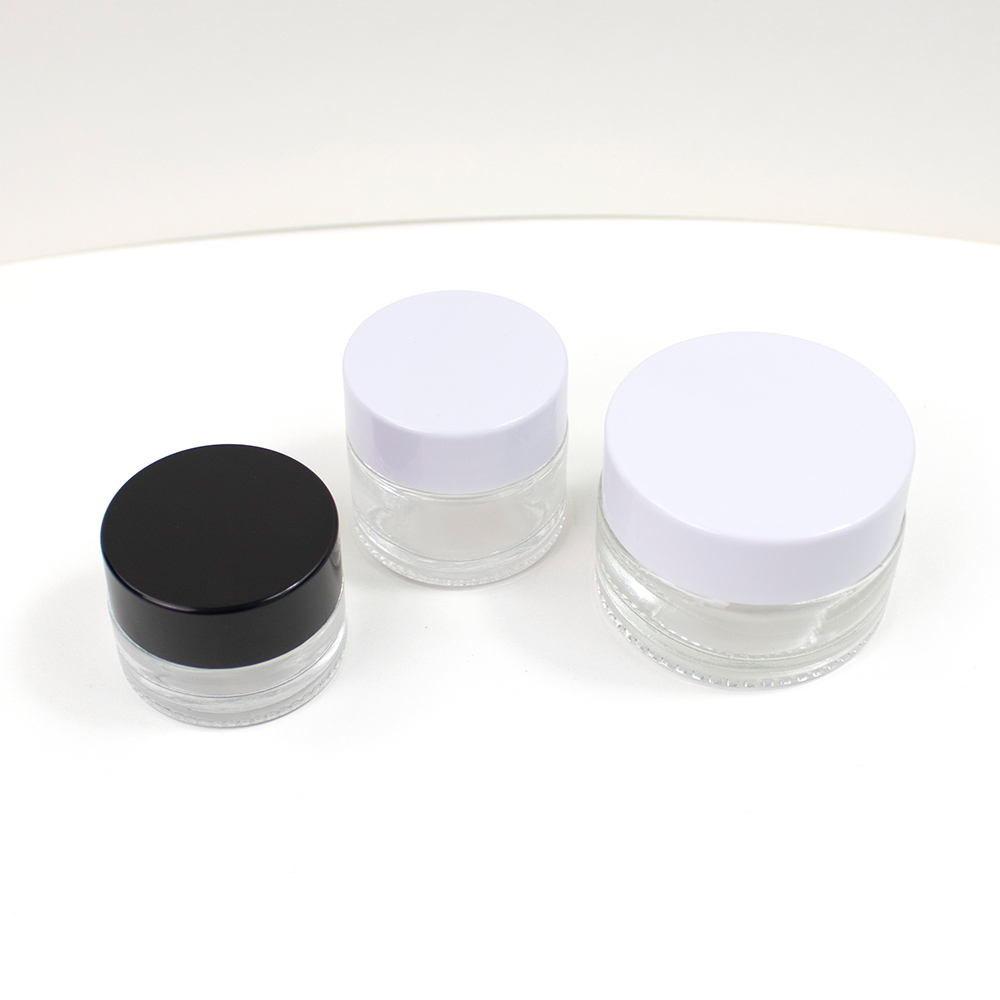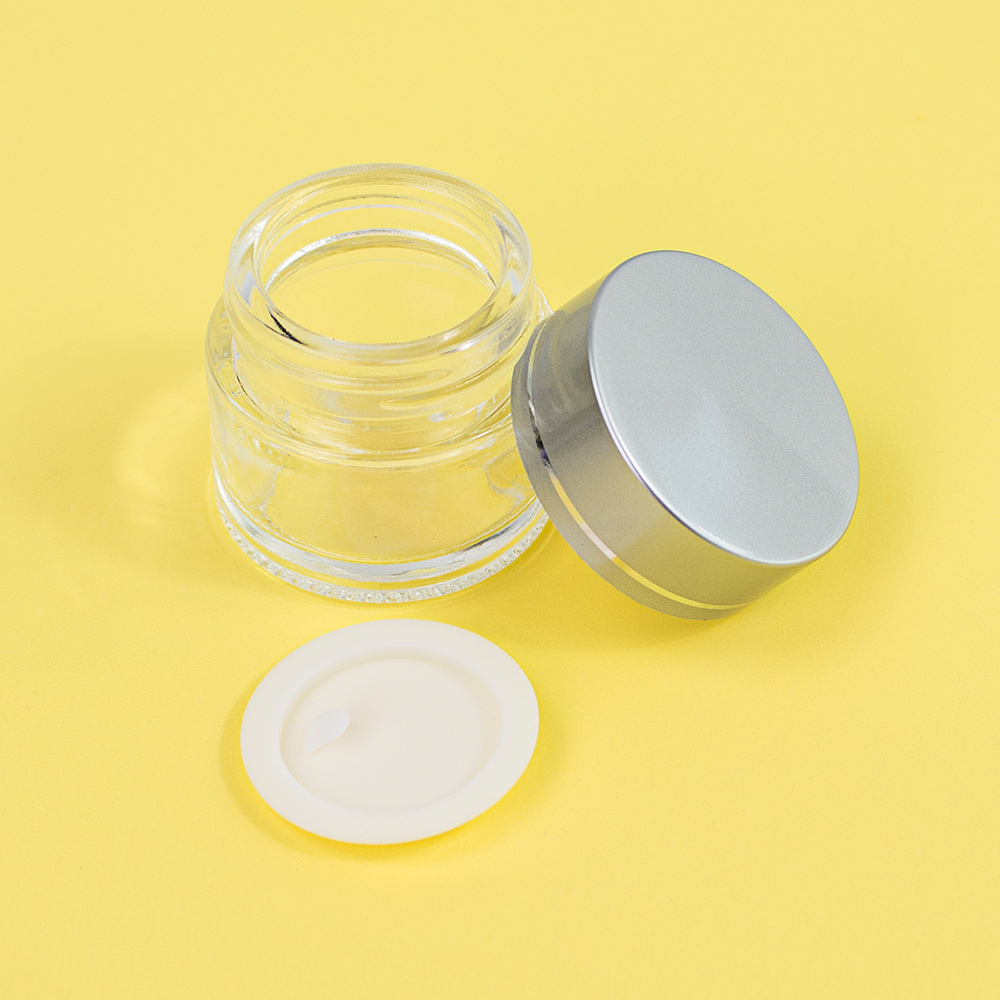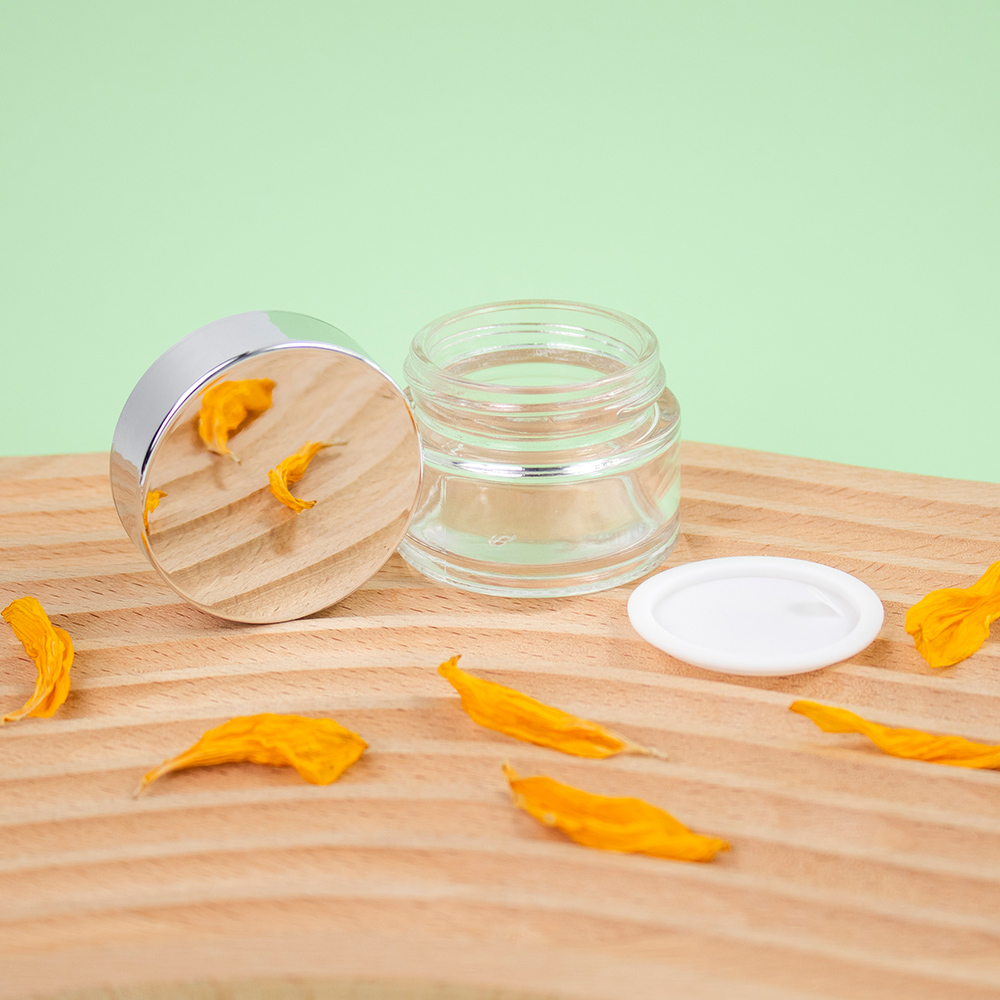
HEMPACKA Custom Logo Child Resistant Vape Cart Packaging Box
CALL : +86 18665993463 | PRICE BEAT GUARANTEE

Every cannabis brand eventually faces the same decision: which material actually protects the product, satisfies regulators, survives shipping, and still looks good on a dispensary shelf — without destroying the margin?
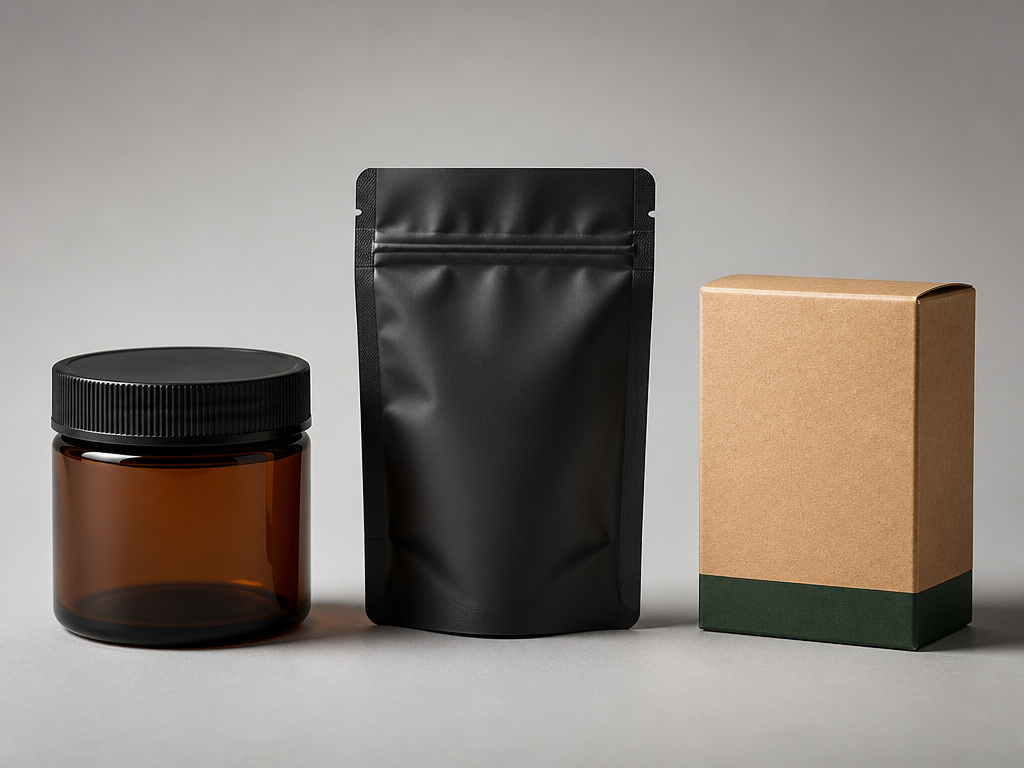
Glass, mylar and cardboard are the three workhorses of cannabis packaging. Each wins in different situations, and the "right" answer changes depending on whether you're packing premium flower, pre-rolls, edibles or concentrates.
This guide compares all three on the factors that matter, then maps them to specific product types so you can choose with confidence.
Before comparing materials, define what the package must accomplish:
Protect the product
1. — barrier against oxygen, moisture and light; structural protection against crushing.
Meet compliance
2. — child-resistance, tamper evidence, labelling, plain-packaging rules where applicable.
Sell the product
3. — brand presence, shelf differentiation, perceived value.
Move efficiently
4. — shipping weight, breakage rate, warehouse volume, cost per unit.
No single material wins on all four. The skill is matching the material to the product's priorities.
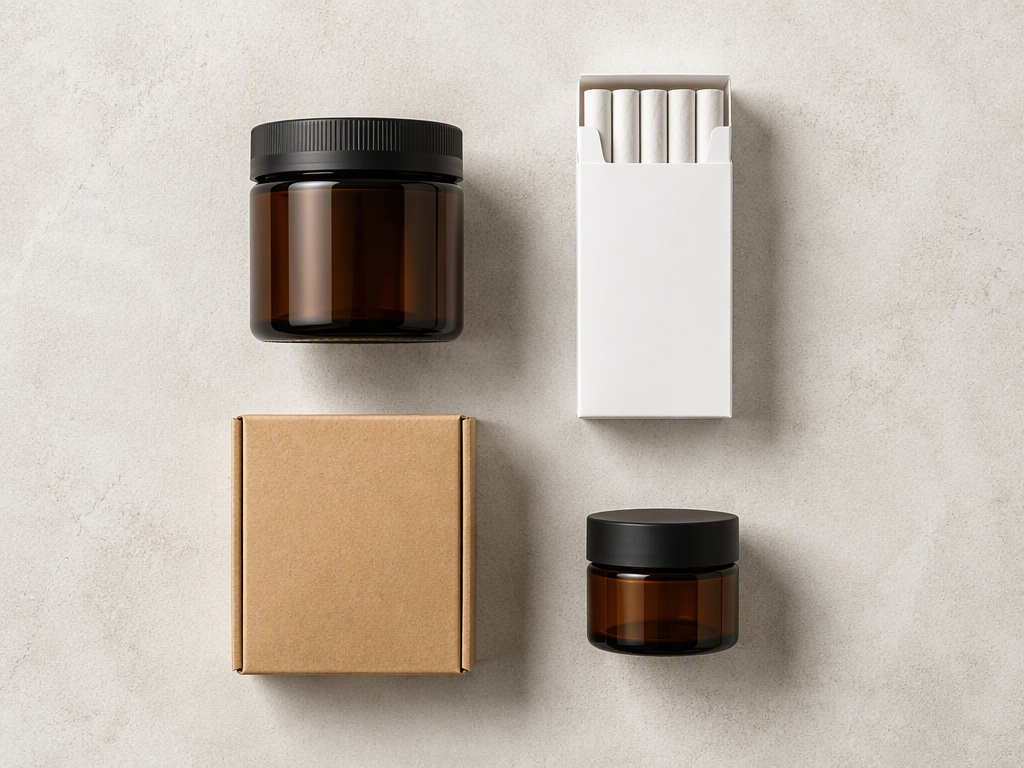
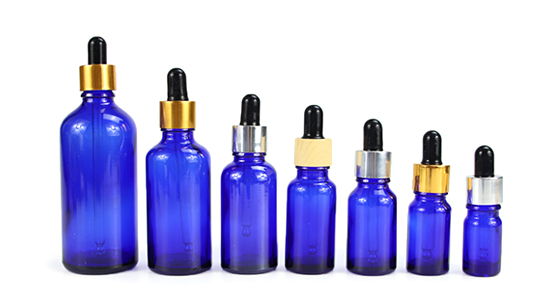
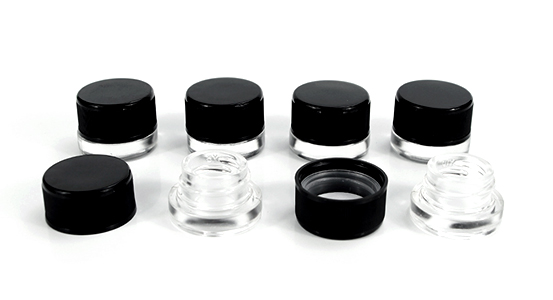
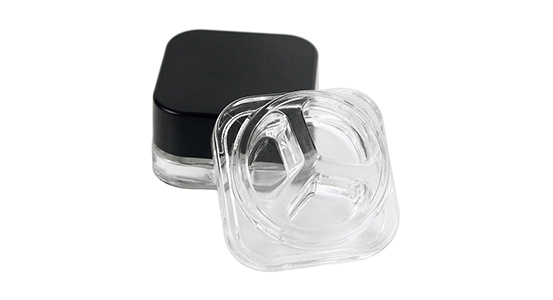
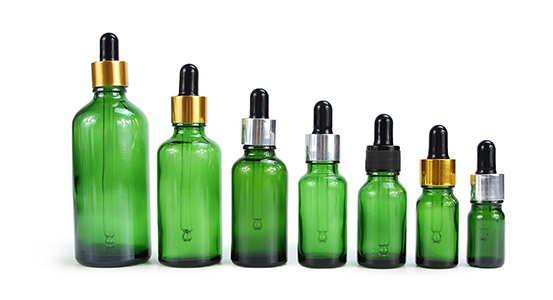
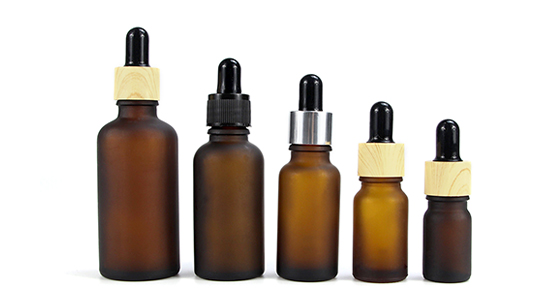
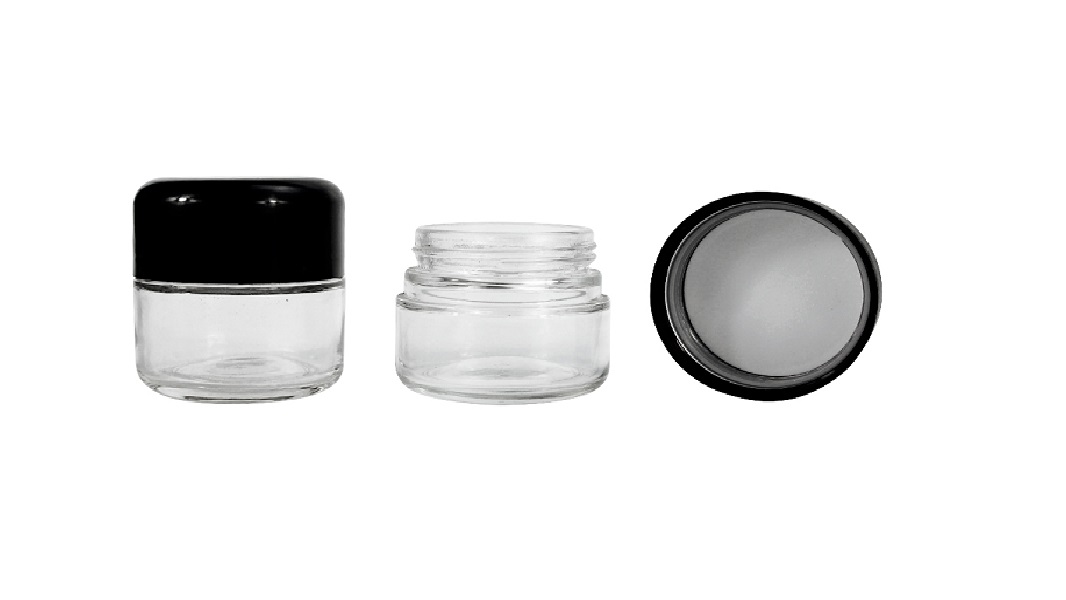
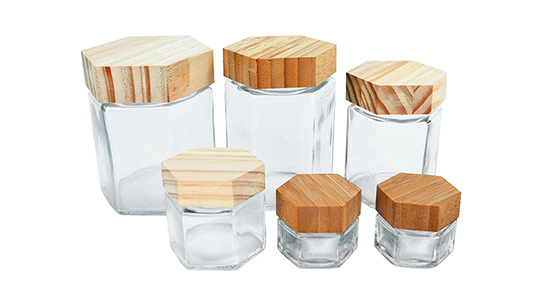
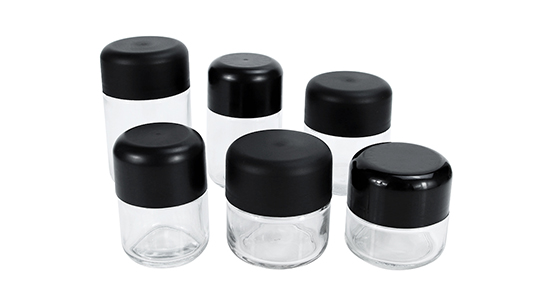
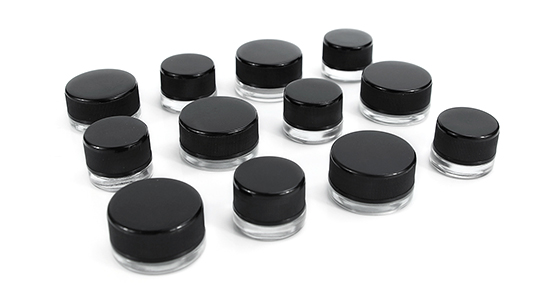
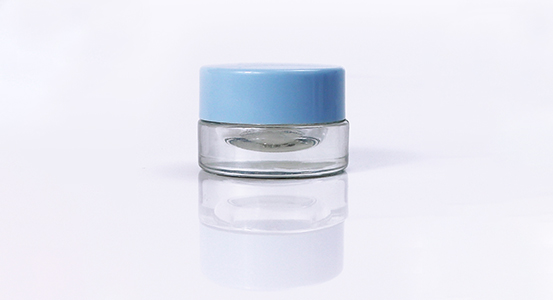
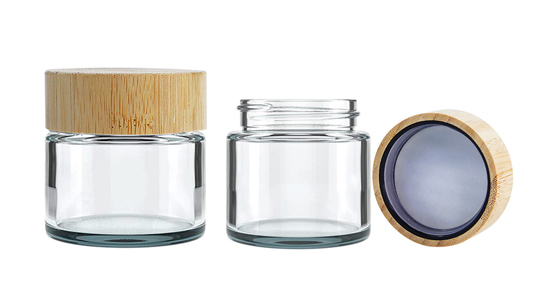
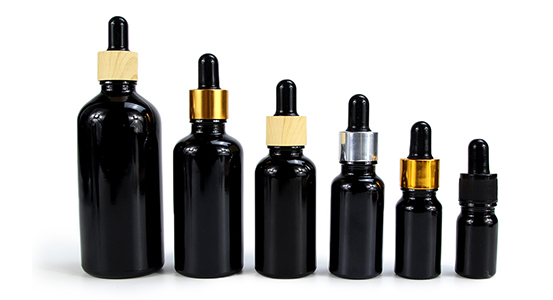
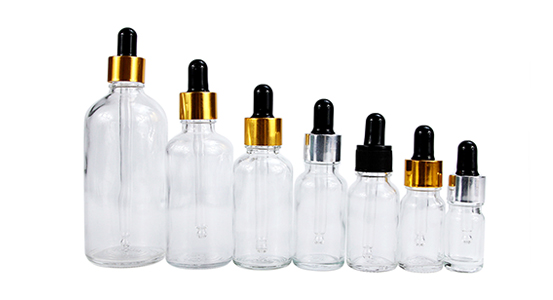
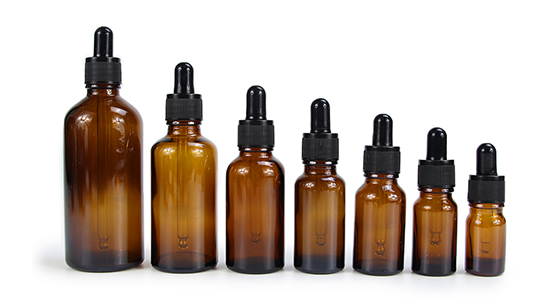
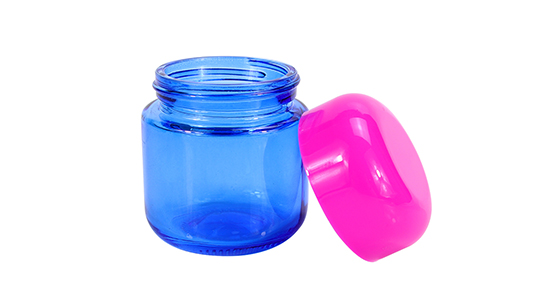
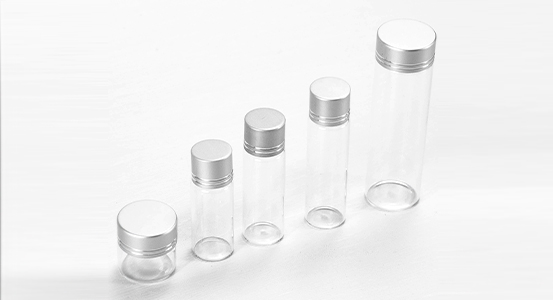
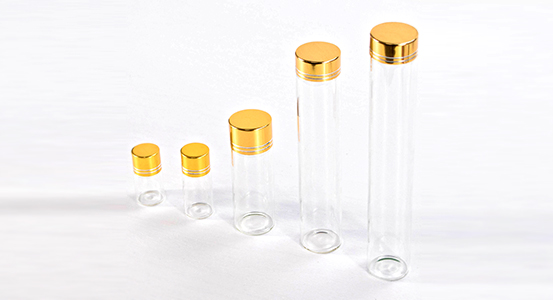
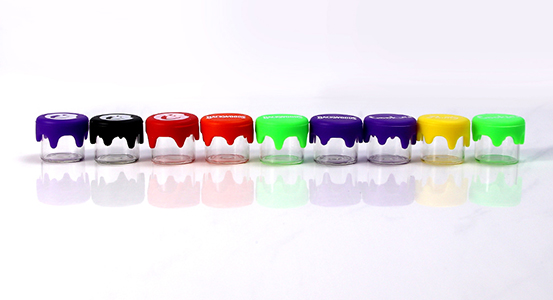
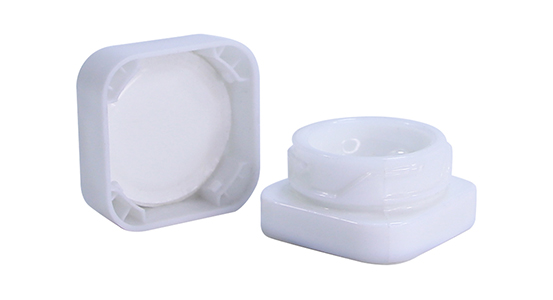
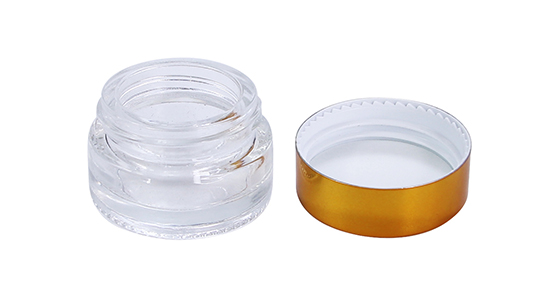
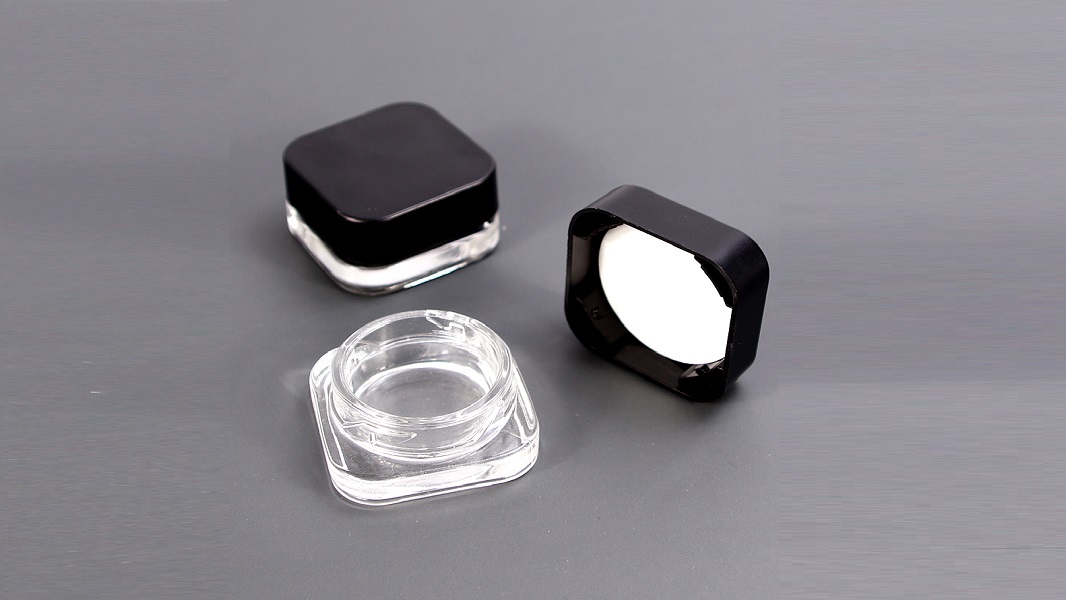
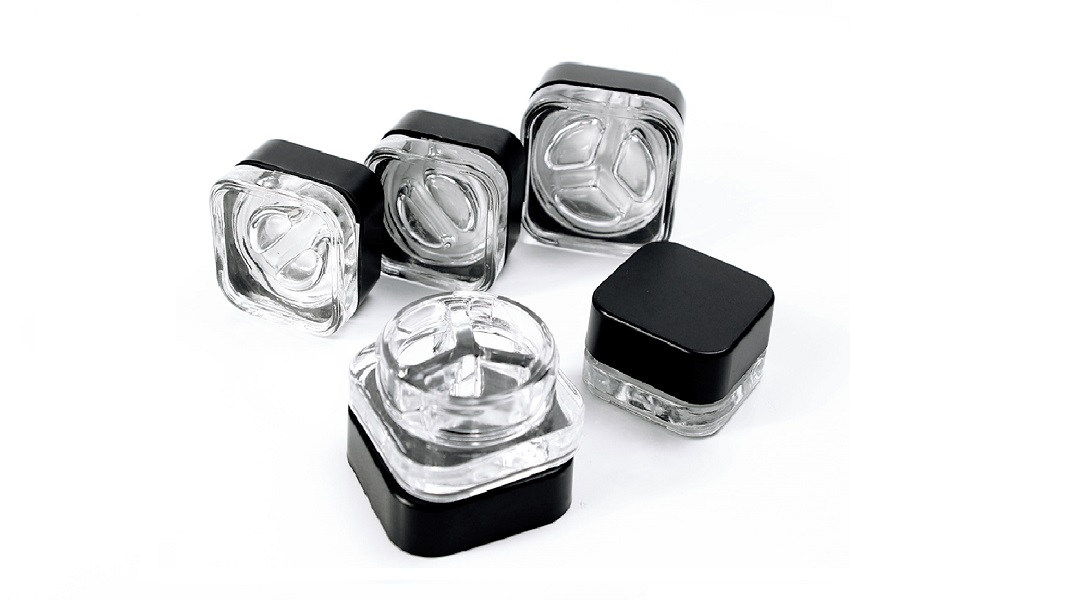
Strengths. Glass is chemically inert — it doesn't off-gas or impart any taste or odor to the product, which matters most for premium flower and concentrates. It's an excellent barrier to oxygen and moisture, feels substantial, and signals quality in a way few materials match. Amber and violet glass also offer light protection for UV-sensitive products.
Weaknesses. Weight and breakage. Glass raises freight costs significantly, requires protective secondary packaging in transit, and can shatter — a real risk in e-commerce and wholesale shipping.
Best for. Premium flower, concentrates, tinctures and any product where aroma preservation and perceived value drive the sale.
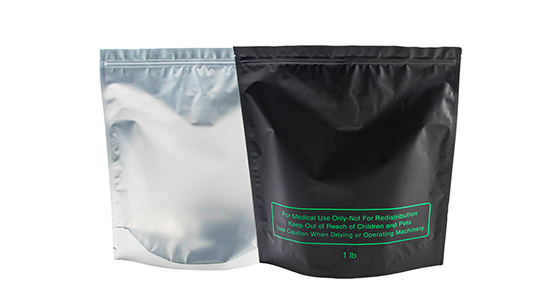
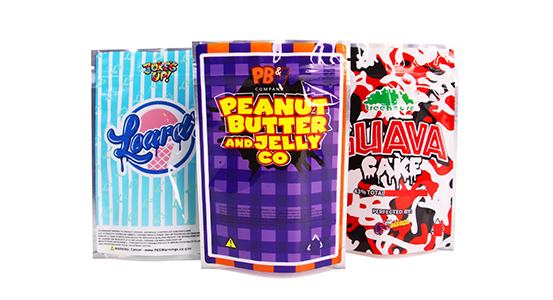
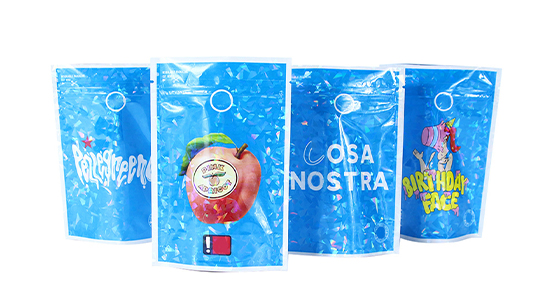
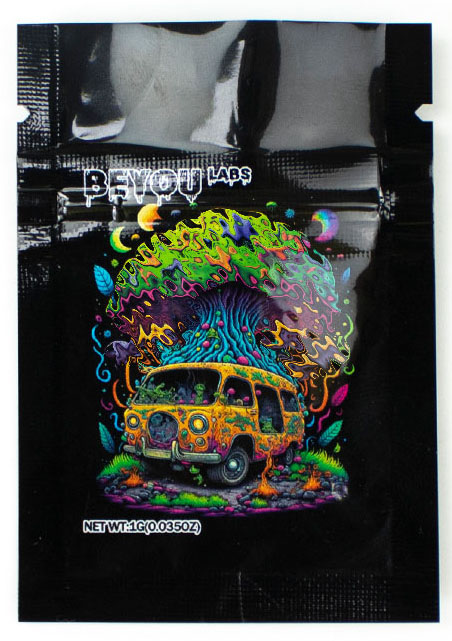
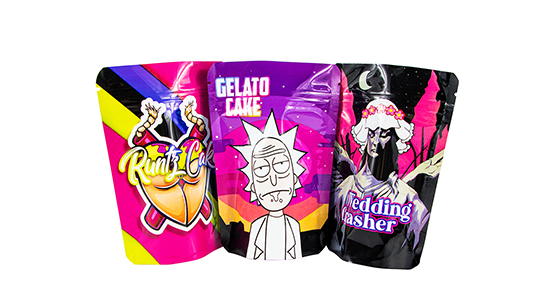
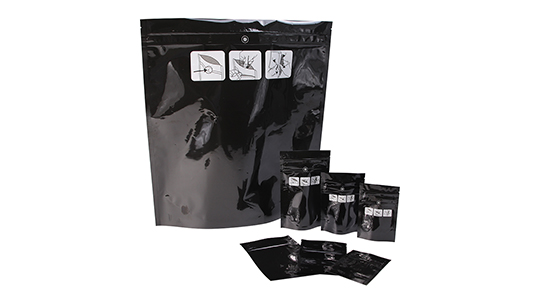
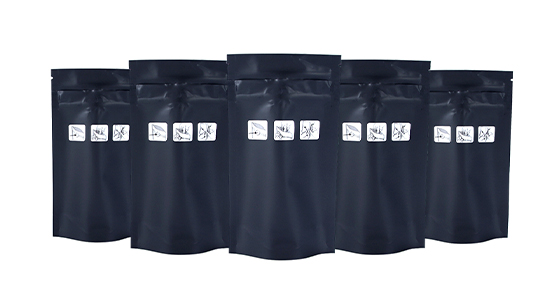
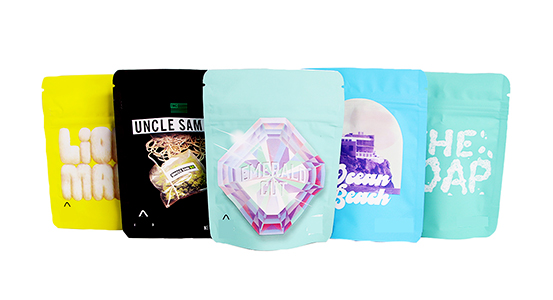
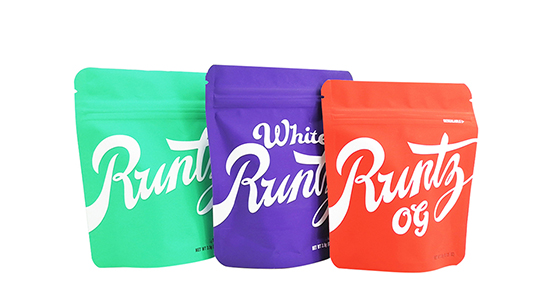
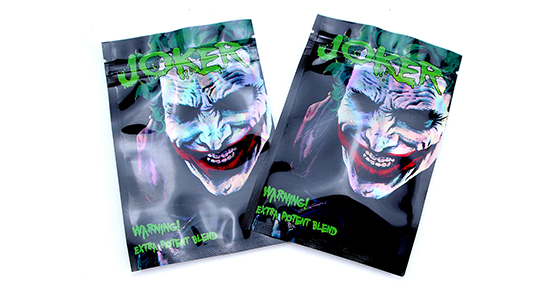
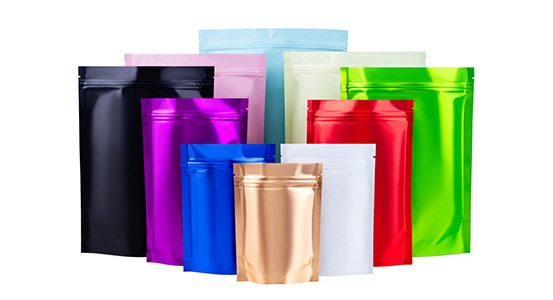
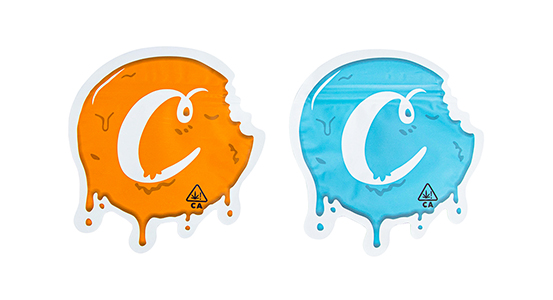
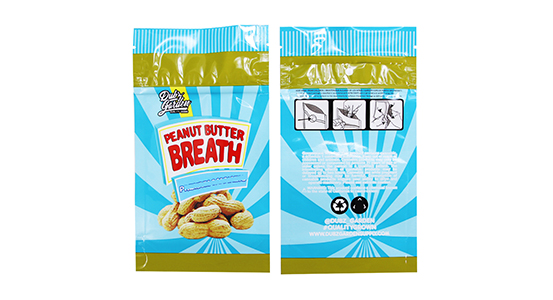
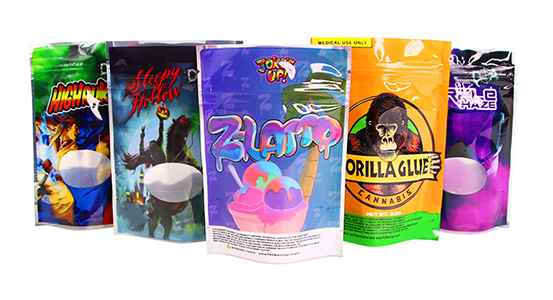
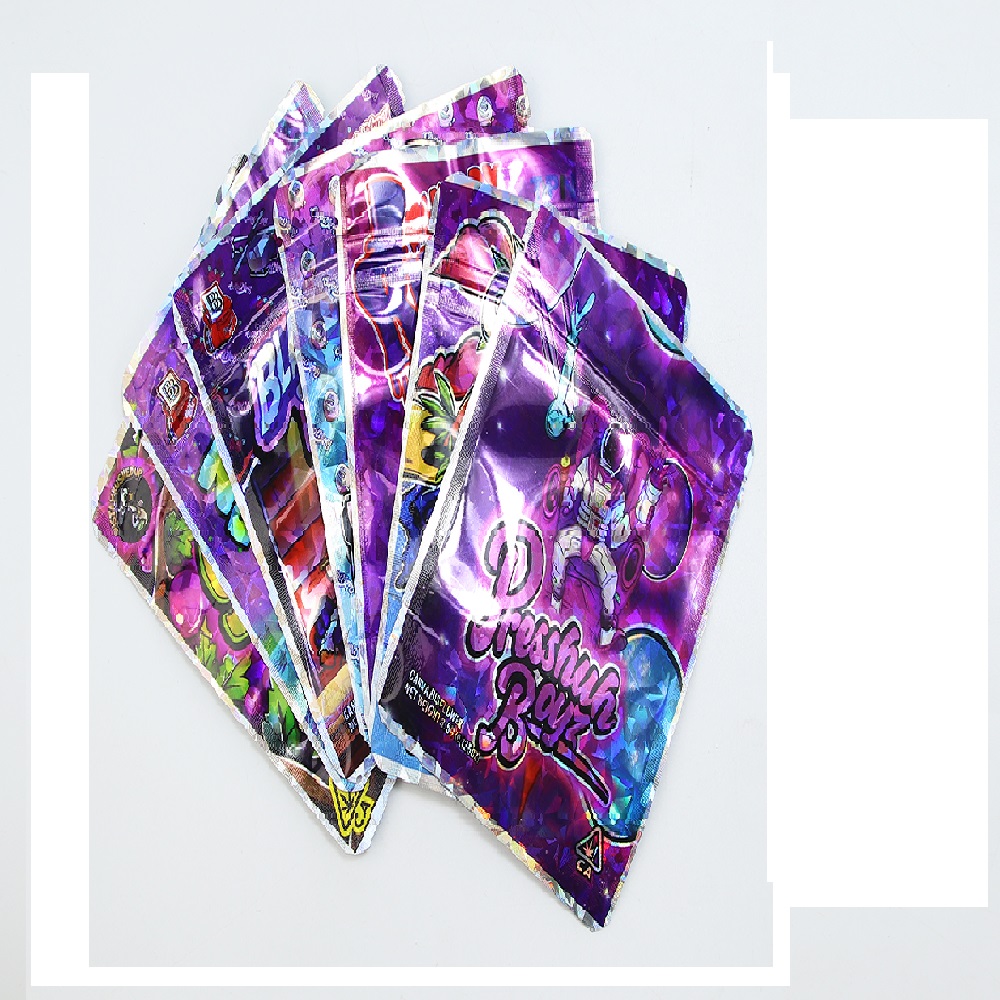
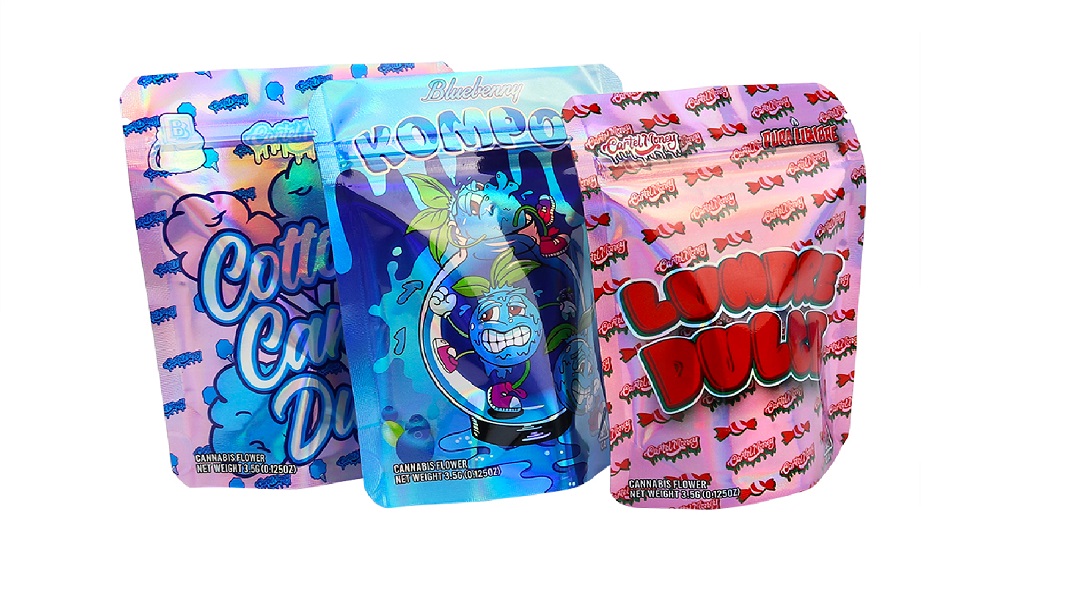
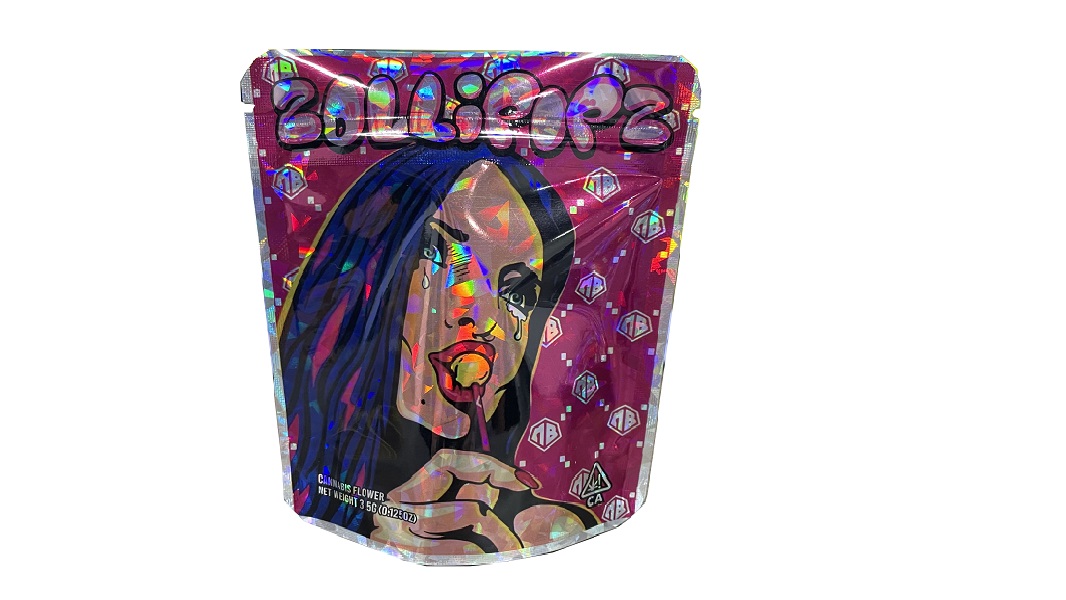
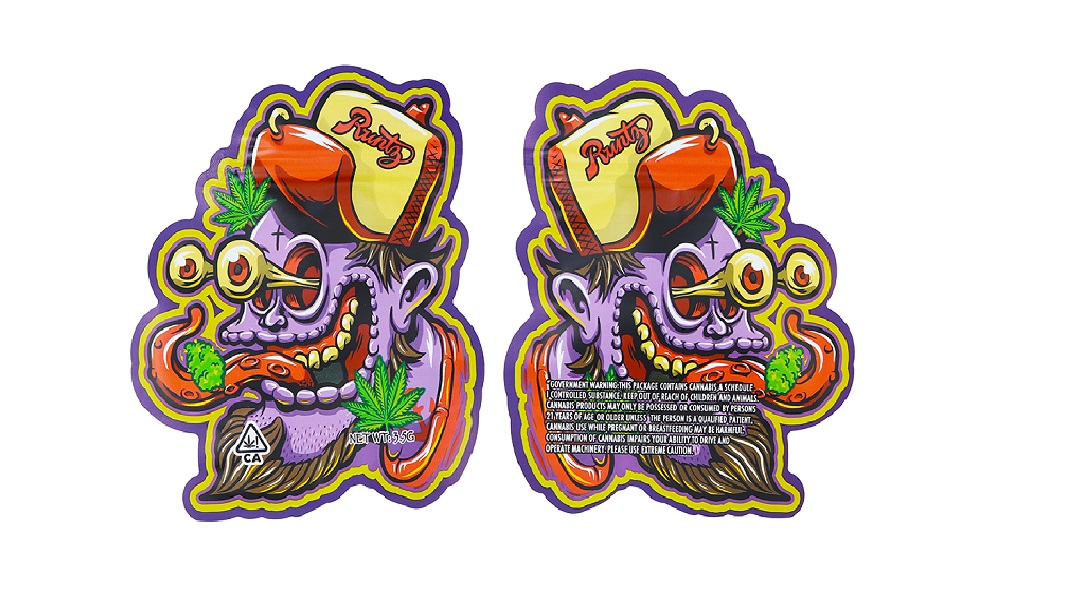
Strengths. High-barrier mylar (metallized, multi-layer film) blocks light and restricts moisture and oxygen ingress far better than standard plastic. It's lightweight, flexible, doesn't break, and can ship flat or pre-formed — meaning lower freight and storage costs than glass. Modern formats include resealable zippers and child-resistant closures. Full-surface print makes it a strong branding canvas.
Weaknesses. It can feel less premium than glass if specified poorly; thin single-layer "mylar" performs far below multi-layer barrier film. It also cannot correct wrong starting conditions — seal flower too wet and the barrier traps the moisture in.
Best for. Flower sold in volume, pre-roll multipacks, edibles, exit bags and any product where shipping efficiency and cost per unit matter.
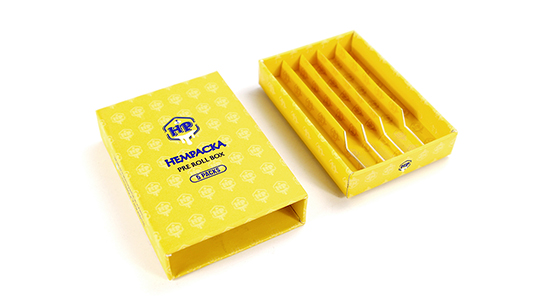
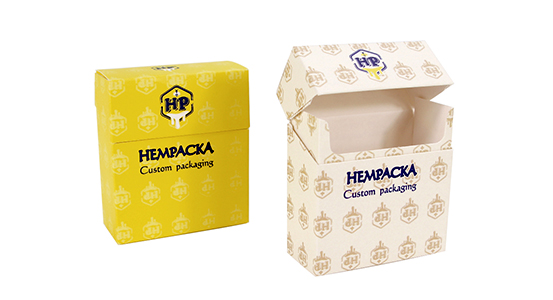
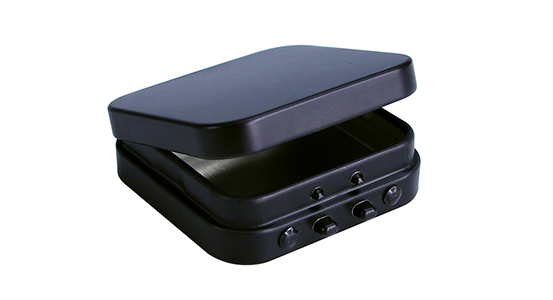
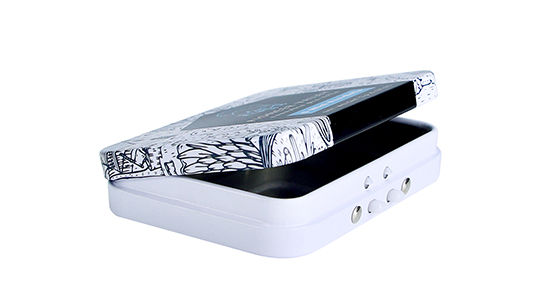
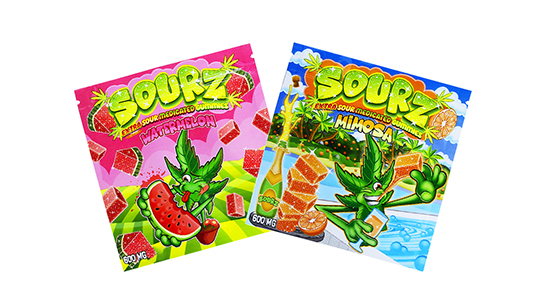
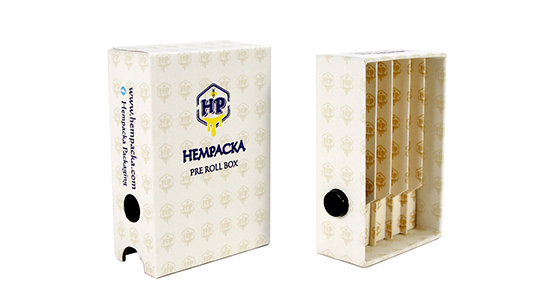
Strengths. Cardboard and rigid paperboard boxes provide structure, print beautifully, and support premium unboxing. They're widely recyclable and align with sustainability messaging. They're the standard for edibles, pre-roll packs and gift sets.
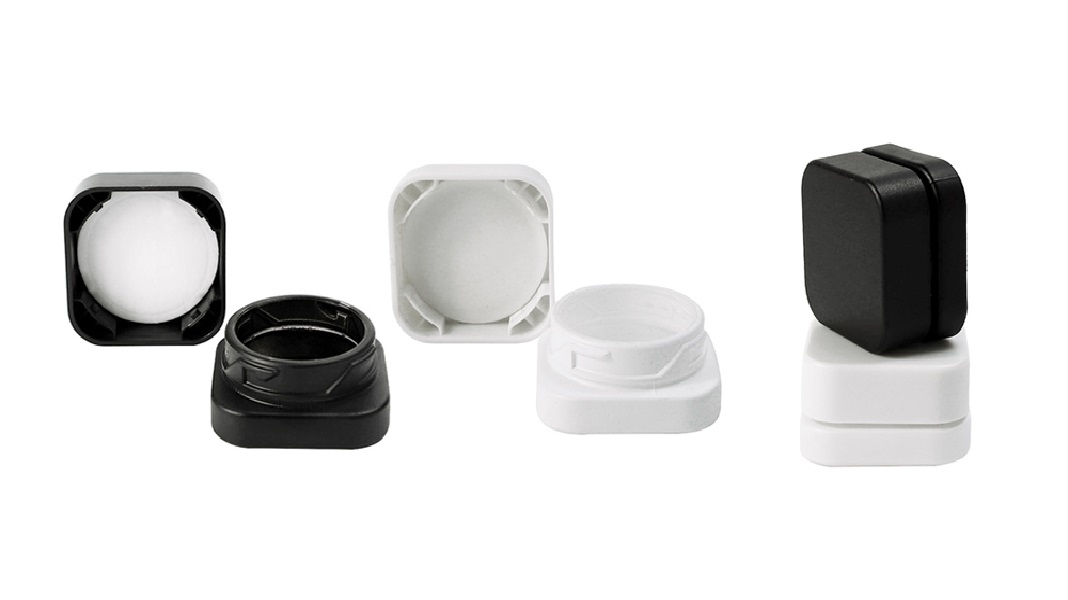
Weaknesses. Paper alone is a poor moisture and oxygen barrier — it needs an inner liner or bag for products that must stay fresh. It also offers no inherent child-resistance; CR must come from the closure or an inner component.
Best for. Edibles cartons, pre-roll multi-packs, concentrate outer boxes, gift sets and brand-forward retail packaging.
Factor | Glass | Mylar (high-barrier) | Cardboard / paper |
Moisture & oxygen barrier | Excellent | Very good (multi-layer) | Poor alone — needs liner |
Light protection | Good (amber/violet); clear = none | Excellent (opaque) | Good (opaque) |
Product weight/freight cost | High | Low | Low–medium |
Breakage risk | High | Very low | Low |
Perceived premium feel | Highest | Good (finish-dependent) | Good |
Branding surface | Label-based | Full-surface print | Full-surface print |
Child-resistance | Via CR lid | Via CR zipper/closure | Via closure or inner unit |
Recyclability | Widely recyclable | Limited (multi-material film) | Widely recyclable |
Best cost per unit (at volume) | Higher | Low | Low–medium |
Product type | Primary recommendation | Why | Common combo |
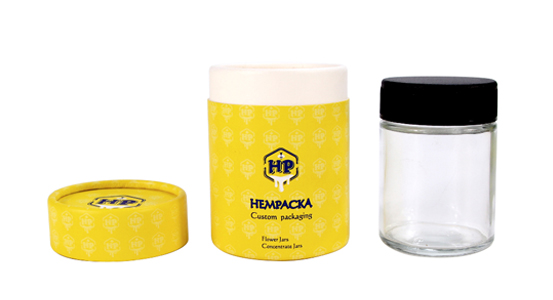
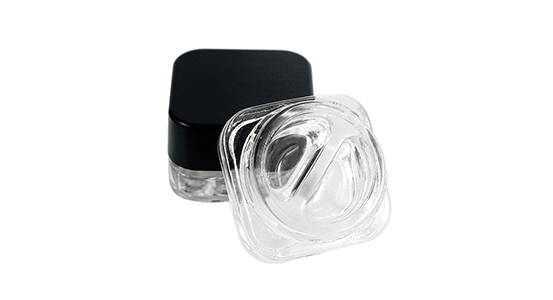
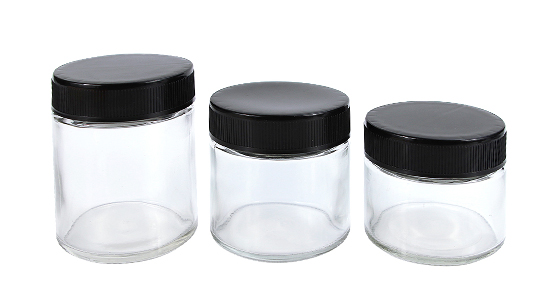
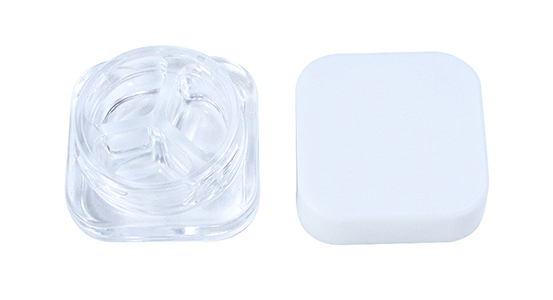
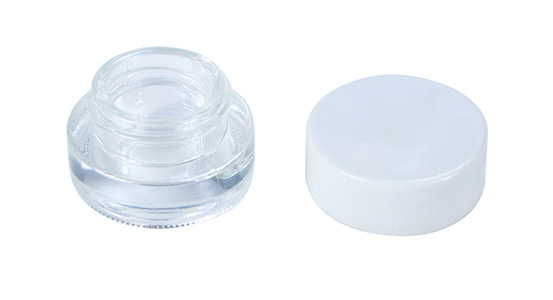
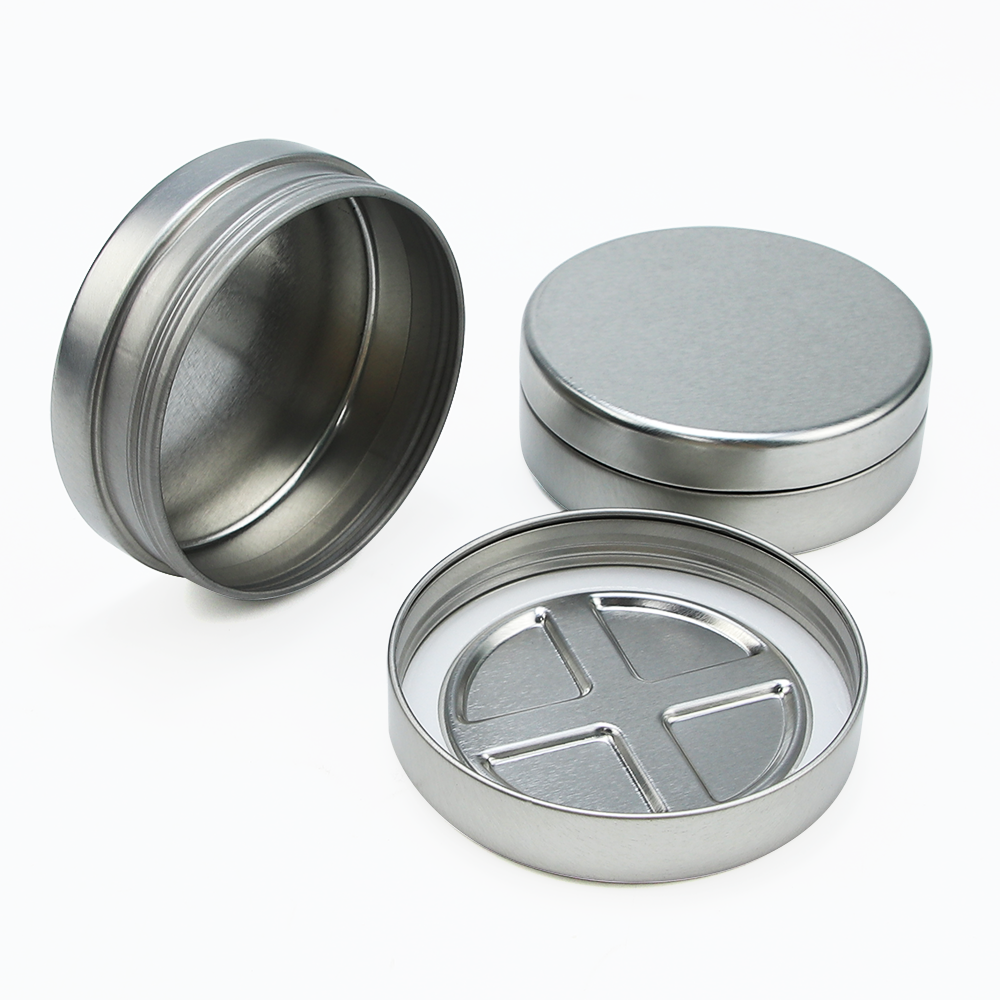
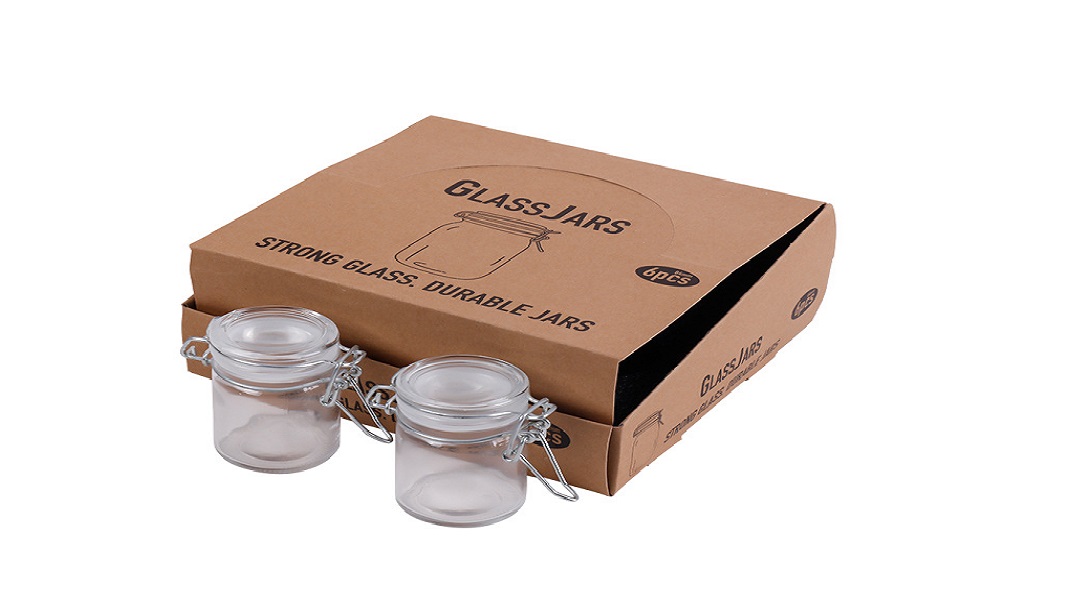
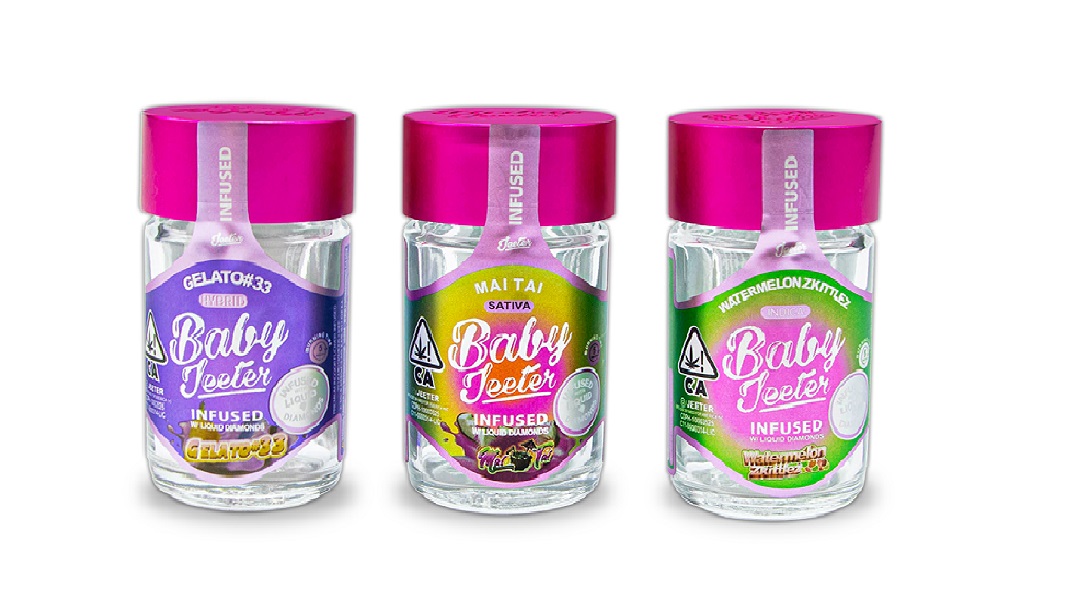
Flower (premium) | Glass jar with CR lid | Inert, premium feel, aroma preservation | Jar + branded outer box |
Flower (volume/wholesale) | High-barrier mylar bag | Low freight cost, strong barrier | Mylar + exit bag |
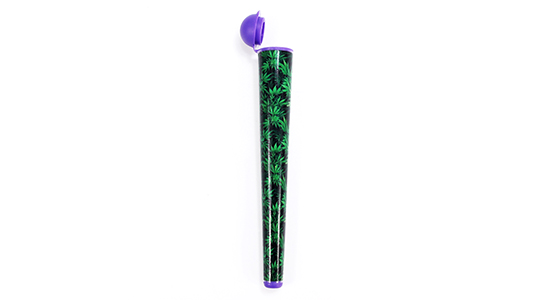
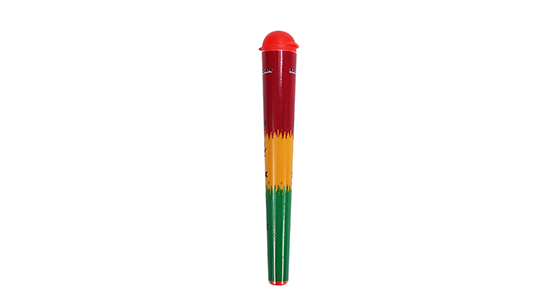
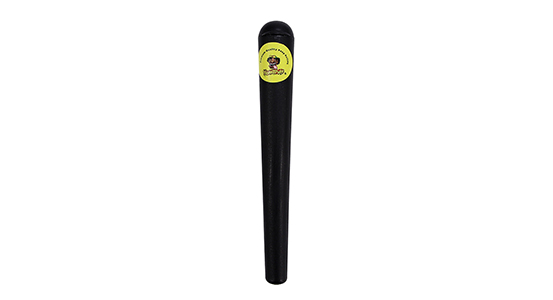
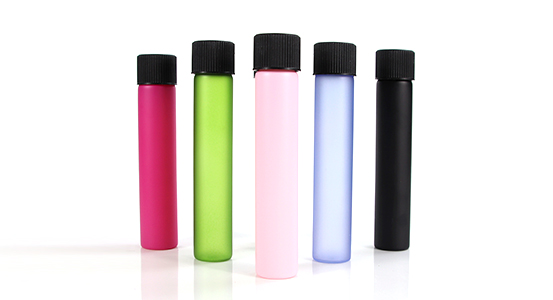
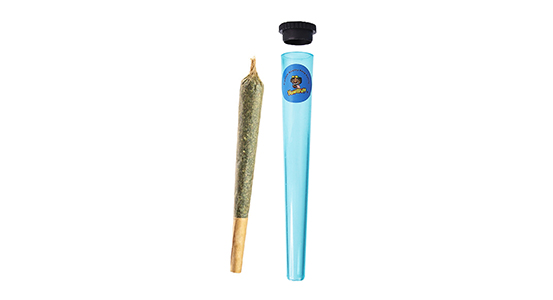
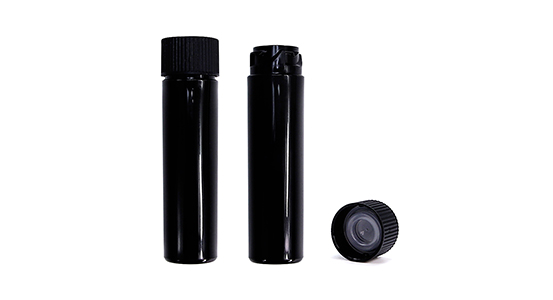
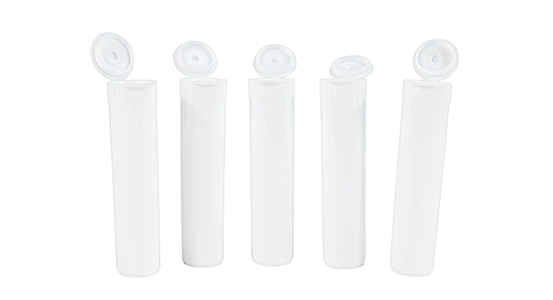
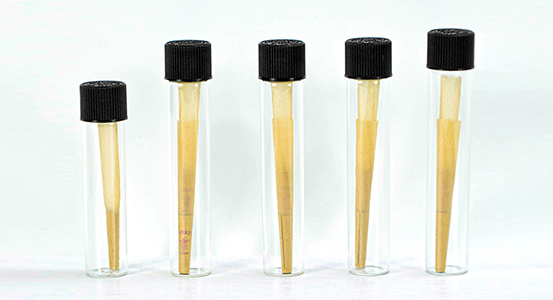
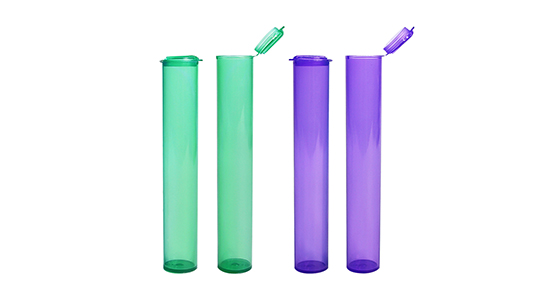
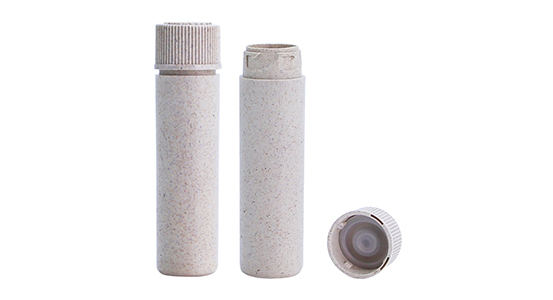
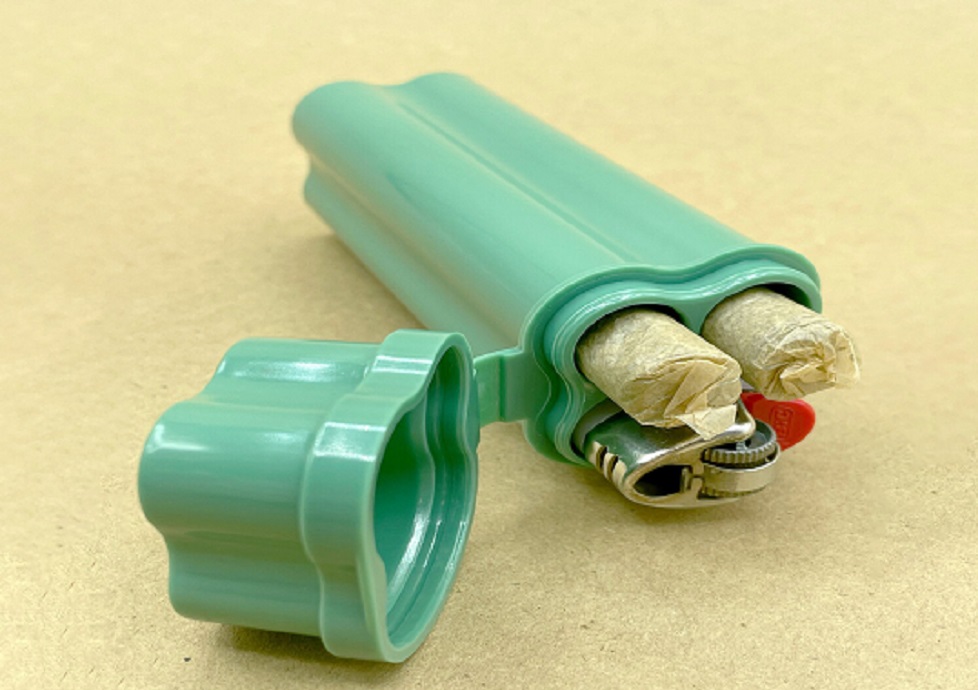
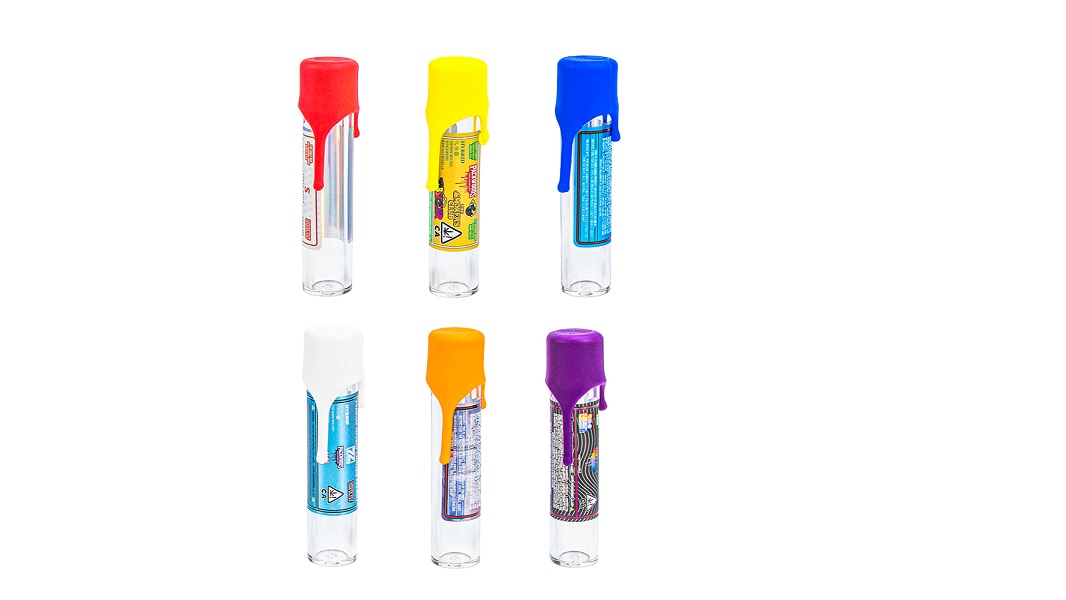
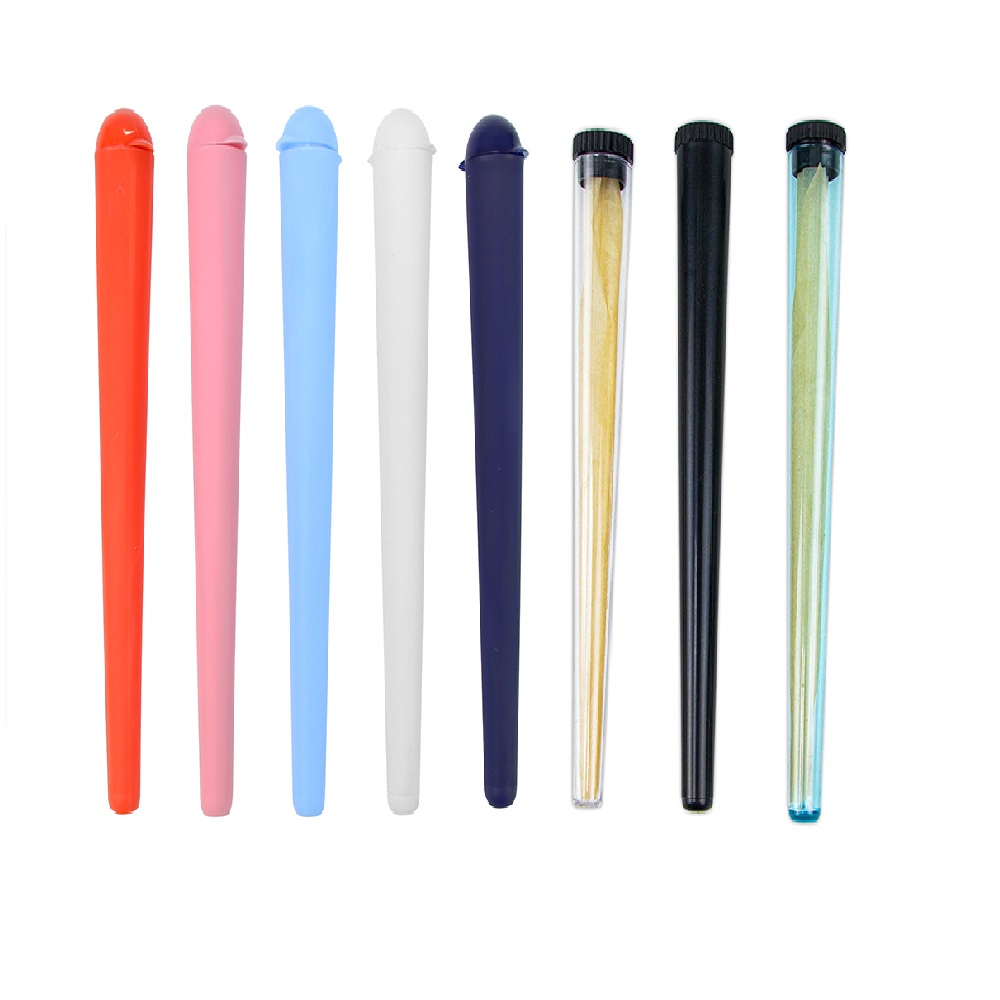
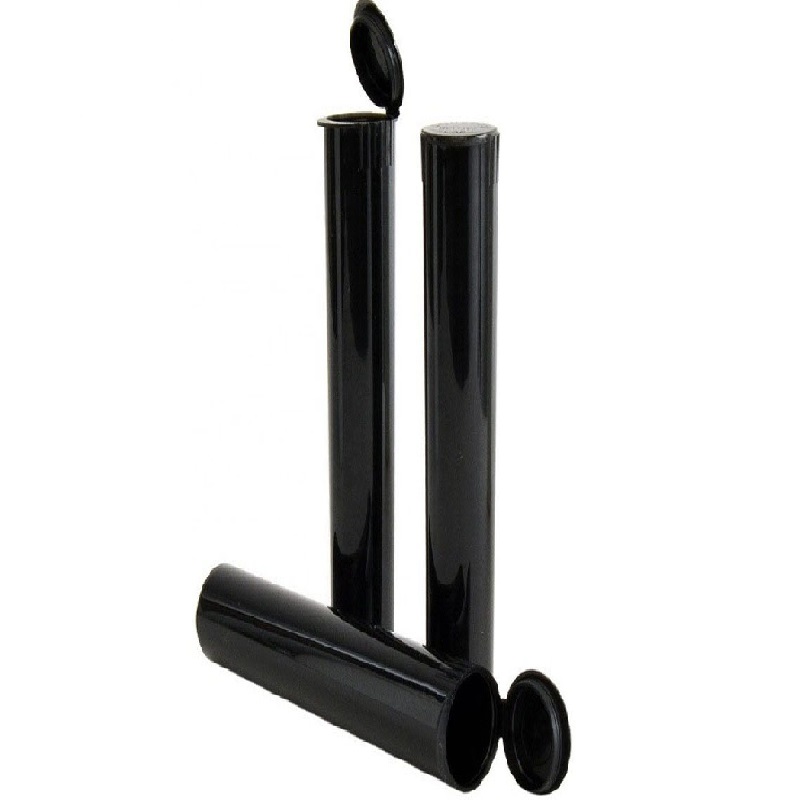
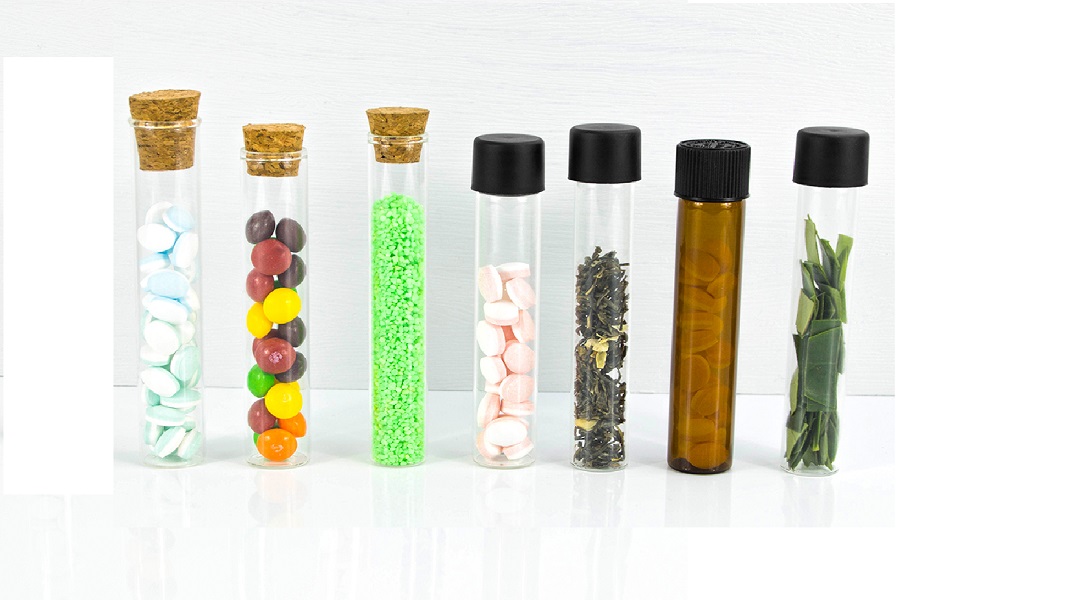
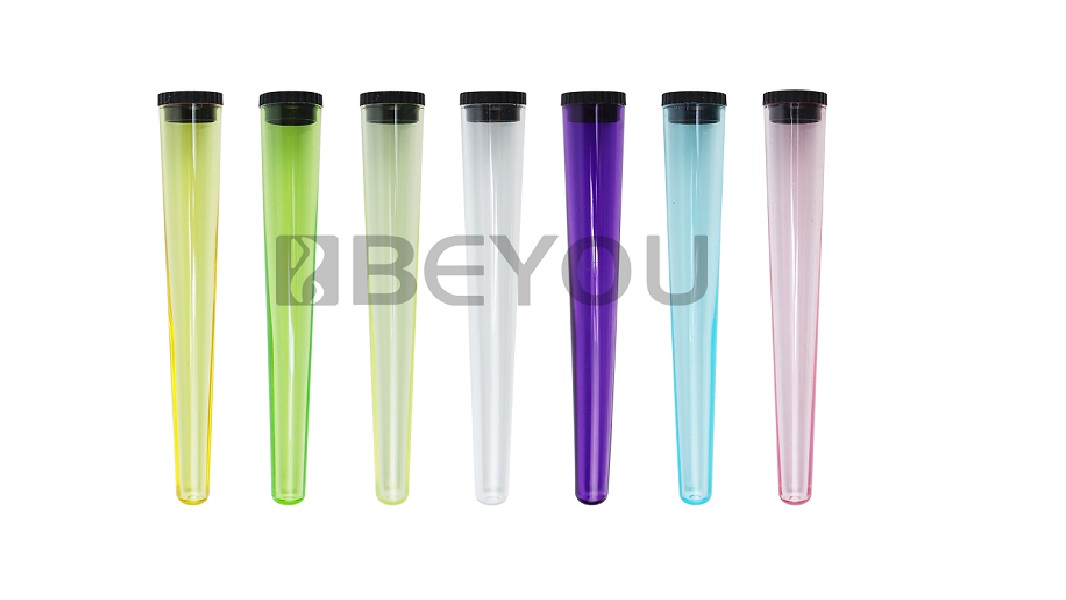
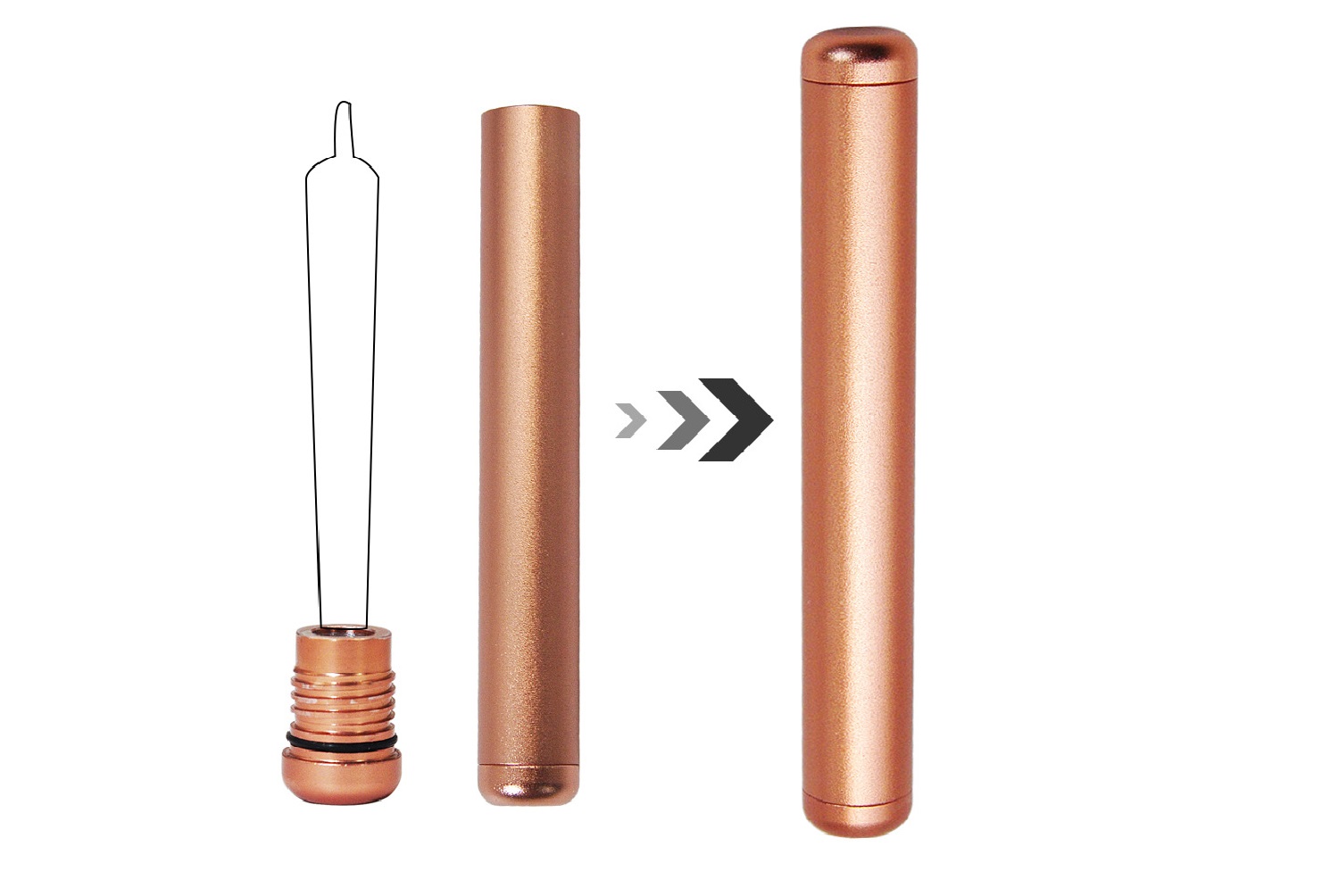
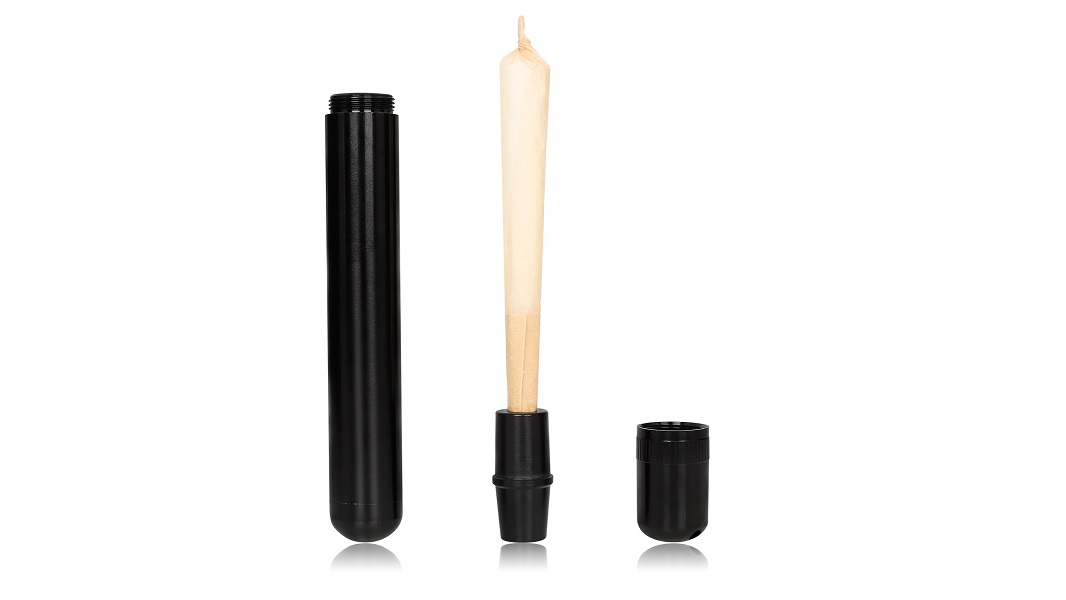
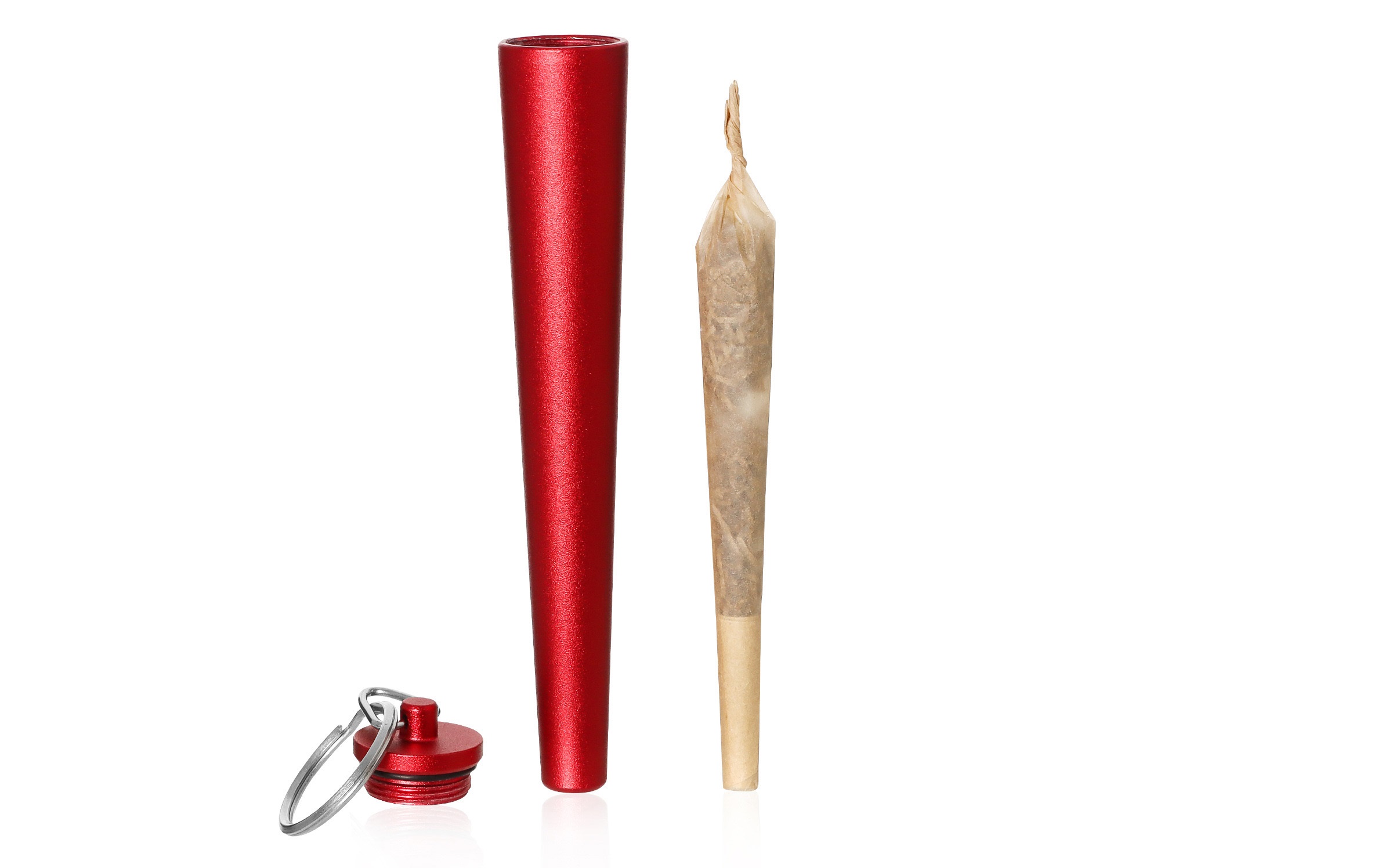
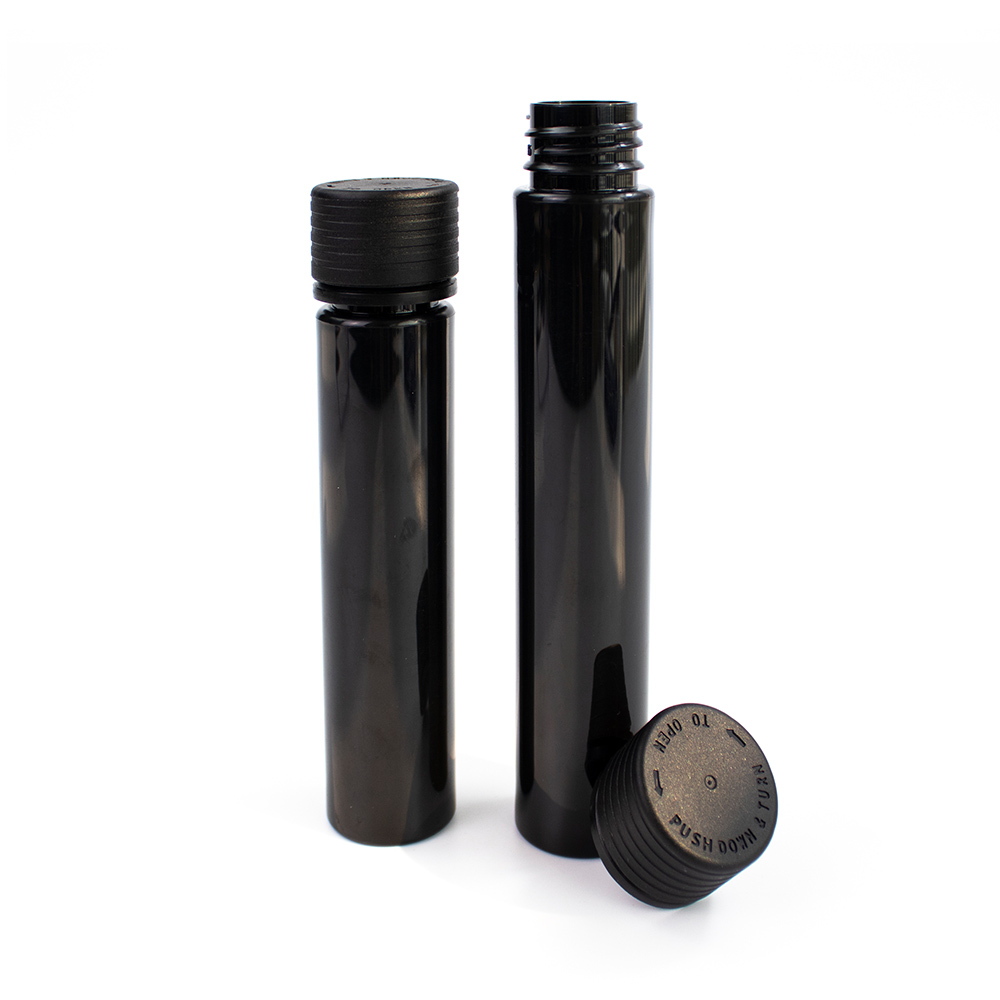
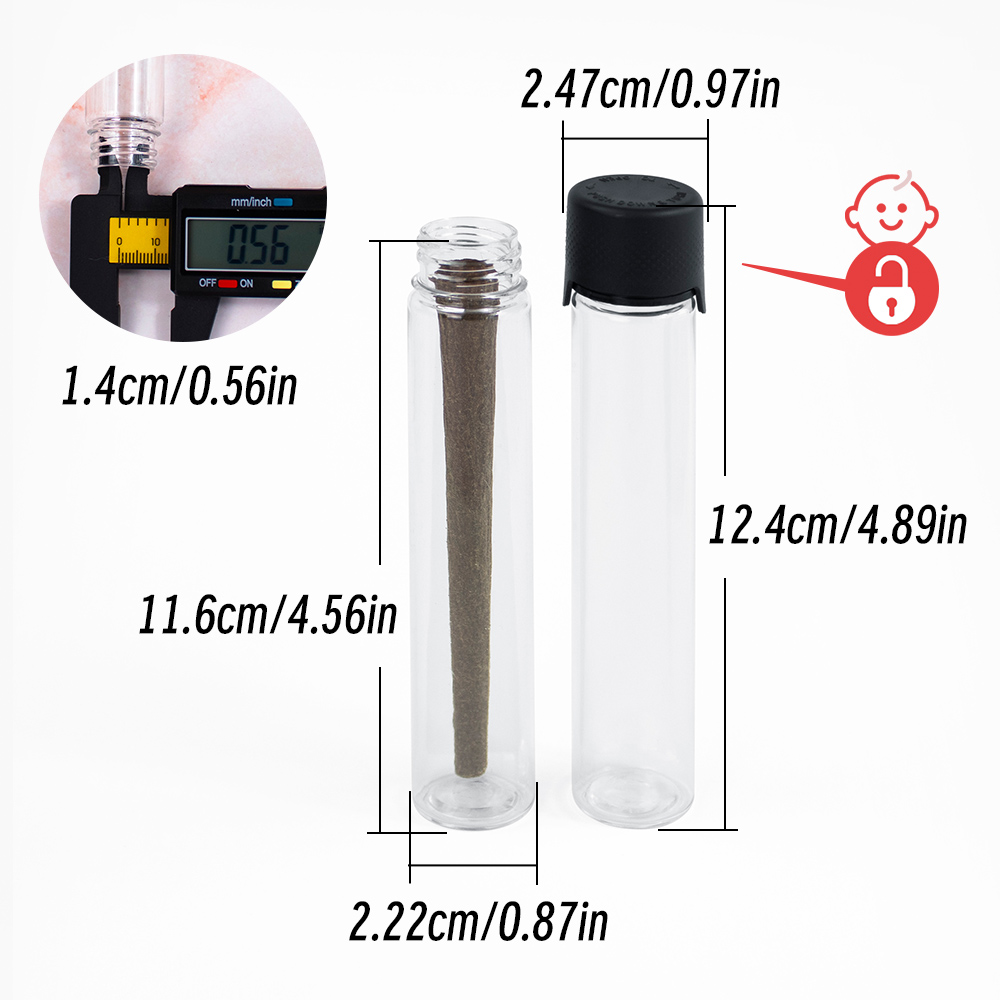
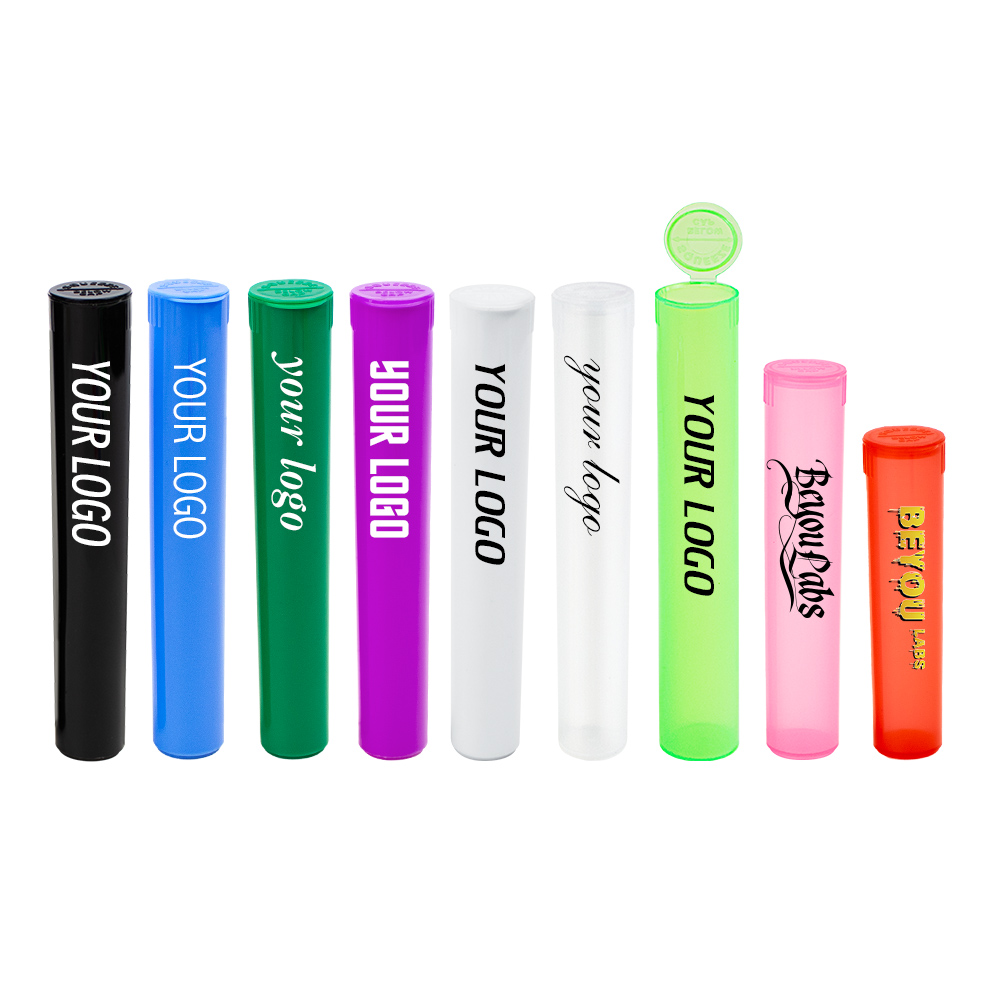
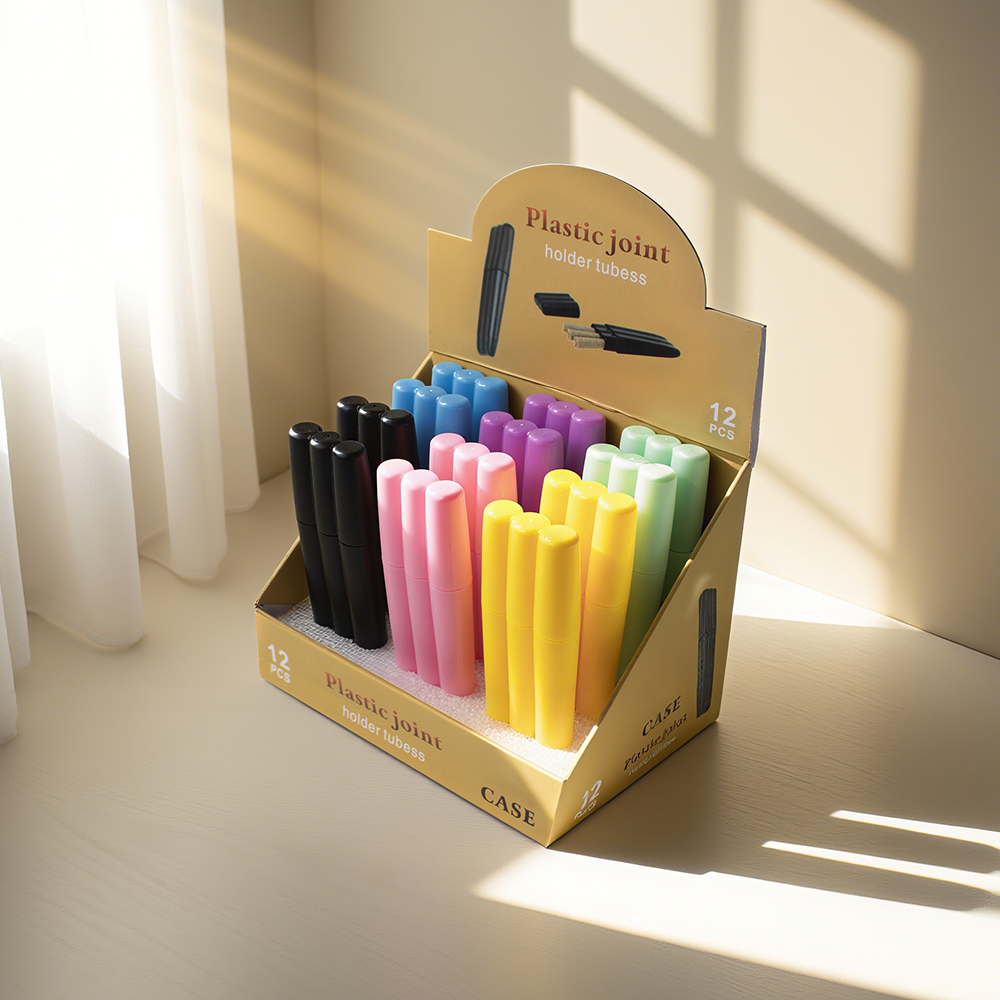
Pre-rolls (singles) | Pre-roll tube (plastic/glass/cardboard) | Crush protection, CR options | Tube + display box |
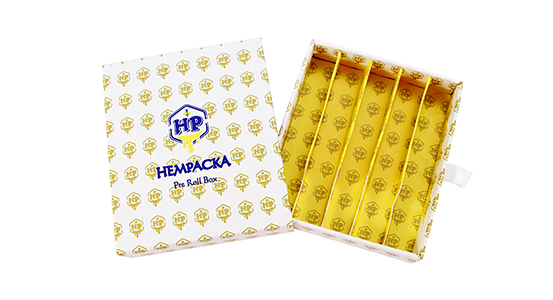
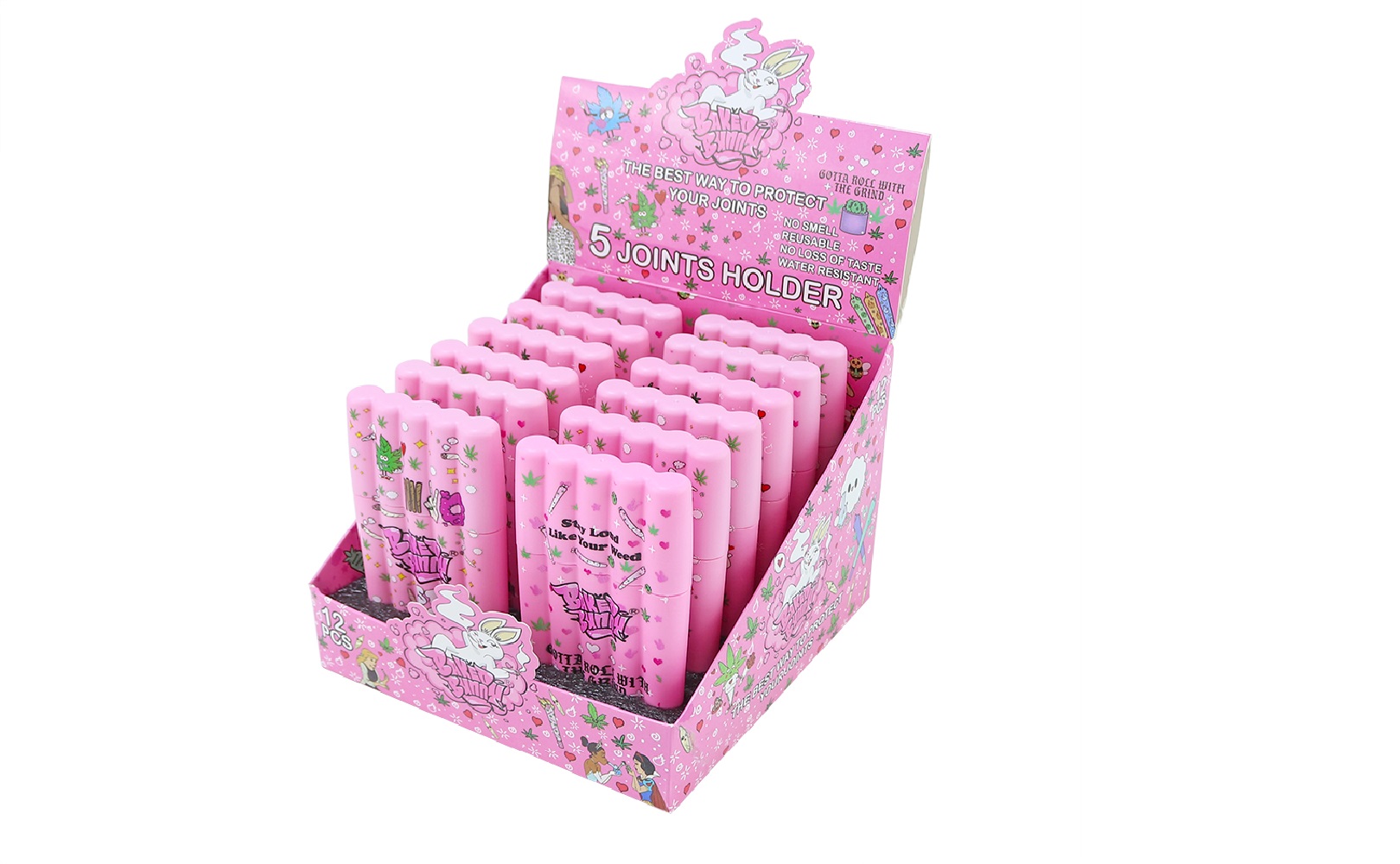
Pre-rolls (multipacks) | Rigid cardboard pack with inner liner | Structure + branding + CR closure | Box + barrier liner |
Edibles | Food-grade pouch or rigid carton | Food safety, dosing labels, CR | Carton + sealed inner pouch |
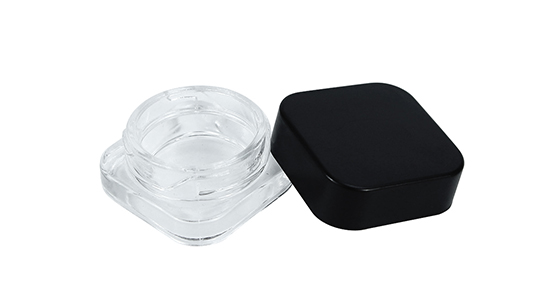
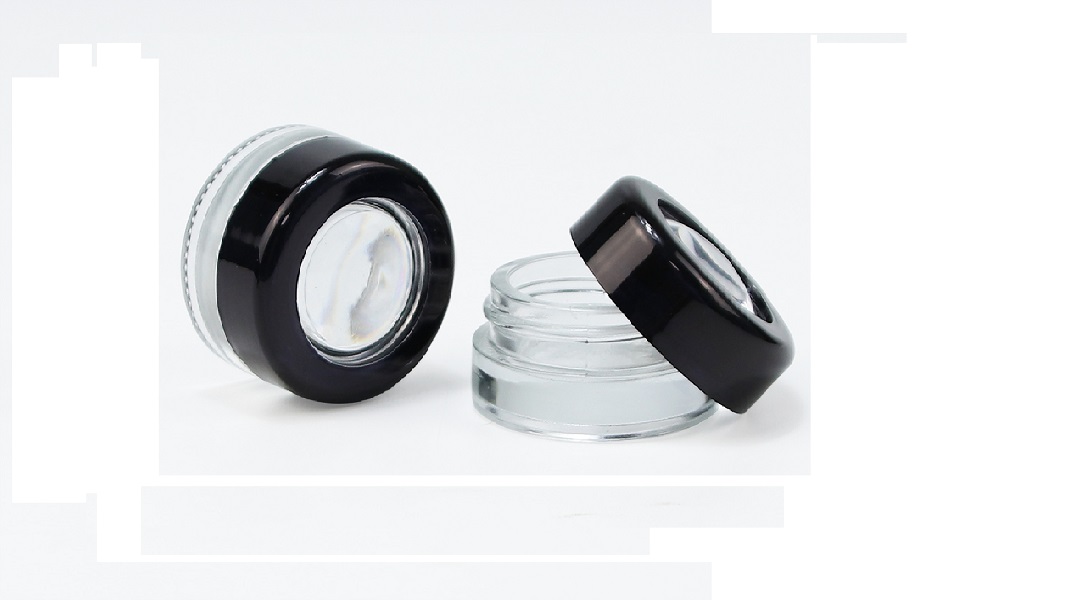
Concentrates | Glass jar (small) | Inert, non-stick, aroma | Jar + outer box |
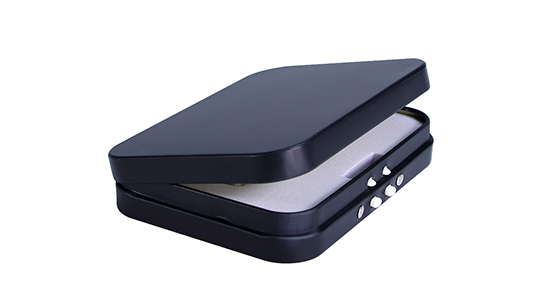
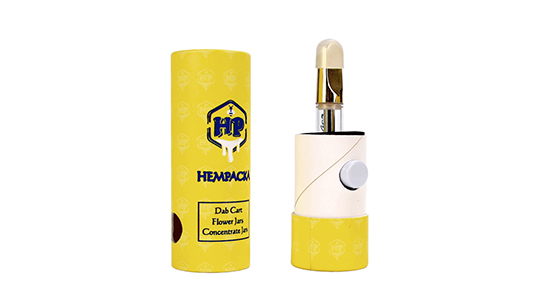
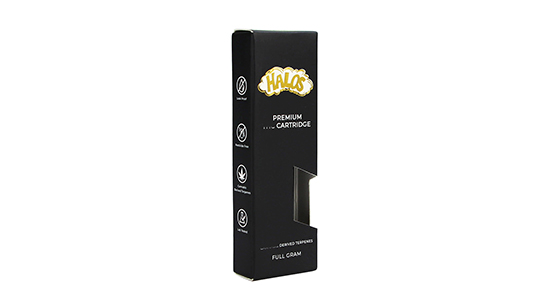
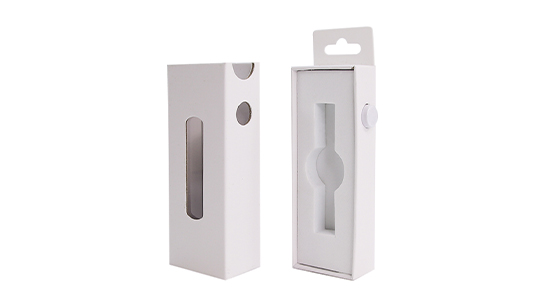
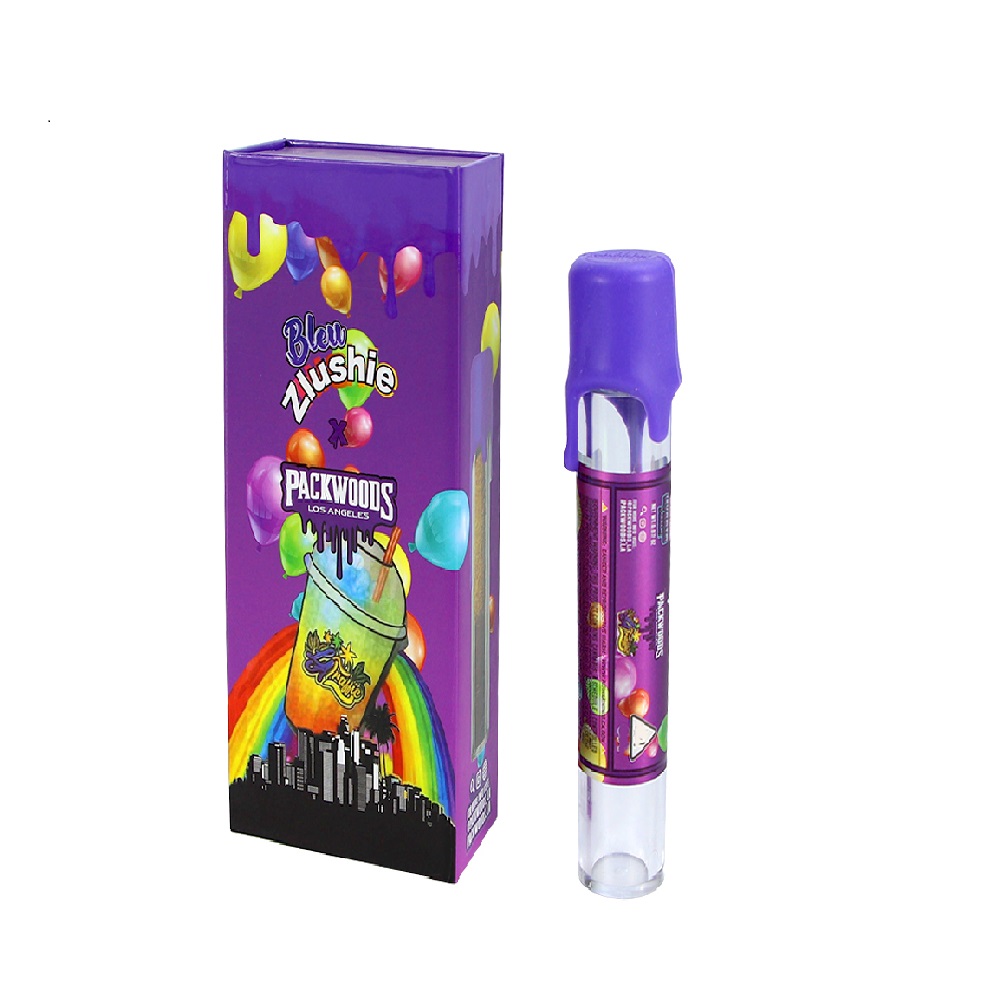
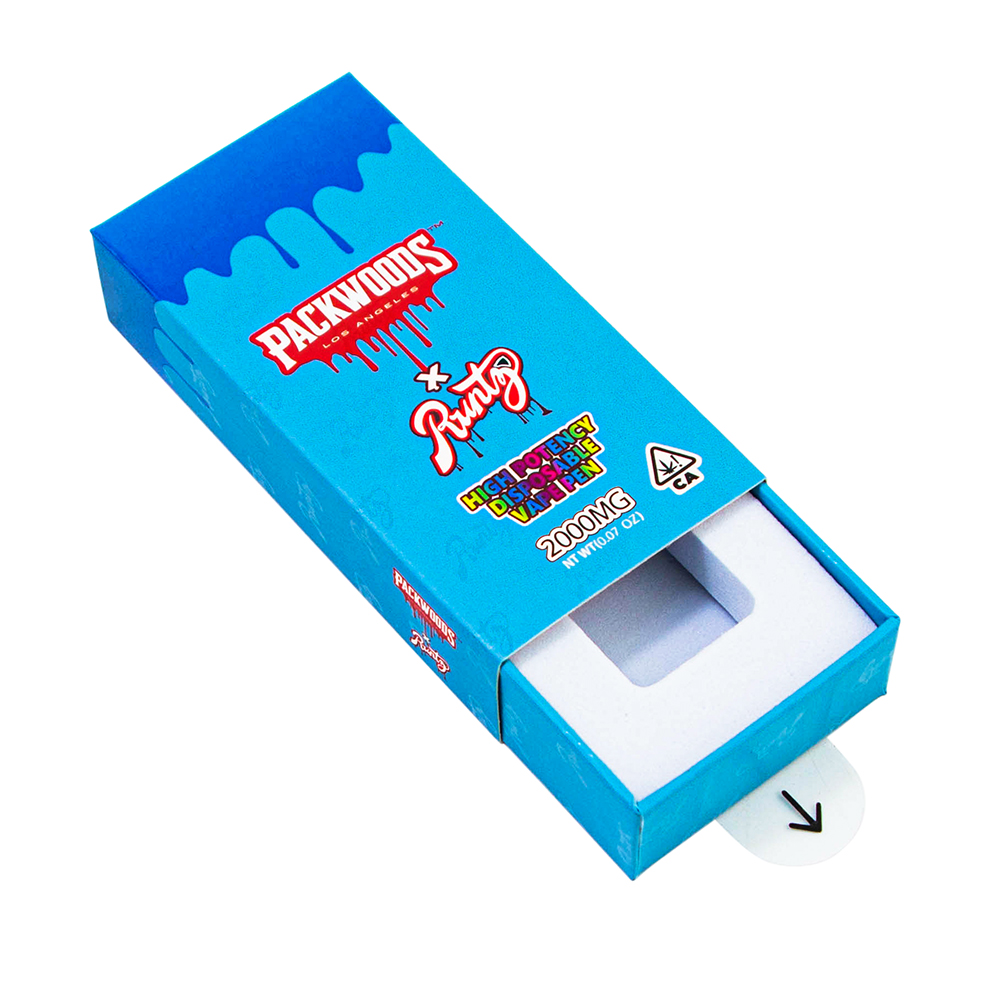
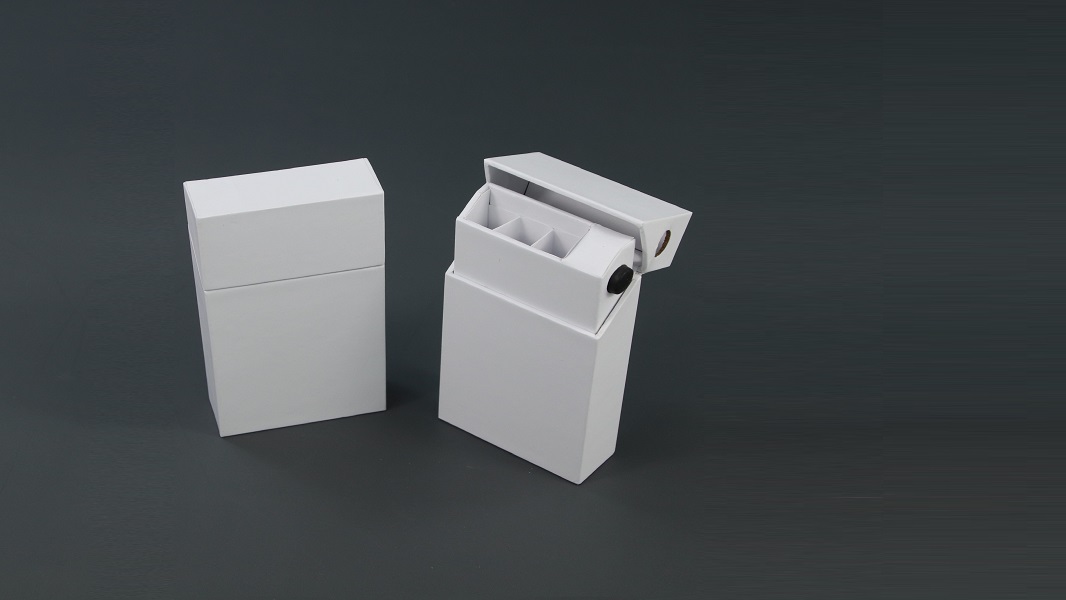
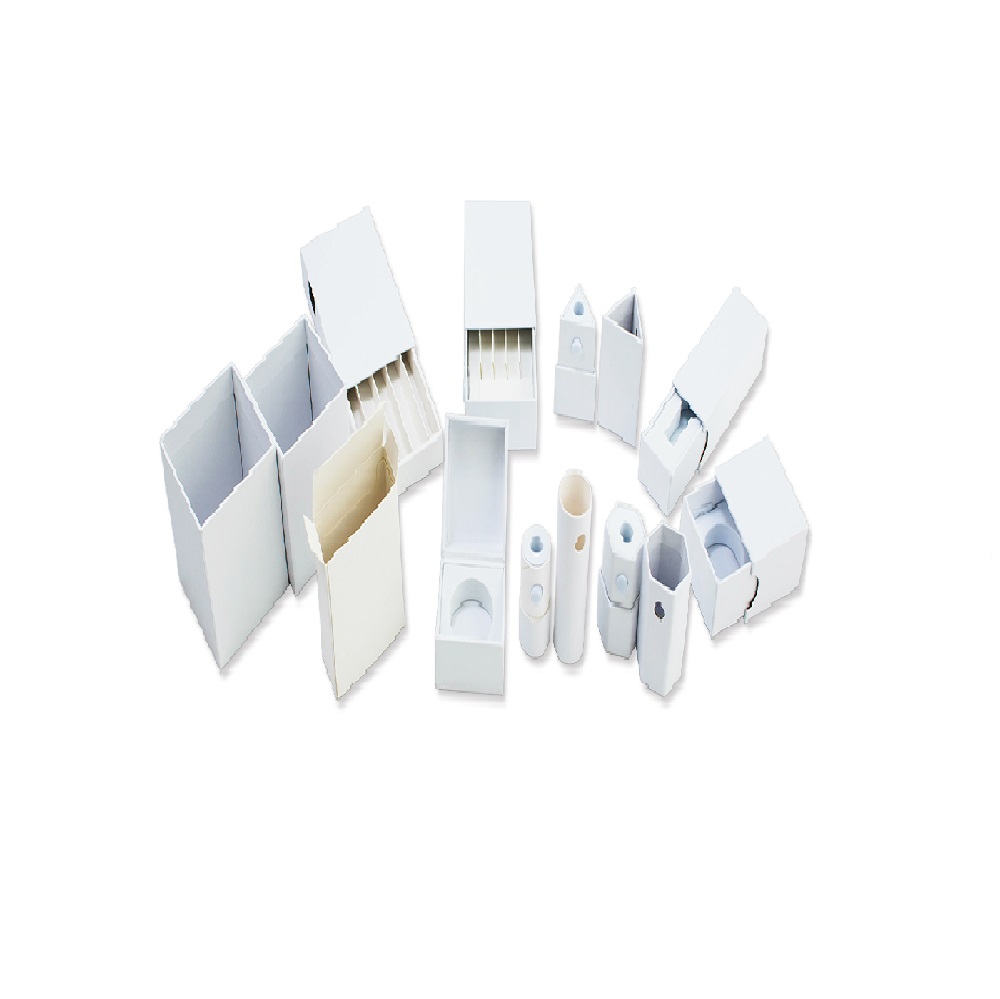
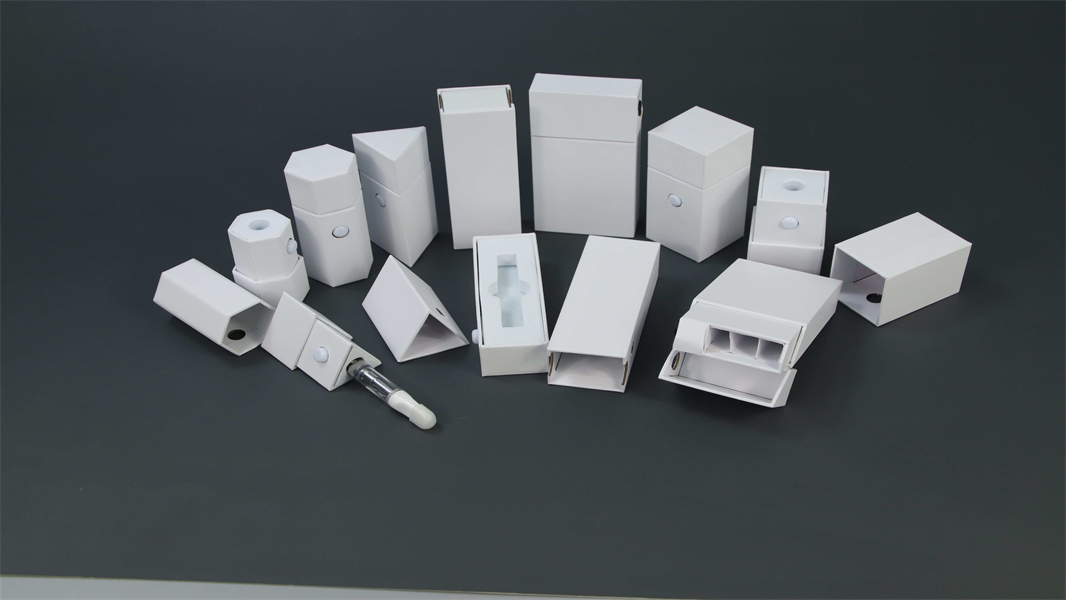
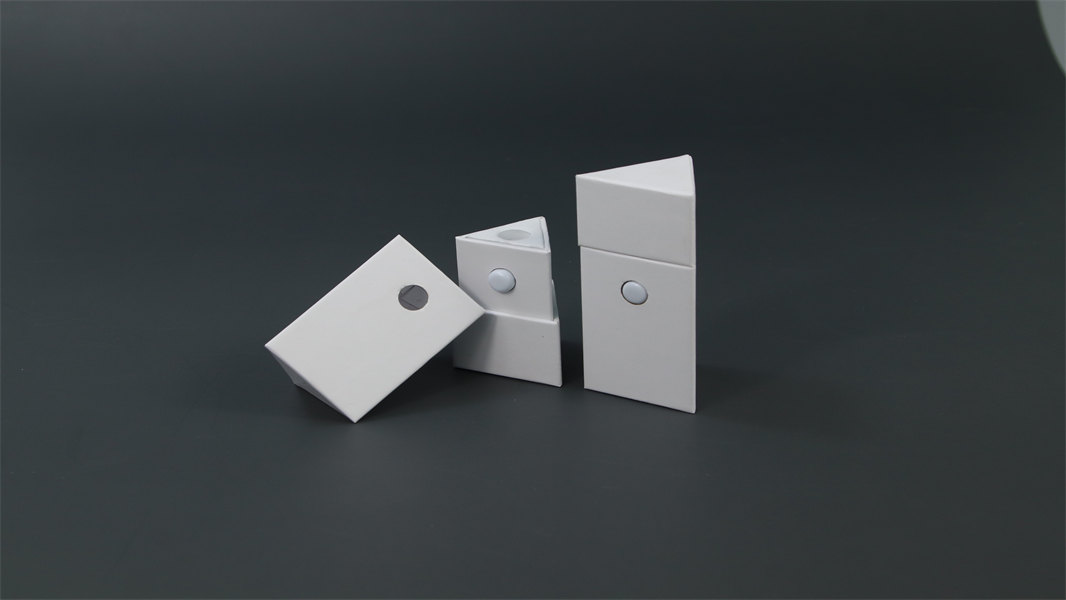
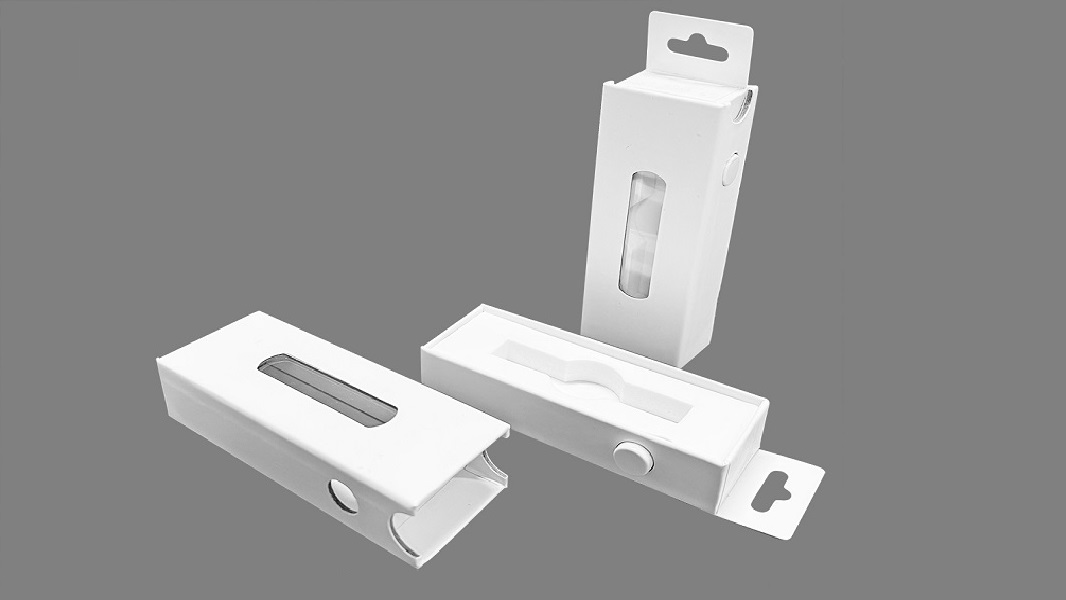
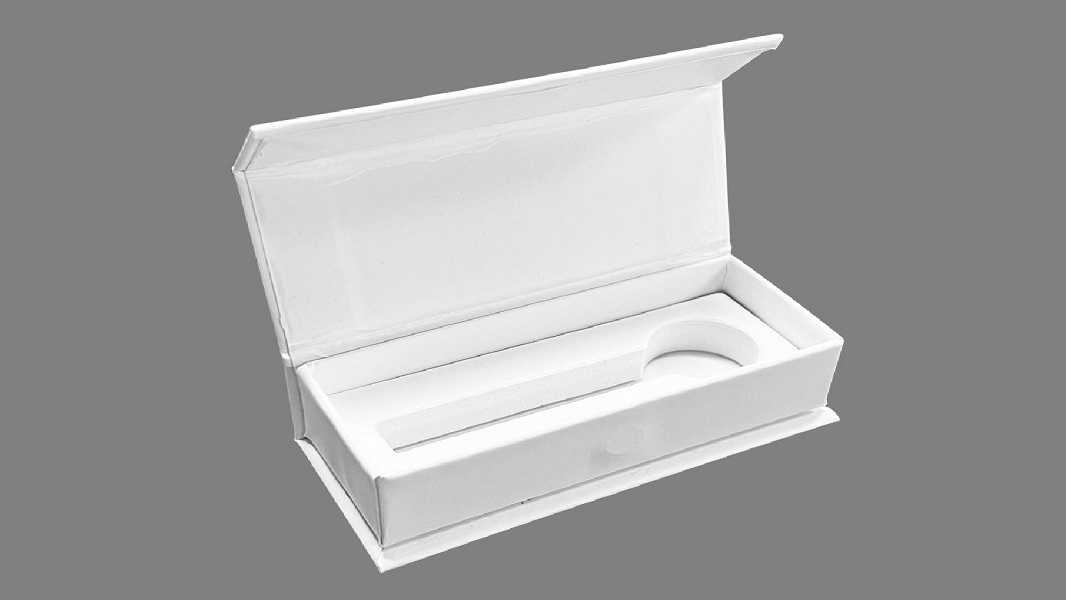
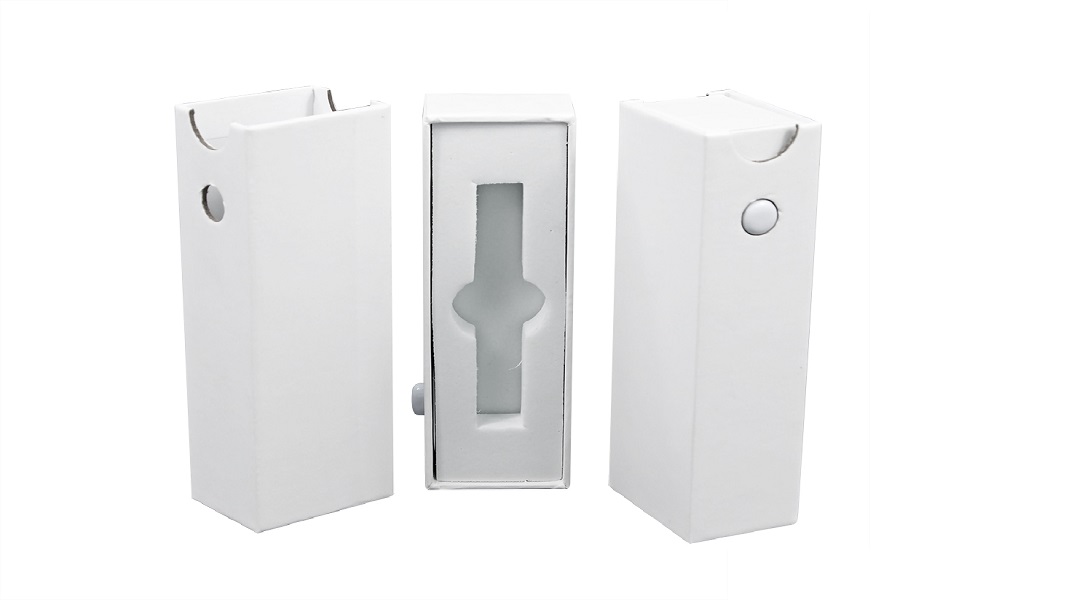
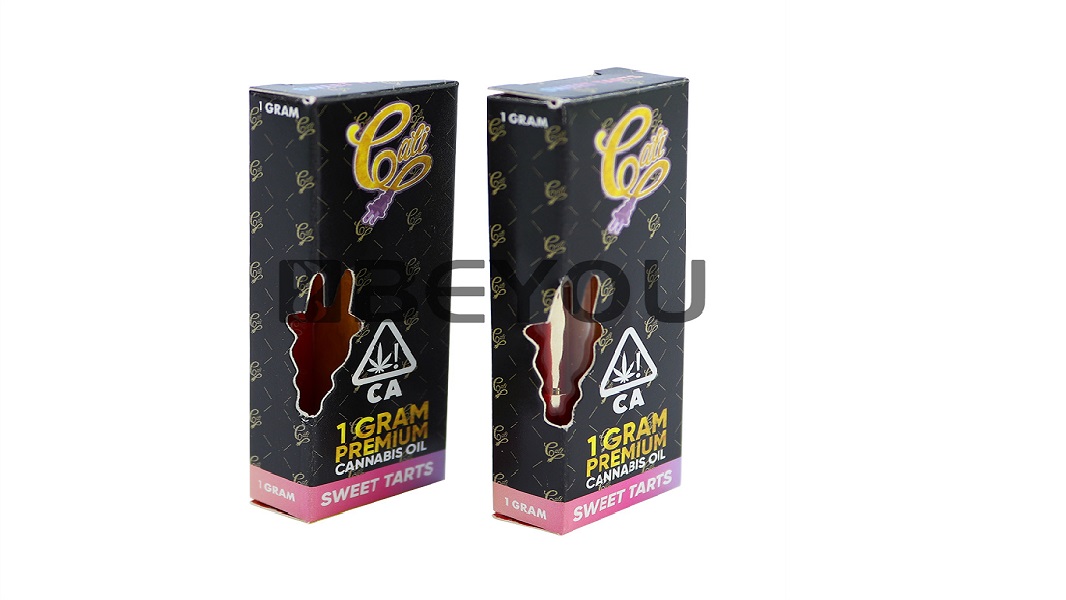
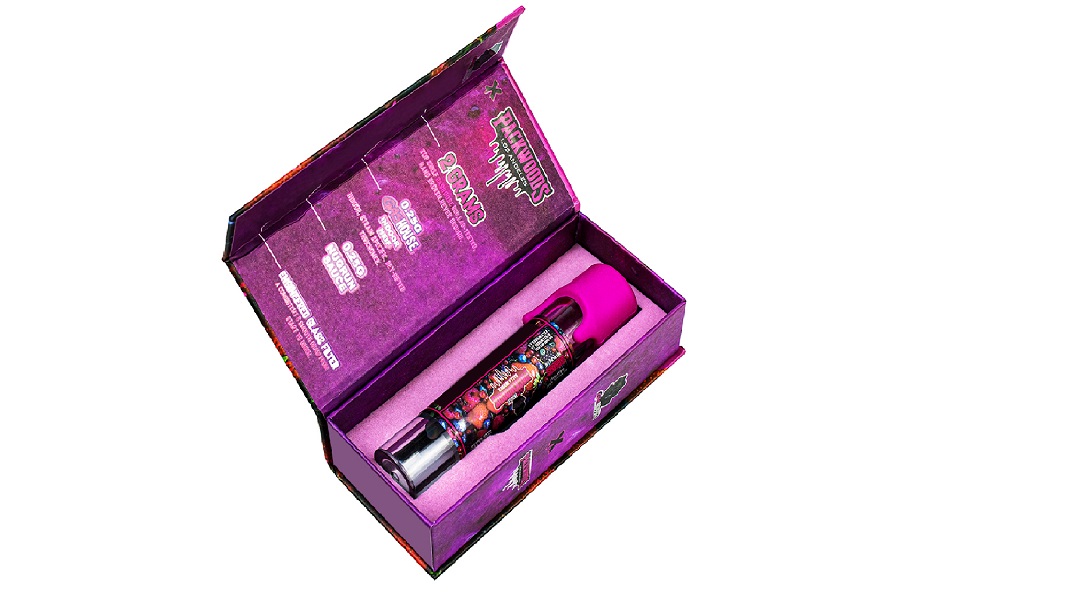
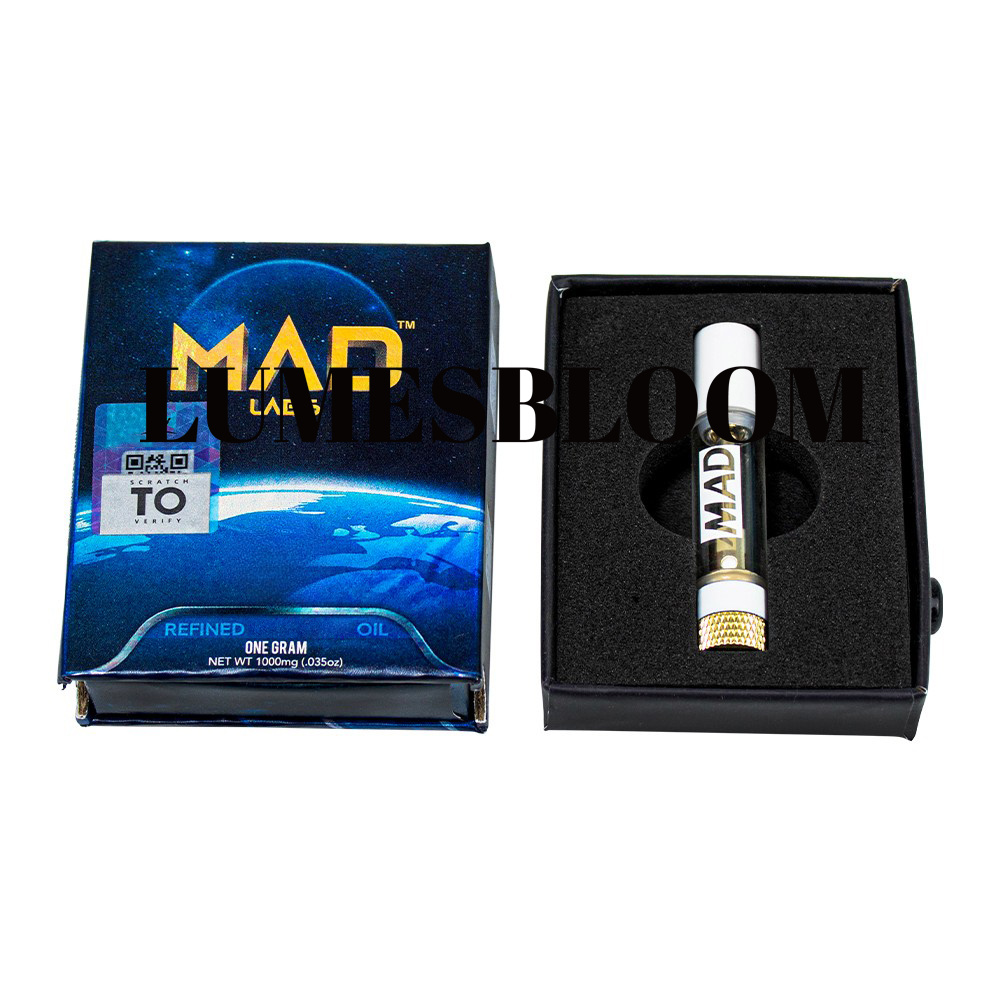
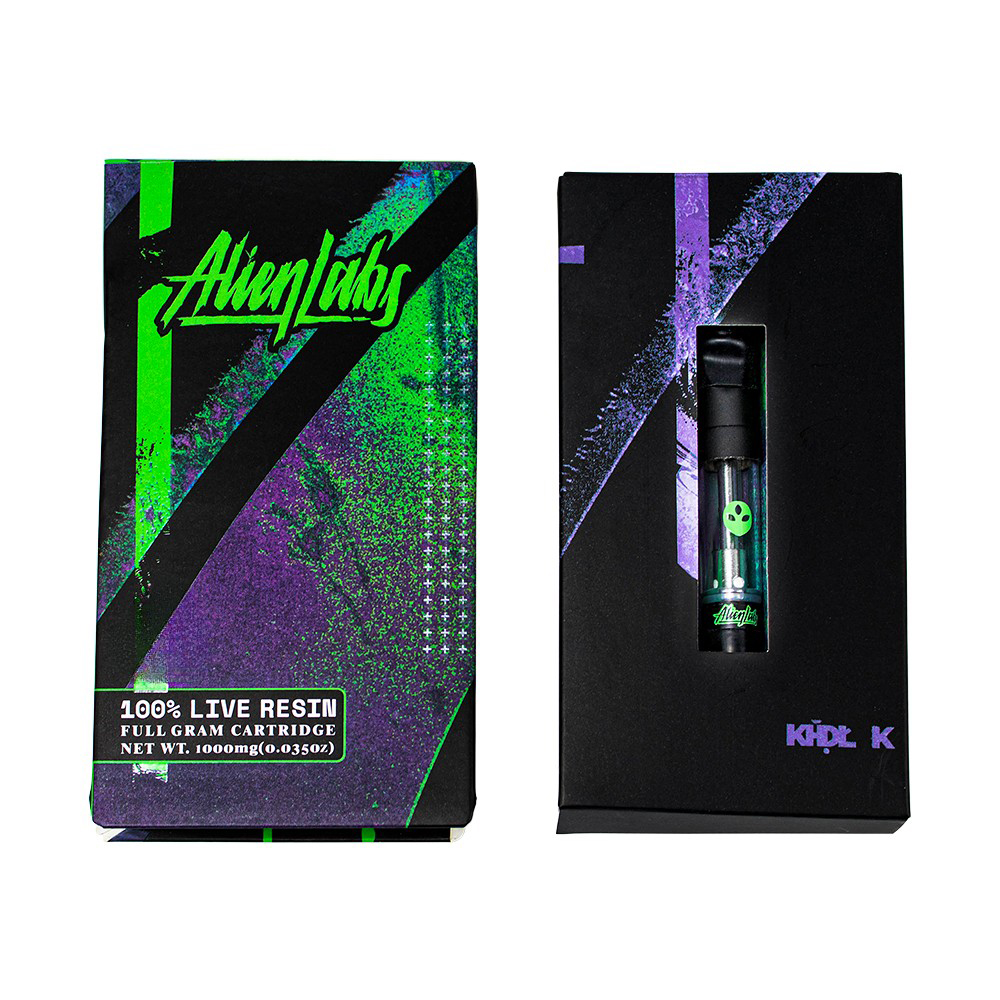
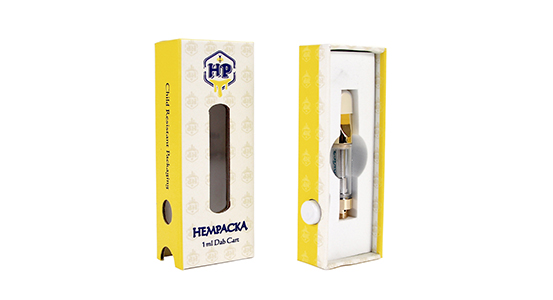
Vape cartridges | Rigid carton with insert | Structure, compliance panel space | Box + insert card |
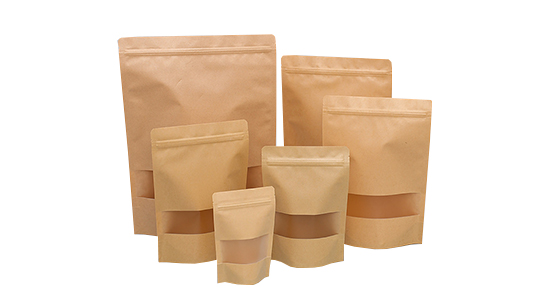
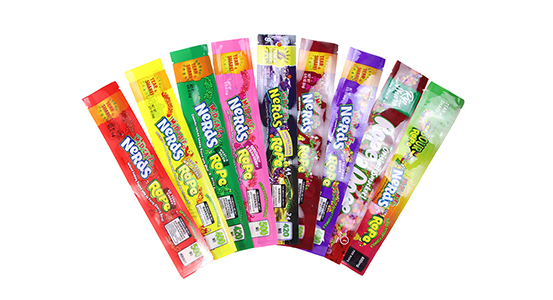
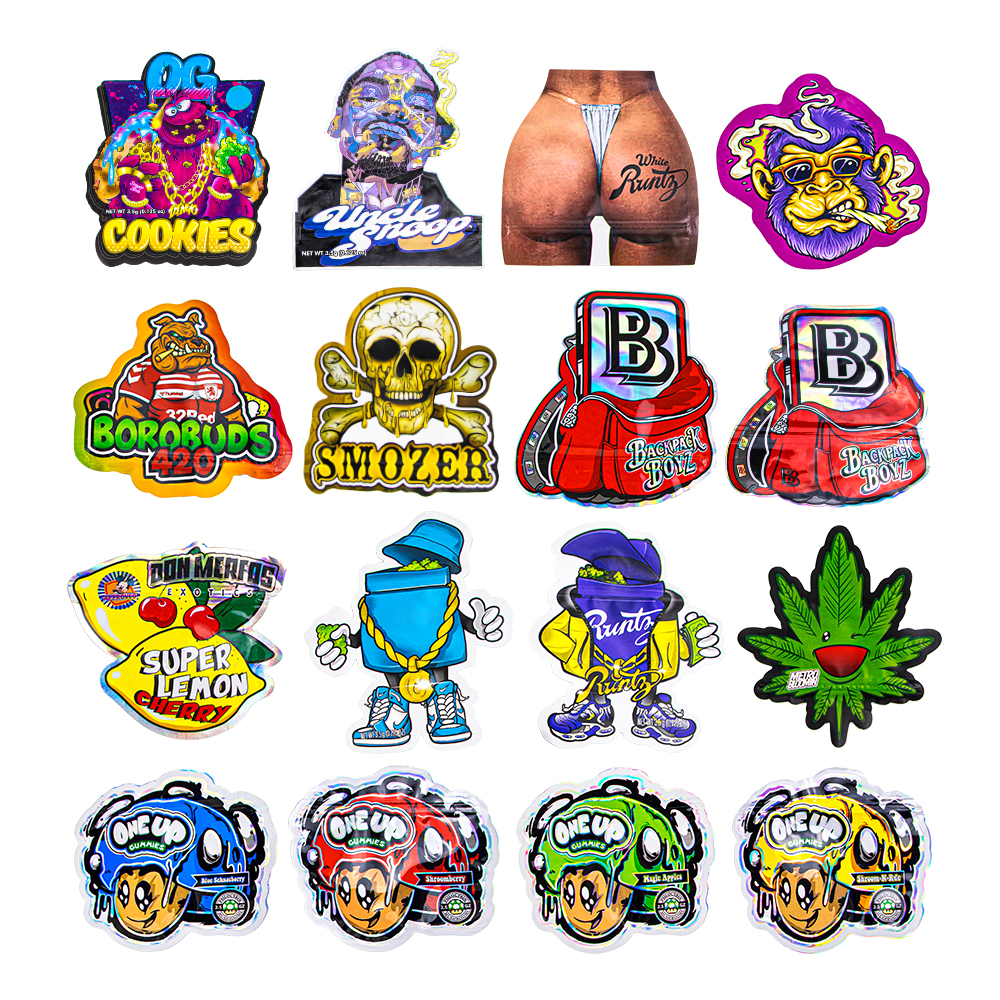
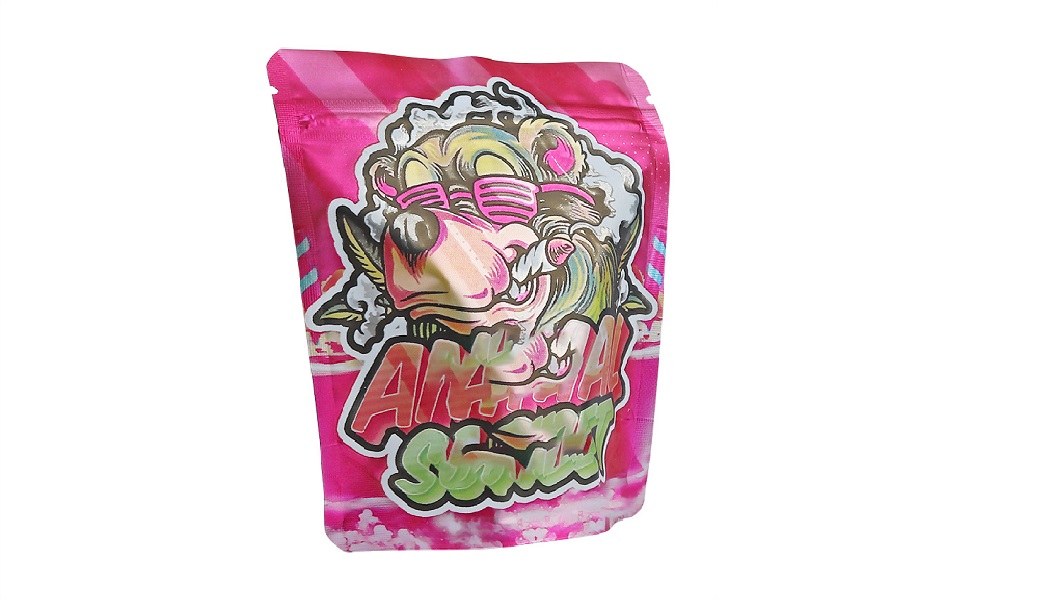
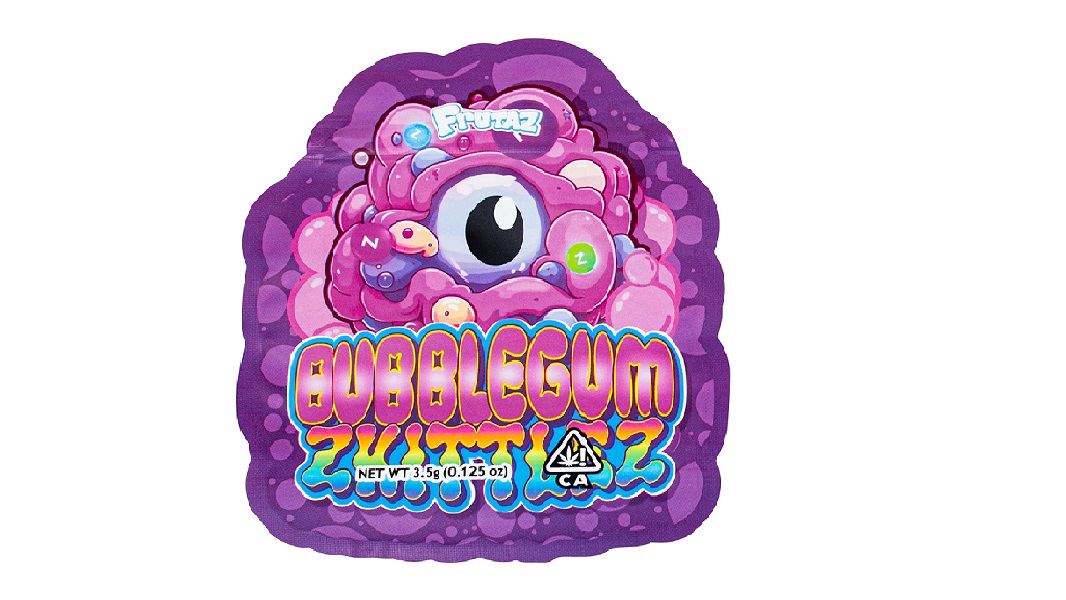
Exit / dispensary bags | Mylar or kraft with CR zipper | Compliance, low cost, branding | Standalone |
In practice, the best-performing packaging is rarely a single material. The most common configurations:
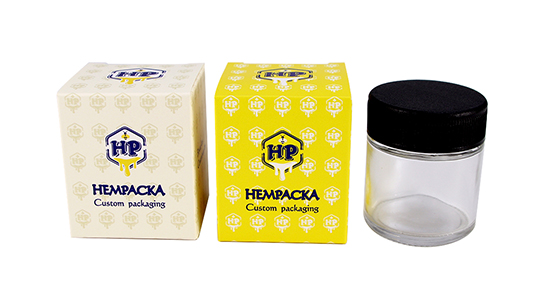
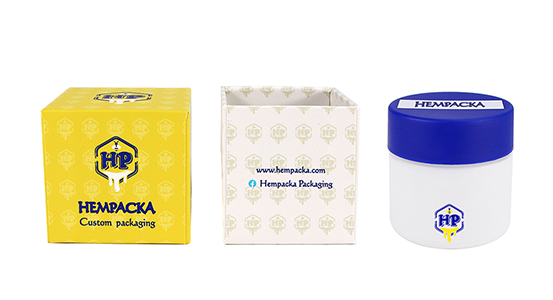
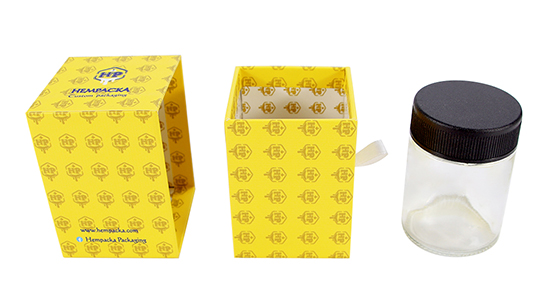
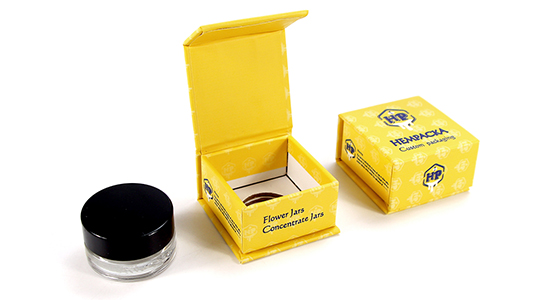
Jar + box:
● glass jar for protection and premium feel inside a printed rigid box for branding and shelf presence.
Carton + pouch:
● a food-grade sealed pouch inside a printed carton for edibles — barrier where it matters, branding where it sells.
Mylar + exit bag:
● bulk mylar for shipping economics, with a compliant exit bag at retail.
Combination packaging costs more per unit but often wins on both compliance and conversion — which is why it dominates higher-margin segments.
Two cost factors consistently surprise first-time buyers:
Freight weight.
1. Glass can multiply shipping cost relative to mylar for the same unit count. On high-volume flower, this difference can exceed the packaging cost itself.
Breakage and returns.
2. Glass requires protective secondary packaging and tighter carton design; mylar and paper do not.
Offsetting these are volume economics: at scale, glass jars and rigid boxes can reach competitive per-unit costs, and factory-direct sourcing removes layers of distributor margin. The right calculation always compares landed cost per sellable unit, not the unit price on a quote.
Recyclability claims deserve scrutiny. Cardboard and glass are widely recyclable, but small-format packaging can be screened out during sorting and may not be recovered even when technically recyclable. Multi-layer mylar films are difficult to recycle in most municipal systems.
Practical moves that matter more than marketing claims: right-sizing packaging to cut material use, choosing mono-material designs where feasible, specifying recycled content, and being accurate about what your packaging actually does at end of life.
Choosing on unit price alone. Landed cost — freight, breakage, protection — decides the true number.
Assuming all mylar is equal. Film structure (layer count, foil) determines performance, not the word "mylar."
Using paper without a liner for flower. Paper alone won't hold humidity.
Ignoring child-resistance until design is locked. CR often changes the closure or the inner component, which can force a redesign.
Over-packaging small products. Excess material raises cost and can hurt sustainability positioning.
Is glass or mylar better for cannabis flower? Both work well. Glass is inert and premium, ideal for smaller premium runs; high-barrier mylar offers comparable protection at much lower freight weight, which suits volume and wholesale. Many brands use both for different SKUs.
Can cardboard packaging keep cannabis fresh? Cardboard alone is a poor moisture barrier. For flower and edibles, pair it with a sealed, high-barrier inner liner or pouch.
Which material is best for child-resistant packaging? All three can be child-resistant, but the CR mechanism comes from the closure or inner component — a CR lid on a jar, a CR zipper on a mylar bag, or a CR closure on a box. Certification applies to the finished package.
What's the cheapest cannabis packaging material? At volume, mylar and paper generally cost less per unit than glass, and mylar's lower freight weight widens the gap. Total cost depends on your format, print and market.
Which material is most sustainable? It depends on your end-of-life reality: glass and cardboard are widely recyclable; multi-layer mylar typically isn't. Right-sizing and recycled content often reduce impact more than switching materials.
The material name tells you very little. Film structure, board weight, closure type, barrier rating and CR certification are what decide whether your packaging performs.
Hempacka manufactures glass jars, high-barrier mylar bags and custom rigid boxes with child-resistant options — and we'll recommend a specification based on your product type, market and volume.
[INTERNAL LINK: Request samples / Get a quote] — tell us what you're packing and where you sell, and we'll propose a material configuration.